Back to blog
Research

Best Play to Earn Crypto Games in 2025: Top Blockchain Games Rewarding Players with Real Value

Discover the top play-to-earn crypto games of 2025, where blockchain technology rewards players with real value. Explore the best options now!
Token Metrics Team
8 min
Want Smarter Crypto Picks—Free?
See unbiased Token Metrics Ratings for BTC, ETH, and top alts.
Thank you! Your submission has been received!
Oops! Something went wrong while submitting the form.
 No credit card | 1-click unsubscribe

The gaming landscape has fundamentally transformed, with blockchain technology enabling players to earn real cryptocurrency and own valuable digital assets through gameplay. Unlike traditional games where in game items remain locked within a single ecosystem, play to earn games offer true ownership and the ability to generate income while enjoying immersive gameplay.

In 2025, the play to earn sector has matured significantly, moving beyond early experimental models to establish sustainable economies that reward skilled players with genuine value. These blockchain games combine entertaining gameplay mechanics with tokenized economies, creating virtual worlds where players compete, complete quests, and trade virtual assets for real world value.

This comprehensive guide explores the best play to earn crypto games currently rewarding players with substantial returns, examining their earning mechanisms, entry requirements, and long-term potential. Whether you’re a casual gamer seeking passive income or a dedicated player looking to maximize crypto rewards, understanding these top blockchain games will help you make informed decisions about where to invest your time and resources.

What Are Play-to-Earn Games and How They Work in 2025

Play to earn games represent a revolutionary shift in the gaming industry, utilizing blockchain technology to create decentralized virtual worlds where players truly own their in game assets. Unlike traditional games where purchased items belong to the game publisher, P2E games grant players complete ownership through non fungible tokens and smart contracts.

The core mechanism behind these crypto games involves rewarding players with the game’s native token for various in game actions. Players earn money by winning battles, completing missions, trading virtual land, or participating in the game’s economy through staking and governance activities. These digital assets can be freely traded on decentralized marketplaces, with values determined by player demand and asset rarity.

Earning Mechanisms in Modern P2E Games

Today’s best play to earn games offer multiple revenue streams beyond simple gameplay rewards. Players collect rare NFT items through exploration and combat, participate in tournament prizes, and benefit from the appreciation of virtual real estate investments. Some games reward community participation, while others offer passive income through staking mechanisms.

The tokenized nature of these gaming economies means that skilled players can earn rewards comparable to part-time employment. Virtual economies operate independently of traditional gaming companies, with in game currencies maintaining real world value through cryptocurrency exchanges and peer-to-peer trading.

Advanced players often diversify across multiple blockchain based games, treating their gaming activities as a portfolio of crypto tokens and virtual assets. This approach helps mitigate the volatility inherent in individual game’s ecosystems while maximizing overall earning potential.

Top 10 Best Play-to-Earn Crypto Games in 2025

The following blockchain games represent the most lucrative and sustainable earning opportunities available to players in 2025. Each game operates on proven economic models with active player bases and consistent reward distribution.

Axie Infinity - The Pioneer P2E Game Still Paying in 2025

Axie Infinity remains the gold standard among play to earn games, maintaining over one million active players and a robust economy built around collecting, breeding, and battling NFT creatures. Players earn Smooth Love Potion (SLP) through daily activities and Axie Infinity Shards (AXS) through competitive gameplay and governance participation.

The game operates on the Ronin blockchain, a custom Ethereum sidechain that enables low cost transactions without the prohibitive gas fees associated with mainnet Ethereum. This infrastructure allows players to complete in game transactions efficiently while maintaining the security benefits of blockchain technology.

Recent updates have introduced free starter Axies, significantly lowering the barrier to entry for new players. Skilled competitors can earn between $2-20 daily, depending on their rank, daily activity level, and current token market prices. The game’s universe continues expanding with new gameplay modes and economic mechanisms designed to ensure long-term sustainability.

Community-led guilds have emerged as a professional layer within axie infinity, pooling resources and sharing strategies to optimize earning potential. These organizations often provide scholarships to new players, splitting earnings in exchange for providing initial investment capital.

The Sandbox - Create and Earn in the Blockchain Metaverse
The Sandbox represents the pinnacle of virtual world games, offering players the opportunity to own, develop, and monetize virtual real estate through LAND NFTs. This decentralized virtual world operates on a creator-driven economy where users build games, host events, and trade virtual land for substantial profits.

The SAND token serves multiple functions within the game’s ecosystem, facilitating governance decisions, staking rewards, and all marketplace transactions. Players generate income through land appreciation, rental fees, and creating monetizable experiences using the integrated game maker tools.

Major brand partnerships with celebrities and entertainment companies have driven significant value appreciation for prime virtual real estate locations. Early investors in strategic LAND parcels have seen substantial returns as the platform’s user base expanded throughout 2024 and 2025.

Content creators particularly benefit from The Sandbox’s monetization model, as the VoxEdit and Game Maker tools enable the creation and sale of custom NFT assets. The platform’s emphasis on user-generated content ensures a constantly evolving virtual world with new earning opportunities.

Illuvium - AAA Open World RPG with NFT Creature Collection
Illuvium delivers AAA-quality open world exploration combined with sophisticated NFT creature collection mechanics. This open world rpg rewards players with ILV tokens for PvE exploration, PvP battles, and participating in the game’s evolving narrative.

Built on Immutable X, Illuvium ensures gas-free NFT transactions while maintaining Ethereum-level security. This technical infrastructure removes one of the primary barriers that prevent casual gamers from participating in blockchain games, as players never worry about transaction costs eating into their earnings.

The free to play model welcomes all players, while premium features like rare creature minting and high-stakes tournaments offer enhanced earning potential for those willing to make an initial investment. Beta testing throughout early 2025 demonstrated strong player engagement and consistent NFT trading volume.

Staking ILV tokens provides additional passive income streams, with rewards distributed to holders who commit to long-term ecosystem participation. The combination of active gameplay rewards and passive staking returns creates multiple paths to profitability within the game’s universe.

Big Time - Free-to-Play MMORPG with Cosmetic NFT Economy

Big Time combines fast-paced MMORPG action with a sophisticated cosmetic NFT economy that rewards skilled players without requiring upfront investment. Players earn BIGTIME tokens through dungeon raids, crafting activities, and participating in the game’s player-driven marketplace.

The game’s emphasis on cosmetic NFTs rather than pay-to-win mechanics ensures that success depends on player skill rather than wallet size. SPACE NFTs function as virtual real estate, enabling owners to operate shops and benefit from marketplace transaction fees.

Operating on Ethereum with Open Loot integration, Big Time offers interoperability with other blockchain games and easy asset trading. The free to play nature attracts a broad audience, while the earning potential keeps dedicated players engaged long-term.

Community events and seasonal content updates provide regular opportunities for earning limited-edition NFTs and bonus token rewards. The game’s economy balances accessibility for newcomers with substantial earning potential for dedicated players.

Gods Unchained - Strategic Trading Card Game with Real Ownership
Gods Unchained stands out among trading card games by offering complete ownership of digital cards through NFT technology. Players earn GODS tokens through ranked matches, tournament participation, and strategic card trading on the game’s marketplace.

The free to play entry removes financial barriers while maintaining competitive depth that rewards strategic thinking and deck-building skills. Monthly tournaments feature substantial prize pools, with skilled players earning significant crypto rewards through competitive play.

Card forging mechanics allow players to combine multiple copies into higher-rarity versions, creating additional value through strategic collection management. The professional esports scene surrounding Gods Unchained provides aspirational earning targets for dedicated competitive players.

Unlike traditional collectible card games, players retain full ownership of their collections and can freely trade or sell cards outside the game’s ecosystem. This true ownership model ensures that time invested in building collections maintains real world value.

Splinterlands - Decentralized Card Battle Strategy

Splinterlands operates as a decentralized card battle game on the Hive blockchain, rewarding players with Dark Energy Crystals (DEC) and Splintershards (SPS) through competitive battles and tournament participation. The game’s economy supports multiple earning streams including card rental, tournament prizes, and staking rewards.

The low-cost blockchain infrastructure enables frequent transactions without prohibitive fees, making it accessible to players regardless of their initial investment level. Daily quests and seasonal rewards provide consistent earning opportunities for active players.

Guild participation adds a social layer to earnings, with collaborative events and shared rewards encouraging community engagement. The decentralized autonomous organization structure gives players governance rights proportional to their SPS holdings.

Star Atlas - Space Exploration MMORPG

Star Atlas combines MMORPG mechanics with economic strategy in a space exploration setting. Players earn through resource mining, interstellar trade, and PvP combat while building fleets and establishing territorial control.

Operating on the Solana blockchain ensures fast transaction processing and low fees, crucial for the real-time economic activities that drive the game’s universe. The medium-to-high entry cost reflects the game’s sophisticated graphics and complex economic systems.

Pixels - Social Farming Metaverse

Pixels offers a casual approach to play to earn gaming through farming simulation and social interaction. The large free to play component makes it accessible to newcomers, while the item crafting and trading systems provide earning opportunities for dedicated players.

My Neighbor Alice - Creative Building and Social Gaming

My Neighbor Alice focuses on creative building and social interaction within a charming virtual world. Players earn through NFT land ownership, item creation, and participating in community events.

Gunz - AAA Battle Royale with Crypto Rewards
Gunz delivers competitive battle royale action with tokenized rewards and NFT weapon systems. The high-quality graphics and intense gameplay attract traditional gamers while the crypto economy provides earning incentives.

Blockchain Platforms Supporting P2E Games in 2025

The infrastructure supporting play to earn games has evolved dramatically, with multiple blockchain platforms offering distinct advantages for different gaming experiences. Understanding these platforms helps players choose games that align with their technical preferences and economic goals.

Ethereum remains the most established platform for NFT games, though high gas fees necessitate Layer 2 solutions for practical gameplay. Polygon provides a popular alternative with low transaction costs and high throughput, making it ideal for games requiring frequent player interactions.

Immutable X has emerged as a preferred platform for AAA-quality games, offering instant, gas-free NFT trading through zero-knowledge rollup technology. This infrastructure removes traditional blockchain friction while maintaining Ethereum-level security.

Solana excels in supporting real-time gaming applications through its high-speed transaction processing, though the ecosystem remains smaller than Ethereum-based alternatives. The Ronin blockchain, purpose-built for gaming, demonstrates how specialized infrastructure can optimize the player experience.

Cross-chain compatibility has become increasingly important, with leading games supporting multiple blockchains to capture broader audiences. This trend toward interoperability benefits players by providing more options for asset management and trading.

How to Start Playing and Earning from P2E Games

Entering the play to earn ecosystem requires careful preparation and strategic thinking. Success begins with establishing secure cryptocurrency wallets and understanding basic blockchain security principles before committing significant time or resources.

Essential Setup Requirements

New players must first secure a compatible cryptocurrency wallet, typically MetaMask for Ethereum-based games or specialized wallets like Ronin for specific ecosystems. Understanding private key management and recognizing common scams protects investments and prevents costly mistakes.

Research represents the most critical initial step, as the quality and sustainability of P2E games vary dramatically. Investigating team backgrounds, reading community feedback, and analyzing tokenomics helps identify legitimate projects with long-term potential.

Choosing Your First Game

Budget considerations should guide initial game selection, as entry costs range from completely free to thousands of dollars for premium NFT collections. Beginning with free to play options allows newcomers to understand P2E mechanics without financial risk.

Time commitment varies significantly between games, with some requiring daily attention while others generate passive income through staking mechanisms. Aligning game selection with available time ensures sustainable participation and consistent earning potential.

Risk management principles apply to P2E gaming just as they do to traditional investing. Never invest more than you can afford to lose, diversify across multiple games and assets, and maintain realistic expectations about earning potential.

Maximizing Earnings from Play-to-Earn Games

Advanced players employ sophisticated strategies to optimize their earning potential across multiple blockchain games and economic mechanisms. Understanding market dynamics, timing, and diversification principles significantly impacts long-term profitability.

Advanced Earning Strategies

NFT flipping requires market knowledge and timing skills, as players identify undervalued assets and sell during demand spikes. Successful flippers study game updates, monitor community sentiment, and understand rarity mechanics that drive asset values.

Staking and yield farming provide passive income streams that complement active gameplay earnings. Many games offer staking rewards for holding native tokens, while DeFi integration enables additional yield through liquidity provision.

Guild participation often multiplies individual earning potential through resource sharing, collaborative strategies, and bulk purchasing power. Experienced guilds provide education and support while offering profit-sharing arrangements for contributed assets.

Market Timing and Portfolio Management

Understanding market cycles helps players optimize when to sell earned tokens and NFTs for maximum value. Cryptocurrency markets exhibit cyclical behavior, and timing major sales during favorable conditions significantly impacts overall returns.

Diversification across multiple gaming ecosystems reduces risk while providing exposure to different earning mechanisms. Balancing high-risk, high-reward investments with stable, consistent earners creates more predictable income streams.

Community engagement often correlates with earning success, as active participants gain early access to new features, airdrops, and exclusive opportunities. Building reputation within gaming communities opens doors to additional earning possibilities.

P2E Game Types and Earning Opportunities in 2025

The diversity of play to earn games ensures opportunities for players with different preferences, skill levels, and time commitments. Understanding various game categories helps players identify the most suitable earning opportunities.

Mobile Gaming and Accessibility

Mobile devices have become increasingly important platforms for P2E games, offering accessibility and convenience for casual gamers. These games typically feature lower entry barriers and simplified mechanics while still providing legitimate earning opportunities.

Location-based games utilize smartphone capabilities to create unique earning experiences tied to real-world movement and social interaction. These hybrid experiences attract players who prefer active, outdoor gaming combined with crypto rewards.

Competitive Gaming and Esports

Strategy games and collectible card games reward skill development and strategic thinking with substantial tournament prizes and ranking-based rewards. Professional players in these categories often earn amounts comparable to traditional employment through dedicated practice and competition.

Racing games and battle royale titles attract players seeking fast-paced action combined with competitive earning potential. These games often feature shorter play sessions while maintaining meaningful reward systems.

First-person shooters and fighting games appeal to traditional gamers while introducing crypto economics through weapon skins, character customization, and tournament participation.

Virtual World Development

Virtual worlds and metaverse platforms offer unique earning opportunities through content creation, event hosting, and virtual real estate development. Creative players can monetize their building and design skills while participating in expanding digital economies.

Social gaming elements within virtual worlds create earning opportunities through community management, education, and facilating trade between other players. These service-based earnings complement traditional gameplay rewards.

DeFi Integration and Financial Gaming

Games incorporating decentralized finance protocols enable players to earn through liquidity provision, lending, and complex financial strategies. These hybrid applications attract players interested in both gaming and DeFi yield optimization.

Governance participation in DAO-structured games provides additional earning streams through voting rewards and proposal creation. Engaged community members benefit from platform development decisions while earning governance tokens.

Risks and Challenges in Play-to-Earn Gaming

While P2E gaming offers legitimate earning opportunities, players must understand and manage significant risks that can impact their investments and time commitments. Market volatility remains the most immediate concern, as token values fluctuate based on broader cryptocurrency market conditions and game-specific developments.

Economic and Market Risks

Token price volatility can dramatically impact daily earnings, with successful players one day earning substantial amounts while facing minimal returns during market downturns. This unpredictability makes P2E gaming unsuitable as a primary income source without careful risk management.

Inflation pressures within individual game economies can erode earning power over time if developers fail to balance token supply and demand effectively. Games like Axie Infinity have demonstrated both the potential and challenges of maintaining sustainable economic models.

Technical and Security Challenges

Smart contract vulnerabilities pose risks to player assets, as bugs or exploits can result in permanent loss of valuable NFTs and tokens. Choosing games with audited contracts and established security track records reduces but doesn’t eliminate these risks.

Wallet security remains a constant concern, as players must protect private keys while frequently interacting with multiple blockchain applications. Understanding common attack vectors and maintaining proper security hygiene prevents costly mistakes.

Regulatory and Legal Considerations

Regulatory uncertainty across different jurisdictions creates potential compliance challenges for players earning significant amounts through P2E gaming. Tax implications vary by location and may require professional guidance for substantial earners.

Some regions classify P2E tokens as securities or gambling instruments, potentially restricting access or creating legal complications for participants. Staying informed about local regulations helps players maintain compliance while participating in global gaming economies.

Project Quality and Longevity

The P2E space contains numerous low-quality projects and outright scams designed to exploit inexperienced players. Due diligence requirements include researching development teams, analyzing tokenomics, and evaluating community sentiment before investing time or money.

Rug pulls and abandoned projects represent significant risks, as developers may abandon games after collecting initial investments from players. Diversification and skeptical evaluation help mitigate these risks while identifying legitimate opportunities.

Future of Play-to-Earn Games and Blockchain Gaming

The evolution of blockchain gaming points toward increasingly sophisticated experiences that blur the lines between traditional gaming and decentralized finance. Technological improvements in blockchain infrastructure continue reducing barriers while enabling more complex gaming economies.

Technological Advancements

Layer 2 scaling solutions and alternative blockchains are making P2E games more accessible by reducing transaction costs and increasing speed. These improvements enable real-time gaming experiences without the friction historically associated with blockchain interactions.

Integration of artificial intelligence and machine learning creates dynamic game economies that automatically balance supply and demand for virtual assets. These systems help maintain stable earning opportunities while adapting to changing player behavior patterns.

Cross-chain interoperability allows players to move assets between different games and platforms, creating a more connected ecosystem of virtual worlds. This development increases asset utility while reducing the risk of being locked into a single game’s economy.

Mainstream Adoption Trends

Traditional gaming companies are increasingly experimenting with blockchain integration, bringing established intellectual properties and professional development resources to the P2E space. This mainstream adoption validates the model while improving overall game quality.

Mobile gaming platforms are incorporating P2E mechanics into existing successful games, exposing millions of traditional players to crypto earning opportunities. This trend accelerates adoption while reducing the learning curve for new participants.

Economic Model Evolution

Sustainable tokenomics models are emerging that balance player earning potential with long-term game viability. These systems incorporate dynamic adjustment mechanisms that respond to economic conditions while maintaining incentive structures.

Integration with broader DeFi ecosystems enables more sophisticated financial strategies within gaming contexts. Players can participate in lending, borrowing, and yield farming using their gaming assets as collateral or liquidity sources.

The development of gaming-specific financial infrastructure, including specialized insurance products and asset management tools, supports the maturation of P2E as a legitimate earning category. These services reduce risks while improving the overall player experience.

Getting Started: Your P2E Gaming Journey

Success in play to earn gaming requires a strategic approach that balances earning potential with risk management and personal enjoyment. Starting with thorough research and modest investments allows players to develop skills and understanding before committing significant resources.

Choose games that align with your interests and available time, as sustainable earning requires consistent participation over extended periods. The most successful P2E players treat their gaming activities as both entertainment and investment, maintaining realistic expectations while pursuing optimization strategies.

Focus on learning game mechanics, understanding economic systems, and building relationships within gaming communities. These foundational elements support long-term success regardless of short-term market fluctuations or individual game performance.

Consider P2E gaming as part of a diversified approach to cryptocurrency exposure rather than a primary income source. This perspective helps maintain proper risk management while taking advantage of the unique opportunities that blockchain games provide.

The future of gaming increasingly includes player ownership, decentralized economies, and real value creation through virtual activities. By starting your journey now with careful preparation and realistic expectations, you position yourself to benefit from the continued evolution of this revolutionary gaming model.

Remember that the best play to earn crypto games reward dedicated players who understand their mechanics, participate actively in their communities, and adapt to changing market conditions. Success comes through persistence, education, and strategic thinking rather than quick profits or speculation.

Begin with free to play options to minimize risk while gaining experience, then gradually expand your participation as you develop skills and understanding. The blockchain gaming ecosystem offers unprecedented opportunities for players willing to invest the time and effort required to master these new economic models.

Build Smarter Crypto Apps &
AI Agents in Minutes, Not Months
Real-time prices, trading signals, and on-chain insights all from one powerful API.
Grab a Free API Key
About Token Metrics
Token Metrics: AI-powered crypto research and ratings platform. We help investors make smarter decisions with unbiased Token Metrics Ratings, on-chain analytics, and editor-curated “Top 10” guides. Our platform distills thousands of data points into clear scores, trends, and alerts you can act on.
30 Employees
analysts, data scientists, and crypto engineers
Daily Briefings
concise market insights and “Top Picks”
Transparent & Compliant
Sponsored ≠ Ratings; research remains independent
Want Smarter Crypto Picks—Free?
See unbiased Token Metrics Ratings for BTC, ETH, and top alts.
Thank you! Your submission has been received!
Oops! Something went wrong while submitting the form.
 No credit card | 1-click unsubscribe
Token Metrics Team
Token Metrics Team

Recent Posts

Crypto Basics

15 Low Cap Crypto Altcoins for the Next Bull Run

Token Metrics Team
9 Minutes

Click here to buy Cryptocurrencies from Gate.io

Contact us at promo@tokenmetrics.com for marketing and sponsorship programs.

As we move further into 2025, the best crypto altcoins are capturing the attention of both retail investors and professional traders worldwide. While Bitcoin and Ethereum remain dominant assets anchoring the cryptocurrency market, the altcoin market is witnessing a surge of innovation fueled by advancements in AI, decentralized finance (DeFi), and smart contracts. Crypto coins are a fundamental category of digital assets, serving as native currencies on their respective blockchains and playing a crucial role in transactions and ecosystem functions. Altcoins can apply different consensus protocols for transaction verification and may offer unique or better features and functions compared to Bitcoin. This dynamic environment presents unparalleled opportunities for investors seeking to diversify their portfolios beyond the most cryptocurrencies and explore promising altcoin investments with high growth potential.

In this article, we will explore the top 15 best crypto altcoins to watch in 2025. These projects span various sectors such as AI integration, Web3, decentralized compute, and the creator economy. Each altcoin offers unique utilities, competitive advantages, and strong communities, making them attractive options for those interested in long-term investments or active trading. A skilled and capable project team behind an altcoin can indicate its long-term success potential. Understanding these altcoins’ value propositions and market dynamics is essential. It’s important to note the distinction between coins (or crypto coins) and tokens: coins, also referred to as crypto coins, function as the primary currency or utility within their blockchain ecosystems, while tokens often serve specific purposes on top of existing blockchains. This clarification will help investors navigate the crypto ecosystem more effectively while managing risk tolerance in a space known for price fluctuations.

Introduction to the Crypto Space

The cryptocurrency market has rapidly evolved into a global financial ecosystem, with its total market capitalization now exceeding $2 trillion. This vibrant crypto space is home to a wide array of digital currencies, including Bitcoin, altcoins, and various tokens, each offering unique features and use cases. Unlike traditional financial institutions, the crypto market operates on a decentralized platform, enabling peer-to-peer transactions and the execution of smart contracts without intermediaries. While this independence fosters innovation and accessibility, it also introduces significant price fluctuations and volatility. Altcoins carry more risk than Bitcoin and many of the smaller ones may not be trustworthy investments. As a result, investors must conduct thorough research and understand the inherent risks before participating in the cryptocurrency market. Whether you’re exploring Bitcoin or the latest altcoins, staying informed and cautious is essential for navigating this dynamic and often unpredictable market.

The Cryptocurrency Market Landscape

The cryptocurrency market landscape is incredibly diverse, boasting over 10,000 different cryptocurrencies. While Bitcoin remains the most recognized and widely held asset, altcoins such as Ethereum, Binance Coin, and Ripple have carved out substantial market shares and are favored by many investors. Cardano (ADA) is an advocate for proof-of-stake consensus and offers a blockchain solution with low fees and high security. The market capitalization of these altcoins can shift dramatically, often influenced by market sentiment, technological advancements, and broader economic trends. Financial institutions and regulatory bodies like the Securities and Exchange Commission are increasingly engaging with the crypto market—some by investing directly, others by establishing guidelines to ensure investor protection and market integrity. Decentralized finance (DeFi) has emerged as a transformative force within the crypto market, offering innovative platforms for lending, borrowing, and trading that operate independently of traditional banks. As the market continues to mature, understanding the interplay between these elements is crucial for anyone looking to invest or trade in cryptocurrencies.

Altcoin Season and Market Trends

Altcoin season is a phenomenon in the crypto market where altcoins outperform Bitcoin, often resulting in rapid increases in altcoin prices. These periods are typically driven by shifts in market sentiment and emerging trends, making them highly attractive to investors seeking significant returns. However, the crypto market is known for its volatility, and price fluctuations can be swift and unpredictable. Seasoned crypto investors often employ strategies such as diversification and risk management to navigate these turbulent times. For example, Bitcoin Cash has experienced notable price swings during past altcoin seasons, attracting traders looking to capitalize on these movements. Bitcoin Cash (BCH) offers fast transaction times and lower fees compared to Bitcoin, making it a popular choice during these periods. Staying attuned to market trends and sentiment is essential for making informed decisions and maximizing opportunities during altcoin season, while also managing the inherent risks of trading in such a dynamic environment.

1. Token Metrics AI ($TMAI)

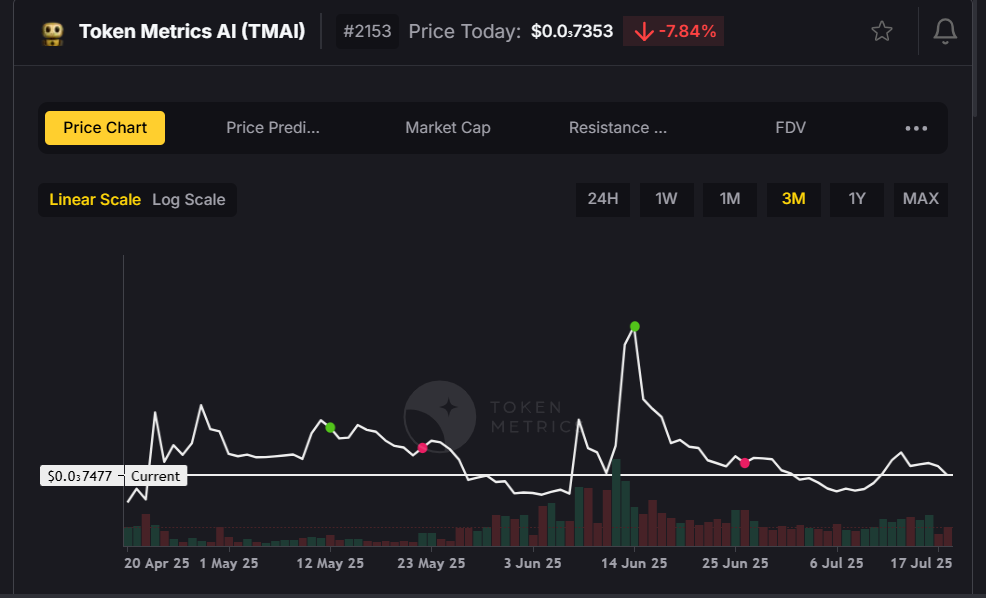
Token Metrics AI ($TMAI) stands out as a groundbreaking project that merges AI with crypto analytics to empower smarter investing decisions. This platform offers an all-in-one AI trading assistant that combines autonomous agent tooling, on-chain infrastructure, and predictive analytics. Users can stake $TMAI tokens to access features like crypto indices, research automation, and trader/investor grading systems.

The Token Metrics AI platform is particularly valuable for seasoned crypto investors and traders who rely on data-driven insights to navigate the volatile crypto market. Its integration with various tools, including Signals and Smart Agents, facilitates seamless trading and investing processes by streamlining the process of executing trades, analyzing data, and managing assets through a clear workflow. With $TMAI, users benefit from a sophisticated ecosystem designed to optimize returns and reduce the guesswork commonly associated with altcoin trading.

2. Suilend ($SEND)

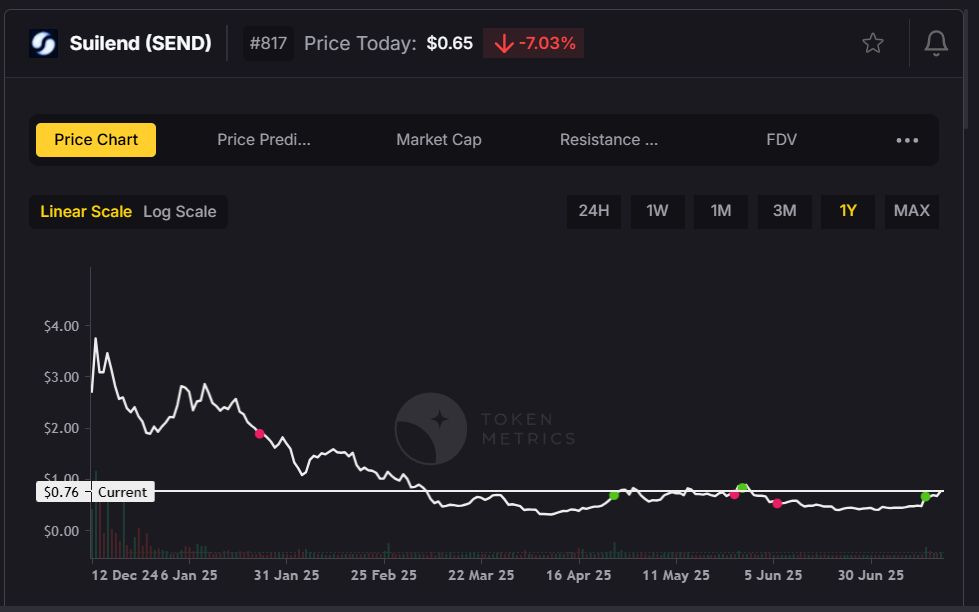
Suilend ($SEND) is a native DeFi lending protocol built on the Sui blockchain, which is gaining traction due to its low transaction fees and innovative parallel transaction processing. The platform's low fees provide a competitive advantage for users, making it especially appealing to cost-conscious traders and investors. As the Sui network expands, Suilend is positioned to capitalize on the growing demand for capital-efficient lending and borrowing services.

The platform supports Sui-native tokens, enabling users to leverage their crypto assets efficiently within a low-competition DeFi environment. This makes $SEND an attractive option for investors seeking exposure to decentralized finance with minimized transaction fees and a scalable infrastructure. Its rapid total value locked (TVL) growth underscores its rising market value and adoption.

3. Blackhole ($BLACK)

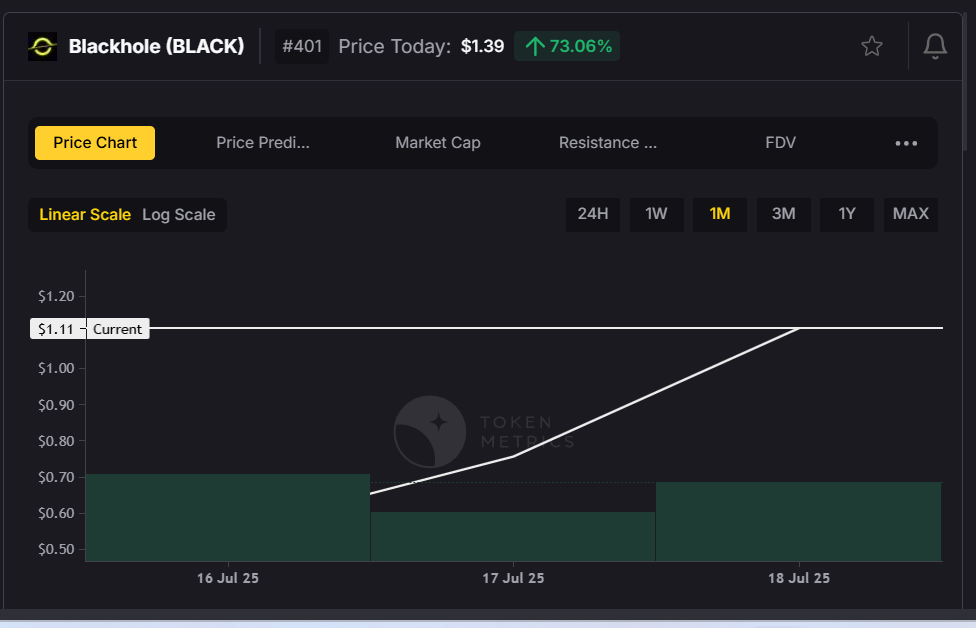
Blackhole ($BLACK) is carving a niche as a decentralized compute platform that provides GPU resources for AI, machine learning, and crypto infrastructure projects. By incentivizing GPU providers and AI developers through its native $BLACK token—the native coin of the Blackhole platform, essential for transaction fees and overall platform operations—the platform fosters a collaborative environment for decentralized AI compute sharing.

This project is pivotal for the evolving decentralized finance and AI sectors, offering a decentralized platform where compute power can be rented and shared securely. For investors interested in the intersection of AI and blockchain technology, Blackhole represents a unique asset with the potential to disrupt traditional centralized compute services.

4. Resolv ($RESOLV)

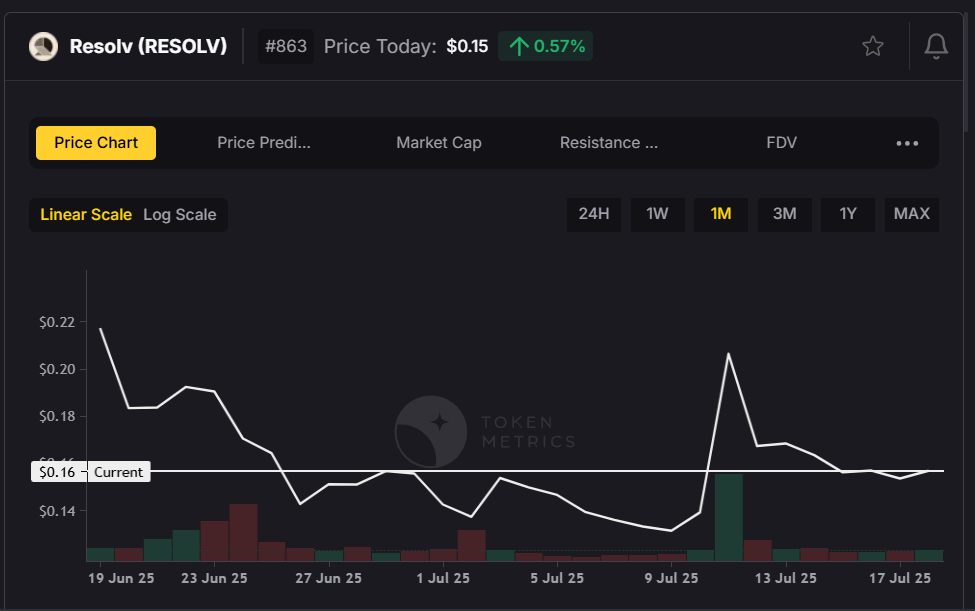
Resolv ($RESOLV) innovates at the crossroads of AI and smart legal contracts by developing AI agents that automate compliance, arbitration, and dispute resolution. This platform empowers decentralized autonomous organizations (DAOs) and dApps with tools for on-chain contract enforcement and legal agreement automation.

As regulatory scrutiny from bodies like the Securities and Exchange Commission increases, projects like Resolv that enhance legal transparency and automation are becoming essential. By integrating large language models (LLMs) into smart contracts, Resolv offers a competitive edge in the crypto space, appealing to users and investors focused on compliance and decentralized finance.

5. Cookie.fun ($COOKIE)

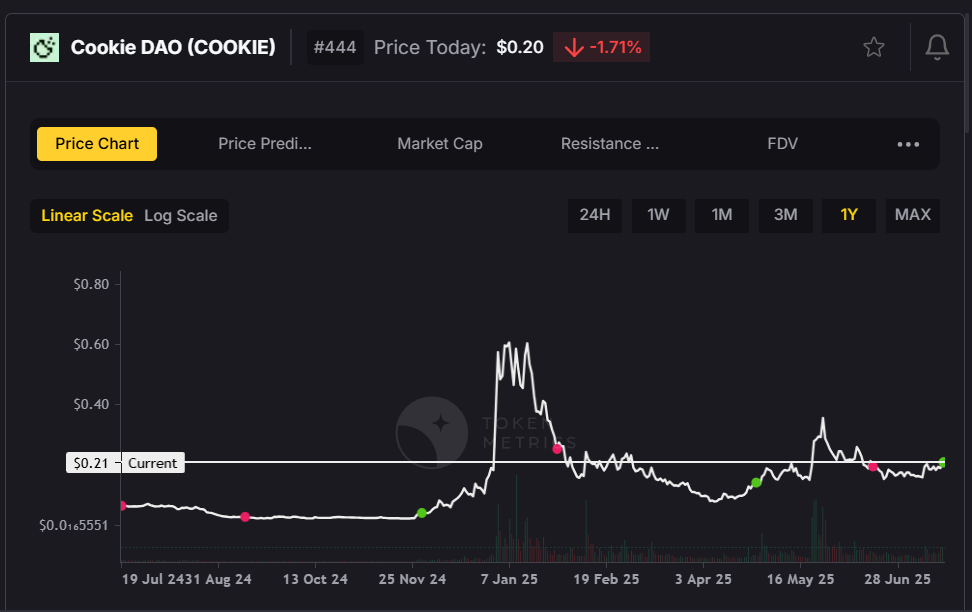
Cookie.fun ($COOKIE) blends social engagement, AI creativity, and entertainment by offering AI-generated animated content and meme NFTs. This platform leverages the virality of meme culture to create a decentralized social environment where creators and fans can monetize digital content.

The unique combination of meme NFTs and community rewards makes Cookie.fun a standout in the creator economy. For crypto enthusiasts looking to participate in the cultural side of the crypto market, $COOKIE offers a novel way to engage with digital assets while benefiting from the rise of AI-generated entertainment.

6. Usual Money ($USUAL)

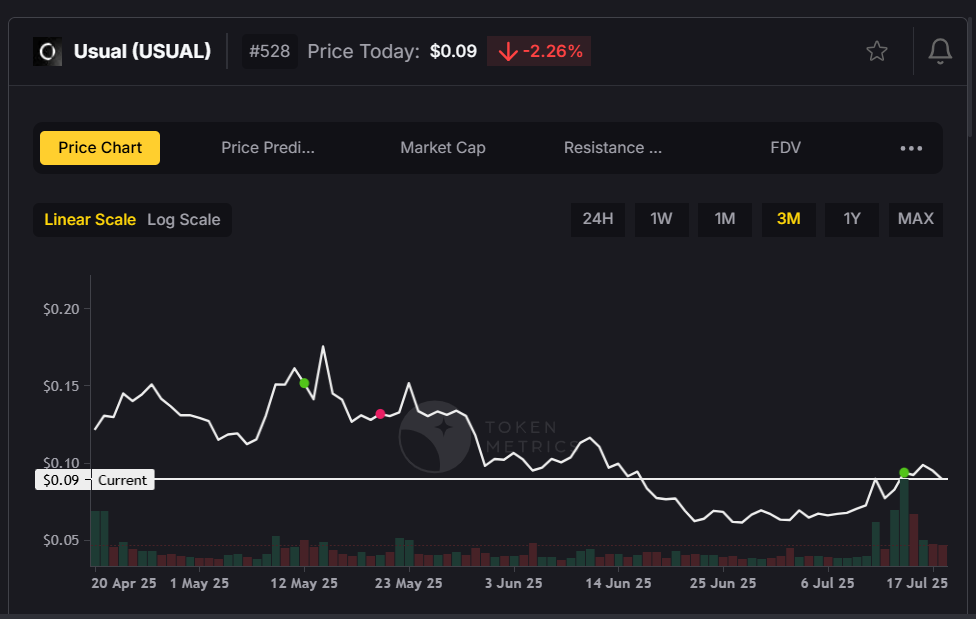
Usual Money ($USUAL) addresses the need for a user-friendly, decentralized stablecoin platform optimized for DeFi payments and yield generation. By combining a seamless user experience with smart routing for capital efficiency, Usual Money enhances the dollar experience for crypto-native users.

This platform’s focus on yield-bearing stablecoins and low transaction fees positions it well within the growing decentralized finance sector. Investors seeking stable, utility-driven tokens with real-world applications in payments and DeFi will find $USUAL an appealing asset.

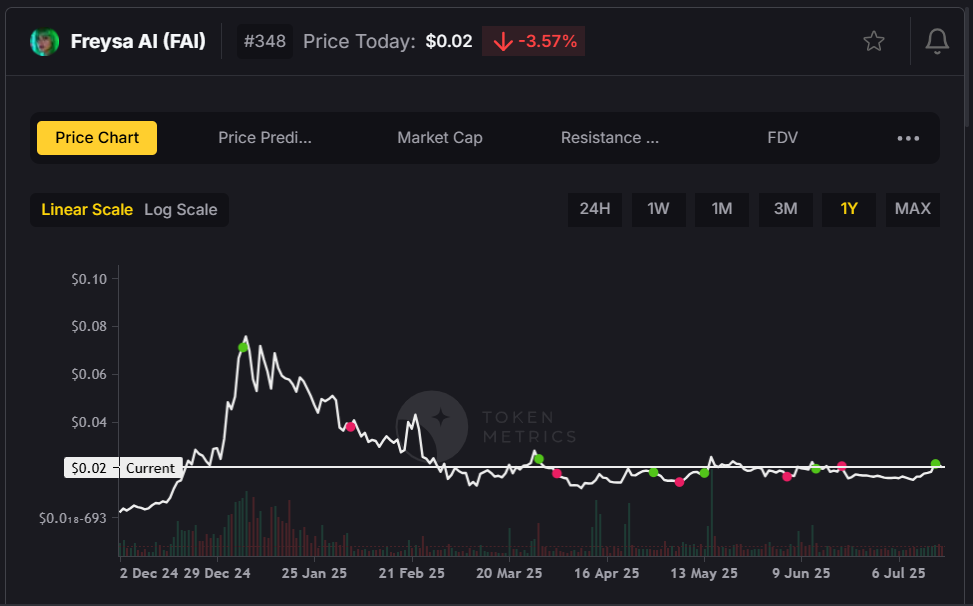
7. Freysa AI ($FAI)

Freysa AI ($FAI) is building a decentralized framework for AI agents capable of interacting with blockchains, decentralized exchanges (DEXes), and dApps. This infrastructure supports on-chain automation and facilitates the development of crypto copilots that enhance user interaction within the crypto ecosystem.

By integrating leading AI models with on-chain APIs, Freysa AI offers a powerful toolset for developers and users aiming to streamline complex processes. Its role in decentralized AI infrastructure makes $FAI a promising token for investors focused on the future of AI-driven blockchain applications.

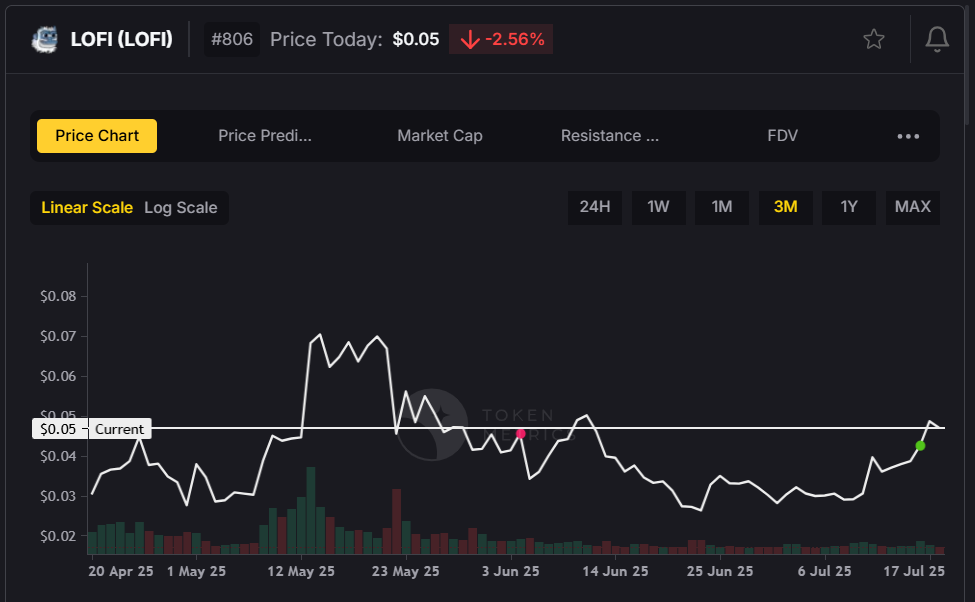
8. LOFI

LOFI is an innovative project at the intersection of AI, music, and culture. It enables artists and fans to co-create and monetize AI-generated generative music NFTs, focusing on ambient soundscapes and fan engagement.

This platform taps into the creator economy by facilitating music royalties and fostering fan economies through blockchain technology. LOFI’s unique approach to combining generative music with NFTs offers a fresh avenue for investors interested in cultural and entertainment-related crypto assets.

Click here to buy Cryptocurrencies from Gate.io

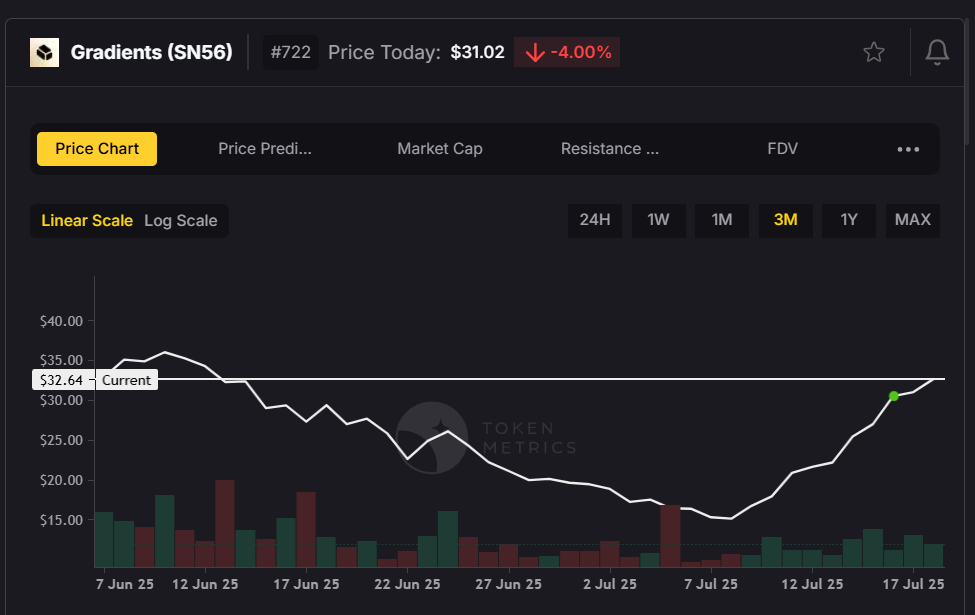
9. Gradients ($SN56)

Gradients ($SN56) operates a token-incentivized data marketplace that crowdsources datasets for AI training and machine learning model development. This decentralized approach to data collection and sharing enhances the quality and accessibility of training data for AI developers.

With token-gated access to proprietary datasets, Gradients empowers users and developers to contribute to and benefit from the growth of AI capabilities. Investors focused on AI and data-driven crypto projects will find $SN56 an intriguing addition to their portfolios.

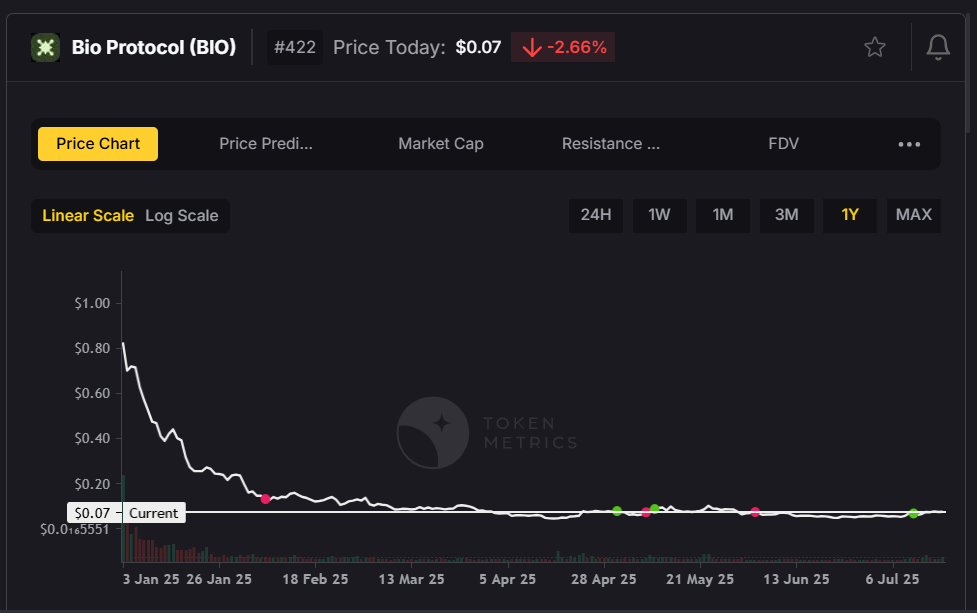
10. BIO Protocol ($BIO)

BIO Protocol ($BIO) merges biotechnology with decentralized science (DeSci) by enabling researchers and biotech firms to tokenize experiments and scientific contributions. This platform fosters on-chain reputation systems and data royalties, incentivizing scientific innovation and collaboration.

By facilitating AI-driven drug discovery and scientific data sharing, BIO Protocol addresses real-world challenges through blockchain technology. This project appeals to investors interested in the convergence of biotech, AI, and decentralized finance.

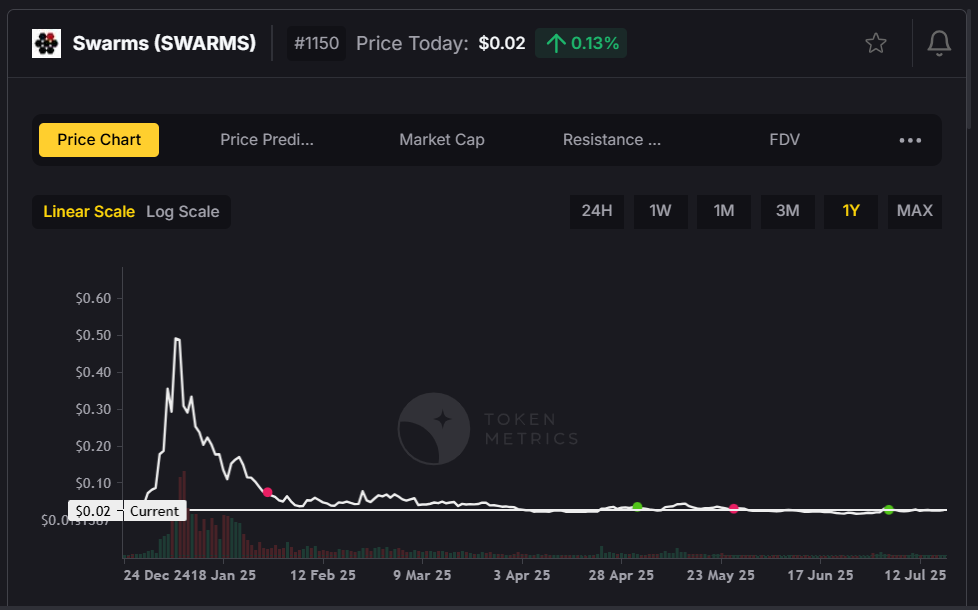
11. Swarms ($SWARMS)

Swarms ($SWARMS) is developing an open-source protocol for multi-agent coordination across decentralized applications. This technology enables smart agents to execute complex tasks such as DAO governance, DeFi arbitrage, and airdrop farming efficiently.

The platform’s swarm AI logic supports parallelized on-chain execution, enhancing scalability and automation. For traders and investors looking at the next wave of decentralized automation, $SWARMS offers compelling utility and growth potential.

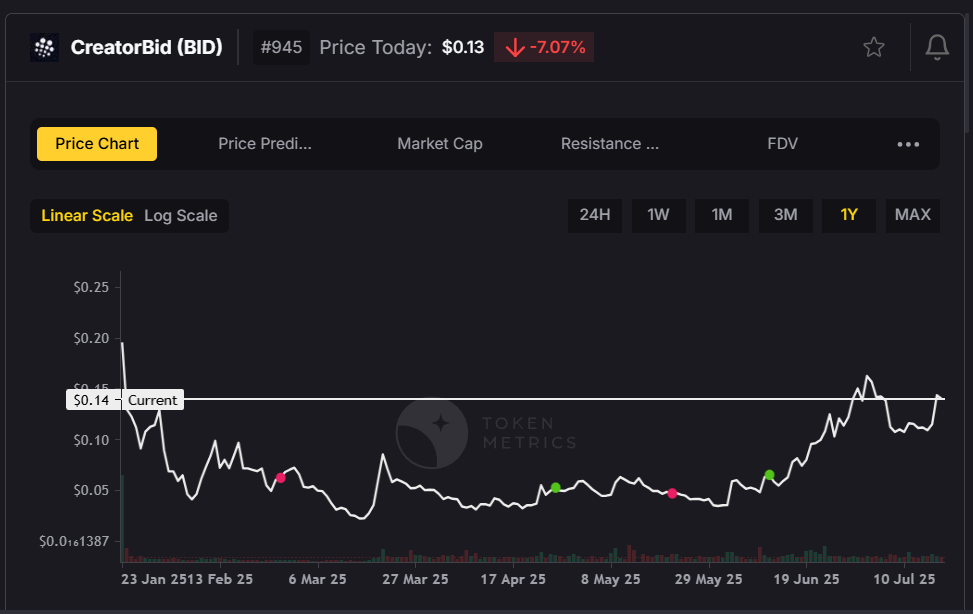
12. Creator.bid ($BID)

Creator.bid ($BID) is an auction platform where fans can bid on personalized content created by AI-powered influencers and creators. This project combines AI celebrity clones with fan tokens to revolutionize creator monetization.

Its auction dynamics and custom content-generation models provide a unique marketplace within the creator economy. Investors interested in AI-driven social platforms and fan engagement will find $BID an exciting asset.

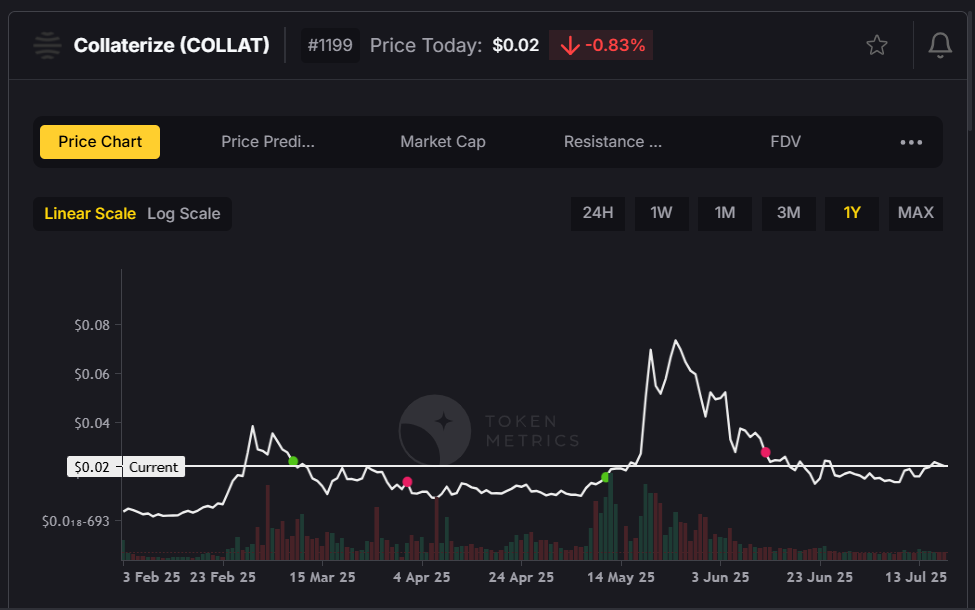
13. Collaterize ($COLLAT)

Collaterize ($COLLAT) bridges the gap between real-world assets and decentralized finance by allowing users to tokenize and collateralize assets such as invoices and real estate. This integration facilitates asset-backed lending and yield generation within DeFi.

With transparent smart contracts and real-world audits, Collaterize enhances trust and security for investors. This project is particularly appealing to those seeking exposure to real-world asset (RWA) collateralization in the crypto market.

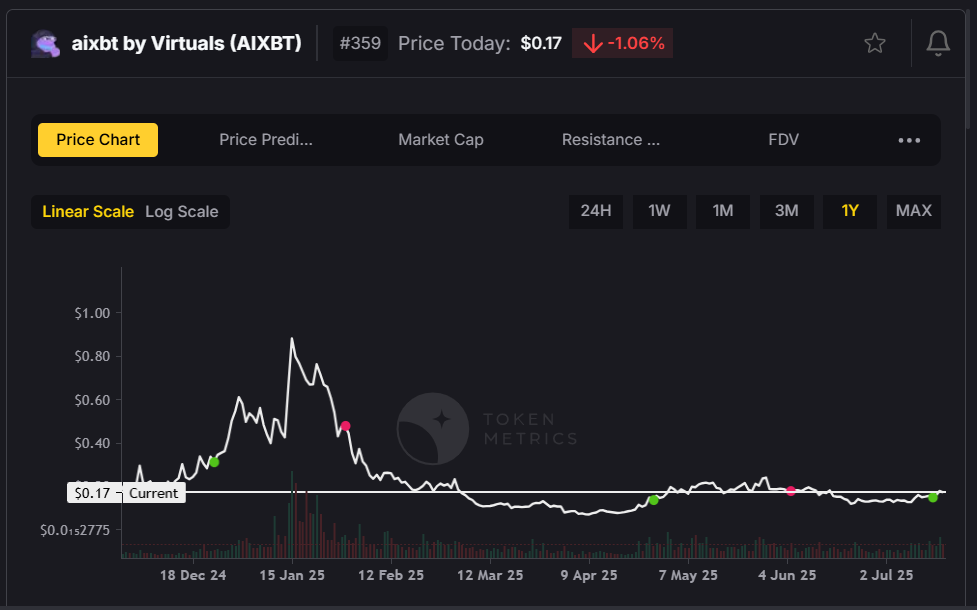
14. aixbt by Virtuals ($AIXBT)

aixbt ($AIXBT) is an AI-powered trading bot platform that leverages both on-chain and off-chain data to execute autonomous crypto trading strategies. The platform enables users to trade altcoins using advanced AI-driven tools, providing flexibility and efficiency in managing a diverse portfolio. It offers real-time trade simulations and leaderboard-based strategy competitions.

This platform caters to traders looking for sophisticated, data-driven tools to navigate price fluctuations and market sentiment. $AIXBT’s innovative approach to AI trading bots makes it a valuable asset in the competitive crypto trading landscape.

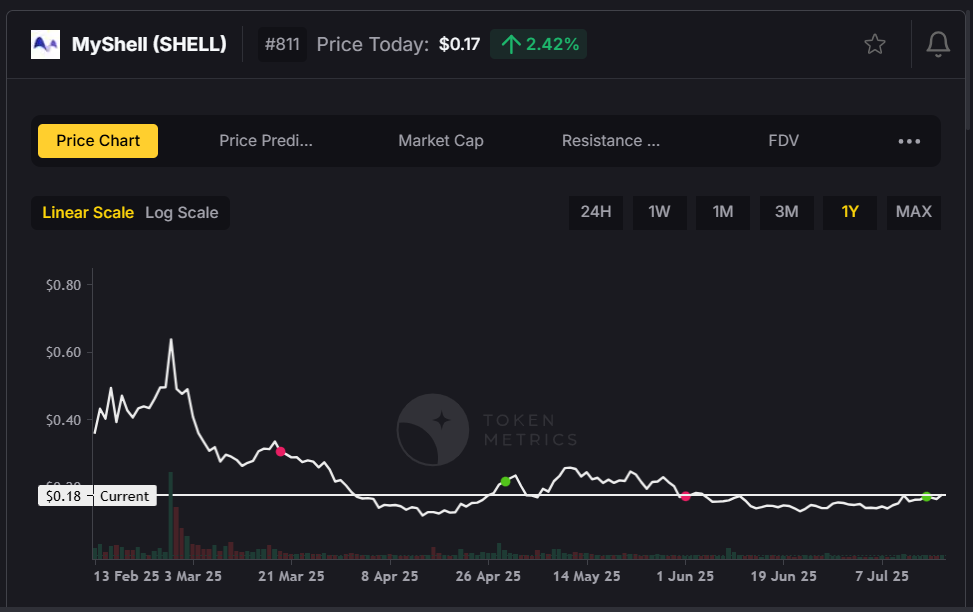
15. MyShell AI ($SHELL)

MyShell AI ($SHELL) enables users to create voice-based AI characters that operate across multiple platforms like Discord and Telegram. This project supports voice-to-earn economies and multi-platform bot deployment, enhancing user interaction and customer support.

By combining AI agents with creator studios, MyShell AI taps into the growing demand for personalized, voice-enabled digital experiences. Investors interested in AI-driven user engagement and decentralized platforms will find $SHELL noteworthy.

Trading Strategies for Altcoins

Trading altcoins successfully requires a solid grasp of the crypto market and its ever-changing trends. Professional traders often rely on technical analysis, chart patterns, and market indicators to anticipate price movements and make strategic trades. When trading altcoins, it’s important to consider factors such as trading fees, transaction fees, and the overall volatility of digital currencies. Understanding the underlying technology, use cases, and competitive landscape of each altcoin can provide a significant edge. Many exchanges, including industry leaders like Binance and Kraken, offer robust platforms for trading a wide variety of altcoins, making it easier for investors to access and trade these digital assets. By staying informed and leveraging the right tools, traders can navigate the complexities of the crypto market and optimize their trading strategies for better results.

Risk Management for Altcoin Investors

Investing in altcoins presents unique challenges, including high price volatility, potential market manipulation, and evolving regulatory landscapes. Retail investors must be proactive in managing these risks by diversifying their portfolios and conducting thorough research before making any altcoin investments. Long term investments in altcoins can yield substantial rewards, but they require a deep understanding of the crypto market and its shifting dynamics. The Securities and Exchange Commission has provided guidelines to help investors navigate the regulatory aspects of cryptocurrency investing, and it’s crucial to ensure compliance with these rules. Platforms like Tron Network and Ripple Labs have introduced low-fee structures and stablecoin solutions to help mitigate some of the risks associated with trading and investing in altcoins. By understanding both the risks and potential rewards, investors can make informed decisions and confidently participate in the ever-evolving world of altcoins and digital assets.

Final Thoughts: How to Evaluate Altcoins in 2025

Selecting the best crypto altcoins for 2025 requires thorough research and a strategic approach. Investors should prioritize projects with strong narratives aligned to AI, DeFi, real-world assets, and autonomous agents. Active development and vibrant communities are essential indicators of a project’s sustainability and growth potential. Monitoring new coins entering the market is important, as their supply and circulating supply can impact scarcity and value.

Real token utility and demand mechanisms, such as staking, transaction fee savings, or governance rights, add tangible value to crypto tokens. Interoperability with expanding ecosystems like Sui, Base, and Solana further enhances an altcoin’s market capitalization and market cap stability.

For many investors and traders, platforms like Token Metrics AI ($TMAI) serve as critical tools to analyze market data, track performance, and gauge market sentiment. Crypto prices are influenced by supply, demand, and trading activity, so understanding these factors is crucial for evaluating altcoins. Utilizing such resources can help navigate the complexities of the cryptocurrency market, balancing risk tolerance with the pursuit of high-reward altcoin investments.

In summary, the best crypto altcoins in 2025 are those that combine innovative technology, competitive advantages, and real-world applications within a rapidly evolving crypto ecosystem. When comparing altcoins to other cryptocurrencies, it is important to consider their performance, trading volume, and the platforms they utilize—such as the XRP ledger, which supports fast transactions and differs from traditional blockchains. How actively an altcoin is traded can also indicate its liquidity and investor interest. By staying informed and leveraging cutting-edge platforms, investors can position themselves to capitalize on the rise of new crypto assets and the next altcoin season.

Click here to buy Cryptocurrencies from Gate.io

Contact us at promo@tokenmetrics.com for marketing and sponsorship programs.

Crypto Basics

Cardano Staking - A Comprehensive Guide for Beginners

Marcus K
8 Minutes

Cryptocurrency enthusiasts constantly search for fresh and inventive approaches to maximize their digital assets and earnings. Over the past few years, staking Cardano has emerged as a popular method in this endeavor.

Staking Cardano presents an excellent opportunity for individuals interested in passive income generation. Staking involves actively contributing to a blockchain network and receiving additional cryptocurrency as a reward. 

With its reputation as the "Ethereum killer," Cardano provides a dependable and secure platform for staking its native cryptocurrency, ADA.

This comprehensive guide will explore everything you need to know about Cardano staking, including what it is, how to stake it, the pros and cons, and where to do so. Let's dive in!

What is Cardano Staking?

Cardano is a proof-of-stake (PoS) blockchain founded by Ethereum co-founder Charles Hoskinson. PoS blockchains, unlike proof-of-work (PoW) blockchains like Bitcoin, validate transactions and produce blocks through staking rather than mining. 

Staking involves locking away coins in a node to validate transactions and contribute to the network's security and stability. By staking ADA, you can earn staking rewards without moving or losing your coins.

In Cardano's PoS blockchain, nodes play a crucial role in the validation process. Nodes are groups of people who have pooled their staked ADA tokens together. 

The more ADA coins locked away in a node, the higher the chances of producing blocks and earning rewards. Staking pools, often operated by those with technical expertise, allow users to pool their tokens with others or run their own staking pool.

How to Stake Cardano?

Staking Cardano is a straightforward process that can be done through reputable crypto exchanges or by staking directly with staking pool operators. Let's explore both methods.

Staking via an Exchange

If you prefer a user-friendly and convenient option, staking Cardano via a crypto exchange might be the right choice. Here's a step-by-step guide on how to stake Cardano via an exchange:

  • Find a reputable cryptocurrency exchange that supports ADA trading and staking, such as Binance or Coinbase.
  • Create an account on the exchange platform and complete the necessary verification process.
  • Deposit ADA tokens into your exchange wallet by either buying ADA directly on the exchange or transferring existing tokens from another wallet.
  • Navigate to the "Staking" page on the exchange platform and select "Cardano" as the cryptocurrency you want to stake.
  • Choose your desired staking duration, determining how long your ADA tokens will be locked away.
  • Enter the amount of ADA tokens you want to stake and review any associated fees.
  • Confirm your staking transaction and wait for the staking process to begin.

Staking with Staking Pool Operators

Staking directly with staking pool operators offers more independence and control over your assets. Here's how to stake Cardano with staking pool operators:

  • Obtain an ADA wallet that supports staking, such as Daedalus or Yoroi.
  • Transfer your ADA tokens to your chosen wallet from an exchange or any other source.
  • Research staking pool operators and choose a pool that aligns with your preferences and requirements.
  • Delegate your ADA tokens to the selected staking pool by following the instructions provided by your wallet.
  • Your ADA tokens will now be staked in the pool, and you will start earning staking rewards.

It's important to note that staking with staking pool operators allows you to retain full control of your funds and withdraw them at any time.

Pros and Cons of Cardano Staking

Before diving into Cardano staking, it's essential to consider the pros and cons. Let's explore the advantages and disadvantages of staking Cardano.

Pros of Cardano Staking

  • Passive Income: Staking Cardano allows you to earn a passive income by participating in the network and contributing to its security and stability.
  • Higher Yields: The potential yields from Cardano staking are typically higher than traditional investments, making it an attractive option for long-term holders of ADA tokens.
  • Energy-Efficient: Unlike crypto mining, staking requires minimal energy consumption and setup, making it a more environmentally friendly option.
  • User-Friendly: Staking Cardano is relatively simple, especially when staking via exchanges that offer user-friendly interfaces.
  • Network Participation: By staking ADA, you actively participate in the Cardano network, making it faster and more stable.

Cons of Cardano Staking

  • Volatility: The crypto market is known for its volatility, and the price of ADA can fluctuate dramatically. If the value of ADA depreciates significantly, potential losses from staking can quickly exceed the income earned.
  • Pool Selection: Choosing the right staking pool is crucial for maximizing rewards. While reputable pools exist, some pool operators may take advantage of contributors by claiming a significant portion of the rewards.
  • Risk of Loss: While staking itself is safe, losing your funds is risky if you lose access to your wallet's private key. It's important to ensure proper wallet security measures are in place.

Despite these potential drawbacks, Cardano staking remains an attractive option for those earning passive income from their ADA holdings.

Where to Stake Cardano?

You can stake your Cardano (ADA) tokens, including popular exchanges and dedicated wallets. Let's explore some of the platforms where you can stake Cardano.

Staking on Coinbase

Coinbase, a leading cryptocurrency exchange, offers Cardano staking with an annual percentage yield (APY) of 3.75%. Here's how to stake Cardano on Coinbase:

  • Create an account on Coinbase and complete the necessary verification process.
  • Select your desired Cardano staking pool and review the staking amount required.
  • Buy Cardano on Coinbase or transfer your ADA tokens from an external wallet into your Coinbase wallet.
  • Add your ADA to the selected Cardano staking pool and approve the associated fees and minimum lock-up period.
  • Wait for your Cardano staking rewards to arrive, typically every five to seven days after the initial holding period.

Staking on Binance

Binance, one of the largest cryptocurrency exchanges, offers Cardano staking with an APY of up to 6.1%. Here's how to stake Cardano on Binance:

  • Create an account on Binance if you don't already have one.
  • Visit the Binance "Staking" homepage.
  • Ensure you have sufficient funds in your Binance spot wallet.
  • Choose ADA from the list of tokens available for staking.
  • Follow the prompts on the screen for first-time staking on the platform.
  • Enter the desired amount for staking or choose the percentage of total assets to be staked.
  • Review the details and click "Confirm" to complete the staking process.

Staking on eToro

eToro, a popular social trading platform, offers automatic staking of supported cryptocurrencies, including Cardano. Here's how to stake Cardano on eToro:

  • Create an account on eToro and complete the necessary verification process.
  • Deposit ADA into your eToro wallet.
  • Automatic staking will begin, and you will start earning staking rewards.
  • The staking yield percentage depends on your membership status on eToro.

Risks of Cardano Staking

While Cardano staking offers numerous benefits, knowing the associated risks is important. Here are some risks to consider before staking Cardano:

  • Market Volatility: The value of ADA can fluctuate significantly, potentially impacting the overall returns from staking.
  • Pool Performance: The performance of the staking pool you choose can impact the rewards you receive. It's essential to research and select reputable and well-performing pools.
  • Lock-Up Period: Staking your ADA involves a lock-up period during which your tokens are locked and cannot be easily accessed or sold. If you need immediate liquidity, staking may not be suitable.
  • Loss of Private Key: Losing access to your wallet's private key can permanently cause you to lose your staked ADA. Keeping your private key secure and backing up your wallet is crucial.

It's vital to conduct thorough research and carefully consider these risks before engaging in Cardano staking.

Frequently Asked Questions

Q1. Is Cardano staking safe?

Yes, Cardano staking is generally considered safe. The ADA tokens used for staking never leave your wallet, and staking rewards are earned similarly to interest in a savings account. However, practicing proper wallet security measures to protect your funds is important.

Q2. Can I unstake my ADA at any time?

Yes, you can unstake your ADA anytime, but it's essential to consider the lock-up period associated with your chosen staking duration. Withdrawing your ADA before the end of the staking duration may result in losing staking rewards.

Q3. Can I stake Cardano if I don't have technical expertise?

Yes, even if you don't have technical expertise, you can stake Cardano by using reputable crypto exchanges that offer staking services. These platforms provide user-friendly interfaces that simplify the staking process.

Q4. How often are staking rewards distributed?

Staking rewards are typically distributed at the end of each epoch, which lasts approximately five days. The distribution of rewards is based on the snapshot taken at the end of each epoch, reflecting the distribution of staked ADA tokens.

Conclusion

Cardano staking offers a compelling opportunity to earn passive income and actively participate in the Cardano network. By staking ADA, you contribute to the network's security and stability while enjoying potentially higher yields than traditional investments. 

Whether you choose to stake through exchanges or directly with staking pool operators, it's important to consider the pros and cons, research staking pools, and understand the associated risks. With this comprehensive guide, you are now equipped with the knowledge to begin your Cardano staking journey. Happy staking!

Disclaimer

The information provided on this website does not constitute investment advice, financial advice, trading advice, or any other advice, and you should not treat any of the website's content as such.

Token Metrics does not recommend buying, selling, or holding any cryptocurrency. Conduct your due diligence and consult your financial advisor before making investment decisions.

Crypto Basics

What is Bitcoin Mining and Is it Profitable?

S. Vishwa
9 Minutes

Cryptocurrency mining has gained popularity as a means of earning passive income and supporting decentralized networks that power digital assets. Bitcoin, in particular, has garnered significant attention for its impact on the overall crypto market.

This comprehensive guide will assist you in evaluating the profitability of Bitcoin mining in 2024 and getting started on your mining endeavor. It will furnish you with all the necessary information to make an informed decision and embark on your mining journey.

Introduction to Bitcoin Mining

What is Bitcoin Mining?

Bitcoin mining can be compared to extracting precious metals from the earth. It is the mechanism through which new bitcoins are minted, and transactions are verified on the blockchain. 

As the Bitcoin white paper describes, mining involves CPU time and electricity to add new coins to circulation.

How Does Bitcoin Mining Work?

Specialized computers, known as miners, perform Bitcoin mining, which competes to solve complex mathematical problems. These problems are designed to be computationally complex and require significant computational power to solve. 

Miners race against each other to find a solution to the problem, and the first miner to successfully solve it earns the right to add the next block of transactions to the blockchain and is rewarded with newly minted bitcoins.

The Role of Proof-of-Work

The mining process in Bitcoin is based on a concept called Proof-of-Work (PoW). Miners must prove that they have performed a certain amount of computational work in order to have a chance at winning the block reward. 

This work is achieved by repeatedly hashing the block's data until a specific pattern or target hash, is found. The target hash is a value set by the network and determines the difficulty of the mining process.

The Importance of Confirmation

Once a miner solves a block, it is added to the blockchain and becomes a confirmed transaction. Confirmation is critical to Bitcoin mining as it ensures that transactions are valid and irreversible.

The more confirmations a transaction has, the more secure it is considered to be. Generally, it is recommended to wait for multiple confirmations before considering a transaction final.

The Process of Bitcoin Mining

Hashing and Target Hash - The hashing process is at the core of Bitcoin mining. Hashing involves taking input data and running it through a cryptographic hash function to produce a fixed-length output. 

In the case of Bitcoin mining, the input data includes the transactions to be verified and other information, such as the previous block's hash. 

Miners repeatedly hash this data, changing a small portion of it known as the nonce, until a hash is generated that meets the target hash criteria set by the network.

Mining Difficulty - The mining difficulty measures how difficult it is to find a hash that meets the target criteria. The difficulty is adjusted approximately every two weeks to ensure that blocks are mined at a consistent rate. 

If the network's total computational power increases, the difficulty will be increased to maintain the average block time of approximately 10 minutes. 

Conversely, if the computational power decreases, the difficulty will be reduced to keep the block time consistent.

Rewards for Miners - Miners are incentivized to participate in the mining process through the rewards they receive. When a miner successfully solves a block, they are rewarded with a predetermined amount of newly minted bitcoins, known as the block reward. 

Additionally, miners receive transaction fees associated with the transactions included in the block. The block reward is halved approximately every four years in an event known as the Bitcoin halving

This event is designed to control the rate at which new bitcoins are introduced into circulation and ensure the scarcity of the cryptocurrency.

Equipment and Costs

Mining Hardware - Bitcoin mining requires specialized hardware known as Application-Specific Integrated Circuits (ASICs). These devices are specifically designed to perform the hashing calculations required for mining and are much more efficient than general-purpose computers. 

ASICs come in various forms, ranging from small USB devices to large mining rigs. The cost of mining hardware can vary significantly depending on the type and performance of the ASIC.

Electricity Consumption - One of the significant costs associated with Bitcoin mining is electricity consumption. The computational power required for mining is energy-intensive and can result in high electricity bills. 

The electricity consumption of mining operations has drawn criticism due to its environmental impact. To maximize profitability, miners must consider the cost of electricity and the energy efficiency of their mining equipment to maximize profitability.

Other Costs - In addition to electricity costs, miners may also incur expenses related to cooling and maintenance. Mining equipment generates significant heat and requires adequate cooling to ensure optimal performance. 

Cooling systems can add to the overall cost of mining operations. Furthermore, regular maintenance and replacement of mining hardware may be necessary to keep up with the rapidly evolving technology.

Also Read - Best Bitcoin Mining Software

Profitability of Bitcoin Mining

Factors Affecting Profitability - The profitability of Bitcoin mining depends on several factors, including the price of Bitcoin, mining difficulty, electricity costs, and the efficiency of mining equipment. 

The price of Bitcoin is highly volatile and can significantly impact mining profitability. When the price is high, mining can be more profitable, but when it is low, mining may not be economically viable for some miners.

Calculating Mining Profitability - To determine whether Bitcoin mining is profitable, miners need to consider the costs associated with mining, including equipment expenses, electricity costs, and any other overheads. 

They also need to estimate the potential rewards from mining, considering the current block reward, transaction fees, and the likelihood of successfully mining a block. Various online calculators are available to help miners estimate their potential profits based on these factors.

Is Bitcoin Mining Profitable?

The profitability of Bitcoin mining varies depending on individual circumstances and market conditions. While some miners have achieved significant profits, others have struggled to break even or generate positive returns. 

The competitiveness of the mining industry and the constantly evolving technology make it challenging for individual miners to remain profitable. The high upfront costs of mining equipment and electricity expenses can also affect potential profits.

Also Read - 8 Best and Profitable Crypto to Mine

Environmental Impact

Energy Consumption - Bitcoin mining has attracted criticism due to its high energy consumption. The computational power required for mining consumes significant electricity, contributing to carbon emissions and environmental concerns. 

The Bitcoin network's energy consumption has been compared to that of entire countries. As the popularity of Bitcoin grows, there is a need for more sustainable and energy-efficient mining practices to mitigate its environmental impact.

Renewable Energy and Sustainability - Efforts are underway to promote the use of renewable energy sources for Bitcoin mining. Some mining operations are powered by renewable energy, such as solar or wind, to reduce their carbon footprint. 

Adopting sustainable mining practices is crucial to address the environmental concerns of Bitcoin mining. Additionally, ongoing research and development in energy-efficient mining hardware are expected to contribute to a more sustainable future for Bitcoin mining.

Getting Started with Bitcoin Mining

1. Choosing a Mining Pool

Joining a mining pool can increase individual miners' chances of earning rewards. Mining pools allow miners to combine their computational power and work together to mine blocks more efficiently. 

When a block is successfully mined, the rewards are distributed among the pool members based on their contribution. Joining a mining pool can provide miners with a more consistent income stream, especially for those with limited computational resources.

2. Setting Up Mining Hardware

Setting up mining hardware requires careful consideration of factors such as cooling, electricity supply, and network connectivity. Miners must ensure their hardware is properly configured and optimized for mining. 

Adequate cooling is essential to prevent overheating and ensure optimal performance. Additionally, miners should have a stable and reliable internet connection to stay connected to the Bitcoin network.

3. Mining Software

Mining software is essential for managing and controlling the mining process. It allows miners to connect their hardware to the mining pool and monitor their mining activities. 

Several mining software options are available, each with its features and compatibility with different mining hardware. Miners should choose software that is compatible with their hardware and offers the necessary features for efficient mining.

Risks and Challenges

Market Volatility - The volatile nature of Bitcoin's price poses a significant risk to mining profitability. The price of Bitcoin can fluctuate dramatically within a short period, impacting the potential rewards for miners. 

Sharp price declines can lead to reduced profitability or even losses for miners. Miners should be prepared for the inherent market risks associated with Bitcoin mining and consider strategies to mitigate these risks.

Regulatory Environment - The regulatory environment surrounding Bitcoin mining varies across jurisdictions. Some countries have embraced cryptocurrencies and have favorable regulations for mining operations, while others have imposed strict regulations or outright bans. 

Miners should stay informed about their respective locations' legal and regulatory developments to ensure compliance and mitigate regulatory risks.

Competition and Centralization - Bitcoin mining has become increasingly competitive, with large-scale mining operations dominating the industry. These operations have access to significant computational power and resources, which can make it difficult for individual miners to compete. 

The concentration of mining power in the hands of a few entities raises concerns about centralization and the potential for network security vulnerabilities. Miners should be aware of the competitive landscape and consider the implications of centralization on the Bitcoin network.

Conclusion

Bitcoin mining plays a crucial role in the functioning and security of the Bitcoin network. It involves solving complex mathematical problems to validate transactions and mint new bitcoins. 

While mining can be profitable under the right circumstances, it is a highly competitive and resource-intensive process. Miners must carefully consider the costs and risks of mining before getting involved. 

The environmental impact of mining also raises important sustainability concerns that need to be addressed through the adoption of renewable energy sources and energy-efficient mining practices. 

As the cryptocurrency landscape continues to evolve, miners must stay informed and adapt to changing market conditions to maximize their chances of success in the mining industry.

Disclaimer

The information provided on this website does not constitute investment advice, financial advice, trading advice, or any other advice, and you should not treat any of the website's content as such.

Token Metrics does not recommend buying, selling, or holding any cryptocurrency. Conduct your due diligence and consult your financial advisor before making investment decisions.

Choose from Platinum, Gold, and Silver packages
Reach with 25–30% open rates and 0.5–1% CTR
Craft your own custom ad—from banners to tailored copy
Perfect for Crypto Exchanges, SaaS Tools, DeFi, and AI Products