Back to blog
Research

Top On and Off-Ramp Providers (Fiat to Crypto) 2025

Compare the best crypto on/off-ramp providers for 2025—coverage, costs, and compliance. Pick the right ramp for your region and rails.
Sam Monac
5 min
Want Smarter Crypto Picks—Free?
See unbiased Token Metrics Ratings for BTC, ETH, and top alts.
Thank you! Your submission has been received!
Oops! Something went wrong while submitting the form.
 No credit card | 1-click unsubscribe

Why Fiat ↔ Crypto On/Off-Ramps Matter in September 2025

Getting money into and out of crypto should be fast, safe, and compliant. In 2025, wallets, dapps, exchanges, and fintechs increasingly rely on crypto on/off-ramp providers to convert fiat to tokens and cash back out to bank rails—all without forcing users to bounce between apps. Definition: an on-ramp lets users buy crypto with fiat; an off-ramp lets them sell crypto back to fiat and withdraw to bank accounts or cards. This guide is for product leaders, devs, and advanced users comparing coverage, fees, and risk controls across global options. We score providers on liquidity, security, asset/market coverage, costs, UX, and support, then recommend the best fits by use case. Secondary angles we considered: fiat to crypto onramp, crypto off-ramp, and common flows like “buy crypto with bank transfer.”

How We Picked (Methodology & Scoring)

  • Liquidity (30%) – depth, uptime, and quote quality across assets/fiat rails.

  • Security (25%) – audits, certifications, KYC/AML controls, trust center disclosures.

  • Coverage (15%) – supported countries, payment methods, off-ramp payout rails.

  • Costs (15%) – transparent fees/spreads; promos (e.g., USDC zero-fee tiers).

  • UX (10%) – speed (KYC/settlement), embeddable widgets, developer docs.

  • Support (5%) – docs, SLAs, live support, incident comms.

Data sources: official product/docs and security pages; licensing and disclosures; limited cross-checks with widely cited market datasets. We only link to official provider sites in this article. Last updated September 2025.
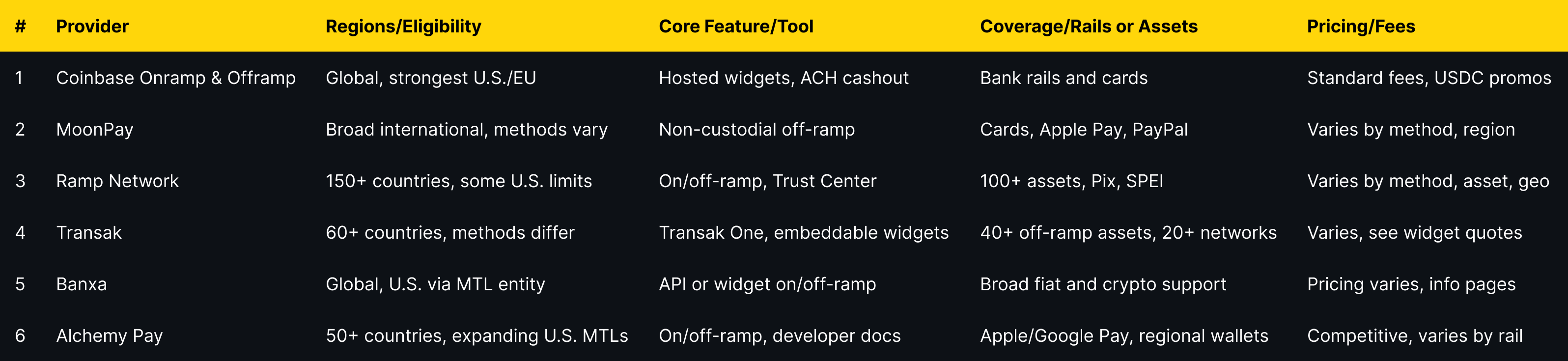
Top 10 Fiat ↔ Crypto On/Off-Ramp Providers in September 2025

1. Coinbase Onramp & Offramp — Best for USDC flows & regulated U.S./EU coverage
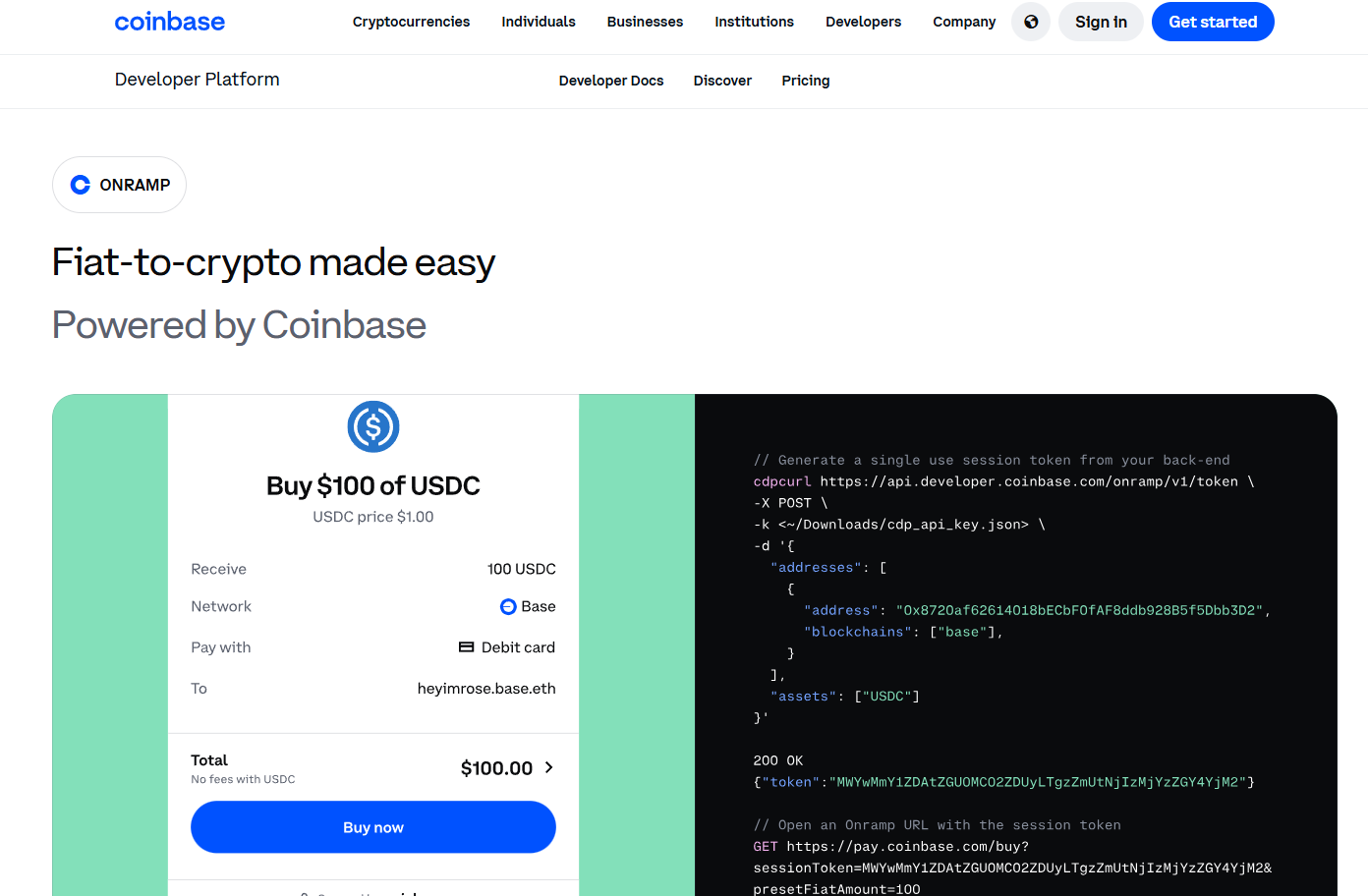
  • Why Use It: Coinbase’s hosted Onramp and Offramp APIs let you embed buy/sell with bank rails and cards, including ACH cashouts, inside your app. Select apps can access zero-fee USDC onramp/offramp promotions and free USDC on Base. Coinbase+2Coinbase+2

  • Best For: U.S./EU wallets & dapps, consumer fintechs, apps prioritizing compliance.

  • Notable Features: hosted widgets; guest checkout for US (no account up to limits); ACH cashout; strong docs & SDKs. Coinbase Developer Docs

  • Fees Notes: Standard fees vary by method; USDC promos may apply. Coinbase

  • Regions: Global reach with strongest support in U.S./EU; method availability varies. Coinbase Developer Docs

  • Consider If: You need a turnkey, regulated option with ACH off-ramp.

  • Alternatives: MoonPay, Ramp Network.

2. MoonPay — Best for non-custodial UX & card coverage
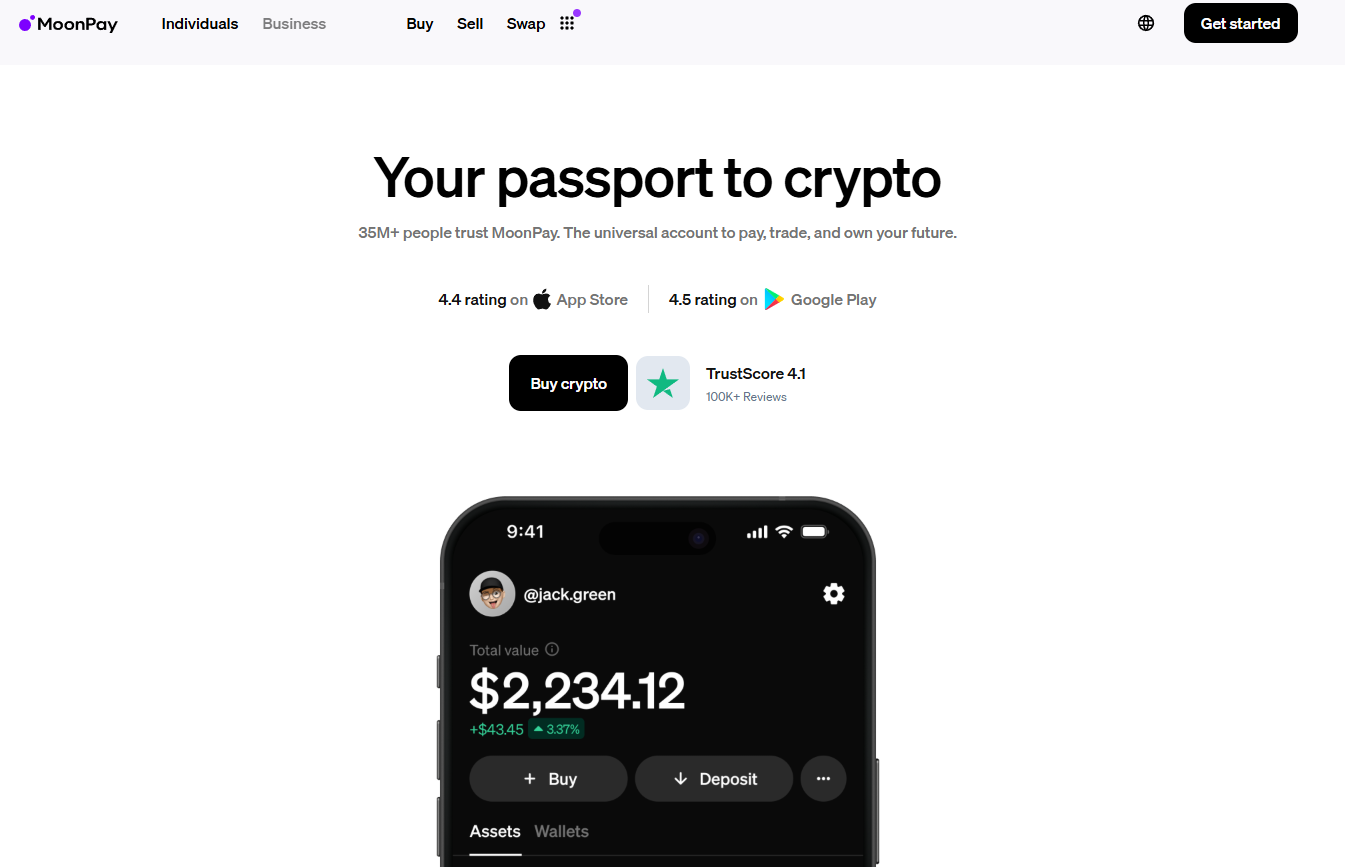
  • Why Use It: MoonPay offers fast card/Apple Pay/PayPal buys and a non-custodial off-ramp, letting users sell crypto while keeping control of keys. Good fit for wallets and NFT apps that want an embedded flow. MoonPay+1

  • Best For: Self-custody wallets, NFT marketplaces, global card-first audiences.

  • Notable Features: Onramp + off-ramp; non-custodial design; quick card settlement. MoonPay+1

  • Fees Notes: Varies by payment method and region.

  • Regions: Broad international availability; local method support varies.

  • Consider If: You want non-custodial off-ramp with strong card acceptance.

  • Alternatives: Transak, Banxa.

3. Ramp Network — Best for global coverage + fast KYC
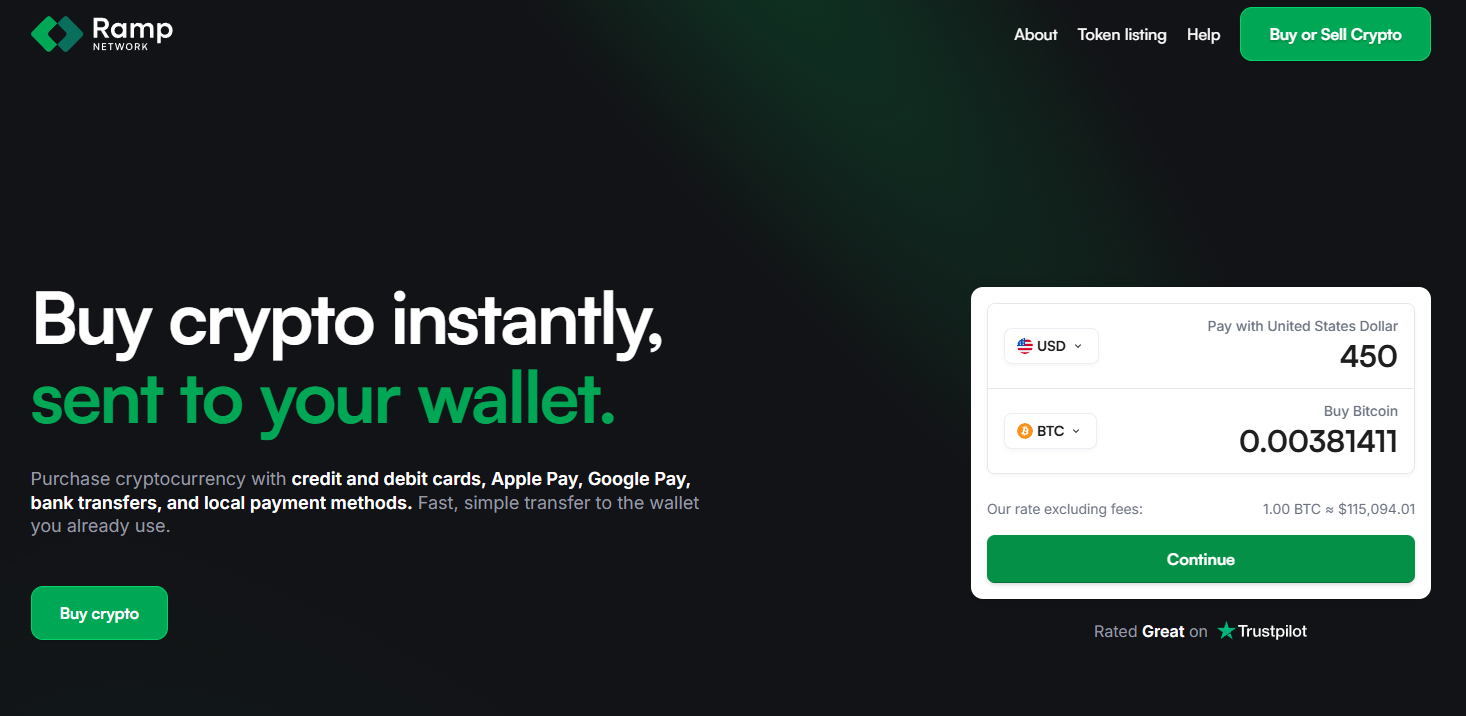
  • Why Use It: Ramp supports 100+ assets and multiple local rails (cards, bank transfers, Pix, SPEI) with fast, document-free KYC in eligible markets and SOC/ISO certifications published via its Trust Center. rampnetwork.com+2ramp.network+2

  • Best For: Wallets/dapps needing wide country coverage and quick onboarding.

  • Notable Features: On & off-ramp; 100+ assets; local rails incl. Pix & SPEI payouts; strong security disclosures. ramp.network+1

  • Fees Notes: Vary by method, asset, and geography.

  • Regions: 150+ countries; some U.S. states support on-ramp only (no off-ramp). support.rampnetwork.com

  • Consider If: You want breadth plus local rails in LATAM/EU.

  • Alternatives: Transak, Alchemy Pay.

4. Transak — Best for developer tooling & hybrid use cases

  • Why Use It: Transak offers on/off-ramp coverage (40+ off-ramp assets across 20+ networks) with over 64+ supported countries and Transak One to let users fund complex actions (e.g., stake/bridge) from fiat in one flow. Transak Docs+2Transak+2

  • Best For: Developers needing a broad, configurable integration; DeFi apps.

  • Notable Features: Off-ramp to bank; multi-network coverage; business (corporate) on/off-ramp; embeddable widgets. Transak+1

  • Fees Notes: Vary by method; see widget quotes.

  • Regions: 60+ countries; payment methods differ by market. Transak

  • Consider If: You need both retail and corporate on/off-ramp options.

  • Alternatives: Ramp Network, Banxa.

5. Banxa — Best for compliance-heavy enterprise & deep licensing

  • Why Use It: Banxa emphasizes regulated operations with published USA MTL and global license lists, plus enterprise-grade AML/CTF and security disclosures. Strong for partners who need extensive compliance artifacts. Banxa+2Banxa+2

  • Best For: Enterprises, wallets, and exchanges with strict compliance needs.

  • Notable Features: On/off-ramp via API/widget; broad fiat/crypto support; license/AML pages; developer SDKs. Banxa+1

  • Fees Notes: Pricing varies; transparent info pages provided. Banxa

  • Regions: Global (entity-specific); U.S. coverage via MTL entity; details in license PDFs. Banxa

  • Consider If: Your risk/compliance teams require detailed attestations.

  • Alternatives: Zero Hash, Transak.

6. Alchemy Pay — Best for emerging markets & alternative wallets

  • Why Use It: Alchemy Pay bridges fiat and crypto with on/off-ramp across 50+ countries (and expanding), focusing on emerging markets and a wide range of local wallets/payments. It’s actively growing U.S. coverage via new MTLs (e.g., Arizona, South Carolina). docs+2alchemypay.org+2

  • Best For: Dapps targeting emerging markets; global apps needing local wallets.

  • Notable Features: On/off-ramp; Apple/Google Pay & regional wallets; developer docs; business flows. alchemypay.org

  • Fees Notes: Competitive, vary by payment rail.

  • Regions: Global (check country list); growing U.S. state coverage via MTLs. alchemypay.org

  • Consider If: You prioritize local payment methods in APAC/LATAM.

  • Alternatives: Transak, Ramp Network.

7. Kraken — Best regulated exchange on/off-ramp (U.S./EU)

  • Why Use It: Kraken provides fiat funding and withdrawals in USD/EUR/CAD with ACH, SEPA, and card rails, offering a straightforward path to buy/sell and cash out to bank. Useful if you want exchange liquidity plus strong support docs. Kraken+1

  • Best For: Traders and users who prefer exchange-native fiat rails.

  • Notable Features: ACH deposits (no fee for many U.S. clients), cash withdrawals, app guides. Kraken+2Kraken Support+2

  • Fees Notes: Funding/withdrawal fees and holds depend on method (e.g., ACH hold windows). Kraken Support

  • Regions: U.S./EU/Canada; ACH account linking not available in NY, WA, TX. Kraken

  • Consider If: You want deep orderbook liquidity alongside fiat rails.

  • Alternatives: Bitstamp, Coinbase.

8. Bitstamp — Best for EU banking rails & stable UX

  • Why Use It: One of the longest-running exchanges, Bitstamp supports bank deposits (SEPA/International, ACH) and card purchases, plus fiat withdrawals to bank accounts. Simple, well-documented flows are ideal for EU and U.S. users wanting a clean on/off-ramp. Bitstamp+2Bitstamp+2

  • Best For: EU users; U.S. users comfortable with exchange-based cashouts.

  • Notable Features: ACH deposits/withdrawals, SEPA (incl. Instant SEPA), card & Apple/Google Pay availability. Bitstamp+2Bitstamp+2

  • Fees Notes: See Bitstamp fee schedule; varies by method. Bitstamp

  • Regions: EU/UK/US (availability by method).

  • Consider If: You want familiar exchange UX with established bank rails.

  • Alternatives: Kraken, Coinbase.

9. Stripe Crypto Onramp — Best embeddable onramp for U.S./EU apps

  • Why Use It: Stripe’s fiat-to-crypto onramp is a customizable widget/hosted flow you can embed in wallets, NFT apps, and dapps—Stripe handles KYC, fraud, and payments. Ideal for teams already on Stripe. Note: onramp availability is U.S. (excl. Hawaii) + EU. Stripe Docs+2Stripe Docs+2

  • Best For: U.S./EU dapps and platforms standardizing on Stripe.

  • Notable Features: Embedded or hosted onramp; identity & fraud tooling; stablecoin payout stack. Stripe Docs

  • Fees Notes: Stripe pricing applies; quotes shown in onramp UI.

  • Regions: U.S. (minus HI) and EU currently. Stripe Docs

  • Consider If: You need a polished onramp (no off-ramp) with Stripe stack.

  • Alternatives: Coinbase Onramp, MoonPay.

10. Zero Hash — Best turnkey B2B infrastructure (regulated build-out)

  • Why Use It: Zero Hash powers on/off-ramp for enterprises, abstracting licensing and regulatory complexity. B2B partners can convert between fiat and 60+ crypto assets, with quote controls and payout rails. zerohash.com+1

  • Best For: Fintechs, banks, and platforms embedding compliant crypto.

  • Notable Features: API-first; short path to market; configurable quotes; bank payouts. docs.zerohash.com

  • Fees Notes: Enterprise pricing; volume-based.

  • Regions: Coverage varies by solution and jurisdiction.

  • Consider If: You need compliance + infra rather than a retail widget.

  • Alternatives: Banxa, Coinbase (developer).

Decision Guide: Best By Use Case

How to Choose the Right Fiat ↔ Crypto On/Off-Ramp (Checklist)

  • Confirm region & method eligibility (ACH/SEPA/cards; off-ramp availability by country/state).

  • Check asset/fiat coverage for your top flows (BTC, ETH, stablecoins, local fiat).

  • Review security posture (SOC/ISO, trust center, KYC/AML, sanctions screening). Ramp

  • Compare fees & spreads (and promos like zero-fee USDC) and settlement speeds. Coinbase

  • Validate developer experience (docs, hosted vs. embedded, SDKs). Coinbase

  • Ensure support & SLAs meet your needs (status pages, incident comms).

  • Red flags: unclear licensing, no security disclosures, or “global” claims without a country/method matrix.

Use Token Metrics With Any On/Off-Ramp

  • AI Ratings: Screen top assets before you convert.
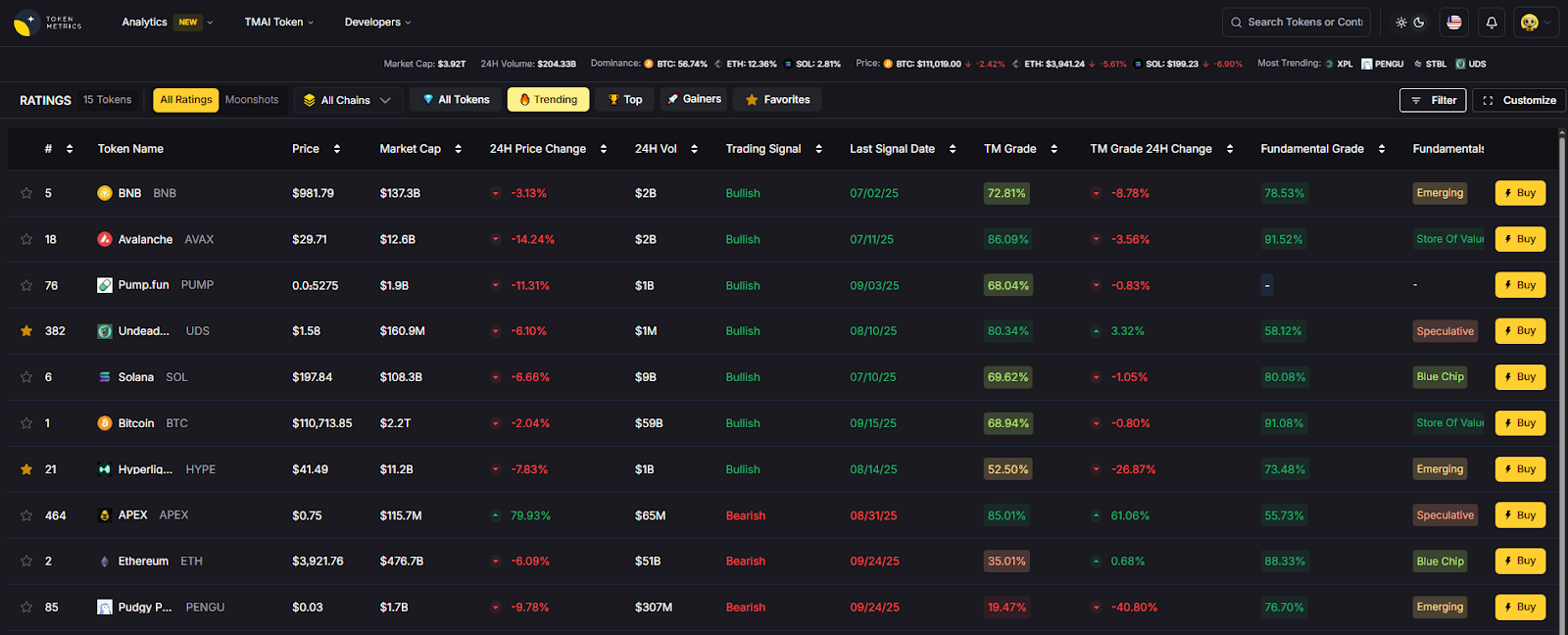
  • Narrative Detection: Spot sector momentum early.

  • Portfolio Optimization: Size positions to risk.

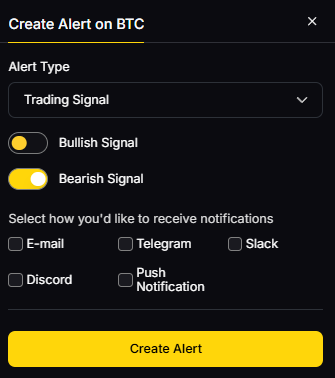
  • Alerts/Signals: Get entries/exits without screen-watching.
    Workflow: Research → Select ramp → Execute buy/sell → Monitor with alerts.

Primary CTA: Start free trial 
Security & Compliance Tips

  • Enable 2FA and use strong unique passwords.

  • Separate custody (self-custody vs. exchange) from ramp accounts as needed.

  • Follow KYC/AML requirements; prepare source-of-funds docs for higher limits.

  • For OTC/RFQ flows, lock quotes and confirm fees before sending. docs.zerohash.com

  • Maintain wallet hygiene: test transfers, verify addresses, track gas/fees.

This article is for research/education, not financial advice.

Beginner Mistakes to Avoid

  • Assuming a provider supports both on- and off-ramp in your country (often not true). support.rampnetwork.com

  • Ignoring ACH hold windows or payout timings when planning cashouts. Kraken Support

  • Overlooking fees/spreads vs. headline “no fee” promos. Coinbase

  • Embedding an onramp without sandbox/testing error states.

  • Not checking licensing & security disclosures before integration. Banxa+1

FAQs

What is a crypto on-ramp vs. off-ramp?
An on-ramp lets users buy crypto with fiat (e.g., card, bank transfer). An off-ramp lets users sell crypto for fiat and withdraw to bank rails or cards. Coinbase

Which providers are best for U.S. ACH cashouts?
Coinbase Offramp and Kraken both support ACH, with method availability depending on state and account status. Coinbase Developer Docs+1

Does Stripe support off-ramp?
Stripe currently offers a fiat-to-crypto onramp (no off-ramp). It’s available in the U.S. (excluding Hawaii) and EU. Stripe Docs

Which options are strongest outside the U.S.?
For broad coverage and local rails, consider Ramp Network (Pix/SPEI), Transak (multi-network off-ramp), and Alchemy Pay (regional wallets). ramp.network+2Transak Docs+2

What about enterprise-grade compliance?
Banxa and Zero Hash publish license/compliance docs and are built for B2B integrations with higher assurance requirements. Banxa+1

Conclusion + Related Reads

The best choice depends on your region, payout rails, and risk posture. If you want a regulated U.S. ACH flow with strong docs, start with Coinbase. Need global coverage and local methods? Ramp, Transak, and Alchemy Pay shine. For enterprise and bank-grade requirements, Banxa and Zero Hash are strong bets. Exchange-based ramps via Kraken or Bitstamp work well if you also need deep liquidity.

Related Reads:

  • Best Cryptocurrency Exchanges 2025

  • Top Derivatives Platforms 2025

  • Top Institutional Custody Providers 2025

Build Smarter Crypto Apps &
AI Agents in Minutes, Not Months
Real-time prices, trading signals, and on-chain insights all from one powerful API.
Grab a Free API Key
About Token Metrics
Token Metrics: AI-powered crypto research and ratings platform. We help investors make smarter decisions with unbiased Token Metrics Ratings, on-chain analytics, and editor-curated “Top 10” guides. Our platform distills thousands of data points into clear scores, trends, and alerts you can act on.
30 Employees
analysts, data scientists, and crypto engineers
Daily Briefings
concise market insights and “Top Picks”
Transparent & Compliant
Sponsored ≠ Ratings; research remains independent
Want Smarter Crypto Picks—Free?
See unbiased Token Metrics Ratings for BTC, ETH, and top alts.
Thank you! Your submission has been received!
Oops! Something went wrong while submitting the form.
 No credit card | 1-click unsubscribe
Token Metrics Team
Token Metrics Team

Recent Posts

Research

Inside DeepSeek API: Advanced Search for Crypto Intelligence

Token Metrics Team
5

DeepSeek API has emerged as a specialized toolkit for developers and researchers who need granular, semantically rich access to crypto-related documents, on-chain data, and developer content. This article breaks down how the DeepSeek API works, common integration patterns, practical research workflows, and how AI-driven platforms can complement its capabilities without making investment recommendations.

What the DeepSeek API Does

The DeepSeek API is designed to index and retrieve contextual information across heterogeneous sources: whitepapers, GitHub repos, forum threads, on-chain events, and more. Unlike keyword-only search, DeepSeek focuses on semantic matching—returning results that align with the intent of a query rather than only literal token matches.

Key capabilities typically include:

  • Semantic embeddings for natural language search.
  • Document chunking and contextual retrieval for long-form content.
  • Metadata filtering (chain, contract address, author, date).
  • Streamed or batched query interfaces for different throughput needs.

Typical Architecture & Integration Patterns

Integrating the DeepSeek API into a product follows common design patterns depending on latency and scale requirements:

  1. Server-side retrieval layer: Your backend calls DeepSeek to fetch semantically ranked documents, then performs post-processing and enrichment before returning results to clients.
  2. Edge-caching and rate management: Cache popular queries and embeddings to reduce costs and improve responsiveness. Use exponential backoff and quota awareness for production stability.
  3. AI agent workflows: Use the API to retrieve context windows for LLM prompts—DeepSeek's chunked documents can help keep prompts relevant without exceeding token budgets.

When building integrations, consider privacy, data retention, and whether you need to host a private index versus relying on a hosted DeepSeek endpoint.

Research Workflows & Practical Tips

Researchers using the DeepSeek API can follow a repeatable workflow to ensure comprehensive coverage and defensible results:

  • Define intent and query templates: Create structured queries that capture entity names, contract addresses, or conceptual prompts (e.g., “protocol upgrade risks” + contract).
  • Layer filters: Use metadata to constrain results to a chain, date range, or document type to reduce noise.
  • Iterative narrowing: Start with wide semantic searches, then narrow with follow-up queries using top results as new seeds.
  • Evaluate relevance: Score results using both DeepSeek’s ranking and custom heuristics (recency, authoritativeness, on-chain evidence).
  • Document provenance: Capture source URLs, timestamps, and checksums for reproducibility.

For reproducible experiments, version your query templates and save query-result sets alongside analysis notes.

Limitations, Costs, and Risk Factors

Understanding the constraints of a semantic retrieval API is essential for reliable outputs:

  • Semantic drift: Embeddings and ranking models can favor topical similarity that may miss critical technical differences. Validate with deterministic checks (contract bytecode, event logs).
  • Data freshness: Indexing cadence affects the visibility of the newest commits or on-chain events. Verify whether the API supports near-real-time indexing if that matters for your use case.
  • Cost profile: High-volume or high-recall retrieval workloads can be expensive. Design sampling and caching strategies to control costs.
  • Bias and coverage gaps: Not all sources are equally represented. Cross-check against primary sources where possible.

Build Smarter Crypto Apps & AI Agents with Token Metrics

Token Metrics provides real-time prices, trading signals, and on-chain insights all from one powerful API. Grab a Free API Key

FAQ: What developers ask most about DeepSeek API

What data sources does DeepSeek index?

DeepSeek typically indexes a mix of developer-centric and community data: GitHub, whitepapers, documentation sites, forums, and on-chain events. Exact coverage depends on the provider's ingestion pipeline and configuration options you choose when provisioning indexes.

How do embeddings improve search relevance?

Embeddings map text into vector space where semantic similarity becomes measurable as geometric closeness. This allows queries to match documents by meaning rather than shared keywords, improving recall for paraphrased or conceptually related content.

Can DeepSeek return structured on-chain data?

While DeepSeek is optimized for textual retrieval, many deployments support linking to structured on-chain records. A common pattern is to return document results with associated on-chain references (contract addresses, event IDs) so downstream systems can fetch transaction-level details from block explorers or node APIs.

How should I evaluate result quality?

Use a combination of automated metrics (precision@k, recall sampling) and human review. For technical subjects, validate excerpts against source code, transaction logs, and authoritative docs to avoid false positives driven by surface-level similarity.

What are best practices for using DeepSeek with LLMs?

Keep retrieved context concise and relevant: prioritize high-salience chunks, include provenance for factual checks, and use retrieval augmentation to ground model outputs. Also, monitor token usage and prefer compressed summaries for long sources.

How does it compare to other crypto APIs?

DeepSeek is focused on semantic retrieval and contextual search, while other crypto APIs may prioritize raw market data, on-chain metrics, or analytics dashboards. Combining DeepSeek-style search with specialized APIs (for price, on-chain metrics, or signals) yields richer tooling for research workflows.

Where can I learn more or get a demo?

Explore provider docs and example use cases. For integrated AI research and ratings, see Token Metrics which demonstrates how semantic retrieval can be paired with model-driven analysis for structured insights.

Disclaimer

This article is for informational and technical education only. It does not constitute investment advice, endorsements, or recommendations. Evaluate tools and data sources critically and consider legal and compliance requirements before deployment.

Research

Practical Guide to Fabric API and Integrations

Token Metrics Team
5

Fabric API is a cornerstone for developers building permissioned blockchain solutions with Hyperledger Fabric. This article explains what Fabric APIs are, how they fit into Fabric's architecture, practical integration patterns, and how to evaluate tooling when you need reliable programmatic access to Fabric networks.

What is the Fabric API and why it matters

The term "Fabric API" broadly refers to the programmatic interfaces and SDKs that allow applications to interact with a Hyperledger Fabric network. These interfaces expose capabilities such as submitting transactions, querying ledger state, managing identities via Fabric CA, and deploying or invoking chaincode (smart contracts). For enterprise use cases—supply chain auditing, tokenized assets, or confidential data flows—the Fabric API is the gateway between business logic and the distributed ledger.

Key characteristics of Fabric APIs include:

  • Permissioned access: operations are gated by identity and certificate-based authentication.
  • Support for multiple languages: SDKs and chaincode runtimes enable JavaScript/TypeScript, Go, Java, and more.
  • Gateway patterns: modern Fabric versions favor the Gateway API for simplified connection management and transaction lifecycle handling.

Core components and SDKs to know

Interacting with Fabric typically involves several layers. Understanding these helps you choose the right API surface for your application:

  1. Fabric Gateway API: A high-level client API that simplifies endorsement, submission, and event handling. It abstracts peers, orderers, and channel configuration so developers can focus on transactions.
  2. Fabric SDKs: Language-specific SDKs (Node.js, Java, Go) provide programmatic access where fine-grained control is required—example: advanced endorsement policies, custom discovery, or private data collection management.
  3. Chaincode APIs: Chaincode runtimes expose an API surface for smart contract logic to access ledger state, emit events, and perform composite key queries.
  4. Fabric CA API: Certificate Authority endpoints for identity lifecycle operations—enrollment, revocation, and affiliation management—accessible via REST or SDK wrappers.
  5. REST/Proxy layers: Many deployments add a REST façade or API gateway in front of Fabric to translate HTTP requests to SDK calls, add RBAC, rate limiting, and telemetry.

Design patterns and integration best practices

Choosing how to surface Fabric functionality depends on risk, latency, and operational model. Common patterns include:

  • Direct SDK clients: Suitable for backend services with secure key management that need direct ledger access and deterministic transaction flows.
  • Gateway + Microservice: Use the Fabric Gateway for transaction orchestration behind microservices that encapsulate business logic and validation.
  • REST API gateway: A REST façade simplifies integration with web and mobile apps. Add authorization checks, input validation, and transformation layers to prevent malformed transactions reaching the ledger.
  • Event-driven integrations: Subscribe to Fabric events (block/chaincode events) to trigger downstream processes or ML pipelines for analytics and monitoring.

Cross-cutting concerns to design for:

  • Identity management: Use Fabric CA and hardware-backed keys where possible; separate admin and application identities.
  • Determinism and validation: Ensure chaincode logic is deterministic and validated across peers to avoid endorsement failures.
  • Observability: Instrument SDK calls, latency, retry behavior, and endorsement responses to troubleshoot production issues.

Practical steps for building, testing, and securing Fabric API integrations

Follow a structured approach when integrating with Fabric networks:

  1. Prototype locally: Use test networks (Fabric samples or Docker-based local networks) to validate transaction flows and endorsement policies before deploying to staging.
  2. Choose the right API layer: For rapid development, the Gateway API with the Node SDK reduces boilerplate. For advanced control, use language-specific SDKs and custom connection profiles.
  3. Implement a façade for public clients: Never expose Fabric SDK credentials to browsers or untrusted environments—place a server-side API between clients and Fabric.
  4. Automate CI/CD: Include unit tests for chaincode logic, integration tests against ephemeral networks, and deployment pipelines for chaincode packaging and approvals.
  5. Security posture: Enforce TLS, rotate certificates, isolate admin operations, and employ least-privilege identities for applications.

Testing tips: use channel-level mock data, replay recorded endorsement responses for deterministic unit tests, and simulate peer failures to validate client retry logic.

Build Smarter Crypto Apps & AI Agents with Token Metrics

Token Metrics provides real-time prices, trading signals, and on-chain insights all from one powerful API. Grab a Free API Key

FAQ: What is the Fabric API?

The Fabric API comprises SDKs, the Gateway API, chaincode interfaces, and CA endpoints that let applications manage identities, submit transactions, and query ledger state on Hyperledger Fabric networks.

FAQ: How do I choose between Gateway and direct SDKs?

Use the Gateway API for simpler, high-level transaction workflows and reduced configuration. Choose direct SDKs when you need low-level control over discovery, endorsement policies, or custom peer selection logic.

FAQ: Can I expose Fabric functionality via REST?

Yes. Implement a secure REST proxy or API gateway to translate HTTP calls to Fabric SDK operations. This adds flexibility for web/mobile clients but requires careful identity and input validation.

FAQ: What are best practices for identity and key management?

Use Fabric CA for certificate issuance, adopt hardware-backed key stores where possible, separate admin and app roles, and rotate/revoke certificates according to policy. Avoid embedding private keys in client-side code.

FAQ: How should I monitor Fabric API usage and performance?

Instrument SDK calls, capture latency and endorsement statistics, log chaincode events, and integrate with observability stacks (Prometheus/Grafana). Monitor peer health and orderer topology to correlate API issues with network state.

FAQ: What common pitfalls should I watch for?

Common issues include endorsement mismatches due to non-deterministic chaincode, exposing credentials to clients, insufficient testing of policy changes, and lacking observability for transaction failures.

Disclaimer: This article is educational and technical in nature. It does not provide financial, legal, or regulatory advice. Implementations should be validated against your organization's compliance and security requirements.

Research

REST API Explained: Design, Security & Best Practices

Token Metrics Team
4

REST APIs are the connective tissue of modern web and mobile applications. Whether you're integrating services, building microservices, or exposing data for AI agents, a clear grasp of REST API principles helps you design interfaces that are maintainable, performant, and secure. This guide walks through the core concepts, practical design patterns, authentication and security considerations, and tooling that make REST APIs reliable in production.

What is a REST API and core principles

REST (Representational State Transfer) is an architectural style that uses standard HTTP verbs and status codes to manipulate resources. Key tenets include:

  • Statelessness: Each request contains all information needed to process it; servers don’t maintain client session state.
  • Resources and representations: Resources are identified by URIs; responses return representations (JSON, XML) describing resource state.
  • Uniform interface: Use predictable HTTP methods (GET, POST, PUT, DELETE, PATCH) and status codes for consistent client-server interaction.
  • Layered system: Clients need not be aware of whether they communicate with the origin server or an intermediary.

Understanding these principles helps when choosing between REST, GraphQL, or RPC for a given use case. REST is well-suited for CRUD-style operations, caching, and wide compatibility with HTTP tooling.

Design patterns: resources, versioning, and idempotency

Good API design starts with modeling resources and their relationships. Practical patterns include:

  • Resource naming: Use plural nouns and hierarchical paths (e.g., /users/{userId}/orders).
  • Versioning: Use URL or header-based versioning (e.g., /v1/ or Accept header) to avoid breaking clients.
  • Idempotency: Ensure methods like PUT and DELETE can be retried safely; supply idempotency keys for POST when necessary.
  • Pagination and filtering: Provide cursor-based or offset-based pagination, with clear metadata for total counts and next cursors.

Design with backward compatibility in mind: deprecate endpoints with clear timelines, and prefer additive changes over breaking ones.

Authentication, authorization, and security considerations

Security is non-negotiable. Common, interoperable mechanisms include:

  • API keys: Simple and useful for identifying applications, but pair with TLS and usage restrictions.
  • OAuth 2.0: Industry-standard for delegated authorization in user-centric flows; combine with short-lived tokens and refresh tokens.
  • JWTs: JSON Web Tokens are compact bearer tokens useful for stateless auth; validate signatures and expiration, and avoid storing sensitive data in payloads.
  • Transport security: Enforce TLS (HTTPS) everywhere and use HSTS policies; mitigate mixed-content risks.
  • Rate limiting & throttling: Protect backends from abuse and accidental spikes; return clear headers that expose remaining quota and reset times.

Also consider CORS policies, input validation, and strict output encoding to reduce injection risks. Implement principle of least privilege for every endpoint and role.

Performance, observability, and tooling

Operational maturity requires monitoring and testing across the lifecycle. Focus on these areas:

  • Caching: Use HTTP cache headers (Cache-Control, ETag) and CDN fronting for public resources to reduce latency and load.
  • Instrumentation: Emit structured logs, request traces (OpenTelemetry), and metrics (latency, error rate, throughput) to diagnose issues quickly.
  • API specifications: Define schemas with OpenAPI/Swagger to enable client generation, validation, and interactive docs.
  • Testing: Automate contract tests, integration tests, and fuzzing for edge cases; run load tests to establish scaling limits.
  • Developer experience: Provide SDKs, clear examples, and consistent error messages to accelerate integration and reduce support overhead.

Tooling choices—Postman, Insomnia, Swagger UI, or automated CI checks—help maintain quality as the API evolves. For AI-driven integrations, exposing well-documented JSON schemas and stable endpoints is critical.

Build Smarter Crypto Apps & AI Agents with Token Metrics

Token Metrics provides real-time prices, trading signals, and on-chain insights all from one powerful API. Grab a Free API Key

What is REST and when should I choose it?

REST is ideal for resource-oriented services where standard HTTP semantics are beneficial. Choose REST when caching, simplicity, wide client compatibility, and predictable CRUD semantics are priorities. For highly dynamic queries, consider GraphQL as a complement rather than a replacement.

How do I manage breaking changes?

Version endpoints, use feature flags, and publish changelogs with migration guides. Prefer additive changes (new fields, new endpoints) and give clients time to migrate before removing legacy behavior.

What authentication method should I implement?

Match the method to the use case: API keys for server-to-server integrations, OAuth 2.0 for delegated user access, and JWTs for stateless session claims. Always layer these with TLS and short token lifetimes.

How should I handle rate limits and abuse?

Enforce per-key and per-IP limits, surface quota headers, and provide graceful 429 responses with a Retry-After header. Use adaptive throttling to protect critical downstream systems.

Which tools help maintain a healthy API lifecycle?

Adopt OpenAPI for specs, use Postman or Swagger UI for exploratory testing, integrate contract tests into CI, and deploy observability stacks (Prometheus, Grafana, OpenTelemetry) to monitor behavior in production.

Disclaimer

This article is for educational and technical guidance only. It does not constitute legal, security, or operational advice. Evaluate risks and compliance requirements against your own environment before implementing changes.

Choose from Platinum, Gold, and Silver packages
Reach with 25–30% open rates and 0.5–1% CTR
Craft your own custom ad—from banners to tailored copy
Perfect for Crypto Exchanges, SaaS Tools, DeFi, and AI Products