
Crypto Basics

What Is Cryptocurrency Market Cap? A Comprehensive Guide

Discover the significance of cryptocurrency market cap and how it impacts investments. Learn the essentials in our comprehensive article. Read more now!
Token Metrics Team
6 min
MIN

Understanding the cryptocurrency market cap is fundamental for anyone interested in investing or trading digital currencies. Market capitalization, often referred to as market cap, is a key metric that reflects the total value of a cryptocurrency in the market. Cryptocurrency market capitalization represents the total value of all coins that have been mined for a specific cryptocurrency or all cryptocurrencies combined. This article will explore what cryptocurrency market cap means, how it is calculated, and why it matters for investors navigating the dynamic crypto market.

Introduction to Market Capitalization

Market capitalization represents the total value of a cryptocurrency's circulating coins in the market. It is a crucial metric used by investors and professionals to gauge the relative size and importance of a digital currency within the crypto ecosystem. Understanding market cap is essential for making informed investment decisions, as it provides a snapshot of a cryptocurrency’s size, popularity, and growth potential.

The market cap of a cryptocurrency is calculated by multiplying its current price by the number of coins in circulation. This simple formula offers insight into the cryptocurrency’s total value and helps investors compare different crypto assets effectively. By knowing the market cap, investors can better understand a cryptocurrency’s position in the market and assess its potential for future growth.

Crypto Market Cap and Circulating Supply

To fully grasp the concept of crypto market cap, it is important to understand the role of circulating supply. The circulating supply refers to the number of coins currently available and actively traded in the market. It is this supply that determines the crypto market cap when multiplied by the cryptocurrency’s current price.

Circulating supply is distinct from total supply, which includes all coins that have been created, including those not yet available for trading or locked in reserves. For example, some projects may have a large total supply but a smaller circulating supply due to tokens held by the development team or locked in smart contracts. Recognizing the difference between circulating supply and total supply is vital when evaluating a cryptocurrency’s market capitalization and its potential impact on price and growth.

Calculation and Importance

Market cap is calculated by multiplying the current price of a cryptocurrency by its circulating supply, providing a real-time measure of the asset's total value in dollars or other fiat currencies. This calculation is dynamic, as both price and circulating supply can fluctuate, causing the market cap to change rapidly.

This metric is important because it helps investors assess the size and value of a cryptocurrency relative to others in the crypto market. A higher market cap often indicates a more established and widely adopted cryptocurrency, such as Bitcoin or Ethereum, which tend to have greater network security and liquidity. Conversely, a low market cap may signal a newer or more speculative digital asset, often associated with higher risk and volatility.

Understanding market cap allows investors to make informed choices by comparing the total value of different cryptocurrencies and evaluating their potential for growth or decline.

Investment Strategies and Market Trends

Market capitalization plays a significant role in shaping investment strategies within the crypto market. It influences the level of risk investors are willing to take and the potential returns they might expect. Cryptocurrencies are categorized into three market cap sizes: large-cap (over $10 billion), mid-cap ($1 billion to $10 billion), and small-cap (under $1 billion). Large cap cryptocurrencies, typically those with a market cap exceeding $10 billion, are generally less volatile and more stable. These assets are favored by conservative investors who prioritize security and steady growth.

On the other hand, mid cap and small cap cryptocurrencies often present higher growth potential but come with increased risk and price volatility. Small cap cryptocurrencies may be more susceptible to market fluctuations and liquidity challenges but can offer substantial returns if their underlying projects succeed.

Staying informed about market trends and understanding how market cap affects demand, liquidity, and price movements are essential for developing effective investment strategies. Investors who respond appropriately to these factors are better positioned to capitalize on opportunities and mitigate risks.

Characteristics of a Liquid Market

A liquid market is characterized by the ability to quickly buy or sell assets without causing significant price changes. In the crypto market, liquidity is a critical factor affecting volatility and trading volume. High liquidity means that there is a large number of buyers and sellers, facilitating smooth transactions and reducing price manipulation risks.

Cryptocurrencies with a high market cap tend to have more liquid markets due to their popularity and widespread adoption. This liquidity attracts institutional investors and traders who require the ability to enter and exit positions efficiently. Conversely, small cap cryptocurrencies may suffer from low liquidity, leading to higher volatility and wider bid-ask spreads.

A liquid market with high trading volume provides better price stability and more trading opportunities, making it more attractive for both short-term traders and long-term investors.

The Crypto Market Ecosystem
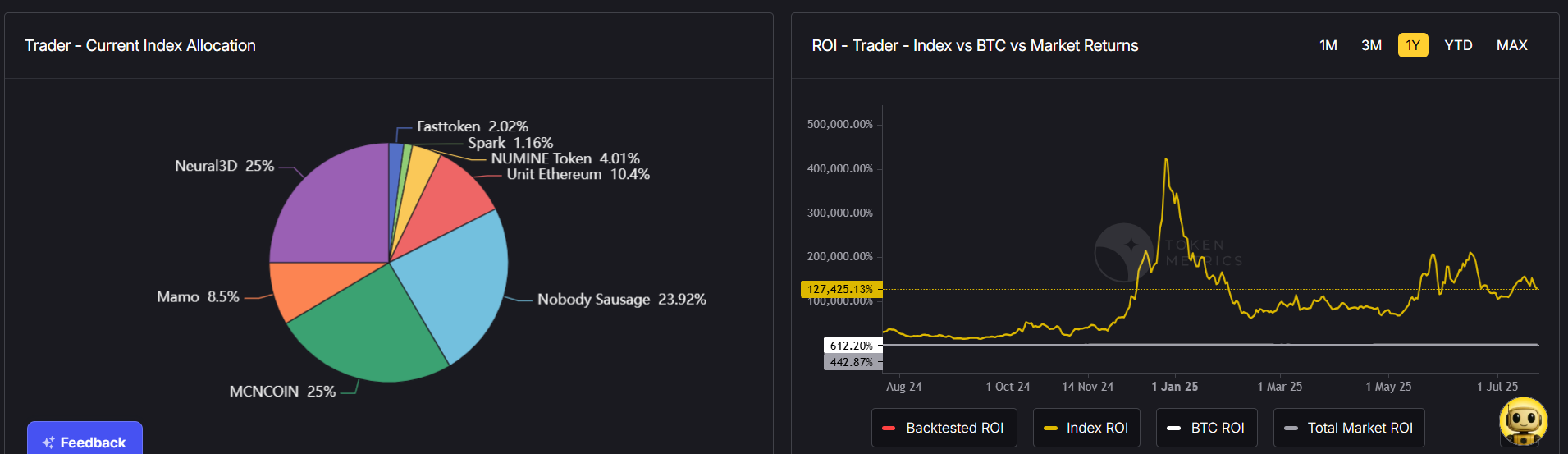
The crypto market ecosystem is a complex and evolving environment influenced by various factors beyond market cap. Blockchain technology underpins all cryptocurrencies, providing the decentralized infrastructure that ensures transparency and security. Network security, driven by consensus mechanisms and the number of active nodes, plays a crucial role in maintaining trust and stability in the market.

Institutional investors have increasingly entered the crypto market, bringing greater capital, legitimacy, and scrutiny. Their participation often affects market trends and can lead to increased liquidity and reduced volatility in large cap cryptocurrencies.

Understanding this ecosystem and the interplay of technology, investor behavior, and market dynamics is essential for anyone looking to navigate the crypto market successfully. The market is constantly responding to new technologies, regulatory developments, and shifts in investor sentiment.

Large Cap Cryptocurrencies
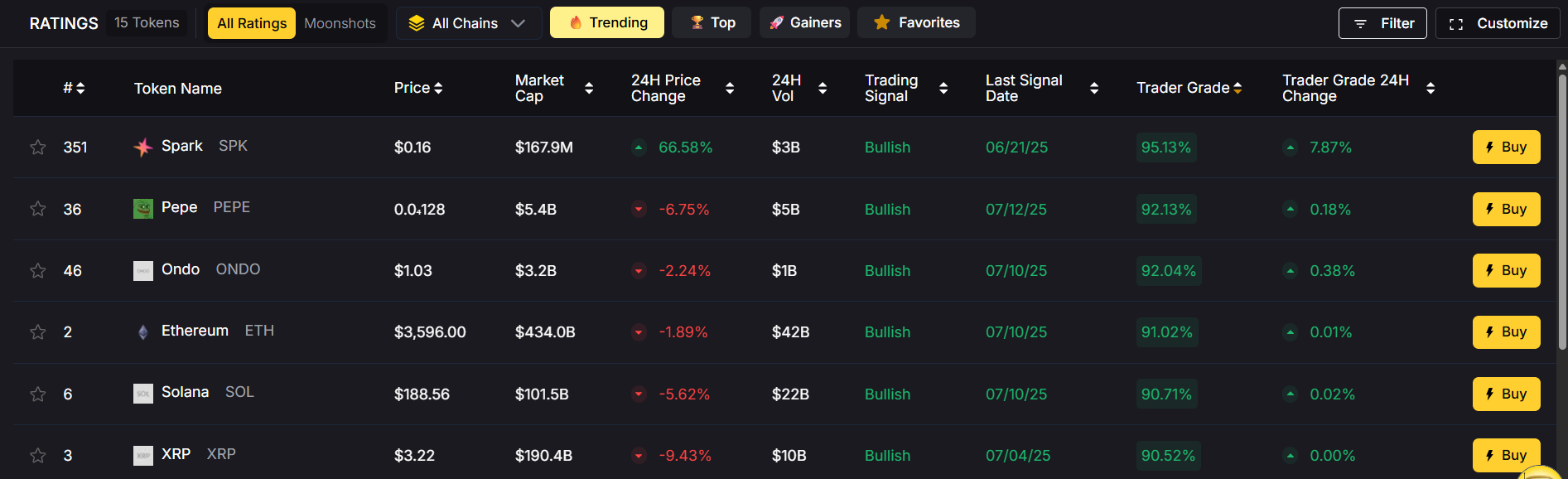
Large cap cryptocurrencies, such as Bitcoin and Ethereum, dominate the crypto market with market caps exceeding $10 billion. These digital assets are widely regarded as more stable and less volatile compared to smaller cryptocurrencies. Their established track records and strong network security make them attractive safe havens during periods of market uncertainty.

Large cap cryptocurrencies benefit from high liquidity and trading volume, which contribute to better price stability and ease of trading. However, because of their already substantial market capitalization, these assets may experience slower price growth compared to mid or small cap cryptocurrencies.

Investors often include large cap cryptocurrencies in their portfolios to provide balance and reduce overall risk.

Growth Potential and Analysis
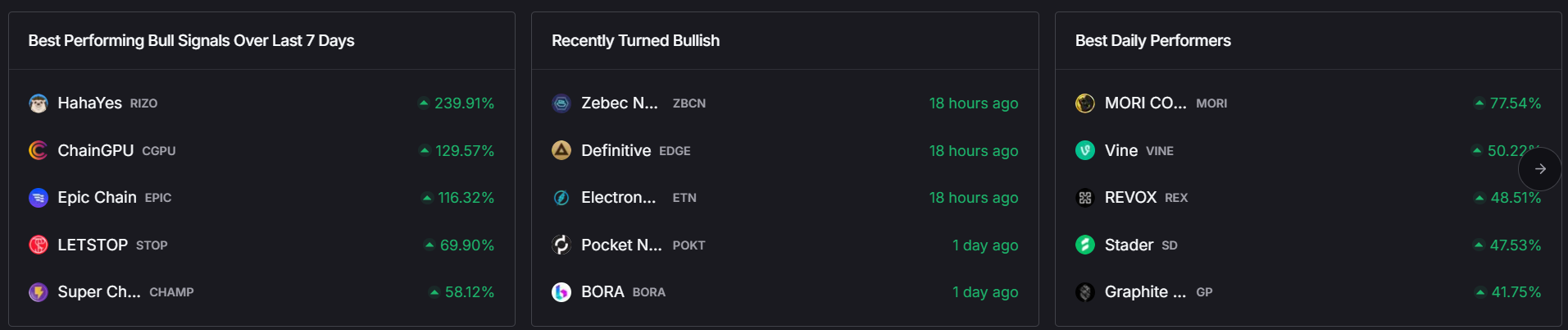
While large cap cryptocurrencies offer stability, mid cap and small cap cryptocurrencies often present greater growth potential. These smaller crypto assets may be in earlier stages of development, with innovative projects and technologies that can lead to significant price appreciation.

Analyzing growth potential involves examining a cryptocurrency’s market cap, trading volume, underlying blockchain technology, and the strength of its project or business model. Investors also consider factors such as tokenomics, total supply, and network security to assess long-term viability.

However, higher growth potential comes with increased risk, including higher volatility and liquidity challenges. Investors must carefully weigh these factors and conduct thorough research before committing to investments in smaller cap cryptocurrencies.

Developing Effective Investment Strategies

Crafting effective investment strategies in the crypto market requires a comprehensive understanding of market trends, risk management, and portfolio diversification. Investors should clearly define their investment goals and risk tolerance before entering the market.

Market capitalization is a critical consideration in strategy development, as it affects liquidity, volatility, and potential returns. Diversifying investments across large cap, mid cap, and small cap cryptocurrencies can help balance risk while capturing growth opportunities.

Staying informed about the latest market trends, technological advancements, and regulatory changes is essential. Investors should be prepared to adapt their strategies as the crypto market evolves, responding to shifts in demand, supply, and broader economic factors.

In conclusion, understanding what cryptocurrency market cap is and how it influences the crypto market is vital for making informed investment decisions. By considering market cap alongside other metrics such as circulating supply, trading volume, and network security, investors can navigate the complex world of digital assets with greater confidence and success.

Build Smarter Crypto Apps &
AI Agents in Minutes, Not Months
Real-time prices, trading signals, and on-chain insights all from one powerful API.
Grab a Free API Key
Token Metrics Team
Token Metrics Team

Recent Posts

Research

How Crypto APIs Power NFT and DeFi Data for Developers

Token Metrics Team
6
MIN

The explosion of NFT and DeFi applications has dramatically increased demand for reliable blockchain data. Developers and analysts seeking to build innovative crypto projects often ask: do crypto APIs provide data for NFTs and DeFi protocols—and if so, how can this fuel smarter apps and insights?

What Are Crypto APIs and Why Are They Important?

A crypto API (Application Programming Interface) is a set of endpoints and protocols that connect applications to blockchain networks or data aggregators. Instead of directly querying nodes or parsing blocks, developers can access a stream of blockchain-related data in real time via these APIs.

APIs abstract away the technical complexity of on-chain data, providing accessible methods for retrieving token prices, wallet balances, transaction histories, smart contract events, NFT metadata, and DeFi protocol information. This simplifies everything from price tracking to building sophisticated crypto apps and analytics dashboards.

Accurate, up-to-date blockchain data is the foundation for researching NFT projects, assessing DeFi protocol health, and even powering AI agents tasked with blockchain tasks. Leading crypto APIs provide developers with high-level access, so they can focus on building features instead of managing blockchain infrastructure.

NFT Data Accessible Through Crypto APIs

Non-fungible tokens (NFTs) have unique data structures, including metadata, ownership history, royalty rules, and underlying assets. Many modern crypto APIs cater to NFT-specific data retrieval, facilitating applications like NFT wallets, galleries, marketplaces, and analytics platforms.

  • Ownership & provenance: APIs can fetch real-time and historical information about who owns a given NFT, how ownership has changed, and related on-chain transactions.
  • Metadata and imagery: Developers retrieve NFT metadata (e.g., images, attributes) directly from smart contracts or token URIs, often with additional caching for speed.
  • Marketplace integration: Some APIs aggregate current and past prices, listing details, and sales volumes from top NFT marketplaces.
  • Activity monitoring: Event endpoints allow tracking of NFT mints, transfers, and burns across chains.

Popular NFT API providers—such as OpenSea API, Alchemy, Moralis, and Token Metrics—differ in their supported blockchains, rate limits, and depth of metadata. When selecting a crypto API for NFTs, compare which standards are supported (ERC-721, ERC-1155, etc.), ease of integration, and the richness of returned data.

How Crypto APIs Handle DeFi Protocol and Market Data

Decentralized finance (DeFi) relies on composable smart contracts driving lending, trading, yield farming, liquid staking, and more. Accessing accurate, real-time DeFi data—such as TVL (total value locked), pool balances, lending/borrowing rates, or DEX trade history—is critical for both app builders and researchers.

Leading crypto APIs now offer endpoints dedicated to:

  • Protocol statistics: TVL figures, liquidity pool compositions, APYs, token emissions, and reward calculations.
  • Real-time DeFi prices: AMM pool prices, slippage estimates, and historical trade data across major DEXes and aggregators.
  • On-chain governance: Information about DeFi protocol proposals, votes, and upgrade histories.
  • User positions: Individual wallet interactions with DeFi protocols (e.g., collateral, borrowings, farming positions).

APIs such as DeFi Llama, Covalent, and Token Metrics provide advanced DeFi analytics and are popular among platforms that track yields, compare protocols, or automate investment analyses (without providing investment advice). Evaluate the update frequency, supported chains, and the granularity of metrics before integrating a DeFi data API.

Key Benefits and Limitations of Using APIs for NFT and DeFi Data

APIs offer significant advantages for NFT and DeFi development:

  • Rapid access to up-to-date blockchain information
  • Abstraction from blockchain-specific quirks and node maintenance
  • Ready-to-integrate endpoints for user-facing dashboards or backend analytics
  • Support for multi-chain or cross-standard data in a unified interface

However, there are trade-offs:

  • Rate limiting can throttle large-scale data pulls.
  • Data freshness may lag behind direct node access on some platforms.
  • APIs sometimes lack coverage for emerging standards or new protocols.

Choosing the right API for NFTs or DeFi often means balancing coverage, performance, cost, and community support. For applications that require the most recent or comprehensive data, combining multiple APIs or supplementing with direct on-chain queries might be needed. Developers should review documentation and test endpoints with sample queries before full integration.

Real-World Use Cases: NFT and DeFi Applications Powered by APIs

Several innovative crypto products rely on powerful APIs to fetch and process NFT and DeFi data:

  • Portfolio dashboards: Aggregating NFT holdings, DeFi investments, token balances, and performance metrics into a single user interface.
  • Market analytics tools: Analyzing trends in NFT sales, DeFi protocol growth, or liquidity volatility across multiple chains and protocols.
  • AI-driven agents: Enabling bots that track NFT listings, monitor DeFi yields, or automate position rebalancing using real-time data streams (without human input).
  • Compliance and reporting systems: Automatically tracking on-chain ownership, yields, or trade histories for tax and regulatory requirements.

Whether for wallet apps, analytical dashboards, or next-gen AI-driven crypto agents, high-quality data APIs serve as the backbone for reliable and scalable blockchain solutions.

Build Smarter Crypto Apps & AI Agents with Token Metrics

Token Metrics provides real-time prices, trading signals, and on-chain insights all from one powerful API. Grab a Free API Key

FAQ

Can I get NFT metadata using crypto APIs?

Yes, most reputable crypto APIs allow you to retrieve NFT metadata, including images, attributes, and collection information, typically by querying token contract addresses and token IDs.

Which DeFi protocols are supported by mainstream APIs?

Coverage varies, but leading APIs often support Uniswap, Aave, Compound, Curve, MakerDAO, and other top DeFi protocols on Ethereum and other blockchains. Always check API documentation for a full, updated list.

Do crypto APIs support multichain NFT and DeFi data?

Many APIs now offer multi-chain support, enabling data retrieval across Ethereum, Polygon, BNB Chain, Avalanche, and other major ecosystems for both NFTs and DeFi activity.

What should I consider when choosing an NFT or DeFi API?

Key factors include supported blockchains and standards, data freshness, endpoint reliability, documentation quality, pricing, and limits on API calls. Community trust and support are also important.

How do APIs differ from blockchain node access?

APIs abstract away protocol complexity, offering simplified data endpoints, caching, and error handling, while direct node access requires technical setup but can provide lower-latency data and broader customization.

Disclaimer

This article is for informational and educational purposes only. It does not constitute investment advice, an offer, recommendation, or solicitation. Please conduct your own research and seek professional advice where appropriate.

Research

How Crypto APIs Streamline Tax Reporting for Digital Assets

Token Metrics Team
6
MIN

For active crypto traders and digital asset holders, the yearly ritual of tax reporting can be complicated and stressful. Each wallet, exchange, and blockchain interacts in ways that fragment your transaction data, making accurate reporting a daunting task. As crypto adoption spreads, can crypto APIs simplify this process and help ensure accurate, timely tax compliance?

What Are Crypto APIs and Why Do They Matter?

APIs, or Application Programming Interfaces, are digital gateways that allow software applications to communicate with one another. In the cryptocurrency world, crypto APIs connect apps, platforms, and users to real-time blockchain data, exchange information, and transaction histories. Major exchanges, wallets, and analytics providers offer APIs so users can access their data programmatically.

For tax reporting, this connection is critical. Crypto APIs enable retrieval of:

  • All wallet and exchange transactions—including buys, sells, transfers, and staking rewards
  • Historical price data for each asset
  • Incoming and outgoing token flows (even across multiple blockchains)
  • Unique identifiers for each transaction

This direct access ensures users and accounting tools get the most accurate, comprehensive data possible, setting the foundation for compliant tax reporting.

How Crypto APIs Support Tax Reporting

Crypto tax liabilities are determined by tracking each crypto transaction throughout the tax year—across wallets, exchanges, blockchains, and DeFi protocols. Each step must be captured: acquisitions, sales, conversions, airdrops, rewards, and sometimes even failed transactions. Manually gathering this information often leads to errors and omissions.

Crypto APIs automate much of this process:

  • Transaction Aggregation: APIs fetch transaction histories from exchanges and wallets, eliminating manual downloads or spreadsheet entries.
  • Historical Pricing: APIs deliver price data at the exact moments of each transaction, enabling accurate capital gains/loss calculations.
  • Multi-Asset, Multi-Chain Support: API integrations can bring together Bitcoin, Ethereum, altcoins, and tokens from various blockchains for consolidated reporting.
  • Tax Form Generation: Some tax tools leverage APIs to automatically fill IRS forms such as 8949 or country-specific equivalents.

By automating data retrieval and normalization, APIs reduce human error and relieve the tedium of manual tracking, increasing the likelihood of accurate and compliant reporting.

Types of Crypto APIs Used for Taxation

Various crypto APIs play roles in tax calculation and compliance workflows. Their capabilities can be grouped into several categories:

  • Exchange APIs: Provide read-only access to trade history, transfers, and account balances from centralized trading platforms.
  • Wallet APIs: Extract on-chain transactions, including self-custodied wallets and hardware devices, for full account tracing.
  • Blockchain Data APIs: Parse data from the blockchain itself for assets or platforms not covered by common wallets/exchanges.
  • Price & Market Data APIs: Supply pricing at specific timestamps, essential for tax-lot and fair market value calculations.
  • Analytics & Reporting APIs: Common with crypto tax software, these deliver formatted tax reports, error warnings, and suggestion workflows.

Leading crypto tax tools integrate one or more of these API types to connect your accounts and gather all the necessary information for reporting.

Choosing the Right Crypto API for Your Tax Needs

No single crypto API covers every trading platform, blockchain, or asset. When selecting an API—or a tax tool that integrates APIs—consider these factors:

  • Covers All Your Sources: Check if the API (or tools that use it) supports all the exchanges, wallets, and blockchains you’ve used in the tax year.
  • Data Completeness: Ensure the API delivers granular transaction details (timestamps, fees, asset IDs, etc.) for accurate gain/loss calculations.
  • Reliability & Security: Look for established providers with a track record of uptime and compliant data handling practices.
  • Automation & Scalability: If you’re an active trader or institutional user, prioritize APIs offering automation, bulk data retrieval, and developer support.
  • Integration with Tax Software: Using a tax platform with strong API integrations with your coins and exchanges can simplify everything—from import to tax form generation.

Popular crypto tax platforms often act as aggregators, using APIs from multiple sources to ensure complete data capture and reporting accuracy. Advanced APIs—even AI-powered ones like those from Token Metrics—can also provide on-chain analysis and insights that may help proactively monitor tax impacts throughout the year.

A Closer Look at Using Crypto APIs for Tax Reporting

Let’s walk through how APIs typically fit into crypto tax workflows:

  1. Connect Accounts and Wallets: Using API keys (often read-only), you link your exchanges, wallets, and blockchains to your chosen tax tool.
  2. Sync and Import Transactions: The tool pulls transaction histories via APIs, consolidating buys, sales, deposits, withdrawals, airdrops, NFTs, and more.
  3. Fetch On-Chain and Historical Prices: Market data APIs retrieve price history at the exact transaction times.
  4. Classify Transactions: Using smart algorithms (sometimes AI-driven), the tool/utility tags income, capital gains, staking rewards, gifting, or transfers.
  5. Generate Tax Reports: With everything categorized, software can generate the tax forms, appendices, or summaries you’ll need for digital asset tax reporting.

This streamlined approach saves time, reduces costly mistakes, and, crucially, helps create a paper trail that stands up to tax authority scrutiny. For high-volume traders or those moving assets across multiple platforms, crypto APIs are increasingly seen as a necessity—not just a convenience.

Build Smarter Crypto Apps & AI Agents with Token Metrics

Token Metrics provides real-time prices, trading signals, and on-chain insights all from one powerful API. Grab a Free API Key

FAQ: Can I Use Crypto APIs for Tax Reporting?

What info do crypto APIs provide for tax reporting?

Crypto APIs can deliver transaction histories, account balances, historical pricing, and details such as gas fees and blockchain-specific data, enabling accurate calculation of gains, losses, and income for tax filing.

Are crypto API integrations secure for tax purposes?

Most reputable APIs utilize read-only permissions, so users can’t withdraw or trade with connected accounts. Always use API keys securely, with platforms that prioritize user data privacy and security.

Can I use APIs for every type of crypto asset?

While many APIs cover major coins and blockchains, full support for NFTs, DeFi protocols, and newer tokens may vary. Check compatibility with your holdings before relying exclusively on APIs for reporting.

Do crypto tax platforms use APIs or manual imports?

Most modern crypto tax platforms offer both—APIs for automated data syncing and manual CSV/Excel uploads as a fallback, ensuring coverage when API connectivity isn’t available for a particular service.

Will using crypto APIs make me compliant with tax laws?

APIs streamline data collection but do not ensure compliance by themselves. Users must ensure all transactions are captured, accurately reported, and filed according to local reporting requirements.

Disclaimer

This article is for informational and educational purposes only and does not constitute tax, accounting, or investment advice. Always consult a qualified tax professional for guidance specific to your situation and jurisdiction.

Research

Create a Powerful Crypto Dashboard Using APIs: Step-by-Step Guide

Token Metrics Team
6
MIN

Imagine seeing real-time crypto prices, portfolio insights, and token analytics—all in one place, tailored to your needs. Crypto dashboards do exactly this: consolidating blockchain data in one interface, empowering users to track and analyze digital assets with accuracy and speed. But how do you go from scattered data sources to a unified dashboard? This guide will walk you through how APIs unlock this potential and show you the essential steps to building an effective crypto dashboard.

Why Use APIs for Crypto Dashboards?

APIs (Application Programming Interfaces) let you access real-time and historical blockchain data, trading signals, and market analytics from external services. By leveraging APIs, you avoid the intensive process of running your own blockchain nodes or manually collecting data from multiple sources. Instead, you use robust, well-documented endpoints from reputable providers to power your dashboard's features.

Key benefits of using APIs for your crypto dashboard include:

  • Real-Time Data: Access up-to-the-minute prices, order books, and market trends.
  • Simplified Development: APIs offer structured, reliable data formats, reducing code complexity.
  • Comprehensive Coverage: Pull data on thousands of tokens, wallets, exchanges, and on-chain activity.
  • AI & Analytical Tools: Some APIs (such as those from Token Metrics) enrich raw data with machine learning signals or advanced analytics.

Planning Your Dashboard Features

Before coding, outline the features you need. Crypto dashboards vary in scope—common modules include:

  • Portfolio Tracking: Monitor holdings, calculate portfolio value, and view historical performance.
  • Price Alerts & Watchlists: Stay informed on assets you care about most.
  • Market Data Visualization: Display candlestick charts, volume, order book depth, and on-chain statistics.
  • AI Insights: Incorporate predictive analytics, sentiment scores, or token rankings using APIs that provide more than raw price data.

Choose the API endpoints that map to these features—consider documentation quality, rate limits, and data freshness. Providers such as Token Metrics can provide multi-layered data like real-time prices, technical indicators, and AI-driven analytics in one place.

Choosing the Right Crypto API

The backbone of your dashboard is data reliability and coverage. Evaluate potential APIs based on:

  • Data Breadth: Coverage of coins, tokens, exchanges, and on-chain projects.
  • Data Depth: Depth of analytics—does the API offer only spot prices, or does it also include technical, fundamental, or on-chain signals?
  • Update Frequency: How often is data refreshed—are you getting real-time information?
  • Documentation & Support: Well-documented endpoints and responsive developer support are essential.
  • Security & API Limits: Authentication methods, rate limits, and safe data practices.

Many developers start with free tiers to prototype, then scale up as their dashboard features mature. Consider APIs that deliver extra analytical layers (like social sentiment or AI-generated ratings) if you want to build advanced features.

Step-by-Step: Building Your Crypto Dashboard with an API

  1. Select Your Stack: Decide on your frontend framework (React, Vue, etc.) and backend setup (Node.js, Python Flask, etc.), ensuring you can make HTTP requests and handle JSON responses easily.
  2. Register & Obtain API Keys: Sign up with an API provider—such as Token Metrics—and generate your API credentials securely.
  3. Fetch Data: Use HTTP requests (GET/POST) to call endpoints (e.g., latest price, historical charts, token analytics) and parse the response in your app.
  4. Process & Store Data: Structure data for efficient usage—cache or store key response elements for improved performance.
  5. Visualize Data: Integrate charts, tables, and alerts with popular libraries (like Chart.js, D3.js) to deliver insights in an intuitive UI.
  6. Add Advanced Analytics (Optional): Incorporate AI-driven analytics, on-chain patterns, or technical indicators if your API supports them.
  7. Test & Iterate: Debug API error handling, refine data refresh intervals, and optimize the UI for responsiveness and clarity.

Sample code for an API request (in JavaScript):

fetch('https://api.example.com/v1/price?symbol=BTC', {
  headers: { 'Authorization': 'Bearer YOUR_API_KEY' }
})
  .then(response => response.json())
  .then(data => {
    // Render price in your dashboard
    console.log(data);
  });

Real-World Use Cases and Advanced Tips

Professional analysts, traders, and hobbyists leverage crypto dashboards for:

  • Tracking high-frequency price movement for algorithmic strategies (without offering strategy recommendations)
  • Comparing on-chain transaction metrics across networks
  • Visualizing correlations between asset prices and social sentiment signals
  • Researching liquidity, volatility, or developer activity efficiently using data APIs

For advanced dashboards:

  • Aggregate Multiple APIs: Combine on-chain, market, and news data for a holistic overview.
  • Implement Authentication: Protect endpoints with OAuth or JWT, especially if storing user-specific data.
  • Monitor API Usage: Stay within rate limits to ensure uptime and reliability.
  • Leverage Websockets: For ultra-low latency updates, use websocket endpoints if available.
  • Maintain Regulatory Awareness: Use data for informational purposes without soliciting trades or giving investment guidance.

Build Smarter Crypto Apps & AI Agents with Token Metrics

Token Metrics provides real-time prices, trading signals, and on-chain insights all from one powerful API. Grab a Free API Key

FAQs

What is a crypto dashboard?

A crypto dashboard is a web or mobile interface that aggregates and visualizes various types of cryptocurrency data. Users can track market prices, portfolio holdings, historical charts, and even AI-driven analytics in one convenient display. Dashboards often rely on APIs to fetch up-to-date, actionable information from multiple crypto sources.

Do I need to code to build a crypto dashboard?

While some no-code dashboard tools exist, building a customized crypto dashboard typically requires basic programming knowledge—especially to integrate APIs, process response data, and create dynamic charts. Common languages include JavaScript, Python, or using frameworks like React for the frontend.

Are there free crypto APIs for dashboard projects?

Many major crypto API providers offer free tiers or trial access, enabling you to start building dashboards without upfront costs. However, free APIs may have limitations on the number of requests, update frequency, or available data. Consider premium plans as your requirements grow.

How do I secure my API keys in a dashboard app?

Never expose API keys directly in public frontend code. Use environment variables, server-side proxies, or authentication layers to help protect sensitive credentials. Regularly rotate your keys and monitor API usage for unauthorized access.

Can I add AI features to a crypto dashboard using APIs?

Yes, some APIs—including those from Token Metrics—provide AI-driven analytics, such as predictive indicators or algorithmic token ratings. Integrating these endpoints enables advanced research and deeper visualization capabilities for end users.

Disclaimer

This content is for informational and educational purposes only and does not constitute investment advice or an offer to buy, sell, or recommend any cryptocurrency or service. Always conduct your own research and consult with professional advisors regarding technical integrations and regulatory obligations.

Choose from Platinum, Gold, and Silver packages
Reach with 25–30% open rates and 0.5–1% CTR
Craft your own custom ad—from banners to tailored copy
Perfect for Crypto Exchanges, SaaS Tools, DeFi, and AI Products