Back to blog
Crypto Basics

Aleo Airdrop 2024 - Eligibility, Process and Rewards

Get all the details of Aleo Airdrop 2024 in this guide. Check eligibility criteria, understand how to participate, and earn more rewards.
Token Metrics Team
11 Minutes
Want Smarter Crypto Picks—Free?
See unbiased Token Metrics Ratings for BTC, ETH, and top alts.
Thank you! Your submission has been received!
Oops! Something went wrong while submitting the form.
 No credit card | 1-click unsubscribe

In the emergent world of blockchain technology, the Aleo platform stands out with its privacy-centric approach and innovative Layer 1 design. Anticipation is high for the Aleo airdrop, slated for early 2024, which promises to be a pivotal event for the crypto community.

With a substantial backing of $300M, the impending airdrop provides an opportunity to gain ALEO tokens, a potential game-changer in the realm of secure, decentralized transactions.

Prospective participants eager to engage with the Aleo airdrop should prepare for a process involving system requirements and strategic planning. 

This article offers a meticulous guide on how to easily claim your airdrop, detailing eligibility, the step-by-step participation process, and insights on maximizing the potential value of ALEO tokens. 

Herein, one will discover the significant aspects of Aleo's unique offerings, including the Leo language, the utility of Aleo Credits, and how these innovations could reshape the landscape of digital assets and privacy.

What is Aleo?

At the heart of the anticipated Aleo airdrop lies the innovative Aleo platform, a privacy-focused Layer 1 blockchain revolutionizing how developers create applications. Here's what sets Aleo apart:

Zero-Knowledge Cryptography: Aleo harnesses the power of zero-knowledge cryptography, specifically through zk-SNARKs, to ensure that transactions remain private. 

This advanced cryptographic technique allows the verification of transactions without revealing any underlying data, a stark contrast to traditional blockchain networks where information is typically public.

Decentralized and Private Web Experience: The platform is designed to foster a web environment where user experiences are personalized and kept private. 

By leveraging decentralized systems and the robustness of zero-knowledge cryptography, Aleo aims to protect user data on the internet. This feature is becoming increasingly important in today's digital age.

Simplified Implementation: Aleo's architecture is crafted to simplify the implementation of zero-knowledge proofs, making it accessible for developers to incorporate privacy features into their applications without needing deep technical knowledge of the underlying mechanisms.

AleoBFT Consensus Mechanism: The network employs AleoBFT. This hybrid consensus mechanism merges the security benefits of proof-of-work with the scalability advantages of proof-of-stake, offering a balanced approach to network security and performance.

snarkVM and Leo Language: At the core of Aleo's functionality is the snarkVM, which facilitates unlimited runtime for zero-knowledge execution, and Leo, a programming language developed specifically for writing private applications on the blockchain. 

Leo programs compile into polynomials that operate within a proof system, ensuring computations are verifiable without revealing any knowledge about the data or the computation itself.

As the platform progresses through its third testnet phase, anticipation builds for the mainnet release, marking a significant milestone in Aleo's journey and the broader evolution of blockchain privacy. 

The upcoming Aleo airdrop is not just a token distribution event but a doorway to participating in a cutting-edge ecosystem where the Aleo token will play a central role.

Eligibility Criteria for the Aleo Airdrop

To ensure a successful claim, participants must align with specific eligibility criteria before the Mainnet launch. 

While the precise requirements remain under wraps, engaging actively within the Aleo ecosystem is a key determinant. Here's how potential beneficiaries can enhance their eligibility:

  • Active Wallet Usage: Prospective participants should utilize a wallet with a robust history of token holding, staking, voting, and regular transaction activities. Such wallets stand a better chance of being recognized for the Aleo airdrop than empty or newly created wallets, which are ineligible.
  • Engagement with Aleo Ecosystem: Taking actions like downloading and setting up a wallet, adding it to the Greenlist, claiming testnet tokens, or bridging ETH to Aleo could be part of the eligibility process. Moreover, creating an NFT, deploying a smart contract, or purchasing a domain name on Aleo's platform may also be necessary steps.
  • Diverse Interactions: Engaging with multiple Aleo project components such as AleoSwap, and Arcane Finance or acquiring a domain name might increase eligibility. These interactions signify active participation within the Aleo ecosystem, potentially leading to greater rewards.

Aleo Airdrop Details

$ALEO Is One Of The Largest Projects Of The Year

$298M Raised - Airdrop Confirmed For Q1 2024

▪ Costs: $0  

▪ Time: 20 min.

▪  Potential gain: $20,000+

Participants are advised to stay informed on the latest developments through Aleo's official channels to fully understand how to claim airdrop benefits.

Step-by-Step Guide to Participating in the Airdrop

To actively participate in the anticipated Aleo airdrop and potentially benefit from the token distribution, follow this step-by-step guide that navigates through the essential actions within the Aleo ecosystem:

1. Setting Up Your Leo Wallet

◈ Visit leo.app and download the Leo Wallet Extension.

◈ Acquire Testnet ALEO Tokens by accessing your Leo wallet's "Faucet" feature.

Setting Up Your Leo Wallet

2. Greenlist your Leo Wallet

Go to →  https://www.alchemy.com/faucets/ethereum-sepolia

◈ Copy your wallet address.

◈ Paste the wallet address in the white search field.

◈ Pass the captcha.

◈ Click on Paint it green.

Greenlist your Leo Wallet

3. Aleo Test Tokens

Go to → faucet.aleo.org

◈ Follow the instructions on the website.

◈ Enter your wallet address.

Aleo Test Tokens

Note: It can take a few hours for tokens to arrive.

4. Sepolia faucet

Go to → https://sepoliafaucet.com

◈ Enter Metamask Wallet address.

◈ Pass the captcha.

◈ Click o: Send Me ETH.

Sepolia faucet

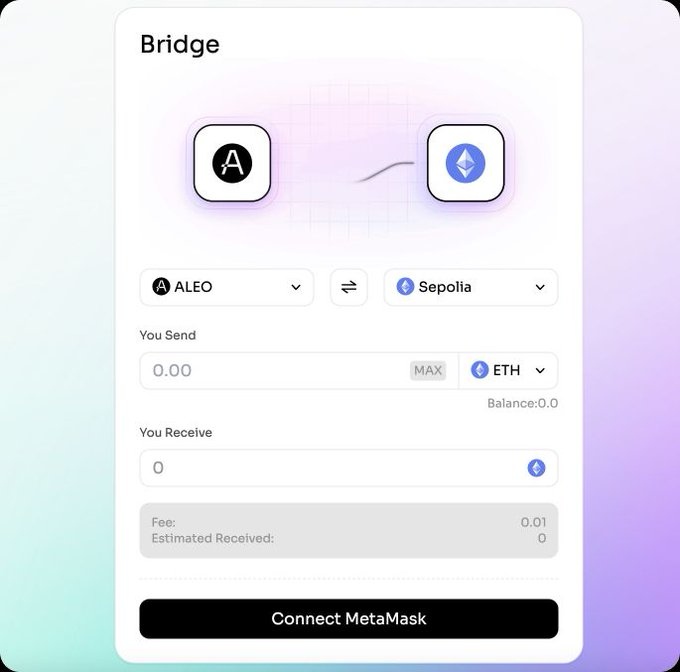
5. Aleo Bridge

Go to →  https://testnet-bridge.izar.xyz/bridge

◈ Connect your Leo Wallet & Metamask Wallet

◈ When tokens arrive on your Metamask Wallet, bridge $ETH from Sepolia to Aleo.
Aleo Bridge

6. Make swaps

Go to → https://aleoswap.org

◈ Connect the wallet.

◈ Make $ETH to $USDT swap and back.

Make swaps

7. Add Liquidity

Go to → https://app.aleoswap.org/pool/public

◈ Select a token.

◈ Enter the desired amount to liquidity.

Add Liquidity

8. Aleo Domains

Go to → https://testnet.aleonames.id/

◈ Connect your wallet.

◈ Register the domain.

Aleo Domains

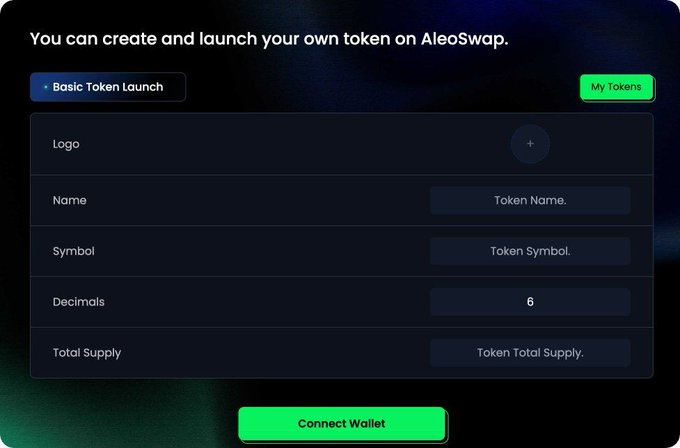
9. Launch a Token on Aleo

Go to → https://app.aleoswap.org/listClick

◈ Connect your wallet.

◈ Fill in the required fields.
Launch a Token on Aleo

10. Trade

Go to → https://alpha.privx.exchange

◈ Connect your wallet.

◈ Check the tutorial.

◈ Grab tokens in the "Claim" section.

Trade

11. Zealy quests

Go to → https://zealy.io/c/aleoofficial/questboard

◈ Complete social tasks.

Zealy quests

By meticulously following these steps and engaging with the Aleo platform, participants can enhance their chances of claiming the Aleo airdrop. It is crucial to stay informed on the latest updates from Aleo's official channels to fully understand the nuances of how to claim airdrop rewards and maximize the potential of your ALEO token holdings.

Maximizing Your Rewards: Tips and Strategies

To optimize the benefits of the Aleo Airdrop 2024, participants can adopt several strategies to enhance their potential rewards:

  • Active Wallet Management: Leveraging a wallet with a solid track record of token holding, staking, and consistent transaction activities can significantly increase the likelihood of a successful airdrop claim. This demonstrates proactive engagement in the crypto space and can be a favorable factor during the airdrop selection process.
  • Community Engagement and Awareness: Staying actively involved in crypto is crucial. By keeping abreast of new projects and opportunities, you can identify various airdrop events, including the Aleo airdrop, and understand the specific actions required to participate, such as staking or holding certain tokens like Tia and Injective.
  • Adherence to Regulations: Ensuring compliance with local laws and regulations is paramount when participating in token distributions. This not only guarantees the legality of your actions but also safeguards against potential legal complications.
  • Diversification Strategy: Creating multiple wallets for diversified staking can spread risk and potentially increase the chances of receiving airdrops. This approach can also apply to the ALEO token distribution, enhancing your overall airdrop portfolio.
  • Claiming Process: It's essential to follow the project's instructions meticulously to claim your tokens. This may involve smart contract interactions or other specific procedures the platform provides.
  • Scam Vigilance: Always verify information through Aleo's official channels to avoid falling for scams. This practice ensures you engage with legitimate airdrop opportunities and safeguard your digital assets.

By implementing these tips and strategies, you can maximize your Aleo airdrop rewards and make the most of the token distribution event. Remember to stay updated with Aleo's official announcements for any changes or additional steps in the airdrop process.

Potential Value and Benefits of ALEO Tokens

Within the Aleo ecosystem, ALEO tokens are not just a cryptocurrency; they are the cornerstone of a privacy-centric web experience, providing users with control over their data while engaging with web services. The token's design is rooted in principles that ensure its longevity and utility:

  • Value and Governance: ALEO tokens are integral to the Aleo platform, enabling users to access personalized web services while maintaining privacy over their personal data. This dual function as a value and governance token positions ALEO as a central player in the platform's operations.
  • Tokenomics: The economics behind ALEO tokens are meticulously crafted, focusing on scarcity, incentives, and decentralization. These factors are pivotal in preserving the token's value within the blockchain ecosystem, making it a potentially lucrative asset for investors and users.
  • Staking and Incentives: ALEO tokens feature a staking mechanism where traders can earn commissions on transactions. This incentivizes token holders to save and stake their tokens, playing an active role in the platform's transactional processes.

The potential of ALEO tokens extends beyond mere transactions, offering a suite of benefits that underscore the project's strong market confidence:

  • Privacy and Scalability: Aleo's commitment to robust privacy protection and on-chain scalability offers a competitive edge, especially for large-scale real-time online applications. This positions ALEO tokens as an attractive asset for those looking to invest in a platform with advanced technological capabilities.
  • Economic Model: The PoW physical machine + PoS on-chain staking model employed by Aleo mitigates mining risks and ensures cost predictability for users and investors, enhancing the appeal of ALEO tokens.
  • Investment and Financing: Beyond transactions, ALEO tokens can be leveraged for financing projects like dApp development, providing businesses with innovative financial tools and opening new avenues for investment.
  • Market Confidence: With a substantial funding pool of $298 million from internationally renowned institutions, ALEO tokens are backed by a level of confidence that suggests a promising future for the token's value.


By understanding the Aleo airdrop and the multifaceted role of ALEO tokens, participants can strategically position themselves to capitalize on the token distribution event and the subsequent opportunities within the Aleo ecosystem.

Also Read - GRASS Airdrop 2024

Aleo Airdrop - Impact on Participants and the Platform

The Aleo airdrop presents a transformative opportunity for participants and the platform alike:

  • Early Supporter Benefits: Individuals who have been involved with Aleo from its early stages stand to gain significant from the airdrop, with the possibility of receiving a profit of around $9,000 without any participation cost. This rewards early backers and incentivizes continued support and engagement with the platform as it evolves.
  • Token Allocation: A substantial allocation of 150M ALEO tokens earmarked for the airdrop targets early supporters, reinforcing their commitment and potentially leading to a more robust and active community post-airdrop.
  • Engagement and Growth: By requiring users to complete a series of tasks, such as downloading extensions and engaging with various platforms, the airdrop fosters deeper interaction within the Aleo ecosystem. This engagement is a crucial step in ensuring the long-term success and adoption of the platform.
  • Market Outlook: The crypto market's projected growth in 2024 could mean that successful airdrop participants will see a significant appreciation in the value of their ALEO tokens. The strong market confidence supports this growth, reflected in Aleo's substantial funding of $298M from major investors, including a16z and Coinbase.
  • Legal Compliance: Adherence to local laws and regulations is paramount as participants navigate the airdrop process. This ensures that the distribution of ALEO tokens is conducted in a legally compliant manner, which is essential for the legitimacy and stability of the platform.
  • Community Engagement: Maximizing airdrop benefits requires active participation in the crypto community and staying informed about new projects and opportunities. This proactive involvement can lead to a greater understanding of the airdrop process and its potential benefits.

By strategically engaging with the Aleo ecosystem and understanding the potential impact of the airdrop, participants can position themselves to benefit from this pivotal event in the platform's development.

Conclusion

As the Aleo platform prepares to launch its mainnet, the Aleo airdrop's significance to prospective participants and the wider blockchain community cannot be overstated. 

This guide has detailed the eligibility criteria, participation processes, and action strategies essential to optimize potential rewards from this much-anticipated event. 

The unique qualities of the ALEO tokens, particularly in privacy and scalability, alongside the robust economic model of the platform, set the stage for a transformative impact on decentralized web services. 

The Aleo airdrop is poised to enhance user engagement within the ecosystem and reward early adopters, bolstering the platform's growth and reinforcing its market position. 

With the potential value appreciation and the supportive backing of prominent investors, participants who align with the airdrop's objectives and guidelines stand to gain from the unfolding narrative of Aleo's privacy-centered innovations. 

Such strategic participation holds the promise of personal reward and contributes to shaping the evolving landscape of secure, decentralized digital transactions.

Disclaimer

The information provided on this website does not constitute investment advice, financial advice, trading advice, or any other advice, and you should not treat any of the website's content as such.

Token Metrics does not recommend buying, selling, or holding any cryptocurrency. Conduct your due diligence and consult your financial advisor before making investment decisions.

Build Smarter Crypto Apps &
AI Agents in Minutes, Not Months
Real-time prices, trading signals, and on-chain insights all from one powerful API.
Grab a Free API Key
About Token Metrics
Token Metrics: AI-powered crypto research and ratings platform. We help investors make smarter decisions with unbiased Token Metrics Ratings, on-chain analytics, and editor-curated “Top 10” guides. Our platform distills thousands of data points into clear scores, trends, and alerts you can act on.
30 Employees
analysts, data scientists, and crypto engineers
Daily Briefings
concise market insights and “Top Picks”
Transparent & Compliant
Sponsored ≠ Ratings; research remains independent
Want Smarter Crypto Picks—Free?
See unbiased Token Metrics Ratings for BTC, ETH, and top alts.
Thank you! Your submission has been received!
Oops! Something went wrong while submitting the form.
 No credit card | 1-click unsubscribe
Token Metrics Team
Token Metrics Team

Recent Posts

Research

What's the Safest Way to Store Large Crypto Holdings? A 2025 Security Guide

Token Metrics Team
14

As cryptocurrency portfolios grow in value, understanding what’s the safest way to store large crypto holdings becomes a critical concern for investors. In 2024 alone, over $2.2 billion was stolen through various crypto hacks and scams, highlighting the vulnerabilities in digital asset protection. These incidents reveal the significant risks associated with storing large amounts of cryptocurrency, including potential vulnerabilities and hazards that can lead to loss or theft. Recent high-profile incidents, such as Coinbase’s May 2025 cyberattack that exposed customer information, underscore the urgent need for robust crypto security measures and the importance of following the safest ways to protect your assets. Unlike traditional bank accounts that benefit from FDIC insurance and fraud protection, stolen cryptocurrency cannot be refunded or insured through conventional means. This reality makes choosing the right cryptocurrency storage method to store your cryptocurrency essential for anyone holding significant crypto assets.

Understanding the Storage Landscape: Hot vs. Cold

When it comes to crypto storage, the fundamental distinction lies in whether wallets are connected to the internet. There are different types of crypto wallets, each offering unique benefits and security features. Hot wallets are always online, making them convenient for trading, transactions, and quick access to funds. However, their constant internet connection makes them inherently vulnerable to hacking, phishing, and malware attacks. Examples include mobile, desktop, and web-based wallets, which are often used for daily spending or quick access to tokens.

On the other hand, cold wallets—also known as cold storage—store private keys completely offline. This means they are disconnected from the internet, drastically reducing the risk of remote attacks. Cold wallets are ideal for long term storage of large crypto assets, where security takes precedence over convenience. A custodial wallet is another option, where a third-party provider, such as an exchange, manages and holds your private keys on your behalf, offering convenience but less direct control compared to non-custodial wallets.

Think of hot wallets as your checking account: convenient but not meant for holding large sums. Cold wallets function like a safety deposit box, providing secure storage for assets you don’t need to access frequently. Crypto wallets use a public key as an address to receive funds, while the private key is used to sign transactions. For large holdings, experts recommend a tiered approach: keep only small amounts in hot wallets for active use, while storing the majority in cold storage. This balances security, access, and the risk of funds being compromised. Cold wallets keep private keys offline and store your private keys and digital assets securely, reducing the risk of theft.

Hardware Wallets: The Gold Standard for Individual Investors

Among cold storage options, hardware wallets are widely regarded as the safest and most practical solution for individual investors managing large cryptocurrency holdings. These physical devices, often resembling USB drives, securely store your private keys offline and only connect to the internet briefly when signing transactions.

Leading hardware wallets in 2025 include the Ledger Nano X, Ledger Flex, and Trezor Model Safe 5. These devices use secure element chips—the same technology found in credit cards and passports—to safeguard keys even if the hardware is physically compromised. By keeping private keys offline, hardware wallets protect your assets from malware, hacking, and remote theft.

To maximize safety when using hardware wallets, always purchase devices directly from manufacturers like Ledger or Trezor to avoid tampered products. When you create your wallet, securely generate and store your seed phrase or recovery phrase by writing it on paper or metal backup solutions. Another option is a paper wallet, which is a physical printout of your private and public keys, used as a form of cold storage for cryptocurrencies. Store these backups in multiple secure locations such as fireproof safes or safety deposit boxes. For example, you might keep one copy of your paper wallet or backup phrase in a home safe and another in a bank safety deposit box to reduce the risk of loss. Never store recovery phrases digitally or photograph them, as this increases the risk of theft.

Enable all available security features, including PIN protection and optional passphrases, for an extra layer of encryption. For very large holdings, consider distributing assets across multiple hardware wallets from different manufacturers to eliminate single points of failure. The main limitation of hardware wallets is their physical vulnerability: if lost or destroyed without proper backup, your funds become irretrievable, making diligent backup practices essential.

Multi-Signature Wallets: Distributed Control for Enhanced Security

For even greater protection, especially among families, businesses, and institutional investors, multi-signature (multisig) wallets provide distributed control over funds. Unlike traditional wallets that require a single private key to authorize transactions, multisig wallets require multiple keys to sign off, reducing the risk of theft or loss.

A common configuration is a 2-of-3 setup, where any two of three keys are needed to sign a transaction. In this setup, the concept of 'two keys' is fundamental—two keys must be provided to authorize and access the funds. This means that funds can only be accessed when the required number of keys are available, ensuring both redundancy and security. If one key is lost, the other two can still access funds—while maintaining strong security since an attacker would need to compromise multiple keys simultaneously. More complex configurations like 3-of-5 are common for very large holdings, allowing keys to be geographically distributed to further safeguard assets.

Popular multisig wallet providers in 2025 include BitGo, which supports over 1,100 digital assets and offers insurance coverage up to $250 million for funds stored. BitGo’s wallets combine hot and cold storage with multisig security, meeting regulatory standards for institutional clients. Other notable solutions include Gnosis Safe (now known as Safe) for Ethereum and EVM-compatible chains, and Unchained, which manages over 100,000 Bitcoin using 2-of-3 multisig vaults tailored for Bitcoin holders. While multisig wallets require more technical setup and can slow transaction processing due to the need for multiple signatures, their enhanced security makes them ideal for large holdings where protection outweighs convenience.

Multi-Party Computation: The Emerging Institutional Standard

An innovative advancement in crypto storage is Multi-Party Computation (MPC) technology, rapidly becoming the standard for institutional custody. Unlike multisig wallets where multiple full private keys exist, MPC splits a single private key into encrypted shares distributed among several parties. The full key never exists in one place—not during creation, storage, or signing—greatly reducing the risk of theft.

MPC offers advantages over traditional multisig: it works seamlessly across all blockchains, transactions appear identical to regular ones on-chain enhancing privacy, and it avoids coordination delays common in multisig setups. Leading MPC custody providers like Fireblocks have demonstrated the security benefits of this approach. However, Fireblocks also revealed vulnerabilities in competing threshold signature wallets in 2022, highlighting the importance of ongoing security audits in this evolving field.

For individual investors, MPC-based wallets like Zengo provide keyless security without requiring a seed phrase, distributing key management across secure locations. Nevertheless, MPC solutions are primarily adopted by institutions, with firms like BitGo, Fireblocks, and Copper offering comprehensive custody services for family offices and corporations.

Institutional Custody Solutions: When Professional Management Makes Sense

For extremely large holdings—often in the millions of dollars—professional institutional custody services offer unparalleled security infrastructure, insurance coverage, and regulatory compliance. These platforms typically facilitate not only secure storage but also the buying and selling of crypto assets as part of their comprehensive service offerings. Institutional custody solutions are commonly used to store bitcoin and other major cryptocurrencies securely, protecting them from theft, loss, and unauthorized access.

Regulated custodians implement multiple layers of protection. They undergo regular third-party audits and SOC certifications to verify their security controls. Many maintain extensive insurance policies covering both hot and cold storage breaches, sometimes with coverage reaching hundreds of millions of dollars. Professional key management minimizes user errors, and 24/7 security monitoring detects and responds to threats in real-time.

Despite these advantages, institutional custody carries counterparty risk. The Coinbase cyberattack in May 2025, which exposed customer personal information (though not passwords or private keys), served as a reminder that even the most secure platforms can be vulnerable. Similarly, the collapse of platforms like FTX, Celsius, and BlockFi revealed that custodial services can fail catastrophically, sometimes taking customer funds with them.

Therefore, thorough due diligence is essential when selecting institutional custodians. Verify their regulatory licenses, audit reports, insurance coverage, and operational history before entrusting significant funds.

The Critical Role of Analytics in Secure Portfolio Management

Securing large crypto holdings is not just about storage—it also involves smart portfolio management and timely decision-making. Sophisticated analytics platforms have become essential tools for this purpose. Token Metrics stands out as a leading AI-powered crypto trading and analytics platform designed to help users manage large cryptocurrency portfolios effectively. While hardware wallets and multisig solutions protect your keys, Token Metrics provides real-time market intelligence across hundreds of cryptocurrencies, enabling holders to make informed decisions about when to move assets between hot wallets and cold storage. The platform also assists users in determining the optimal times to buy crypto as part of their overall portfolio management strategy, ensuring that purchases align with market trends and security considerations.

The platform’s AI-driven analysis helps investors identify market conditions that warrant moving assets out of cold storage to capitalize on trading opportunities or to secure profits by returning funds to cold wallets. This strategic timing can significantly enhance portfolio performance without compromising security. Token Metrics also offers customizable risk alerts, allowing holders to respond quickly to significant market movements without constant monitoring. Since launching integrated trading capabilities in March 2025, the platform provides an end-to-end solution connecting research, analysis, and execution. This is especially valuable for users managing hot wallets for active trading while keeping the bulk of their crypto assets securely stored offline. With AI-managed indices, portfolio rebalancing recommendations, and detailed token grades assessing both short-term and long-term potential, Token Metrics equips large holders with the analytical infrastructure necessary to safeguard and optimize their holdings.

Essential Security Practices Beyond Storage Technology

Even the most secure storage methods can fail without proper security hygiene. Regardless of your chosen storage solution, certain best practices are essential:

  • Never share your private keys or recovery phrases with anyone. Legitimate services will never ask for this information. Requests for keys are always scams.
  • Enable two-factor authentication (2FA) on all accounts using authenticator apps or hardware security keys (e.g., YubiKey) rather than SMS-based 2FA, which is vulnerable to SIM-swap attacks.
  • Use a password manager to generate and store unique, complex passwords for every exchange and wallet service, avoiding password reuse.
  • Whitelist withdrawal addresses on exchanges to restrict withdrawals to pre-approved addresses, reducing the risk of unauthorized transfers.
  • Verify transaction addresses carefully before confirming. Malware can alter clipboard contents to replace legitimate addresses with attacker-controlled ones. Manually check the first and last characters.
  • Keep all software updated on devices used for managing crypto, as updates often include critical security patches.
  • Plan for inheritance and incapacity by securely documenting custody arrangements, key locations, and access procedures. Consider specialized services for cryptocurrency estate planning.

Backup and Recovery: Safeguarding Access to Your Assets

When it comes to crypto storage, having a robust backup and recovery plan is just as essential as choosing the right wallet. No matter how secure your hardware wallet, hot wallet, or cold wallet may be, losing access to your private keys or recovery phrase can mean losing your crypto assets forever. That’s why safeguarding your ability to restore access is a cornerstone of crypto security.

For users of hardware wallets like the Ledger Nano or Trezor Model, the most critical step is to securely record your recovery phrase (also known as a seed phrase) when you first set up your device. This unique string of words is the master key to your wallet—if your hardware wallet is lost, stolen, or damaged, the recovery phrase allows you to restore your funds on a new device. Write your seed phrase down on paper or, for even greater protection, use a metal backup solution designed to withstand fire and water damage. Never store your recovery phrase digitally, such as in a note-taking app or cloud storage, as these methods are vulnerable to hacking and malware.

It’s best practice to store your backup in a location separate from your hardware wallet—think a safe deposit box, a home safe, or another secure, private spot. For added security, consider splitting your backup between multiple locations or trusted individuals, especially if you’re managing significant crypto assets. This way, even if one location is compromised, your funds remain protected.

Non-custodial wallets, whether hardware or software-based, give you full control over your private keys and, by extension, your crypto. With this control comes responsibility: if you lose your recovery phrase or private key, there’s no customer support or password reset to help you regain access. That’s why diligent backup practices are non-negotiable for anyone serious about storing bitcoin or other digital assets securely.

For those seeking even greater protection, multi-signature wallets add another layer of security. By requiring multiple keys to authorize transactions, multi-signature setups make it much harder for hackers or thieves to access your funds—even if one key or device is lost or compromised. This method is especially valuable for families, businesses, or anyone managing large holdings who wants to reduce single points of failure.

If you ever suspect your wallet or recovery phrase has been compromised, act immediately: transfer your funds to a new wallet with a freshly generated seed phrase, and update your backup procedures. Similarly, if a hot wallet on your mobile device or desktop is hacked, move your assets to a secure cold wallet as quickly as possible. Ultimately, backup and recovery are not just technical steps—they’re your safety net. Whether you use hardware wallets, hot wallets, cold wallets, or even paper wallets, always create and securely store a backup of your recovery phrase. Regularly review your backup strategy, and make sure trusted individuals know how to access your assets in case of emergency. By taking these precautions, you ensure that your crypto assets remain safe, secure, and accessible—no matter what happens.

Implementing a Comprehensive Storage Strategy

For large cryptocurrency holdings, a multi-layered storage strategy offers the best balance of security and accessibility. A common approach for portfolios exceeding six figures includes:

  • Tier 1: Deep Cold Storage (70-80%) – Use hardware wallets or multisig vaults for long-term holdings. These assets remain untouched except for major portfolio moves. Backup phrases and devices should be stored in geographically dispersed, secure locations.
  • Tier 2: Accessible Cold Storage (15-20%) – Maintain a secondary hardware wallet or multisig setup for intermediate-term positions, accessible within hours but still offline.
  • Tier 3: Hot Wallet for Active Trading (5-10%) – Keep a small portion of funds in exchange accounts or software wallets for daily transactions and trading, accepting higher risk for liquidity.

This tiered framework ensures that even if one layer is compromised, the entire portfolio remains protected. Combined with platforms like Token Metrics for market intelligence and risk management, this strategy offers both security and operational flexibility.

The Bottom Line

In 2025, securing large cryptocurrency holdings requires a deep understanding of various storage technologies and the implementation of layered security strategies. Hardware wallets remain the gold standard for individual investors, while multisig wallets and MPC solutions provide enhanced protection for very large or institutional holdings.

There is no one-size-fits-all answer to what's the safest way to store large crypto holdings. The ideal approach depends on factors like portfolio size, technical skill, transaction frequency, and risk tolerance. Most large holders benefit from distributing assets across multiple storage methods, keeping the majority in cold storage and a smaller portion accessible for trading.

Ultimately, cryptocurrency security hinges on effective private key management. Protecting these keys from unauthorized access while ensuring you can access them when needed is paramount. By combining robust storage solutions, disciplined security practices, and advanced analytics tools like Token Metrics, investors can safeguard their crypto assets effectively while maintaining the flexibility to seize market opportunities.

As the cryptocurrency landscape evolves, so will storage technologies. Stay informed, regularly review your security setup, and never become complacent. In the world of digital assets, your security is your responsibility—and with large holdings, that responsibility is more essential than ever.

Research

What is the GENIUS Act and How Does It Affect Crypto? Complete 2025 Guide

Token Metrics Team
10

The cryptocurrency industry experienced a turning point on July 18, 2025, when President Donald Trump signed the GENIUS Act into law. This landmark piece of major crypto legislation marks the first major federal crypto legislation ever passed by Congress and fundamentally reshapes the regulatory landscape for stablecoins. The GENIUS Act brings much-needed clarity and oversight to digital assets, including digital currency, signaling a dramatic shift in how the United States approaches the rapidly evolving crypto space. For anyone involved in cryptocurrency investing, trading, or innovation, understanding what the GENIUS Act is and how it affects crypto is essential to navigating this new era of regulatory clarity.

Introduction to Digital Assets

The digital asset landscape is undergoing a profound transformation, with the GENIUS Act representing a pivotal moment in establishing national innovation for U.S. stablecoins. Digital assets—ranging from cryptocurrencies and stablecoins to digital tokens and digital dollars—are at the forefront of financial innovation, reshaping how individuals, businesses, and financial institutions interact with money and value. As decentralized finance (DeFi) and digital finance continue to expand, the need for regulatory clarity and robust consumer protections has never been greater.

The GENIUS Act aims to address these needs by introducing clear rules for stablecoin issuers and setting a new standard for regulatory oversight in the crypto industry. By requiring permitted payment stablecoin issuers to maintain 1:1 reserves in highly liquid assets such as U.S. treasury bills, the Act ensures that stablecoin holders can trust in the stable value of their digital assets. This move not only protects consumers but also encourages greater participation from traditional banks, credit unions, and other financial institutions that had previously been wary of the regulatory uncertainties surrounding digital currencies.

One of the GENIUS Act’s most significant contributions is its comprehensive regulatory framework, which brings together federal and state regulators, the Federal Reserve, and the Federal Deposit Insurance Corporation to oversee payment stablecoin issuers. The Act also opens the door for foreign issuers to operate in the U.S. under specific conditions, further enhancing the role of cross-border payments in the global digital asset ecosystem. By aligning stablecoin regulation with the Bank Secrecy Act, the GENIUS Act requires issuers to implement robust anti-money laundering and customer identification measures, strengthening the integrity of the digital asset market.

President Trump’s signing of the GENIUS Act into law marks a turning point for both the crypto space and the broader financial markets. The Act’s focus on protecting consumers, fostering stablecoin adoption, and promoting financial innovation is expected to drive significant growth in digital finance. Crypto companies and major financial institutions now have a clear regulatory pathway, enabling them to innovate with confidence and contribute to the ongoing evolution of digital currencies.

As the digital asset market matures, staying informed about regulatory developments—such as the GENIUS Act and the proposed Asset Market Clarity Act—is essential for anyone looking to capitalize on the opportunities presented by digital finance. The GENIUS Act establishes a solid foundation for the regulation of payment stablecoins, ensuring legal protections for both the buyer and stablecoin holders, and setting the stage for future advancements in the crypto industry. With clear rules, strong consumer protections, and a commitment to national innovation for U.S. stablecoins, the GENIUS Act is shaping the future of digital assets and guiding the next era of financial markets.

What is the GENIUS Act?

The GENIUS Act, officially known as the Guiding and Establishing National Innovation for U.S. Stablecoins Act, establishes the first comprehensive federal regulatory framework specifically designed for stablecoins in the United States. Introduced by Senator Bill Hagerty (R-Tennessee) on May 1, 2025, the bill received strong bipartisan support, passing the Senate 68-30 on June 17, 2025, before clearing the House on July 17, 2025.

Stablecoins are a class of cryptocurrencies engineered to maintain a stable value by pegging their worth to another asset, typically the U.S. dollar. Unlike highly volatile crypto assets such as Bitcoin or Ethereum, stablecoins provide price stability, making them ideal for payments, trading, and serving as safe havens during market turbulence. At the time of the GENIUS Act’s passage, the two largest stablecoins—Tether (USDT) and USD Coin (USDC)—dominated a $238 billion stablecoin market.

This legislation emerged after years of regulatory uncertainty that left stablecoin issuers operating in a legal gray zone. The collapse of TerraUSD in 2022, which wiped out billions of dollars in value, underscored the risks of unregulated stablecoins and accelerated calls for federal oversight. The GENIUS Act aims to address these concerns by establishing clear standards for reserve backing, consumer protection, and operational transparency, thereby fostering national innovation in digital finance.

Provisions of the GENIUS Act

The GENIUS Act introduces several critical provisions that fundamentally change how stablecoins operate within the United States. One of the most significant is the reserve backing requirement, which mandates that stablecoin issuers maintain 100% reserves backing their tokens with highly liquid, low-risk assets such as U.S. Treasury securities and U.S. dollars. This one-to-one backing ensures that stablecoin holders can redeem their tokens for the underlying asset at any time, protecting against the type of collapse witnessed with TerraUSD.

Another cornerstone of the Act is its consumer protection measures. These provisions prioritize stablecoin holders' claims over all other creditors in the event of issuer insolvency, providing a critical safety net. The law also guarantees clear redemption rights, allowing stablecoin holders to convert their tokens back into U.S. dollars on demand, enhancing legal protections for consumers.

The Act further establishes stringent licensing and oversight requirements, specifying that only permitted payment stablecoin issuers—including subsidiaries of insured depository institutions, federally qualified issuers, and state-qualified issuers—may issue stablecoins in the U.S. These permitted issuers are subject to rigorous approval processes and dual oversight by federal and state regulators, creating a regulatory framework akin to traditional banking supervision.

Addressing national security concerns, the GENIUS Act explicitly subjects stablecoin issuers to the Bank Secrecy Act, requiring them to implement robust anti-money laundering (AML) and sanctions compliance programs. Issuers must have the technical capability to seize, freeze, or burn payment stablecoins when legally mandated, enhancing the Treasury Department’s enforcement capabilities. These measures ensure that stablecoins cannot be exploited for illicit activities, reinforcing the integrity of the financial markets.

Immediate Market Impact and Regulatory Clarity

The passage of the GENIUS Act was met with enthusiasm across the cryptocurrency market. Following the Senate vote, the total crypto market capitalization surged by 3.8%, reaching an impressive $3.95 trillion. By the time President Trump signed the bill into law, the market had climbed further, hitting a record $4 trillion—a clear indication of how much regulatory uncertainty had previously suppressed institutional participation.

The stablecoin market experienced particularly explosive growth under this new regulatory framework. By early August 2025, stablecoin market capitalization had climbed past $278 billion, with net stablecoin creation increasing by an astonishing 324% from Q2 to Q3 2025, reaching approximately $300 billion. This surge demonstrates that regulatory clarity has unlocked significant institutional capital that had been waiting on the sidelines.

Major financial institutions, including JPMorgan and Meta Platforms, accelerated their stablecoin initiatives following the law’s enactment. Traditional banks, which had been cautious about entering the crypto space, now have a clear regulatory pathway to participate. Stablecoins are rapidly evolving from niche crypto products to mainstream financial infrastructure, with applications in cross-border payments and other financial services.

How the GENIUS Act Affects Stablecoin Issuers and Different Crypto Sectors

Although the GENIUS Act primarily targets stablecoins, its effects resonate throughout the broader cryptocurrency ecosystem. In the realm of decentralized finance (DeFi), the enhanced reliability and regulatory compliance of stablecoins strengthen the foundation for lending, borrowing, and yield-generating protocols. However, DeFi platforms must ensure that the stablecoins they integrate comply with the new licensing requirements, which may limit the tokens they can support.

NFT marketplaces benefit indirectly from the Act. With stablecoins now backed by clear regulatory guidelines and consumer protections, users gain greater confidence when using these digital dollars for high-value NFT transactions. While the GENIUS Act does not regulate NFTs directly, it removes uncertainty around the payment mechanisms that facilitate their exchange.

Crypto exchanges face a mix of new opportunities and compliance obligations. Exchanges listing stablecoins must verify that issuers hold proper licenses and maintain required reserves. Those acting as custodians or facilitators for stablecoin transactions may be classified as digital asset service providers, triggering additional regulatory oversight. Nonetheless, legitimate exchanges stand to gain a competitive edge as regulated stablecoins attract more institutional clients.

The payments and remittances sector arguably stands to benefit the most. With clear legal status and consumer protections, stablecoins can now effectively compete with traditional payment networks for cross-border transactions. This is especially impactful in emerging markets, where stablecoins often serve as hedges against local currency instability, improving the efficiency and cost-effectiveness of cross-border payments.

As the cryptocurrency industry transitions from regulatory ambiguity to a structured framework, investors and traders require sophisticated tools to navigate this evolving landscape. Token Metrics, a leading crypto trading and analytics platform, offers the comprehensive data and insights essential for making informed decisions under the GENIUS Act’s new regulatory environment.

Token Metrics provides real-time tracking of stablecoin market dynamics, including reserve ratios, trading volumes, and compliance status for major issuers. This information is crucial for understanding which stablecoins meet the GENIUS Act’s requirements and which may face regulatory challenges. By aggregating this data into actionable intelligence, Token Metrics supports effective portfolio construction and risk management.

The platform’s advanced analytics help investors identify emerging opportunities resulting from the regulatory shift. As traditional financial institutions launch regulated stablecoins and new use cases arise, Token Metrics’ AI-driven ratings and market analysis guide allocation decisions. Whether evaluating established stablecoins like USDC or assessing new entrants from banks such as JPMorgan, Token Metrics delivers objective, data-backed assessments.

For active traders, Token Metrics offers market intelligence needed to capitalize on volatility and trends driven by regulatory developments. When news surfaces about licensing approvals, reserve audits, or enforcement actions, Token Metrics equips users to respond swiftly with comprehensive context on how events impact specific tokens and broader market sectors.

Moreover, Token Metrics helps investors understand correlation effects—how stablecoin regulation influences Bitcoin, Ethereum, and altcoin markets. As stablecoins become more mainstream and integrated into financial markets, their relationship with other crypto assets evolves. Token Metrics’ correlation analysis and market structure insights enable more sophisticated trading and hedging strategies.

What Comes Next

The GENIUS Act is only the beginning of comprehensive crypto regulation in the United States. The Digital Asset Market Clarity Act (CLARITY Act), which passed the House on July 17, 2025, aims to extend regulatory frameworks to the broader cryptocurrency market, clearly defining the roles of the SEC and CFTC. As this legislation moves through the Senate, the regulatory landscape will continue to evolve rapidly. Industry experts anticipate that the next 18 months will be crucial as other crypto sectors seek regulatory clarity following the stablecoin model. The emerging framework approach suggests future cryptocurrency regulation will be use-case specific rather than technology specific, with payment tokens receiving banking-like oversight while investment products remain under SEC jurisdiction.

Conclusion

The GENIUS Act fundamentally transforms the cryptocurrency landscape by delivering regulatory clarity to the $300 billion stablecoin market. By establishing strict reserve requirements, consumer protections, and licensing frameworks, the law removes major barriers to institutional adoption while safeguarding against catastrophic failures that have plagued unregulated stablecoins.

For investors, traders, and businesses operating in the crypto space, understanding what the GENIUS Act is and how it affects crypto is no longer optional—it is essential. As regulated stablecoins become the backbone of crypto payments, DeFi protocols, and cross-border transactions, those equipped with superior analytics and market intelligence will be best positioned to capitalize on emerging opportunities while effectively managing risks.

Platforms like Token Metrics provide the comprehensive tracking, analysis, and insights needed to successfully navigate this new regulatory era. As the cryptocurrency industry matures from experimental technology to regulated financial infrastructure, such tools become indispensable for anyone serious about succeeding in digital asset markets.

Research

How is Tokenization Used Outside of Finance? Real-World Applications in 2025

Token Metrics Team
9

When most people hear the term tokenization, their minds often jump straight to cryptocurrencies and financial assets. However, the benefits of tokenization—such as increased liquidity, improved transparency, and greater efficiency—are now being realized across a wide range of industries. In 2025, tokenization has clearly evolved far beyond its financial roots, reshaping industries as diverse as healthcare, agriculture, supply chain management, and intellectual property, thanks to blockchain networks that provide the secure, decentralized infrastructure enabling this transformation. Understanding how is tokenization used outside of finance is becoming essential not only for investors but also for entrepreneurs and professionals navigating the ongoing digital transformation that is redefining how value is created, managed, and exchanged.

Beyond Finance: The Tokenization Revolution Expands

At its core, tokenization refers to the process of creating a digital representation of real-world assets as a digital token on a blockchain network. A digital token acts as a secure, tradable digital certificate of ownership or rights over assets. Each token represents a specific ownership right or unit of value in an asset, making transfers secure and verifiable. These assets can include financial instruments, physical goods, intangible assets, and other assets, highlighting the broad applicability of tokenization. While the market for tokenized assets—excluding stablecoins—has already reached about $25 billion by mid-2025, projections estimate this figure will soar to $2.08 trillion by the end of the year and an astonishing $13.55 trillion by 2030.

Crucially, the most exciting growth is not confined to traditional finance or financial institutions. As Vlad Tenev, CEO of Robinhood, aptly put it at the Token2049 conference, “Tokenization is like a freight train. It can’t be stopped, and eventually it’s going to eat the entire financial system.” Yet, this freight train is not stopping there—it is transforming every sector it touches by enabling increased liquidity, fractional ownership, enhanced transparency, and operational efficiency.

Healthcare: Transforming Medical Data and Research

The healthcare industry is one of the most promising sectors benefiting from asset tokenization. Tokenization enables healthcare providers to manage assets—both physical and digital—more efficiently by converting them into secure, tradeable digital tokens, simplifying ownership, transfer, and security processes. By leveraging blockchain technology and smart contracts, healthcare providers and researchers can address longstanding challenges related to data security, funding, and intellectual property management.

Medical Records and Data Security

Tokenizing medical records creates a secure, decentralized system for managing sensitive data. Unlike traditional centralized databases that are vulnerable to data breaches and unauthorized access, blockchain-based tokenized records give patients control over their data while allowing authorized healthcare professionals seamless and instant access. This enhanced data security reduces the risk of data breaches and fosters trust, improving patient care coordination without compromising privacy.

Pharmaceutical Research and Development

Pharmaceutical research has traditionally been dominated by large financial firms and venture capitalists, often limiting funding opportunities for innovative projects. Asset tokenization introduces new revenue streams by enabling researchers to raise capital through tokenized investment pools. This democratizes access to funding, accelerates research cycles, and allows smaller investors to participate in promising ventures. Moreover, intellectual property such as pharmaceutical patents and research outcomes can be tokenized, allowing creators to license or sell rights more efficiently. Smart contracts automate royalty payments, ensuring ongoing compensation to patent holders and enhancing transparency compared to conventional licensing agreements.

Medical Equipment and Asset Management

Hospitals and healthcare institutions are also using tokenization to manage high value assets like medical equipment. By tokenizing these assets, institutions can create fractional ownership or leasing arrangements, generating liquidity from otherwise illiquid equipment. Tokenization streamlines asset transfer, making it faster, more transparent, and cost-effective for hospitals and equipment providers by enhancing the traceability and efficiency of ownership changes. Token holders can earn returns from leasing fees, while hospitals benefit from flexible financing options and operational cost savings.

Supply Chain: Transparency from Origin to Consumer

Supply chains are complex and often opaque, making it difficult to verify authenticity, track provenance, and ensure efficiency. Tokenization offers a powerful solution by providing a transparent, immutable record of every step in the supply chain, and, when combined with blockchain technology, it can significantly facilitate faster and more transparent cross border transactions.

Product Authentication and Anti-Counterfeiting

Assigning digital tokens to products enables real-time tracking and verification of authenticity. For instance, the journey of precious metals or diamonds can be fully tokenized, creating a distributed ledger record that proves ethical sourcing and provenance. Luxury goods manufacturers are increasingly adopting this approach to combat counterfeiting, a problem that costs the industry billions annually.

Inventory Management and Trade Finance

Tokenizing inventory and goods in transit enhances transparency and facilitates more efficient trade finance. Platforms such as Centrifuge have pioneered tokenization initiatives that convert invoices and receivables into digital tokens, which financial institutions and asset managers can finance. By enabling instant settlement, tokenization reduces delays typically associated with traditional settlement processes and improves liquidity for businesses. This model transforms traditional invoice financing by reducing transaction costs, improving risk management, and increasing capital efficiency through transparent, decentralized processes.

Agriculture: Democratizing Farm Finance

Agriculture has historically faced challenges in accessing capital and managing risks associated with crop production. Tokenization is changing this by enabling innovative financing and risk management solutions. When tokenizing assets in the agricultural sector, it is crucial to consider legal considerations and regulatory compliance to ensure successful and sustainable implementation.

Crop and Harvest Tokenization

Farmers can now tokenize crops before harvest, offering fractional ownership to investors and unlocking new capital sources. Malaysia’s DatoDurian project, which completed its private sale in early 2025, exemplifies this trend by allowing retail investors to gain exposure to premium durian farms through tokenized assets. This approach provides farmers with upfront capital without resorting to predatory lending and offers investors opportunities to participate in agricultural yields previously inaccessible. Additionally, smart contracts enable automated crop insurance payouts based on verified data such as weather conditions, streamlining risk management and reducing bureaucracy.

Commodity Trading Platforms

Tokenizing commodities like gold, agricultural products, and other raw materials increases liquidity and transparency in global markets. By leveraging blockchain technology, tokenization leads to lower costs for trading and managing commodities, as it reduces expenses related to traditional asset transfers and administrative processes. Fractional ownership through digital tokens allows smaller investors to access these asset classes, improving price discovery and overall market efficiency.

Art and Collectibles: Fractional Ownership for All

The art market has traditionally been exclusive and opaque, limiting access to high-value assets. Tokenization is democratizing this space by enabling fractional ownership and transparent royalty management.

Democratizing Fine Art Investment

High-value artworks can be divided into tokenized shares, allowing multiple investors to own fractions of masterpieces by renowned artists such as Picasso or Warhol. This fractional ownership not only broadens access to blue-chip art investments but also creates liquidity in a historically illiquid market. Platforms specializing in luxury asset tokenization have reported liquidity increases of up to 300% after listing artworks as digital tokens.

Artist Royalties and Intellectual Property

Artists can tokenize their intellectual property rights, including copyrights and future revenue streams. Smart contracts embedded in digital tokens automate royalty payments each time an artwork is resold, a significant improvement over traditional models where artists rarely benefit from secondary sales. The intellectual property tokenization sector is growing rapidly, offering investors uncorrelated, revenue-backed opportunities.

Sports, Entertainment, and Gaming

Tokenization is revolutionizing fan engagement and digital ownership in sports, entertainment, and gaming industries, creating new business models and revenue streams.

Fan Tokens and Team Ownership

Fans can purchase digital tokens representing fractional ownership or voting rights in their favorite sports teams or entertainment projects. These tokens often grant holders influence over team decisions, merchandise designs, or concert setlists, fostering deeper engagement and providing teams and artists with alternative funding sources.

Gaming Assets and Play-to-Earn

In-game items, characters, and entire ecosystems can be tokenized, allowing players true ownership of digital assets transferable across platforms. Play-to-earn models reward gamers with digital tokens that have real-world value, transforming gaming into a source of income and expanding the utility of digital wallets.

Education and Research Funding

Tokenization is also impacting education by enabling decentralized funding of scholarships, research grants, and educational programs. This approach enhances transparency and efficiency in allocating resources, while allowing investors and philanthropists to support causes aligned with their values and potentially earn returns from successful research outcomes.

Token Metrics: Your Intelligence Hub for the Tokenization Economy

As tokenization broadens to encompass real estate, agriculture, healthcare, art, and many other sectors, investors require sophisticated tools to navigate this growing market. Token Metrics, a leading crypto trading and analytics platform, offers comprehensive intelligence to evaluate tokenization initiatives across asset classes.

Discover Crypto Gems with Token Metrics AI

Token Metrics uses AI-powered analysis to help you uncover profitable opportunities in the crypto market. Get Started For Free

The Future: Tokenization Everywhere

The expansion of tokenization beyond finance signifies a fundamental shift in how assets are represented, transferred, and monetized. Digital assets are at the core of this transformation, enabling new ways to create, trade, and regulate value across markets. By creating digital tokens that represent ownership or rights over real world assets, industries are experiencing:

  • Increased liquidity in markets traditionally characterized by illiquid assets
  • Fractional ownership that democratizes access to high-value assets like real estate, fine art, and precious metals
  • Enhanced transparency that reduces fraud and improves trust through distributed ledger technology
  • Operational efficiency by automating complex transactions and corporate actions via smart contracts
  • Broader access to global investors by breaking down geographic and regulatory barriers

Tokenization is also revolutionizing financial products such as mutual funds, private equity, money market funds, tokenized money market funds, and security tokens, making these digital assets more accessible and efficient. By converting both physical and digital assets into secure, tradeable digital representations, tokenization enables businesses and individuals to better manage assets, streamline transactions, and reduce reliance on traditional intermediaries.

Regulatory frameworks are evolving worldwide to accommodate these innovations, with jurisdictions such as Singapore, Dubai, and the European Union establishing clear guidelines for asset tokenization. As legal experts and financial firms collaborate to address security risks, legal considerations, and regulatory compliance, tokenization is poised to accelerate across asset classes and industries.

Positioning for the Tokenized Economy

To thrive in this rapidly evolving landscape, stakeholders must:

  • Commit to continuous education about emerging tokenization use cases and platforms.
  • Utilize sophisticated analytics, such as those provided by Token Metrics, to evaluate diverse opportunities.
  • Diversify exposure across multiple tokenized asset classes, including traditional assets and intangible assets.
  • Stay informed about evolving regulatory frameworks and compliance requirements.
  • Conduct thorough due diligence on platforms to ensure security, operational cost savings, and seamless integration.

The tokenization revolution is no longer confined to financial services—it is reshaping business processes, capital markets, and asset ownership globally. With tokenized assets projected to reach trillions of dollars in value over the next decade, understanding how is tokenization used outside of finance is essential for anyone aiming to participate in the future economy.

Ready to navigate the future of tokenization? Visit tokenmetrics.com to access the research, analytics, and insights you need to capitalize on opportunities across the expanding tokenization landscape.

Choose from Platinum, Gold, and Silver packages
Reach with 25–30% open rates and 0.5–1% CTR
Craft your own custom ad—from banners to tailored copy
Perfect for Crypto Exchanges, SaaS Tools, DeFi, and AI Products