Back to blog
Crypto Basics

15 Low Cap Crypto Altcoins for the Next Bull Run

Discover the top altcoins to consider for your investment portfolio. Stay informed and make smart decisions in the evolving crypto landscape. Read more now!
Token Metrics Team
9 Minutes
Want Smarter Crypto Picks—Free?
See unbiased Token Metrics Ratings for BTC, ETH, and top alts.
Thank you! Your submission has been received!
Oops! Something went wrong while submitting the form.
 No credit card | 1-click unsubscribe

Click here to buy Cryptocurrencies from Gate.io

Contact us at promo@tokenmetrics.com for marketing and sponsorship programs.

As we move further into 2025, the best crypto altcoins are capturing the attention of both retail investors and professional traders worldwide. While Bitcoin and Ethereum remain dominant assets anchoring the cryptocurrency market, the altcoin market is witnessing a surge of innovation fueled by advancements in AI, decentralized finance (DeFi), and smart contracts. Crypto coins are a fundamental category of digital assets, serving as native currencies on their respective blockchains and playing a crucial role in transactions and ecosystem functions. Altcoins can apply different consensus protocols for transaction verification and may offer unique or better features and functions compared to Bitcoin. This dynamic environment presents unparalleled opportunities for investors seeking to diversify their portfolios beyond the most cryptocurrencies and explore promising altcoin investments with high growth potential.

In this article, we will explore the top 15 best crypto altcoins to watch in 2025. These projects span various sectors such as AI integration, Web3, decentralized compute, and the creator economy. Each altcoin offers unique utilities, competitive advantages, and strong communities, making them attractive options for those interested in long-term investments or active trading. A skilled and capable project team behind an altcoin can indicate its long-term success potential. Understanding these altcoins’ value propositions and market dynamics is essential. It’s important to note the distinction between coins (or crypto coins) and tokens: coins, also referred to as crypto coins, function as the primary currency or utility within their blockchain ecosystems, while tokens often serve specific purposes on top of existing blockchains. This clarification will help investors navigate the crypto ecosystem more effectively while managing risk tolerance in a space known for price fluctuations.

Introduction to the Crypto Space

The cryptocurrency market has rapidly evolved into a global financial ecosystem, with its total market capitalization now exceeding $2 trillion. This vibrant crypto space is home to a wide array of digital currencies, including Bitcoin, altcoins, and various tokens, each offering unique features and use cases. Unlike traditional financial institutions, the crypto market operates on a decentralized platform, enabling peer-to-peer transactions and the execution of smart contracts without intermediaries. While this independence fosters innovation and accessibility, it also introduces significant price fluctuations and volatility. Altcoins carry more risk than Bitcoin and many of the smaller ones may not be trustworthy investments. As a result, investors must conduct thorough research and understand the inherent risks before participating in the cryptocurrency market. Whether you’re exploring Bitcoin or the latest altcoins, staying informed and cautious is essential for navigating this dynamic and often unpredictable market.

The Cryptocurrency Market Landscape

The cryptocurrency market landscape is incredibly diverse, boasting over 10,000 different cryptocurrencies. While Bitcoin remains the most recognized and widely held asset, altcoins such as Ethereum, Binance Coin, and Ripple have carved out substantial market shares and are favored by many investors. Cardano (ADA) is an advocate for proof-of-stake consensus and offers a blockchain solution with low fees and high security. The market capitalization of these altcoins can shift dramatically, often influenced by market sentiment, technological advancements, and broader economic trends. Financial institutions and regulatory bodies like the Securities and Exchange Commission are increasingly engaging with the crypto market—some by investing directly, others by establishing guidelines to ensure investor protection and market integrity. Decentralized finance (DeFi) has emerged as a transformative force within the crypto market, offering innovative platforms for lending, borrowing, and trading that operate independently of traditional banks. As the market continues to mature, understanding the interplay between these elements is crucial for anyone looking to invest or trade in cryptocurrencies.

Altcoin Season and Market Trends

Altcoin season is a phenomenon in the crypto market where altcoins outperform Bitcoin, often resulting in rapid increases in altcoin prices. These periods are typically driven by shifts in market sentiment and emerging trends, making them highly attractive to investors seeking significant returns. However, the crypto market is known for its volatility, and price fluctuations can be swift and unpredictable. Seasoned crypto investors often employ strategies such as diversification and risk management to navigate these turbulent times. For example, Bitcoin Cash has experienced notable price swings during past altcoin seasons, attracting traders looking to capitalize on these movements. Bitcoin Cash (BCH) offers fast transaction times and lower fees compared to Bitcoin, making it a popular choice during these periods. Staying attuned to market trends and sentiment is essential for making informed decisions and maximizing opportunities during altcoin season, while also managing the inherent risks of trading in such a dynamic environment.

1. Token Metrics AI ($TMAI)
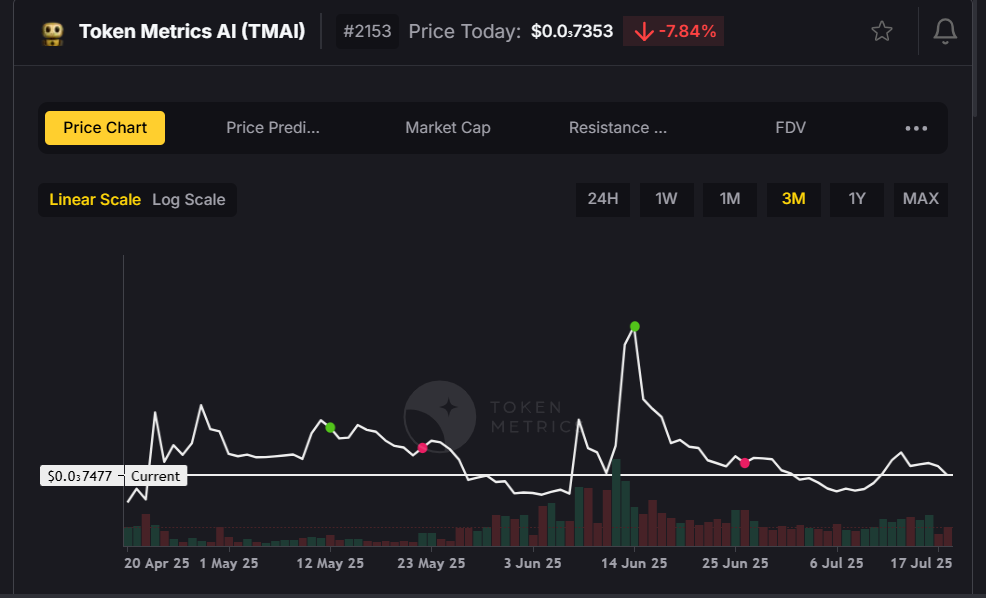
Token Metrics AI ($TMAI) stands out as a groundbreaking project that merges AI with crypto analytics to empower smarter investing decisions. This platform offers an all-in-one AI trading assistant that combines autonomous agent tooling, on-chain infrastructure, and predictive analytics. Users can stake $TMAI tokens to access features like crypto indices, research automation, and trader/investor grading systems.

The Token Metrics AI platform is particularly valuable for seasoned crypto investors and traders who rely on data-driven insights to navigate the volatile crypto market. Its integration with various tools, including Signals and Smart Agents, facilitates seamless trading and investing processes by streamlining the process of executing trades, analyzing data, and managing assets through a clear workflow. With $TMAI, users benefit from a sophisticated ecosystem designed to optimize returns and reduce the guesswork commonly associated with altcoin trading.

2. Suilend ($SEND)
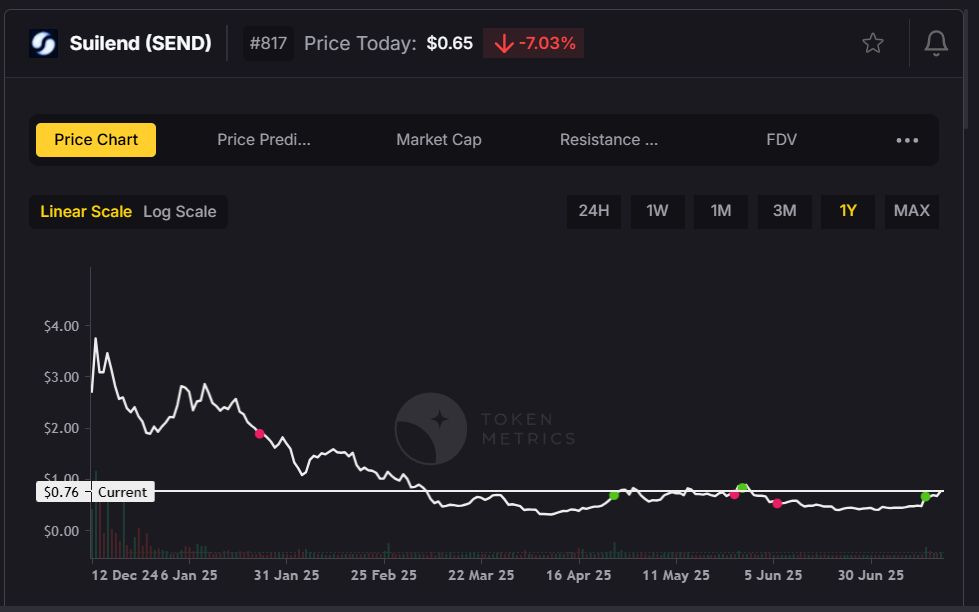
Suilend ($SEND) is a native DeFi lending protocol built on the Sui blockchain, which is gaining traction due to its low transaction fees and innovative parallel transaction processing. The platform's low fees provide a competitive advantage for users, making it especially appealing to cost-conscious traders and investors. As the Sui network expands, Suilend is positioned to capitalize on the growing demand for capital-efficient lending and borrowing services.

The platform supports Sui-native tokens, enabling users to leverage their crypto assets efficiently within a low-competition DeFi environment. This makes $SEND an attractive option for investors seeking exposure to decentralized finance with minimized transaction fees and a scalable infrastructure. Its rapid total value locked (TVL) growth underscores its rising market value and adoption.

3. Blackhole ($BLACK)
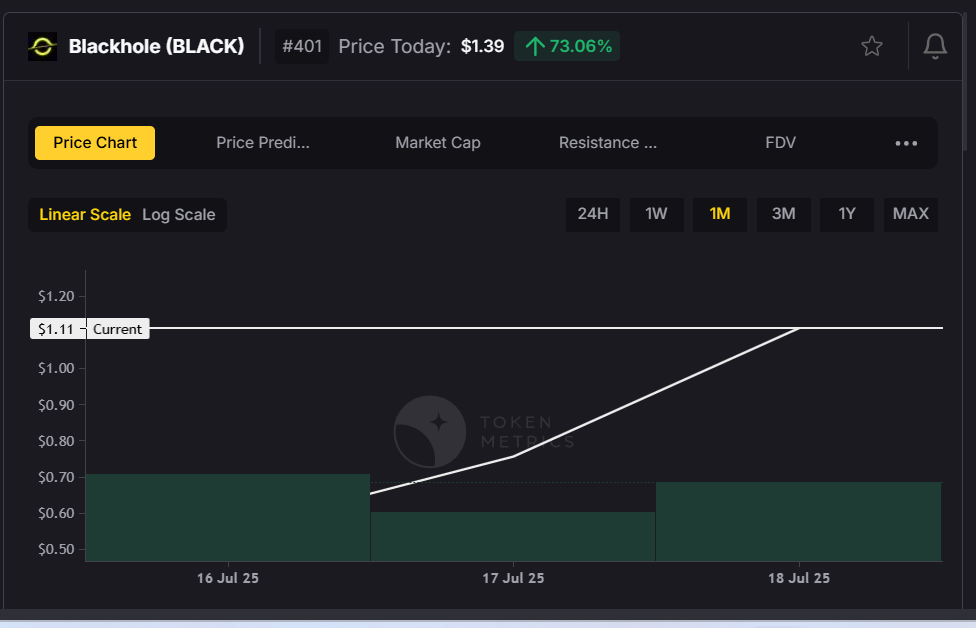
Blackhole ($BLACK) is carving a niche as a decentralized compute platform that provides GPU resources for AI, machine learning, and crypto infrastructure projects. By incentivizing GPU providers and AI developers through its native $BLACK token—the native coin of the Blackhole platform, essential for transaction fees and overall platform operations—the platform fosters a collaborative environment for decentralized AI compute sharing.

This project is pivotal for the evolving decentralized finance and AI sectors, offering a decentralized platform where compute power can be rented and shared securely. For investors interested in the intersection of AI and blockchain technology, Blackhole represents a unique asset with the potential to disrupt traditional centralized compute services.

4. Resolv ($RESOLV)
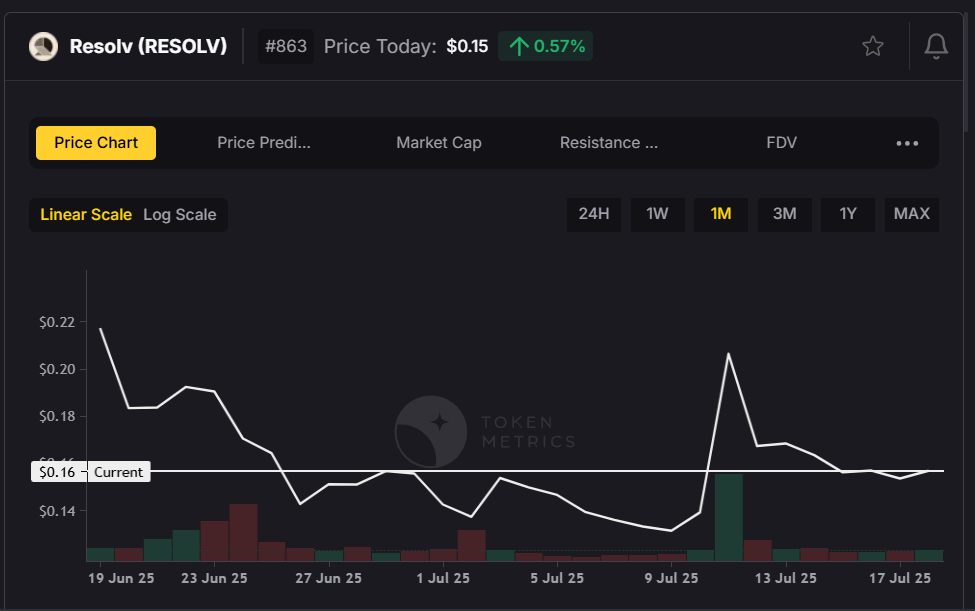
Resolv ($RESOLV) innovates at the crossroads of AI and smart legal contracts by developing AI agents that automate compliance, arbitration, and dispute resolution. This platform empowers decentralized autonomous organizations (DAOs) and dApps with tools for on-chain contract enforcement and legal agreement automation.

As regulatory scrutiny from bodies like the Securities and Exchange Commission increases, projects like Resolv that enhance legal transparency and automation are becoming essential. By integrating large language models (LLMs) into smart contracts, Resolv offers a competitive edge in the crypto space, appealing to users and investors focused on compliance and decentralized finance.

5. Cookie.fun ($COOKIE)
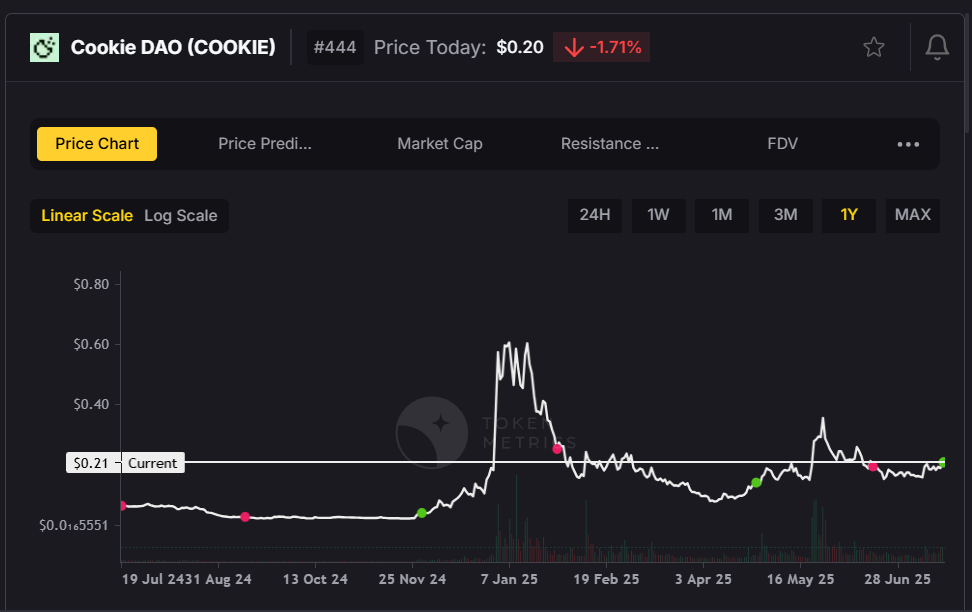
Cookie.fun ($COOKIE) blends social engagement, AI creativity, and entertainment by offering AI-generated animated content and meme NFTs. This platform leverages the virality of meme culture to create a decentralized social environment where creators and fans can monetize digital content.

The unique combination of meme NFTs and community rewards makes Cookie.fun a standout in the creator economy. For crypto enthusiasts looking to participate in the cultural side of the crypto market, $COOKIE offers a novel way to engage with digital assets while benefiting from the rise of AI-generated entertainment.

6. Usual Money ($USUAL)
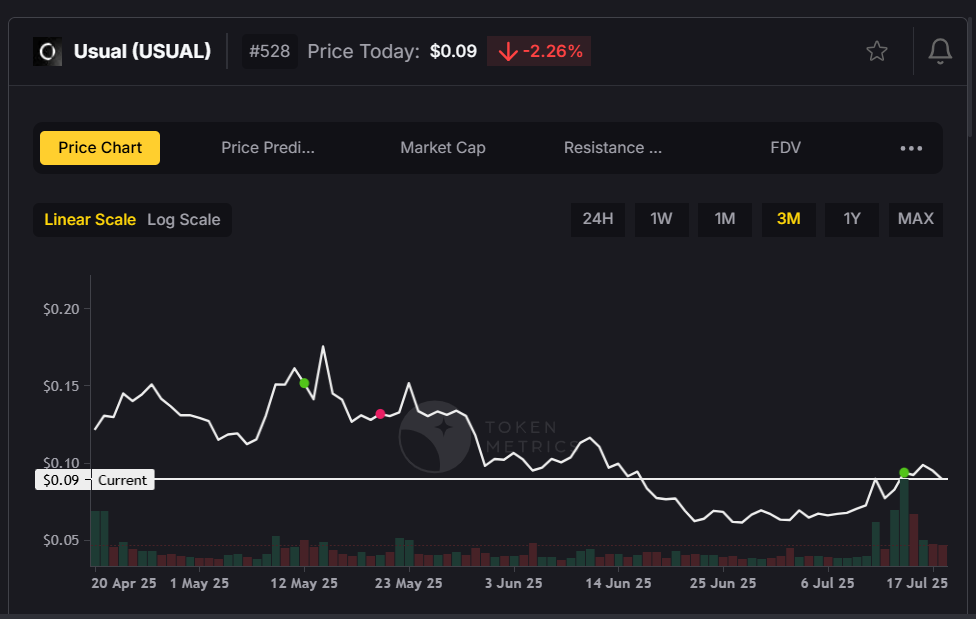
Usual Money ($USUAL) addresses the need for a user-friendly, decentralized stablecoin platform optimized for DeFi payments and yield generation. By combining a seamless user experience with smart routing for capital efficiency, Usual Money enhances the dollar experience for crypto-native users.

This platform’s focus on yield-bearing stablecoins and low transaction fees positions it well within the growing decentralized finance sector. Investors seeking stable, utility-driven tokens with real-world applications in payments and DeFi will find $USUAL an appealing asset.

7. Freysa AI ($FAI)
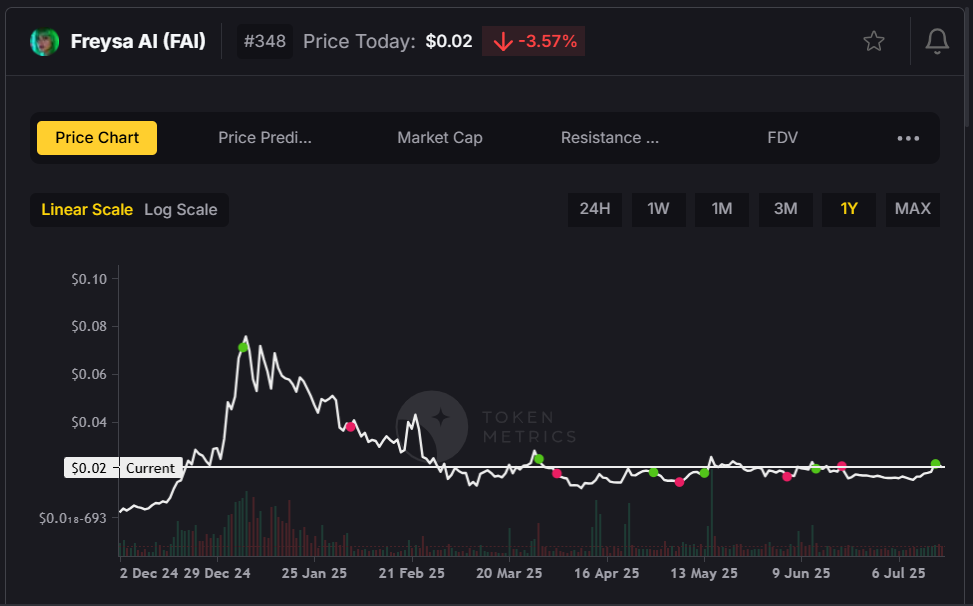
Freysa AI ($FAI) is building a decentralized framework for AI agents capable of interacting with blockchains, decentralized exchanges (DEXes), and dApps. This infrastructure supports on-chain automation and facilitates the development of crypto copilots that enhance user interaction within the crypto ecosystem.

By integrating leading AI models with on-chain APIs, Freysa AI offers a powerful toolset for developers and users aiming to streamline complex processes. Its role in decentralized AI infrastructure makes $FAI a promising token for investors focused on the future of AI-driven blockchain applications.

8. LOFI
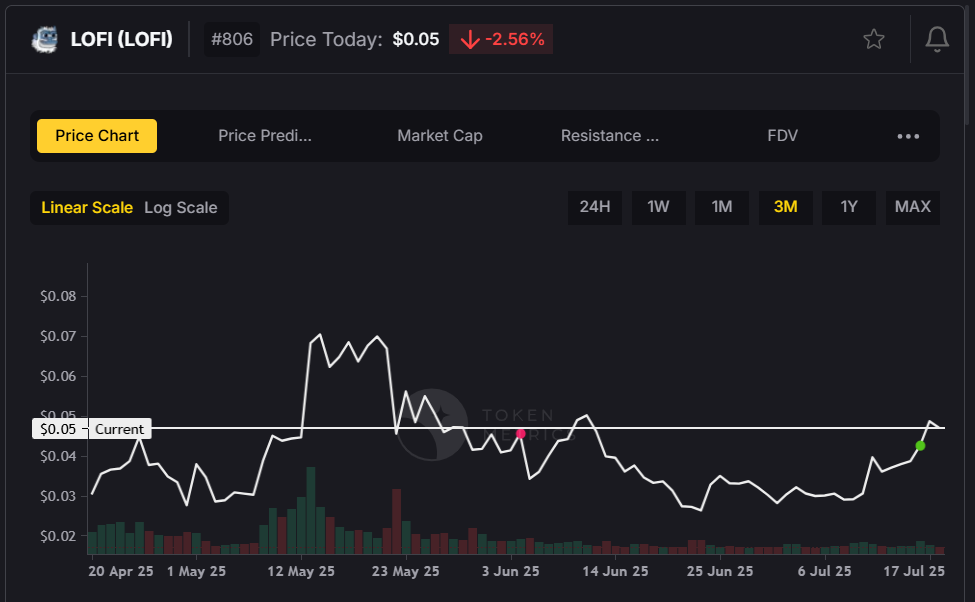
LOFI is an innovative project at the intersection of AI, music, and culture. It enables artists and fans to co-create and monetize AI-generated generative music NFTs, focusing on ambient soundscapes and fan engagement.

This platform taps into the creator economy by facilitating music royalties and fostering fan economies through blockchain technology. LOFI’s unique approach to combining generative music with NFTs offers a fresh avenue for investors interested in cultural and entertainment-related crypto assets.

Click here to buy Cryptocurrencies from Gate.io

‍

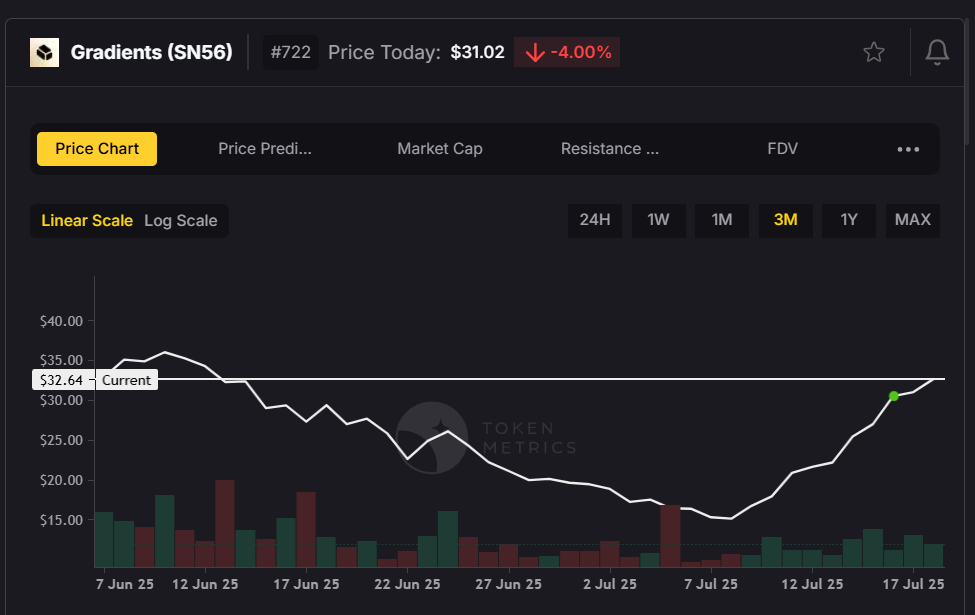
9. Gradients ($SN56)

Gradients ($SN56) operates a token-incentivized data marketplace that crowdsources datasets for AI training and machine learning model development. This decentralized approach to data collection and sharing enhances the quality and accessibility of training data for AI developers.

With token-gated access to proprietary datasets, Gradients empowers users and developers to contribute to and benefit from the growth of AI capabilities. Investors focused on AI and data-driven crypto projects will find $SN56 an intriguing addition to their portfolios.

10. BIO Protocol ($BIO)
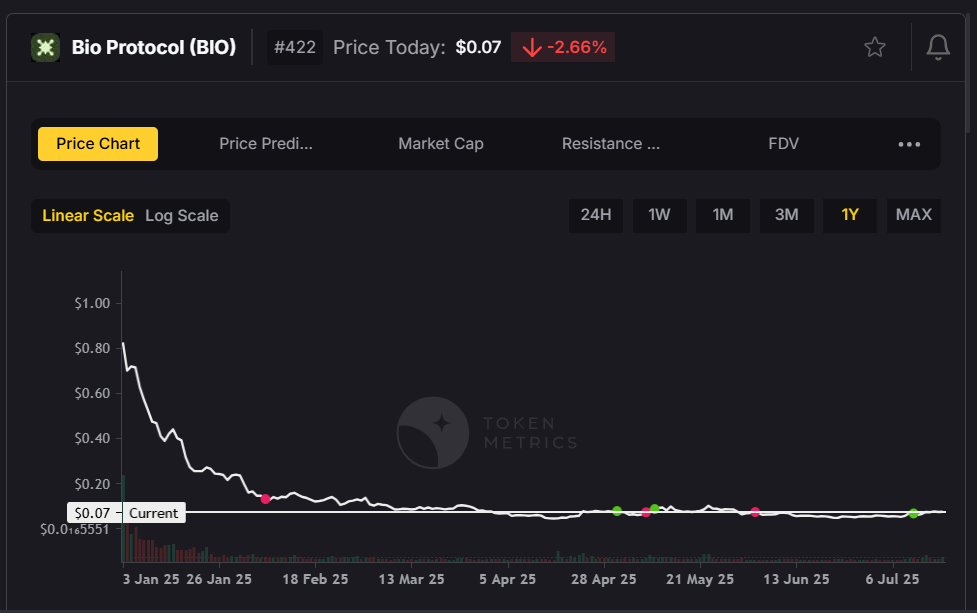
BIO Protocol ($BIO) merges biotechnology with decentralized science (DeSci) by enabling researchers and biotech firms to tokenize experiments and scientific contributions. This platform fosters on-chain reputation systems and data royalties, incentivizing scientific innovation and collaboration.

By facilitating AI-driven drug discovery and scientific data sharing, BIO Protocol addresses real-world challenges through blockchain technology. This project appeals to investors interested in the convergence of biotech, AI, and decentralized finance.

11. Swarms ($SWARMS)
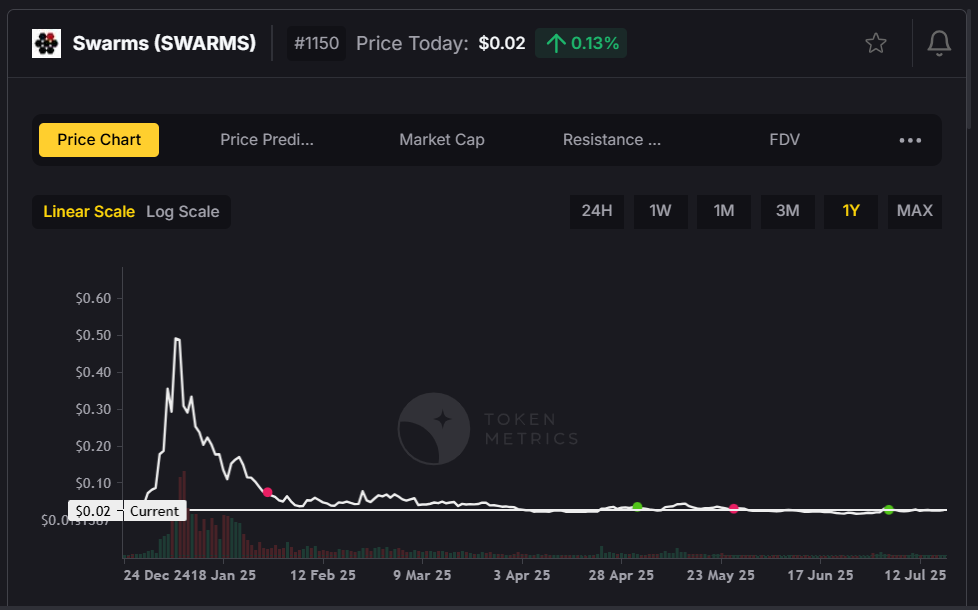
Swarms ($SWARMS) is developing an open-source protocol for multi-agent coordination across decentralized applications. This technology enables smart agents to execute complex tasks such as DAO governance, DeFi arbitrage, and airdrop farming efficiently.

The platform’s swarm AI logic supports parallelized on-chain execution, enhancing scalability and automation. For traders and investors looking at the next wave of decentralized automation, $SWARMS offers compelling utility and growth potential.

12. Creator.bid ($BID)
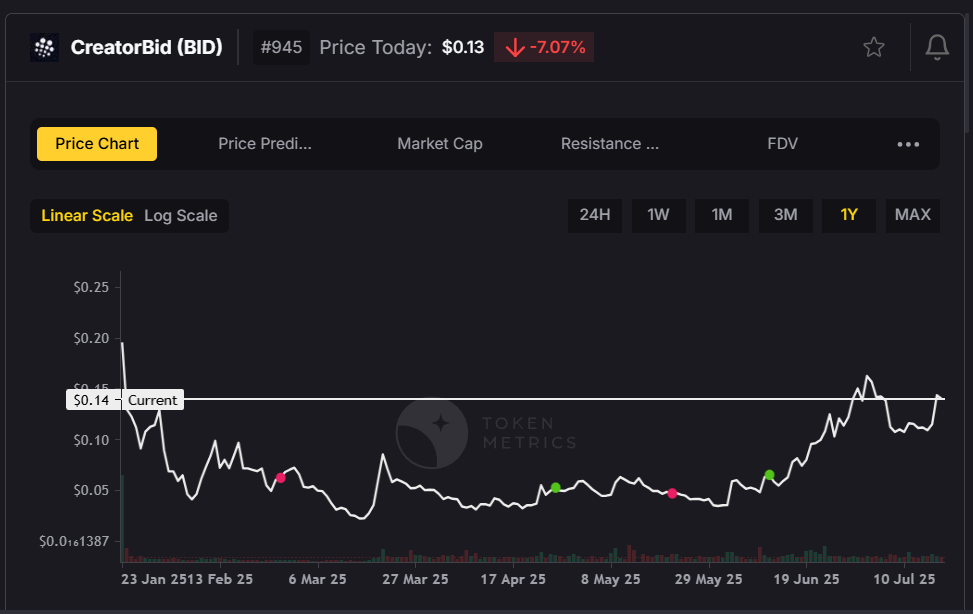
Creator.bid ($BID) is an auction platform where fans can bid on personalized content created by AI-powered influencers and creators. This project combines AI celebrity clones with fan tokens to revolutionize creator monetization.

Its auction dynamics and custom content-generation models provide a unique marketplace within the creator economy. Investors interested in AI-driven social platforms and fan engagement will find $BID an exciting asset.

13. Collaterize ($COLLAT)
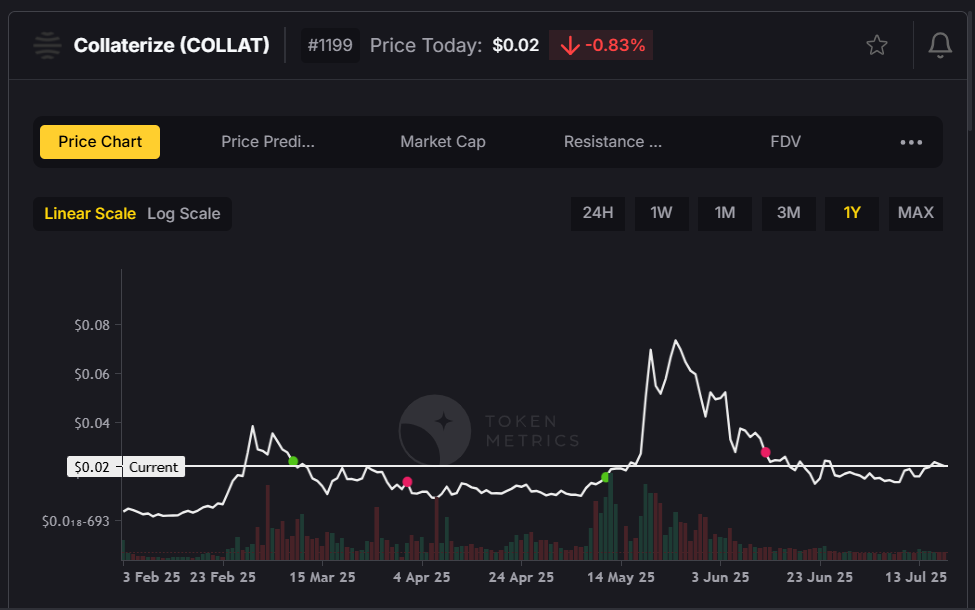
Collaterize ($COLLAT) bridges the gap between real-world assets and decentralized finance by allowing users to tokenize and collateralize assets such as invoices and real estate. This integration facilitates asset-backed lending and yield generation within DeFi.

With transparent smart contracts and real-world audits, Collaterize enhances trust and security for investors. This project is particularly appealing to those seeking exposure to real-world asset (RWA) collateralization in the crypto market.

14. aixbt by Virtuals ($AIXBT)
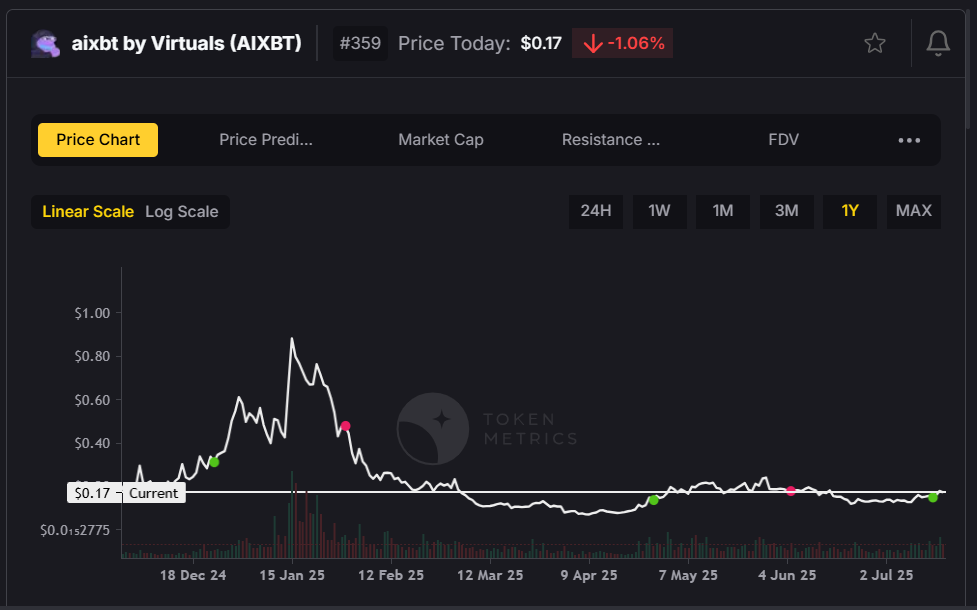
aixbt ($AIXBT) is an AI-powered trading bot platform that leverages both on-chain and off-chain data to execute autonomous crypto trading strategies. The platform enables users to trade altcoins using advanced AI-driven tools, providing flexibility and efficiency in managing a diverse portfolio. It offers real-time trade simulations and leaderboard-based strategy competitions.

This platform caters to traders looking for sophisticated, data-driven tools to navigate price fluctuations and market sentiment. $AIXBT’s innovative approach to AI trading bots makes it a valuable asset in the competitive crypto trading landscape.

15. MyShell AI ($SHELL)
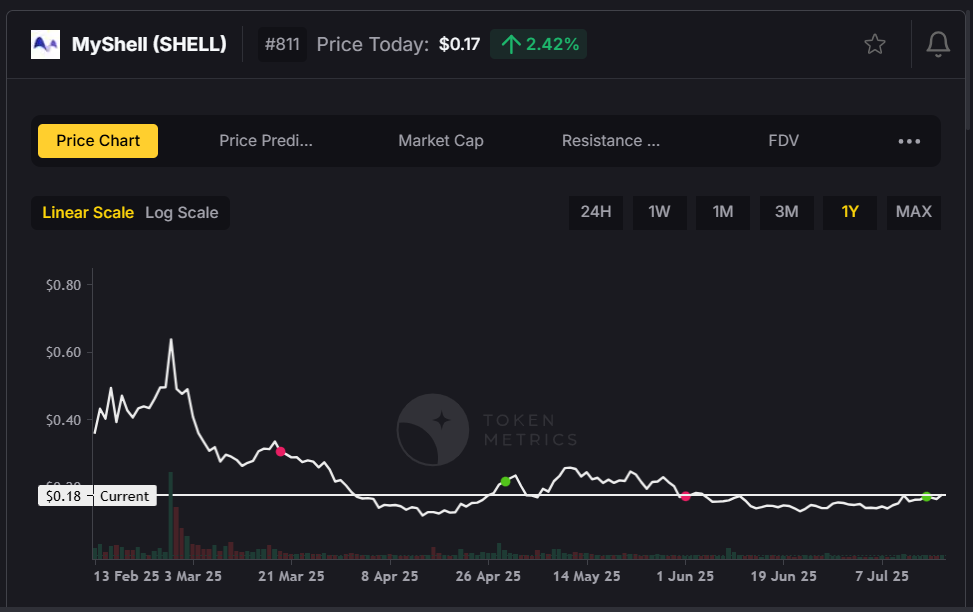
MyShell AI ($SHELL) enables users to create voice-based AI characters that operate across multiple platforms like Discord and Telegram. This project supports voice-to-earn economies and multi-platform bot deployment, enhancing user interaction and customer support.

By combining AI agents with creator studios, MyShell AI taps into the growing demand for personalized, voice-enabled digital experiences. Investors interested in AI-driven user engagement and decentralized platforms will find $SHELL noteworthy.

Trading Strategies for Altcoins

Trading altcoins successfully requires a solid grasp of the crypto market and its ever-changing trends. Professional traders often rely on technical analysis, chart patterns, and market indicators to anticipate price movements and make strategic trades. When trading altcoins, it’s important to consider factors such as trading fees, transaction fees, and the overall volatility of digital currencies. Understanding the underlying technology, use cases, and competitive landscape of each altcoin can provide a significant edge. Many exchanges, including industry leaders like Binance and Kraken, offer robust platforms for trading a wide variety of altcoins, making it easier for investors to access and trade these digital assets. By staying informed and leveraging the right tools, traders can navigate the complexities of the crypto market and optimize their trading strategies for better results.

Risk Management for Altcoin Investors

Investing in altcoins presents unique challenges, including high price volatility, potential market manipulation, and evolving regulatory landscapes. Retail investors must be proactive in managing these risks by diversifying their portfolios and conducting thorough research before making any altcoin investments. Long term investments in altcoins can yield substantial rewards, but they require a deep understanding of the crypto market and its shifting dynamics. The Securities and Exchange Commission has provided guidelines to help investors navigate the regulatory aspects of cryptocurrency investing, and it’s crucial to ensure compliance with these rules. Platforms like Tron Network and Ripple Labs have introduced low-fee structures and stablecoin solutions to help mitigate some of the risks associated with trading and investing in altcoins. By understanding both the risks and potential rewards, investors can make informed decisions and confidently participate in the ever-evolving world of altcoins and digital assets.

Final Thoughts: How to Evaluate Altcoins in 2025

Selecting the best crypto altcoins for 2025 requires thorough research and a strategic approach. Investors should prioritize projects with strong narratives aligned to AI, DeFi, real-world assets, and autonomous agents. Active development and vibrant communities are essential indicators of a project’s sustainability and growth potential. Monitoring new coins entering the market is important, as their supply and circulating supply can impact scarcity and value.

Real token utility and demand mechanisms, such as staking, transaction fee savings, or governance rights, add tangible value to crypto tokens. Interoperability with expanding ecosystems like Sui, Base, and Solana further enhances an altcoin’s market capitalization and market cap stability.

For many investors and traders, platforms like Token Metrics AI ($TMAI) serve as critical tools to analyze market data, track performance, and gauge market sentiment. Crypto prices are influenced by supply, demand, and trading activity, so understanding these factors is crucial for evaluating altcoins. Utilizing such resources can help navigate the complexities of the cryptocurrency market, balancing risk tolerance with the pursuit of high-reward altcoin investments.

In summary, the best crypto altcoins in 2025 are those that combine innovative technology, competitive advantages, and real-world applications within a rapidly evolving crypto ecosystem. When comparing altcoins to other cryptocurrencies, it is important to consider their performance, trading volume, and the platforms they utilize—such as the XRP ledger, which supports fast transactions and differs from traditional blockchains. How actively an altcoin is traded can also indicate its liquidity and investor interest. By staying informed and leveraging cutting-edge platforms, investors can position themselves to capitalize on the rise of new crypto assets and the next altcoin season.

Click here to buy Cryptocurrencies from Gate.io

Contact us at promo@tokenmetrics.com for marketing and sponsorship programs.

Build Smarter Crypto Apps &
AI Agents in Minutes, Not Months
Real-time prices, trading signals, and on-chain insights all from one powerful API.
Grab a Free API Key
About Token Metrics
Token Metrics: AI-powered crypto research and ratings platform. We help investors make smarter decisions with unbiased Token Metrics Ratings, on-chain analytics, and editor-curated “Top 10” guides. Our platform distills thousands of data points into clear scores, trends, and alerts you can act on.
30 Employees
analysts, data scientists, and crypto engineers
Daily Briefings
concise market insights and “Top Picks”
Transparent & Compliant
Sponsored ≠ Ratings; research remains independent
Want Smarter Crypto Picks—Free?
See unbiased Token Metrics Ratings for BTC, ETH, and top alts.
Thank you! Your submission has been received!
Oops! Something went wrong while submitting the form.
 No credit card | 1-click unsubscribe
Token Metrics Team
Token Metrics Team

Recent Posts

Research

Can NFTs Be Used as Identity Credentials? The Future of Digital Identity in 2025

Token Metrics Team
6

In the rapidly evolving landscape of Web3 and blockchain technology, Non-Fungible Tokens (NFTs) have shifted far beyond their initial role as digital art collectibles. As we move through 2025, an important question arises: can NFTs be used as identity credentials? This article examines how NFTs are already being utilized as digital identity attestations and the potential implications for digital identity management, verification, and ownership in a decentralized digital environment.

Understanding NFT-Based Digital Identity

NFTs as digital identities represent a new paradigm for managing an individual’s credentials, history, and authorizations in a secure, verifiable digital format. Each NFT functions as a unique credential controlled solely by its owner but verifiable publicly by any party. This approach contrasts sharply with traditional identity systems, which are often centralized and managed by governments or corporations.

Built on blockchain technology, non-fungible tokens (NFTs) are recorded on a public ledger, providing a tamper-proof and transparent record. This ensures each NFT has a distinctive digital signature that cannot be duplicated or forged. Imagine carrying digital passports, educational diplomas, or professional certifications as NFTs stored securely in your digital wallet—credentials that are instantly verifiable by relevant entities worldwide, without intermediaries.

The Key Advantages of NFT Credentials

The move towards NFT-based identity systems offers numerous benefits that address common challenges in traditional identity verification and credentialing:

  • User Sovereignty and Control: NFT credentials enable users to own and manage their personal data and digital identity without reliance on centralized entities. Unlike conventional systems where identity data is stored and controlled by third parties, NFT-based identity allows individuals to decide what information to share and with whom, reducing risks of identity theft and unauthorized access.
  • Unprecedented Trust and Transparency: With each NFT having a unique digital signature stored on-chain, verification becomes straightforward and trustless. Anyone can independently verify the authenticity of a credential, which is crucial in sectors like education, healthcare, and finance.
  • Portability and Interoperability: Digital identity NFTs are portable across various platforms and ecosystems. Users can carry their credentials across virtual worlds, decentralized finance (DeFi) platforms, social media, and more. This seamless interoperability simplifies digital interactions and access management.
  • Tamper-Proof and Secure: Blockchain technology ensures once data is stored on-chain, it cannot be altered or forged. This enhances the security and credibility of identity credentials, reducing fraud and data breaches.

Real-World Applications Already in Motion

NFT identity credentials are actively deployed across multiple sectors in 2025, demonstrating their practical value:

  • Decentralized Credentialing: Educational institutions issue NFT diplomas, micro-credentials, and professional licenses as verifiable digital certificates. Students and professionals can instantly prove their qualifications without contacting centralized registrars or paying verification fees.
  • Access Control in Virtual Environments: In virtual worlds and gaming ecosystems, NFTs serve as digital passes granting access to exclusive content, virtual real estate, or members-only communities. These NFT-based access controls streamline entry management and create new digital ownership opportunities.
  • Reputation Systems in DeFi and DAOs: Decentralized autonomous organizations (DAOs) and DeFi platforms utilize NFTs to represent governance rights, voting power, and reputation scores. This transparent system records members’ contributions and responsibilities, enabling trustless verification within decentralized networks.
  • Event Tickets and Memberships: NFT digital tickets are transforming event management by offering secure, personalized access to concerts, conferences, and online sessions. Each NFT ticket acts as a verifiable digital credential, simplifying access and reducing fraud.

The Evolution: From Static to Smart Identity

One of the most exciting developments in 2025 is the emergence of AI-powered NFTs, or intelligent NFTs (iNFTs). These digital identity NFTs are dynamic, capable of evolving over time. Powered by artificial intelligence, iNFTs can act as intelligent agents that manage credentials, respond to verification requests, and interact with decentralized applications using natural language.

For example, an iNFT can provide context-aware disclosures—confirming someone is over 18 without revealing their full birth date, or verifying employment status without exposing detailed work history. This selective disclosure enhances privacy while maintaining the integrity of verifiable credentials, aligning closely with principles of decentralized and self-sovereign identity management.

As NFT-based identity systems proliferate, understanding the broader crypto and NFT ecosystem becomes critical. Platforms like Token Metrics offer invaluable insights powered by AI and data analytics on numerous crypto and NFT projects, including those focused on digital identity.

Token Metrics evaluates tokens with Trader Grades for short-term potential and Investor Grades for long-term viability, helping users identify promising NFT identity projects. Its integrated platform facilitates quick research, analysis, and informed decision-making based on real-time market signals.

For individuals exploring digital identity NFTs, Token Metrics provides comprehensive analytics and timely alerts to differentiate genuine technological progress from hype. This makes it an essential tool in navigating the evolving digital economy and Web3 infrastructure.

Challenges and Considerations

Despite their promising potential, NFT-based identity systems face several hurdles:

  • Privacy Concerns: Blockchain transparency is a strength but also raises issues about exposing sensitive personal data. Implementing cryptographic solutions and privacy-preserving protocols is vital for safeguarding user information.
  • Regulatory and Legal Recognition: The legal standing of NFT credentials varies globally. Regulatory frameworks need to evolve to formally recognize and validate these digital identities for widespread adoption.
  • User Experience and Accessibility: Blockchain interfaces can be complex; user-friendly wallets and apps are necessary for mainstream acceptance of NFT identity solutions.
  • Security Risks: While NFTs themselves are tamper-proof, the security of digital wallets and private keys is critical. Loss or theft can lead to loss of access to digital identities.

The Road Ahead

By 2025, NFTs are being piloted as digital passports, professional licenses, and access passes that offer tamper-proof verification and ownership. The trajectory indicates NFTs have transitioned from simple digital art to powerful tools for establishing trust, ownership, and identity in digital spaces.

The convergence of blockchain, NFTs, and AI is unlocking new paradigms for digital identity management. Instead of fragmented identities stored in centralized databases, individuals will soon be able to own and control their credentials in a fully decentralized, secure manner.

This evolution is set to revolutionize how we manage digital interactions, with applications spanning education, virtual worlds, real estate, and beyond. It promises enhanced security, interoperability, and user sovereignty, marking significant progress in digital identity solutions.

Conclusion

So, can NFTs be used as identity credentials? Absolutely—and they are already serving as verifiable, portable, tamper-proof digital credentials. These innovations empower users with ownership and control over their digital identities.

Looking ahead to 2025, integrating NFT identity systems with AI-driven smart contracts and decentralized identifiers will likely make these credentials even more secure and privacy-focused. While there are challenges around privacy, regulation, and usability, the potential benefits—such as increased security, user sovereignty, and seamless verification—make NFT-based identity a highly promising application of blockchain technology.

For those interested in the future of digital identity, staying informed through platforms like Token Metrics is essential. As the digital economy expands, NFTs are poised to play a central role in how we establish and verify our identities in digital space.

The question is no longer whether NFTs can be used as identity credentials, but how quickly we can develop the infrastructure and ecosystems needed to realize this new digital identity paradigm for everyone.

Research

What Are Some Trusted Crypto Exchanges? A Comprehensive 2025 Guide

Token Metrics Team
7

Choosing the right cryptocurrency exchange is one of the most critical decisions for anyone entering the digital asset market. With over 254 exchanges tracked globally and a staggering $1.52 trillion in 24-hour trading volume, the landscape offers tremendous opportunities alongside significant risks. The wrong platform choice can expose you to security breaches, regulatory issues, or inadequate customer support that could cost you your investment.

In 2025, the cryptocurrency exchange industry has matured significantly, with clearer regulatory frameworks, enhanced security standards, and more sophisticated trading tools. However, recent data shows that nearly $1.93 billion was stolen in crypto-related crimes in the first half of 2025 alone, surpassing the total for 2024 and making it crucial to select exchanges with proven track records and robust security measures.

This comprehensive guide examines the most trusted cryptocurrency exchanges in 2025, exploring what makes them reliable, the key factors to consider when choosing a platform, and how to maximize your trading security and success.

Understanding Cryptocurrency Exchanges

Cryptocurrency exchanges are platforms that allow traders to buy, sell, and trade cryptocurrencies, derivatives, and other crypto-related assets. These digital marketplaces have evolved dramatically since Bitcoin's release in 2008, transforming from rudimentary peer-to-peer platforms into sophisticated financial institutions offering comprehensive services.

Types of Crypto Exchanges

  • Centralized Exchanges (CEX): Platforms like Binance, Coinbase, and Kraken hold your funds and execute trades on your behalf, acting as intermediaries similar to traditional banks. These exchanges offer high liquidity, fast transaction speeds, user-friendly interfaces, and customer support but require trusting the platform with custody of your assets.
  • Decentralized Exchanges (DEX): Platforms enabling direct peer-to-peer trading without intermediaries, offering greater privacy and self-custody but typically with lower liquidity and more complex user experiences.
  • Hybrid Exchanges: In 2025, some platforms seek to offer the best of both worlds, providing the speed of centralized exchanges with the self-custodial nature of decentralized platforms. Notable examples include dYdX v4, Coinbase Wallet with Base integration, and ZK-powered DEXs.
  • Brokers: Platforms like eToro and Robinhood that allow crypto purchases at set prices without orderbook access, prioritizing simplicity over advanced trading features.

Key Factors for Exchange Trustworthiness

Selecting a trustworthy exchange involves evaluating several dimensions beyond just trading fees and available cryptocurrencies. Important factors include security, regulatory compliance, liquidity, and user experience.

Security and Regulatory Compliance

Security remains the foremost concern, with exchanges now mandated to implement rigorous know-your-customer and anti-money laundering protocols, alongside new licensing and reporting requirements. Trusted exchanges maintain industry-leading security measures such as two-factor authentication, cold storage for most assets, regular security audits, and insurance funds.

Regulatory compliance has become increasingly vital, especially as governments establish frameworks for digital assets. Licensed exchanges adhering to regulations are considered more reliable and less susceptible to sudden shutdowns or regulatory actions. In 2025, frameworks like the Markets in Crypto-Assets Regulation (MiCA) in the European Union and evolving U.S. regulations aim to standardize and supervise the industry.

Trading Features and Liquidity

High liquidity ensures easier entry and exit points, minimizing price impact and facilitating large trades. The most prominent exchanges support a broad range of coins, trading pairs, and derivatives, including spot, margin, futures, and options. As of 2025, Binance, Bybit, and MEXC are among the largest by trading volume, supported by deep liquidity and extensive offerings.

Fee Structures

Trading fees can significantly affect prolonged profitability. Most platforms employ maker-taker models, with fees ranging approximately from 0.02% to 0.6%. Some exchanges offer discounts for high-volume traders or native tokens. It's essential to consider deposit, withdrawal, staking, and other fees to fully understand the cost structure of each platform.

Customer Support and User Experience

Responsive support is critical when dealing with security or trading issues. Leading exchanges provide 24/7 multilingual support via chat, email, or help centers. User experience involves seamless interfaces on desktop and mobile, with over 72% of traders now using mobile apps. Educational resources such as tutorials, market analysis, and learning centers are also valuable for empowering users.

Top Trusted Crypto Exchanges for 2025

Based on security, compliance, user reviews, and comprehensive features, the following have established themselves as the most reliable platforms:

Kraken: Industry-Leading Security and Trust

Kraken, founded in 2011, has never experienced a hack resulting in customer fund loss. It offers over 350 cryptocurrencies, maintains licenses across multiple regions, and emphasizes security and transparency. The platform provides standard and Kraken Pro interfaces, supporting advanced trading, technical analysis, and margin trading. Kraken's reputation is reinforced by reviews from industry analysts like CoinGecko and Kaiko.

Coinbase: Most Trusted U.S. Exchange

Established in 2012, Coinbase supports around 250 cryptocurrencies. It is publicly traded, operates in over 190 countries, and complies with stringent U.S. regulations. Coinbase offers a simple interface for beginners and advanced tools for experienced traders, backed by robust security features including cold storage and 2FA.

Binance: Global Trading Volume Leader

Founded in 2017, Binance supports hundreds of cryptocurrencies and maintains the world’s largest trading volume. It offers a low fee structure (~0.1%), extensive trading options, and a comprehensive ecosystem including staking, launchpool, and Earning programs. Binance’s mobile app is widely used, and the platform stores 10% of user funds in its SAFU fund for security.

Gemini: Security-First Exchange

Founded in 2014, Gemini emphasizes security and regulatory compliance. It offers insurance for digital assets, operates as a New York trust company, and supports over 100 cryptocurrencies. Gemini provides both beginner-friendly and advanced trading interfaces and has launched innovative products like the Gemini Dollar stablecoin.

OKX: Comprehensive Trading Platform

OKX supports spot, futures, and derivatives trading with deep liquidity across 180+ countries. It features professional tools, extensive charting, staking, and DeFi integration, serving advanced traders worldwide.

Bitstamp: Longest-Established Exchange

Founded in 2011, Bitstamp is one of the oldest and most regulated exchanges in the industry. It has a strong European presence, robust security, and a tiered fee system based on trading volume, making it suitable for long-term investors and high-volume traders.

Maximizing Trading Success with Token Metrics

While choosing a trusted exchange provides the foundation, leveraging advanced analytics is crucial for enhancing performance. Discover the benefits of Token Metrics as an AI-powered platform that offers personalized market insights, real-time signals, and portfolio management tools. It helps traders identify opportunities, optimize trade timing, and manage risk across multiple platforms effectively.

Best Practices for Exchange Security

Even trusted exchanges require good security hygiene. Use two-factor authentication (prefer Authenticator apps over SMS), enable withdrawal whitelists, and regularly monitor account activity. For large holdings, consider cold storage with hardware wallets. Maintain good digital hygiene by avoiding public Wi-Fi and using strong, unique passwords.

Regional Considerations

Different regions have varying regulations affecting exchange choices. U.S. users benefit from platforms like Coinbase and Kraken with strong compliance. The EU favors exchanges adhering to MiCA, such as Kraken, Bitstamp, and Binance. UK traders should look for FCA-registered platforms like Kraken and Bitstamp. In Asia-Pacific, options like Bybit and OKX are popular, with regional regulation influencing platform selection.

The Future of Crypto Exchanges

Key trends include increased institutional adoption, DeFi integration, tighter regulatory compliance, and the adoption of AI-powered trading tools. These developments will shape the landscape in the coming years, promoting more secure, transparent, and sophisticated trading environments.

Conclusion: Choosing Your Trusted Exchange

Effective selection involves balancing security, compliance, features, fees, and regional considerations. Leading platforms like Kraken, Coinbase, Binance, Gemini, and Bitstamp have earned trust through consistent performance. Combining these with analytics tools from Token Metrics enables traders to enhance decision-making, manage risks, and maximize opportunities in this dynamic market.

Always implement strong security practices, diversify holdings, and stay informed about regulatory changes. The evolving crypto industry favors exchanges that prioritize transparency, security, and user support—key factors to consider as you navigate the exciting landscape of digital assets.

Research

How Do I Know If a Coin Is a Rug Pull? Essential Detection Guide for 2025

Token Metrics Team
6

The cryptocurrency market offers tremendous possibilities for investors, but it also involves notable risks. Among these dangers, rug pulls stand out as particularly damaging scams where developers abandon projects after raising funds, leaving investors with worthless tokens. With rug pulls accounting for approximately 37% of all crypto scam revenue and costing investors nearly $3 billion annually, learning how to detect these schemes early has become crucial for every crypto participant.

The term "rug pull" originates from the phrase "pulling the rug out from under someone." Typically, a project may seem promising with rising prices and active community support, only to suddenly collapse when developers vanish with investor funds. Such scams are especially common in decentralized finance (DeFi), where listing tokens often involves minimal oversight and regulation.

This detailed guide aims to equip you with the knowledge, tools, and analytical strategies necessary to recognize rug pull warning signs, protect your holdings, and navigate the crypto space more securely in 2025.

Understanding Rug Pulls: What They Are and How They Work

A rug pull is a type of cryptocurrency scam where developers create a project, attract investors through hype and promises of high returns, and then abruptly withdraw funds or abandon the project, leaving participants with worthless tokens. These exit scams are often carefully orchestrated to maximize theft before the project’s collapse.

The Anatomy of a Rug Pull

Rug pulls exploit trust and hype within DeFi ecosystems, particularly on decentralized exchanges where token listing is straightforward and lightly regulated. The common pattern involves:

  • Project Launch: Developers introduce a new crypto or DeFi project with flashy marketing and high-yield promises, often with professional-looking websites and social media presence.
  • Hype Generation: Social media campaigns, influencers, and crypto forums generate buzz. Investors rush to buy tokens amid FOMO, causing rapid price increases.
  • Liquidity Build-Up: As demand rises, liquidity pools grow, giving an illusion of success. This phase can last days or months depending on scam sophistication.
  • Sudden Exit: When the scammer deems the target reached, they drain liquidity, dump tokens, or abandon the project, causing prices to plummet to zero.

Types of Rug Pulls

Understanding different scam methods helps in identifying vulnerabilities:

  • Hard Rug Pulls: Developers embed malicious code in smart contracts enabling them to withdraw liquidity at will, prevent sales, or mint unlimited tokens. These are premeditated and often illegal scams.
  • Soft Rug Pulls: Developers abandon projects after selling off substantial holdings, leaving the community behind. Though not always illegal, they are unethical.
  • Liquidity Pulls: Liquidity is removed from pools, causing value collapse. Developers might create pools pairing new tokens with established cryptocurrencies, then withdraw liquidity.
  • Dumping Schemes: Coordinated selling by insiders causes market crashes, often after artificially inflating prices.
  • Limited Sell Orders: Scammers restrict token sales to specific addresses, trapping other investors’ funds.

Critical Red Flags: Warning Signs of Rug Pulls

Spotting rug pulls early involves recognizing common warning signs:

Anonymous or Unverified Development Teams

If the project team’s identities are hidden or unverifiable, it’s a red flag. Legitimate projects list known founders with credible backgrounds on platforms like LinkedIn. Fake profiles and purchased followers are indicators of suspicious activity.

Missing or Inadequate Smart Contract Audits

Trustworthy projects undergo third-party security audits. If a project lacks an audit or refuses to share reports, caution is advised. Verify audit reports independently through the auditing firms’ websites.

Unlocked Liquidity Pools

Check whether liquidity pools are locked using tools like GeckoTerminal. Unlocked pools or those with expiring locks can be drained anytime, increasing scam risks.

Irregular Token Distribution and Whale Concentration

Examine token holdings on explorers like Etherscan. Large holdings by few addresses suggest potential for price manipulation or dumping. Spread-out distributions are safer.

Unrealistic Returns and Yield Promises

Promises of extraordinary yields—such as double-digit daily APYs—are typical red flags. Such schemes are often Ponzi or scams and not sustainable long-term.

Vague or Missing Whitepapers

Legitimate projects publish detailed whitepapers explaining technology, tokenomics, and roadmaps. Vague, plagiarized, or missing documents indicate potential fraud.

Excessive Marketing and FOMO Pressure

Overhyped campaigns, artificial urgency, and influencer-driven FOMO can signal scams. Genuine projects focus on delivering value over hype.

Sudden Unexplained Price Spikes

Artificial surges without fundamentals are common on scam tokens before they crash. Monitor news and fundamentals to verify price movements.

Poor Smart Contract Code Quality

Substandard or suspicious code on blockchain explorers signals inexperienced developers or malicious intent. Use analysis tools like Token Sniffer to evaluate contract safety.

Low Trading Volume

Authentic projects typically maintain active trading. Declining volume suggests loss of interest or impending exit scams.

Tools for Detecting Rug Pulls

Technological tools are vital for early detection:

  • GeckoTerminal and DEX Scanners: Provide liquidity lock status, holder analytics, and suspicious activity detection.
  • Blockchain Explorers (Etherscan, BscScan): Allow deep dives into smart contracts, transactions, and token distributions to spot red flags.
  • Token Sniffer and Security Platforms: Use AI-driven analyses to assess contract safety scores and identify malicious code patterns.

Leveraging Token Metrics for Rug Pull Protection

While automated tools help identify immediate risks, platforms like Token Metrics offer comprehensive insights powered by AI to evaluate project legitimacy and risks better. They analyze project teams, smart contract security, liquidity, community sentiment, and historical patterns to detect potential scams.

Discover Crypto Gems with Token Metrics AI

Token Metrics uses AI-powered analysis to help you uncover profitable opportunities in the crypto market. Get Started For Free

Best Practices for Avoiding Rug Pulls

  • Conduct thorough research: Investigate project backgrounds, teams, code, and communities. Verify claims independently.
  • Start small and test projects: Invest minimal amounts initially, increasing only after sustained legitimacy.
  • Verify liquidity lock status and audits: Use tools to confirm liquidity is locked and check audit reports for security.
  • Monitor community engagement: Engage with project communities and observe transparency and responsiveness.
  • Use reputable exchanges: Prefer well-known platforms with stricter vetting processes.
  • Diversify investments: Spread over multiple projects and assets to reduce risk exposure.
  • Stay informed: Follow trusted news sources, security platforms, and community alerts.

What To Do If You’ve Been Rug Pulled

Even with precautions, scam damages can occur. Immediate steps include:

  1. Report the scam: File reports with community platforms like Chainabuse, SEC, or FTC. Share detailed evidence.
  2. Warn others: Post factual warnings on social media, Reddit, and community channels with transaction details.
  3. Document everything: Keep records of transactions for potential tax claims and future analysis.
  4. Learn from the experience: Analyze missed signs and refine your research process for future investments.

Conclusion: Staying Safe in Crypto's Wild West

Rug pulls pose a significant threat, costing billions annually, but awareness and analytical tools can mitigate risks. Recognizing red flags such as anonymous teams, missing audits, unlocked liquidity, and unrealistic promises is vital. Employ platforms like Token Metrics for in-depth risk assessment and project validation.

Combining vigilant research, disciplined investing, and AI-powered analytics helps navigate crypto securement. Remember, if something seems too good to be true, it likely is. Protect your investments and participate responsibly in this exciting, fast-evolving industry in 2025 and beyond.

Choose from Platinum, Gold, and Silver packages
Reach with 25–30% open rates and 0.5–1% CTR
Craft your own custom ad—from banners to tailored copy
Perfect for Crypto Exchanges, SaaS Tools, DeFi, and AI Products