Crypto Basics

Best Crypto Exchanges: No KYC Platforms for Anonymous Trading in 2025

Discover the top 10 crypto exchanges for secure and affordable trading. Find the best platform to meet your needs and start trading confidently today!
Token Metrics Team
8 min
MIN

As privacy concerns intensify and global regulations around cryptocurrency tighten, many users in 2025 are actively seeking the best no KYC crypto exchanges—platforms that allow them to trade crypto or buy crypto without the need to upload identification documents. Whether motivated by privacy, geographical restrictions, or simply convenience, the demand for anonymous crypto trading has surged significantly. Users are encouraged to avoid storing assets on exchanges unless they are actively trading them to minimize risk.

Know Your Customer (KYC) protocols are designed to prevent fraud and money laundering, but they often come at the cost of user privacy. Fortunately, many decentralized and semi-centralized cryptocurrency exchanges now offer users the ability to buy, sell, and swap a wide range of cryptos without KYC, especially for smaller transactions or when using decentralized protocols. Decentralized exchanges require more technical expertise to navigate than centralized exchanges, but they provide a higher level of privacy. Cryptocurrency trading fees vary by exchange and are categorized as maker and taker fees. In this article, we will explore the best no-KYC crypto exchanges in 2025, highlighting their features, advantages, investing, and why they are ideal for anonymous or pseudonymous crypto trading.

Introduction to Crypto Trading

Crypto trading is the process of buying and selling digital assets—such as Bitcoin, Ethereum, and a wide range of altcoins—on specialized online platforms known as crypto exchanges. As the crypto market has expanded rapidly, many crypto exchanges have emerged to meet the needs of both new and experienced traders. Centralized exchanges usually offer a user-friendly interface suitable for beginners, making it easier for them to start trading. These platforms allow users to trade crypto with ease, offering access to a diverse selection of assets and trading pairs.

Top crypto exchanges are designed to provide high liquidity, low fees, and advanced order types, making it possible for traders to execute strategies efficiently and at scale. Many exchanges now go beyond simple spot trading, offering additional services like futures contracts, copy trading, and margin trading to attract advanced traders and retail investors alike. The average trading costs among top crypto exchanges include both trading fees and spreads, which can significantly impact overall trading expenses. This evolution has made it easier than ever to buy, sell, and manage digital assets, whether you’re looking to build a crypto portfolio, hedge your positions, or simply explore the fast-moving world of digital currencies.

With so many exchanges available, crypto traders can choose platforms that best fit their needs—whether they prioritize low fees, a wide range of supported coins, or innovative trading features. As the industry continues to grow, the competition among platforms ensures that users benefit from better services, improved security, and more opportunities to trade crypto in the global market. Maker fees range typically from 0.00% to 0.40%, while taker fees range from 0.05% to 0.60%, depending on the exchange and user trading volume. Exchanges with higher trading volumes tend to offer lower spreads based on market liquidity, which can be an important factor for cost-conscious traders.

⚠️ A Quick Note on No-KYC Exchanges

Before diving into the list, it’s important to understand a few key points about no-KYC crypto platforms:

  • Most no-KYC exchanges are decentralized exchanges (DEXs), which operate without a central authority.
  • Some centralized exchanges (CEXs) may allow limited trading without KYC below certain withdrawal or transaction thresholds.
  • Regulations are evolving rapidly, so always verify the current compliance status of any platform you use.
  • For maximum security and privacy, use a secure, non-custodial digital wallet when interacting with these platforms.

Benefits of No KYC Crypto Exchanges

No KYC crypto exchanges offer a distinct advantage for crypto traders who value privacy and want to access the crypto market without the hassle of identity verification. By removing the requirement to submit personal identification documents, these platforms make it easier for users to buy and sell digital assets quickly and anonymously. However, if your exchange fails, you could lose your investment, as U.S. Securities Investor Protection Corp. insurance does not apply to cryptocurrency. Exchanges protect users from losses due to site-wide hacks, but individual account attacks are the user's responsibility. This is especially appealing for those who wish to trade crypto without leaving a digital footprint or who face restrictions on traditional exchanges.

One of the key benefits of no KYC exchanges is the flexibility they provide. Users can often start trading immediately, using convenient payment methods such as debit card or bank transfer, without waiting for lengthy approval processes. Many exchanges feature a mobile app, which can enhance the user experience for traders on the go. This streamlined access allows traders to respond quickly to market movements and take advantage of new opportunities in the crypto market.

While some no KYC platforms may have higher fees or lower liquidity compared to their fully regulated counterparts, many crypto traders are willing to accept these trade-offs in exchange for greater privacy and control over their assets. The best crypto exchanges in this category are designed to balance ease of use with robust security, giving users the freedom to trade crypto on their own terms. Storing crypto in an exchange's wallet can leave you vulnerable to losses if the exchange suffers a cyberattack or fails. Whether you’re looking to buy, sell, or simply explore new digital assets, no KYC exchanges offer a valuable gateway to the world of anonymous crypto trading.

1. Token Metrics (via Self-Custody Integration)
Best For: Anonymous Traders Who Want AI-Powered Insights Before Using DEXs

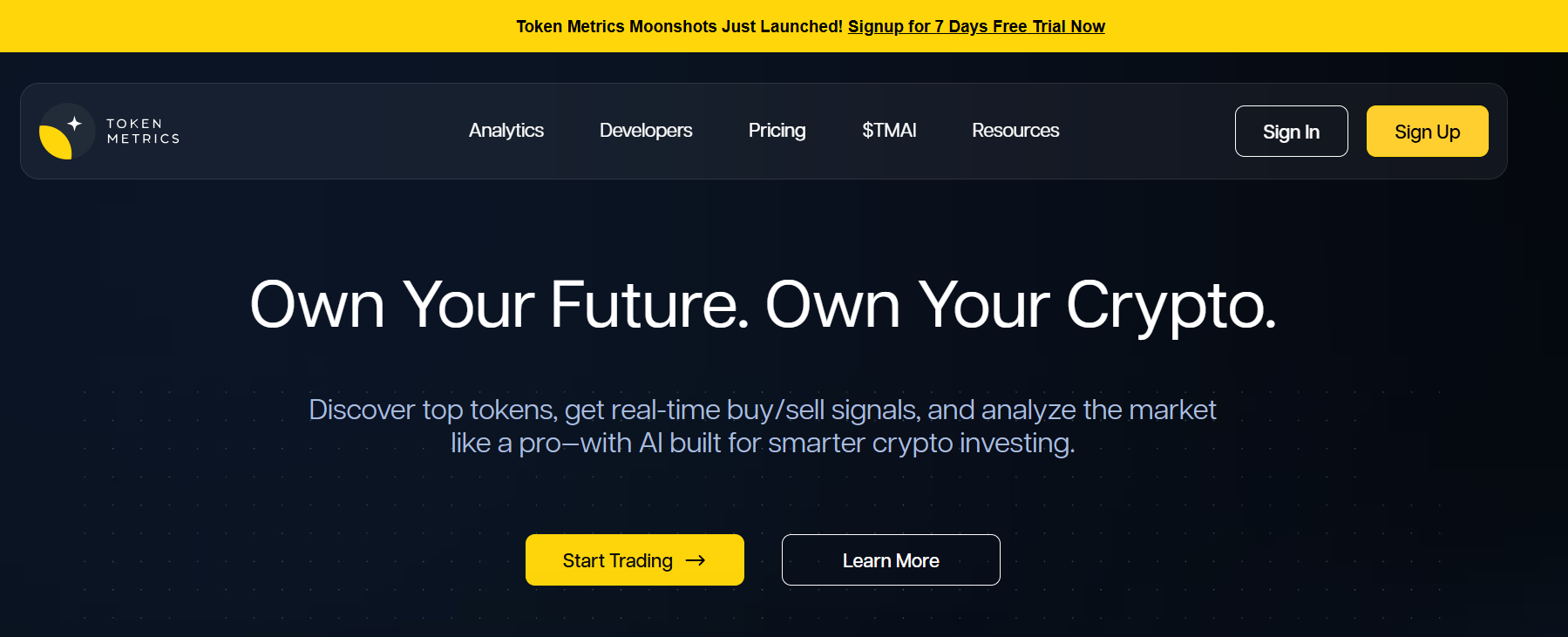
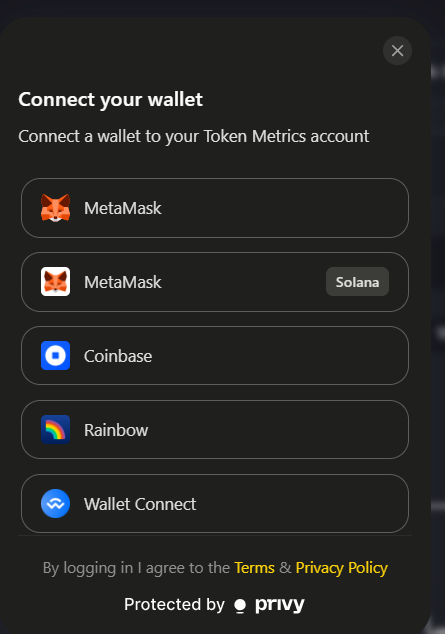
Token Metrics is not a traditional cryptocurrency exchange but rather a cutting-edge crypto analytics and AI trading platform. In 2025, it stands out as one of the most powerful tools for users who prefer no-KYC trading. Token Metrics connects seamlessly with your self-custodial wallet—such as MetaMask, Ledger, or Trust Wallet—allowing you to retain full control of your digital assets while benefiting from AI-powered bullish and bearish signals.

This platform helps traders spot promising crypto assets, including meme coins and emerging altcoins, before they pump in the market. Token Metrics offers comprehensive research, alerts, portfolio suggestions, and educational resources that help users understand crypto trading, all without requiring any personal information, making it an excellent companion for anyone planning to trade on decentralized exchanges like Uniswap or PancakeSwap.
Key Features:

  • AI-based trading signals without needing an exchange account
  • Compatible with popular self-custody wallets
  • Helps identify potential moonshots and trading opportunities
  • No KYC required to access core features
  • Ideal for privacy-focused traders seeking data-driven insights

By using Token Metrics, crypto traders can make informed decisions while maintaining anonymity and security.

2. Uniswap (Ethereum & Layer-2 DEX)
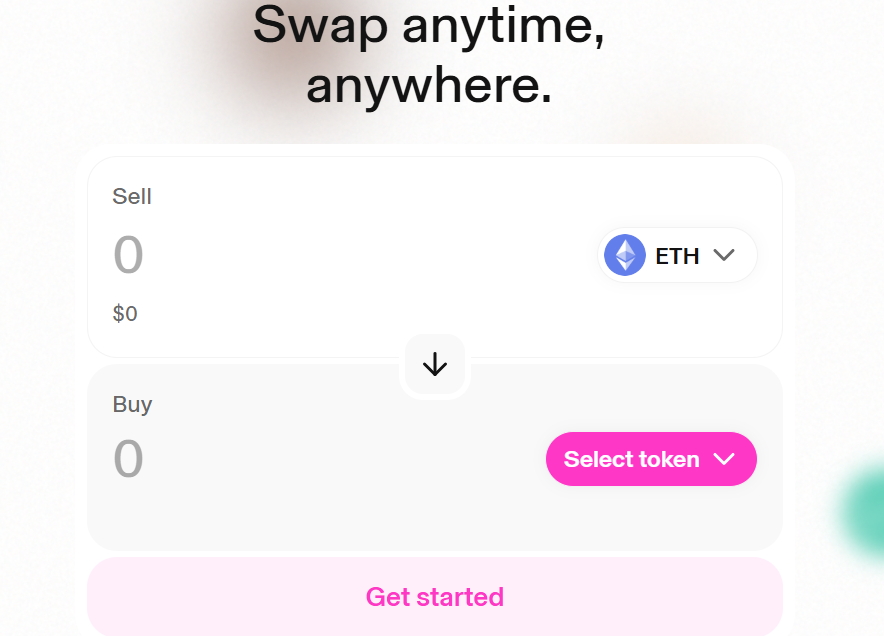
Best For: Anonymous ERC-20 Token Swaps

Uniswap remains the dominant decentralized exchange on Ethereum and its Layer-2 scaling solutions such as Optimism and Arbitrum. It offers users the ability to trade ERC-20 tokens directly from their wallets with no sign-up, no KYC, and no limits—perfect for anonymous crypto trading.

To trade on Uniswap, all you need is a self-custodial wallet like MetaMask or WalletConnect. Trading on Layer-2 chains reduces gas fees significantly, and Uniswap provides deep liquidity across a vast array of assets, including stablecoins, altcoins, and popular meme coins. Uniswap's consistently high trading volume further ensures efficient trades and competitive pricing. This makes it a top choice for users seeking to swap tokens without relying on centralized intermediaries.

Key Features:

  • No KYC or account required
  • Deep liquidity for ERC-20 tokens
  • Available on Ethereum mainnet and Layer-2 networks (Arbitrum, Optimism, Base)
  • Supports trading of stablecoins, meme coins, and other coins anonymously

Uniswap offers crypto traders a secure and efficient platform to access a broad range of digital currencies while safeguarding their privacy.

3. PancakeSwap (BNB Chain DEX)
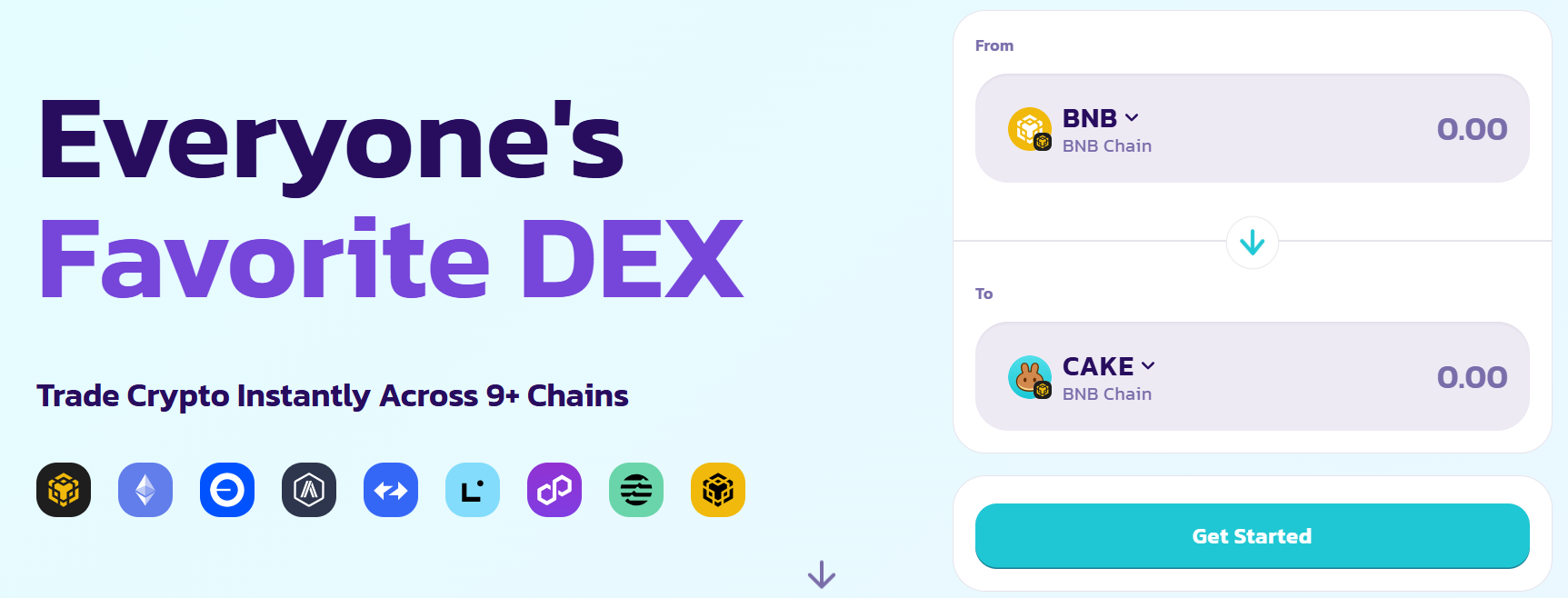
Best For: Fast, Cheap, No-KYC Trading on BNB Smart Chain

PancakeSwap is the leading decentralized exchange on the Binance Smart Chain (BNB Chain), delivering one of the best experiences for anonymous crypto trading with exceptionally low gas fees. No account creation or identity verification is necessary—simply connect your digital wallet and start trading.

PancakeSwap supports a wide variety of tokens, including popular meme coins, NFTs, and synthetic assets. Beyond trading, it offers features such as yield farming, staking, an NFT marketplace, and lottery integrations, making it a versatile platform for users who want to grow their crypto portfolio without compromising privacy.

Key Features:

  • No KYC required to trade
  • Supports BNB, BUSD, stablecoins, and numerous altcoins
  • Extremely low transaction fees on BNB Smart Chain
  • Additional crypto services like yield farming and staking
  • NFT marketplace and lottery features integrated

PancakeSwap is ideal for users seeking low-cost, no-KYC trading combined with opportunities to earn rewards on the BNB Chain.

4. MEXC
Best For: Centralized Exchange With No KYC for Low Volumes

MEXC is one of the few centralized cryptocurrency exchanges that continues to allow users to trade crypto without completing KYC verification, albeit within certain daily withdrawal limits. In 2025, MEXC remains a favorite among traders who want access to centralized exchange features—such as leverage trading, limit orders, and a wide selection of token listings—without sharing personal identification. MEXC secures user accounts with robust security measures, including multi-factor authentication, to help protect assets and ensure account safety.

While KYC is mandatory for large withdrawals and fiat onramps, MEXC is well-suited for altcoin hunting and leverage trading for users who wish to maintain privacy within the platform’s withdrawal thresholds.

Key Features:

  • Spot and futures trading available without KYC (within withdrawal limits)
  • Extensive selection of tokens and frequent new listings
  • Competitive low fees and taker fees
  • Good liquidity on major trading pairs

MEXC offers a balanced solution for crypto traders who want the benefits of a centralized platform without fully compromising their anonymity.

5. dYdX (v4 Decentralized)
Best For: Anonymous Perpetual Trading on a DEX

In 2025, dYdX has transformed into a fully decentralized perpetual trading platform powered by the Cosmos SDK, eliminating reliance on centralized infrastructure. This upgrade enables users to trade with leverage, no KYC, and full custody of their crypto assets.

With dYdX v4, traders can engage in advanced financial instruments and margin trading with up to 20x leverage, all while maintaining privacy by connecting their self-custodial wallets. The platform also allows users to execute trades with high speed and efficiency, and offers professional-level analytics, making it the top choice for advanced traders who prioritize security and anonymity.

Key Features:

  • No KYC required for trading
  • Perpetual contracts with up to 20x leverage
  • Fully decentralized and self-custodial
  • High-performance execution on Cosmos infrastructure
  • Advanced user interface and analytics tools

dYdX is the best crypto exchange for traders seeking decentralized margin trading without sacrificing privacy or security.

6. Bisq
Best For: Peer-to-Peer Bitcoin Trading with No KYC

Bisq is a peer-to-peer decentralized Bitcoin exchange that enables users to buy and sell bitcoin for fiat currencies or altcoins without any KYC requirements. It supports various payment methods, including bank transfer, Revolut, wire transfer, and even cash, making it highly versatile.

Operating as a desktop application integrated with the Tor network, Bisq offers one of the most privacy-preserving crypto trading experiences available. Its decentralized design means there is no centralized order book, and it incorporates built-in escrow and dispute resolution to protect users.

Key Features:

  • Peer-to-peer BTC trading with no KYC
  • Payment methods include bank transfers, wire transfer, and cash
  • Tor network integration for enhanced privacy
  • No centralized order book or control
  • Secure escrow and dispute resolution mechanisms

Bisq is especially useful for users who want to buy or sell bitcoin anonymously and securely using traditional payment methods.

Final Thoughts: Choose Wisely When Going No-KYC

While no-KYC exchanges offer enhanced privacy and convenience, they come with certain risks. These include potential scams on decentralized platforms, limited customer support, and lack of recourse if issues arise. No-KYC exchanges may not offer the same level of protection or assistance to customers as regulated platforms. Phishing attacks can lead to individual account compromises, where users may unwittingly reveal passwords to cybercriminals. To minimize these risks, always:

  • Use a secure digital wallet such as Ledger, MetaMask, or Rabby.
  • Double-check contract addresses before initiating transactions.
  • Avoid phishing links and suspicious websites.
  • Leverage platforms like Token Metrics for thorough research before buying or selling crypto assets.

By combining informed decision-making with secure practices, you can navigate the no-KYC crypto market safely and effectively.

Top Picks by Use Case
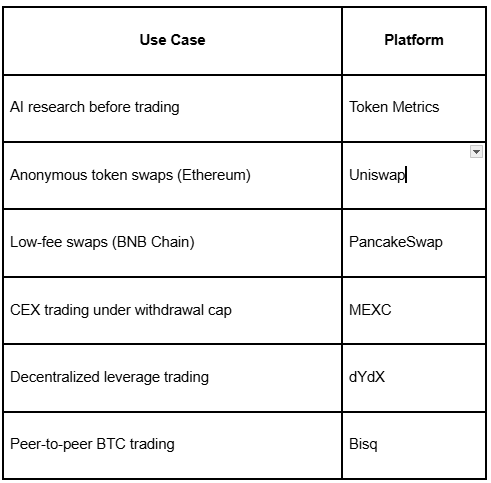
Using Token Metrics alongside one of these top crypto exchanges enables you to make data-backed decisions while preserving your privacy—an ideal strategy for crypto traders and investors in 2025.

By choosing from these best no-KYC crypto exchanges, users can maintain control over their crypto assets, access a diverse range of digital currencies, and enjoy secure, anonymous trading experiences tailored to their needs. Whether you are a retail investor, an advanced trader, or simply privacy-conscious, these platforms offer the tools and services necessary to thrive in the evolving crypto market. These platforms are selected not only for privacy but also for the quality of service they provide to users.

Build Smarter Crypto Apps &
AI Agents in Minutes, Not Months
Real-time prices, trading signals, and on-chain insights all from one powerful API.
Grab a Free API Key
Token Metrics Team
Token Metrics Team

Recent Posts

Research

Understanding the Evolution and Impact of Web 3 Technology

Token Metrics Team
5
MIN

Introduction to Web 3

The digital landscape is continually evolving, giving rise to a new paradigm known as Web 3. This iteration promises a shift towards decentralization, enhanced user control, and a more immersive internet experience. But what exactly is Web 3, and why is it considered a transformative phase of the internet? This article explores its fundamentals, technology, potential applications, and the tools available to understand this complex ecosystem.

Defining Web 3

Web 3, often referred to as the decentralized web, represents the next generation of internet technology that aims to move away from centralized platforms dominated by a few major organizations. Instead of relying on centralized servers, Web 3 utilizes blockchain technology and peer-to-peer networks to empower users and enable trustless interactions.

In essence, Web 3 decentralizes data ownership and governance, allowing users to control their information and digital assets without intermediaries. This marks a significant departure from Web 2.0, where data is predominantly managed by centralized corporations.

Key Technologies Behind Web 3

Several emerging technologies underpin the Web 3 movement, each playing a vital role in achieving its vision:

  • Blockchain: A distributed ledger system ensuring transparency, security, and immutability of data. It replaces traditional centralized databases with decentralized networks.
  • Decentralized Applications (dApps): Applications running on blockchain networks providing services without a central controlling entity.
  • Smart Contracts: Self-executing contracts with coded rules, enabling automated and trustless transactions within the Web 3 ecosystem.
  • Decentralized Finance (DeFi): Financial services built on blockchain, offering alternatives to traditional banking systems through peer-to-peer exchanges.
  • Non-Fungible Tokens (NFTs): Unique digital assets representing ownership of items like art, music, or virtual real estate verified on a blockchain.

Together, these technologies provide a robust foundation for a more autonomous and transparent internet landscape.

Contrasting Web 3 With Web 2

Understanding Web 3 requires comparing it to its predecessor, Web 2:

  • Data Control: Web 2 centralizes data with platform owners; Web 3 returns data ownership to users.
  • Intermediaries: Web 2 relies heavily on intermediaries for operations; Web 3 enables direct interaction between users via decentralized protocols.
  • Monetization Models: Web 2 monetizes mainly through targeted ads and user data; Web 3 offers new models such as token economies supported by blockchain.
  • Identity: Web 2 uses centralized identity management; Web 3 incorporates decentralized identity solutions allowing greater privacy and user control.

This shift fosters a more user-centric, permissionless, and transparent internet experience.

Potential Applications of Web 3

Web 3's decentralized infrastructure unlocks numerous application possibilities across industries:

  • Social Media: Platforms that return content ownership and revenue to creators rather than centralized corporations.
  • Finance: Peer-to-peer lending, decentralized exchanges, and transparent financial services enabled by DeFi protocols.
  • Gaming: Games featuring true asset ownership with NFTs and player-driven economies.
  • Supply Chain Management: Immutable tracking of goods and provenance verification.
  • Governance: Blockchain-based voting systems enhancing transparency and participation.

As Web 3 matures, the range of practical and innovative use cases is expected to expand further.

Challenges and Considerations

Despite its promise, Web 3 faces several hurdles that need attention:

  • Scalability: Current blockchain networks can encounter performance bottlenecks limiting widespread adoption.
  • User Experience: Interfaces and interactions in Web 3 must improve to match the seamlessness users expect from Web 2 platforms.
  • Regulatory Environment: Legal clarity around decentralized networks and digital assets remains a work in progress globally.
  • Security: While blockchain offers security benefits, smart contract vulnerabilities and user key management pose risks.

Addressing these challenges is crucial for realizing the full potential of Web 3.

How to Research Web 3 Opportunities

For individuals and organizations interested in understanding Web 3 developments, adopting a structured research approach is beneficial:

  1. Fundamental Understanding: Study blockchain technology principles and the differences between Web 2 and Web 3.
  2. Use Analytical Tools: Platforms like Token Metrics provide data-driven insights and ratings on Web 3 projects, helping to navigate the complex ecosystem.
  3. Follow Reputable Sources: Stay updated with academic papers, technical blogs, and industry news.
  4. Experiment with Applications: Engage hands-on with dApps and blockchain platforms to gain practical understanding.
  5. Evaluate Risks: Recognize technical, operational, and regulatory risks inherent to emerging Web 3 projects.

This approach supports informed analysis based on technology fundamentals rather than speculation.

The Role of AI in Web 3 Research

Artificial intelligence technologies complement Web 3 by enhancing research and analytical capabilities. AI-driven platforms can process vast amounts of blockchain data to identify patterns, assess project fundamentals, and forecast potential developments.

For example, Token Metrics integrates AI methodologies to provide insightful ratings and reports on various Web 3 projects and tokens. Such tools facilitate more comprehensive understanding for users navigating decentralized ecosystems.

Conclusion

Web 3 embodies a transformative vision for the internet—one that emphasizes decentralization, user empowerment, and innovative applications across multiple sectors. While challenges remain, its foundational technologies like blockchain and smart contracts hold substantial promise for reshaping digital interactions.

Continuing research and utilization of advanced analytical tools like Token Metrics can help individuals and organizations grasp Web 3’s evolving landscape with clarity and rigor.

Disclaimer

This article is for educational and informational purposes only and does not constitute financial, investment, or legal advice. Readers should conduct their own research and consult with professional advisors before making any decisions related to Web 3 technologies or digital assets.

Research

A Comprehensive Guide to Minting Your Own NFT

Token Metrics Team
4
MIN

Introduction to NFT Minting

The explosion of interest in non-fungible tokens (NFTs) has opened new opportunities for creators and collectors alike. If you've ever wondered, "How can I mint my own NFT?", this guide will walk you through the essential concepts, processes, and tools involved in creating your unique digital asset on the blockchain.

What is NFT Minting?

Minting an NFT refers to the process of turning a digital file — such as artwork, music, video, or other digital collectibles — into a unique token recorded on a blockchain. This tokenization certifies the originality and ownership of the asset in a verifiable manner. Unlike cryptocurrencies, NFTs are unique and cannot be exchanged on a one-to-one basis.

Choosing the Right Blockchain for NFT

Several blockchains support NFT minting, each with distinct features, costs, and communities. The most popular blockchain for NFTs has been Ethereum due to its widespread adoption and support for ERC-721 and ERC-1155 token standards. However, alternatives such as Binance Smart Chain, Solana, Polygon, and Tezos offer different advantages, such as lower transaction fees or faster processing times.

When deciding where to mint your NFT, consider factors like network fees (also known as gas fees), environmental impact, and marketplace support. Analytical tools, including Token Metrics, can offer insights into blockchain performance and trends, helping you make an informed technical decision.

Selecting an NFT Platform

Once you have chosen a blockchain, the next step is to select an NFT platform that facilitates minting and listing your digital asset. Popular NFT marketplaces such as OpenSea, Rarible, Foundation, and Mintable provide user-friendly interfaces to upload digital files, set metadata, and mint tokens.

Some platforms have specific entry requirements, such as invitation-only access or curation processes, while others are open to all creators. Consider the platform's user base, fees, minting options (e.g., lazy minting or direct minting), and supported blockchains before proceeding.

Step-by-Step Process to Mint Your Own NFT

  1. Prepare Your Digital Asset: Have your digital file ready — this could be an image, audio, video, or 3D model.
  2. Create a Digital Wallet: Set up a cryptocurrency wallet (such as MetaMask or Trust Wallet) compatible with your chosen blockchain and platform.
  3. Fund Your Wallet: Add some cryptocurrency to your wallet to cover minting and transaction fees. For Ethereum-based platforms, this typically means ETH.
  4. Connect Wallet to Platform: Link your wallet to the NFT marketplace where you intend to mint your NFT.
  5. Upload Your File and Add Metadata: Provide necessary details, including title, description, and any unlockable content.
  6. Mint the NFT: Initiate the minting process. The platform will create the token on the blockchain and assign it to your wallet.
  7. Manage and List Your NFT: After minting, you can choose to keep, transfer, or list the NFT for sale on the marketplace.

Understanding Costs and Fees

Minting an NFT typically involves transaction fees known as gas fees, which vary based on blockchain network congestion and platform policies. Costs can fluctuate significantly; therefore, it's prudent to monitor fee trends, potentially using analytical resources like Token Metrics to gain visibility into network conditions.

Some NFT platforms offer "lazy minting," allowing creators to mint NFTs with zero upfront fees, with costs incurred only upon sale. Understanding these financial mechanics is crucial to planning your minting process efficiently.

Leveraging AI Tools in NFT Creation and Analysis

The intersection of artificial intelligence and blockchain has produced innovative tools that assist creators and collectors throughout the NFT lifecycle. AI can generate creative artwork, optimize metadata, and analyze market trends to inform decisions.

Research platforms such as Token Metrics utilize AI-driven methodologies to provide data insights and ratings that support neutral, analytical understanding of blockchain assets, including aspects relevant to NFTs. Employing such tools can help you better understand the technical fundamentals behind NFT platforms and ecosystems.

Key Considerations and Best Practices

  • File Authenticity and Ownership: Ensure you have the rights to tokenize the digital content.
  • Security: Use secure wallets and protect your private keys to prevent unauthorized access.
  • Metadata Accuracy: Properly describe and tag your NFT to enhance discoverability and traceability.
  • Platform Reputation: Choose well-known platforms to benefit from better security and liquidity.
  • Stay Updated: The NFT space evolves rapidly—leveraging analytical tools like Token Metrics can help track developments.

Conclusion

Minting your own NFT involves understanding the technical process of creating a unique token on a blockchain, choosing appropriate platforms, managing costs, and utilizing supporting tools. While the process is accessible to many, gaining analytical insights and leveraging AI-driven research platforms such as Token Metrics can deepen your understanding of underlying technologies and market dynamics.

Disclaimer

This article is for educational purposes only and does not constitute financial or investment advice. Always conduct your own research and consult professionals before engaging in digital asset creation or transactions.

Research

Understanding the Risks of Using Centralized Crypto Exchanges

Token Metrics Team
5
MIN

Introduction

Centralized cryptocurrency exchanges have become the primary venues for trading a wide array of digital assets. Their user-friendly interfaces and liquidity pools make them appealing for both new and experienced traders. However, the inherent risks of using such centralized platforms warrant careful consideration. This article explores the risks associated with centralized exchanges, offering an analytical overview while highlighting valuable tools that can assist users in evaluating these risks.

What Are Centralized Exchanges?

Centralized exchanges (CEXs) operate as intermediaries that facilitate buying, selling, and trading cryptocurrencies. Users deposit funds into the exchange's custody and execute trades on its platform. Unlike decentralized exchanges, where users maintain control of their private keys and assets, centralized exchanges hold users' assets on their behalf, which introduces specific vulnerabilities and considerations.

Security Risks

One of the primary risks associated with centralized exchanges is security vulnerability. Holding large sums of digital assets in a single entity makes exchanges prominent targets for hackers. Over the years, numerous high-profile breaches have resulted in the loss of millions of dollars worth of crypto assets. These attacks often exploit software vulnerabilities, insider threats, or phishing campaigns.

Beyond external hacking attempts, users must be aware of the risks posed by potential internal malfeasance within these organizations. Since exchanges control private keys to user assets, trust in their operational security and governance practices is critical.

Custodial Risk and Asset Ownership

Using centralized exchanges means users relinquish direct control over their private keys. This custodial arrangement introduces counterparty risk, fundamentally differing from holding assets in self-custody wallets. In situations of insolvency, regulatory intervention, or technical failures, users may face difficulties accessing or retrieving their funds.

Additionally, the lack of comprehensive insurance coverage on many platforms means users bear the brunt of potential losses. The concept "not your keys, not your coins" encapsulates this risk, emphasizing that asset ownership and control are distinct on centralized platforms.

Regulatory and Compliance Risks

Centralized exchanges typically operate under jurisdictional regulations which can vary widely. Regulatory scrutiny may lead to sudden operational restrictions, asset freezes, or delisting of certain cryptocurrencies. Users of these platforms should be aware that regulatory changes can materially impact access to their assets.

Furthermore, compliance requirements such as Know Your Customer (KYC) and Anti-Money Laundering (AML) procedures involve sharing personal information, posing privacy considerations. Regulatory pressures could also compel exchanges to surveil or restrict user activities.

Liquidity and Market Risks

Large centralized exchanges generally offer high liquidity, facilitating quick trade execution. However, liquidity can vary significantly between platforms and tokens, possibly leading to slippage or failed orders during volatile conditions. In extreme scenarios, liquidity crunches may limit the ability to convert assets efficiently.

Moreover, centralized control over order books and matching engines means that trade execution transparency is limited compared to decentralized protocols. Users should consider market structure risks when interacting with centralized exchanges.

Operational and Technical Risks

System outages, software bugs, or maintenance periods pose operational risks on these platforms. Unexpected downtime can prevent users from acting promptly in dynamic markets. Moreover, technical glitches could jeopardize order accuracy, deposits, or withdrawals.

Best practices involve users staying informed about platform status and understanding terms of service that govern incident responses. Awareness of past incidents can factor into decisions about trustworthiness.

Mitigating Risks Using Analytical Tools

While the risks highlighted are inherent to centralized exchanges, utilizing advanced research and analytical tools can enhance users’ understanding and management of these exposures. AI-driven platforms like Token Metrics offer data-backed insights into exchange security practices, regulatory compliance, liquidity profiles, and overall platform reputation.

Such tools analyze multiple risk dimensions using real-time data, historical performance, and fundamental metrics. This structured approach allows users to make informed decisions based on factual assessments rather than anecdotal information.

Additionally, users can monitor news, community sentiment, and technical analytics collectively via these platforms to evaluate evolving conditions that may affect centralized exchange risk profiles.

Practical Tips for Users

  • Research exchange reputation: Evaluate past security incidents, user reviews, and transparency of operations.
  • Stay updated on regulations: Understand how regulatory environments may impact exchange functionality and asset accessibility.
  • Limit exposure: Avoid holding large balances long-term on any single exchange.
  • Utilize research platforms: Leverage AI-powered tools like Token Metrics for detailed risk analysis.
  • Consider withdrawal security: Enable multi-factor authentication and regularly verify withdrawal addresses.
  • Diversify custody approaches: When appropriate, combine exchange use with self-custody solutions for asset diversification.

Conclusion

Centralized cryptocurrency exchanges continue to play a significant role in digital asset markets, providing accessibility and liquidity. Nevertheless, they carry multifaceted risks ranging from security vulnerabilities to regulatory uncertainties and operational challenges. Understanding these risks through a comprehensive analytical framework is crucial for all participants.

Non-investment-focused, AI-driven research platforms like Token Metrics can support users in navigating the complexity of exchange risks by offering systematic, data-driven insights. Combining such tools with prudent operational practices paves the way for more informed engagement with centralized exchanges.

Disclaimer

This content is provided solely for educational and informational purposes. It does not constitute financial, investment, or legal advice. Readers should conduct their own research and consult qualified professionals before making any financial decisions.

Choose from Platinum, Gold, and Silver packages
Reach with 25–30% open rates and 0.5–1% CTR
Craft your own custom ad—from banners to tailored copy
Perfect for Crypto Exchanges, SaaS Tools, DeFi, and AI Products