





Best Play to Earn Crypto Games in 2025: Top Blockchain Games Rewarding Players with Real Value
%201.svg)
%201.svg)

The gaming landscape has fundamentally transformed, with blockchain technology enabling players to earn real cryptocurrency and own valuable digital assets through gameplay. Unlike traditional games where in game items remain locked within a single ecosystem, play to earn games offer true ownership and the ability to generate income while enjoying immersive gameplay.
In 2025, the play to earn sector has matured significantly, moving beyond early experimental models to establish sustainable economies that reward skilled players with genuine value. These blockchain games combine entertaining gameplay mechanics with tokenized economies, creating virtual worlds where players compete, complete quests, and trade virtual assets for real world value.
This comprehensive guide explores the best play to earn crypto games currently rewarding players with substantial returns, examining their earning mechanisms, entry requirements, and long-term potential. Whether you’re a casual gamer seeking passive income or a dedicated player looking to maximize crypto rewards, understanding these top blockchain games will help you make informed decisions about where to invest your time and resources.
What Are Play-to-Earn Games and How They Work in 2025
Play to earn games represent a revolutionary shift in the gaming industry, utilizing blockchain technology to create decentralized virtual worlds where players truly own their in game assets. Unlike traditional games where purchased items belong to the game publisher, P2E games grant players complete ownership through non fungible tokens and smart contracts.
The core mechanism behind these crypto games involves rewarding players with the game’s native token for various in game actions. Players earn money by winning battles, completing missions, trading virtual land, or participating in the game’s economy through staking and governance activities. These digital assets can be freely traded on decentralized marketplaces, with values determined by player demand and asset rarity.
Earning Mechanisms in Modern P2E Games
Today’s best play to earn games offer multiple revenue streams beyond simple gameplay rewards. Players collect rare NFT items through exploration and combat, participate in tournament prizes, and benefit from the appreciation of virtual real estate investments. Some games reward community participation, while others offer passive income through staking mechanisms.
The tokenized nature of these gaming economies means that skilled players can earn rewards comparable to part-time employment. Virtual economies operate independently of traditional gaming companies, with in game currencies maintaining real world value through cryptocurrency exchanges and peer-to-peer trading.
Advanced players often diversify across multiple blockchain based games, treating their gaming activities as a portfolio of crypto tokens and virtual assets. This approach helps mitigate the volatility inherent in individual game’s ecosystems while maximizing overall earning potential.
Top 10 Best Play-to-Earn Crypto Games in 2025
The following blockchain games represent the most lucrative and sustainable earning opportunities available to players in 2025. Each game operates on proven economic models with active player bases and consistent reward distribution.
Axie Infinity - The Pioneer P2E Game Still Paying in 2025
Axie Infinity remains the gold standard among play to earn games, maintaining over one million active players and a robust economy built around collecting, breeding, and battling NFT creatures. Players earn Smooth Love Potion (SLP) through daily activities and Axie Infinity Shards (AXS) through competitive gameplay and governance participation.
The game operates on the Ronin blockchain, a custom Ethereum sidechain that enables low cost transactions without the prohibitive gas fees associated with mainnet Ethereum. This infrastructure allows players to complete in game transactions efficiently while maintaining the security benefits of blockchain technology.
Recent updates have introduced free starter Axies, significantly lowering the barrier to entry for new players. Skilled competitors can earn between $2-20 daily, depending on their rank, daily activity level, and current token market prices. The game’s universe continues expanding with new gameplay modes and economic mechanisms designed to ensure long-term sustainability.
Community-led guilds have emerged as a professional layer within axie infinity, pooling resources and sharing strategies to optimize earning potential. These organizations often provide scholarships to new players, splitting earnings in exchange for providing initial investment capital.
The Sandbox - Create and Earn in the Blockchain Metaverse
The Sandbox represents the pinnacle of virtual world games, offering players the opportunity to own, develop, and monetize virtual real estate through LAND NFTs. This decentralized virtual world operates on a creator-driven economy where users build games, host events, and trade virtual land for substantial profits.
The SAND token serves multiple functions within the game’s ecosystem, facilitating governance decisions, staking rewards, and all marketplace transactions. Players generate income through land appreciation, rental fees, and creating monetizable experiences using the integrated game maker tools.
Major brand partnerships with celebrities and entertainment companies have driven significant value appreciation for prime virtual real estate locations. Early investors in strategic LAND parcels have seen substantial returns as the platform’s user base expanded throughout 2024 and 2025.
Content creators particularly benefit from The Sandbox’s monetization model, as the VoxEdit and Game Maker tools enable the creation and sale of custom NFT assets. The platform’s emphasis on user-generated content ensures a constantly evolving virtual world with new earning opportunities.
Illuvium - AAA Open World RPG with NFT Creature Collection
Illuvium delivers AAA-quality open world exploration combined with sophisticated NFT creature collection mechanics. This open world rpg rewards players with ILV tokens for PvE exploration, PvP battles, and participating in the game’s evolving narrative.
Built on Immutable X, Illuvium ensures gas-free NFT transactions while maintaining Ethereum-level security. This technical infrastructure removes one of the primary barriers that prevent casual gamers from participating in blockchain games, as players never worry about transaction costs eating into their earnings.
The free to play model welcomes all players, while premium features like rare creature minting and high-stakes tournaments offer enhanced earning potential for those willing to make an initial investment. Beta testing throughout early 2025 demonstrated strong player engagement and consistent NFT trading volume.
Staking ILV tokens provides additional passive income streams, with rewards distributed to holders who commit to long-term ecosystem participation. The combination of active gameplay rewards and passive staking returns creates multiple paths to profitability within the game’s universe.
Big Time - Free-to-Play MMORPG with Cosmetic NFT Economy

Big Time combines fast-paced MMORPG action with a sophisticated cosmetic NFT economy that rewards skilled players without requiring upfront investment. Players earn BIGTIME tokens through dungeon raids, crafting activities, and participating in the game’s player-driven marketplace.
The game’s emphasis on cosmetic NFTs rather than pay-to-win mechanics ensures that success depends on player skill rather than wallet size. SPACE NFTs function as virtual real estate, enabling owners to operate shops and benefit from marketplace transaction fees.
Operating on Ethereum with Open Loot integration, Big Time offers interoperability with other blockchain games and easy asset trading. The free to play nature attracts a broad audience, while the earning potential keeps dedicated players engaged long-term.
Community events and seasonal content updates provide regular opportunities for earning limited-edition NFTs and bonus token rewards. The game’s economy balances accessibility for newcomers with substantial earning potential for dedicated players.
Gods Unchained - Strategic Trading Card Game with Real Ownership
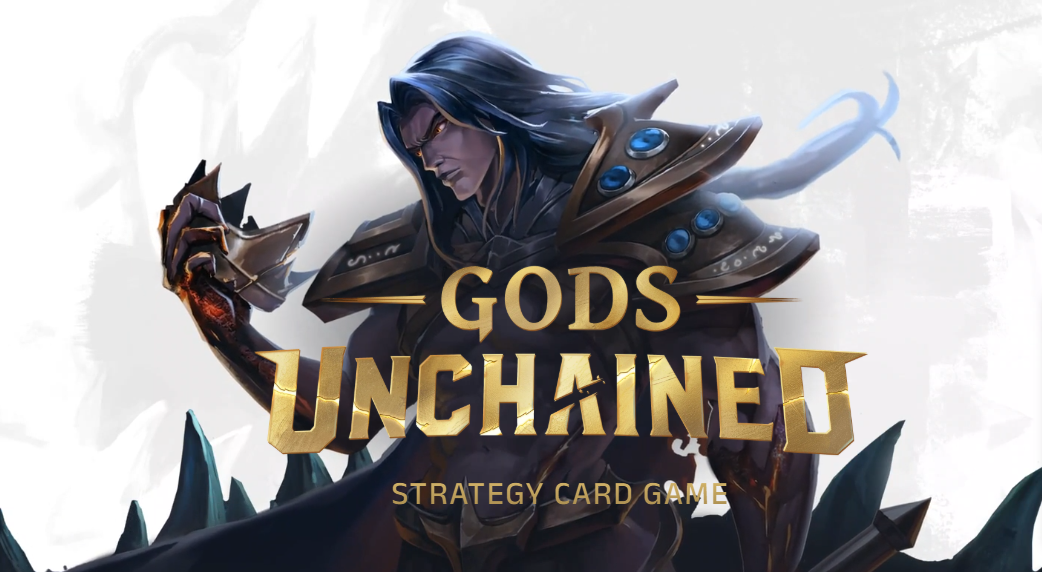
Gods Unchained stands out among trading card games by offering complete ownership of digital cards through NFT technology. Players earn GODS tokens through ranked matches, tournament participation, and strategic card trading on the game’s marketplace.
The free to play entry removes financial barriers while maintaining competitive depth that rewards strategic thinking and deck-building skills. Monthly tournaments feature substantial prize pools, with skilled players earning significant crypto rewards through competitive play.
Card forging mechanics allow players to combine multiple copies into higher-rarity versions, creating additional value through strategic collection management. The professional esports scene surrounding Gods Unchained provides aspirational earning targets for dedicated competitive players.
Unlike traditional collectible card games, players retain full ownership of their collections and can freely trade or sell cards outside the game’s ecosystem. This true ownership model ensures that time invested in building collections maintains real world value.
Splinterlands - Decentralized Card Battle Strategy
Splinterlands operates as a decentralized card battle game on the Hive blockchain, rewarding players with Dark Energy Crystals (DEC) and Splintershards (SPS) through competitive battles and tournament participation. The game’s economy supports multiple earning streams including card rental, tournament prizes, and staking rewards.
The low-cost blockchain infrastructure enables frequent transactions without prohibitive fees, making it accessible to players regardless of their initial investment level. Daily quests and seasonal rewards provide consistent earning opportunities for active players.
Guild participation adds a social layer to earnings, with collaborative events and shared rewards encouraging community engagement. The decentralized autonomous organization structure gives players governance rights proportional to their SPS holdings.
Star Atlas - Space Exploration MMORPG

Star Atlas combines MMORPG mechanics with economic strategy in a space exploration setting. Players earn through resource mining, interstellar trade, and PvP combat while building fleets and establishing territorial control.
Operating on the Solana blockchain ensures fast transaction processing and low fees, crucial for the real-time economic activities that drive the game’s universe. The medium-to-high entry cost reflects the game’s sophisticated graphics and complex economic systems.
Pixels - Social Farming Metaverse

Pixels offers a casual approach to play to earn gaming through farming simulation and social interaction. The large free to play component makes it accessible to newcomers, while the item crafting and trading systems provide earning opportunities for dedicated players.
My Neighbor Alice - Creative Building and Social Gaming
My Neighbor Alice focuses on creative building and social interaction within a charming virtual world. Players earn through NFT land ownership, item creation, and participating in community events.
Gunz - AAA Battle Royale with Crypto Rewards
Gunz delivers competitive battle royale action with tokenized rewards and NFT weapon systems. The high-quality graphics and intense gameplay attract traditional gamers while the crypto economy provides earning incentives.
Blockchain Platforms Supporting P2E Games in 2025
The infrastructure supporting play to earn games has evolved dramatically, with multiple blockchain platforms offering distinct advantages for different gaming experiences. Understanding these platforms helps players choose games that align with their technical preferences and economic goals.
Ethereum remains the most established platform for NFT games, though high gas fees necessitate Layer 2 solutions for practical gameplay. Polygon provides a popular alternative with low transaction costs and high throughput, making it ideal for games requiring frequent player interactions.
Immutable X has emerged as a preferred platform for AAA-quality games, offering instant, gas-free NFT trading through zero-knowledge rollup technology. This infrastructure removes traditional blockchain friction while maintaining Ethereum-level security.
Solana excels in supporting real-time gaming applications through its high-speed transaction processing, though the ecosystem remains smaller than Ethereum-based alternatives. The Ronin blockchain, purpose-built for gaming, demonstrates how specialized infrastructure can optimize the player experience.
Cross-chain compatibility has become increasingly important, with leading games supporting multiple blockchains to capture broader audiences. This trend toward interoperability benefits players by providing more options for asset management and trading.
How to Start Playing and Earning from P2E Games
Entering the play to earn ecosystem requires careful preparation and strategic thinking. Success begins with establishing secure cryptocurrency wallets and understanding basic blockchain security principles before committing significant time or resources.
Essential Setup Requirements
New players must first secure a compatible cryptocurrency wallet, typically MetaMask for Ethereum-based games or specialized wallets like Ronin for specific ecosystems. Understanding private key management and recognizing common scams protects investments and prevents costly mistakes.
Research represents the most critical initial step, as the quality and sustainability of P2E games vary dramatically. Investigating team backgrounds, reading community feedback, and analyzing tokenomics helps identify legitimate projects with long-term potential.
Choosing Your First Game
Budget considerations should guide initial game selection, as entry costs range from completely free to thousands of dollars for premium NFT collections. Beginning with free to play options allows newcomers to understand P2E mechanics without financial risk.
Time commitment varies significantly between games, with some requiring daily attention while others generate passive income through staking mechanisms. Aligning game selection with available time ensures sustainable participation and consistent earning potential.
Risk management principles apply to P2E gaming just as they do to traditional investing. Never invest more than you can afford to lose, diversify across multiple games and assets, and maintain realistic expectations about earning potential.
Maximizing Earnings from Play-to-Earn Games
Advanced players employ sophisticated strategies to optimize their earning potential across multiple blockchain games and economic mechanisms. Understanding market dynamics, timing, and diversification principles significantly impacts long-term profitability.
Advanced Earning Strategies
NFT flipping requires market knowledge and timing skills, as players identify undervalued assets and sell during demand spikes. Successful flippers study game updates, monitor community sentiment, and understand rarity mechanics that drive asset values.
Staking and yield farming provide passive income streams that complement active gameplay earnings. Many games offer staking rewards for holding native tokens, while DeFi integration enables additional yield through liquidity provision.
Guild participation often multiplies individual earning potential through resource sharing, collaborative strategies, and bulk purchasing power. Experienced guilds provide education and support while offering profit-sharing arrangements for contributed assets.
Market Timing and Portfolio Management
Understanding market cycles helps players optimize when to sell earned tokens and NFTs for maximum value. Cryptocurrency markets exhibit cyclical behavior, and timing major sales during favorable conditions significantly impacts overall returns.
Diversification across multiple gaming ecosystems reduces risk while providing exposure to different earning mechanisms. Balancing high-risk, high-reward investments with stable, consistent earners creates more predictable income streams.
Community engagement often correlates with earning success, as active participants gain early access to new features, airdrops, and exclusive opportunities. Building reputation within gaming communities opens doors to additional earning possibilities.
P2E Game Types and Earning Opportunities in 2025
The diversity of play to earn games ensures opportunities for players with different preferences, skill levels, and time commitments. Understanding various game categories helps players identify the most suitable earning opportunities.
Mobile Gaming and Accessibility
Mobile devices have become increasingly important platforms for P2E games, offering accessibility and convenience for casual gamers. These games typically feature lower entry barriers and simplified mechanics while still providing legitimate earning opportunities.
Location-based games utilize smartphone capabilities to create unique earning experiences tied to real-world movement and social interaction. These hybrid experiences attract players who prefer active, outdoor gaming combined with crypto rewards.
Competitive Gaming and Esports
Strategy games and collectible card games reward skill development and strategic thinking with substantial tournament prizes and ranking-based rewards. Professional players in these categories often earn amounts comparable to traditional employment through dedicated practice and competition.
Racing games and battle royale titles attract players seeking fast-paced action combined with competitive earning potential. These games often feature shorter play sessions while maintaining meaningful reward systems.
First-person shooters and fighting games appeal to traditional gamers while introducing crypto economics through weapon skins, character customization, and tournament participation.
Virtual World Development
Virtual worlds and metaverse platforms offer unique earning opportunities through content creation, event hosting, and virtual real estate development. Creative players can monetize their building and design skills while participating in expanding digital economies.
Social gaming elements within virtual worlds create earning opportunities through community management, education, and facilating trade between other players. These service-based earnings complement traditional gameplay rewards.
DeFi Integration and Financial Gaming
Games incorporating decentralized finance protocols enable players to earn through liquidity provision, lending, and complex financial strategies. These hybrid applications attract players interested in both gaming and DeFi yield optimization.
Governance participation in DAO-structured games provides additional earning streams through voting rewards and proposal creation. Engaged community members benefit from platform development decisions while earning governance tokens.
Risks and Challenges in Play-to-Earn Gaming
While P2E gaming offers legitimate earning opportunities, players must understand and manage significant risks that can impact their investments and time commitments. Market volatility remains the most immediate concern, as token values fluctuate based on broader cryptocurrency market conditions and game-specific developments.
Economic and Market Risks
Token price volatility can dramatically impact daily earnings, with successful players one day earning substantial amounts while facing minimal returns during market downturns. This unpredictability makes P2E gaming unsuitable as a primary income source without careful risk management.
Inflation pressures within individual game economies can erode earning power over time if developers fail to balance token supply and demand effectively. Games like Axie Infinity have demonstrated both the potential and challenges of maintaining sustainable economic models.
Technical and Security Challenges
Smart contract vulnerabilities pose risks to player assets, as bugs or exploits can result in permanent loss of valuable NFTs and tokens. Choosing games with audited contracts and established security track records reduces but doesn’t eliminate these risks.
Wallet security remains a constant concern, as players must protect private keys while frequently interacting with multiple blockchain applications. Understanding common attack vectors and maintaining proper security hygiene prevents costly mistakes.
Regulatory and Legal Considerations
Regulatory uncertainty across different jurisdictions creates potential compliance challenges for players earning significant amounts through P2E gaming. Tax implications vary by location and may require professional guidance for substantial earners.
Some regions classify P2E tokens as securities or gambling instruments, potentially restricting access or creating legal complications for participants. Staying informed about local regulations helps players maintain compliance while participating in global gaming economies.
Project Quality and Longevity
The P2E space contains numerous low-quality projects and outright scams designed to exploit inexperienced players. Due diligence requirements include researching development teams, analyzing tokenomics, and evaluating community sentiment before investing time or money.
Rug pulls and abandoned projects represent significant risks, as developers may abandon games after collecting initial investments from players. Diversification and skeptical evaluation help mitigate these risks while identifying legitimate opportunities.
Future of Play-to-Earn Games and Blockchain Gaming
The evolution of blockchain gaming points toward increasingly sophisticated experiences that blur the lines between traditional gaming and decentralized finance. Technological improvements in blockchain infrastructure continue reducing barriers while enabling more complex gaming economies.
Technological Advancements
Layer 2 scaling solutions and alternative blockchains are making P2E games more accessible by reducing transaction costs and increasing speed. These improvements enable real-time gaming experiences without the friction historically associated with blockchain interactions.
Integration of artificial intelligence and machine learning creates dynamic game economies that automatically balance supply and demand for virtual assets. These systems help maintain stable earning opportunities while adapting to changing player behavior patterns.
Cross-chain interoperability allows players to move assets between different games and platforms, creating a more connected ecosystem of virtual worlds. This development increases asset utility while reducing the risk of being locked into a single game’s economy.
Mainstream Adoption Trends
Traditional gaming companies are increasingly experimenting with blockchain integration, bringing established intellectual properties and professional development resources to the P2E space. This mainstream adoption validates the model while improving overall game quality.
Mobile gaming platforms are incorporating P2E mechanics into existing successful games, exposing millions of traditional players to crypto earning opportunities. This trend accelerates adoption while reducing the learning curve for new participants.
Economic Model Evolution
Sustainable tokenomics models are emerging that balance player earning potential with long-term game viability. These systems incorporate dynamic adjustment mechanisms that respond to economic conditions while maintaining incentive structures.
Integration with broader DeFi ecosystems enables more sophisticated financial strategies within gaming contexts. Players can participate in lending, borrowing, and yield farming using their gaming assets as collateral or liquidity sources.
The development of gaming-specific financial infrastructure, including specialized insurance products and asset management tools, supports the maturation of P2E as a legitimate earning category. These services reduce risks while improving the overall player experience.
Getting Started: Your P2E Gaming Journey
Success in play to earn gaming requires a strategic approach that balances earning potential with risk management and personal enjoyment. Starting with thorough research and modest investments allows players to develop skills and understanding before committing significant resources.
Choose games that align with your interests and available time, as sustainable earning requires consistent participation over extended periods. The most successful P2E players treat their gaming activities as both entertainment and investment, maintaining realistic expectations while pursuing optimization strategies.
Focus on learning game mechanics, understanding economic systems, and building relationships within gaming communities. These foundational elements support long-term success regardless of short-term market fluctuations or individual game performance.
Consider P2E gaming as part of a diversified approach to cryptocurrency exposure rather than a primary income source. This perspective helps maintain proper risk management while taking advantage of the unique opportunities that blockchain games provide.
The future of gaming increasingly includes player ownership, decentralized economies, and real value creation through virtual activities. By starting your journey now with careful preparation and realistic expectations, you position yourself to benefit from the continued evolution of this revolutionary gaming model.
Remember that the best play to earn crypto games reward dedicated players who understand their mechanics, participate actively in their communities, and adapt to changing market conditions. Success comes through persistence, education, and strategic thinking rather than quick profits or speculation.
Begin with free to play options to minimize risk while gaining experience, then gradually expand your participation as you develop skills and understanding. The blockchain gaming ecosystem offers unprecedented opportunities for players willing to invest the time and effort required to master these new economic models.
AI Agents in Minutes, Not Months

.svg)


%201.svg)


.png)




.svg)
No Credit Card Required


Online Payment


SSL Encrypted
.png)
Token Metrics Media LLC is a regular publication of information, analysis, and commentary focused especially on blockchain technology and business, cryptocurrency, blockchain-based tokens, market trends, and trading strategies.
Token Metrics Media LLC does not provide individually tailored investment advice and does not take a subscriber’s or anyone’s personal circumstances into consideration when discussing investments; nor is Token Metrics Advisers LLC registered as an investment adviser or broker-dealer in any jurisdiction.
Information contained herein is not an offer or solicitation to buy, hold, or sell any security. The Token Metrics team has advised and invested in many blockchain companies. A complete list of their advisory roles and current holdings can be viewed here: https://tokenmetrics.com/disclosures.html/
Token Metrics Media LLC relies on information from various sources believed to be reliable, including clients and third parties, but cannot guarantee the accuracy and completeness of that information. Additionally, Token Metrics Media LLC does not provide tax advice, and investors are encouraged to consult with their personal tax advisors.
All investing involves risk, including the possible loss of money you invest, and past performance does not guarantee future performance. Ratings and price predictions are provided for informational and illustrative purposes, and may not reflect actual future performance.