

Crypto Basics

Bullish vs Bearish - A Comparative Analysis of Market Trends

Learn about the fundamental differences between bullish and bearish trends, in this descriptive guide.
Sumit Meghani
7 Minutes
MIN

When it comes to investing, bullish and bearish are two terms that investors often come across. These two terms are used to describe the market outlook or individual asset, and understanding their fundamental differences is crucial for making informed investment decisions.

In this article, we will delve deeper into the meanings and differences between Bullish and Bearish trends. So, buckle up and keep reading to learn more about the fundamental differences between the two.

What is the Bullish Trend?

The bullish trend is a term used in financial markets to describe a positive or optimistic outlook on the market or a particular asset like stocks or crypto. In a bullish trend, the market or asset is experiencing a steady increase in value, with buyers outnumbering sellers. 
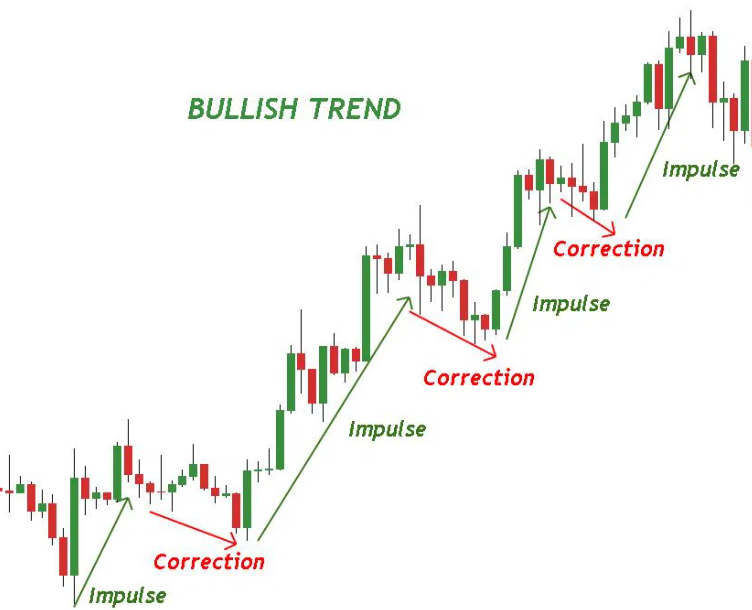
bullish trend
Image Source: https://beincrypto.com/learn/crypto-trading-strategy-based-on-elliott-wave-theory

This often results in higher stock or crypto prices, increased trading volumes, and positive sentiment among investors. The bullish trend can be influenced by a variety of factors, including strong earnings growth, a positive economic outlook, and favorable government policies.

What is the Bearish Trend?

The bearish trend is a term commonly used in financial markets to describe a negative or pessimistic outlook on the market or a particular asset. Unlike the bullish trend, which is characterized by an increase in value, the bearish trend is marked by a decrease in value, lower stock/crypto prices, and negative sentiment among investors. 

bearish trend
Image Source: https://beincrypto.com/learn/crypto-trading-strategy-based-on-elliott-wave-theory

This bearish trend can be influenced by a variety of factors, including economic downturns, declining earnings, and unfavorable policies and regulations.

Bullish vs Bearish - Fundamental Differences

Now that we have understood the basic definitions let's look at the fundamental differences between the two.

1. Market Sentiment - The primary difference between Bullish and Bearish trends is the market sentiment. Bullish trends indicate positive sentiments, whereas Bearish trends indicate negative sentiments. The market sentiment is often driven by various factors such as economic conditions, political events, and company performance.

2. Price Movement - Another significant difference between Bullish and Bearish trends is the direction of price movement. In a Bullish trend, the prices of assets rise steadily, while in a Bearish trend, prices fall.

3. Trading Volume - The trading volume is an important indicator of market trends. A higher trading volume is often associated with Bullish trends, indicating increased investor participation and positive sentiment. On the other hand, a lower trading volume is often associated with Bearish trends, indicating decreased investor participation and negative sentiment.

4. Investor Behavior - Investor behavior is also an important factor that distinguishes Bullish and Bearish trends. In a Bullish trend, investors are more likely to buy digital assets, hoping to sell them at a higher price in the future. In contrast, in a Bearish trend, investors are more likely to sell digital assets, fearing a further decline in prices.

5. Timeframe - The duration of Bullish and Bearish trends can vary significantly. Bullish trends can last for months or even years, while Bearish trends can also last for extended periods.

6. Implications - Bullish and Bearish trends have significant implications for investors. A Bullish trend indicates a positivity for the market, leading to increased investments and higher asset prices. On the other hand, a Bearish trend indicates a negative approach, leading to decreased investments and lower asset prices.

How to Analyze Bullish and Bearish Patterns?

Analyzing bullish and bearish patterns is a key component of successful investing. To identify these patterns, investors use technical analysis, which involves examining charts and data to determine market trends. 

Bullish patterns may include higher highs and higher lows, while bearish patterns may include lower highs and lower lows. Other indicators that investors may look for include support and resistance levels, moving averages, and volume.

It's important to note that these patterns are not foolproof and should be used in conjunction with fundamental analysis, which involves examining a company's financial health and other factors that may impact its future growth prospects.

Examples of Bullish and Bearish Trend

Over time, the market has witnessed numerous bullish and bearish trends, with some being particularly noteworthy. Let's take a look at some real-life examples of such trends in the market.

Example of Bullish Trend - In late 2017, the price of Bitcoin experienced an unprecedented surge, rising from around $1,000 at the beginning of the year to nearly $20,000 by December. This was fueled by increased interest and adoption of cryptocurrencies, particularly by institutional investors. The bullish trend continued into early 2018, with the total market capitalization of all cryptocurrencies reaching an all-time high.

Example of Bearish Trend - One classic example of a bearish trend in Ethereum was the period from January 2018 to December 2018. During this time, the price of Ethereum experienced a significant correction, dropping from an all-time high of around $1,400 in January 2018 to around $85 by December 2018.

This bearish trend was fueled by several factors, including the general market downturn, concerns over scalability and network congestion, and increased competition from other blockchain projects. However, since then, Ethereum has seen a recovery and has undergone significant upgrades, such as the transition to Ethereum 2.0, which has increased interest and adoption of the platform.

Frequently Asked Questions (FAQs)

1. How can I identify a Bullish or Bearish trend?

You can identify a Bullish or Bearish trend by analyzing the price movements and trading volumes of the asset over a specific period. If the prices are rising, and the trading volumes are high, it indicates a Bullish trend. Conversely, if the prices are falling, and the trading volumes are low, it indicates a Bearish trend.

 2. How can I profit from a Bullish or Bearish trend?

You can profit from a Bullish or Bearish trend by buying or selling assets at the right time. In a Bullish trend, you can buy stocks at a lower price and sell them at a higher price when the trend ends. In a Bearish trend, you can sell stocks at a higher price and buy them back at a lower price when the trend ends.

3. Is it possible to have a Bullish and Bearish trend at the same time?

Yes, it is possible to have a Bullish and Bearish trend in different sectors of the market simultaneously. For instance, the technology sector can have a Bullish trend while the energy sector has a Bearish trend.

4. How do market trends impact my investments?

Market trends have a significant impact on your investments. If you invest during a Bullish trend, you are more likely to see positive returns. In contrast, if you invest during a Bearish trend, you may incur losses.

5. How can I prepare for market trends?

You can prepare for market trends by staying updated with economic and political news that impact the market. Additionally, you can diversify your portfolio to minimize risks and invest in long-term assets.

6. Can Bullish and Bearish trends change quickly?

Yes, market trends can change quickly, and it's crucial to stay updated with the latest news and trends. It's advisable to set stop-loss orders to minimize losses during sudden market changes.

The Bottom Line

In conclusion, understanding the fundamental differences between bullish and bearish sentiment can be helpful in making informed investment decisions. By considering economic indicators, company-specific news, and your own investment goals and risk tolerance, you can determine whether you're bullish or bearish on a particular asset or the overall market. 

Remember that while these views can be useful, they are not infallible, and it's important to remain vigilant and adaptable in a constantly evolving market. Investing involves risks, and it's essential to consult a financial advisor before making any investment decisions.

Disclaimer

The information provided on this website does not constitute investment advice, financial advice, trading advice, or any other sort of advice and you should not treat any of the website's content as such.

Token Metrics does not recommend that any cryptocurrency should be bought, sold, or held by you. Do conduct your own due diligence and consult your financial advisor before making any investment decisions.

Build Smarter Crypto Apps &
AI Agents in Minutes, Not Months
Real-time prices, trading signals, and on-chain insights all from one powerful API.
Grab a Free API Key
Token Metrics Team
Token Metrics Team

Recent Posts

Crypto Basics

How Do I Find Moonshot Crypto Projects?

Token Metrics Team
8 min
MIN

Introduction: The Alpha is in the Early Entry

Everyone wants to catch the next 100x token before it explodes. The real trick isn’t riding the hype — it’s getting in before the hype begins. That’s where the real alpha is. Early entry into promising crypto moonshots gives you a massive edge, but how do you consistently find these hidden gems before they go viral?

This guide breaks down where early-stage opportunities hide, what tools to use, and how smart investors separate real moonshots from noise.

🧭 What Does “Early” Really Mean?

Being early doesn’t mean buying after it’s on Coinbase or featured by YouTubers. It means:

  • Before centralized exchange listings
  • Before influencers mention it
  • Before 1,000 holders
  • Before mainstream Twitter threads and Reddit buzz

Getting in early usually involves doing the work—but tools and tactics can help.

🔍 Where to Discover Moonshot Projects Early

1. Crypto Twitter (X)

The fastest-moving crypto intelligence hub. Look for:

  • Threads from micro-cap hunters
  • “Low cap gems” lists
  • VCs and founders talking about new trends
2. Token Launch Platforms

These platforms often list early-stage projects before they go mainstream:

  • CoinList
  • DAO Maker
  • Polkastarter
  • Bounce
3. Reddit & Discord Alpha Groups

Subreddits like r/cryptomoonshots and r/AltcoinDiscussion are full of degens sniffing out new coins. Just beware of shills.
Private Discords like Token Metrics or paid alpha communities provide filtered insights from experts.

4. DEX Tools & On-Chain Analytics
  • Use DEXTools to track newly listed pairs.
  • GeckoTerminal and Birdeye are great for Solana and other chains.
  • TokenSniffer can help check smart contracts and detect rugs.
5. Token Metrics Platform

The Token Metrics AI tools analyze thousands of tokens and surfaces early movers based on:

  • Momentum
  • AI grades
  • Social & on-chain trends
    Perfect for filtering low-cap coins based on data, not hype.

🧠 What to Look For in an Early-Stage Moonshot

If it checks 3–5 of these boxes and you’re early? It might be worth a bet.

🔄 Early Signals That a Token May Explode

Watch out for these signals across Twitter, Telegram, and DEX listings:

  • Price up + volume surging + no CEX listing
  • New partnerships or ecosystem integrations
  • Dev activity visible on GitHub
  • Listings on Token Metrics AI indices
  • Whale wallet accumulation on-chain

Example: If you see a project listed on GeckoTerminal, surging in volume, mentioned in a Token Metrics Bullish Signal — that’s a sign to dig deeper.

🧰 Tools Every Moonshot Hunter Should Use

Combine tools to validate your picks from multiple angles.

📈 Case Study: How Early Detection Pays Off

Let’s say you spotted Bonk (BONK) on Solana in December 2022:

  • < $1M market cap
  • Listed on Birdeye first
  • Strong meme narrative (Solana’s Shiba)
  • Picked up by Token Metrics AI scanner
  • Went viral on Solana Twitter before CEX listings

If you got in pre-hype, your 10x to 50x gains were very possible.

⚠️ Red Flags to Avoid

Even if you’re early, avoid traps:

  • Anonymous devs + no roadmap = high risk
  • Too good to be true tokenomics = pump-and-dump
  • Overly hyped on day 1 = exit liquidity trap
  • Telegram full of bots = engagement farming
  • No working product = vaporware

Early doesn’t always mean safe. Do your due diligence.

📊 How Token Metrics Helps You Get In Early

With the Token Metrics platform, you can:

  • Scan coins with low market cap but high AI ratings
  • Filter coins by sector, grade, momentum, volume
  • See bullish and bearish signals before the crowd
  • Get weekly Moonshot reports from analysts
  • Track early-stage index performance for emerging themes

That’s how you go from guessing to investing.

🧠 Final Thoughts: Early Access = Edge

In crypto, timing is everything. If you can consistently find promising moonshots before they hit the mainstream, the upside is massive. But it takes strategy, tools, and a data-first mindset.

By combining on-chain signals, AI analysis, narrative momentum, and community validation, you can sharpen your edge — and maybe catch the next Shiba, Pepe, or Solana before the crowd.

Crypto Basics

What is a Moonshot in Crypto?

Token Metrics Team
6 min
MIN

What Does “Moonshot” Mean in Crypto?

In the fast-paced world of cryptocurrency, a “moonshot” refers to a crypto project or token that has the potential to achieve explosive, exponential gains — often 10x, 50x, or even 100x returns. The term originates from the phrase “to the moon,” a popular crypto meme used when the price of a coin skyrockets. Moonshots are speculative plays, typically centered around new, low market-cap projects that haven’t yet caught the mainstream’s attention.

While the rewards can be life-changing, the risks are equally significant. In this guide, we’ll explore what makes a crypto asset a moonshot, how to spot one early, the risk/reward tradeoff, and how you can approach moonshots like a pro.

What Qualifies as a Moonshot?

A moonshot crypto token isn’t just any new coin — it’s one with specific characteristics that make it ripe for explosive growth, including:

  • Low market capitalization – Often under $50 million.
  • Early-stage narrative – Not yet listed on major exchanges or hyped by influencers.
  • Strong tokenomics – Well-designed supply, utility, and incentives.
  • Community momentum – Organic engagement and growing social buzz.
  • Unique value proposition – Solving a real problem or aligning with a hot trend like AI, DePIN, RWA, etc.

In short, moonshots are asymmetric bets. You risk a small amount for the chance of a massive return.

Why Moonshots Attract Attention

Moonshots appeal to both degens and visionary investors alike for one key reason: life-changing upside. A $1,000 investment in a 100x coin could turn into $100,000. That level of ROI is hard to find in any other asset class.

And unlike large-cap coins like Bitcoin or Ethereum, where double-digit gains are celebrated, moonshots are expected to multiply in value several times over — often within months.

The Risk Profile of Moonshots

For all their upside, moonshots come with steep risks:

  • Volatility – Price swings of 30-50% in a day are common.
  • Rug pulls and scams – Many new tokens are launched with malicious intent.
  • Low liquidity – It can be hard to enter or exit large positions.
  • Lack of transparency – Anonymous teams and unverified roadmaps are frequent.

Many moonshot projects don’t have sustainable business models, and some may never deliver a product. That’s why proper research and risk management are essential.

Real-World Examples of Moonshots

Here are a few historical examples of coins that were considered moonshots before they exploded:

  • Shiba Inu (SHIB) – Initially written off as a Dogecoin clone, it reached over $40 billion in market cap at its peak.
  • Axie Infinity (AXS) – From under $1 to $165 in 2021 during the NFT gaming boom.
  • Solana (SOL) – Started under $1 and reached over $250 during the bull run.

Each of these projects had early believers who saw the potential before the crowd caught on.

🛠️ How to Evaluate a Moonshot

Here are key areas to assess when evaluating a potential moonshot:

Pro tip: Use tools like Token Metrics AI Grades to scan hundreds of low-cap tokens and detect promising moonshots early using data-driven metrics.

Moonshots vs. Traditional Crypto Investments

‍

If you’re a long-term investor, moonshots should make up only a small percentage of your portfolio.

🧩 Why Timing Matters

Moonshots are all about timing. Catching a token before it gets listed on major exchanges or gains influencer exposure is key. Once the herd finds it, the 100x opportunity is usually gone.

Best times to enter include:

  • Right after token generation (TGE)
  • During stealth launches or fair launches
  • Post-mainnet or major partnership announcement

💼 Should You Invest in Moonshots?

Only if you’re willing to lose what you invest. Moonshots are not for the faint of heart. They are ideal for small, high-risk allocations in your portfolio — think of them as lottery tickets with better odds, provided you do your homework.

To succeed in moonshot investing:

  • Diversify across 5–10 bets
  • Use stop losses or profit targets
  • Stay updated daily
  • Leverage data tools like Token Metrics

🔎 Final Thoughts: Moonshots are the Wild West of Crypto

Moonshots are where fortunes are made and lost. While they offer some of the most exciting opportunities in crypto, they require discipline, deep research, and a healthy risk appetite. Whether you're looking to turn $500 into $50,000 or simply want to understand what drives explosive gains in the crypto space, moonshots are a critical concept to grasp.

Crypto Basics

What Is the Best Crypto Index in 2025? Top Performers and How to Choose the Right One

Token Metrics Team
8 min
MIN

With the explosion of cryptocurrencies, narratives, and sectors in 2025, the question for many investors is no longer should I invest in crypto—but how. For those looking for diversified, smart exposure, crypto indices have become the go-to option.

But what is the best crypto index in 2025?

In this guide, we’ll explore the top-performing crypto indices of the year, what makes them effective, and how to choose the best index for your goals—whether you want passive exposure, thematic investing, or AI-powered optimization.

What Makes a “Best” Crypto Index?

Before naming names, it’s important to understand the criteria that define a top crypto index:

✅ 1. Performance

Returns compared to BTC, ETH, and market benchmarks

✅ 2. Risk Management

Ability to avoid deep drawdowns and protect capital

✅ 3. Narrative Alignment

Exposure to emerging trends like AI, Memecoins, RWA, or DeFi

✅ 4. Rebalancing Strategy

How frequently and intelligently the index adjusts

✅ 5. User Access

Ease of investing, transparency, and platform reliability

🏆 Top Crypto Indices in 2025

Here are the top crypto indices dominating investor attention in 2025:

1. Token Metrics AI Memecoin Index

Type: AI-Powered
Strategy: Weekly dynamic rebalancing
Constituents: DOGE, SHIB, PEPE, WIF, BONK, FLOKI

Why It’s a Top Pick:
Memecoins dominated the first half of 2025. This AI-managed index captured upside by reallocating into trending tokens and exiting early during corrections. While risky, its weekly AI signals helped outperform most passive strategies.

Ideal For:
High-risk, high-reward investors looking to ride viral trends with smart protection.

2. Token Metrics AI DeFi Index

Type: AI-Powered
Strategy: Bullish/bearish signals per token
Constituents: AAVE, UNI, LDO, RUNE, GMX, DYDX

Why It’s a Top Pick:
DeFi remains a foundational sector. The AI DeFi Index adapts to fast-changing liquidity trends and trading volumes. It reduces exposure to underperformers and increases weight in strong, breakout tokens.

Ideal For:
Long-term crypto believers who want smarter DeFi exposure with reduced risk.

3. Bitwise 10 Crypto Index Fund (BITW)

Type: Market Cap Passive
Strategy: Holds top 10 coins by market cap
Constituents: BTC, ETH, SOL, BNB, ADA, etc.

Why It’s a Top Pick:
For conservative investors or institutions, Bitwise offers a simple, regulated way to get exposure to the largest digital assets. While it doesn’t capture emerging trends, it offers long-term stability.

Ideal For:
Traditional investors and institutions entering crypto via regulated vehicles.

4. Token Metrics RWA Index (Real World Assets)

Type: AI-Powered
Strategy: Thematic with dynamic risk adjustment
Constituents: MKR, ONDO, XDC, POLYX, CFG

Why It’s a Top Pick:
The Real World Asset narrative surged in 2025, driven by tokenized treasuries and institutional adoption. This index captured the upside while avoiding the fluff.

Ideal For:
Investors looking for exposure to crypto’s real-world utility and stable growth themes.

5. Index Coop – DeFi Pulse Index (DPI)

Type: Passive
Strategy: Weighted DeFi exposure
Constituents: AAVE, UNI, COMP, SNX, LRC

Why It’s a Top Pick:
One of the earliest thematic indices, DPI remains a favorite among DeFi-focused users who prefer full on-chain transparency and DAO governance.

Ideal For:
DeFi-native investors who want decentralized, trustless exposure.

How to Choose the Best Crypto Index for You

The best crypto index isn’t universal—it depends on your risk tolerance, time horizon, and investment goals.

Here’s a breakdown:

‍

AI vs. Passive: What’s Better in 2025?

Passive indices work well for long-term exposure to top tokens, but AI indices have outperformed in 2025 thanks to their ability to:

  • Exit before crashes
  • Rebalance more frequently
  • Shift capital to outperforming sectors

Platforms like Token Metrics offer weekly rebalanced AI indices that are tuned to market momentum, sentiment, and volatility.

Performance Snapshot (Q1–Q2 2025)

Note: Returns are hypothetical and reflect aggregated performance snapshots.

Final Thoughts: What’s the Best Crypto Index in 2025?

The best crypto index in 2025 is the one that aligns with your goals and risk profile.

  • If you want high growth and can handle volatility, explore AI-powered sector indices like Memecoins or DeFi.
  • If you want safer long-term exposure, the Bitwise 10 or Token Metrics HODL Series are smart.
  • If you believe in AI-driven investing, Token Metrics indices lead the market with real-time rebalancing and superior data analysis.

Crypto indices take the guesswork out of investing, allowing you to benefit from market trends without managing dozens of individual tokens.

Choose from Platinum, Gold, and Silver packages
Reach with 25–30% open rates and 0.5–1% CTR
Craft your own custom ad—from banners to tailored copy
Perfect for Crypto Exchanges, SaaS Tools, DeFi, and AI Products

