Back to blog
Research

Cardano (ADA) Price Prediction July 2025: Can ADA Break $100 This Bull Cycle?

Explore Cardano’s 2025 price forecast. Learn how the Plomin Hard Fork, DeFi growth, and ETF potential could push ADA past $1.50—and how Token Metrics AI tools help predict every move.
Token Metrics Team
8 min
Want Smarter Crypto Picks—Free?
See unbiased Token Metrics Ratings for BTC, ETH, and top alts.
Thank you! Your submission has been received!
Oops! Something went wrong while submitting the form.
 No credit card | 1-click unsubscribe

Click here to buy Cryptocurrencies from Gate.io

As of July 12, 2025, Cardano (ADA) is showing renewed strength, climbing toward the critical $0.75 resistance level as Bitcoin soars above $112,000. After months of consolidation, the smart contract platform is gaining attention from investors, driven by key upgrades, growing DeFi activity, and a broader crypto bull market.

But can ADA reclaim the $1.00 milestone—or even surge beyond $1.50—by the end of the year?

In this highly informative and SEO-optimized article, we’ll explore Cardano’s 2025 price outlook, fundamental drivers, potential risks, and how Token Metrics’ AI tools can help you make smarter, data-backed investment decisions.

🔍 Quick Snapshot: Cardano in July 2025

  • Current Price: ~$0.74
  • Resistance: $0.75 (major), $0.80 (breakout trigger)
  • Support: $0.62 (short-term), $0.50 (long-term)
  • Year-to-Date Institutional Inflows: $73M
  • Daily Active Addresses: ~30,000
  • TVL Growth Since April: +21%
  • ETF Approval Probability: 75%

🚀 Key Catalysts for Cardano’s Bullish Momentum

✅ 1. The Plomin Hard Fork: Governance Upgrade

The Plomin Hard Fork, implemented in Q1 2025, marked a turning point in Cardano’s evolution. It introduced:

  • Decentralized on-chain governance
  • Community-driven protocol updates
  • Greater autonomy for ADA holders

This governance upgrade enhanced Cardano’s appeal to long-term investors and DeFi developers by aligning protocol evolution with community consensus.

✅ 2. Rising DeFi Activity on Cardano

Cardano’s DeFi ecosystem is gaining traction, with Total Value Locked (TVL) increasing by 21% since April. Leading protocols like Minswap, Indigo, and LiQwid have seen significant upticks in user activity and liquidity.

This growth signals:

  • Greater developer interest
  • Improved user adoption
  • Strengthening demand for ADA as collateral and transaction gas

✅ 3. Potential Integration of $RLUSD Stablecoin

Cardano could soon integrate Ripple’s newly launched $RLUSD stablecoin, offering:

  • Seamless liquidity for ADA-based DeFi protocols
  • Cross-chain interoperability with Ripple and Ethereum ecosystems
  • Stability for yield-generating DeFi strategies

Stablecoin adoption is a key growth driver for any Layer-1 network aiming to scale its DeFi infrastructure.

✅ 4. Institutional Capital Inflows

Cardano has attracted $73 million in institutional inflows in 2025 so far, according to data from leading asset managers. This shows:

  • Rising confidence in ADA’s long-term value
  • Anticipation of ETF approval in the U.S. or Europe
  • ADA’s inclusion in emerging crypto index products

With a 75% probability of ETF approval, institutional demand could surge further in Q4.

📈 Cardano Price Prediction for 2025

Analysts and machine learning models—including those from Token Metrics—project a bullish range for ADA in 2025, depending on technical and macroeconomic conditions.

Breakout Level to Watch: $0.80
Support to Hold: $0.62

Click here to buy Cryptocurrencies from Gate.io

⚠️ Potential Risks to ADA’s Growth

Despite bullish fundamentals, Cardano still faces several challenges that could cap or delay price gains:

❌ 1. Low Daily Active Users

With only 30,000 daily active addresses, Cardano still lags behind competitors like:

  • Solana (~500,000 DAU)
  • Ethereum (~400,000 DAU)

Low user activity may:

  • Limit dApp growth
  • Weaken DeFi liquidity
  • Lower investor excitement

❌ 2. Strong Competition

Cardano must compete with:

  • Ethereum’s mature DeFi and NFT ecosystems
  • Solana’s blazing-fast, low-cost transactions
  • New entrants like Aptos and Sui

ADA needs to differentiate itself with real-world adoption and enterprise use cases.

❌ 3. Profit-Taking and Macro Uncertainty

Even in a bull market, sharp corrections happen. ADA could:

  • Face sell-offs at key resistance ($0.80, $1.00)
  • React negatively to macro risks like inflation or Fed policy
  • Be impacted by whale liquidation events

🧠 How Token Metrics Helps You Predict ADA’s Next Move

In crypto’s high-volatility environment, AI-driven research tools are essential. Token Metrics empowers ADA investors with real-time signals, grades, and analytics to stay ahead of the market.

✅ 1. AI-Powered Price Predictions

Token Metrics' machine learning models forecast ADA’s short- and long-term price movements based on:

  • Historical trading patterns
  • On-chain data (TVL, active addresses)
  • Market sentiment
  • Exchange flow analysis

These forecasts update in real time as market conditions evolve.

✅ 2. Trader & Investor Grades for ADA

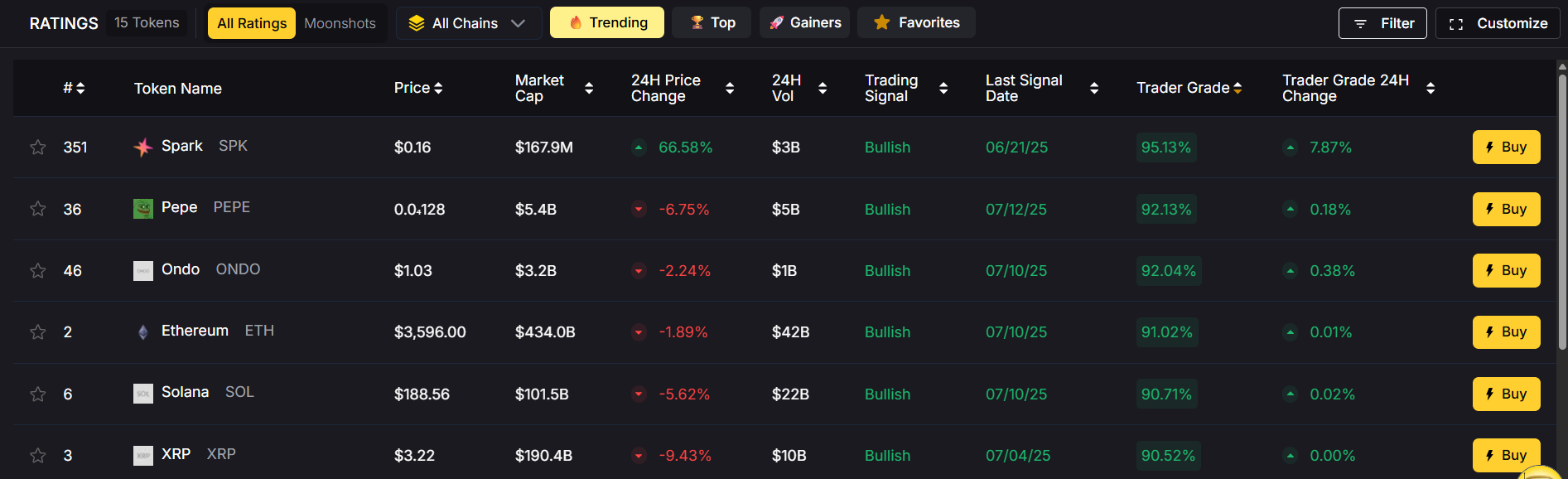
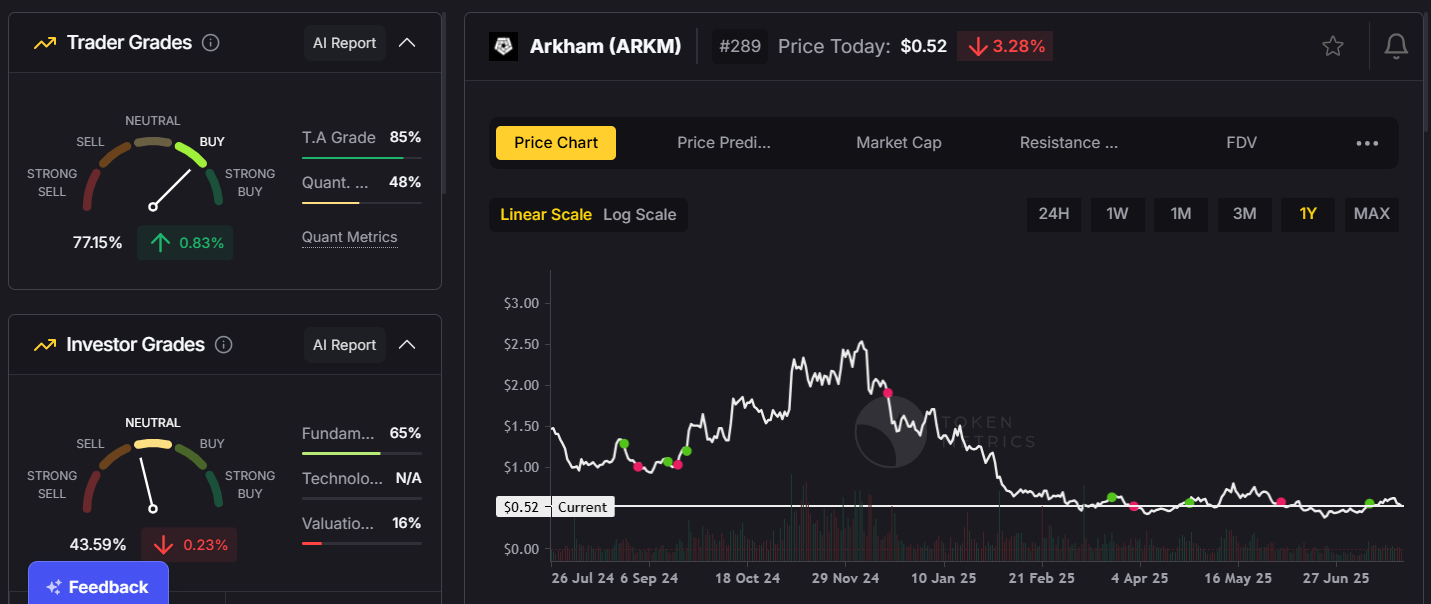
  • Trader Grade: Indicates short-term momentum and technical strength. Ideal for swing traders.
  • Investor Grade: Evaluates ADA’s long-term fundamentals and ecosystem health.

Grades are updated daily, providing clarity even during volatile market swings.

✅ 3. Buy/Sell Signals

Token Metrics issues real-time bullish and bearish signals on ADA, helping users:

  • Avoid emotional trades
  • Enter during early momentum
  • Exit before trend reversals

Each signal is backed by over 80 on-chain and technical data points.

✅ 4. Token Details Page

ADA’s dedicated page includes:

  • Live price chart
  • ROI since listing
  • Exchange and wallet data
  • Historical grading performance
  • AI-based outlooks and narratives

It’s a comprehensive research hub for Cardano investors.

✅ 5. Custom Alerts

Set up personalized alerts for ADA based on:

  • Price targets (e.g., alert me at $1.00)
  • Percentage changes (e.g., +10% move)
  • Grade improvements or downgrades

Receive alerts via email, Discord, Telegram, or Slack, keeping you informed 24/7.

📉 Bearish Scenario: What If ADA Fails to Break Out?

If ADA cannot break above $0.80, it may retrace toward:

  • $0.62 (short-term support)
  • $0.50 (key historical demand zone)

In that case, investors should:

  • Monitor Token Metrics’ bearish signals
  • Look for re-entry setups at lower prices
  • Track DeFi TVL and whale accumulation

✅ Final Thoughts: Is ADA a Strong Buy in 2025?

Cardano is making meaningful strides:

  • Governance decentralization (Plomin Hard Fork)
  • Growing DeFi ecosystem
  • Strong institutional interest
  • Potential ETF approval

If these trends continue and Bitcoin remains in a bull cycle, ADA could reach $1.10–$1.65 by year-end.

However, investors should stay cautious of competition, user activity metrics, and potential volatility.

With Token Metrics, you can:

  • Predict price movements with AI
  • Track technical and fundamental grades
  • Get alerts before the crowd reacts

🔗 Start Using Token Metrics to Trade ADA Smarter

Ready to take advantage of Cardano’s potential?

👉 Visit tokenmetrics.com
🚀 Access AI price predictions, moonshot opportunities, and real-time signals
📲 Set custom alerts so you never miss a breakout

Click here to buy Cryptocurrencies from Gate.io

Build Smarter Crypto Apps &
AI Agents in Minutes, Not Months
Real-time prices, trading signals, and on-chain insights all from one powerful API.
Grab a Free API Key
About Token Metrics
Token Metrics: AI-powered crypto research and ratings platform. We help investors make smarter decisions with unbiased Token Metrics Ratings, on-chain analytics, and editor-curated “Top 10” guides. Our platform distills thousands of data points into clear scores, trends, and alerts you can act on.
30 Employees
analysts, data scientists, and crypto engineers
Daily Briefings
concise market insights and “Top Picks”
Transparent & Compliant
Sponsored ≠ Ratings; research remains independent
Want Smarter Crypto Picks—Free?
See unbiased Token Metrics Ratings for BTC, ETH, and top alts.
Thank you! Your submission has been received!
Oops! Something went wrong while submitting the form.
 No credit card | 1-click unsubscribe
Token Metrics Team
Token Metrics Team

Recent Posts

Research

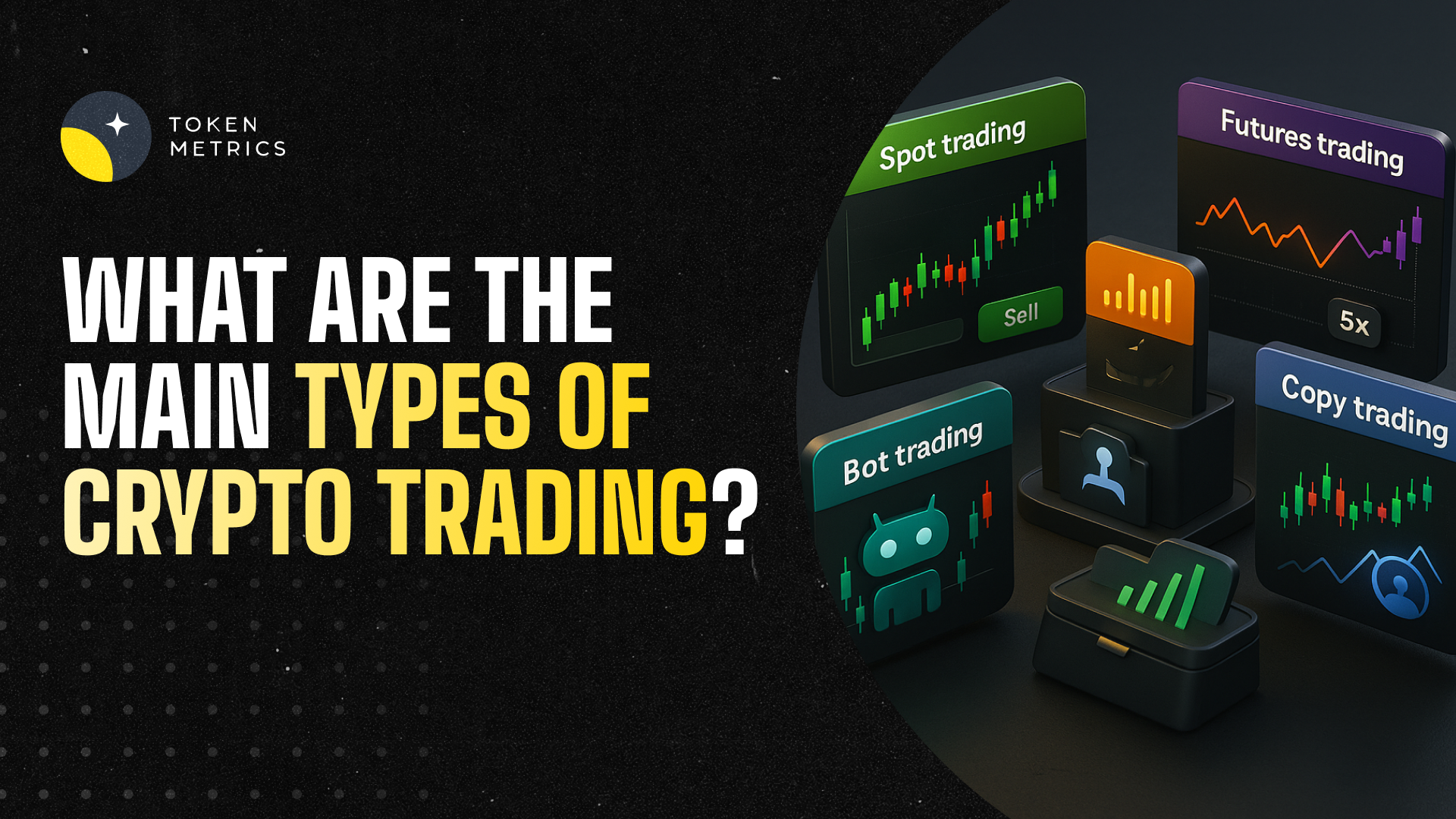
What Are the Main Types of Crypto Trading?

Token Metrics Team
8 min

Cryptocurrency trading has evolved into one of the most dynamic ways to generate profits in financial markets. But before jumping in, it’s crucial to understand the different types of crypto trading strategies. Whether you’re a beginner or an experienced trader, knowing these styles will help you choose an approach that matches your risk tolerance, time commitment, and profit goals.

In this guide, we’ll break down the main types of crypto trading, who they’re best for, and how platforms like Token Metrics can help you succeed with AI-powered insights.

Why Understanding Crypto Trading Types Matters

Crypto is a 24/7, high-volatility market where fortunes can be made—or lost—quickly. Picking the right trading style helps you:

  • Align with your financial goals (short-term gains vs. long-term growth).
  • Manage risk by using strategies that suit your experience level.
  • Maximize opportunities by applying the right tools and insights.


The 5 Main Types of Crypto Trading

There are several trading strategies in crypto, but these five dominate the space:

1. Day Trading

Day trading involves buying and selling crypto within the same day to profit from short-term price movements.

  • Key Features:

    • Traders close all positions before the day ends.
    • Relies on technical analysis and real-time data.
    • Requires constant market monitoring.

  • Who It’s For:

    • Active traders with time to watch charts and news.
    • Those who enjoy fast-paced decision-making.

  • How Token Metrics Helps:
    Token Metrics offers AI-powered trading signals to identify optimal entry and exit points, giving day traders a data-driven edge.

2. Swing Trading

Swing trading focuses on holding positions for several days or weeks to capture larger price swings.

  • Key Features:

    • Less intense than day trading.
    • Combines technical and fundamental analysis.
    • Aims to profit from medium-term trends.

  • Who It’s For:

    • Traders who want flexibility without 24/7 screen time.
    • Those who prefer a balance between risk and reward.

  • How Token Metrics Helps:
    Use Trader and Investor Grades to spot crypto assets with the strongest short- to mid-term growth potential.

3. Scalping

Scalping involves making dozens (or even hundreds) of trades daily to profit from tiny price changes.

  • Key Features:

    • High-frequency trading for micro-gains.
    • Requires low fees and ultra-fast execution.
    • Focuses on high-liquidity assets like BTC and ETH.

  • Who It’s For:

    • Experienced traders who thrive under pressure.
    • Those comfortable with high-volume trading.

  • How Token Metrics Helps:
    Scalpers can leverage real-time AI signals and market sentiment analysis to identify high-probability trades quickly.

4. Position Trading (HODLing)

Position trading, often called HODLing, is a long-term investment strategy. Traders buy and hold assets for months or years, ignoring short-term fluctuations.

  • Key Features:

    • Focuses on long-term growth.
    • Less stressful and time-intensive.
    • Ideal for blue-chip cryptos like Bitcoin, Ethereum, and top altcoins.

  • Who It’s For:

    • Investors with a long-term outlook.
    • Beginners who want low-maintenance strategies.

  • How Token Metrics Helps:
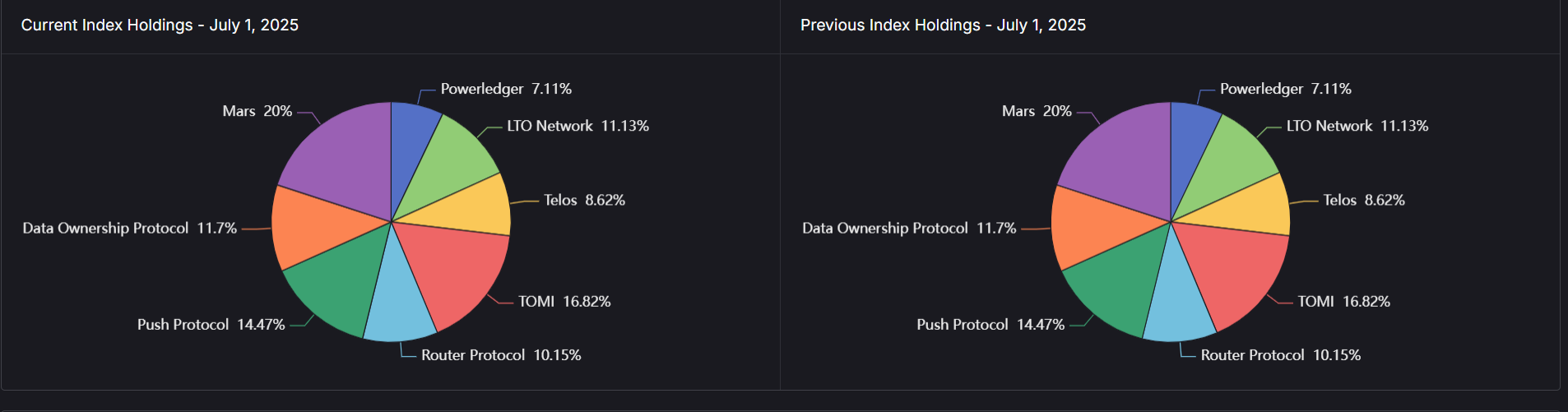
    Use AI Indices—auto-managed portfolios that rebalance based on market conditions—to maximize long-term returns without manually tracking assets.

5. Arbitrage Trading

Arbitrage trading exploits price differences for the same crypto on different exchanges.

  • Key Features:

    • Buy low on one exchange, sell high on another.
    • Requires speed and knowledge of multiple platforms.
    • Margins are small but relatively low-risk.

  • Who It’s For:

    • Advanced traders who can move funds quickly.
    • Those familiar with cross-platform trading tools.

  • How Token Metrics Helps:
    Our data-rich API can be integrated with arbitrage bots to monitor price discrepancies in real time.

How to Choose the Right Trading Style

When deciding which type of trading suits you, consider:

  1. Time Commitment:

    • Day trading and scalping require constant attention.
    • Swing and position trading allow more flexibility.

  2. Risk Tolerance:

    • Scalping and day trading are riskier but can deliver faster returns.
    • Position trading offers lower risk over time.

  3. Capital Available:

    • Arbitrage often requires higher liquidity for meaningful profits.
    • Day or swing trading can start with smaller amounts.

  4. Experience Level:

    • Beginners are better off starting with swing trading or HODLing.
    • Advanced traders can explore scalping or arbitrage.

Why Token Metrics Is the Perfect Companion for Any Trading Style

No matter your trading strategy, Token Metrics provides the tools to help you succeed:

  • AI-Powered Trading Signals: Make smarter decisions using data-driven bullish/bearish signals.
  • Proprietary Trader & Investor Grades: Identify the best short-term and long-term crypto investments.
  • Moonshot Finder: Discover undervalued altcoins before they explode in value.
  • AI Indices: Auto-managed portfolios for long-term investors.
  • Flexible API & MCP Server: Integrate trading strategies with automation tools.

Whether you’re a day trader chasing fast gains or a long-term HODLer, Token Metrics simplifies research and helps you execute strategies with confidence.

Final Thoughts

So, what are the main types of crypto trading?

  • Day Trading: For active traders who thrive on quick decisions.
  • Swing Trading: For those wanting balance between time and profit potential.
  • Scalping: For high-frequency, experienced traders.
  • Position Trading: For long-term investors looking for steady growth.
  • Arbitrage: For advanced traders seeking low-risk, small-margin opportunities.

Each type of trading has its pros and cons, but with AI-powered tools from Token Metrics, you can make smarter decisions, reduce guesswork, and trade confidently—regardless of your preferred style.

Research

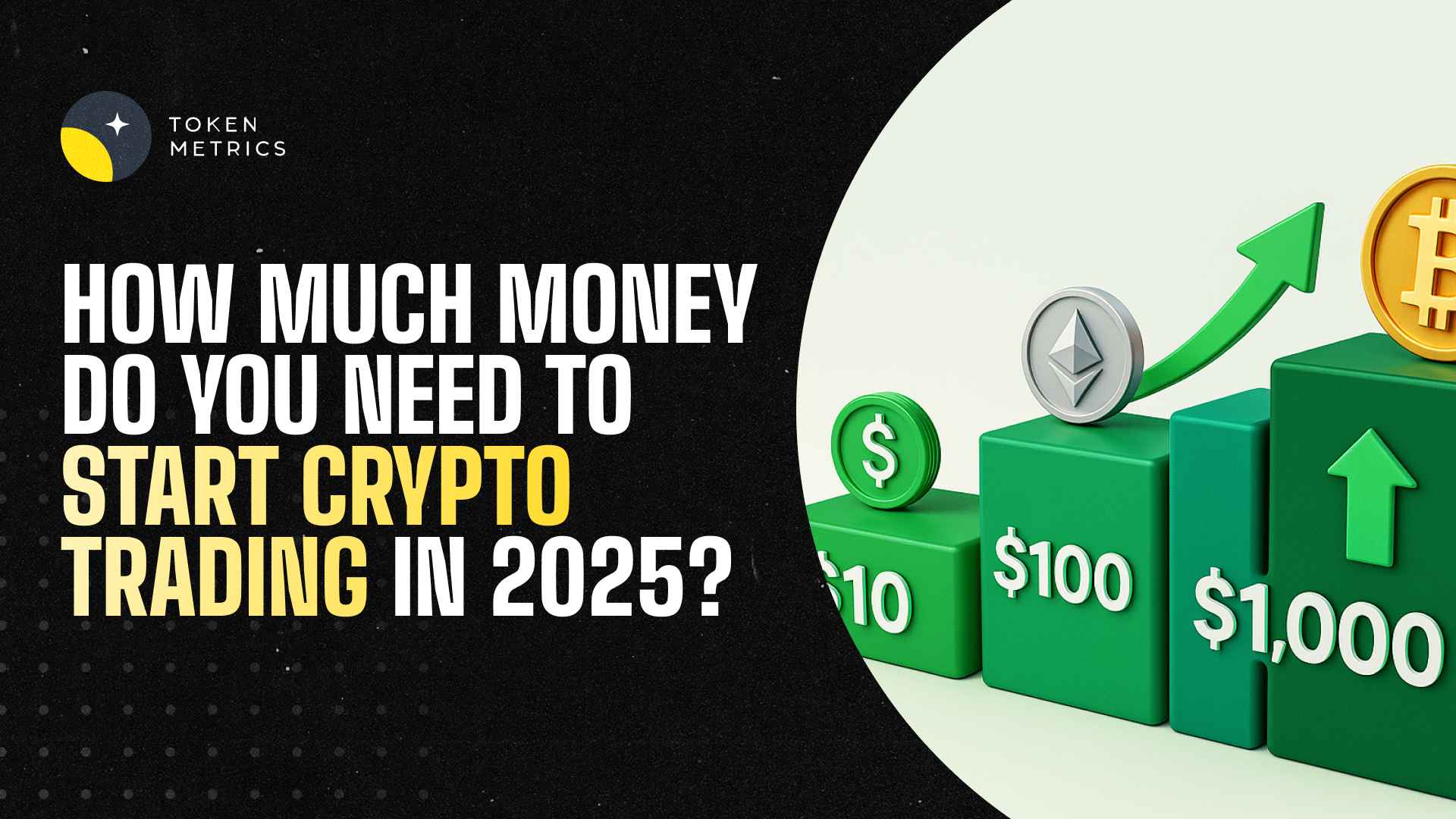
How Much Money Do I Need to Start Crypto Trading?

Token Metrics Team
8 min

Cryptocurrency trading has revolutionized how people invest, allowing anyone with an internet connection to access global markets 24/7. But one of the most common questions beginners ask is: "How much money do I need to start trading crypto?"

The answer depends on your goals, risk tolerance, and the strategies you intend to use. In this article, we’ll explore how much you really need to get started, break down different trading approaches, and explain how platforms like Token Metrics can help you trade smarter with AI-driven insights—even with a small budget.

Understanding Crypto Trading: The Basics

Before determining how much money you need, it’s essential to understand what crypto trading involves. Cryptocurrency trading is the process of buying and selling digital assets like Bitcoin, Ethereum, and altcoins to profit from price movements. Unlike traditional stock markets, crypto markets:

  • Operate 24/7, offering constant trading opportunities.
  • Allow fractional ownership, meaning you can buy a small portion of a cryptocurrency instead of a whole coin.
  • Have low barriers to entry, enabling traders to start with minimal funds.

However, the volatile nature of crypto means your starting amount must align with your risk management plan.

How Much Money Do You Need to Start Crypto Trading?

There’s no single amount required to start trading crypto—it largely depends on your trading style, goals, and platform. Here’s a breakdown:

1. The Absolute Minimum: $10–$50

Most exchanges like Binance, Coinbase, and Kraken allow users to start trading with as little as $10–$50. This is a great entry point for beginners who want to learn the ropes without risking too much.

  • Pros:

    • Low financial commitment.
    • Great for testing strategies.
    • Less emotional stress compared to larger investments.

  • Cons:
    • Limited profit potential.
    • Transaction fees may eat into gains.

2. A Practical Starting Point: $250–$500

Many beginner traders find $250–$500 to be a sweet spot. This amount allows for diversification—spreading funds across multiple tokens—and gives you enough margin to experiment with different strategies.

  • Example:

    • $200 in Bitcoin or Ethereum (low-risk, high-liquidity assets).
    • $100–$200 in promising altcoins (higher growth potential).
    • $50–$100 reserved for short-term trades.

This amount balances risk and opportunity, helping you learn without overexposing yourself.

3. For Serious Traders: $1,000+

If your goal is to actively trade (day trading, swing trading, or building a diversified portfolio), starting with $1,000+ gives you more flexibility.

  • Why?

    • Allows for better diversification across multiple crypto assets.
    • Provides room to absorb market volatility without liquidating too early.
    • Enables you to take advantage of advanced tools and AI-driven insights on platforms like Token Metrics.

Factors That Influence How Much You Should Start With

When deciding how much to invest, consider these factors:

1. Risk Tolerance

Crypto is volatile—price swings of 10–20% in a single day are common. Only invest what you can afford to lose.

2. Trading Goals

Are you aiming for quick profits (day trading), medium-term growth (swing trading), or long-term wealth (HODLing)? Your goals will dictate your starting amount.

3. Trading Strategy

Scalping or day trading requires more capital for frequent trades, while long-term investing can start with smaller amounts.

4. Fees

Trading fees, withdrawal fees, and network fees can impact your profits. Some exchanges have minimum trade sizes, so starting with too little might not be practical.

How Token Metrics Helps You Trade Smarter—Even with a Small Budget

Starting with a small amount doesn’t mean you can’t succeed. With AI-driven research and trading tools, platforms like Token Metrics level the playing field for beginners and experienced traders alike.

Here’s how Token Metrics can help:

1. AI-Powered Trading Signals

Token Metrics provides real-time bullish and bearish signals based on 80+ data points. This helps you make smarter entry and exit decisions—crucial when trading with limited funds.

2. Proprietary Trader and Investor Grades

Our Trader and Investor Grades score tokens based on short-term and long-term potential, helping you focus on assets with the best risk-reward profile.

3. Moonshot Finder for Low-Cap Opportunities

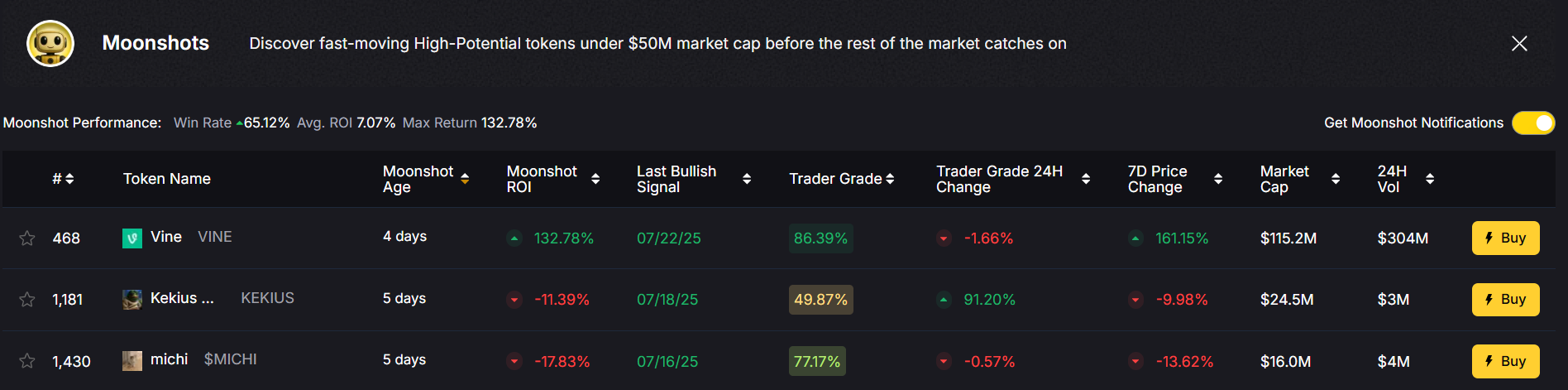
Want to turn a small investment into something bigger? Token Metrics’ Moonshot Finder identifies high-potential low-cap altcoins before they pump, giving you an edge.

4. AI Indices & Auto-Managed Portfolios

Don’t know where to start? Token Metrics offers AI-driven crypto indices, automatically managing a diversified portfolio based on current market conditions.

5. Free & Flexible Plans

Whether you’re starting with $0 or $166.7 per month, Token Metrics offers free and paid plans to match your needs.

Can You Really Make Money Starting Small?

Yes, you can—but it requires patience, strategy, and the right tools. Many traders have grown $100–$500 portfolios into thousands by leveraging long-term investments in quality projects and AI-guided trading signals.

  • Example:

    • A $100 investment in Ethereum in early 2020 would have grown to over $4,000 by 2021.
    • A $50 investment in a low-cap moonshot token could multiply 10x or more if chosen wisely.

Best Practices for Starting Small in Crypto Trading

  1. Start with what you can afford to lose – Never invest rent or essential funds.
  2. Diversify your portfolio – Spread your investment across multiple tokens.
  3. Use AI-powered tools – Platforms like Token Metrics reduce guesswork and improve decision-making.
  4. Avoid emotional trading – Stick to your strategy and avoid panic-selling.
  5. Stay educated – Follow market trends, join crypto communities, and use analytical tools.

Final Thoughts

So, how much money do you need to start crypto trading?
The truth is—you can start with as little as $10, but for a more meaningful experience and potential growth, $250–$1,000 is a practical starting range.

The key isn’t just the amount—it’s how you trade. Using AI-driven insights from Token Metrics, you can make smarter decisions, find hidden gems, and navigate crypto’s volatility like a pro.

Whether you’re starting small or diving in with a bigger budget, Token Metrics helps you trade confidently and build a strategy tailored to your goals.

Research

What’s the Difference Between Trading and Investing in Crypto?

Token Metrics Team
8 min

Introduction: Why This Question Matters

In 2025, crypto has matured into a multi‑trillion‑dollar market, attracting everyone from day traders to long‑term institutional investors. But not all approaches to crypto are the same.

If you’re new to digital assets, you might wonder: “What’s the difference between trading and investing in crypto?” Understanding the distinction will help you choose the strategy that matches your goals, risk tolerance, and time commitment.

This guide breaks down trading vs. investing in crypto — explaining their key differences, benefits, risks, and how Token Metrics empowers you to succeed at either.

What Is Crypto Trading?

Crypto trading is the short‑term buying and selling of cryptocurrencies to profit from price fluctuations.

Timeframe:

  • Minutes to weeks. Traders enter and exit positions quickly.

Objective:

  • Profit from volatility. Traders capitalize on price swings rather than holding assets for the long term.

Approach:

  • Use technical analysis (TA), price charts, and AI signals to make quick decisions.

Common Trading Styles:

  1. Day Trading: Multiple trades in a single day, holding no overnight positions.
  2. Swing Trading: Holding assets for days or weeks to capture short‑term trends.
  3. Scalping: Executing many small trades for tiny gains.
  4. Futures & Margin Trading: Using leverage for higher potential returns (and risk).

Pro Tip:
Traders rely heavily on real‑time data and AI‑driven insights to react fast. Tools like Token Metrics provide trading signals, narrative detection, and technical ratings for hundreds of tokens.

What Is Crypto Investing?

Crypto investing is the long‑term holding of digital assets based on their growth potential.

Timeframe:

  • Months to years. Investors aim to benefit from long‑term appreciation.

Objective:

  • Accumulate wealth over time. Investors believe in the future of blockchain technology and hold through volatility.

Approach:

  • Focus on fundamental analysis (FA) — evaluating project teams, technology, tokenomics, and adoption potential.

Common Investing Strategies:

  1. HODLing: Holding strong assets like Bitcoin and Ethereum long‑term.
  2. Staking: Locking tokens (e.g., ETH, ADA) for passive income.
  3. Dollar‑Cost Averaging (DCA): Investing fixed amounts regularly regardless of price.
  4. Narrative‑Driven Investing: Allocating capital to emerging sectors (AI tokens, real‑world assets).

Pro Tip:
Investors benefit from portfolio optimization tools like Token Metrics, which helps identify high‑potential projects and maintain balanced allocations.

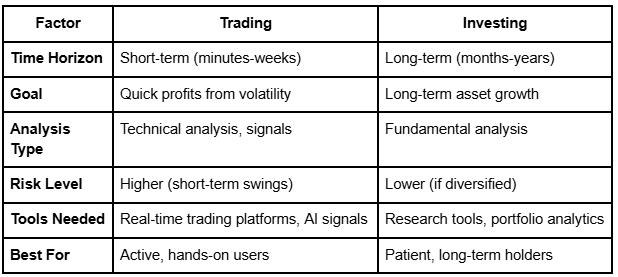
Trading vs. Investing: Key Differences

Which One Is Right for You?

Choose Trading If:

  • You enjoy fast‑paced decision‑making.
  • You can dedicate time to monitoring markets daily.
  • You’re comfortable with higher short‑term risk.

Choose Investing If:

  • You believe in crypto’s long‑term potential.
  • You prefer less active management.
  • You want to earn passive income (staking, yield farming).

Or Do Both:
Many crypto enthusiasts combine the two — holding long‑term assets like Bitcoin and Ethereum while trading smaller portions for short‑term gains.

How Token Metrics Supports Both Traders and Investors

Whether you’re trading or investing, Token Metrics is an essential AI‑powered platform for making smarter decisions.

For Traders:

  • AI‑Driven Trading Signals: Detect bullish or bearish momentum.
  • Technical Ratings: Evaluate coins based on chart patterns and historical performance.
  • Real‑Time Alerts: Get notified when tokens hit target levels.

For Investors:

  • Fundamental Analysis: Access in‑depth ratings for over 6,000 projects.
  • Narrative Detection: Identify emerging sectors like AI tokens or DeFi 2.0 early.
  • Portfolio Optimization: Build and maintain a risk‑adjusted portfolio for the long term.

In short: Token Metrics helps traders react faster and investors plan smarter.

Benefits of Trading

  • Quick Profits: Capitalize on volatility.
  • Flexible: Enter and exit markets at any time.
  • Exciting: Appeals to those who enjoy active engagement.

Drawbacks:

  • Requires constant monitoring.
  • Higher emotional stress.
  • Greater risk of losses.

Benefits of Investing

  • Wealth Accumulation: Capture long‑term growth.
  • Less Time‑Intensive: No need for constant market tracking.
  • Passive Income: Earn from staking and yield farming.

Drawbacks:

  • Exposed to long‑term downturns.
  • Slower returns compared to active trading.

Practical Example: Combining Both

Imagine you allocate:

  • 70% to long‑term investments (BTC, ETH, Token Metrics AI (TMAI), and Layer 2 solutions).
  • 30% to short‑term trading (narrative‑driven altcoins).

How Token Metrics Helps:

  • Long‑Term: Use AI ratings and portfolio optimization for your HODL assets.
  • Short‑Term: Get trading alerts and technical signals for timely entry and exits.


Conclusion

The difference between trading and investing in crypto comes down to timeframes, goals, and risk tolerance.

  • Trading is for those who want to actively profit from volatility.
  • Investing is for those who aim for long‑term wealth accumulation.

No matter which approach you choose, Token Metrics — the leading AI crypto analysis, research, and trading platform — gives you the tools to succeed.

By combining AI‑powered insights, narrative detection, and portfolio optimization, Token Metrics helps both traders and investors make smarter, data‑driven decisions in 2025.

Choose from Platinum, Gold, and Silver packages
Reach with 25–30% open rates and 0.5–1% CTR
Craft your own custom ad—from banners to tailored copy
Perfect for Crypto Exchanges, SaaS Tools, DeFi, and AI Products