Crypto Basics

What is a Crypto Index Fund? - Complete Guide for Crypto Investors

Learn everything about crypto index fund with our comprehensive guide. Gain insights and make informed crypto investment decisions.
Token Metrics Team
9 Minutes
MIN

Investing in cryptocurrency can be overwhelming, especially when there are thousands of digital assets to choose from. But have you ever considered investing in a crypto index fund? 

It's an approach that could simplify your investing process and diversify your portfolio. This guide will take you through the fundamentals of crypto index funds and how they might be a game-changer for your investing strategy.

What is a Crypto Index Fund?

A crypto index fund is a type of investment vehicle that tracks a specific index of cryptocurrencies. 

Similar to traditional stock market index funds, a crypto index fund provides investors with broad market exposure by investing in a basket of various cryptocurrencies. 

This method reduces the risks of investing in individual assets and instead spreads the risk across multiple assets.

Why Invest in Crypto Index Funds?

Diversification - Investing in a single cryptocurrency can be risky. If the coin's value drops, your investment will suffer. However, with a crypto index fund, your investment is spread across multiple cryptocurrencies. If one coin performs poorly, the others may balance it out, reducing the overall risk.

Simplicity - Navigating the crypto landscape can be complex and time-consuming, especially for newcomers. Crypto index funds simplify the process. Instead of researching and buying individual coins, you can invest in many at once.

Accessibility - Some valuable cryptocurrencies are quite expensive. Bitcoin, for example, can be dauntingly high-priced for many investors. With a crypto index fund, you can gain exposure to these costly coins without needing to buy a whole unit.

How Does a Crypto Index Fund Work?

A crypto index fund works similarly to traditional index funds in the stock market. It is a type of pooled investment that tracks a specified cryptocurrency index. 

This index might contain several different cryptocurrencies, weighted by factors like market cap, trading volume, or an equal distribution.

When you invest in a crypto index fund, your money is spread across the different cryptocurrencies included in that index. The fund manager rebalances the fund periodically to ensure it continues to mirror the index it tracks. 

This method allows investors to gain broad exposure to the cryptocurrency market, mitigating the risk of investing in individual coins.

Choosing the Right Crypto Index Fund

When selecting a crypto index fund, consider the following factors:

The Index It Tracks - A fund's performance is dependent on the index it tracks. It's crucial to understand how this index is composed. Some indexes are weighted by market cap, while others might consider equal weighting or use other methodologies. Research what coins are included and how their performance will affect the fund.

Fees - Like all investment products, crypto index funds come with fees. These may include management fees, rebalancing fees, and others. Ensure you understand all associated costs and how they'll impact your returns.

Liquidity - In the crypto world, liquidity refers to the ability to quickly buy or sell an asset without causing a drastic change in its price. A fund with high liquidity will make it easier for you to buy or sell your shares without significantly affecting the price.

Best Crypto Index Funds in 2025

Here are some of the top crypto index funds for 2025 based on their popularity, reliability, and reputation:

  • Token Metrics AI Indices: Combine machine learning with market sentiment to allocate and rebalance crypto portfolios automatically. They feature bullish and bearish signals that guide when to enter or exit an index.
  • Bitwise & Galaxy Indices: Though more traditional, they’re beginning to explore data-driven rebalancing and smart beta strategies.
  • DeFi Pulse Index (DPI): A static sector index for DeFi, but when enhanced with AI (e.g., incorporating protocol usage data), it could evolve into a dynamic performer.

Remember to thoroughly research any fund before investing to ensure it aligns with your investment goals and risk tolerance.

Getting Started with Crypto Index Funds

Select a Fund - After considering the factors mentioned above, choose a fund that aligns with your investment goals. Some popular crypto index funds include the Bitwise 10 Crypto Index Fund and the Coinbase Index Fund.

Open an Account - To invest in a crypto index fund, you'll likely need to create an account with the platform that offers the fund. The process typically involves providing some personal information for identification and setting up a secure password.

Purchase Shares - Once your account is set up, you can buy shares in the index fund. The price of a share typically reflects the net asset value (NAV) of the fund's underlying assets. 

You'll have a stake in all the cryptocurrencies that the fund tracks, in proportion to their presence in the index.

Monitor and Adjust - Keep an eye on your investment and the performance of the underlying index. Depending on the fund, your investment may be automatically rebalanced periodically. 

However, it's essential to stay informed and adjust your holdings if necessary, based on your investment goals and risk tolerance.

Risks and Rewards

Investing in crypto index funds, like all investment vehicles, comes with both risks and rewards. The diversified nature of index funds can cushion against market volatility, providing a more stable investment. However, the crypto market as a whole is subject to high volatility, and crypto index funds are not immune.

Risks

Market Volatility: Cryptocurrencies are known for their extreme volatility. While diversification can mitigate some risk, a crypto index fund is still subject to the ups and downs of the market.

Regulatory Risk: As the regulatory landscape for cryptocurrencies continues to evolve, sudden changes could impact the market and, consequently, the performance of the fund.

Liquidity Risk: Depending on the assets within the index, some coins may not be as readily tradable as others, posing a liquidity risk.

Rewards

Diversification: Crypto index funds spread the risk among multiple cryptocurrencies, which can provide more stability than investing in individual coins.

Accessibility: These funds offer an easy way to gain exposure to a range of cryptocurrencies without the need to buy and manage them individually.

Management: Crypto index funds are managed by professionals who rebalance the portfolio regularly, ensuring it continues to reflect its target index.

Crypto Index Funds Vs Crypto ETFs

Crypto index funds and Crypto ETFs (Exchange-Traded Funds) both offer exposure to a basket of different cryptocurrencies. However, there are some key differences:

Trading: ETFs trade on traditional stock exchanges and can be bought or sold during trading hours at market prices. Index funds, on the other hand, are typically purchased or redeemed at the day's closing net asset value (NAV).

Accessibility: Generally, ETFs are more accessible because they can be purchased through any brokerage account. Index funds might require an account with the specific platform offering the fund.

Management: Both are managed funds, but ETFs often track passive indexes, while index funds can be either passively or actively managed.

Are Crypto Index Funds Good for Investment?

Crypto index funds can be a good investment for those who want exposure to the crypto market without needing to research and manage individual cryptocurrencies. 

They provide a level of diversification that can mitigate risk and are generally less volatile than individual coins. 

However, like all investments, they come with their own risks and should be chosen based on individual investment goals, risk tolerance, and market understanding.

Future of Crypto Index Funds

Crypto index funds are likely to grow in popularity as more investors seek diversified exposure to the cryptocurrency market. 

As the market matures and more institutional investors enter the space, the demand for professionally managed, diversified investment products like index funds is expected to rise. Regulatory clarity could further enhance their adoption and growth.

Also Read - Crypto Crashing - Everything You Need to Know

Frequently Asked Questions

Q1. Can I create my own crypto index fund?

Technically, an individual could create their own "index" by purchasing a variety of cryptocurrencies in proportions that mimic an established crypto index. 

However, creating an official index fund that others can invest in requires significant financial and legal infrastructure, including regulatory compliance.

Q2. Are crypto index funds available globally?

While many crypto index funds aim to cater to a global audience, availability can be subject to local regulations. 

Some countries may have restrictions or prohibitions on such investments. Always check with your local regulatory authority before investing.

Q3. Can I lose all my money in a crypto index fund?

As with any investment, there's a risk involved. However, the diversification of index funds typically mitigates the chance of losing the entire investment. That being said, the crypto market can be highly volatile, and significant losses are possible.

Q4. What is the minimum investment for a crypto index fund?

Minimum investment amounts vary between different crypto index funds. Some funds might have a very low minimum, making them accessible to beginners, while others could require substantial initial investments. Always check the fund's terms before investing.

Q5. How often are crypto index funds rebalanced?

The frequency of rebalancing depends on the specific fund. Some funds might rebalance monthly, quarterly, or based on specific market conditions. Rebalancing helps ensure the fund accurately reflects its target index.

Q6. Can I invest in a crypto index fund through my traditional broker?

It depends on the broker and the specific fund. Some traditional brokers have started offering access to crypto index funds, while others have not. You will need to check with your broker to see if this is an option.

Q7. How are crypto index funds taxed?

The tax implications of investing in crypto index funds vary based on jurisdiction. In many cases, these funds are subject to capital gains tax, but the specifics can vary. It's important to consult with a tax professional to understand the implications fully.

Q8. Can I withdraw my money at any time from a crypto index fund?

This depends on the specific terms of the fund. Some funds might have lock-up periods or penalties for early withdrawal. Be sure to understand these terms before investing.

Conclusion

In conclusion, crypto index funds offer a simplified and diversified way to gain exposure to the cryptocurrency market. 

They are suitable for both beginners seeking a straightforward way into the crypto world and experienced investors looking to diversify their portfolio. 

As always, ensure you understand the risks involved and do your due diligence before investing. Happy investing!

Disclaimer

The information provided on this website does not constitute investment advice, financial advice, trading advice, or any other sort of advice and you should not treat any of the website's content as such.

Token Metrics does not recommend that any cryptocurrency should be bought, sold, or held by you. Do conduct your own due diligence and consult your financial advisor before making any investment decisions.

Build Smarter Crypto Apps &
AI Agents in Minutes, Not Months
Real-time prices, trading signals, and on-chain insights all from one powerful API.
Grab a Free API Key
Token Metrics Team
Token Metrics Team

Recent Posts

Crypto Basics

Maximize Your Profits with AI Crypto Trading: A Practical Guide

Token Metrics Team
8 min
MIN

Introduction to AI Trading

The world of cryptocurrency trading is fast-paced and complex, but with the rise of artificial intelligence, traders now have powerful tools to maximize profits and minimize risks. AI crypto trading harnesses advanced algorithms and machine learning to analyze vast amounts of data, enabling smarter and more efficient trading decisions. By automating trades, AI crypto trading bots operate 24/7, seizing opportunities in the volatile crypto market anytime, anywhere. These AI agents help traders overcome emotional biases and improve decision making by relying on data-driven insights. Additionally, AI enables real-time analysis of sentiments from social media that affect cryptocurrency prices, providing traders with a deeper understanding of market dynamics. Whether you are a beginner or an advanced trader, getting started with AI crypto trading can elevate your trading experience and help you stay ahead in the competitive cryptocurrency market.

Understanding Trading Bots

Trading bots have become essential tools for crypto traders looking to automate their strategies and enhance performance. There are various types of trading bots, including grid bots and DCA (dollar cost averaging) bots, each designed to execute specific trading styles. Grid bots place buy and sell orders at preset intervals to profit from price fluctuations, while DCA bots help investors steadily accumulate assets by buying at regular intervals regardless of market conditions. These bots assist with risk management by analyzing market trends and indicators, allowing traders to automate complex trading strategies without constant monitoring. A reliable AI trading bot should integrate strong risk management tools like stop-loss orders to further safeguard investments. Popular crypto trading bots are capable of managing multiple assets and executing trades across multiple exchanges, improving overall trading efficiency. Choosing the right crypto trading bot depends on your trading goals, preferred strategies, and the bot’s features such as strategy templates, custom strategies, and exchange support.

Managing Market Volatility

Market volatility is a defining characteristic of the cryptocurrency market, making risk management crucial for successful trading. AI-powered trading tools excel at managing volatility by analyzing real-time data and market indicators to provide timely insights. These tools help traders spot trends, predict market movements, and adjust their strategies to evolving market conditions. For instance, AI crypto trading bots can incorporate sentiment analysis and moving averages to forecast price fluctuations and optimize entry and exit points. However, bots that rely heavily on historical data may face performance issues during market volatility, highlighting the importance of adaptive algorithms. By leveraging AI’s ability to process complex data quickly, traders can reduce emotional decision making and better navigate periods of high market volatility. Incorporating risk management techniques alongside AI-driven insights ensures your crypto portfolio remains resilient amid unpredictable market changes.

Exchange Accounts and AI Trading

Connecting your exchange accounts to AI trading platforms unlocks the potential for fully automated trading across multiple crypto exchanges. This integration allows AI crypto trading bots to execute trades seamlessly based on your chosen strategies, freeing you from manual order placement. Ensuring robust security measures such as encrypted API keys and secure authentication is vital to protect your assets and personal information. AI tools also enable efficient management of multiple exchange accounts, allowing you to diversify your trading activities and capitalize on arbitrage opportunities. For example, 3Commas is a popular AI-powered trading platform that lets users manage assets from multiple exchanges in one interface, streamlining the trading process. Additionally, AI-powered platforms provide comprehensive analytics to monitor and analyze your trading performance across different exchanges, helping you fine tune your strategies and maximize returns.

The Role of Machine Learning

Machine learning is at the heart of AI crypto trading, enabling systems to learn from historical data and improve their predictions over time. By analyzing vast datasets of past market trends and price movements, machine learning algorithms can forecast future performance and identify profitable trading opportunities. These advanced algorithms facilitate the development of complex trading strategies that adapt dynamically to changing market conditions. Kryll.io simplifies strategy creation with a visual editor that allows for no-code trading strategies, making it accessible even to those without technical expertise. Utilizing machine learning in your crypto trading allows for automated decision making that reduces emotional bias and enhances consistency. Staying ahead of the cryptocurrency market requires continuous learning, and machine learning empowers AI trading bots to evolve with the latest trends and expert insights, making your trading smarter and more effective.

Decision Making with AI Agents

AI agents play a pivotal role in enhancing decision making within crypto trading by processing real-time market data and generating actionable insights. These intelligent systems analyze multiple market indicators, including price fluctuations, sentiment analysis, and other market indicators, to predict future market movements. By automating trading decisions, AI agents help reduce the emotional biases that often impair human traders. They optimize your trading strategy by continuously learning from market changes and fine tuning trade execution to improve performance. Leveraging AI agents allows you to trade crypto more confidently, stay ahead of spot trends, and capitalize on market opportunities with precision.

Future Performance and Predictions

Predicting future market movements is essential for successful cryptocurrency trading, and AI provides powerful tools to make these predictions more accurate. By combining historical data analysis with current market trends, AI crypto trading bots can generate reliable price predictions and forecast potential market changes. This capability enables traders to optimize their strategies proactively, adjusting their positions based on anticipated movements rather than reacting after the fact. Automated trading powered by AI reduces emotional decision making and enhances consistency in execution, which is critical in fast-moving markets. To maximize your trading performance, it is important to leverage AI tools that incorporate both advanced algorithms and real-time data for comprehensive market analysis.

Affiliate Programs and Trading

Affiliate programs offer a unique opportunity for crypto traders to monetize their trading experience by promoting AI crypto trading platforms. By joining these programs, traders can earn commissions for referring new users, creating an additional income stream beyond trading profits. Many popular AI trading platforms provide attractive commission structures and marketing materials to support affiliates. Engaging in affiliate programs allows you to share your knowledge of AI crypto trading and help others discover the benefits of automated trading. Getting started is straightforward, and participating in an affiliate program can complement your trading activities while expanding your network within the cryptocurrency market community.

Getting Started with a Free Plan

For those new to AI crypto trading, starting with a free plan is an excellent way to test and optimize your trading strategies without financial commitment. Free plans typically offer access to essential features such as automated trading, strategy templates, and real-time data, allowing you to familiarize yourself with the platform’s capabilities. While these plans may have limitations on the number of trades or supported exchanges, they provide valuable insights into how AI trading bots operate. As your confidence and trading needs grow, upgrading to a paid plan unlocks advanced features, increased exchange support, and more powerful tools to enhance your trading experience. Beginning with a free plan ensures a risk-free introduction to AI crypto trading and helps you build a solid foundation.

Advanced Trading Strategies

Advanced trading strategies are crucial for traders aiming to maximize returns and manage risks effectively. AI crypto trading bots enable the execution of complex trading strategies that incorporate multiple market indicators, sentiment analysis, and market making techniques. Dollar cost averaging (DCA) is another popular strategy facilitated by AI tools, allowing traders to mitigate the impact of price volatility by purchasing assets at regular intervals. Using AI to automate these strategies ensures precision and consistency, while also allowing customization to fit your unique trading style. Understanding the risks and rewards associated with advanced strategies is important, and AI-powered platforms often provide simulation tools to test strategies before deploying them in live markets. Embracing advanced strategies with AI support can significantly elevate your trading performance.

User-Friendly Interface

A user-friendly interface is essential for maximizing the benefits of AI crypto trading, especially for traders at all experience levels. Intuitive dashboards and easy-to-use platforms simplify the process of setting up trading bots, monitoring performance, and customizing strategies. Many AI trading platforms offer smart trading terminals that integrate multiple assets and exchange accounts into a single interface accessible on both desktop and mobile devices. Customization options allow traders to fine tune their bots according to preferred trading styles and risk tolerance. By combining powerful AI tools with a seamless user experience, these platforms empower traders to automate their trading decisions confidently and efficiently.

Robust Security Measures

Security is paramount in cryptocurrency trading, and AI crypto trading platforms implement robust measures to safeguard your assets and personal data. Encryption protocols and secure authentication methods protect your exchange accounts and API keys from unauthorized access. AI tools also monitor for suspicious activity and potential threats, providing an additional layer of defense against losses. Choosing a platform with strong security features ensures peace of mind as you automate your trading across multiple exchanges. Staying informed about security best practices and regularly updating your credentials contribute to maintaining a secure trading environment.

Responsive Customer Support

Reliable customer support is a critical component of a successful crypto trading experience. Many AI crypto trading platforms offer responsive support channels such as live chat, email, and comprehensive help centers. Prompt assistance helps resolve technical issues, clarify platform features, and guide users through setup and strategy optimization. AI-powered support systems can provide instant responses to common queries, enhancing overall support efficiency. Access to expert insights and timely help ensures that traders can focus on their strategies without unnecessary interruptions, making customer support an integral part of the trading journey.

Community Engagement

Engaging with the crypto trading community provides valuable learning opportunities and fosters collaboration among traders. Forums, social media groups, and community events allow users to share experiences, discuss market trends, and exchange tips on AI crypto trading. AI tools can facilitate community engagement by connecting traders with similar interests and providing curated content based on market changes. Participating in these communities helps traders stay updated on the latest trends, discover new strategies, and gain insights from advanced traders and asset managers. Building a network within the cryptocurrency market enhances both knowledge and trading confidence.

Additional Resources

Continuous education is vital for success in the rapidly evolving cryptocurrency market. Many AI crypto trading platforms offer additional resources such as tutorials, webinars, and strategy guides to help traders improve their skills. These educational materials cover a wide range of topics, from basic crypto trading concepts to advanced AI trading techniques and strategy development. Leveraging these resources enables traders to better understand market indicators, test strategies, and refine their trading style. AI tools can personalize learning paths, ensuring that traders receive relevant content to enhance their trading experience and stay ahead of market trends.

AI Agent Integration

Integrating AI agents with your trading bots is a powerful way to optimize your crypto trading strategy. AI agent integration allows seamless coordination between different bots and trading tools, enabling automated execution of custom strategies across multiple assets and exchanges. This integration supports strategy optimization by continuously analyzing market conditions and adjusting parameters to improve performance. Popular AI agent integration tools offer compatibility with a variety of crypto exchanges and support advanced features such as backtesting and real-time data analysis. By harnessing AI agent integration, traders can take full advantage of automated trading, fine tune their strategies, and elevate their trading to new levels of sophistication and profitability.

Research

Top Performing Altcoins: Best Picks for Your Investment Portfolio

Token Metrics Team
8 min
MIN

As the cryptocurrency market continues to evolve rapidly, many investors are keen to discover the top performing altcoins that could redefine digital currencies in 2025. While bitcoin remains the flagship asset and a dominant store of value, the real innovation and growth opportunities are increasingly found in altcoins—cryptocurrency tokens created to power unique blockchain platforms beyond bitcoin’s original vision, with each cryptocurrency created to address specific limitations or expand on the capabilities of earlier blockchain technologies. These altcoins, along with other cryptos such as Ethereum, USDT, and Binance USD, represent a broad and diverse range of digital currencies discussed throughout this article. In this article, we explore the top 15 altcoins poised to shape the crypto market this year, analyzing their performance over recent periods and in comparison to other cryptos, the reasons behind their rise, and essential strategies for investing and trading in this dynamic landscape.

Introduction to Altcoins

Altcoins are digital currencies that serve as alternatives to Bitcoin, each offering unique features and functionalities within the crypto market. The term “altcoin” combines “alternative” and “coin,” reflecting their role as other cryptocurrencies beyond Bitcoin. With thousands of coins and tokens available, altcoins have become an essential part of the evolving landscape of digital currencies. They enable a wide range of uses, from peer-to-peer transactions and online purchases to innovative investment opportunities and decentralized applications. For investors and users looking to expand their understanding of the crypto market, exploring altcoins is crucial. Staying informed about market trends and technological advancements, and conducting thorough research, can help investors identify promising coins and make smarter investment decisions in this dynamic environment.

Understanding the Crypto Market

The crypto market is known for its rapid price swings and ever-changing dynamics, making it both exciting and challenging for investors. Crypto prices are influenced by a variety of factors, including market trends, investor sentiment, and ongoing technological advancements. Decentralized exchanges (DEXs), smart contracts, and other cryptocurrencies like Bitcoin Cash, XRP, and Shiba Inu play pivotal roles in shaping the market’s direction. When considering investments, it’s essential to look at market capitalization, trading volume, and the security of each asset. Thorough research is key—investors should analyze the fundamentals of each coin, monitor market trends, and stay updated on new developments. By understanding these elements, investors can better navigate the volatile crypto market and make informed trading and investment decisions.

Why Altcoins Are Poised for Growth in 2025

Entering the mid-2020s, the crypto market is witnessing an unprecedented acceleration in technological advancements and blockchain innovation. Bitcoin (BTC) continues to hold its position as the leading digital currency with the highest market capitalization, often seen as “digital gold.” Ethereum, as a cryptocurrency created in 2015 to address the limitations of earlier blockchain technologies, is now the second-largest cryptocurrency by market cap and remains the backbone of smart contracts and decentralized applications (dApps). However, altcoins—other cryptocurrencies built on their own networks or as tokens on existing platforms—are driving the next wave of breakthroughs.

These altcoins are spearheading progress across several critical sectors:

  • AI & automation: By integrating artificial intelligence with blockchain, altcoins enable smarter trading algorithms, automated research tools, and enhanced blockchain interactions. This fusion helps investors and developers optimize portfolios and streamline transaction processing. The process of automating these blockchain operations is crucial for improving efficiency and scalability.
  • DeFi 2.0: Decentralized finance continues to evolve with improved lending, borrowing, and yield-generating strategies. New DeFi protocols offer greater capital efficiency, reduced fees, and innovative staking mechanisms, attracting a growing number of users. The process behind these protocols often involves complex smart contracts and automated liquidity management.
  • Creator economies & entertainment: Platforms powered by altcoins are transforming how creators and communities monetize content. By leveraging NFTs, tokenized royalties, and AI-generated media, these ecosystems empower artists, gamers, and fans to participate in decentralized digital economies.
  • Decentralized infrastructure: Altcoins also support the development of decentralized compute networks, tokenization of real-world assets, and AI training marketplaces. These platforms expand blockchain’s utility beyond payments and peer-to-peer transfers, enhancing security and scalability through a robust underlying system that supports these innovations.
  • Performance over time: Analyzing altcoin growth or performance over a specific period is essential for understanding market trends and making informed decisions.

For investors looking to diversify their crypto portfolio and gain exposure to cutting-edge blockchain narratives, altcoins present compelling opportunities that go beyond bitcoin and popular stablecoins like USD-backed tokens. However, those who choose to invest in altcoins should be aware that they may carry more risk, and many of the smaller ones may not be trustworthy investments, making thorough research essential.

Memecoins and Their Impact

Memecoins, such as Dogecoin and Shiba Inu, have captured the imagination of the crypto market with their viral appeal and community-driven hype. These coins often start as internet jokes or memes but can quickly gain traction, leading to dramatic rises in price and trading volume. While some investors have gained significant returns from the rapid appreciation of memecoins, their value can be highly unpredictable and subject to sudden drops. The hype surrounding these coins can create both opportunities and risks, making them a high-risk investment option. Despite their volatility, memecoins have contributed to the diversity and growth of the crypto market, sometimes even supporting charitable causes or community projects. Investors should approach memecoins with caution, carefully weighing the potential rewards against the risks before investing.

Stablecoins and Security Tokens

Stablecoins and security tokens are two important categories within the crypto market, each serving distinct purposes for investors and users. Stablecoins, like Tether (USDT) and USD Coin (USDC), are pegged to traditional currencies such as the US dollar, providing a stable store of value and facilitating smooth transactions in the often-volatile crypto environment. They are widely used for payments, trading, and as a safe haven during market turbulence. Security tokens, on the other hand, represent ownership in real-world assets like companies or properties. These tokens can offer benefits such as dividend payments, voting rights, and increased transparency. Understanding the differences between stablecoins and security tokens is essential for investors seeking to diversify their portfolios and participate in a broader range of investment opportunities within the cryptocurrency market.

Top 15 Altcoins to Watch in 2025

1. Token Metrics AI ($TMAI)

Token Metrics AI stands at the forefront of the connection between AI and crypto analytics. This platform offers automated research, real-time trading signals, and portfolio rebalancing tools powered by advanced machine learning models. Investors who stake $TMAI tokens gain access to premium features such as AI-driven indices and research automation, providing a significant edge for both short-term traders and long-term holders. The integration of AI enhances decision-making in the highly volatile crypto market, making $TMAI a must-watch asset.

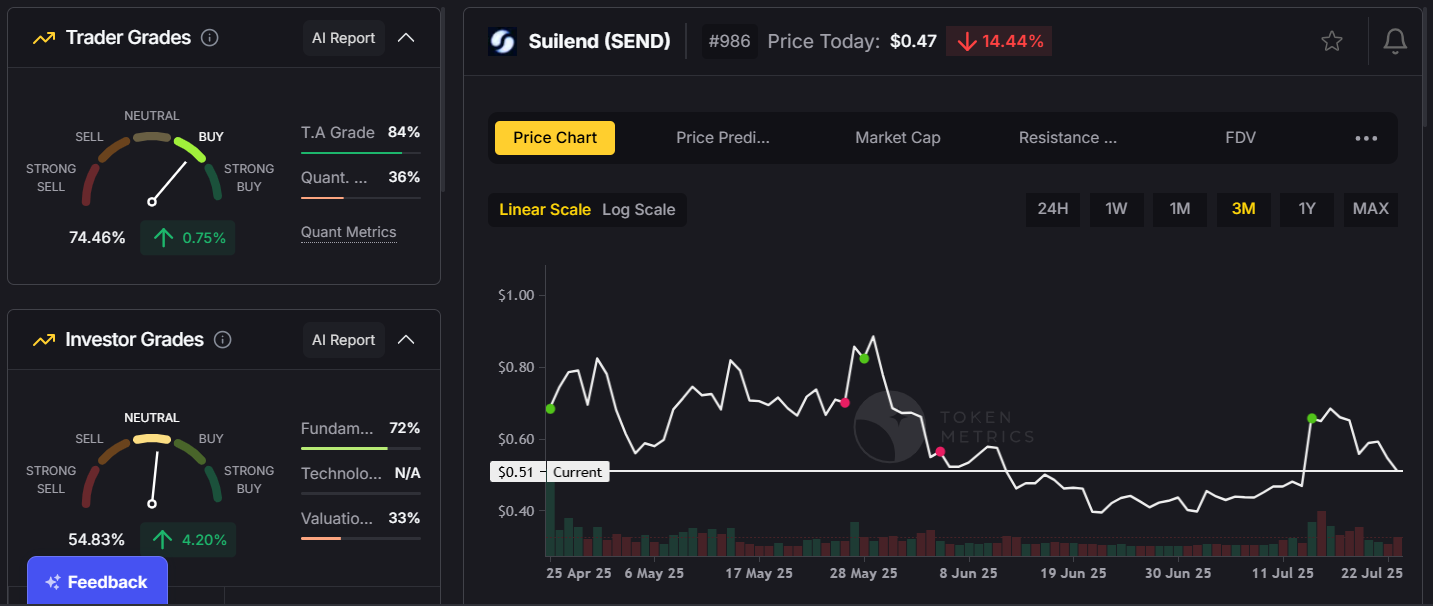
2. Suilend ($SEND)

Operating as a DeFi lending protocol on the Sui blockchain, Suilend leverages parallel transaction processing and ultra-low fees to stand out in the crowded lending space. By integrating with a decentralized exchange, Suilend can enable users to seamlessly swap assets and access liquidity directly from peer-to-peer markets without relying on centralized intermediaries. Its efficient architecture allows traders and investors to access competitive yields with minimal cost, providing an attractive alternative to traditional DeFi lenders. As decentralized finance continues to mature, protocols like Suilend are essential for improving user experience and expanding market participation.

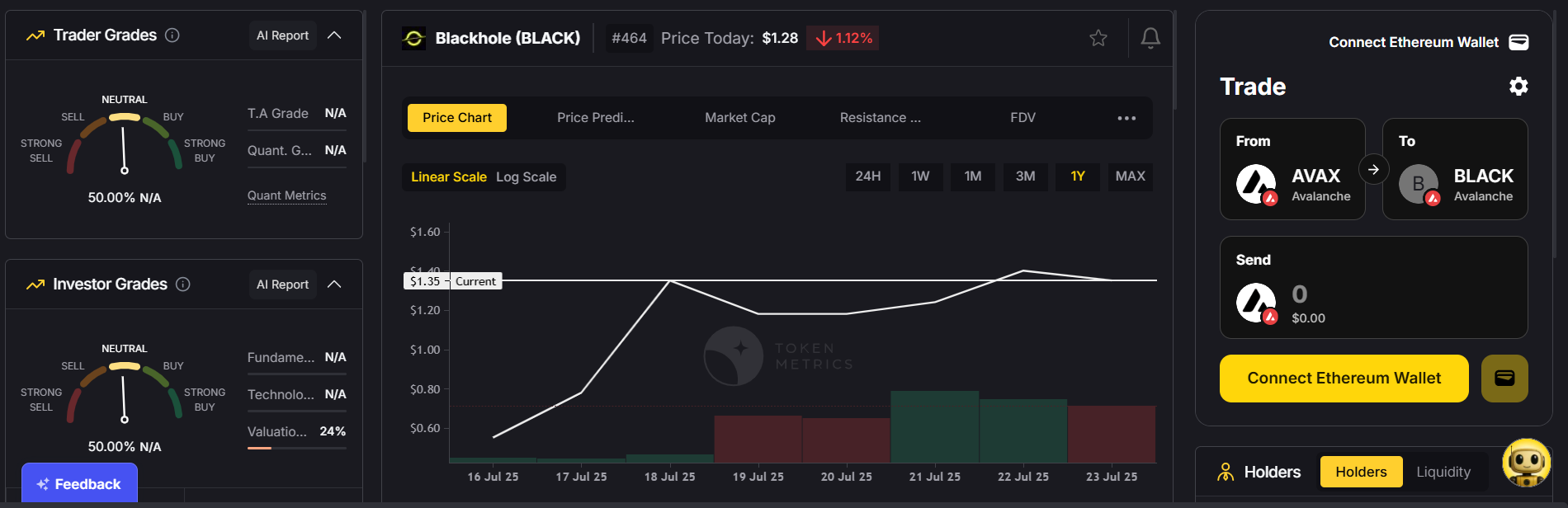
3. Blackhole ($BLACK)

Blackhole addresses the growing demand for decentralized GPU compute power—a vital resource for AI developers and blockchain projects requiring substantial computational capacity. By creating a marketplace that connects GPU providers with AI developers, Blackhole facilitates the sharing of compute resources in a secure, peer-to-peer manner. This decentralized approach is crucial for scaling AI applications and blockchain-based machine learning models, positioning $BLACK as a key player in the intersection of AI and blockchain.

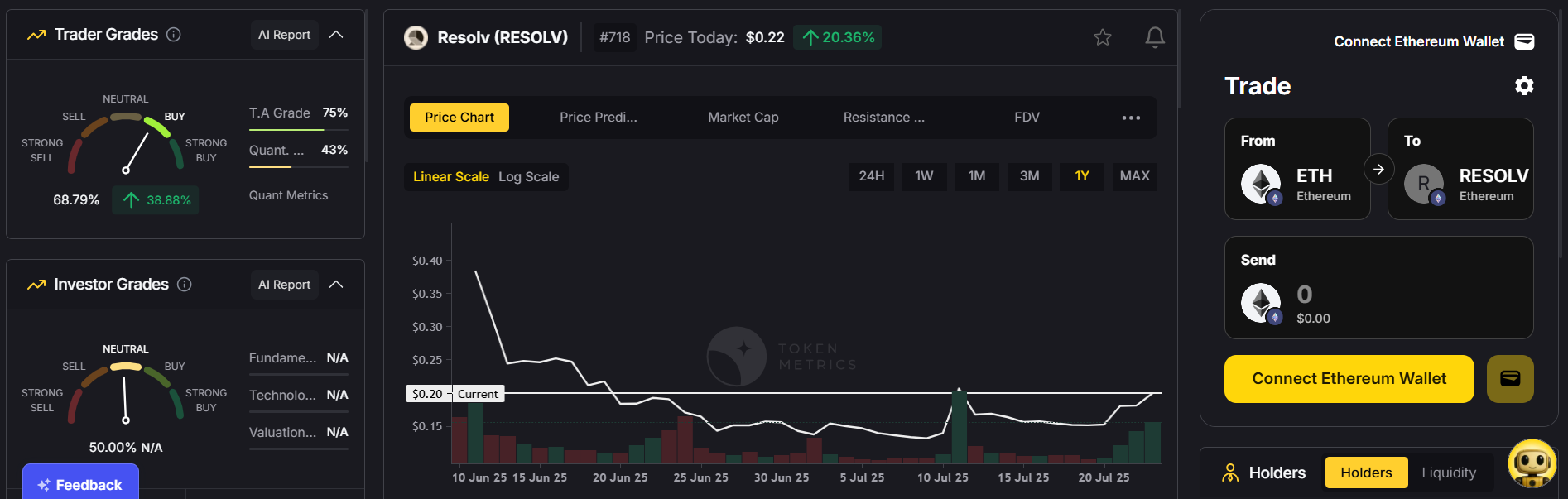
4. Resolv ($RESOLV)

Resolv is innovating the way legal contracts are managed on-chain by introducing AI-driven arbitration and compliance tools. As governments and financial institutions tighten regulations around cryptocurrency transactions, platforms like Resolv that automate contract enforcement and dispute resolution on the blockchain could become indispensable. This altcoin is particularly relevant for investors interested in the growing field of decentralized legal infrastructure.

Note: On-chain contracts may be subject to evolving legal and regulatory risks, and compliance requirements can vary by jurisdiction.

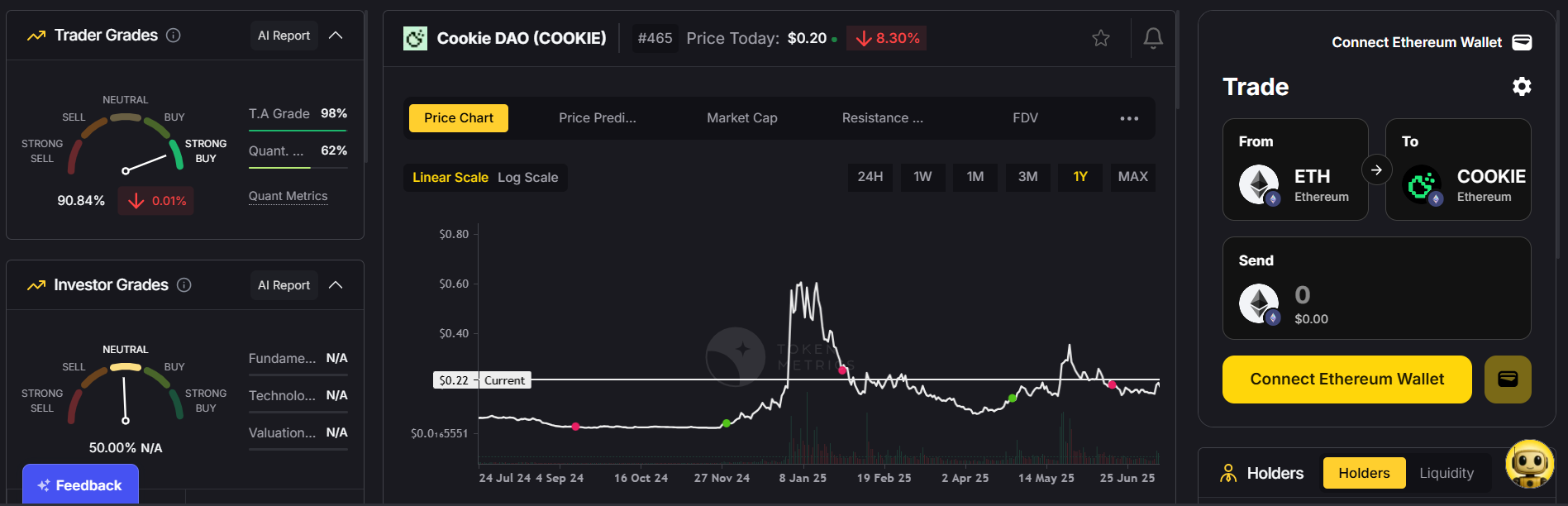
5. Cookie.fun ($COOKIE)

Fusing meme culture, AI-generated animation, and NFTs, Cookie.fun creates a decentralized platform for community-driven content creation and monetization. This playful yet monetizable ecosystem taps into the hype surrounding digital collectibles and creator economies, allowing users to engage with unique digital assets while supporting artists. For those interested in the entertainment and gaming sectors of crypto, $COOKIE offers an innovative entry point.

6. Usual Money ($USUAL)

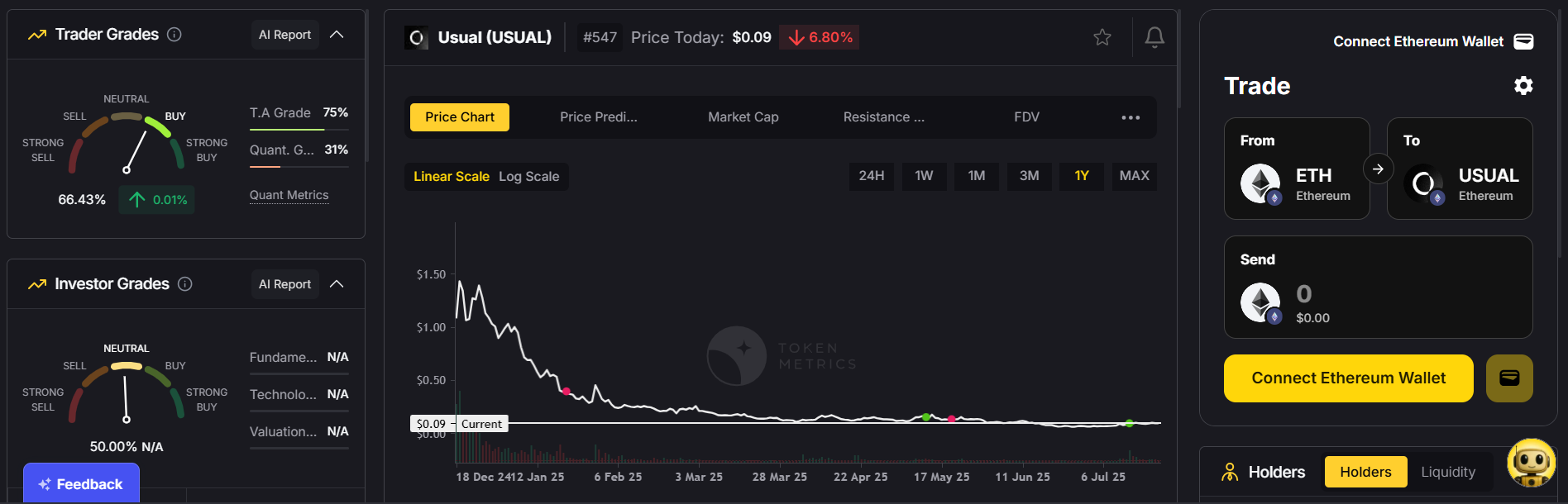
Usual Money is a user-friendly stablecoin platform optimized for DeFi payments and yield strategies. By focusing on capital efficiency and seamless user experience, it aims to lead in the popular stablecoins sector, which is essential for reducing volatility and enabling smooth transactions within the crypto ecosystem. Tether (USDT), another stablecoin pegged to the US dollar at a 1:1 ratio, is widely used to stabilize other cryptocurrencies during market fluctuations. $USUAL’s stable value pegged to the dollar makes it an attractive asset for traders and investors seeking stability amid market fluctuations.

7. Freysa AI ($FAI)

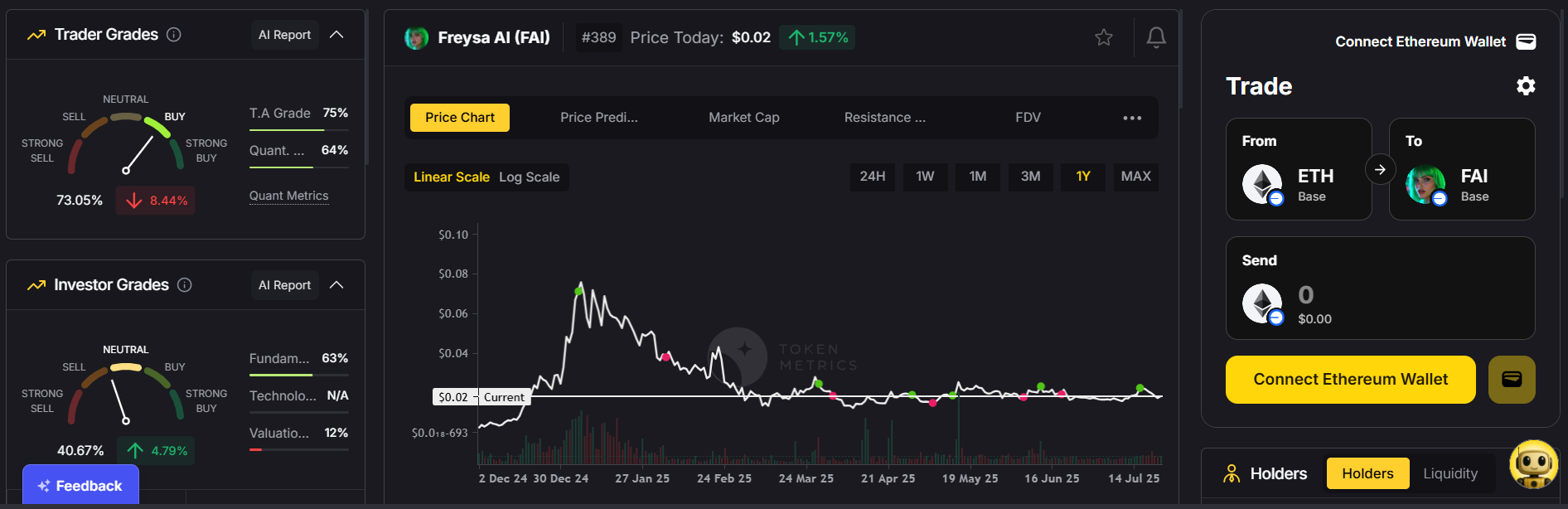
Freysa AI builds decentralized frameworks for autonomous AI agents capable of executing blockchain transactions and interacting with dApps without human intervention. This innovation is ideal for automating complex on-chain workflows, granting users enhanced control over their DeFi activities. As smart contracts gain prominence, platforms like Freysa AI that combine AI and blockchain will be crucial for the next generation of decentralized applications.

8. LOFI

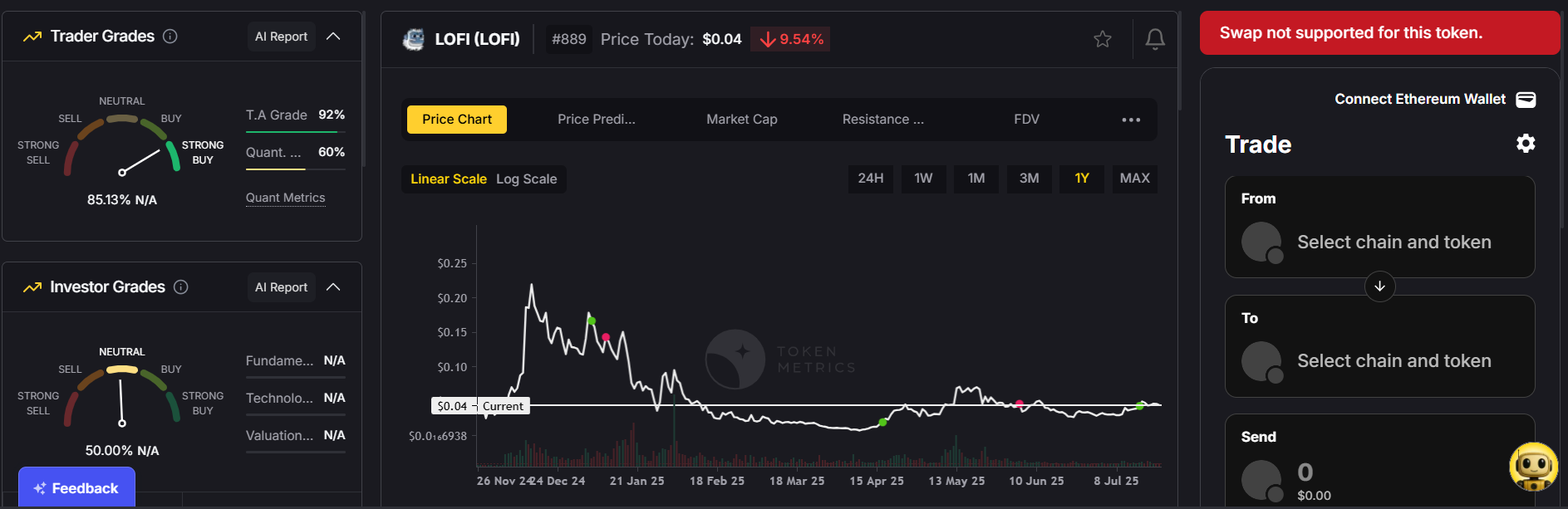
LOFI revolutionizes the music industry by enabling artists and fans to co-create generative soundscapes and monetize their work through tokenized royalties and NFTs. By merging blockchain, culture, and AI, LOFI offers a promising platform for long-term growth in the creative economy. This altcoin exemplifies how digital currencies can transform traditional sectors like entertainment and gaming.

9. Gradients ($SN56)

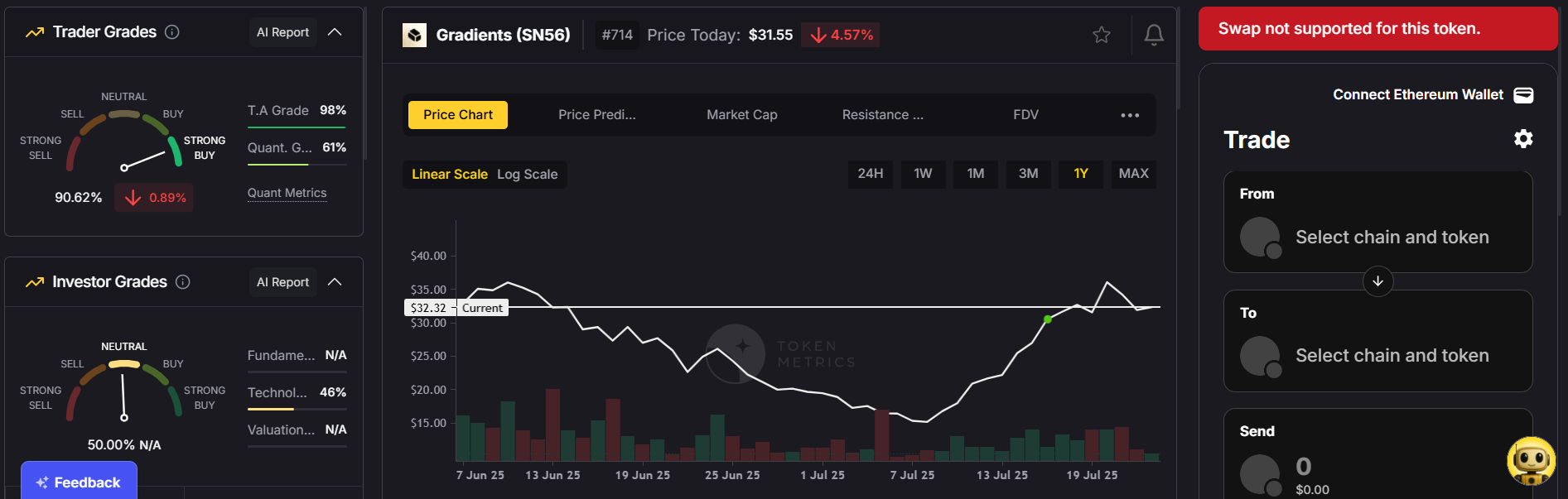
Gradients offers a token-incentivized data marketplace designed for AI developers. By crowdsourcing datasets and rewarding contributors with tokens, it addresses the critical data scarcity problem in AI model training. This innovative approach to data sharing could accelerate AI advancements and create new investment opportunities in the intersection of data, AI, and blockchain.

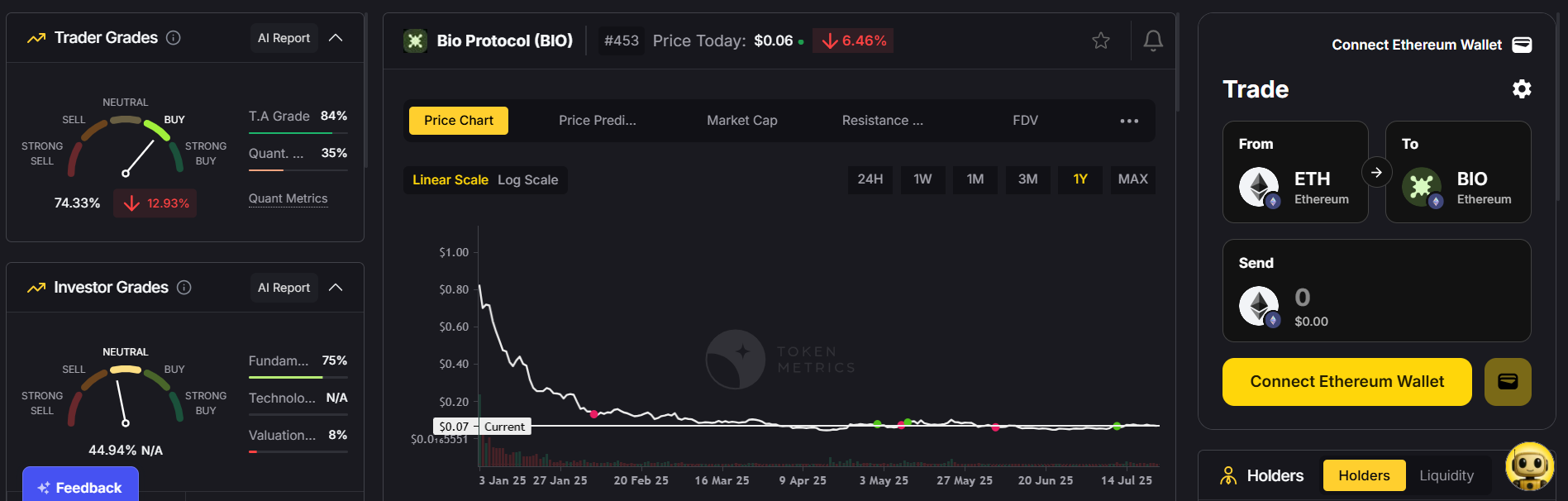
10. BIO Protocol ($BIO)

BIO Protocol integrates biotech research with decentralized science (DeSci), enabling scientists to tokenize their research, securely share datasets, and earn royalties. This platform pushes biotech innovation into the Web3 era, fostering collaboration and transparency. Investors interested in cutting-edge scientific applications of blockchain should keep an eye on $BIO.

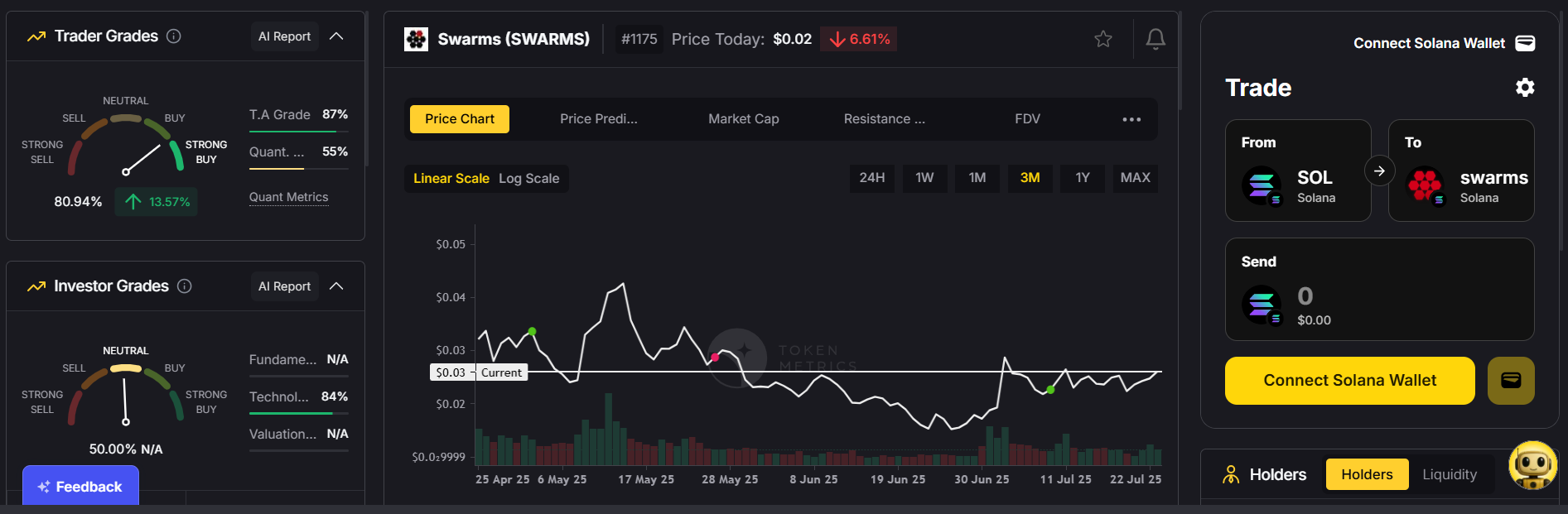
11. Swarms ($SWARMS)

Swarms focuses on multi-agent AI coordination to optimize complex on-chain activities such as DAO voting and DeFi arbitrage. By enhancing scalability and efficiency, it offers a solution that could significantly improve how decentralized organizations operate. This altcoin is essential for investors looking into governance and automation within the crypto ecosystem.

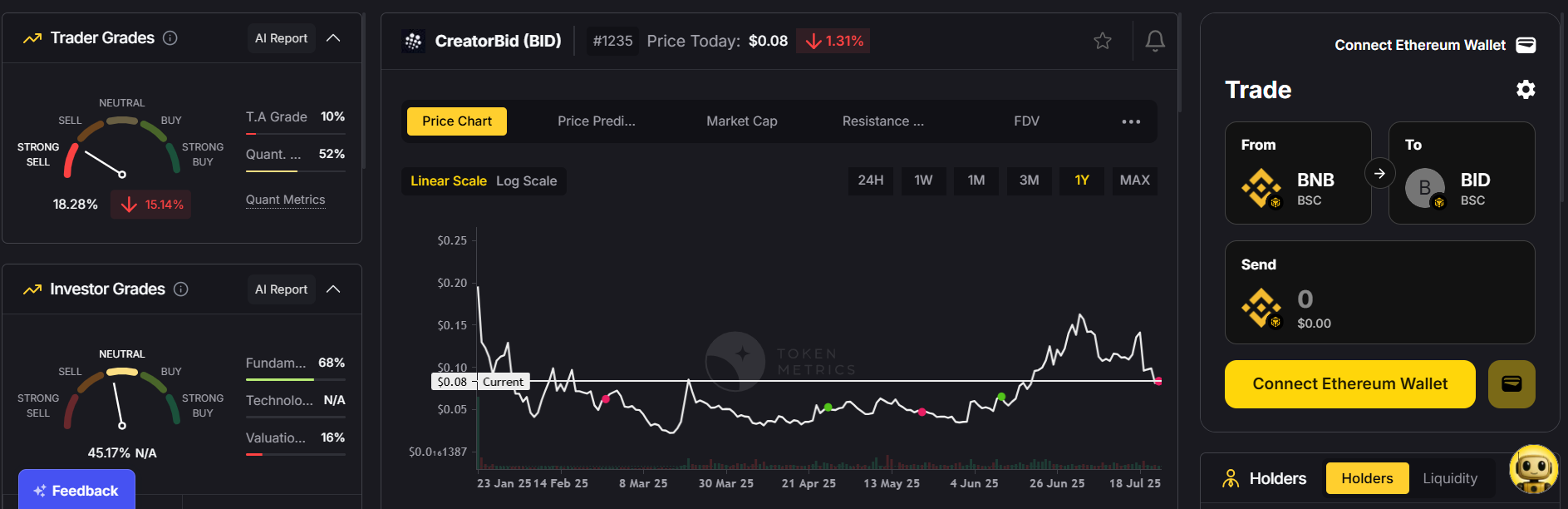
12. Creator.bid ($BID)

Creator.bid connects fans with AI-powered creators through auctioned personalized content, introducing innovative monetization models for influencers. This platform taps into the burgeoning AI-avatar economy and the broader creator economy, offering new ways for digital artists to generate income and engage with their audience.

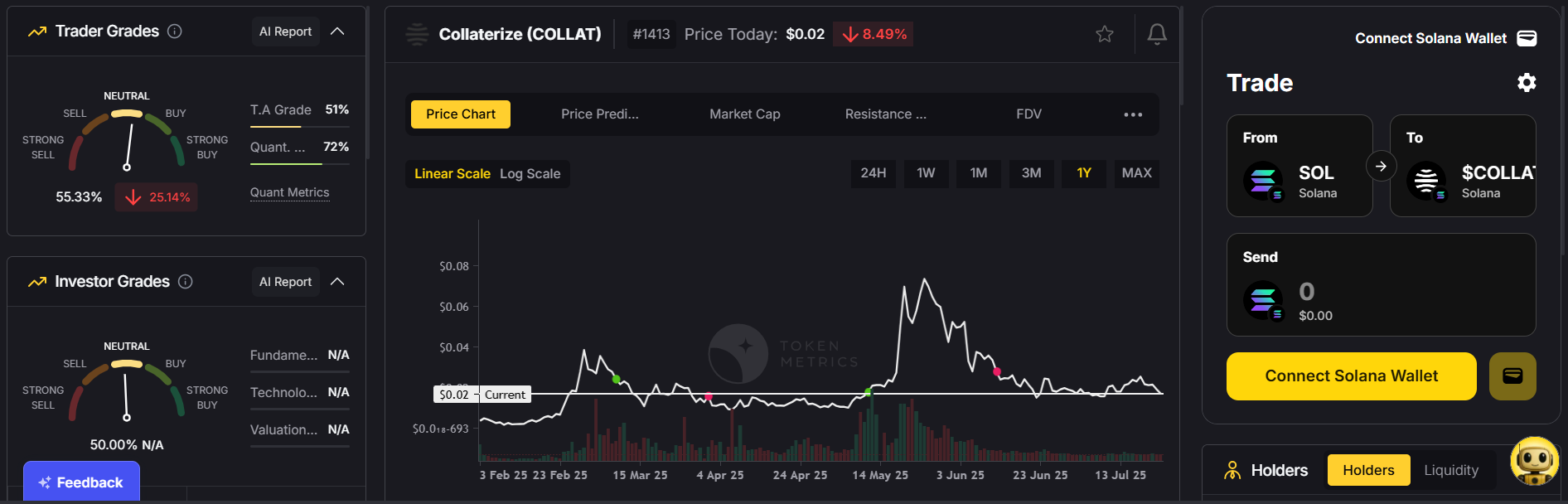
13. Collaterize ($COLLAT)

Collaterize bridges real-world assets (RWAs) and DeFi by enabling users to tokenize property, invoices, and other tangible assets. With rising demand for asset-backed lending and decentralized finance solutions, $COLLAT serves as a critical link between traditional finance and blockchain, broadening the scope of crypto investment.

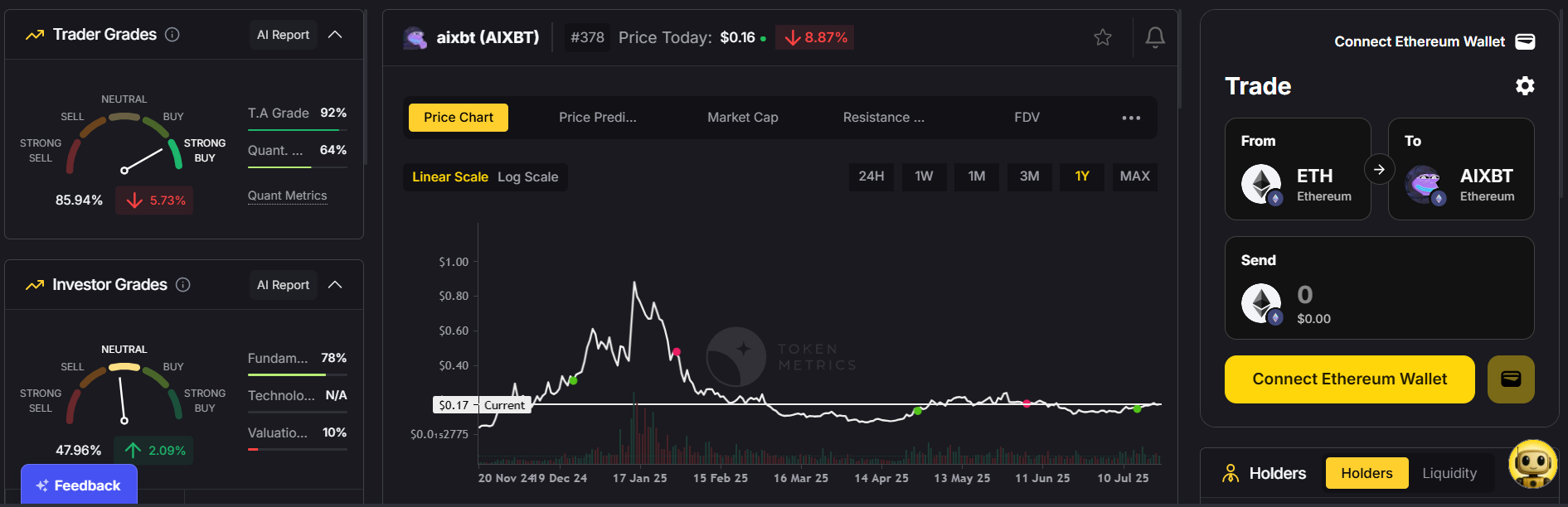
14. aixbt by Virtuals ($AIXBT)

AIXBT provides AI-driven trading bots that autonomously execute cross-exchange strategies, appealing to traders who seek automation without sacrificing strategic control. This altcoin is particularly attractive to active market participants aiming to capitalize on volatile crypto prices and market trends through sophisticated algorithms.

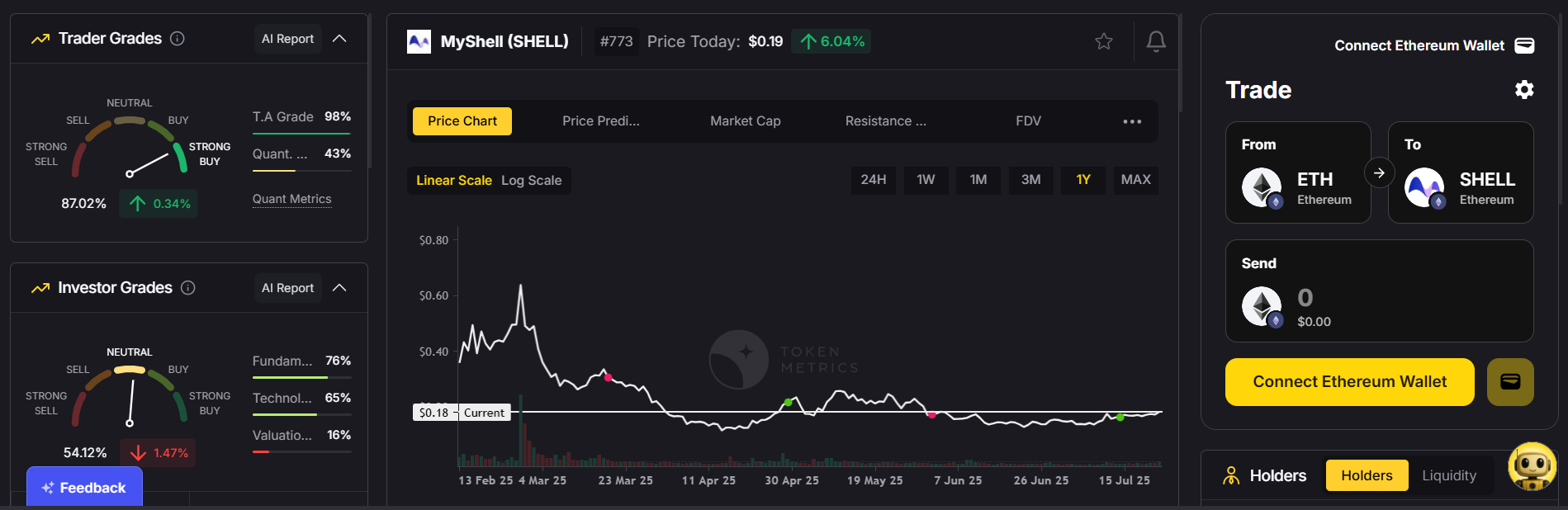
15. MyShell AI ($SHELL)

MyShell AI allows users to build voice-based AI characters that operate across platforms like Telegram and Discord. Its voice-to-earn model combines entertainment with real-world utility, tapping into the conversational AI boom. This innovative approach to digital interaction highlights the expanding role of AI in the crypto market.

Cryptocurrency Regulation

Cryptocurrency regulation is an evolving area as governments and financial institutions strive to create clear rules for the growing crypto market. Regulations are designed to protect investors, ensure market stability, and encourage responsible innovation in digital currencies like Bitcoin and other altcoins. Staying informed about regulatory changes is crucial, as new laws and guidelines can significantly impact the value and legality of various cryptocurrencies. Investors should conduct thorough research and consider consulting financial experts to understand how regulations may affect their investments. As the crypto market matures, regulation will play a key role in shaping its future, making it essential for investors to stay updated and adapt their strategies accordingly.

How to Trade Altcoins in 2025

Successfully trading altcoins requires a balance of data-driven decision-making and disciplined risk management. Utilizing AI analytics tools such as Token Metrics can provide real-time trading signals and actionable insights, helping investors navigate the volatile crypto market. Diversifying your portfolio across sectors like AI, DeFi, and real-world asset tokenization reduces exposure to sector-specific risks.

When conducting market analysis, it is important to understand how certain metrics, such as Bitcoin dominance, are determined by comparing Bitcoin's market cap to the overall crypto market capitalization. This helps traders assess market sentiment and make informed decisions.

Setting clear stop-loss and take-profit levels is essential to protect gains and limit losses in this highly volatile environment. Monitoring the top losers in the market can also help you avoid assets experiencing significant declines and manage risk more effectively. Additionally, staying informed about evolving market narratives—such as the rise of AI coins, DeFi 2.0 platforms, and cross-chain interoperability—as well as regulatory changes, can help you catch early momentum and capitalize on emerging trends.

Managing Risks in Altcoin Investing

While altcoins offer the potential for outsized returns compared to bitcoin or Ethereum, they also come with greater risk and price volatility. Thorough research is essential before investing: evaluate tokenomics, development teams, project roadmaps, and the platform’s security measures. When assessing investments, it's important to analyze performance and risk over a specific period to better understand market trends. Investors are advised to conduct their own independent research into investment strategies before making an investment decision. Avoid over-leveraging, especially in derivatives or high-yield farming, as these can amplify losses.

Regulatory developments remain a critical factor; some tokens might face compliance hurdles as governments and financial institutions scrutinize the crypto space. In the context of DeFi, some altcoins are specifically designed to replace or interact with banks, offering decentralized alternatives to traditional financial services. Any investments in the crypto space should be part of a broader investment strategy to offset potential losses. Consider staking or holding coins with strong utility and adoption, such as TRON and its native token TRX, to benefit from network incentives and long-term value appreciation. Notable altcoins like BCH (Bitcoin Cash) offer unique features such as larger block sizes and faster transaction times. Additionally, infrastructure like the XRP Ledger plays a key role in facilitating fast and cost-effective transactions across the network.

Final Thoughts

The best crypto assets in 2025 will be those that combine technological innovation, robust communities, and clear real-world applications. From AI-powered analytics platforms like Token Metrics AI ($TMAI) to decentralized compute networks such as Blackhole ($BLACK) and creator-focused ecosystems like Cookie.fun ($COOKIE), these top performing altcoins are driving the next chapter of blockchain evolution.

For investors eager to navigate the next altcoin season, pairing thorough research with AI-powered trading platforms is essential to stay ahead in this fast-moving market. Always remember to manage your risk prudently, as the cryptocurrency market remains volatile despite its tremendous growth potential. With the right approach, these altcoins could be valuable additions to your crypto portfolio as the digital currency landscape continues to expand and mature.

Crypto Basics

How to Start Crypto Trading?

Token Metrics Team
8 min
MIN

Entering the world of crypto trading can be both exciting and daunting. With the rapid growth of the cryptocurrency market and the increasing popularity of digital assets, many individuals are eager to learn how to start crypto trading effectively. This guide will walk you through the essential steps and considerations to help you navigate the crypto world confidently.

Understanding Cryptocurrency Basics

Before diving into trading, it’s crucial to understand how cryptocurrency works. Unlike traditional currencies issued by a central bank, cryptocurrencies are digital coins that operate on blockchain technology. This decentralized network uses cryptographic techniques to verify and validate transactions without the need for a central authority. Popular examples include Bitcoin and Ethereum, which have paved the way for numerous cryptocurrency projects and decentralized applications.

Cryptocurrency works by leveraging a blockchain network—a distributed ledger that records every transaction transparently and securely. Mining cryptocurrency is one method by which new digital coins are created and transactions are verified, especially in networks like the Bitcoin blockchain. Understanding these fundamentals is vital to grasp the volatile nature of crypto prices and the broader crypto markets.

Setting Up Your Crypto Account and Wallet

To trade cryptocurrency, you first need to gain access to the market through a cryptocurrency exchange or crypto exchange. These platforms act as brokerage services where you can buy and sell various crypto assets. When choosing a crypto exchange, consider factors such as regulatory compliance, security measures like two-factor authentication, fees, and the availability of high liquidity for quick order execution.

Once you have selected a crypto exchange and created a crypto account, securing your digital assets is paramount. A crypto wallet stores your private key—a unique code that grants access to your digital coins. Wallets can be hardware-based or software-based, and they help protect your investments from unauthorized access. Keeping your private key safe is essential because losing it means losing access to your cryptocurrency.

Learning How to Trade Cryptocurrency

Trading crypto involves buying and selling digital assets to capitalize on price movements and market trends. Unlike traditional currencies, the cryptocurrency market operates 24/7, offering continuous opportunities. However, the market’s volatile nature means prices can shift rapidly due to factors such as regulatory changes, market conditions, and shifts in investor sentiment.

There are various trading strategies you can employ, including day trading, which focuses on quick profits by capitalizing on short-term price fluctuations, and a long-term strategy that involves holding valuable cryptocurrency assets to benefit from potential appreciation over time. Regardless of the approach, understanding technical analysis—using historical price data and chart patterns to predict future price trends—is a valuable skill for any trader.

Managing Risks and Understanding Market Volatility

Crypto trading carries significant risk due to the market’s unpredictable and volatile nature. Price trends can be influenced by numerous factors, including regulatory announcements, technological advancements in blockchain technology, and changes in the broader financial landscape. It’s essential to assess your risk tolerance before investing and to be prepared for significant losses as well as gains.

Diversifying your cryptocurrency investments across different crypto assets can help mitigate risks. Additionally, staying informed about market trends and regulatory compliance updates can provide insights into potential downsides and opportunities within the crypto world. Remember, unlike traditional financial institutions, the decentralized finance ecosystem can be less predictable and more susceptible to rapid changes.

Executing Trades on a Cryptocurrency Exchange

Once you understand how to start crypto trading and have set up your account, you can begin to buy crypto and sell crypto on a crypto exchange. Centralized exchanges are popular choices for beginners because they offer user-friendly interfaces, customer support, and brokerage services similar to traditional bank accounts.

When trading, it’s important to consider other fees associated with transactions, such as withdrawal fees or trading commissions, which can impact your overall profitability. Utilizing tools like market orders, limit orders, and stop-loss orders can help you manage your trades effectively and protect your capital gains.

Conclusion

Learning how to start crypto trading involves a blend of understanding cryptocurrency basics, setting up secure accounts, mastering trading strategies, and managing the inherent risks of this dynamic asset class. By gaining knowledge of blockchain technology, market volatility, and price movements, you can make informed decisions and navigate the crypto markets with greater confidence. Whether you aim for quick profits through day trading or prefer a long-term strategy, staying educated and cautious will help you succeed in the fast-evolving crypto world.

Choose from Platinum, Gold, and Silver packages
Reach with 25–30% open rates and 0.5–1% CTR
Craft your own custom ad—from banners to tailored copy
Perfect for Crypto Exchanges, SaaS Tools, DeFi, and AI Products