Crypto Basics

What is a Crypto Index Fund? - Complete Guide for Crypto Investors

Learn everything about crypto index fund with our comprehensive guide. Gain insights and make informed crypto investment decisions.
Token Metrics Team
9 Minutes
MIN

Investing in cryptocurrency can be overwhelming, especially when there are thousands of digital assets to choose from. But have you ever considered investing in a crypto index fund? 

It's an approach that could simplify your investing process and diversify your portfolio. This guide will take you through the fundamentals of crypto index funds and how they might be a game-changer for your investing strategy.

What is a Crypto Index Fund?

A crypto index fund is a type of investment vehicle that tracks a specific index of cryptocurrencies. 

Similar to traditional stock market index funds, a crypto index fund provides investors with broad market exposure by investing in a basket of various cryptocurrencies. 

This method reduces the risks of investing in individual assets and instead spreads the risk across multiple assets.

Why Invest in Crypto Index Funds?

Diversification - Investing in a single cryptocurrency can be risky. If the coin's value drops, your investment will suffer. However, with a crypto index fund, your investment is spread across multiple cryptocurrencies. If one coin performs poorly, the others may balance it out, reducing the overall risk.

Simplicity - Navigating the crypto landscape can be complex and time-consuming, especially for newcomers. Crypto index funds simplify the process. Instead of researching and buying individual coins, you can invest in many at once.

Accessibility - Some valuable cryptocurrencies are quite expensive. Bitcoin, for example, can be dauntingly high-priced for many investors. With a crypto index fund, you can gain exposure to these costly coins without needing to buy a whole unit.

How Does a Crypto Index Fund Work?

A crypto index fund works similarly to traditional index funds in the stock market. It is a type of pooled investment that tracks a specified cryptocurrency index. 

This index might contain several different cryptocurrencies, weighted by factors like market cap, trading volume, or an equal distribution.

When you invest in a crypto index fund, your money is spread across the different cryptocurrencies included in that index. The fund manager rebalances the fund periodically to ensure it continues to mirror the index it tracks. 

This method allows investors to gain broad exposure to the cryptocurrency market, mitigating the risk of investing in individual coins.

Choosing the Right Crypto Index Fund

When selecting a crypto index fund, consider the following factors:

The Index It Tracks - A fund's performance is dependent on the index it tracks. It's crucial to understand how this index is composed. Some indexes are weighted by market cap, while others might consider equal weighting or use other methodologies. Research what coins are included and how their performance will affect the fund.

Fees - Like all investment products, crypto index funds come with fees. These may include management fees, rebalancing fees, and others. Ensure you understand all associated costs and how they'll impact your returns.

Liquidity - In the crypto world, liquidity refers to the ability to quickly buy or sell an asset without causing a drastic change in its price. A fund with high liquidity will make it easier for you to buy or sell your shares without significantly affecting the price.

Best Crypto Index Funds in 2025

Here are some of the top crypto index funds for 2025 based on their popularity, reliability, and reputation:

  • Token Metrics AI Indices: Combine machine learning with market sentiment to allocate and rebalance crypto portfolios automatically. They feature bullish and bearish signals that guide when to enter or exit an index.
  • Bitwise & Galaxy Indices: Though more traditional, they’re beginning to explore data-driven rebalancing and smart beta strategies.
  • DeFi Pulse Index (DPI): A static sector index for DeFi, but when enhanced with AI (e.g., incorporating protocol usage data), it could evolve into a dynamic performer.

Remember to thoroughly research any fund before investing to ensure it aligns with your investment goals and risk tolerance.

Getting Started with Crypto Index Funds

Select a Fund - After considering the factors mentioned above, choose a fund that aligns with your investment goals. Some popular crypto index funds include the Bitwise 10 Crypto Index Fund and the Coinbase Index Fund.

Open an Account - To invest in a crypto index fund, you'll likely need to create an account with the platform that offers the fund. The process typically involves providing some personal information for identification and setting up a secure password.

Purchase Shares - Once your account is set up, you can buy shares in the index fund. The price of a share typically reflects the net asset value (NAV) of the fund's underlying assets. 

You'll have a stake in all the cryptocurrencies that the fund tracks, in proportion to their presence in the index.

Monitor and Adjust - Keep an eye on your investment and the performance of the underlying index. Depending on the fund, your investment may be automatically rebalanced periodically. 

However, it's essential to stay informed and adjust your holdings if necessary, based on your investment goals and risk tolerance.

Risks and Rewards

Investing in crypto index funds, like all investment vehicles, comes with both risks and rewards. The diversified nature of index funds can cushion against market volatility, providing a more stable investment. However, the crypto market as a whole is subject to high volatility, and crypto index funds are not immune.

Risks

Market Volatility: Cryptocurrencies are known for their extreme volatility. While diversification can mitigate some risk, a crypto index fund is still subject to the ups and downs of the market.

Regulatory Risk: As the regulatory landscape for cryptocurrencies continues to evolve, sudden changes could impact the market and, consequently, the performance of the fund.

Liquidity Risk: Depending on the assets within the index, some coins may not be as readily tradable as others, posing a liquidity risk.

Rewards

Diversification: Crypto index funds spread the risk among multiple cryptocurrencies, which can provide more stability than investing in individual coins.

Accessibility: These funds offer an easy way to gain exposure to a range of cryptocurrencies without the need to buy and manage them individually.

Management: Crypto index funds are managed by professionals who rebalance the portfolio regularly, ensuring it continues to reflect its target index.

Crypto Index Funds Vs Crypto ETFs

Crypto index funds and Crypto ETFs (Exchange-Traded Funds) both offer exposure to a basket of different cryptocurrencies. However, there are some key differences:

Trading: ETFs trade on traditional stock exchanges and can be bought or sold during trading hours at market prices. Index funds, on the other hand, are typically purchased or redeemed at the day's closing net asset value (NAV).

Accessibility: Generally, ETFs are more accessible because they can be purchased through any brokerage account. Index funds might require an account with the specific platform offering the fund.

Management: Both are managed funds, but ETFs often track passive indexes, while index funds can be either passively or actively managed.

Are Crypto Index Funds Good for Investment?

Crypto index funds can be a good investment for those who want exposure to the crypto market without needing to research and manage individual cryptocurrencies. 

They provide a level of diversification that can mitigate risk and are generally less volatile than individual coins. 

However, like all investments, they come with their own risks and should be chosen based on individual investment goals, risk tolerance, and market understanding.

Future of Crypto Index Funds

Crypto index funds are likely to grow in popularity as more investors seek diversified exposure to the cryptocurrency market. 

As the market matures and more institutional investors enter the space, the demand for professionally managed, diversified investment products like index funds is expected to rise. Regulatory clarity could further enhance their adoption and growth.

Also Read - Crypto Crashing - Everything You Need to Know

Frequently Asked Questions

Q1. Can I create my own crypto index fund?

Technically, an individual could create their own "index" by purchasing a variety of cryptocurrencies in proportions that mimic an established crypto index. 

However, creating an official index fund that others can invest in requires significant financial and legal infrastructure, including regulatory compliance.

Q2. Are crypto index funds available globally?

While many crypto index funds aim to cater to a global audience, availability can be subject to local regulations. 

Some countries may have restrictions or prohibitions on such investments. Always check with your local regulatory authority before investing.

Q3. Can I lose all my money in a crypto index fund?

As with any investment, there's a risk involved. However, the diversification of index funds typically mitigates the chance of losing the entire investment. That being said, the crypto market can be highly volatile, and significant losses are possible.

Q4. What is the minimum investment for a crypto index fund?

Minimum investment amounts vary between different crypto index funds. Some funds might have a very low minimum, making them accessible to beginners, while others could require substantial initial investments. Always check the fund's terms before investing.

Q5. How often are crypto index funds rebalanced?

The frequency of rebalancing depends on the specific fund. Some funds might rebalance monthly, quarterly, or based on specific market conditions. Rebalancing helps ensure the fund accurately reflects its target index.

Q6. Can I invest in a crypto index fund through my traditional broker?

It depends on the broker and the specific fund. Some traditional brokers have started offering access to crypto index funds, while others have not. You will need to check with your broker to see if this is an option.

Q7. How are crypto index funds taxed?

The tax implications of investing in crypto index funds vary based on jurisdiction. In many cases, these funds are subject to capital gains tax, but the specifics can vary. It's important to consult with a tax professional to understand the implications fully.

Q8. Can I withdraw my money at any time from a crypto index fund?

This depends on the specific terms of the fund. Some funds might have lock-up periods or penalties for early withdrawal. Be sure to understand these terms before investing.

Conclusion

In conclusion, crypto index funds offer a simplified and diversified way to gain exposure to the cryptocurrency market. 

They are suitable for both beginners seeking a straightforward way into the crypto world and experienced investors looking to diversify their portfolio. 

As always, ensure you understand the risks involved and do your due diligence before investing. Happy investing!

Disclaimer

The information provided on this website does not constitute investment advice, financial advice, trading advice, or any other sort of advice and you should not treat any of the website's content as such.

Token Metrics does not recommend that any cryptocurrency should be bought, sold, or held by you. Do conduct your own due diligence and consult your financial advisor before making any investment decisions.

Build Smarter Crypto Apps &
AI Agents in Minutes, Not Months
Real-time prices, trading signals, and on-chain insights all from one powerful API.
Grab a Free API Key
Token Metrics Team
Token Metrics Team

Recent Posts

Crypto Basics

Best Crypto Exchanges for July 2025

Token Metrics Team
6 min
MIN

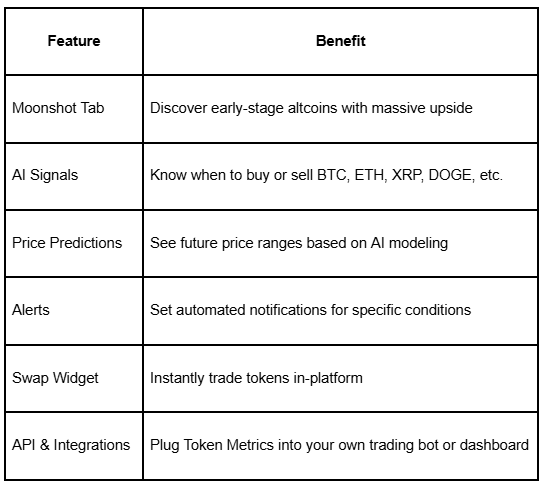
Cryptocurrency adoption has surged in 2025, with Bitcoin reaching over $118,000 and Ethereum climbing above $3,000. Whether you’re a beginner or an advanced trader, choosing the right exchange or trading app is critical. But while exchanges handle your transactions, it’s tools like Token Metrics that give you the edge—using AI to deliver real-time analytics, trading signals, moonshot altcoin picks, and price predictions.

In this guide, we’ll cover the top exchanges and apps for July 2025, along with Token Metrics, the best platform for AI-powered crypto research and trading.

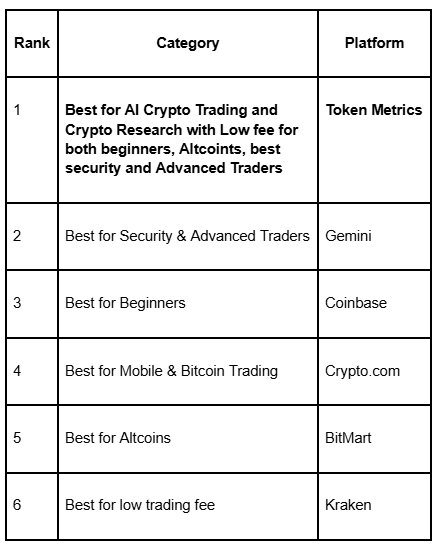
🔝 Top Crypto Platforms for July 2025

‍

🧠 Token Metrics: Best AI Crypto Trading Platform

Token Metrics stands out not as an exchange, but as an AI-powered research, analytics, and trading platform. It gives retail and institutional investors data-driven insights to make smarter trades across any exchange.

Why Token Metrics is #1 for AI Crypto Trading:

  • AI-Generated Buy/Sell Signals
    Token Metrics’ signals dashboard uses over 80 data points to issue bullish or bearish calls on top tokens. For example, the AI turned bullish on Bitcoin on June 28, just before it surged past $118,000.

‍

  • Moonshots for Early-Stage Altcoins
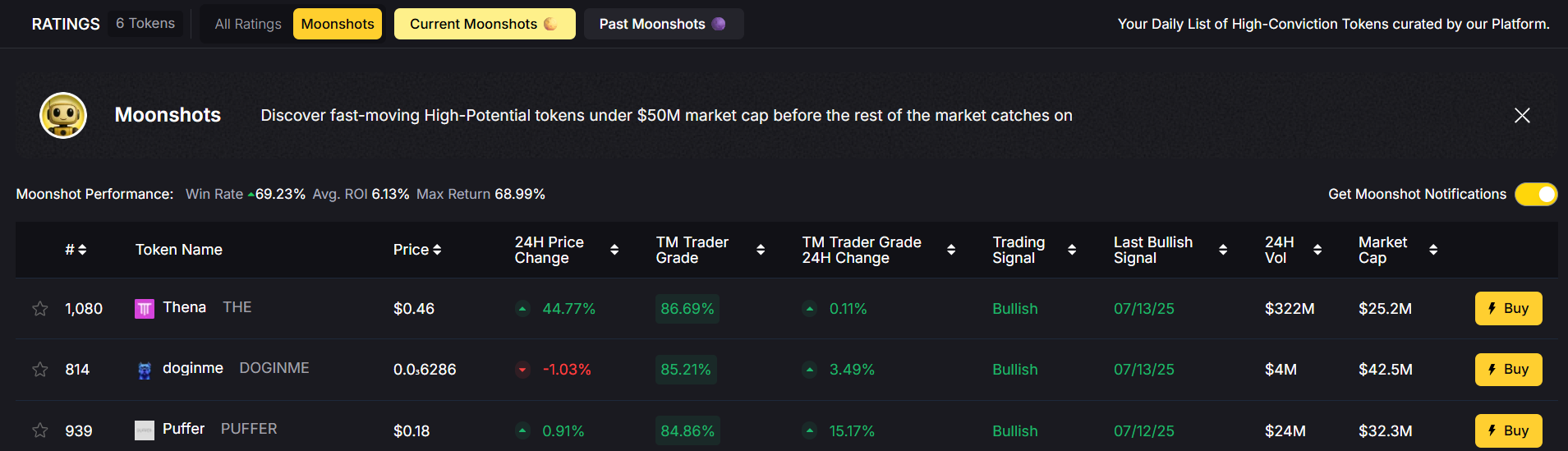
    The Moonshots tab identifies low-cap altcoins with 10x–100x potential based on momentum, AI scores, and liquidity—long before they hit mainstream exchanges.

‍

  • Price Forecasting Models
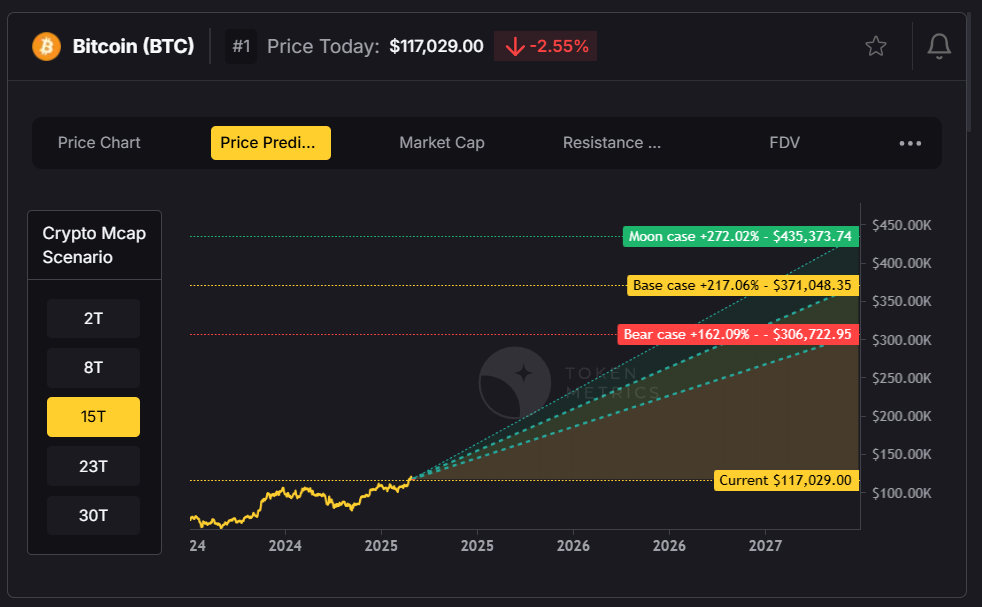
    Token Metrics predicts short-, medium-, and long-term prices for major tokens. Bitcoin’s 2026 forecast, for example, ranges between $150,000–$230,000, based on ETF flows, supply on exchanges, and macroeconomic signals.

‍

  • Custom Alerts
    Users can set alerts based on price, trader grade, or AI signals, delivered instantly via Email, Telegram, SMS, or Slack.

‍

  • Integrated Swap Widget
    You can research, analyze, and buy tokens directly via Token Metrics’ swap widget—all in one dashboard.

Whether you’re trading on Kraken, Coinbase, or Binance, Token Metrics plugs into your strategy and helps you trade with confidence, using real-time AI insights.

⚙ Top 5 Crypto Exchanges for July 2025

đŸ„‡ Kraken – Best for Low Fees

  • Maker Fees: 0.00%–0.25%
  • Taker Fees: 0.10%–0.40%
  • Minimum Deposit: $10
  • Crypto Offered: 300+

Kraken is ideal for fee-sensitive traders. It’s available on web, mobile, desktop, and Kraken Pro. However, it's not available in all U.S. states and lacks FDIC or SIPC insurance.

đŸ„ˆ Gemini – Best for Security & Experienced Traders

  • Maker Fees: 0.00%–0.20%
  • Taker Fees: 0.03%–0.40%
  • Minimum Deposit: $0
  • Crypto Offered: 70

Gemini is the most secure exchange in 2025, with FDIC insurance, crypto insurance, and advanced features through its ActiveTrader terminal. But it has a complex fee structure and limited assets.

đŸ„‰ Coinbase – Best for Beginners

  • Maker Fees: 0.00%–0.40%
  • Taker Fees: 0.05%–0.60%
  • Minimum Deposit: $0
  • Crypto Offered: 240

Coinbase is ideal for newcomers with its clean UI, beginner-friendly tools, and educational content. It’s available in 172 countries, though advanced traders might want more features.

đŸ“± Crypto.com – Best Mobile App & Bitcoin Trading

  • Maker Fees: 0.00%–0.25%
  • Taker Fees: 0.05%–0.50%
  • Minimum Deposit: $20
  • Crypto Offered: 417

With a sleek mobile app and support for Bitcoin options and futures, Crypto.com is perfect for on-the-go traders. However, it only supports a hot wallet and has limited global access.

đŸȘ™ BitMart – Best for Altcoins

  • Fees: Varies by tier (0.04%–0.60%)
  • Minimum Deposit: Not disclosed
  • Crypto Offered: 1,700+

BitMart is the best place to find rare altcoins. With copy trading and BitMart Academy, it’s useful for altcoin hunters. But its lack of transparency on security is a concern.

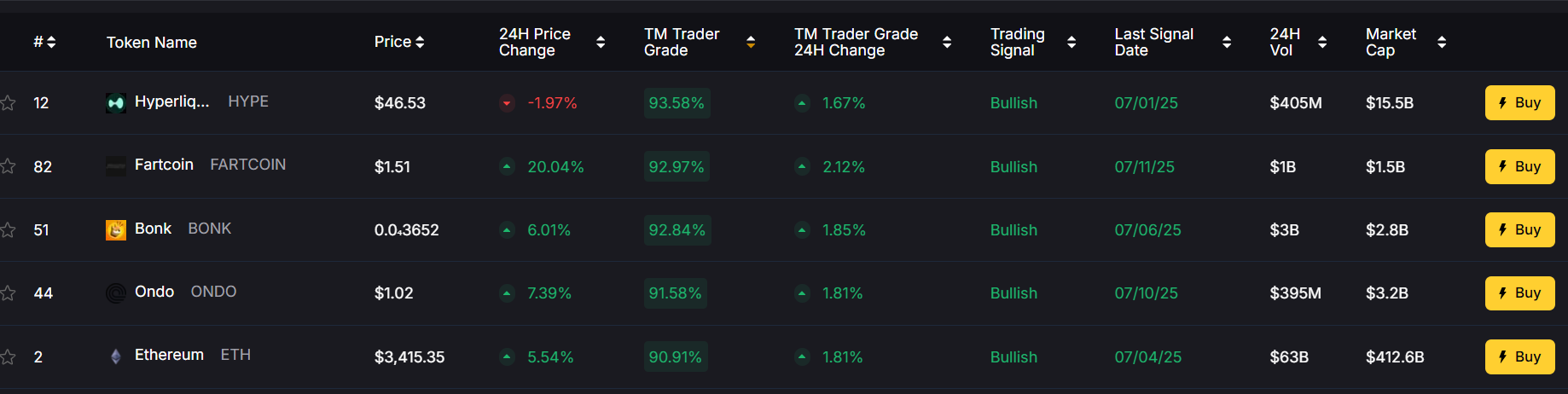
✅ Why Token Metrics Complements These Exchanges

‍

⚠ Reminder: Crypto Is Risky

Crypto markets are volatile and speculative. While these exchanges and tools can improve your strategy, always do your own research (DYOR) and consult professionals when investing.

Final Thoughts

If you want to trade crypto in July 2025, pair a high-quality exchange like Kraken or Coinbase with a research powerhouse like Token Metrics. Exchanges execute trades—but Token Metrics tells you what to trade, when to trade, and why.

Crypto Basics

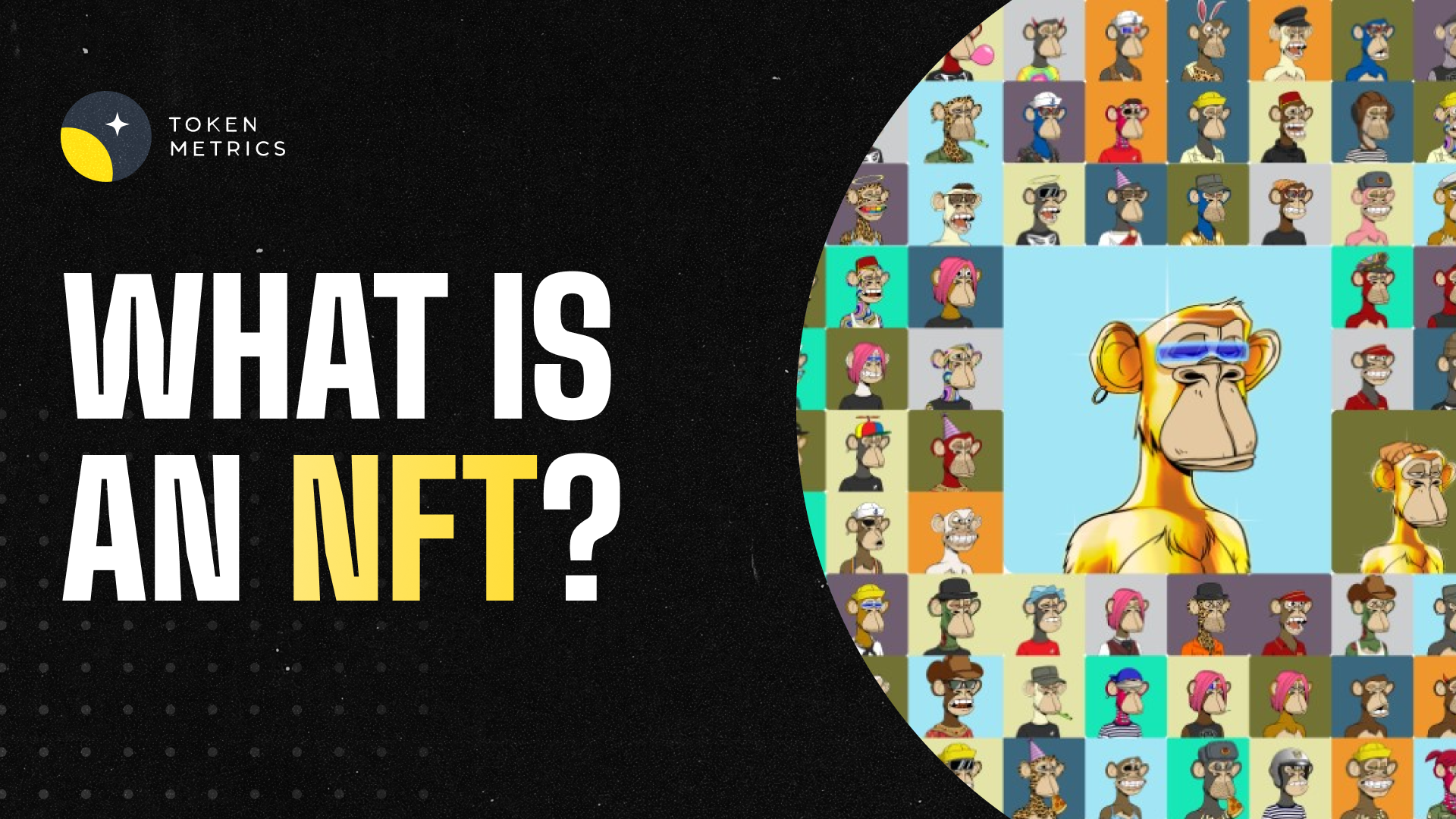
What Is an NFT? Complete Guide to Non-Fungible Tokens (2025)

Token Metrics Team
6 min
MIN

Over the past few years, NFTs (Non-Fungible Tokens) have exploded in popularity—revolutionizing the way we think about digital ownership, art, gaming, collectibles, and more. In 2025, NFTs continue to shape the future of the internet, transforming everything from music rights to virtual real estate.

If you're wondering “What is an NFT?” or how they actually work, this guide breaks it down for you. We’ll also explore how AI-powered tools like Token Metrics can help you identify high-value NFT-related tokens and investment opportunities.

🔍 What Does NFT Stand For?

NFT stands for Non-Fungible Token. Let’s break that down:

  • Token: A digital asset that exists on a blockchain.
  • Non-Fungible: It’s unique and cannot be replaced with something else of equal value. (Unlike cryptocurrencies like Bitcoin, where each BTC is the same.)

So, an NFT is a unique digital asset stored on a blockchain, representing ownership of a specific item—like artwork, music, a tweet, a game character, or a piece of virtual land.

🎹 What Can Be an NFT?

NFTs aren’t just limited to pixelated apes or JPEGs. In 2025, NFTs power a broad range of digital assets:

  • Digital Art: Artworks, animations, and generative art
  • Collectibles: Rare items like trading cards or profile picture (PFP) projects
  • Gaming Assets: In-game skins, weapons, characters, and land (e.g., in The Sandbox or Decentraland)
  • Music and Media: Songs, albums, and exclusive content drops
  • Virtual Real Estate: Land parcels in the metaverse
  • Domain Names: Blockchain-based domain ownership
  • Identity & Access: Membership passes, event tickets, or certification credentials

Each NFT has a unique identifier and metadata that distinguish it from any other asset.

đŸ› ïž How Do NFTs Work?

NFTs are built and recorded on blockchains, most commonly on Ethereum using ERC-721 or ERC-1155 standards. Here’s how they work:

  1. Minting: Turning a digital file into a token on the blockchain
  2. Metadata: Storing details like title, creator, image URL, and traits
  3. Ownership: A smart contract verifies the wallet that owns the NFT
  4. Transferability: NFTs can be sold, traded, or gifted using marketplaces

Because of blockchain immutability, ownership is transparent, verifiable, and permanent.

📈 Why Are NFTs Valuable?

Several reasons explain the rising value and popularity of NFTs:

  • Digital Ownership: You own the asset—not a platform
  • Proven Scarcity: Many NFTs are limited in supply
  • Creator Royalties: Artists earn fees on secondary sales
  • Utility & Access: Some NFTs unlock real-world benefits, games, or private groups
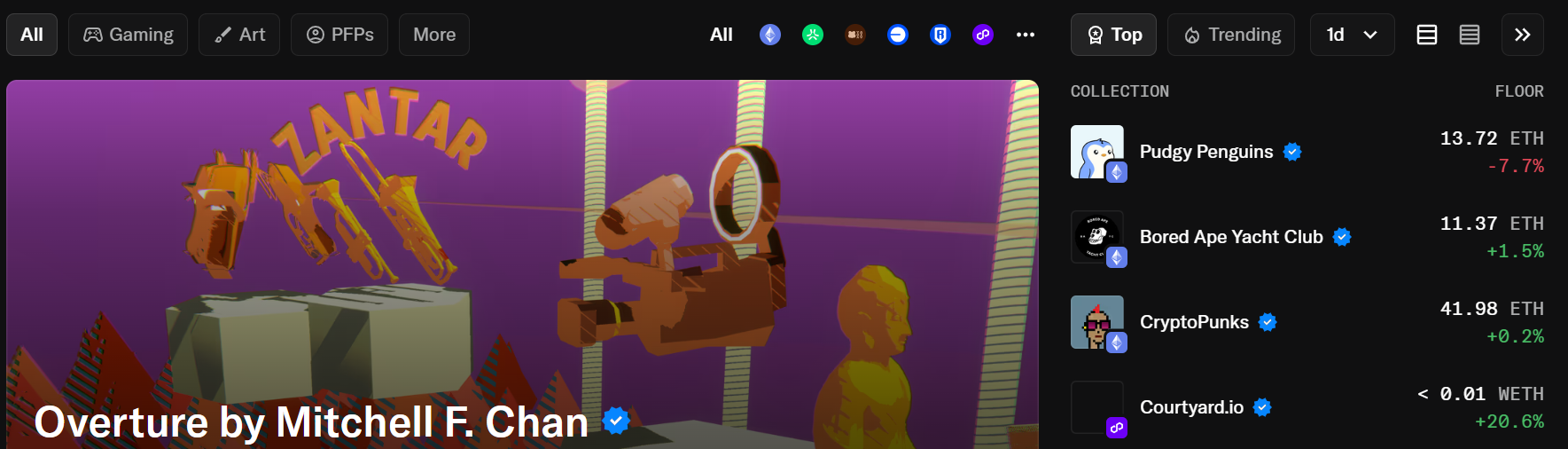
  • Social Status: PFPs like CryptoPunks or Bored Ape Yacht Club are digital status symbols
  • Speculation: Many treat NFTs as investments, betting on future appreciation

In 2025, NFTs have gone beyond hype to form the foundation of Web3 identity and ownership.

💰 How to Buy an NFT

To buy an NFT, you’ll need:

  1. A crypto wallet (like MetaMask)
  2. Some ETH or other supported crypto for payment and gas fees
  3. An NFT marketplace like OpenSea, Blur, Magic Eden, or Rarible

Steps to Buy:

  • Fund your wallet
  • Connect to a marketplace
  • Browse collections
  • Click “Buy Now” or place a bid
  • Approve the transaction

Once purchased, the NFT is transferred to your wallet and viewable on your profile.

⚠ Are NFTs Safe?

NFTs are secure if you follow best practices. However, scams and phishing attacks are common.

Security Tips:

  • Never share your seed phrase
  • Verify contract addresses before minting
  • Don’t connect your wallet to unknown sites
  • Use hardware wallets for high-value NFTs
  • Bookmark official sites

🧠 How Token Metrics Helps You Identify NFT-Related Investments

NFTs are not just collectibles—they’re tied to blockchain ecosystems and tokens. Platforms like Token Metrics help you identify high-potential NFT projects, gaming ecosystems, and utility tokens powering the space.

✅ How Token Metrics Helps:

  • AI-powered Grades: See which NFT-related tokens are trending with Trader & Investor Grades
  • Moonshots Tab: Find small-cap NFT tokens with 10x–100x potential
  • Thematic Indices: Invest in curated NFT indices powered by Token Metrics AI
  • Token Details Page: Dive deep into any NFT-related token’s fundamentals, holders, and performance

Whether it’s $IMX, $MAGIC, $APE, or a metaverse play like $MANA, Token Metrics gives you a data-driven edge.

đŸ§© Popular NFT Blockchains in 2025

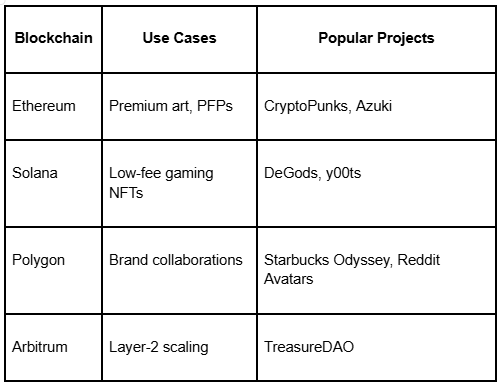
NFTs are no longer limited to Ethereum. In 2025, several chains offer faster, cheaper minting and trading:

Token Metrics tracks all these chains, offering a cross-chain perspective for NFT investing.

đŸȘ™ What Are NFT Tokens?

Many NFT ecosystems have their own fungible tokens used for governance, staking, or ecosystem rewards. Examples include:

  • $APE (Bored Ape Yacht Club)
  • $MAGIC (TreasureDAO)
  • $IMX (Immutable X)
  • $LOOKS (LooksRare)
  • $BLUR (Blur marketplace)

These tokens can rise in value based on NFT trading volume, user adoption, and staking incentives. Token Metrics’ analytics help traders spot breakout opportunities early.

🚀 Future of NFTs in 2025 and Beyond

NFTs are evolving fast. In 2025, they’re used for more than art and gaming:

  • NFTs as IDs: Used for logging into apps and verifying reputation
  • Real-world assets: Tokenizing real estate, music royalties, and legal contracts
  • DeFi integrations: NFTs used as collateral in lending protocols
  • Event access: NFTs as tickets for IRL and virtual experiences
  • AI x NFTs: Generative AI tools minting and managing NFT metadata autonomously

Expect continued innovation, and stay ahead using tools like Token Metrics.

🧠 Final Thoughts: Are NFTs Worth It?

NFTs are more than a trend — they represent the digitization of ownership in the Web3 era. From art and identity to games and finance, NFTs unlock new possibilities for creators and collectors alike.

If you're looking to explore NFT opportunities beyond collectibles—Token Metrics gives you the data, AI tools, and insights you need to invest intelligently.

Crypto Basics

How to Create a Crypto Wallet: A Complete Beginner’s Guide (2025)

Token Metrics Team
6 min
MIN

As the popularity of cryptocurrencies continues to grow in 2025, more people are seeking safe and secure ways to manage their digital assets. The first step in your crypto journey? Creating a crypto wallet.

In this guide, we’ll explain:

  • What a crypto wallet is
  • Different types of wallets
  • How to create one (step-by-step)
  • Tips for securing your wallet
  • How Token Metrics can help you trade smarter after setup

đŸȘ™ What Is a Crypto Wallet?

A crypto wallet is a digital tool that allows you to store, receive, and send cryptocurrencies like Bitcoin, Ethereum, and thousands of altcoins. Instead of holding physical money, it stores your private and public keys, giving you access to your blockchain assets.

Two Major Types:

  1. Hot Wallets – connected to the internet (ideal for active users)
  2. Cold Wallets – offline and more secure (ideal for long-term storage)

Whether you're buying Bitcoin for the first time or diving into DeFi tokens, you'll need a crypto wallet to safely store and manage your coins.

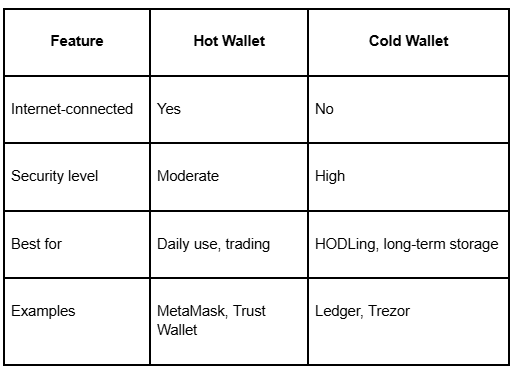
đŸ”„ Hot Wallets vs. 🧊 Cold Wallets

‍

‍

Hot wallets are easier to set up and use, while cold wallets offer greater protection against hacks and malware.

đŸ› ïž How to Create a Crypto Wallet (Step-by-Step)

Option 1: Creating a Hot Wallet (e.g., MetaMask or Trust Wallet)

Step 1: Download the App or Browser Extension

Step 2: Create a New Wallet

  • Click “Create a Wallet”
  • Set a strong password

Step 3: Backup Your Recovery Phrase

  • Write down the 12 or 24-word seed phrase
  • Store it offline (NOT on your phone or computer)

Step 4: Confirm Your Recovery Phrase

  • MetaMask will ask you to re-enter it to ensure it's saved correctly

Step 5: Wallet is Ready

  • You can now receive, send, and store ETH, ERC-20 tokens, and NFTs

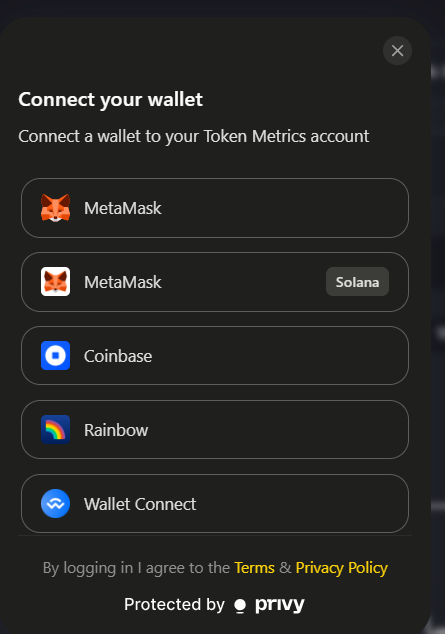
✅ Pro Tip: Connect your wallet to Token Metrics to explore trading signals, moonshots, and AI analytics directly.

Option 2: Creating a Cold Wallet (e.g., Ledger Nano X)

Step 1: Buy a Ledger or Trezor device

  • Always order from the official website to avoid tampered devices

Step 2: Install Wallet Software

  • Download Ledger Live or Trezor Suite

Step 3: Set Up Device and PIN

  • Follow the on-screen instructions
  • Create a secure PIN code

Step 4: Write Down Your Recovery Phrase

  • The device will show a 24-word seed phrase
  • Write it down and store it in a fireproof safe

Step 5: Start Receiving Crypto

  • Use Ledger Live or Trezor Suite to generate wallet addresses
  • Send crypto from exchanges or other wallets

✅ Pro Tip: Use your cold wallet to store moonshots and long-term assets, then analyze performance using Token Metrics Portfolio tools.

đŸ›Ąïž Tips for Securing Your Crypto Wallet

  1. Never share your seed phrase
    Anyone with your seed phrase can steal your funds

  2. Enable Two-Factor Authentication (2FA)
    For added protection on wallet apps and exchange accounts

  3. Use a strong, unique password
    Avoid reusing passwords across multiple accounts

  4. Avoid phishing sites
    Always double-check URLs before connecting your wallet

  5. Keep backups offline
    Use metal seed plates or paper stored in multiple safe locations

🔎 How Token Metrics Supports Your Wallet Journey

While Token Metrics doesn't create wallets, it integrates seamlessly with your Web3 wallets to help you maximize profits and minimize risks.

1. AI-Powered Ratings

Once your wallet is set up, use Token Metrics to find top-rated tokens across risk levels, market caps, and sectors.

2. Moonshots Dashboard

Explore early-stage tokens with massive upside using the Moonshots tab—only available to Premium members.

3. Real-Time Alerts

Set up alerts for price, investor grade, or bullish/bearish signals—and receive them directly to your connected wallet’s contact info.

4. Track Your Portfolio

Monitor wallet performance across tokens with a real-time dashboard powered by on-chain data.

📩 What Can You Store in Your Crypto Wallet?

Different wallets support different blockchains, so always check compatibility before sending assets.

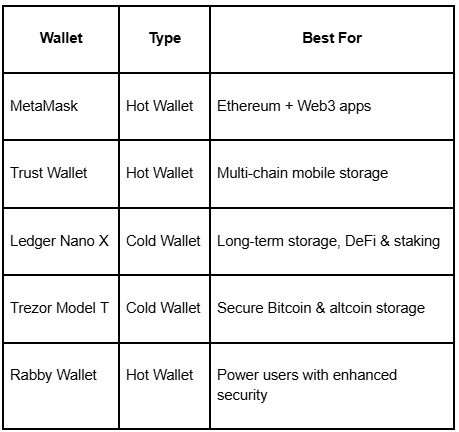
đŸ“Č Best Wallets to Use in 2025

‍

🔄 Wallet Creation FAQs

Q: Is creating a crypto wallet free?
Yes, most wallet apps like MetaMask or Trust Wallet are free.

Q: Can I create multiple wallets?
Absolutely. Many investors use different wallets for different purposes (e.g., trading, staking, savings).

Q: What happens if I lose my recovery phrase?
You lose access to your wallet permanently. Always store it securely.

Q: Do I need a wallet to use Token Metrics?
No, but connecting a wallet enhances your experience by allowing you to monitor portfolios, moonshots, and alerts in real time.

🧠 Final Thoughts

Creating a crypto wallet is your gateway to the decentralized world of digital finance. Whether you’re a seasoned trader or a beginner buying your first token, having a secure wallet is non-negotiable.

By choosing the right wallet (hot or cold), securing your keys, and combining it with powerful tools like Token Metrics, you can build a smart, secure, and profitable crypto journey.

Choose from Platinum, Gold, and Silver packages
Reach with 25–30% open rates and 0.5–1% CTR
Craft your own custom ad—from banners to tailored copy
Perfect for Crypto Exchanges, SaaS Tools, DeFi, and AI Products