Back to blog
Crypto Basics

Crypto Trading: Understanding Bitcoin Season Index and BTC Market Dominance with Token Metrics AI

The Bitcoin Season Index is a specialized metric that measures Bitcoin’s market dominance and performance relative to other cryptocurrencies over specific time frames
Token Metrics Team
6 min
Want Smarter Crypto Picks—Free?
See unbiased Token Metrics Ratings for BTC, ETH, and top alts.
Thank you! Your submission has been received!
Oops! Something went wrong while submitting the form.
 No credit card | 1-click unsubscribe

The cryptocurrency market is known for its cyclical patterns, where Bitcoin and alternative cryptocurrencies, commonly called altcoins, take turns leading market performance. Cryptocurrency is a digital or virtual currency that operates on distributed ledger technology called a blockchain and uses cryptography for security. Unlike traditional currencies, cryptocurrencies are decentralized and not backed by any central bank, which sets them apart from government-issued money. Blockchain technology is the foundational element that underpins cryptocurrency, ensuring transaction transparency and security. For traders and investors engaged in crypto trading, understanding when Bitcoin dominates the market is crucial for effective portfolio management and maximizing profits. The Bitcoin Season Index, derived from Bitcoin dominance metrics, serves as a fundamental indicator to identify periods when the flagship cryptocurrency outperforms the broader cryptocurrency market. This insight enables traders to time their investments optimally and navigate the notoriously volatile crypto market with greater confidence.
What is the Bitcoin Season Index?

The Bitcoin Season Index is a specialized metric that measures Bitcoin’s market dominance and performance relative to other cryptocurrencies over specific time frames. Essentially, it quantifies Bitcoin’s share of the total cryptocurrency market capitalization. The value of cryptocurrencies is determined by market demand and supply. When 25% or fewer altcoins outperform Bitcoin, the market is said to be in a Bitcoin Season. This indicates that Bitcoin is maintaining its leadership position, attracting the majority of capital flows within the ecosystem.

The index is calculated by dividing Bitcoin’s market capitalization by the total market capitalization of the entire cryptocurrency market, then multiplying by 100 to get a percentage. More precisely, some methodologies consider the market cap of the top 125 coins to ensure comprehensive coverage. In this context, a coin refers to an individual cryptocurrency token, each with its own ticker symbol, that can be bought, sold, or traded on exchanges. When Bitcoin’s dominance remains elevated—typically above 60-65%—it signals that investors are preferentially allocating capital to Bitcoin rather than altcoins.

By tracking this metric, traders can better understand Bitcoin’s influence over the crypto market and recognize the inverse correlation between Bitcoin dominance and altcoin performance during different market phases. Many novice and experienced traders are drawn to cryptocurrency for its volatility and high reward potential. This understanding is invaluable for those looking to trade cryptocurrency effectively, as it helps predict price movements and market trends.
How Bitcoin Dominance Works as a Market Indicator

Bitcoin dominance is one of the most reliable indicators of market sentiment and capital allocation within the cryptocurrency ecosystem. It represents the percentage of total cryptocurrency market capitalization attributed to Bitcoin, reflecting its market share and influence.

The mechanics behind Bitcoin dominance are straightforward yet powerful. When Bitcoin’s price rises faster than the overall cryptocurrency market, its dominance increases. Conversely, when altcoins collectively outperform Bitcoin, its dominance decreases. This dynamic creates predictable patterns that experienced traders use to time their market entries and exits.

During Bitcoin seasons, several key dynamics typically emerge. Institutional investors often favor Bitcoin due to its perceived stability, regulatory acceptance, and status as the first cryptocurrency. Retail traders may also flock to Bitcoin during uncertain market conditions, viewing it as a safer store of value compared to the more volatile altcoins. Additionally, Bitcoin’s established liquidity and widespread support across cryptocurrency exchanges make it the preferred choice during risk-off periods. Trading cryptocurrency carries risk, and it is important to only trade what you can afford to lose. Trading cryptocurrencies is generally suitable for individuals with a high risk tolerance.
Understanding these dynamics allows traders to recognize when to increase Bitcoin exposure or diversify into altcoins, depending on prevailing market conditions and their individual risk tolerance.

Current Market Status: Bitcoin's 2025 Performance

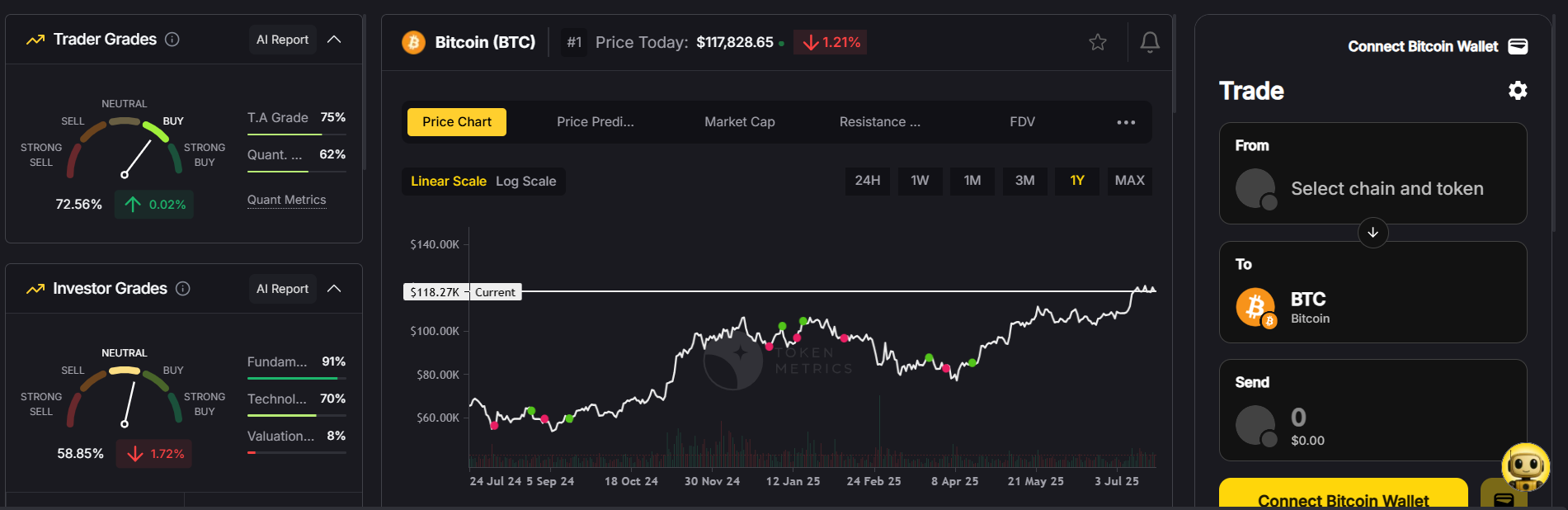
As of mid-2025, Bitcoin has demonstrated exceptional performance, exemplifying a strong Bitcoin season. Year-to-date, Bitcoin is up approximately 10%, outperforming nearly all major altcoins except XRP, which has gained over 12%. Meanwhile, Ethereum has declined by 30%, and altcoins such as LINK, DOGE, AVAX, and SHIB have all dropped more than 20%.

Bitcoin dominance (BTC.D) currently stands at about 64%, a high level that historically signals Bitcoin season conditions. A decline below 60% often marks the beginning of altcoin seasons, where capital shifts toward alternative cryptocurrencies. The sustained high dominance level in 2025 suggests that Bitcoin continues to lead the cryptocurrency market.

Unlike fiat currencies, which are issued and managed by a central bank, Bitcoin operates independently without central bank involvement. Analysts from institutions like Standard Chartered predict Bitcoin could reach $200,000 by the end of 2025, fueled by robust inflows into Bitcoin ETFs and favorable political developments, including the election of a pro-crypto US president. These factors contribute to Bitcoin’s sustained outperformance and elevated dominance.

Recent market indicators, such as the Altcoin Season Index dropping to 41, further confirm a dominant Bitcoin season within the cryptocurrency market. This dynamic underscores Bitcoin’s ability to reclaim market leadership when conditions favor the flagship digital currency.

Historical Context and Market Patterns

Understanding historical Bitcoin seasons provides valuable context for interpreting current market conditions and anticipating future trends. Bitcoin dominance has exhibited clear cyclical patterns throughout cryptocurrency market history, with periods of expansion and contraction correlating with broader market trends and investor sentiment. High volatility creates profit opportunities for day traders, making it a key factor in cryptocurrency trading strategies. Monitoring value changes in Bitcoin and altcoins helps traders identify market trends and optimal entry or exit points.

For example, during the 2017-2018 cycle, Bitcoin dominance fell from over 80% to below 40% as the ICO boom drove massive capital flows into altcoins. However, during the subsequent bear market, Bitcoin dominance recovered significantly as investors sought safety in the most established cryptocurrency. A similar pattern occurred during the 2020-2021 bull market, where Bitcoin initially led before altcoins took over in the later stages.

The 2022 bear market saw Bitcoin dominance rise again as altcoins suffered disproportionate losses. These historical precedents demonstrate that Bitcoin seasons often coincide with either early bull market phases or extended periods of market uncertainty and decline. Bitcoin’s perceived stability and growing institutional adoption make it the preferred choice during such conditions.

The current market dynamics in 2025 reflect these historical patterns. Strong institutional adoption through Bitcoin ETFs, combined with favorable regulatory developments, have created conditions that favor Bitcoin accumulation over altcoin speculation. This environment naturally leads to increased Bitcoin dominance and prolonged Bitcoin season conditions.

The Science Behind Bitcoin Dominance Calculations

Calculating Bitcoin dominance involves sophisticated methodologies to ensure accuracy and relevance for trading decisions. While the basic formula divides Bitcoin’s market capitalization by the total cryptocurrency market capitalization, selecting which assets to include in the denominator is crucial.

Most platforms exclude stablecoins, wrapped tokens, and derivative assets from total market cap calculations to provide a more accurate representation of genuine price appreciation dynamics. This approach ensures that Bitcoin dominance reflects actual capital allocation preferences rather than artificial inflation from pegged assets.

Different time frames offer varying insights into market trends. Daily dominance readings can be volatile and influenced by short-term market movements, whereas weekly and monthly averages provide more stable trend indicators. The 90-day rolling analysis used in Bitcoin Season Index calculations helps filter out noise while maintaining responsiveness to real market shifts.

Advanced platforms like Token Metrics incorporate these dominance metrics into comprehensive market analysis frameworks. By combining Bitcoin dominance data with technical indicators, on-chain metrics, and sentiment analysis, traders gain a nuanced understanding of market conditions and timing opportunities, enhancing their ability to trade crypto effectively. Blockchain technology records all transactions on a shared ledger, and transaction data is a key component of on-chain metrics, providing valuable insights for dominance calculations and broader market analysis. Market analysis and trend observation are critical components of successful day trading, further emphasizing the importance of these tools.

Strategic Trading Applications During Bitcoin Season

Bitcoin seasons present unique opportunities and challenges for cryptocurrency traders employing various strategies and time horizons. Properly positioning portfolios during these periods can significantly impact returns and risk management.

Momentum traders benefit from Bitcoin seasons by adopting a clear directional bias toward Bitcoin. During established Bitcoin seasons, traders often reduce altcoin exposure and increase Bitcoin allocation to capitalize on continued outperformance. This strategy is particularly effective when Bitcoin dominance is trending upward with strong volume confirmation.

Contrarian traders may view extreme Bitcoin dominance levels as accumulation opportunities for quality altcoins. When Bitcoin dominance reaches high levels, investing in fundamentally strong altcoins can offer asymmetric risk-reward profiles for patient investors. However, timing these contrarian positions requires careful analysis of multiple market indicators and a good understanding of price trends.

Portfolio rebalancing during Bitcoin seasons demands a dynamic approach that accounts for shifting market conditions. Traders must be prepared to act quickly when opportunities arise during Bitcoin seasons. AI-powered platforms like Token Metrics excel in this area by providing real-time portfolio optimization recommendations based on current market dynamics and individual risk tolerance.

Risk management is especially important during Bitcoin seasons, as altcoin volatility often increases during periods of underperformance. Proper position sizing, use of stop-loss orders, and diversification strategies help protect capital while maintaining exposure to potential trend reversals.
Token Metrics: Revolutionizing Bitcoin Season Analysis

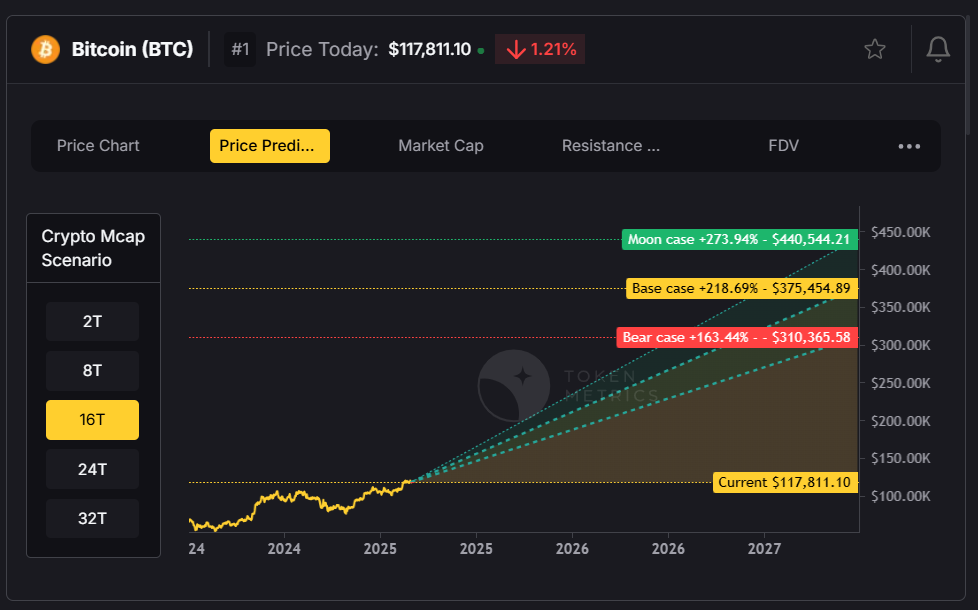
The advent of artificial intelligence and advanced analytics platforms has transformed cryptocurrency trading, with Token Metrics leading this technological revolution. The platform’s sophisticated approach to Bitcoin dominance analysis and market cycle identification provides traders with unprecedented insights into optimal positioning strategies. In addition, Token Metrics gives users access to advanced analytics and real-time market intelligence, making it easier to enter and navigate financial markets.

Token Metrics’ AI-driven methodology integrates Bitcoin dominance data with over 80 different metrics per cryptocurrency, creating a multidimensional view of market conditions that far surpasses traditional analysis. This comprehensive approach enables traders to dive deeper into market trends, recognize patterns, and predict price movements more accurately.

The platform’s real-time analysis capabilities are particularly valuable during Bitcoin season transitions. Token Metrics’ AI systems can identify subtle shifts in market dynamics that may signal the end of Bitcoin seasons and the beginning of altcoin outperformance periods. Early detection of these inflection points provides significant advantages for active traders and portfolio managers.

Beyond dominance analysis, Token Metrics incorporates fundamental research, technical analysis, and sentiment metrics, ensuring that Bitcoin season insights are contextualized within broader market trends and individual cryptocurrency prospects. This holistic approach empowers traders to make informed decisions on when to buy and sell crypto assets.

Earning Rewards During Bitcoin Seasons

Earning rewards during Bitcoin seasons is a compelling prospect for both traders and investors navigating the dynamic cryptocurrency market. These periods, marked by heightened volatility and pronounced price movements, present unique opportunities to trade cryptocurrencies for substantial profits. To capitalize on these market trends, it’s essential to develop a good understanding of technical analysis and risk management, enabling informed decisions when buying and selling digital assets.

Traders can employ a variety of strategies to earn rewards during Bitcoin seasons. Day trading, for example, involves executing multiple trades within a single day to take advantage of short-term price fluctuations in the crypto market. Swing trading and position trading, on the other hand, focus on capturing larger price movements over days or weeks, allowing traders to benefit from broader market trends. Regardless of the approach, recognizing patterns and predicting price movements are crucial skills for maximizing profits.

Selecting a reliable crypto platform is equally important. Platforms that offer low fees and high liquidity empower traders to execute trades efficiently, minimizing costs and slippage. This efficiency is vital when trading popular coins like Bitcoin and other cryptocurrencies, as it allows for quick responses to market changes and optimal entry and exit points.
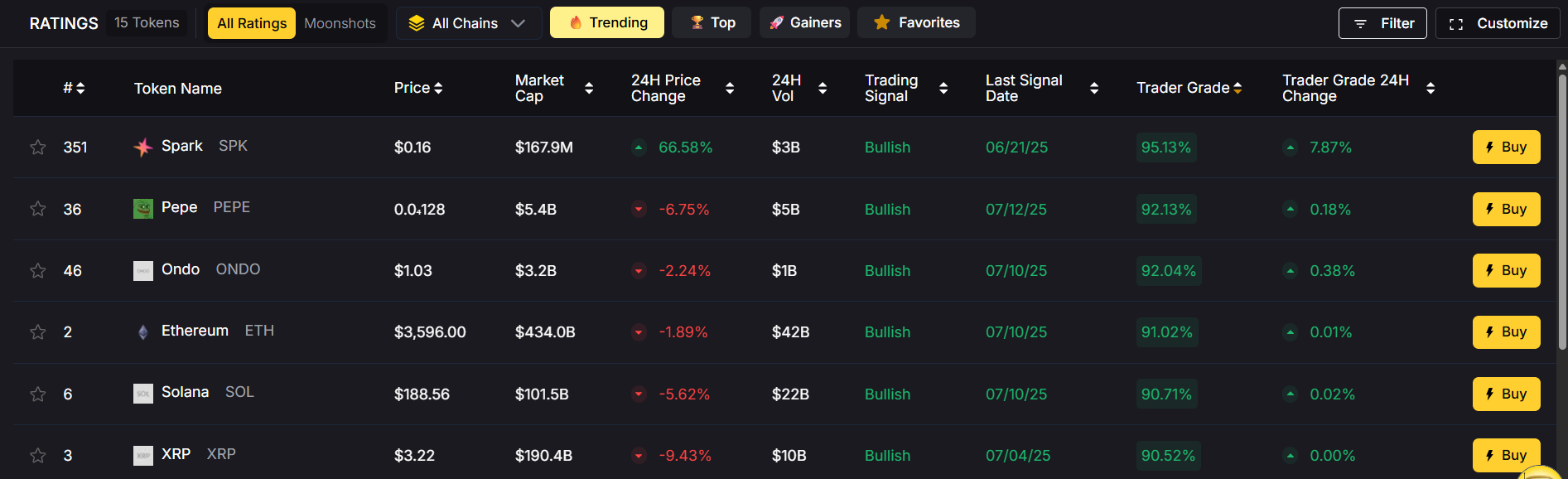
By staying attuned to market trends, leveraging technical analysis, and utilizing platforms with robust trading features, traders and investors can position themselves to earn rewards during Bitcoin seasons. The ability to adapt strategies to evolving market conditions and manage risks effectively is key to sustained success in the cryptocurrency market.

High Liquidity and Its Impact on Bitcoin Season Dynamics

High liquidity is a cornerstone of effective trading during Bitcoin seasons, profoundly shaping the dynamics of the cryptocurrency market. In essence, liquidity refers to how easily traders can buy and sell cryptocurrencies without causing significant price changes. When a crypto asset like Bitcoin enjoys high liquidity, it means there are ample buyers and sellers, resulting in a stable and efficient market environment.

This abundance of trading activity is especially beneficial during periods of intense price movements, as it allows traders to enter and exit positions swiftly and at predictable prices. High liquidity reduces the risk of slippage—the difference between the expected price of a trade and the actual executed price—ensuring that traders can execute their strategies with precision. This is particularly important for those relying on technical analysis, as stable markets provide more reliable signals and patterns to inform trading decisions.

Moreover, high liquidity supports the ability to earn rewards by enabling traders to capitalize on rapid market shifts without being hindered by large spreads or limited order book depth. It also enhances the overall trading experience, making it easier to manage risk and maximize profits, whether trading Bitcoin or other cryptocurrencies.

Understanding the impact of high liquidity on Bitcoin season dynamics empowers traders to make more informed decisions in the crypto market. By prioritizing assets and platforms that offer high liquidity, traders can navigate volatile periods with greater confidence, efficiently buy and sell assets, and optimize their trading outcomes.

Risk Management During Bitcoin Seasons

Effective risk management during Bitcoin seasons involves understanding both the opportunities and limitations inherent in these market conditions. While Bitcoin seasons can provide a clear directional bias, they also introduce specific risks that traders must address. Trading during these periods can be particularly risky due to heightened volatility and rapid market shifts. Traders should set clear boundaries for acceptable losses to ensure long-term success in navigating these volatile periods.

Concentration risk is a primary concern during extended Bitcoin seasons. Traders heavily weighted in Bitcoin may experience strong short-term gains but face significant downside if market conditions shift abruptly. Balancing concentration with diversification is key to managing this risk.

Timing risk also presents challenges. Cryptocurrency markets are cyclical, and Bitcoin seasons eventually end, often with sudden and dramatic reversals. Developing systems to recognize potential inflection points and adjust positions accordingly is critical for preserving gains.

Liquidity considerations become important during Bitcoin season transitions. As market conditions change, altcoin liquidity may decrease, making it more difficult and costly to adjust positions. Planning exit strategies during periods of high liquidity helps mitigate this risk.

Token Metrics addresses these challenges by providing real-time risk assessment tools and portfolio management features. These capabilities help traders maintain an appropriate balance between capitalizing on Bitcoin season opportunities and managing associated risks effectively.

Technology Integration and AI-Powered Analysis

The integration of artificial intelligence into Bitcoin season analysis marks a fundamental shift in how traders approach the cryptocurrency market. While traditional methods remain valuable, AI systems offer unmatched speed and accuracy in processing vast data sets necessary for optimal decision-making.

Token Metrics exemplifies this evolution by combining traditional dominance analysis with advanced machine learning algorithms. Its AI continuously analyzes market data, identifying subtle patterns and correlations that human analysts might overlook or process too slowly to capitalize on.

Machine learning models can detect early changes in Bitcoin dominance trends that precede major market shifts. These early warning signals provide traders with crucial timing advantages, enhancing both returns and risk management.

Additionally, Token Metrics leverages natural language processing to analyze news sentiment, social media trends, and regulatory developments that influence Bitcoin dominance cycles. This comprehensive approach ensures that Bitcoin season analysis incorporates all relevant market factors, including those affecting price trends and volatility.

Future Outlook: Bitcoin Seasons in an Evolving Market

The cryptocurrency market is rapidly evolving, driven by institutional adoption, regulatory clarity, and technological innovation. These factors will likely influence the dynamics of Bitcoin seasons and dominance cycles in the coming years. Unlike traditional markets, which operate within limited hours, cryptocurrency trading is available 24/7, offering continuous trading opportunities and flexibility for investors.

Institutional adoption through Bitcoin ETFs and corporate treasury allocations may lead to more stable and extended Bitcoin seasons. As traditional financial institutions increase their Bitcoin exposure, dominance patterns may become less volatile and more predictable, creating new trading opportunities and challenges.

Regulatory clarity in major markets could further strengthen Bitcoin’s position relative to altcoins, especially if regulations favor established cryptocurrencies over newer, less tested alternatives. This regulatory preference may extend Bitcoin seasons and elevate average dominance levels.

Technological advancements in the Bitcoin ecosystem, such as the growth of the Lightning Network and potential smart contract capabilities, could also influence dominance dynamics. Enhanced functionality may attract capital that might otherwise flow to altcoins with more advanced features.

Advanced Analytics and Market Intelligence

The sophistication of Bitcoin season analysis continues to improve through enhanced data collection, processing capabilities, and analytical methodologies. Platforms like Token Metrics leverage these advancements to provide traders with increasingly accurate and actionable market intelligence.

On-chain analysis has become particularly valuable for identifying Bitcoin seasons. Metrics such as exchange flows, wallet activity, and transaction patterns offer insights into institutional and retail behavior that complement traditional dominance calculations.

Cross-market correlation analysis helps identify global factors influencing Bitcoin seasons. Understanding relationships between Bitcoin dominance and traditional financial markets, commodities, and fiat currencies like the US dollar provides additional context for market dynamics. Fiat currency refers to government-issued money, such as the US dollar, which is not backed by a physical commodity and is commonly used as a benchmark in market analysis.

Sentiment analysis through social media monitoring, news analysis, and options market data offers leading indicators for potential Bitcoin season transitions. These alternative data sources often provide early signals before traditional metrics reflect changing market conditions.

Conclusion

The Bitcoin Season Index and associated dominance metrics are essential tools for navigating the complex and dynamic cryptocurrency market. Recognizing when Bitcoin is likely to outperform altcoins enables traders and investors to optimize portfolio allocation and timing decisions for maximum profits and effective risk management. Successful crypto trading also requires careful investment planning and a clear understanding of the potential to make or lose money in this volatile environment.

Success in cryptocurrency trading during Bitcoin seasons requires more than just understanding dominance metrics; it demands sophisticated analytical tools and real-time data processing capabilities. Token Metrics represents the pinnacle of AI-driven cryptocurrency analysis, offering traders the advanced insights necessary to capitalize on Bitcoin season opportunities while managing inherent risks.

By integrating artificial intelligence, machine learning, and comprehensive market analysis, traders gain unprecedented opportunities to recognize patterns, predict price movements, and execute trades on optimal entry points. As the crypto market matures, combining proven indicators like Bitcoin dominance with cutting-edge analytical platforms will be increasingly important for sustained trading success.

Whether you are a professional trader, institutional investor, or individual participant in the crypto market, leveraging Bitcoin season analysis supported by advanced tools like Token Metrics is crucial for navigating the rewarding yet volatile world of cryptocurrency trading. Embrace your crypto journey by leveraging advanced tools and analytics to improve your trading outcomes. The future belongs to those who can blend traditional market wisdom with modern technology to capture the significant opportunities Bitcoin seasons provide while effectively managing risk.

Build Smarter Crypto Apps &
AI Agents in Minutes, Not Months
Real-time prices, trading signals, and on-chain insights all from one powerful API.
Grab a Free API Key
About Token Metrics
Token Metrics: AI-powered crypto research and ratings platform. We help investors make smarter decisions with unbiased Token Metrics Ratings, on-chain analytics, and editor-curated “Top 10” guides. Our platform distills thousands of data points into clear scores, trends, and alerts you can act on.
30 Employees
analysts, data scientists, and crypto engineers
Daily Briefings
concise market insights and “Top Picks”
Transparent & Compliant
Sponsored ≠ Ratings; research remains independent
Want Smarter Crypto Picks—Free?
See unbiased Token Metrics Ratings for BTC, ETH, and top alts.
Thank you! Your submission has been received!
Oops! Something went wrong while submitting the form.
 No credit card | 1-click unsubscribe
Token Metrics Team
Token Metrics Team

Recent Posts

Research

What is the Risk of Using Centralized Exchanges? A 2025 Security Analysis

Token Metrics Team
14

Centralized cryptocurrency exchanges serve as the primary gateway to digital assets for millions of investors worldwide. As of 2025, there are over 560 million cryptocurrency owners globally, and the vast majority rely on centralized exchanges to buy, sell, and trade their crypto assets. These platforms offer user-friendly interfaces, high liquidity, and the convenience of fiat currency integration, making them essential hubs in the crypto space. A centralized crypto exchange acts as an intermediary, facilitating cryptocurrency trading, liquidity, and compliance between buyers and sellers. More broadly, a crypto exchange is any platform that enables the trading of digital assets, with most users depending on centralized versions for their trading needs. However, the question remains: what is the risk of using centralized exchanges? With over $2.47 billion stolen from cryptocurrency services in just the first half of 2025—already surpassing total losses from 2024—the risks are significant and demand careful attention from every crypto participant.

Introduction to Centralized Cryptocurrency Exchanges

Centralized cryptocurrency exchanges (CEXs) are the backbone of the digital asset marketplace, serving as the primary venues where users can buy, sell, and trade digital assets. Unlike decentralized platforms, centralized exchanges typically operate under the management of a single company or organization, which oversees all trading operations and user accounts. These platforms act as trusted intermediaries, matching buyers and sellers, executing trades, and ensuring that transactions are processed efficiently and securely.

Centralized cryptocurrency exchanges have become essential for both new and experienced traders, offering a streamlined and user-friendly environment for cryptocurrency trading. By providing access to a wide range of digital assets and advanced trading features, centralized exchanges make it easy for users to participate in the crypto market. Their centralized control allows for faster transaction processing, customer support, and the implementation of robust security protocols, making them the go-to choice for those looking to trade digital assets with confidence.

The Custodial Risk: Your Keys, Their Control

At the core of the risks associated with centralized cryptocurrency exchanges lies their custodial model. When users deposit funds on these platforms, they hand over control of their private keys to the exchange. This means that the exchange, not the user, holds the cryptographic keys that grant access to the digital assets. The popular phrase “not your keys, not your coins” encapsulates this fundamental limitation.

Centralized exchanges typically operate by managing user assets on their behalf, creating a single point of failure. Unlike traditional banks, cryptocurrency holdings on these platforms are not insured by government agencies such as the FDIC. Consequently, if an exchange faces insolvency, suffers a security breach, or engages in mismanagement, users risk losing their entire holdings without any guaranteed recovery. Because centralized exchanges use a custodial model, they have direct control over users’ funds, which increases the risk of loss in the event of insolvency or security incidents.

The collapse of FTX in 2022 illustrated the catastrophic consequences of custodial risk on an unprecedented scale. But it was far from an isolated case; throughout crypto history, numerous centralized platforms have failed, resulting in billions of dollars in lost user funds. This custodial risk remains the single most significant danger of relying on centralized platforms for cryptocurrency trading and storage.

Security Breaches: An Escalating Threat

Security breaches continue to escalate both in frequency and sophistication, posing a grave threat to centralized cryptocurrency exchanges. These platforms face a wide range of security threats, including cybersecurity vulnerabilities, hacking risks, and custodial risks associated with centralized control over private keys. The year 2025 has been particularly alarming. The Bybit breach in February 2025 marked the largest single theft in crypto history, with hackers stealing $1.4 billion worth of Ethereum within minutes. This single event accounts for approximately 69% of all stolen funds from crypto services in the first half of the year.

Other major incidents followed. In July 2025, CoinDCX, one of India’s largest centralized crypto exchanges, suffered a $44.2 million breach linked to compromised employee credentials. That same month, WOO X lost $14 million due to a sophisticated phishing attack targeting a team member’s device. August alone saw 16 major exploits causing losses totaling $163 million, a 15% increase from the previous month.

Since 2012, over $3.45 billion has been lost across more than 48 major exchange hacks. The leading cause remains unauthorized access to hot wallets, which accounts for nearly 30% of losses. Other vulnerabilities include compromised systems and servers, insider threats, and protocol weaknesses.

North Korean state-sponsored hackers have emerged as particularly prolific threat actors, responsible for stealing over $2 billion in cryptocurrency by October 2025—nearly triple their 2024 total. These attacks often leverage advanced social engineering tactics, including infiltrating crypto exchanges through compromised IT personnel.

Even large, well-funded platforms with robust security measures are not immune. For example, Coinbase experienced a cyberattack in May 2025 that exposed customer information, underscoring the persistent security vulnerabilities facing centralized exchanges. Enhancing security measures within centralized exchanges is crucial to mitigate these ongoing threats, protect user assets, and maintain regulatory compliance.

Insider Threats and Operational Failures

Not all risks arise from external attackers. Insider threats have become an increasing concern for centralized exchanges. In 2025, poor internal access controls contributed to unauthorized employee access in 11% of exchange hacks. Weak API security was implicated in 27% of breaches, allowing attackers to bypass authentication protocols.

Incidents like the BtcTurk breach in August 2025 and the earlier CoinDCX hack involved insider access either through credential compromise or malicious intent. These cases highlight the importance of robust human resource practices, strict internal security controls, and regular security audits to mitigate insider threats.

Operational failures compound these risks. System outages, software bugs, and maintenance downtimes can prevent users from accessing their accounts or from being able to execute trades during critical market moments. The inability to execute trades at the right time can result in missed opportunities or losses, especially when market timing is essential. During periods of high volatility, centralized exchanges may also face liquidity constraints, leading to increased trading fees and delays precisely when reliable access is most needed.

Regulatory and Compliance Risks

Such regulatory scrutiny adds uncertainty and operational challenges for users of centralized platforms, potentially exposing them to financial risk beyond market volatility. Regulatory risks, including sudden changes in legal requirements and compliance mandates, can disrupt user access and platform operations.

Privacy and Data Security Concerns

Centralized exchanges collect and store vast amounts of user data, including identity documents and transaction histories, to comply with regulatory requirements. This concentration of sensitive information makes these platforms attractive targets not only for financial theft but also for identity theft and surveillance.

In 2025, unencrypted user data accounted for 17% of crypto data breaches, exposing users to identity theft and significant financial losses. Outdated security practices, such as reliance on SMS-based two-factor authentication, contributed to a 32% rise in account takeovers. To address these risks, exchanges must implement security best practices to protect user data and prevent unauthorized access.

Moreover, centralized exchanges may share user data with governments and regulatory bodies, potentially exposing transaction patterns and holdings. For users who value financial privacy, this represents a fundamental compromise of cryptocurrency’s original promise of anonymity and financial freedom.

Fiat Currency and Payment Gateways: Bridging Two Worlds

A major advantage of centralized cryptocurrency exchanges is their ability to bridge the gap between traditional finance and the crypto world. These platforms support fiat currency transactions, allowing users to deposit and withdraw government-issued money such as US dollars, euros, or yen. Through integrated payment gateways, centralized exchanges connect seamlessly with banks and other financial institutions, making it easy for users to fund their accounts and start trading digital assets.

This fiat currency support is a key factor in attracting a broader audience, including those new to cryptocurrency trading. By enabling direct purchases of digital assets with fiat currencies, centralized exchanges lower the barrier to entry and simplify the onboarding process. However, this convenience comes with added responsibilities. To comply with anti money laundering (AML) and know your customer (KYC) regulations, centralized cryptocurrency exchanges must verify user identities and monitor transactions, ensuring that their platforms remain secure and compliant with global financial standards.

Margin Trading and Leverage: Amplified Risks

Many centralized cryptocurrency exchanges offer margin trading, a feature that allows users to borrow funds and trade with leverage. This means traders can open larger positions than their account balance would normally permit, potentially increasing their profits if the market moves in their favor. However, margin trading also magnifies the risks—if the market turns against the trader, losses can quickly exceed the initial investment, leading to significant financial losses.

To protect user funds and maintain platform integrity, centralized exchanges that support margin trading must implement robust security measures and risk management protocols. This includes real-time monitoring of trading activity, automatic liquidation mechanisms, and strict collateral requirements. Despite these safeguards, operational failures or sudden market volatility can still result in rapid losses for users. As such, anyone considering margin trading on a centralized cryptocurrency exchange should fully understand the risks involved and use leverage cautiously.

Staking and Lending: New Frontiers, New Vulnerabilities

Centralized exchanges are continually evolving, now offering innovative services like staking and lending to meet growing market demand. Staking allows users to earn rewards by participating in the validation of blockchain transactions, while lending enables users to earn interest by providing their digital assets to others through the platform. These features make it easier for users to generate passive income without leaving the exchange.

However, staking and lending introduce new vulnerabilities to centralized exchanges. The use of smart contracts to automate these processes can expose user funds to potential exploits or bugs. Additionally, the centralized management of these services means that users must trust the exchange to implement enhanced security measures, such as regular security audits and comprehensive identity verification protocols. By prioritizing these security practices, centralized exchanges can help protect user funds and maintain trust as they expand into these new frontiers.

Geographical Restrictions and Supported Cryptocurrencies

Centralized cryptocurrency exchanges often face regulatory requirements that compel them to impose geographical restrictions on their services. Depending on local laws and regulations, users in certain countries may find themselves unable to access specific features, trade certain digital assets, or even create accounts on some platforms. Additionally, each exchange decides which cryptocurrencies to support, which can limit the trading options available to users.

To navigate these limitations, users should carefully review the terms and conditions of any centralized cryptocurrency exchange they consider using, as well as stay informed about the regulatory environment in their jurisdiction. Understanding these restrictions is crucial for managing digital assets effectively and avoiding unexpected service interruptions. In contrast, decentralized platforms offer a more open and accessible alternative, allowing users to trade digital assets globally without the need for intermediaries or geographical constraints.

Dependency and Limited Control

Using centralized exchanges inherently means accepting limited user control over one’s own assets. These platforms impose withdrawal limits, transaction restrictions, and delays that can restrict access to funds at critical times. Centralized exchanges may also impose restrictions on withdrawals or transfers, especially during periods of high demand or regulatory scrutiny. During market stress or liquidity shortages, such controls often tighten, leaving users locked out when they most need access.

Additionally, centralized control of trading operations creates opportunities for market manipulation. Since exchanges manage order books and matching engines, they can engage in practices like front-running or wash trading, which disadvantage ordinary users. Such platforms also have the potential for operational controls and manipulation. Service availability depends entirely on the exchange’s infrastructure and operational stability. Technical issues or deliberate manipulation can result in outages, preventing users from executing trades or withdrawing funds during volatile market conditions.

The Critical Role of Analytics in Risk Management

Given the inherent risks of centralized exchanges, sophisticated analytics and monitoring are essential tools for users seeking to protect their investments. Platforms like Token Metrics, an AI-powered crypto trading and analytics service, provide crucial intelligence for navigating these challenges.

While no platform can eliminate exchange risks entirely, Token Metrics offers real-time market intelligence and risk monitoring that help users identify potential problems before they escalate. It is important to choose a reliable platform with established infrastructure and robust security measures to ensure a smooth and secure trading experience.

Its AI-driven analysis tracks exchange reliability, monitors security incidents, and issues early warnings when platforms show signs of distress. For active traders, Token Metrics provides automated trading bots and customizable alerts to execute exit strategies if risk indicators reach concerning levels. This automation is invaluable during periods of market stress when exchange outages or rapid withdrawals become necessary.

Comprehensive portfolio management tools enable users to track holdings across multiple exchanges, reducing custodial risk by diversifying exposure. Since launching integrated trading capabilities in March 2025, Token Metrics offers an end-to-end solution that minimizes time funds spend on exchanges. The platform’s sentiment analysis tools monitor social media and news for early indicators of exchange problems, providing users with an information advantage critical for protecting their assets.

Mitigation Strategies: Reducing Your Exposure

While the risks of centralized exchanges are substantial, users can take proactive steps to mitigate them:

  • Minimize Exchange Balances: Keep only the funds necessary for immediate trading on exchanges. Store larger holdings in personal wallets where you control the private keys, such as hardware wallets.
  • Diversify Exchange Usage: Avoid concentrating all assets on a single platform. Spreading funds across multiple reputable exchanges limits single points of failure.
  • Enable Maximum Security: Use hardware security keys for two-factor authentication instead of vulnerable SMS methods. Activate withdrawal whitelists and all available security features.
  • Research Exchange Reputation: Evaluate security records, insurance policies, proof-of-reserves disclosures, and regulatory compliance before depositing significant funds.
  • Monitor Continuously: Stay informed about security incidents and operational issues. Analytical platforms like Token Metrics provide essential ongoing monitoring.
  • Plan Exit Strategies: Establish thresholds for withdrawing funds if an exchange exhibits unusual withdrawal delays, suspicious activity, or regulatory problems.
  • Separate Trading from Storage: Use centralized exchanges primarily for trading and liquidity access. Rely on cold storage solutions for long-term asset custody. Consider decentralized alternatives, which empower users to retain control over their private keys and reduce reliance on centralized platforms.

The Ethereum Exodus: A Telling Trend

A clear indicator of growing risk awareness is the dramatic reduction of cryptocurrency held on centralized exchanges. As of March 2025, the amount of Ethereum on centralized platforms dropped to historic lows not seen since November 2015, with only 8.97 million ETH remaining.

This migration away from exchange custody reflects investors’ increasing preference to transfer reserves into private wallets or cold storage solutions. It highlights a market-wide recognition that, despite their convenience, centralized exchanges carry unacceptable long-term storage risks.

Decentralized exchanges (DEXs) and decentralized systems have emerged as alternatives to centralized custody, empowering users with self-custody and direct control over their private keys. Unlike centralized platforms, decentralized exchanges operate without a central authority, relying on blockchain smart contracts to facilitate peer-to-peer trading. These decentralized systems enhance security and ownership by reducing reliance on third parties. Additionally, decentralized exchanges often utilize liquidity pools to provide trading liquidity and enable seamless peer-to-peer transactions, further supporting a permissionless and transparent trading environment.

The Verdict: Convenience vs. Control

Centralized cryptocurrency exchanges offer undeniable benefits: user-friendly interfaces, high liquidity, fiat currency on-ramps, customer support, and advanced trading features like margin trading. These advantages make them indispensable infrastructure for cryptocurrency adoption and accessibility. Centralized crypto exchange development has focused on providing high trading volume, accurate market prices, and features that attract professional traders. High trading volumes and robust infrastructure are key factors for professional traders seeking efficient execution.

However, the risks are equally undeniable. Frequent security breaches, custodial vulnerabilities, regulatory uncertainties, privacy concerns, and limited user control expose users to significant financial and operational risks. In contrast, decentralized exchanges rely on smart contracts, and writing smart contracts is a critical skill for developers building these alternatives.

The answer to what is the risk of using centralized exchanges is not to avoid them entirely but to approach their use with clear-eyed awareness. Use centralized exchanges for their strengths—trading, liquidity, and market access—but recognize the inherent custodial risk of entrusting third parties with your crypto assets.

Leveraging analytical platforms such as Token Metrics, minimizing exchange exposure, diversifying across platforms, and employing robust security practices are essential strategies for navigating this landscape safely.

In 2025, as threats escalate and losses mount, understanding and managing the tension between convenience and control is the price of participation in today’s crypto markets. Only through informed risk mitigation can users fully harness the benefits of centralized exchanges while protecting their valuable cryptocurrency assets.

Research

What Are NFTs and Why Are They Valuable? Complete 2025 Guide

Token Metrics Team
11

Non-fungible tokens, commonly known as NFTs (NFT stands for Non-Fungible Token), have evolved from a niche curiosity into a massive market that is revolutionizing digital ownership, art, gaming, and entertainment. The idea behind NFTs is to create digital tokens that represent ownership and are secured through blockchain technology, establishing unique, verifiable digital assets that can range from art to ownership rights. As the global NFT market reached an impressive $48.74 billion in 2025 and is projected to explode to $703.47 billion by 2034, understanding what are NFTs and why are they valuable has become essential knowledge for investors, creators, and anyone interested in the future of the digital economy.

Understanding Non-Fungible Tokens

A non-fungible token (NFT) is a unique digital asset stored on a blockchain that represents ownership or proof of authenticity for a specific item, whether digital or physical. The term “non-fungible” distinguishes these tokens from cryptocurrencies like Bitcoin or Ethereum, which are fungible—meaning each unit is identical and interchangeable with another. In contrast, an NFT is one of a kind and cannot be directly exchanged on a like-for-like basis.

To better grasp fungibility, consider that a dollar bill is fungible because any dollar can replace another with identical value. A fungible asset, such as money or cryptocurrency, can be exchanged interchangeably without any loss of value, while non-fungible assets—like NFTs or concert tickets—are unique and not interchangeable. However, a famous painting, such as the Mona Lisa, is non-fungible because it is unique and cannot be replaced by another painting, even by the same artist. NFTs bring this concept of unique, verifiable ownership to the digital realm through blockchain technology.

NFTs are stored on a blockchain, which ensures the authenticity and provenance of each asset. Here’s how NFTs work: the process begins with minting, where a digital file is turned into an NFT on the blockchain. Blockchain validation and smart contracts are used to confirm ownership, manage transfers, and enforce royalties, making each NFT a secure and verifiable digital certificate.

When you purchase an NFT, you acquire a digital certificate of ownership recorded on a blockchain—typically Ethereum, although other blockchain networks like Solana, Polygon, and Binance Smart Chain also host NFTs. The Ethereum Request for Comments (ERC-721) standard defines how NFT ownership is transferred and transactions are confirmed on the Ethereum blockchain. This blockchain record provides immutable proof that you own a specific digital asset, even though copies of the underlying digital file may exist elsewhere. The blockchain acts as a permanent and transparent digital ledger showing ownership history and transaction records, making these unique digital assets verifiable and secure. Each NFT is assigned a unique identifier, which distinguishes it from all other tokens and allows for precise tracking and management of ownership.

When you purchase an NFT, you are acquiring digital tokens that serve as certificates of ownership for digital or physical assets, enabling decentralized copyright and licensing scenarios.

The Core Components of NFT Value

Understanding why NFTs hold value requires examining several fundamental factors that distinguish them from simple digital files.

First and foremost is provenance and authenticity. Before NFTs, digital art and collectibles faced a fundamental problem: perfect copies were indistinguishable from originals. NFTs solve this by providing verifiable proof of authenticity through blockchain records, which securely store ownership information on the blockchain. NFTs have had a significant impact on the art world, enabling artists and collectors to monetize digital art, establish ownership, and navigate intellectual property rights in the context of digital assets and collectibles. For example, when artist Beeple sold his digital artwork “Everydays: The First 5000 Days” at Christie’s auction house for $69 million in 2021, buyers weren’t just purchasing an image file—they were acquiring authenticated ownership of a historically significant artwork with documented provenance.

Another key factor is scarcity and uniqueness. While anyone can screenshot or download a digital image, only one person or entity can own the verified NFT that represents that asset. An NFT represents a unique digital item or ownership claim, serving as a digital certificate of authenticity. Many NFT collections intentionally limit supply—the Bored Ape Yacht Club, for instance, consists of exactly 10,000 unique digital apes, with scarcity enforced through smart contracts. This artificial scarcity, combined with demand, creates market value similar to limited edition physical collectibles. While the images associated with NFTs, such as CryptoPunks, EtherRocks, and Bored Apes, are often publicly accessible and easily copied, the NFT is what confers verified ownership and authenticity.

Ownership rights and utility extend value beyond mere bragging rights. Some NFTs grant holders intellectual property rights to the underlying asset, allowing commercial use of the digital content. Others provide access to exclusive communities, events, or services. In gaming, NFTs might represent in-game items, characters, or virtual real estate that provide utility within virtual worlds. These practical applications create tangible value beyond speculation.

An innovative feature of NFTs is creator royalties built into NFT smart contracts, which ensure artists receive a percentage of secondary sales automatically. This revolutionary mechanism allows creators to participate in the ongoing appreciation of their work—something impossible in traditional art markets where artists typically profit only from initial sales.

Major NFT Categories and Use Cases

The NFT ecosystem spans diverse applications, each creating value in different ways. Here are some examples of NFT categories, such as digital art, gaming assets, and collectibles.

  • Digital art: remains the most visible NFT category, with the art segment accounting for $11.16 billion in sales and dominating market share. NFTs democratize art ownership by enabling fractional ownership and creating liquid markets for digital artworks. Artists can reach global audiences without traditional gallery gatekeepers, while collectors can display their digital artwork in virtual galleries or through digital frames. Notable NFT collections, such as Bored Ape Yacht Club, have become highly sought after by collectors due to their exclusivity, community benefits, and potential for appreciation.
  • Gaming and metaverse assets: represent one of the fastest-growing NFT categories. Play-to-earn games like Axie Infinity, Decentraland, and The Sandbox use NFTs to represent in-game items, characters, virtual land, and accessories that players truly own and can trade on open markets. This gaming integration allows players to monetize their time and skill, earning real value from gameplay. The concept of digital ownership within virtual worlds has revolutionized gaming by enabling players to build wealth through gaming activities.
  • Collectibles: mirror traditional collecting behavior in digital form. NBA Top Shot offers NFT “moments”—video highlights of basketball plays—that fans collect and trade. Virtual trading cards, digital memorabilia, and limited edition collectibles attract enthusiasts who value rarity and cultural significance. These digital collectibles often appreciate based on their historical importance, rarity, and the reputation of associated brands or athletes.
  • Music and entertainment: NFTs enable artists to sell unique recordings, concert tickets, backstage passes, and exclusive content directly to fans. Musicians can tokenize albums or individual songs, creating new revenue streams and deeper fan engagement. Tokenized concert tickets combat counterfeiting while potentially generating ongoing royalties as tickets trade in secondary markets.
  • Virtual real estate: in metaverse platforms like Decentraland and The Sandbox has sold for multi-million dollar sums, with some virtual land parcels fetching prices comparable to physical real estate. Owners can develop virtual land, host events, create experiences, or lease space to others. As virtual worlds gain users and cultural relevance, prime locations increase in value, mirroring physical real estate dynamics.

Creating and Building NFTs

Creating and building NFTs is where the worlds of digital art, technology, and innovation intersect. At its core, the process begins with an artist or creator designing a unique digital asset—this could be a digital painting, a video clip, or any form of digital artwork. What sets NFTs apart is that these digital assets are transformed into unique digital assets through blockchain technology.

To create an NFT, the artist uses a blockchain network—most commonly Ethereum—to mint a non fungible token. This process involves writing a smart contract that defines the NFT’s unique properties and links it to the specific digital asset. The NFT is then stored on a digital ledger, ensuring that the ownership and authenticity of the digital artwork are verifiable and tamper-proof.

For example, an artist might create a one of a kind digital painting and use a platform like OpenSea or Rarible to mint an NFT that represents ownership of that artwork. Once minted, the NFT can be sold to a collector, who then stores the token in their digital wallet. The blockchain record proves ownership and tracks the NFT’s history, making it easy to verify that the digital asset is authentic and unique.

This process of creating NFTs has opened up new opportunities for artists and creators, allowing them to monetize their work in the digital world and reach global audiences. Whether it’s a digital painting, a collectible video clip, or another form of digital content, NFTs provide a new form of ownership and value for digital assets.

Buying and Selling NFTs

The NFT market has become increasingly popular, with a wide array of platforms and marketplaces dedicated to buying and selling these unique digital assets. Collectors looking to purchase NFTs can explore marketplaces such as OpenSea, Rarible, and others, where digital trading cards, digital artwork, and other digital assets are listed by artists and creators from around the world.

To buy an NFT, a collector browses the marketplace, selects a unique digital asset—such as a digital trading card or a piece of digital art—and completes the purchase using cryptocurrency like Ethereum or Bitcoin. After the transaction, the NFT is transferred to the buyer’s digital wallet, ready for display or future trade.

Selling NFTs follows a similar process. Artists and creators can list their digital assets on NFT marketplaces, set prices, and reach a broad audience. The marketplace handles the transaction, ensuring proper transfer and recording on the blockchain.

NFTs in Real Life

NFTs are making an impact beyond the digital environment, bridging digital and physical assets. They can represent ownership of real estate, artwork, or luxury items. By storing ownership records on a blockchain, NFTs simplify buying, selling, and transferring physical assets securely and transparently.

For instance, a real estate developer might create an NFT representing ownership of a property. When sold, the new owner's rights are recorded on the blockchain, streamlining the transfer process. Artists can also use NFTs to represent physical artworks, like paintings or sculptures, providing verifiable proof of authenticity.

NFTs enable new business models, such as tokenized services, exclusive experiences, or digital tickets, linking the virtual with the tangible world. These applications are transforming how ownership and value are perceived both digitally and physically.

Why NFTs Hold Market Value

The rapid growth of NFTs—projected to reach over $700 billion by 2034—reflects several core drivers of value:

  • Digital Ownership Paradigm: NFTs establish a new form of digital property, allowing true ownership, transfer, and security, especially appealing to digital-native generations.
  • Social Signaling: Owning rare or prestigious NFTs acts as a status symbol within communities, with high-profile sales demonstrating their monetary and cultural significance.
  • Investment & Speculation: NFTs can appreciate in value, attracting investors seeking returns and creating markets for trading and portfolio diversification.
  • Brand Engagement: Companies leverage NFTs for marketing, loyalty programs, and exclusive commerce, enhancing brand loyalty and customer interaction.

As the NFT ecosystem evolves, data-driven analysis becomes essential for identifying valuable projects and avoiding scams. Token Metrics offers extensive NFT market analytics—tracking trading volumes, price trends, project fundamentals, and holder distribution across major platforms. Using AI-powered scoring, it helps distinguish promising projects from short-term hype, providing insights into team credibility, community strength, utility, and market momentum.

Market participants benefit from real-time alerts, facilitating timely decisions around price movements, major industry announcements, or project developments. Additionally, Token Metrics enables understanding of correlations between NFTs and broader crypto markets, such as ETH price influences, giving a holistic view for strategic positioning.

Security and Safety in the NFT Space

Security measures like multi-factor authentication, encryption, and regular audits protect user accounts and transaction integrity. Artists and collectors should also use practices like watermarks, rights management, and reputable platforms to minimize risks of theft, fraud, or counterfeit. Vigilance, research, and choosing trustworthy marketplaces are key to a safer NFT environment.

Challenges and Considerations

NFTs face hurdles such as high energy consumption on proof-of-work blockchains, regulatory uncertainties, market volatility, and scams involving fake projects or wash trading. Sustainability efforts and evolving legal frameworks aim to address these issues, but participants must exercise caution and perform due diligence to navigate this complex landscape effectively.

The Future of Digital Ownership

NFTs underpin a shift towards broader digital and physical asset tokenization, enabling use cases like fractional ownership, collateralization, and integration into the metaverse. As technology and regulation advance, NFTs are poised to become an integral part of digital commerce, legal systems, and daily life.

Conclusion

NFTs establish verifiable ownership, scarcity, and transferability for digital assets through blockchain technology. Their value arises from provenance, limited supply, utility, social signaling, and investment potential. With the market projected to grow significantly, understanding NFTs is essential for engaging with the evolving digital landscape. Navigating this space effectively requires robust data, market analysis tools, and strategic insight, which platforms like Token Metrics can provide to support informed decision-making in digital asset management.

Research

Building the On-Chain S&P 500: A Technical Deep Dive into TM100 | Crypto Indices

Token Metrics Team
10

Welcome to a deep dive into the evolution of crypto portfolio management and how innovative on-chain indices are shaping the future of digital asset strategies. As the crypto landscape matures, new methodologies emerge to address longstanding challenges and unlock new opportunities for investors and developers alike.

The Evolution of Crypto Portfolio Management

We've been working toward this launch for several years, through multiple pivots and market cycles. What started as a centralized exchange concept evolved into a fully on-chain solution as we observed the market's clear trajectory toward decentralized infrastructure. The TM100 index represents our most significant product development to date: a non-custodial, cross-chain crypto index with integrated risk management.

The crypto market has matured considerably since 2017. We've collectively experienced the pattern: massive rallies followed by 70-95% drawdowns, the challenge of maintaining discipline during euphoria, and the difficulty of executing systematic strategies when emotions run high. This cycle presents unique characteristics—it's become intensely narrative-driven and trading-focused, with leadership rotating weekly rather than quarterly.

The Core Problem

Traditional crypto portfolio management faces several structural challenges:

Technical Architecture

Multi-Chain Infrastructure

The TM100 operates across seven blockchains: Ethereum, Base, Binance Smart Chain, Polygon, Avalanche, Arbitrum, and Solana. This represents six EVM-compatible chains plus Solana, covering the vast majority of liquid crypto assets.

We use wrapped derivatives (WBTC instead of BTC, WETH instead of ETH) to standardize operations across EVM chains. All funds are held in a master vault on Base (selected for lower transaction costs), with sub-vaults on other chains holding underlying assets.

Selection Methodology

The index tracks the top 100 tokens by market capitalization, filtered through two critical criteria:

Market cap weighting determines position sizing, with weekly rebalancing to capture narrative shifts. Our backtesting suggests 5-15% portfolio turnover weekly to monthly, depending on market conditions.

The Risk Management Layer

This is where the product differentiates from passive indices. We've integrated our market indicator to create a risk-off mechanism:

The system doesn't try to catch falling knives. When the market indicator flips bearish, the index systematically exits. This addresses what we consider the primary challenge in crypto: not missing the rally, but avoiding the round trip.

Smart Contract Standards

We're using ERC-4626, Ethereum's tokenized vault standard. This provides:

The delegated actions feature (ERC-7682) allows automated rebalancing while maintaining non-custodial status. Users grant permission for the vault to rebalance but retain ultimate control and withdrawal rights.

Security Infrastructure

Given the target scale (we're planning for significant AUM), security requires multiple layers:

DeFi Composability: The Real Innovation

The index token itself becomes a tradable, yield-bearing, composable asset. This creates possibilities beyond traditional index funds:

Primary Markets

API Access

We're integrating TM100 into our developer API. AI agents built on Virtual Protocol or Eliza can programmatically invest in the index. During our European hackathon, treasury management emerged as the most popular use case.

This composability creates network effects. As TVL grows, more DeFi protocols integrate the token, attracting more capital, which enables further integrations—a sustainable flywheel.

Performance Analysis

Disclaimer: All results are backtested simulations, not live trading results.

Testing from 2017 to present:

The maximum drawdown metric deserves emphasis. Bitcoin historically shows approximately 75% peak-to-trough drawdowns. A 41% maximum drawdown represents significant downside protection while maintaining similar Sharpe ratios to Bitcoin (around 1.5 for BTC this cycle).

Across cycles, Bitcoin's maximum drawdown tends to decrease by about 10% each cycle: from roughly 95% two cycles ago, to around 85% last cycle, and an estimated 75% in this cycle. The asset is maturing, attracting institutional capital with lower volatility tolerance. Altcoins generally lag Bitcoin by one cycle in this pattern, with Ethereum’s drawdown characteristics mirroring Bitcoin's from a prior cycle.

Fee Structure and Economics

Management Fee: 1% annually, accruing on-chain (likely daily). Performance Fee: 15% quarterly, with a high watermark. This means fees are only charged on new profits. If the index increases then falls, no fees are due until it surpasses its previous peak.

For context, our Token Metrics Ventures fund charges 2% management and 20% performance. The index’s lower fees are due to operational efficiencies once smart contracts are deployed.

TMAI Integration

Our native token reduces fees through staking scores:

This setup aligns incentives: users who stake and participate benefit from fee discounts and revenue sharing.

Liquidity and Execution

Phase 1 (Current): LI.FI integration for smart order routing. Handles trades up to around $25,000 efficiently with minimal slippage.

Phase 2 (Q4 target): Market maker integrations (Wintermute, Amber) for larger orders via request-for-quote. Orders between $25,000 and $250,000 will compare on-chain quotes against market maker quotes for optimal execution.

Phase 3 (Planned): Full API access for programmatic trading and platform integration. Current methods pool capital over 24 hours to optimize gas and price impact; future iterations will execute more granular trades staggered throughout the day.

Market Context and Timing

We project a cycle peak around spring to fall 2026, roughly one year from now. Our key targets include:

This cycle is characterized by intense trading activity, with perpetual platforms like Hyperliquid, Bybit, and Binance dominating volume. Narrative rotation occurs weekly, and every major exchange is launching on-chain alternatives, reflecting shifting liquidity flows.

Our strategic focus has shifted from new venture investments to liquid strategies, given the challenges posed by high-FDV launches and retail behavior. Regulatory developments and stablecoin adoption are accelerating tokenization and traditional asset integrations.

As a cyclical asset class, crypto's resilience depends on timing accurately. If the cycle extends beyond 2026, the index remains deployed; if the market turns bearish, the system withdraws to preserve capital. This adaptive approach aims to leverage both uptrends and downturns.

Implementation Details

The early access process involves:

The platform provides:

Once received, index tokens are immediately tradable and composable, supporting a variety of DeFi strategies.

Beyond TM100: Future Considerations

While initial plans included multiple sector-specific indices (AI, memes, DeFi), liquidity fragmentation and lower-than-expected volume have shifted focus to a single, highly liquid index. Benefits of this approach include:

Future concepts include:

Why This Matters

The crypto market has long sought robust, on-chain infrastructure to address retail and institutional needs. Challenges include concentrated bets, custody risks, and high fees. Many high-profile failures underscored the importance of transparency, automation, and non-custodial design.

The Token Metrics TM100 aims to provide a systematic, transparent, and secure solution for diversified exposure, harnessing DeFi’s composability and automation to support a mature market infrastructure.

Technical Roadmap

Current (Early Access):

Q4 2024:

Q1 2025:

Beyond 2025:

Conclusion

Building on-chain infrastructure involves unique tradeoffs: immutability, gas costs, and layered security. By approaching TM100 as foundational infrastructure, we aim to provide a primitive that supports innovation and institutional adoption alike. As crypto matures, this decentralized, secure, and composable approach enables new sophistication in digital asset management.

The code is entering final audits. Early access onboarding begins soon. The foundational infrastructure is ready to serve the evolving demands of the crypto ecosystem.

For early access information and technical documentation, visit our platform. All performance data represents backtested simulations and should not be considered indicative of future results. Cryptocurrency investments carry substantial risk including potential total loss of capital.

Click here to get early access to Token Metrics indices.

Choose from Platinum, Gold, and Silver packages
Reach with 25–30% open rates and 0.5–1% CTR
Craft your own custom ad—from banners to tailored copy
Perfect for Crypto Exchanges, SaaS Tools, DeFi, and AI Products