Crypto Basics

Day Trading Crypto: A Comprehensive Guide to Navigating Volatility for Profits

Discover key tips and strategies to enhance your day trading skills. Learn practical approaches for consistent success in the markets. Read more now!
Token Metrics Team
8 min
MIN

Day trading crypto has surged in popularity as investors seek to capitalize on the volatile nature of digital assets. Many traders are attracted to crypto day trading due to its volatility and the potential for quick profits. The global cryptocurrency market operates 24/7 and features rapid price swings, presenting unique trading opportunities and risks for those aiming to make profits within short time frames. However, most day traders lose money, highlighting the importance of understanding the risks involved and recognizing that being a risk taker is often necessary for success in day trading crypto. Day trading requires knowledge of both securities markets and individual brokerage firm’s practices. This comprehensive guide provides a deep dive into the world of crypto day trading, covering essential strategies, tools, platforms, and risk management techniques to help both beginner day traders and experienced retail traders navigate this fast-paced financial market effectively.

What Is Day Trading Crypto?

Day trading crypto involves buying and selling cryptocurrencies within a single trading day, often multiple times, to profit from short-term price movements. A 'day trade' is defined as the act of buying and selling the same security within the same day. Unlike long term investing—where investors hold assets for extended periods—day traders focus on exploiting market inefficiencies, momentum shifts, or news events that cause rapid fluctuations in stock price or token value within minutes or hours. Day trading requires a sound and rehearsed method to provide a statistical edge on each trade.

A key characteristic of day trading is that all positions are typically closed by the end of the trading day to avoid overnight risk. In a day trade, this means opening and closing the same position in the same security on the same day. All positions in day trading are closed before the market closes for the trading day to avoid risks associated with overnight positions. However, since the cryptocurrency market never closes, “day” in crypto trading is more a conceptual timeframe based on session activity rather than fixed stock market hours. This constant market availability offers day traders continuous trading opportunities but also demands a disciplined approach to managing trades and risk. Traders need to be prepared for the risk of losing all their funds.

Why Is Crypto Ideal for Day Trading?

Cryptocurrencies are uniquely suited for day trading for several reasons:

  • High Volatility: Major cryptocurrencies like Bitcoin and Ethereum frequently experience daily price swings of 5–10%, while smaller altcoins can exhibit even more dramatic fluctuations. This volatility creates numerous trading opportunities to capitalize on quick profits.
  • 24/7 Market: Unlike traditional stock markets that operate during business days, crypto markets run nonstop, providing active traders with the ability to engage in buying and selling securities at any time.
  • Liquidity: Top cryptocurrency exchanges offer high liquidity, allowing day traders to enter and exit positions quickly without significantly impacting the stock price. Monitoring order flow in these highly liquid markets can help traders make more informed buy and sell decisions.
  • Wide Selection of Assets: Thousands of tokens exist, each with unique price movements and trading ranges, enabling traders to diversify and find the best trading opportunities.

Having more money in your trading account can provide a greater cushion to capitalize on the volatility and trading opportunities in crypto.

These factors combine to make crypto an attractive asset class for day traders seeking fast-paced trading strategies and the potential for quick profits.

Trading Accounts for Crypto Day Trading

Opening the right trading account is the first step for anyone looking to become a successful crypto day trader. A trading account with a reputable brokerage firm or cryptocurrency exchange is essential for executing your investment strategy and managing your buying and selling activities efficiently. When selecting a trading account, look for features such as low transaction fees, high liquidity, and advanced trading tools that support real-time analysis and fast order execution.

As a pattern day trader, it’s important to understand the requirements of a margin account, which can increase your buying power and allow you to take advantage of more trading opportunities. However, be aware of the pattern day trader rule, which may impose certain restrictions or minimum equity requirements on your trading activities, especially if you engage in frequent day trades. Always compare the types of cryptocurrencies offered, the security protocols in place, and the overall user experience before committing to a trading account. By choosing the right account, you can maximize your profit potential and ensure your trading aligns with your overall investment strategy.

Minimum Account Requirements

Before you start day trading crypto, it’s crucial to understand the minimum account requirements set by different brokerage firms and cryptocurrency exchanges. These requirements can include a minimum deposit to open your trading account or a minimum balance that must be maintained to keep your account active. For example, some platforms may require as little as $10 to get started, while others may have higher thresholds depending on the account type.

If you plan to use a margin account, be aware that there are often stricter minimum equity requirements compared to a standard cash account. Margin accounts can provide greater buying power, but they also come with increased risk and the possibility of a margin call if your account falls below the required minimum equity. As a day trader, it’s essential to review and understand these requirements to avoid any interruptions in your trading and to ensure you can meet the obligations of your chosen trading account. Knowing the minimum account requirements helps you plan your trading activities and manage your capital more effectively.

Best Cryptocurrencies for Day Trading

While technically any token can be day traded, some cryptocurrencies are better suited due to their liquidity, volatility, and spread. Popular choices among day traders include:

  • Bitcoin (BTC): Known for its high volume and liquidity, Bitcoin offers relatively stable price movements compared to smaller coins, making it a staple for many day traders.
  • Ethereum (ETH): Slightly more volatile than Bitcoin but with similar liquidity, Ethereum provides ample trading opportunities for momentum and breakout strategies.
  • Solana (SOL), Cardano (ADA), Polygon (MATIC): These popular altcoins often experience frequent price swings, attracting traders looking for dynamic day trading stocks.
  • Meme Coins and Low-Cap Altcoins: These can offer huge volatility and rapid price changes but come with higher risks and lower liquidity, requiring careful risk management. When a stock hits a new high or key technical level, it can trigger trading opportunities for day traders, similar to how breakouts in meme coins and low-cap altcoins can signal potential entry points.

Choosing the right cryptocurrency depends on your trading strategy, risk tolerance, and market conditions.

Day Trading Strategies for Crypto

Successful day traders employ a variety of strategies tailored to the fast-moving crypto markets. Here are some of the most common day trading strategies. Day trading strategies should be flexible to adjust techniques that match changing market conditions.

1. Scalping

Scalping is the quickest form of day trading, involving hundreds of trades per day to capture small profits from minimal price changes. Scalping is a trading style that exploits small price gaps created by the bid-ask spread, usually involving quick trades. This approach is also known as spread trading, as it involves profiting from the bid-ask spread by taking advantage of price gaps and market inefficiencies over very short timeframes. This strategy demands high-speed execution, low trading fees, and a deep understanding of market depth and order book dynamics. Scalpers rely heavily on technical analysis and direct access to market data.

2. Momentum Trading

Momentum traders focus on identifying strong news events, pump signals, or technical breakouts to ride a trend until signs of reversal appear. Momentum trading is a strategy used by day traders that assumes financial instruments which have been rising steadily will continue to rise. Key tools include volume indicators and the Relative Strength Index (RSI). This approach requires quick decision-making to position quickly and lock in gains before momentum fades.

3. Range Trading

Range trading involves identifying horizontal support and resistance levels within a trading range and buying low while selling high. This strategy works best in sideways markets where the stock price oscillates between established levels, allowing traders to capitalize on predictable price movements.

4. Breakout Trading

Breakout traders look for key resistance or support levels and open positions when the price breaks through these levels, often accompanied by increased volume and volatility. This strategy aims to capture significant price moves following the breakout.

5. Using Technical Indicators

Day traders commonly use a combination of technical indicators to confirm trading signals and reduce false entries. Popular indicators include:

  • Moving Averages (SMA/EMA)
  • Bollinger Bands
  • MACD (Moving Average Convergence Divergence)
  • Relative Strength Index (RSI)
  • Volume Oscillators

By combining these tools, traders improve their statistical edge and increase the success rate of their trades.

Market Analysis for Crypto Day Traders

Market analysis is a cornerstone of success for any crypto day trader. To make informed trading decisions and manage the risks involved, day traders rely on both technical analysis and fundamental analysis. Technical analysis involves studying price charts, trading volumes, and historical patterns to predict future price movements. This approach helps day traders identify entry and exit points for their trades and develop a statistical edge in the market.

On the other hand, fundamental analysis focuses on the underlying factors that influence a cryptocurrency’s value, such as news events, regulatory developments, and overall market sentiment. By combining these two types of analysis, successful day traders gain a deep understanding of the market and can adapt their trading strategies to changing conditions. Utilizing market analysis tools and staying updated with the latest data allows day traders to spot trading opportunities and manage the risks involved in each trade.

Best Platforms for Day Trading Crypto

Selecting the right platform is crucial for effective day trading. Important factors include low trading fees, advanced charting tools, high liquidity, and reliable execution. Some of the top platforms for crypto day trading are:

  • Binance: Known for low fees, a wide range of assets, and advanced trading tools suitable for both beginner day traders and professionals.
  • Coinbase Advanced: Popular among U.S. traders, offering a user-friendly interface though with somewhat higher fees.
  • Kraken Pro: Offers reliable performance and API integration for experienced traders.
  • Bybit and Bitget: Favored by futures and margin traders looking to leverage their positions. These platforms offer features to increase day trading buying power, allowing traders to maximize the amount they can buy or sell within their margin accounts during active trading days.
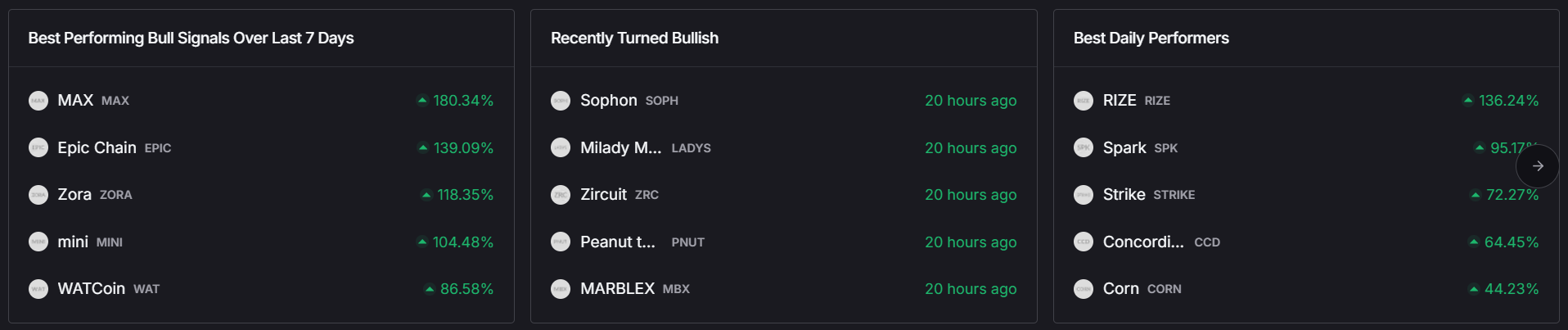
  • Token Metrics: Provides AI-driven analytics and trading signals, including Trader Grades, Investor Grades, and Bullish/Bearish Signals, to help traders time their buying and selling activities more effectively.

Choosing a platform that aligns with your trading style and risk tolerance is essential for success.

Long Term vs Short Term Trading in Crypto

When it comes to trading cryptocurrencies, understanding the difference between long-term and short-term trading is essential for developing a good strategy. Long-term trading involves holding onto a cryptocurrency for months or even years, aiming to profit from its overall growth and adoption in the market. This approach is often favored by investors with limited resources or those who prefer a more hands-off investment strategy.

Short-term trading, by contrast, focuses on buying and selling cryptocurrencies within a much shorter time frame—sometimes within the same trading day. Crypto day trading is a prime example of short-term trading, where active traders seek to capitalize on rapid price movements and volatility. As a day trader, you need to be able to monitor the markets closely and react quickly to changes in stock prices. Choosing between long-term and short-term trading depends on your risk tolerance, available time, and investment goals. Both strategies can be profitable, but it’s important to select the one that best fits your resources and trading style.
Skills Required to be a Successful Crypto Day Trader

Becoming a successful crypto day trader requires more than just a willingness to take risks—it demands a specific set of skills and a deep understanding of the market. Mastery of technical analysis is essential for identifying trading opportunities and making quick, informed decisions. Equally important is strong risk management, which helps you protect your trading account and overall profits from unexpected market swings.

A successful day trader must also possess discipline, patience, and emotional control, as the fast-paced nature of crypto trading can be both stressful and unpredictable. Critical thinking and the ability to adapt your trading strategy on the fly are vital, especially when market conditions change rapidly. As a pattern day trader, having a statistical edge and knowing when to hold overnight positions can further enhance your profit potential. Ultimately, the combination of these skills, along with a commitment to continuous learning and self-improvement, is what sets apart the most successful day traders in the crypto market.

Risk Management in Crypto Day Trading

Risk management is a cornerstone of successful day trading, especially in the highly volatile crypto markets. Protecting your trading account and overall portfolio requires disciplined approaches such as:

  • Using Stop-Loss Orders: Always set stop-loss levels to limit potential losses on any position.
  • Position Sizing: Avoid risking more than 1-2% of your account value on a single trade to preserve capital.
  • Take-Profit Targets: Establish clear profit-taking points to lock in gains before market reversals occur.
  • Cautious Use of Leverage: While margin accounts can increase buying power and potential profits, leverage also amplifies losses and can trigger margin calls if the account falls below minimum equity requirements. Traders must be aware of margin requirements to avoid forced liquidation or margin calls.
  • Short Positions: Taking a short position in crypto can be profitable if prices decline, but it also increases risk and requires strict risk management to avoid significant losses.
  • Ensuring Full Payment: Ensuring full payment for securities purchased is essential, especially when using cash accounts, to comply with regulations and manage risk.
  • Staying Informed: Monitor market data, news, and on-chain activity to anticipate trading opportunities and risks involved.

By implementing these risk management techniques, day traders can navigate the financial markets more safely and improve their chances of becoming successful day traders.

Common Mistakes to Avoid

Many beginner day traders fall into pitfalls that can lead to losing money quickly. Day traders may practice in a simulator before risking real money in the market. Avoid these common mistakes:

  1. Overtrading: Making too many trades does not guarantee profits and often results in excessive fees and poor decision-making. Overtrading also increases your total trades, which can have regulatory implications for active traders, such as triggering pattern day trader rules.
  2. Ignoring the Trend: Trading against the prevailing market trend reduces the statistical edge and success rate.
  3. FOMO Trading: Entering trades based on hype or fear of missing out without a solid day trading strategy often leads to losses.
  4. Not Using a Trading Journal: Tracking all trades helps identify what works and what doesn’t, improving future performance.
  5. Lack of Strategy: Random or impulsive trades without a clear plan increase financial risk and reduce consistency.

Avoiding these errors is crucial for building discipline and achieving long-term success in day trading activities.

Tools to Enhance Your Day Trading Game

Utilizing the right tools can significantly improve trading efficiency and decision-making:

  • TradingView: Offers advanced charting, technical analysis, and backtesting capabilities.
  • CoinMarketCap and CoinGecko: Provide real-time price data, volume, and market capitalization insights.
  • Crypto News Aggregators: Help traders stay updated on market-moving headlines and events.
  • Token Metrics Platform: An AI-powered platform delivering trading signals, trader and investor grades, and custom alerts to optimize trade timing.

These tools assist traders in analyzing market conditions, spotting trading opportunities, and managing risks more effectively.

Tax Implications

Day trading crypto generates frequent taxable events as each trade counts as buying and selling securities. Regulatory authorities often use a five business day period or business day period to determine if a trader qualifies as a pattern day trader, which can affect tax classification. Day trading can result in business classification for tax purposes, making profits fully taxable at the nominal tax rate. Traders should keep detailed records of:

  • Every trade, which is considered a capital gain or loss.
  • Holding periods, to distinguish between short-term and long-term capital gains.

Using tax software like Koinly, TokenTax, or CoinTracker can automate calculations and reporting. Since crypto tax laws can be complex, consulting a crypto-savvy tax professional is highly recommended to ensure compliance.

Final Thoughts: Is Day Trading Crypto Right for You?

Day trading crypto can be highly profitable but involves significant financial risk and requires a deep understanding of market behavior, technical analysis, and risk management. Success demands discipline, emotional control, and a well-defined trading strategy.

If you are a beginner day trader, start with small capital and consider paper trading or demo accounts to build confidence without risking real money. Day trading should not be funded with retirement savings, student loans, or funds required to meet living expenses. As your skills develop, leveraging platforms like Token Metrics can provide AI-driven insights and predictive analytics to gain a statistical edge.

For most investors, combining short-term day trading strategies with long term investing creates a balanced investment strategy that supports wealth building in the dynamic world of cryptocurrencies. Whether you aim to be a pattern day trader or prefer swing trading, understanding the risks involved and maintaining sound risk management practices are essential to achieving consistent profits in the fast-moving crypto markets.

Build Smarter Crypto Apps &
AI Agents in Minutes, Not Months
Real-time prices, trading signals, and on-chain insights all from one powerful API.
Grab a Free API Key
Token Metrics Team
Token Metrics Team

Recent Posts

Crypto Basics

What is Asset Allocation and How Does it Impact Your Portfolio?

S. Vishwa
6 Minutes
MIN

Cryptocurrency has become a popular investment option, attracting both seasoned investors and newcomers to the market. However, the extreme volatility and unpredictable nature of cryptocurrencies make it crucial to have a well-thought-out asset allocation strategy in order to maximize returns and minimize risk. 

In this article, we will explore the concept of crypto asset allocation, its importance, and various strategies to help you navigate the cryptocurrency market effectively.

What is Crypto Asset Allocation?

Crypto asset allocation refers to the process of dividing your cryptocurrency investments across different types of digital assets, such as coins and tokens, as well as considering factors like market capitalization, geographic location, and the underlying technology of the cryptocurrencies. 

Asset allocation aims to spread your investments across a range of assets to reduce overall volatility and enhance long-term returns.

The Benefits of Diversification

Diversification is a key principle in asset allocation, and it plays a crucial role in managing risk and increasing the potential for returns. 

Investing in various cryptocurrencies can reduce the impact of poor-performing investments by offsetting them with investments that are performing well. 

Diversification helps to protect your portfolio from major losses and allows you to take advantage of potential opportunities across different sectors of the cryptocurrency market.

However, it's important to note that diversification does not eliminate systemic risk, which is the risk inherent in the entire cryptocurrency market. 

While asset allocation can reduce overall volatility, it cannot completely eliminate cryptocurrency fluctuations and uncertainties.

Strategies for Crypto Asset Allocation

Understanding and implementing effective strategies for crypto asset allocation is crucial for investors looking to navigate the dynamic market.

These strategies play a vital role in helping investors optimize their crypto portfolios, manage risk, and capitalize on the potential of digital assets.

Market Capitalization Allocation

One common crypto asset allocation approach is investing in cryptocurrencies with different market capitalizations. 

Market capitalization is the total value of a cryptocurrency, calculated by multiplying the price of each unit by the total number of units in circulation. 

Investing in cryptocurrencies with varying market capitalizations allows you to balance the potential for high returns from smaller-cap coins with the stability and liquidity of larger-cap cryptocurrencies.

Small Market Capitalization Cryptocurrencies: Investing in small-cap cryptocurrencies can be riskier but may offer significant growth potential. 

These coins often have innovative technology or unique use cases that could lead to substantial returns if successful. However, smaller-cap coins also carry a higher risk of failure or price manipulation.

Medium Market Capitalization Cryptocurrencies: Medium-cap cryptocurrencies are seen as a balance between small and large-cap coins. They offer a moderate level of risk and potential returns. 

These coins have established themselves to some extent in the market but still have room for growth.

Large Market Capitalization Cryptocurrencies: Investing in large-cap cryptocurrencies, such as Bitcoin and Ethereum, provides stability and liquidity to your portfolio. 

These coins have a proven track record and strong market presence and are less susceptible to extreme price fluctuations. However, the potential for exponential growth might be relatively lower than smaller-cap coins.

Geographic Allocation

Another factor to consider in crypto asset allocation is the geographic location of the cryptocurrencies or cryptocurrency projects. Different countries and jurisdictions have varying regulations and attitudes towards cryptocurrencies. 

By diversifying your investments across different geographic locations, you can mitigate the risk of adverse regulatory changes or localized market downturns.

  • Crypto-Friendly Jurisdictions: Some countries have embraced cryptocurrencies and have favorable regulations in place, encouraging innovation and growth in the crypto industry. Investing in cryptocurrencies originating from these jurisdictions can provide more stability and regulatory certainty.
  • Strict Regulatory Environments: On the other hand, some countries have implemented strict regulations or even banned cryptocurrencies altogether. Investing in cryptocurrencies from these jurisdictions may carry additional risks due to the uncertain legal and regulatory landscape.

Types of Cryptocurrencies

Another crucial aspect of crypto asset allocation is considering the different types of cryptocurrencies and their underlying technologies. Understanding the purpose and function of each type of cryptocurrency can help you diversify your portfolio based on their unique characteristics.

Pure Currency Cryptocurrencies: These are cryptocurrencies that primarily function as a medium of exchange and store of value, such as Bitcoin

Pure currency coins do not have any specific utility or underlying technology other than facilitating transactions. Investing in these coins can provide exposure to the broader cryptocurrency market and potential long-term growth.

Stablecoins: Stablecoins are cryptocurrencies designed to maintain a stable value by pegging their price to a specific asset, such as a fiat currency. 

These coins can be used as a store of value and offer a hedge against market volatility. Stablecoins provide a bridge between the traditional financial system and the cryptocurrency world, allowing investors to hold their funds in a relatively stable asset.

Utility Tokens: Utility tokens serve a specific purpose or function within a blockchain ecosystem. They are used to access and utilize certain features or services the underlying platform offers. 

Investing in utility tokens allows you to participate in the growth of specific blockchain projects and potentially benefit from their adoption and success.

Security Tokens: Security tokens represent ownership in an underlying asset or company and function as digital securities. 

These tokens are subject to securities regulations and may offer investors financial rights, such as dividends or profit-sharing. Investing in security tokens provides exposure to traditional investment assets within the cryptocurrency space.

Implementing Your Crypto Asset Allocation Strategy

When implementing your crypto asset allocation strategy, it's important to consider your risk tolerance, financial goals, and investment horizon. These factors will influence the weighting you assign to different cryptocurrencies and asset classes within your portfolio. 

A well-balanced and diversified portfolio can help you navigate the cryptocurrency market and position yourself for potential growth while managing risk.

It's also essential to stay informed about the latest developments in the cryptocurrency market and regularly review and rebalance your portfolio. 

The cryptocurrency market is highly dynamic, and the relative performance of different assets can change rapidly. You can optimize your returns and adapt to market conditions by staying proactive and adjusting your allocation as needed.

Conclusion

Crypto asset allocation is a critical aspect of successful cryptocurrency investing. You can manage risk and maximize your long-term returns by diversifying your investments across different types of cryptocurrencies, market capitalizations, geographic locations, and underlying technologies. 

Remember to consider your risk tolerance, financial goals, and investment horizon when constructing your portfolio. Regular monitoring and rebalancing are essential to ensure that your asset allocation aligns with your objectives. 

With a well-thought-out asset allocation strategy, you can confidently navigate the cryptocurrency market and seize opportunities in this exciting and rapidly evolving space.

Disclaimer

The information provided on this website does not constitute investment advice, financial advice, trading advice, or any other advice, and you should not treat any of the website's content as such.

Token Metrics does not recommend buying, selling, or holding any cryptocurrency. Conduct your due diligence and consult your financial advisor before making investment decisions.

Crypto Basics

What is a Smart Contract and How it Works on a Blockchain?

Marcus K
6 Minutes
MIN

In today's digital age, contracts are integral to our professional and personal lives. They regulate various aspects of our interactions and are essential for the functioning of modern society. With the advent of blockchain technology, a new concept called smart contracts has emerged. 

Smart contracts are computer programs or protocols that automate transactions and are stored on a blockchain. 

They revolutionize how agreements are executed, making them more secure, efficient, and transparent. This article will explore smart contracts, their work, and their importance.

Understanding Smart Contracts

Smart contracts can be defined as computer programs or protocols that automate transactions based on predefined conditions. These conditions are inscribed directly into lines of code, making the contract self-executing and immutable. 

Unlike traditional contracts that require intermediaries to enforce their terms, smart contracts eliminate the need for intermediaries, ensuring faster and more secure transactions.

Example of a Smart Contract

Let's consider a real-life scenario to understand the concept of smart contracts. Imagine John is a freelance graphic designer who works remotely for various clients. 

He has a contract with a payment platform that utilizes blockchain technology. The platform uses smart contracts to ensure secure and transparent transactions. The smart contract is linked to a database that records the completion of design projects. 

The contract is created based on the agreed terms and conditions, including timely design work delivery. The smart contract holds the client's funds until the work is completed and approved. 

Once John submits the design and it is approved, the smart contract self-executes, and John is automatically paid. This process eliminates the need for intermediaries, reduces payment delays, and provides a tamper-proof payment solution.

How do Smart Contracts Work?

Now that we understand the benefits of smart contracts, let's delve into how they actually work. Smart contracts operate on a dedicated virtual machine embedded in a blockchain or other distributed ledger. The process of creating and deploying a smart contract involves several steps:

1. Defining the Desired Behavior - Business teams collaborate with developers to define the desired behavior of the smart contract. They specify the conditions and events that should trigger the execution of the contract.

2. Specifying Conditions - Conditions within the smart contract must be met to execute the contract. These conditions can range from simple events, such as payment authorization, to more complex operations, such as determining the value of a financial instrument.

3. Writing the Code - Developers write the code for the smart contract based on the defined conditions. They use a smart contract writing platform to create and test the logic. Security testing is also performed to ensure the contract's integrity.

4. Deployment on the Blockchain - Once the code is written and tested, the smart contract is deployed on a blockchain or other distributed ledger infrastructure. This involves validating the contract's validity and uploading the code to the network.

5. Triggering Contract Execution - The smart contract is configured to listen for updates from an "oracle," which is a secure data source. Once the necessary combination of events is received, the smart contract executes and performs the specified actions.

6. Recording Contract Details - The executed smart contract's details, including the terms, conditions, and execution date, are recorded on the blockchain ledger. This information is immutable and cannot be changed or removed.

Benefits of Smart Contracts

Smart contracts offer several benefits compared to traditional contracts. Let's explore some of the key advantages:

1. Accuracy, Speed, and Efficiency

Smart contracts eliminate the need for paperwork and manual processing, leading to faster and more efficient transactions. They automate the execution of agreements, reducing the time spent on correcting errors that can occur when filling out documentation by hand.

2. Trust and Transparency

Smart contracts ensure trust and transparency in transactions. Since they are stored on a blockchain, all participants can access the contract's contents and verify its execution. Information cannot be tampered with for personal gain, as a third party is not involved.

3. Security

Blockchain technology ensures the security of smart contracts. Transaction records on the blockchain are encrypted and extremely difficult to hack.

Additionally, each entry on a distributed ledger is linked to the entries before and after it, making it nearly impossible for a hacker to change a single record without altering the entire chain.

4. Cost Savings

Smart contracts eliminate the need for intermediaries in transactions, such as brokers or banks, resulting in cost savings. There are no time delays or fees associated with intermediaries, making transactions more efficient and affordable.

Use Cases of Smart Contracts

Smart contracts have numerous use cases across various industries. Let's explore some of the most prominent examples:

1. Supply Chain Management

Smart contracts can automate and streamline supply chain processes. They can track product custody, verify authenticity, and automate payments based on predefined conditions. This reduces the need for intermediaries and increases efficiency and transparency in supply chain operations.

2. Insurance

Smart contracts can revolutionize the insurance industry by automating claims processing and payouts. They can automatically verify claim eligibility, assess damages, and release payments without the need for manual intervention.

3. Digital Identity

Smart contracts can be used to create decentralized digital identity systems. Individuals can control their personal data and choose what information to share with different entities. This enhances privacy and security and reduces the risk of identity theft.

4. Voting Systems

Blockchain-based smart contracts can revolutionize voting systems by ensuring transparency and security and eliminating the possibility of fraud. Each vote is recorded on the blockchain, and the counting process is automated, eliminating the need for manual counting and potential human errors.

Limitations of Smart Contracts

While smart contracts offer numerous benefits, they are not without limitations. Some of the key limitations include:

1. Inability to Access External Data

Smart contracts cannot directly access external data sources, which can limit their functionality in certain use cases. Oracles, which are third-party services, are often used to bridge this gap and provide the necessary data to smart contracts.

2. Lack of Regulatory Clarity

The legal and regulatory frameworks surrounding smart contracts are still evolving. Issues such as taxation, government oversight, and dispute resolution need to be addressed to ensure the widespread adoption of smart contracts.

3. Scalability and Network Congestion

As blockchain networks and smart contract usage grow, scalability and network congestion can become challenges. High usage periods can impact the performance and reliability of the system, requiring continuous improvements to handle increasing transaction volumes.

Conclusion

Smart contracts are revolutionizing how agreements are executed, making transactions faster, more secure, and transparent. By automating the execution of agreements, smart contracts eliminate the need for intermediaries and reduce costs. 

They offer numerous benefits, including accuracy, speed, trust, transparency, and security. While smart contracts have limitations, their potential to transform various industries is immense. 

As blockchain technology evolves, smart contracts will play a crucial role in shaping the digital world's future of transactions and interactions.

Disclaimer

The information provided on this website does not constitute investment advice, financial advice, trading advice, or any other advice, and you should not treat any of the website's content as such.

Token Metrics does not recommend buying, selling, or holding any cryptocurrency. Conduct your due diligence and consult your financial advisor before making investment decisions.

Crypto Basics

What is Litecoin Halving and its Impact?

S. Vishwa
6 Minutes
MIN

Cryptocurrency enthusiasts and investors always look for events that can potentially impact their favorite digital assets' price and market dynamics. One such event that often generates excitement and speculation is halving. 

In this comprehensive guide, we will delve into the world of Litecoin halving, exploring its meaning, the potential impact on price, and strategies for trading this critical milestone. So, fasten your seatbelts and join us on this journey to uncover the secrets of Litecoin halving.

Understanding Litecoin Halving

Litecoin, often referred to as Bitcoin's "little brother," shares many similarities with its more famous counterpart. One of these similarities is the mechanism of halving. 

Litecoin halving is a process that occurs approximately every four years, reducing the mining rewards for validating transactions on the Litecoin blockchain. 

This reduction in rewards has significant implications for miners, the Litecoin ecosystem, and the price of Litecoin itself.

Unlike traditional fiat currencies, which can be printed at will by central banks, cryptocurrencies like Litecoin have a limited supply. In the case of Litecoin, the maximum supply is set at 84 million coins. 

The purpose of halving is to control the rate at which new Litecoins are introduced into circulation, ensuring a gradual and predictable issuance of new coins. By reducing the block rewards, Litecoin aims to maintain scarcity and prevent inflationary pressures.

The Mechanics of Litecoin Halving

To understand Litecoin halving, we must first grasp the concept of block rewards. New Litecoins are created when miners add new transactions to blocks. 

The miner who successfully adds a block to the Litecoin blockchain is rewarded with a certain amount of Litecoin. This reward consists of a fixed number of new Litecoins and transaction fees included in the block.

Litecoin halving occurs after every 840,000 blocks are mined. Considering the average block mining rate of 2.5 minutes, this event takes place approximately once every four years. 

During halving, the block reward is cut in half, reducing the number of Litecoins awarded to miners for validating transactions. This process will continue until no more Litecoins are left to mine, which is estimated to occur around the year 2142.

The Impact of Litecoin Halving

Litecoin halving has a twofold impact: on miners and on the price of Litecoin itself. Let's explore these effects in more detail:

Impact on Miners: Reducing block rewards directly affects miners' income. With each halving event, miners receive fewer Litecoins for their efforts in validating transactions. 

This decrease in rewards can have profound implications for the mining community. On one hand, it may discourage less serious miners who are primarily motivated by potential financial gains. 

On the other hand, it can create an environment where only committed and dedicated miners continue to operate, ensuring the security and stability of the Litecoin network.

Also Read - How to Mine Litecoin?

Impact on Price: The halving event also has implications for the price of Litecoin. Reducing mining rewards leads to a decrease in the supply of newly minted Litecoins. 

This decrease in supply, coupled with the constant demand for Litecoin, can create a supply-demand imbalance, potentially driving up the price of the LTC

However, it is essential to note that the price action following halving events is highly unpredictable and influenced by various factors such as market sentiment, investor behavior, and overall market conditions.

Litecoin Halving History

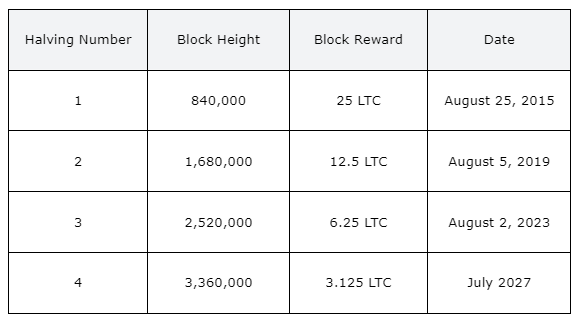
Litecoin has already experienced halving events in its history. Let's take a closer look at some of Litecoin's halving dates:

Litecoin Halving Dates

As per the existing schedule, Litecoin halving events occur approximately every four years. The next halving is expected to occur in 2027, further reducing the block reward to 1.5625 LTC. These halving events play a vital role in controlling the issuance of new Litecoins and maintaining scarcity in the long run.

Litecoin Halving and Price Predictions

One of the most common questions surrounding Litecoin's halving is how it will impact the price of the cryptocurrency. 

While it is challenging to provide an accurate prediction, historical data, and market trends can give us some insights into potential price movements.

Previous Litecoin Halving Price Trends

Looking back at the previous halvings, Litecoin's price exhibited distinct patterns following each event. Let's examine the price trends after the first and second Litecoin halvings:

First Litecoin Halving (August 25, 2015)

After the first halving, Litecoin's price initially traded sideways for over a year, entering a phase of stagnation. 

While a buy-and-hold strategy may not have been the most profitable approach during this period, traders employing ranging market strategies could have capitalized on the price fluctuations. 

This stagnation phase was followed by a bull phase, characterized by a significant increase in Litecoin's price over a period of six months to a year. 

A pullback/bear phase eventually succeeded the bull phase, marked by a correction lasting approximately a year. Finally, Litecoin entered an accumulation phase, likely driven by pre-halving accumulation, before the cycle repeated itself with the second halving.

Also Read - Next Crypto Bull Run

Second Litecoin Halving (August 5, 2019)

The second halving event saw a different price trajectory for Litecoin. Prior to the halving, Litecoin experienced an upward trend, reaching a peak in July 2019. 

However, the price started to decline immediately after the halving, leading to a period of bearish sentiment. The price continued to fall until it stabilized, and the market entered a period of consolidation and accumulation.

Price Predictions for Future Halvings

Predicting the exact impact of the upcoming Litecoin halving on its price is challenging. While historical data provides some insights, it is crucial to consider other fundamental factors that influence Litecoin's price volatility and trends. 

Factors such as Bitcoin's price movements, the level of adoption of Litecoin, and overall market sentiment can significantly influence the price of Litecoin in the long run.

While past halving events have historically positively impacted the price of Litecoin, it is important to note that past performance does not guarantee future results. 

Market conditions and cryptocurrency prices can be highly volatile, and the future performance of Litecoin is subject to various factors and uncertainties. 

Therefore, it is advisable to conduct thorough research, consider the risks associated with cryptocurrency investments, and consult a financial advisor before making any investment decisions.

Conclusion

Litecoin halving is a significant event in the world of cryptocurrencies, with potential implications for miners, the price of Litecoin, and trading strategies. 

Understanding the mechanics and history of Litecoin halving can provide valuable insights for investors and traders. 

While the exact impact of halving on Litecoin's price is uncertain, it is essential to consider various factors and conduct thorough research before making any investment decisions. 

Whether you choose to trade Litecoin halving or explore other avenues to grow your Litecoin holdings, always remember to stay informed, manage risk effectively, and consult with professionals when needed.

Disclaimer

The information provided on this website does not constitute investment advice, financial advice, trading advice, or any other advice, and you should not treat any of the website's content as such.

Token Metrics does not recommend buying, selling, or holding any cryptocurrency. Conduct your due diligence and consult your financial advisor before making investment decisions.

Choose from Platinum, Gold, and Silver packages
Reach with 25–30% open rates and 0.5–1% CTR
Craft your own custom ad—from banners to tailored copy
Perfect for Crypto Exchanges, SaaS Tools, DeFi, and AI Products