Back to blog
Research

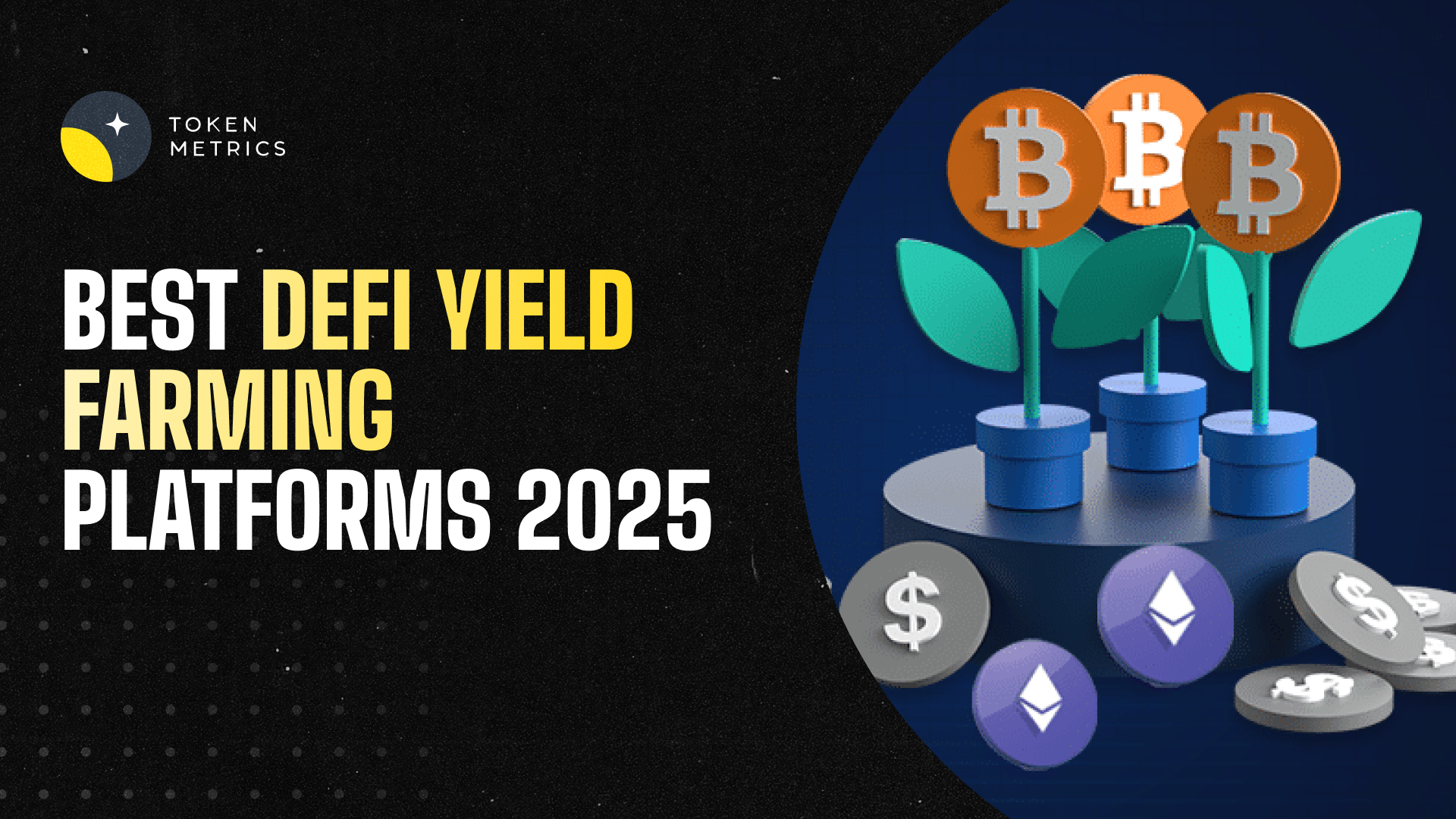
Discover the Best DeFi Yield Farming Platforms for Optimal Returns

Explore top DeFi yield farming platforms to maximize your returns. Discover strategies, risks, and tips for successful investments. Read the article now!
Token Metrics Team
8 min
Want Smarter Crypto Picks—Free?
See unbiased Token Metrics Ratings for BTC, ETH, and top alts.
Thank you! Your submission has been received!
Oops! Something went wrong while submitting the form.
 No credit card | 1-click unsubscribe

Decentralized Finance (DeFi) continues to reshape the financial landscape in 2025, offering crypto users innovative ways to earn passive income through yield farming, staking, and liquidity mining. As traditional finance struggles to provide competitive interest rates, many DeFi platforms now offer some of the highest annual percentage yields (APYs) in the crypto world. The annual percentage yield is a key metric for measuring returns in yield farming. These platforms reward liquidity providers and yield farmers for depositing assets into a liquidity pool—a smart contract that holds funds for decentralized trading and yield generation—or participating in automated market maker (AMM) protocols. Interest rates in DeFi are usually determined by supply and demand on the platform, creating a dynamic and competitive environment. A decentralized exchange is a platform that facilitates peer-to-peer trading without intermediaries, often using AMM models and liquidity pools to enable permissionless trading and increased user control. However, while high APYs can be attractive, it is important to be cautious of chasing unsustainable annual percentage yield, as these returns may carry significant risks in DeFi yield farming.

In this comprehensive guide, we will explore the best DeFi yield farming platforms in 2025, explain how the yield farming process works, and show you how to identify the safest and most profitable opportunities using Token Metrics’ AI-driven analytics.

🔍 What Is Yield Farming?

Yield farming is a key strategy within the decentralized finance ecosystem where users lend or stake their crypto assets in various DeFi protocols to earn returns. These returns often come in the form of additional tokens, trading fees, or other incentives distributed by the platform.

There are several popular forms of yield generation within the DeFi space:
  • Staking: Locking tokens to support network security or protocol governance, such as Ethereum staking, where stakers earn rewards for helping secure the network.
  • Liquidity Mining: Providing token pairs to decentralized exchanges (DEXs) or liquidity pools, thereby enabling automated market making and earning trading fees plus additional rewards.
  • Lending and Borrowing: Depositing assets into lending pools to earn interest, or borrowing assets against collateral on DeFi platforms, often facilitated by smart contracts.
  • Vault Strategies: Automated strategies that use smart contract automation to optimize and maximize returns for users with minimal effort.
  • Cross-Chain Yield Farming: A growing trend that allows operations across multiple blockchain networks, enabling users to diversify and access opportunities on different platforms.

Yield farming can offer APYs that far exceed those found in traditional financial savings accounts or fixed-income products. However, it is important to be aware of risks such as impermanent loss, smart contract vulnerabilities, market volatility, and protocol-specific risks.

🏗️ How DeFi Works: Smart Contracts and Liquidity Pools

Decentralized finance (DeFi) is powered by the seamless integration of smart contracts and liquidity pools, which together form the backbone of the DeFi ecosystem. Smart contracts are self-executing pieces of code that automatically enforce the terms of an agreement, eliminating the need for traditional intermediaries. This automation enables DeFi protocols to offer financial services such as lending, borrowing, and trading in a trustless and transparent manner. The decentralized structure of DeFi makes it less susceptible to risks linked with financial institutions, like bank collapses, further enhancing its appeal as a robust alternative to traditional finance.

Liquidity pools are another foundational element of DeFi platforms. These pools consist of funds contributed by liquidity providers, who deposit their crypto assets into smart contracts. The pooled assets are then used to facilitate trading, lending, and other financial activities across various DeFi protocols. By providing liquidity, users not only enable efficient trading and continuous liquidity on decentralized exchanges but also earn rewards in the form of trading fees or additional tokens.

The combination of smart contracts and liquidity pools allows DeFi platforms to deliver a wide range of decentralized finance services, including yield farming, automated market making, and decentralized lending. This innovative structure empowers users to participate in the global financial system without relying on centralized authorities, making DeFi a cornerstone of the modern crypto landscape.

💡 Benefits of DeFi for Investors

DeFi platforms offer a host of advantages for investors seeking to grow their crypto holdings beyond what traditional financial institutions can provide. One of the most compelling benefits is the potential for higher returns, especially through yield farming and lending protocols that enable users to earn interest and rewards on their digital assets. Additionally, investors in DeFi have control over their assets through wallets, reducing the risk of loss from third-party failures and ensuring greater financial autonomy.

Transparency is another key advantage. All transactions and smart contract operations on DeFi platforms are recorded on public blockchains, allowing investors to verify activity and track the movement of funds in real time. This level of openness reduces the risk of fraud and increases trust in the system.

Global accessibility is also a hallmark of decentralized finance. Anyone with an internet connection can access DeFi platforms, participate in yield farming, and earn governance tokens, regardless of their location or background. This democratizes access to financial services and opens up new opportunities for earning passive income.

By leveraging smart contracts and participating in governance through token ownership, investors can not only earn interest but also have a say in the future direction of their chosen DeFi protocols. This combination of high yields, transparency, and inclusivity makes DeFi an attractive alternative to traditional finance.

🧩 DeFi Yield Farming Strategies

Successful yield farmers use a variety of strategies to maximize returns from DeFi yield farming platforms. One popular approach is diversification—spreading investments across multiple DeFi protocols and liquidity pools to reduce risk and capture different yield opportunities. This helps mitigate the impact of any single protocol’s underperformance or security issues.

Liquidity provision is another core strategy, where investors deposit assets into liquidity pools on decentralized exchanges or lending platforms. In return, they earn a share of the trading fees generated and may also receive additional rewards, such as governance tokens.

Some yield farmers employ leverage, borrowing assets to increase their exposure and potential returns. While this can amplify gains, it also raises the risk of losses, especially in volatile markets.

For those seeking a more hands-off approach, automated yield optimization strategies—offered by platforms like Yearn Finance—can simplify the yield farming process. These protocols automatically move funds between various DeFi protocols to maximize yield, allowing users to benefit from complex strategies with minimal effort.

By combining these strategies—diversification, liquidity provision, leverage, and automation—yield farmers can optimize their returns while managing risk across the dynamic DeFi landscape.

🚀 Best DeFi Yield Farming Platforms in 2025

The DeFi sector has matured significantly, and many platforms now offer institutional-grade security measures, automated yield optimization, and seamless integration with other DeFi protocols. As the market matures, the industry is evolving towards more sustainable and innovative practices. These platforms often utilize different DeFi protocols to optimize user returns and simplify interactions within the DeFi ecosystem. Below are some of the top DeFi yield farming platforms in 2025, renowned for their high APYs, security, and innovative features.

1. Lido Finance (LDO)
Lido Finance is the largest liquid staking protocol and a leading DeFi project, best known for enabling users to stake Ethereum and receive stETH tokens, which represent their staked ETH and provide liquidity across other DeFi platforms. This unique model allows liquidity providers to earn staking rewards while maintaining the ability to use their assets in other protocols.

Highlights:

  • Supports staking for ETH, SOL, MATIC, DOT, and more.
  • Enables liquidity provision via stTokens, maintaining continuous liquidity.
  • Operates a decentralized validator set to enhance security.
  • Fully integrated with many DeFi platforms to maximize utility.

APY in 2025: Approximately 3.5%–4.5% on ETH staking.

Risks: Exposure to ETH price volatility and potential smart contract vulnerabilities.

2. Aave (AAVE)
Aave is a leading decentralized lending protocol that enables users to deposit crypto assets into liquidity pools to earn variable APYs, while also allowing borrowing against collateral. Known for its security and advanced features like flash loans, Aave remains a cornerstone in the DeFi ecosystem.

Highlights:

  • Supports a wide range of supported assets including stablecoins, ETH, and BTC. It is important to check which assets are compatible with Aave before engaging in lending or borrowing.
  • Features lending functionalities such as borrowing, interest earning, and liquidity provision, making it attractive for users seeking flexible financial services.
  • Offers innovative features such as flash loans, which must be borrowed and repaid within the same transaction to ensure security and instant execution, and intent-based user experiences.
  • Operates across Ethereum, Polygon, and Arbitrum for efficient trading.
  • Upcoming Aave v4 aims to enhance user experience and protocol governance.

APY in 2025: Up to 10% on stablecoins during periods of high demand.

Risks: Smart contract exploits and liquidation risks during market downturns.

3. Convex Finance (CVX)
Convex Finance specializes in boosting rewards for Curve Finance liquidity providers. As one of the most successful DeFi projects in the yield farming space, Convex has established a strong track record of delivering positive outcomes for users. By staking Curve LP tokens through Convex, yield farmers can maximize their returns with additional CVX incentives, making it a popular choice for those engaged in liquidity provision on stablecoin pools.

Highlights:

  • Earns combined rewards in CRV, CVX, and other protocol incentives.
  • Utilizes a vote-locking system that boosts long-term rewards.
  • Supports pools on Ethereum and Arbitrum.
  • Plays a significant role in Curve governance and the “Curve Wars.”

APY in 2025: Up to 25% on select Curve pools.

Risks: Complex tokenomics and potential governance concentration risk.

4. GMX (GMX)
GMX offers a unique yield farming model by allowing users to provide liquidity to its GLP pool, which earns a share of the protocol’s trading fees from decentralized perpetual trading. Built on Arbitrum and Avalanche, GMX provides a sustainable source of yield derived from real trading activity.

Highlights:

  • Yields generated from trading fees and trader losses.
  • GLP auto-compounds a diversified basket of assets including ETH, USDC, and WBTC.
  • Focus on community governance and security.
  • Supports efficient trading of decentralized derivatives.

APY in 2025: Between 10% and 20%, paid in ETH and esGMX tokens.

Risks: Market downturns can reduce yields; impermanent loss is possible.

5. Beefy Finance (BIFI)
Beefy Finance is a cross-chain yield optimizer that aggregates farming opportunities from multiple DeFi platforms. Its automated vault strategies auto-compound rewards, helping users maximize yield farming returns with minimal effort.

Highlights:

  • Supports dozens of blockchains including BNB Chain, Fantom, Avalanche, and Arbitrum.
  • Uses battle-tested smart contracts and strategic risk assessments.
  • Aggregates yield farming rewards from various DeFi protocols.
  • Provides automated yield optimization for both novice and experienced yield farmers.

APY in 2025: Ranges widely from 5% up to 80% depending on the vault and underlying assets.

Risks: Complexity of strategies and dependency on multiple underlying protocols.

6. Yearn Finance (YFI)
Yearn Finance offers institutional-grade vault strategies managed by professional strategists. It pools user capital and deploys it across various DeFi protocols to optimize yields, making it ideal for passive investors seeking automated yield farming with active governance.

Highlights:

  • Integrates with protocols like Aave, Curve, and Convex.
  • Supports a variety of assets including ETH, stablecoins, and liquidity provider tokens.
  • Emphasizes security through audits and a secure development process.
  • Features active governance with YFI tokens.

APY in 2025: Typically ranges from 4% to 30%, depending on the strategy.

Risks: Strategy performance variability and smart contract risks.

7. Pendle Finance (PENDLE)
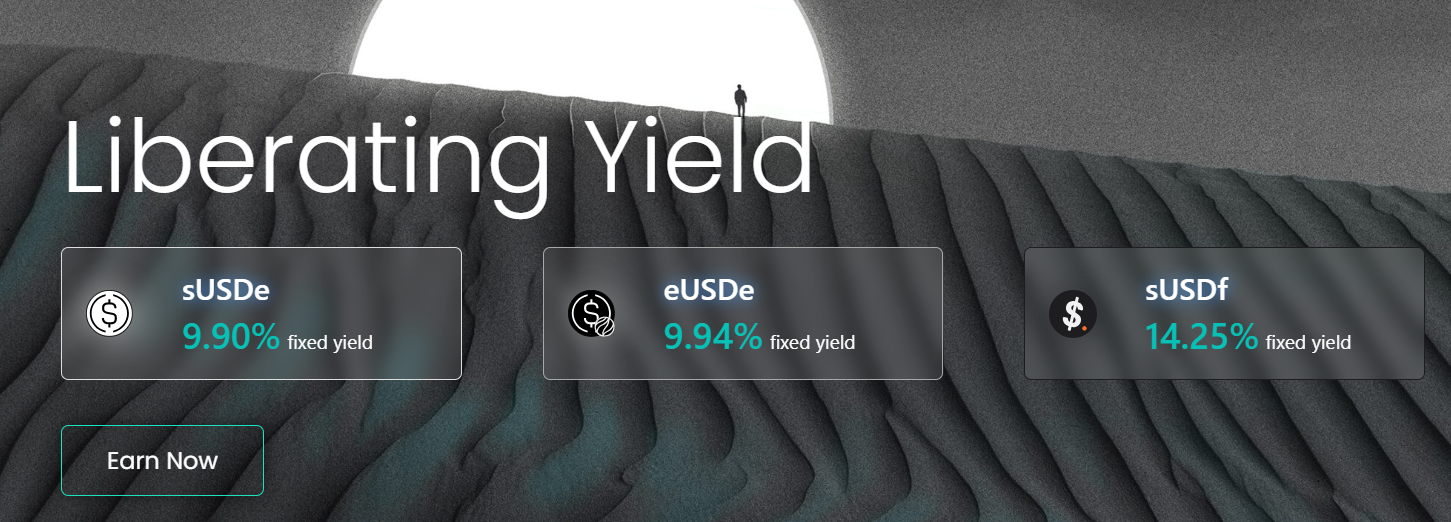
Pendle Finance introduces an innovative approach to yield farming by tokenizing future yield, allowing users to trade yield tokens on secondary markets. This enables locking in fixed APYs or speculating on interest rate movements, adding a new dimension to yield optimization.

Highlights:

  • Offers fixed yield strategies and yield token trading.
  • Supports staking of ETH, GLP, and liquid staking tokens (LSTs).
  • Uses PENDLE tokens for governance and staking.
  • Facilitates interest rate speculation and yield tokenization.

APY in 2025: Up to 15% fixed, potentially higher when trading discounted yield tokens.

Risks: Requires understanding of tokenization mechanics and market timing.

🧠 How to Use Token Metrics to Find the Best DeFi Yields
Navigating the myriad of DeFi platforms and protocols to find the highest-yielding yet safest opportunities can be daunting. Token Metrics leverages AI-powered analytics to simplify this process by providing comprehensive insights into the DeFi ecosystem. Tulip Protocol, the first yield aggregation platform built on Solana, exemplifies the innovative tools available to users seeking to optimize their returns in the DeFi space.

Key features include:

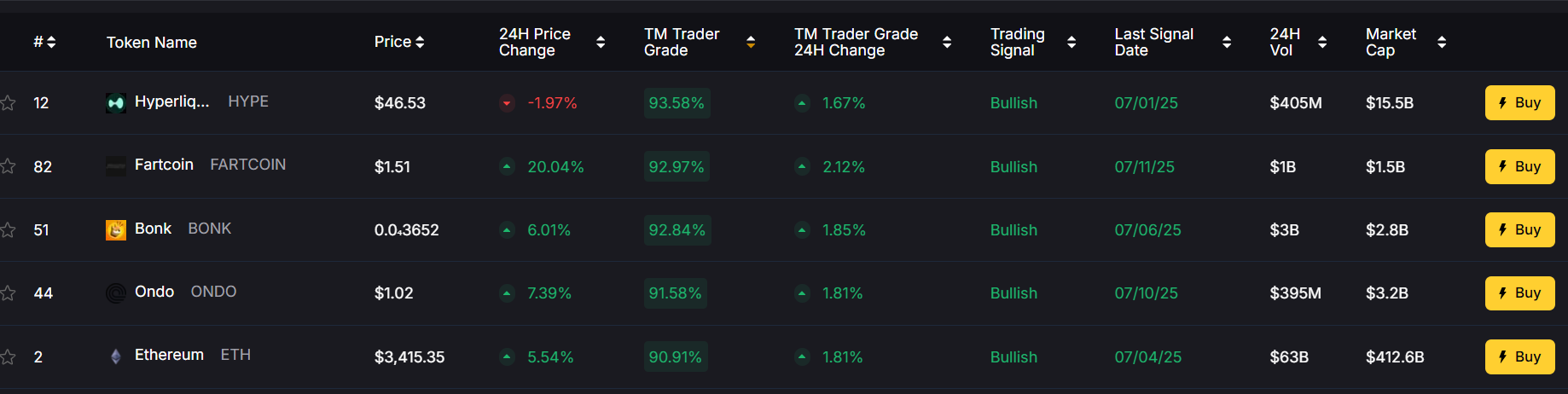
  • AI-driven Investor & Trader Grades that evaluate DeFi tokens based on risk-reward profiles.
  • Token Rankings that assess adoption, protocol health, and intrinsic value.
  • Bullish and Bearish Signals on popular yield farming tokens such as CVX, GMX, and LDO.
  • Backtesting Tools to simulate strategies involving yield-bearing tokens.
  • Narrative Tracking to identify emerging DeFi trends and promising protocols early.
  • The ability to compare transaction fees across DeFi platforms, helping users optimize net returns by factoring in cost efficiency.

When evaluating DeFi platforms, it is crucial to check the list of supported assets to ensure compatibility with your portfolio and to maximize diversification and risk management.

Whether you are participating in liquidity provision on decentralized exchanges, staking ETH through liquid staking platforms like Lido, or engaging with automated yield aggregators like Yearn Finance, Token Metrics helps analyze token health, protocol governance, and long-term sustainability.

👉 Start your free trial of Token Metrics to discover high-APY DeFi yield farming strategies before they become mainstream.

🛠️ DeFi Platform Selection Criteria

Choosing the right DeFi platform is crucial for maximizing returns and minimizing risk. Security should be the top priority; look for DeFi platforms with a proven track record, regular security audits, and transparent smart contract development processes. Platforms that have demonstrated resilience against hacks and have robust security measures in place are generally more trustworthy.

Usability is another important factor. A user-friendly interface and clear documentation can make it easier to navigate the platform and manage your investments effectively. Consider how intuitive the platform is for both beginners and experienced users.

Fees can significantly impact your net returns, so compare transaction costs, withdrawal fees, and any other charges across different DeFi platforms. Opt for platforms with competitive and transparent fee structures.

Other key factors include the platform’s governance model—such as the role of governance tokens and community participation—the quality of customer support, and compliance with evolving regulatory requirements. By carefully evaluating these criteria, investors can select DeFi platforms that align with their goals and risk tolerance.

🌐 DeFi Trends to Watch in 2025

The DeFi sector is rapidly evolving, and several key trends are set to shape the landscape in 2025. One major development is the rise of institutional grade DeFi platforms, which are attracting more institutional investors by offering enhanced security, compliance, and customer support. This institutional adoption is expected to bring greater liquidity and stability to the DeFi ecosystem.

Automated yield optimization is another trend gaining momentum. Platforms like Yearn Finance are making it easier for users to participate in the yield farming process by automating complex strategies and maximizing returns with minimal effort. As these automated solutions mature, they are likely to become a standard feature across many DeFi protocols.

Innovation in DeFi protocols continues, with new applications such as decentralized derivatives and synthetic assets enabling users to trade derivative contracts and gain exposure to real world assets in a decentralized manner. These advancements are expanding the range of investment opportunities and risk management tools available to DeFi participants.

Regulatory developments are also on the horizon, with clearer guidelines for DeFi platforms expected to emerge. This could foster greater trust and participation from both retail and institutional investors, further accelerating the growth of the DeFi sector.

Staying informed about these DeFi trends will be essential for investors looking to capitalize on new opportunities and navigate the evolving decentralized finance landscape in 2025.

⚠️ Risks of Yield Farming in 2025

While DeFi yield farming offers attractive returns, it is crucial to understand the inherent risks involved:

1. Impermanent Loss

When providing liquidity to a pool, fluctuations in the relative value of deposited assets can cause impermanent loss, reducing overall profits compared to simply holding the assets.

2. Smart Contract Exploits

Bugs or vulnerabilities in smart contract code can lead to loss of funds. Engaging with audited and battle-tested protocols helps mitigate this risk.

3. Protocol Risk

New or unaudited DeFi projects may face collapse or “rug pulls.” Sticking to reputable platforms with secure development processes is essential.

4. Token Volatility

Reward tokens distributed as yield can experience significant price swings, which may offset gains from APYs.

5. Liquidity Risk

Low liquidity in certain pools can result in slippage or difficulty withdrawing assets promptly.

To manage these risks, it is advisable to diversify across multiple protocols, use risk management tools, and stay informed about regulatory developments and security measures in the DeFi sector.

Final Thoughts

In 2025, decentralized finance has evolved into a mature and sophisticated ecosystem offering some of the best passive income opportunities in the financial world. From liquid staking and automated vault strategies to innovative yield tokenization, DeFi platforms empower users to maximize returns on their digital assets with minimal effort. Many platforms are also expanding into synthetic assets, allowing users to gain exposure to traditional assets, including fiat currencies like USD or EUR, through tokenized representations.

However, navigating this complex landscape requires reliable tools and insights. Token Metrics combines AI, real-time data, and deep token analysis to help investors identify the best DeFi yield farming platforms while managing associated risks. Whether you are a retail yield farmer or an institutional investor bridging traditional finance with the DeFi space, leveraging such analytics is key to capitalizing on the highest APYs sustainably.

Explore the DeFi ecosystem with confidence and unlock the full potential of yield farming in 2025. Future predictions indicate continued evolution and innovation in DeFi yield farming platforms, with new opportunities and trends likely to emerge in the coming years.

Build Smarter Crypto Apps &
AI Agents in Minutes, Not Months
Real-time prices, trading signals, and on-chain insights all from one powerful API.
Grab a Free API Key
About Token Metrics
Token Metrics: AI-powered crypto research and ratings platform. We help investors make smarter decisions with unbiased Token Metrics Ratings, on-chain analytics, and editor-curated “Top 10” guides. Our platform distills thousands of data points into clear scores, trends, and alerts you can act on.
30 Employees
analysts, data scientists, and crypto engineers
Daily Briefings
concise market insights and “Top Picks”
Transparent & Compliant
Sponsored ≠ Ratings; research remains independent
Want Smarter Crypto Picks—Free?
See unbiased Token Metrics Ratings for BTC, ETH, and top alts.
Thank you! Your submission has been received!
Oops! Something went wrong while submitting the form.
 No credit card | 1-click unsubscribe
Token Metrics Team
Token Metrics Team

Recent Posts

Crypto Basics

Top 10 Crypto Exchanges in USA in 2025 | Secure and Affordable Trading

Sam Monac
6 min

As the crypto market continues to expand rapidly across the United States, crypto traders and investors are on the lookout for the best crypto exchanges that combine security, low fees, a wide range of digital assets, and intelligent trading tools to optimize their investment strategies. These exchanges operate as business entities that facilitate the trading, buying, and custody of cryptocurrencies, playing a crucial role in the financial ecosystem. In 2025, the competition among U.S.-based cryptocurrency exchanges is fiercer than ever. From well-established platforms like Coinbase and Kraken to innovative AI-powered solutions such as Token Metrics, users have a wealth of options—and compelling reasons to choose carefully.

This article explores the best cryptocurrency exchanges in the USA in 2025, highlighting their standout features, benefits, and what differentiates each platform. Whether you are a retail investor just starting to buy crypto or an advanced trader seeking sophisticated analytics, this guide will help you find the right exchange to meet your needs by focusing on how these platforms serve their customers, emphasizing the importance of customer support and safety.

Introduction to Crypto Trading

Crypto trading is the process of buying and selling digital assets—such as bitcoin and other cryptocurrencies—on specialized online platforms known as crypto exchanges. As the crypto market has matured, many crypto exchanges have emerged, each offering unique features to meet the needs of a diverse range of traders. Whether you’re a newcomer or a seasoned trader, selecting the best crypto exchange is essential for maximizing your trading potential and safeguarding your assets.

Top crypto exchanges provide access to a wide variety of trading pairs, allowing users to trade between different cryptocurrencies and even fiat currencies. These platforms are designed to offer high liquidity, ensuring that trades can be executed quickly and at competitive prices. Security is a major focus, with leading exchanges implementing advanced protocols to protect users’ assets and personal information.

Another key consideration is the fee structure. The best crypto exchanges are transparent about their fees, offering low fees for trading and withdrawals to help traders keep more of their profits. Many exchanges also provide advanced order types, such as limit and stop orders, giving traders greater control over their trades. For those looking to expand their knowledge, educational resources are often available, covering everything from basic trading strategies to in-depth market analysis.

Ultimately, understanding the fundamentals of crypto trading, the available trading pairs, and the fee structure of each exchange will empower you to make informed decisions and succeed in the dynamic world of digital assets.

Token Metrics: One of the Best Crypto Exchanges and AI-Powered Trading Platforms in the USA (2025)

Token Metrics is not a conventional cryptocurrency exchange but rather a comprehensive crypto research, analytics, and AI trading platform. In 2025, it has emerged as a top choice among crypto traders and investors who prioritize smart insights before making any trade. Unlike many crypto exchanges that compete mainly on token listings or low fees, Token Metrics distinguishes itself by empowering users with data-driven decision-making.

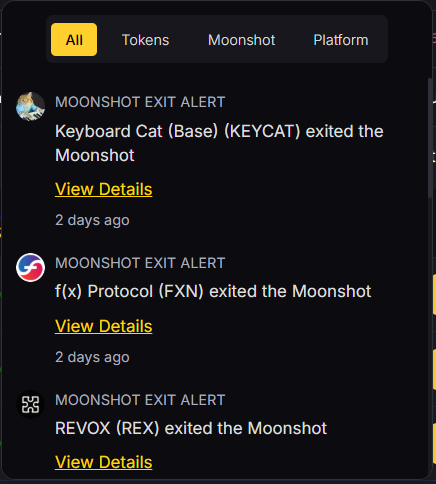
The platform connects to your preferred cryptocurrency exchange accounts via API or wallet integration, offering seamless compatibility with major exchanges such as Coinbase and Binance US. Token Metrics offers access across web, desktop, and mobile devices for maximum convenience. It provides AI-generated bullish and bearish signals, investor and trader grades, and custom alerts for thousands of tokens, covering a broad spectrum of crypto assets and a wide variety of cryptos available for analysis and trading. The spectrum of assets includes those with varying market cap, an important metric for assessing the prominence of different digital assets. This powerful approach helps users avoid hype traps and spot moonshots before they pump, enhancing the potential for profitable trades.

Key Features of Token Metrics:

  • AI signals and token ratings based on over 80 on-chain and off-chain data points
  • Embedded secure wallet giving users full control over their digital assets
  • 24/7 Telegram alerts delivering real-time trade setups and market signals
  • Integration with multiple crypto exchanges for easy trade execution
  • Cross-device and regional access for maximum convenience
  • Educational webinars and in-depth research reports to support informed investing
  • Portfolio builder and backtesting tools to refine trading strategies

Token Metrics is best suited for traders and investors who want to supercharge their trading decisions with AI analytics and comprehensive crypto services. The platform offers a free plan, while premium subscriptions start at $199.99 per month with a 7-day free trial.

Coinbase – The Most Beginner-Friendly U.S. Crypto Exchange

Coinbase remains the most popular cryptocurrency exchange for beginners and casual investors in the USA due to its intuitive user interface, stringent U.S. regulatory compliance, and strong security protocols. As one of the best crypto exchanges widely used across the country, Coinbase’s public listing has helped it gain mainstream credibility and trust, supported by a large customer base. The platform places a strong emphasis on serving and protecting its customers, offering reliable customer support and robust safety measures.

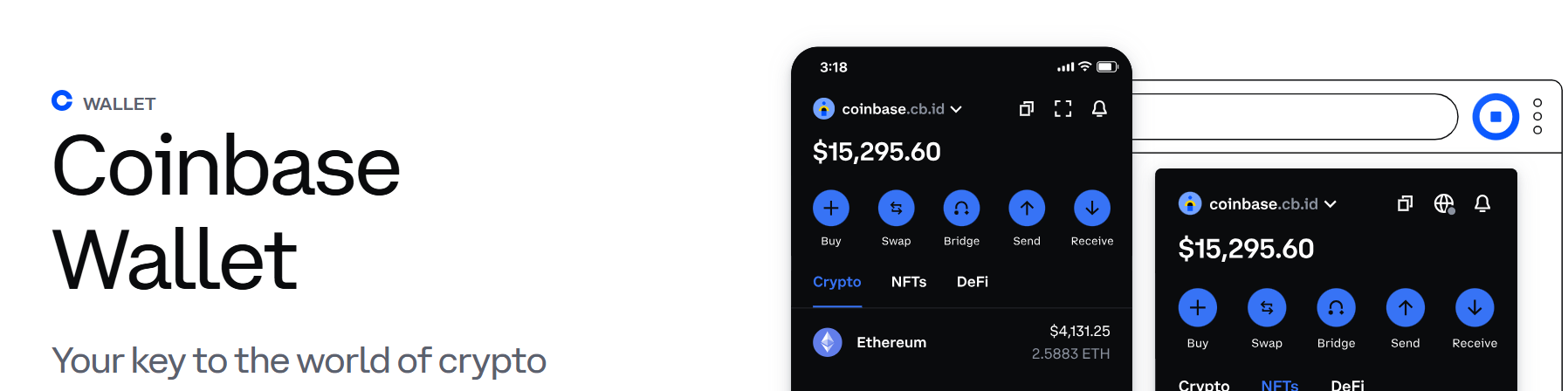
In 2025, Coinbase continues to expand its offerings with features like Coinbase Advanced, catering to pro traders, and Coinbase Wallet, a secure digital wallet for storing and managing your crypto assets. Users can safely store their cryptocurrencies in Coinbase Wallet, ensuring their assets are protected. The platform also supports staking options, allowing users to earn rewards on their holdings. Integration with analytical platforms like Token Metrics enables users to analyze tokens before buying, enhancing decision-making.

Key Features of Coinbase:

  • Simple buy/sell interface for major cryptocurrencies with multiple payment methods
  • Supports bank transfers and debit card payments for buying cryptocurrencies
  • Fully regulated and compliant with U.S. laws
  • FDIC-insured USD storage for added security
  • Access to staking, DeFi, and NFTs through Coinbase Wallet
  • Extensive educational resources and crypto rewards for learning

Coinbase is best for first-time crypto buyers and long-term holders in the U.S. It charges no subscription fees, with trading fees starting around 1.49% per transaction.

Robinhood Crypto – Zero-Fee Crypto Trading for U.S. Investors

Robinhood Crypto has made a significant impact by offering zero-commission crypto trading, making it an attractive option for retail investors seeking to trade crypto without incurring high fees. In 2025, Robinhood supports a growing list of coins, offers recurring buys, and provides access to its self-custody wallet introduced in 2024.

Users can quickly sign up or sign in to their Robinhood accounts to start trading crypto right away. The platform regularly experiences high trading volume, reflecting its popularity among both beginners and advanced users. While Robinhood lacks advanced analytics and complex order types, its clean interface and no-fee model make it ideal for cost-conscious traders who want to start

Key Features of Robinhood Crypto:

  • Commission-free trading for bitcoin, Ethereum, and other major digital currencies
  • Fractional investing and recurring buy options
  • Integrated self-custody wallet with NFT support
  • Instant deposits and withdrawals for verified users
  • Unified UI synced with stock and options accounts

Robinhood Crypto is best for retail traders who want zero-fee crypto trading and who may already use Robinhood for stocks. The platform is completely free for basic crypto trades.

Gemini – Regulated and Security-First U.S. Crypto Exchange

Gemini has earned a reputation as one of the most compliant and security-focused cryptocurrency exchanges in the U.S. It stands out in 2025 as a preferred platform for institutional investors and users who prioritize regulatory transparency and peace of mind.

Gemini offers a comprehensive suite of crypto services, including spot trading, staking, a crypto credit card with rewards, and high-yield accounts. Its user-friendly mobile app and secure custody solutions cater to both retail and institutional clients. Users can trade cryptocurrencies with varying market caps, gaining access to both established and emerging digital assets.

Key Features of Gemini:

  • NYDFS-regulated exchange with strong compliance standards
  • Gemini Earn for generating yield on crypto holdings (subject to regulations)
  • Cold storage with insurance-backed custody for enhanced security
  • Full range of crypto services including staking and custody
  • Gemini Credit Card offering crypto rewards on purchases
  • Industry-leading security protocols including two-factor authentication (2FA)

Gemini is best for users and institutions seeking top-tier security and regulatory assurance. Its fee structure is competitive, with discounts available for high-volume traders.

Kraken – Advanced Crypto Trading with a Trusted U.S. Exchange

Kraken is a long-standing favorite among professional traders in the U.S. due to its robust trading engine, deep liquidity, and extensive range of advanced order types. The platform consistently sees a large volume of digital assets traded, reflecting high activity and liquidity across its markets. In 2025, Kraken supports staking, futures, and margin trading, positioning itself as a full-service platform for experienced users.

Kraken Pro offers high-speed trading, API integrations, and customizable dashboards, appealing to advanced traders and institutions alike. The exchange is renowned for its top-tier security and regulatory transparency. Kraken also has a strong global presence, serving users in key international markets such as Singapore and South Korea.

Key Features of Kraken:

  • Support for over 200 cryptocurrencies and numerous trading pairs
  • High-yield staking options for major tokens
  • Advanced charting tools, order types, and API access
  • 24/7 customer support and extensive educational resources
  • Fully regulated and compliant with U.S. laws

Kraken is best suited for advanced traders, institutions, and staking enthusiasts. Kraken Pro offers low fees, typically 0.16% maker and 0.26% taker fees, with minimal additional costs.

Binance US – Low Fees and Broad Access for American Traders

Binance US, the American branch of the global Binance exchange, is known for offering some of the lowest fees in the U.S. crypto market along with a broad selection of cryptocurrencies. The platform offers access to a wide variety of cryptos, including some that may be difficult to find elsewhere. While more limited in features than its global counterpart, Binance US provides a powerful platform for traders seeking low trading costs and extensive asset availability.

In 2025, Binance US continues to enhance its mobile app, expand coin listings, and add support for staking and recurring buys. It also integrates well with third-party analytics platforms such as Token Metrics, allowing users to combine smart research with execution.

Key Features of Binance US:

  • Among the lowest fees in the U.S. crypto market (0.1% maker/taker fees)
  • Large selection of cryptocurrencies for spot trading
  • Advanced charting and trading tools for active traders
  • Multiple payment methods including ACH, wire transfer, and debit cards
  • Integration with analytics platforms for enhanced decision-making

Binance US is ideal for active traders looking for low fees and a wide variety of tokens. Discounts are available for users holding the BNB token.

Institutional Investors and Crypto Trading in the USA

Institutional investors are playing an increasingly prominent role in the U.S. crypto market, bringing significant capital and credibility to the space. With the rise of digital assets like bitcoin and Ethereum, many institutions are seeking new ways to diversify their portfolios and tap into the growth potential of crypto trading. The integration of crypto services by established names in traditional finance, such as Fidelity Crypto, has made it easier than ever for institutions to access and trade crypto.

These investors benefit from platforms that offer advanced trading features, including copy trading, futures, and robust security measures tailored to large-scale operations. High trading volumes and deep liquidity on leading exchanges ensure that institutions can execute large trades efficiently without impacting market prices. Additionally, specialized services such as dedicated account management, enhanced reporting, and compliance support are often available to meet the unique needs of institutional clients.

However, institutional investors must also navigate a complex regulatory environment and address security concerns to protect their assets. Despite these challenges, the potential for strong returns and portfolio diversification continues to drive institutional interest in digital assets. As more institutions enter the market, their participation is expected to boost overall trading volumes and liquidity, further solidifying the role of crypto trading in the broader financial ecosystem. The ongoing evolution of the crypto market suggests that institutional investors will remain key players in shaping its future.

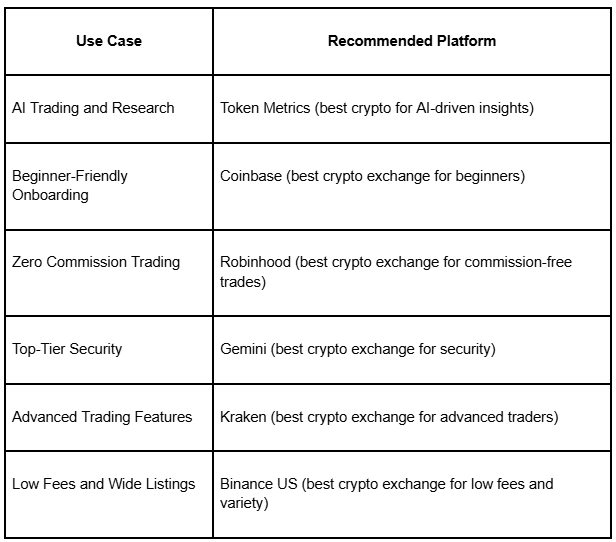
Final Thoughts: Which U.S. Crypto Exchange Is Best in 2025?

With many crypto exchanges available in the U.S., choosing the best cryptocurrency exchange depends on your specific needs and trading style. Here’s a quick summary to help you decide:

For optimal performance, many U.S. crypto traders combine Token Metrics with one or more of these best crypto exchanges. Token Metrics acts as a decision engine, using AI to identify top tokens, while the exchanges provide the execution layer for trades.=

In a landscape with many crypto exchanges to choose from, selecting the best crypto platform based on your individual goals is critical. Pairing your favorite exchange with powerful research tools like Token Metrics may well be the smartest move you make in 2025, helping you navigate the dynamic crypto market with confidence and success.

Crypto Basics

What Is ETF Investing? A Complete Guide for Beginners in 2025

Token Metrics Team
6 min

ETF investing is one of the smartest and most accessible ways to grow your wealth in 2025. With over $12 trillion in assets globally, Exchange-Traded Funds (ETFs) have become a go-to strategy for investors seeking low-cost, diversified, and flexible exposure to a wide range of markets — including stocks, bonds, commodities, and even cryptocurrencies.

In this guide, we’ll explore:

  • What is ETF investing?
  • How ETFs work
  • Different types of ETFs
  • Benefits and risks of ETF investing
  • How to use platforms like Token Metrics to make better investment decisions, especially with crypto ETFs

📌 What Is ETF Investing?

ETF investing refers to buying and holding shares of an Exchange-Traded Fund (ETF) — a marketable security that tracks a collection of assets such as stocks, bonds, or digital currencies. ETFs are traded on public exchanges just like individual stocks, meaning you can buy or sell them anytime during market hours.

Unlike mutual funds, ETFs are passively managed and aim to replicate the performance of a particular index or sector. For example, the SPY ETF tracks the S&P 500, giving you exposure to 500 of the largest U.S. companies with a single investment.

🔍 How Does an ETF Work?

An ETF is managed by an investment company that holds the actual basket of assets. This company issues shares that represent fractional ownership of the entire portfolio.

Here’s how ETF investing works in practice:

  1. You buy ETF shares on a stock exchange through a broker (just like buying a stock).
  2. The ETF provider holds the underlying assets (e.g., stocks, bonds, crypto).
  3. You gain exposure to all assets in the fund with one transaction.
  4. ETF price moves with the market value of its underlying assets.

This model provides instant diversification, reducing risk and simplifying portfolio construction.

🔍 What Are the Types of ETFs?

In 2025, ETF investing is more versatile than ever. Investors can choose from a variety of ETFs depending on their risk appetite, market outlook, and investment goals.

1. Equity ETFs

Track a group of stocks, either broadly (e.g., S&P 500, Nasdaq) or thematically (e.g., AI, electric vehicles, cybersecurity).

2. Bond ETFs

Offer exposure to government or corporate bonds, ideal for income investors seeking lower volatility.

3. Commodity ETFs

Provide access to raw materials like gold, silver, oil, or agricultural goods — useful as inflation hedges.

4. Thematic ETFs

Focus on emerging trends like blockchain, green energy, Web3, or metaverse industries.

5. Crypto ETFs

New in 2025, these ETFs give regulated exposure to digital assets like Bitcoin, Ethereum, and altcoins without managing wallets or private keys.

✅ Benefits of ETF Investing

ETF investing offers many benefits for both beginners and experienced investors:

1. Diversification

One ETF share exposes you to dozens or even hundreds of assets, reducing portfolio risk.

2. Low Fees

ETFs typically have lower expense ratios (0.03%–0.75%) compared to mutual funds (1%+), allowing you to keep more of your returns.

3. Liquidity

ETFs are traded on public exchanges, so you can buy and sell throughout the day, unlike mutual funds that settle once daily.

4. Transparency

Most ETFs disclose holdings daily, so you know exactly what you own.

5. Tax Efficiency

Due to their structure, ETFs are often more tax-friendly than other pooled investment vehicles.

⚠️ Risks of ETF Investing

While ETF investing has many advantages, there are a few risks to consider:

1. Market Risk

Your ETF will rise or fall with the market it tracks. If the S&P 500 drops, so does the SPY ETF.

2. Tracking Error

An ETF may not perfectly match the index it tracks due to fees or poor asset replication.

3. Over-Concentration

Some ETFs are heavily weighted in a few assets, which can increase volatility.

4. Liquidity Risk

Smaller or niche ETFs may have lower trading volume, making it harder to exit positions quickly.

📈 What Is Crypto ETF Investing?

In 2025, crypto ETF investing has gained significant traction. Thanks to regulatory clarity in major markets like the U.S., investors can now access:

  • Bitcoin spot ETFs (e.g., IBIT by BlackRock)
  • Ethereum ETFs
  • Altcoin basket ETFs
  • Thematic ETFs focused on DeFi, NFTs, or AI crypto

These ETFs make it easier to gain exposure to crypto assets through traditional brokerages and tax-advantaged accounts — without handling the complexity of wallets or exchanges.

🤖 How Token Metrics Enhances ETF Investing

Token Metrics is an AI-powered crypto analytics and research platform that can be used alongside ETF investing, especially when evaluating or managing crypto ETF exposure.

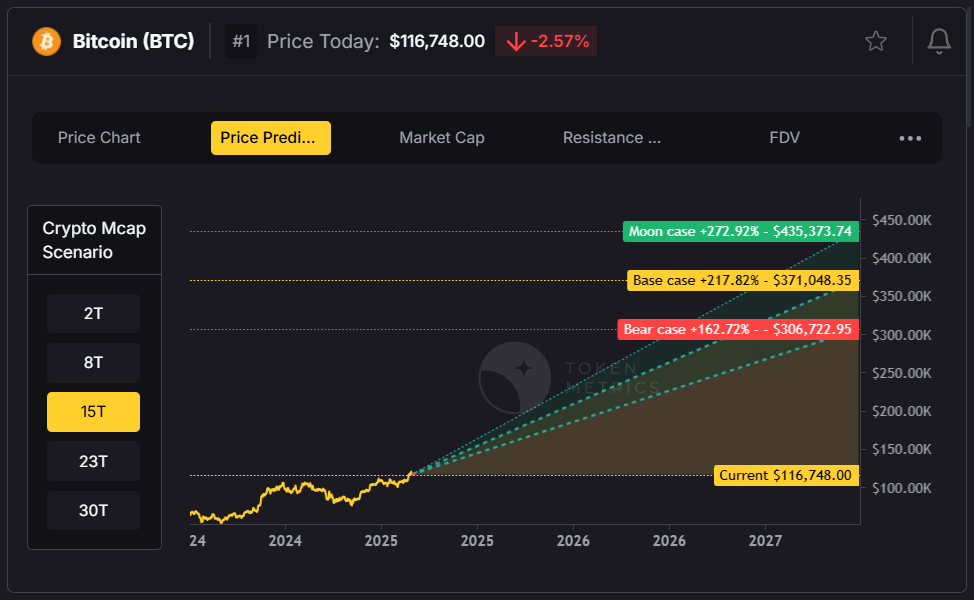
1. AI Price Predictions

Token Metrics uses machine learning models to forecast future prices of top cryptocurrencies — helping investors anticipate ETF performance tied to those assets.

2. Trader and Investor Grades

Each token tracked by Token Metrics receives a Trader Grade (short-term signal) and Investor Grade (long-term strength), allowing users to compare underlying assets of ETFs.

3. Real-Time Market Signals

If a crypto asset in your ETF becomes bullish or bearish, Token Metrics alerts you in real time — helping you decide whether to hold or rotate exposure.

4. Portfolio Tracking

You can sync your wallet or exchange accounts and use Token Metrics to monitor how ETF-related tokens are performing in your overall crypto portfolio.

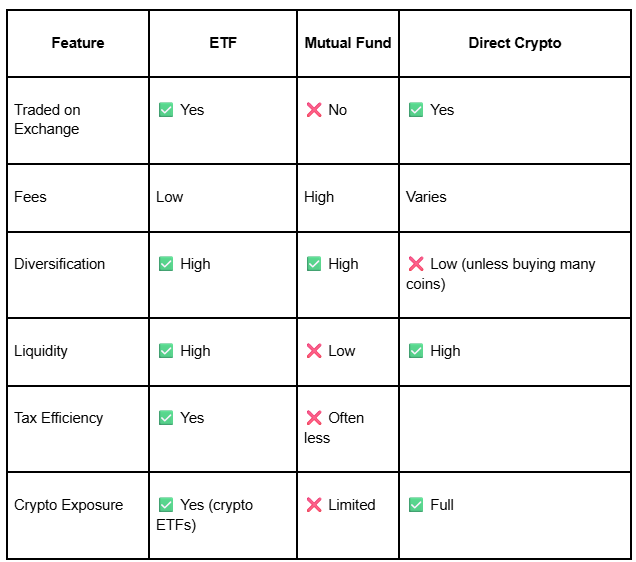
💬 ETF Investing vs. Mutual Funds vs. Crypto

For most retail investors in 2025, ETF investing offers the best balance between simplicity, diversification, and risk management — especially when paired with tools like Token Metrics.

🧠 Final Thoughts

ETF investing is one of the most powerful tools for building long-term wealth in today’s fast-moving markets. It provides instant access to diversified portfolios across traditional and emerging sectors — including cryptocurrency.

By combining ETF investing with AI-powered insights from Token Metrics, you gain an edge in identifying opportunities, managing risk, and adapting your strategy as markets evolve.

Whether you're buying your first ETF or exploring the future of finance through crypto ETFs, now is the perfect time to put ETF investing at the core of your portfolio strategy.

Crypto Basics

What Is an ETF Fund? A Beginner’s Guide to Exchange-Traded Funds in 2025

Token Metrics Team
6 min

ETF funds, or Exchange-Traded Funds, have revolutionized investing for both retail and institutional investors. In 2025, ETF funds are more popular than ever—offering a simple, low-cost, and diversified way to invest in everything from tech stocks to cryptocurrencies. But what exactly is an ETF fund, and why is it such a powerful investment tool?

In this article, we’ll explain:

  • What is an ETF fund?
  • How ETF funds work
  • Types of ETFs (including crypto ETFs)
  • Key benefits and risks
  • How Token Metrics, an AI-powered platform, helps you make better ETF investment decisions

Let’s dive in.

📌 What Is an ETF Fund?

An ETF fund (Exchange-Traded Fund) is a type of investment fund that holds a basket of securities—such as stocks, bonds, commodities, or cryptocurrencies—and is traded on a stock exchange, just like individual stocks.

When you buy a share of an ETF fund, you are buying partial ownership of that entire portfolio of assets. This gives you instant diversification without having to purchase each asset individually.

For example, an ETF fund that tracks the S&P 500 allows you to invest in 500 of the largest U.S. companies with just one purchase.

🔍 How Does an ETF Fund Work?

ETF funds are created by financial institutions called fund sponsors (like BlackRock, Fidelity, or Vanguard). These sponsors select and manage a portfolio of underlying assets and list the ETF shares on stock exchanges.

Here's how it works:

  1. Creation – The sponsor assembles a portfolio and forms an ETF.
  2. Listing – Shares of the ETF are listed and traded on exchanges like NYSE or Nasdaq.
  3. Buying/Selling – Investors buy and sell ETF shares throughout the day at market prices.
  4. Price Movement – The price of an ETF share fluctuates based on the value of its underlying assets and market demand.

ETF prices are influenced by a combination of Net Asset Value (NAV) and real-time market supply/demand.

🧩 Types of ETF Funds

In 2025, investors have access to a wide variety of ETF funds based on asset classes, strategies, and markets.

1. Stock ETFs

Track specific sectors (e.g., tech, healthcare), regions (e.g., U.S., Europe), or indices (e.g., S&P 500, NASDAQ-100).

2. Bond ETFs

Provide exposure to government, municipal, or corporate bonds with varying durations and yields.

3. Commodity ETFs

Track physical commodities like gold, silver, oil, or agricultural products.

4. Thematic ETFs

Focus on emerging trends or industries like artificial intelligence, clean energy, space exploration, or blockchain.

5. Crypto ETFs (New in 2025)

Give exposure to digital assets such as Bitcoin, Ethereum, and DeFi tokens—without requiring direct crypto ownership.

💥 What Are Crypto ETF Funds?

In 2025, crypto ETF funds are among the fastest-growing segments in the market. They offer secure, regulated access to cryptocurrencies via traditional brokerages.

Crypto ETFs include:

  • Spot ETFs: Hold actual crypto assets like Bitcoin or Ethereum.
  • Futures ETFs: Track prices of crypto futures contracts.
  • Basket ETFs: Combine multiple crypto assets or themes, like DeFi or Web3.

These ETFs have made it easier for both institutions and retail investors to gain exposure to crypto without managing wallets, keys, or exchanges.

✅ Benefits of Investing in ETF Funds

ETF funds offer several advantages for investors in 2025:

1. Diversification

With just one purchase, you gain exposure to a broad portfolio of assets—reducing risk.

2. Liquidity

ETFs trade on exchanges all day, allowing you to buy or sell quickly at market prices.

3. Low Cost

Most ETFs have expense ratios under 0.20%, much lower than actively managed mutual funds.

4. Transparency

Most ETF funds disclose their holdings daily, so you always know what you’re investing in.

5. Tax Efficiency

Due to their structure, ETFs are generally more tax-efficient than mutual funds.

⚠️ Risks of ETF Funds

Like all investments, ETF funds come with risks:

1. Market Risk

If the market or sector an ETF tracks declines, your investment will also lose value.

2. Liquidity Risk

Some ETFs, especially niche or low-volume ones, can have wider spreads and lower liquidity.

3. Tracking Error

An ETF may not perfectly track the performance of its underlying index due to fees, slippage, or poor replication.

4. Over-Concentration

Some thematic ETFs may be overly concentrated in a few assets, increasing volatility.

🤖 How Token Metrics Enhances ETF Investing with AI

Token Metrics is an AI-powered crypto analytics and trading platform that helps investors research, evaluate, and make smarter decisions—including with crypto ETFs.

Here’s how Token Metrics helps you get ahead:

🔎 1. AI-Powered Ratings

Token Metrics uses advanced AI models to assign Investor Grades and Trader Grades to crypto assets, helping you identify the strongest performers—often held by top ETFs.

📊 2. Predictive Price Forecasts

Get forward-looking price predictions on Bitcoin, Ethereum, and other assets held in ETFs—so you can assess whether an ETF is likely to appreciate.

📈 3. On-Chain + ETF Inflow Analysis

Token Metrics tracks real-time ETF inflows, exchange reserves, and on-chain data, giving you insight into supply-demand dynamics that move prices.

🔔 4. Smart Alerts

Set alerts for key changes in asset ratings, prices, or bullish/bearish signals to stay informed on ETF-related opportunities.

By combining ETF investing with Token Metrics insights, you position yourself ahead of market trends and optimize your portfolio performance.

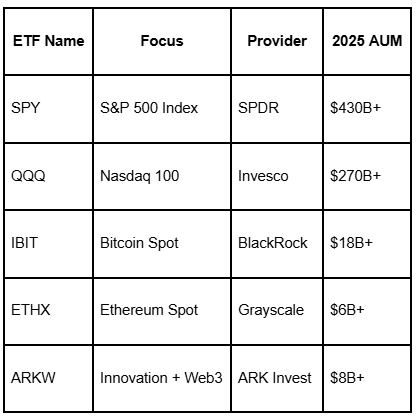
📈 Popular ETF Funds in 2025

Here are some high-performing ETF funds in traditional and crypto markets:

🧠 Final Thoughts

ETF funds are one of the most efficient and flexible ways to build a diversified investment portfolio in 2025. Whether you're targeting long-term growth, passive income, or exposure to emerging markets like crypto—ETF funds offer a secure, low-cost, and easy-to-use investment solution.

And with the rise of crypto ETF funds, platforms like Token Metrics are critical in helping investors evaluate opportunities, manage risk, and time the market using AI.

Whether you're a seasoned investor or just getting started, combining ETF investing with AI-powered insights gives you the edge in today's rapidly evolving financial landscape.

Choose from Platinum, Gold, and Silver packages
Reach with 25–30% open rates and 0.5–1% CTR
Craft your own custom ad—from banners to tailored copy
Perfect for Crypto Exchanges, SaaS Tools, DeFi, and AI Products