Back to blog
Research

Discover the Best DeFi Yield Farming Platforms for Optimal Returns

Explore top DeFi yield farming platforms to maximize your returns. Discover strategies, risks, and tips for successful investments. Read the article now!
Token Metrics Team
8 min
Want Smarter Crypto Picks—Free?
See unbiased Token Metrics Ratings for BTC, ETH, and top alts.
Thank you! Your submission has been received!
Oops! Something went wrong while submitting the form.
 No credit card | 1-click unsubscribe

Decentralized Finance (DeFi) continues to reshape the financial landscape in 2025, offering crypto users innovative ways to earn passive income through yield farming, staking, and liquidity mining. As traditional finance struggles to provide competitive interest rates, many DeFi platforms now offer some of the highest annual percentage yields (APYs) in the crypto world. The annual percentage yield is a key metric for measuring returns in yield farming. These platforms reward liquidity providers and yield farmers for depositing assets into a liquidity pool—a smart contract that holds funds for decentralized trading and yield generation—or participating in automated market maker (AMM) protocols. Interest rates in DeFi are usually determined by supply and demand on the platform, creating a dynamic and competitive environment. A decentralized exchange is a platform that facilitates peer-to-peer trading without intermediaries, often using AMM models and liquidity pools to enable permissionless trading and increased user control. However, while high APYs can be attractive, it is important to be cautious of chasing unsustainable annual percentage yield, as these returns may carry significant risks in DeFi yield farming.

In this comprehensive guide, we will explore the best DeFi yield farming platforms in 2025, explain how the yield farming process works, and show you how to identify the safest and most profitable opportunities using Token Metrics’ AI-driven analytics.

🔍 What Is Yield Farming?

Yield farming is a key strategy within the decentralized finance ecosystem where users lend or stake their crypto assets in various DeFi protocols to earn returns. These returns often come in the form of additional tokens, trading fees, or other incentives distributed by the platform.

There are several popular forms of yield generation within the DeFi space:
  • Staking: Locking tokens to support network security or protocol governance, such as Ethereum staking, where stakers earn rewards for helping secure the network.
  • Liquidity Mining: Providing token pairs to decentralized exchanges (DEXs) or liquidity pools, thereby enabling automated market making and earning trading fees plus additional rewards.
  • Lending and Borrowing: Depositing assets into lending pools to earn interest, or borrowing assets against collateral on DeFi platforms, often facilitated by smart contracts.
  • Vault Strategies: Automated strategies that use smart contract automation to optimize and maximize returns for users with minimal effort.
  • Cross-Chain Yield Farming: A growing trend that allows operations across multiple blockchain networks, enabling users to diversify and access opportunities on different platforms.

Yield farming can offer APYs that far exceed those found in traditional financial savings accounts or fixed-income products. However, it is important to be aware of risks such as impermanent loss, smart contract vulnerabilities, market volatility, and protocol-specific risks.

🏗️ How DeFi Works: Smart Contracts and Liquidity Pools

Decentralized finance (DeFi) is powered by the seamless integration of smart contracts and liquidity pools, which together form the backbone of the DeFi ecosystem. Smart contracts are self-executing pieces of code that automatically enforce the terms of an agreement, eliminating the need for traditional intermediaries. This automation enables DeFi protocols to offer financial services such as lending, borrowing, and trading in a trustless and transparent manner. The decentralized structure of DeFi makes it less susceptible to risks linked with financial institutions, like bank collapses, further enhancing its appeal as a robust alternative to traditional finance.

Liquidity pools are another foundational element of DeFi platforms. These pools consist of funds contributed by liquidity providers, who deposit their crypto assets into smart contracts. The pooled assets are then used to facilitate trading, lending, and other financial activities across various DeFi protocols. By providing liquidity, users not only enable efficient trading and continuous liquidity on decentralized exchanges but also earn rewards in the form of trading fees or additional tokens.

The combination of smart contracts and liquidity pools allows DeFi platforms to deliver a wide range of decentralized finance services, including yield farming, automated market making, and decentralized lending. This innovative structure empowers users to participate in the global financial system without relying on centralized authorities, making DeFi a cornerstone of the modern crypto landscape.

💡 Benefits of DeFi for Investors

DeFi platforms offer a host of advantages for investors seeking to grow their crypto holdings beyond what traditional financial institutions can provide. One of the most compelling benefits is the potential for higher returns, especially through yield farming and lending protocols that enable users to earn interest and rewards on their digital assets. Additionally, investors in DeFi have control over their assets through wallets, reducing the risk of loss from third-party failures and ensuring greater financial autonomy.

Transparency is another key advantage. All transactions and smart contract operations on DeFi platforms are recorded on public blockchains, allowing investors to verify activity and track the movement of funds in real time. This level of openness reduces the risk of fraud and increases trust in the system.

Global accessibility is also a hallmark of decentralized finance. Anyone with an internet connection can access DeFi platforms, participate in yield farming, and earn governance tokens, regardless of their location or background. This democratizes access to financial services and opens up new opportunities for earning passive income.

By leveraging smart contracts and participating in governance through token ownership, investors can not only earn interest but also have a say in the future direction of their chosen DeFi protocols. This combination of high yields, transparency, and inclusivity makes DeFi an attractive alternative to traditional finance.

🧩 DeFi Yield Farming Strategies

Successful yield farmers use a variety of strategies to maximize returns from DeFi yield farming platforms. One popular approach is diversification—spreading investments across multiple DeFi protocols and liquidity pools to reduce risk and capture different yield opportunities. This helps mitigate the impact of any single protocol’s underperformance or security issues.

Liquidity provision is another core strategy, where investors deposit assets into liquidity pools on decentralized exchanges or lending platforms. In return, they earn a share of the trading fees generated and may also receive additional rewards, such as governance tokens.

Some yield farmers employ leverage, borrowing assets to increase their exposure and potential returns. While this can amplify gains, it also raises the risk of losses, especially in volatile markets.

For those seeking a more hands-off approach, automated yield optimization strategies—offered by platforms like Yearn Finance—can simplify the yield farming process. These protocols automatically move funds between various DeFi protocols to maximize yield, allowing users to benefit from complex strategies with minimal effort.

By combining these strategies—diversification, liquidity provision, leverage, and automation—yield farmers can optimize their returns while managing risk across the dynamic DeFi landscape.

🚀 Best DeFi Yield Farming Platforms in 2025

The DeFi sector has matured significantly, and many platforms now offer institutional-grade security measures, automated yield optimization, and seamless integration with other DeFi protocols. As the market matures, the industry is evolving towards more sustainable and innovative practices. These platforms often utilize different DeFi protocols to optimize user returns and simplify interactions within the DeFi ecosystem. Below are some of the top DeFi yield farming platforms in 2025, renowned for their high APYs, security, and innovative features.

1. Lido Finance (LDO)
Lido Finance is the largest liquid staking protocol and a leading DeFi project, best known for enabling users to stake Ethereum and receive stETH tokens, which represent their staked ETH and provide liquidity across other DeFi platforms. This unique model allows liquidity providers to earn staking rewards while maintaining the ability to use their assets in other protocols.

Highlights:

  • Supports staking for ETH, SOL, MATIC, DOT, and more.
  • Enables liquidity provision via stTokens, maintaining continuous liquidity.
  • Operates a decentralized validator set to enhance security.
  • Fully integrated with many DeFi platforms to maximize utility.

APY in 2025: Approximately 3.5%–4.5% on ETH staking.

Risks: Exposure to ETH price volatility and potential smart contract vulnerabilities.

2. Aave (AAVE)
Aave is a leading decentralized lending protocol that enables users to deposit crypto assets into liquidity pools to earn variable APYs, while also allowing borrowing against collateral. Known for its security and advanced features like flash loans, Aave remains a cornerstone in the DeFi ecosystem.

Highlights:

  • Supports a wide range of supported assets including stablecoins, ETH, and BTC. It is important to check which assets are compatible with Aave before engaging in lending or borrowing.
  • Features lending functionalities such as borrowing, interest earning, and liquidity provision, making it attractive for users seeking flexible financial services.
  • Offers innovative features such as flash loans, which must be borrowed and repaid within the same transaction to ensure security and instant execution, and intent-based user experiences.
  • Operates across Ethereum, Polygon, and Arbitrum for efficient trading.
  • Upcoming Aave v4 aims to enhance user experience and protocol governance.

APY in 2025: Up to 10% on stablecoins during periods of high demand.

Risks: Smart contract exploits and liquidation risks during market downturns.

3. Convex Finance (CVX)
Convex Finance specializes in boosting rewards for Curve Finance liquidity providers. As one of the most successful DeFi projects in the yield farming space, Convex has established a strong track record of delivering positive outcomes for users. By staking Curve LP tokens through Convex, yield farmers can maximize their returns with additional CVX incentives, making it a popular choice for those engaged in liquidity provision on stablecoin pools.

Highlights:

  • Earns combined rewards in CRV, CVX, and other protocol incentives.
  • Utilizes a vote-locking system that boosts long-term rewards.
  • Supports pools on Ethereum and Arbitrum.
  • Plays a significant role in Curve governance and the “Curve Wars.”

APY in 2025: Up to 25% on select Curve pools.

Risks: Complex tokenomics and potential governance concentration risk.

4. GMX (GMX)
GMX offers a unique yield farming model by allowing users to provide liquidity to its GLP pool, which earns a share of the protocol’s trading fees from decentralized perpetual trading. Built on Arbitrum and Avalanche, GMX provides a sustainable source of yield derived from real trading activity.

Highlights:

  • Yields generated from trading fees and trader losses.
  • GLP auto-compounds a diversified basket of assets including ETH, USDC, and WBTC.
  • Focus on community governance and security.
  • Supports efficient trading of decentralized derivatives.

APY in 2025: Between 10% and 20%, paid in ETH and esGMX tokens.

Risks: Market downturns can reduce yields; impermanent loss is possible.

5. Beefy Finance (BIFI)
Beefy Finance is a cross-chain yield optimizer that aggregates farming opportunities from multiple DeFi platforms. Its automated vault strategies auto-compound rewards, helping users maximize yield farming returns with minimal effort.

Highlights:

  • Supports dozens of blockchains including BNB Chain, Fantom, Avalanche, and Arbitrum.
  • Uses battle-tested smart contracts and strategic risk assessments.
  • Aggregates yield farming rewards from various DeFi protocols.
  • Provides automated yield optimization for both novice and experienced yield farmers.

APY in 2025: Ranges widely from 5% up to 80% depending on the vault and underlying assets.

Risks: Complexity of strategies and dependency on multiple underlying protocols.

6. Yearn Finance (YFI)
Yearn Finance offers institutional-grade vault strategies managed by professional strategists. It pools user capital and deploys it across various DeFi protocols to optimize yields, making it ideal for passive investors seeking automated yield farming with active governance.

Highlights:

  • Integrates with protocols like Aave, Curve, and Convex.
  • Supports a variety of assets including ETH, stablecoins, and liquidity provider tokens.
  • Emphasizes security through audits and a secure development process.
  • Features active governance with YFI tokens.

APY in 2025: Typically ranges from 4% to 30%, depending on the strategy.

Risks: Strategy performance variability and smart contract risks.

7. Pendle Finance (PENDLE)
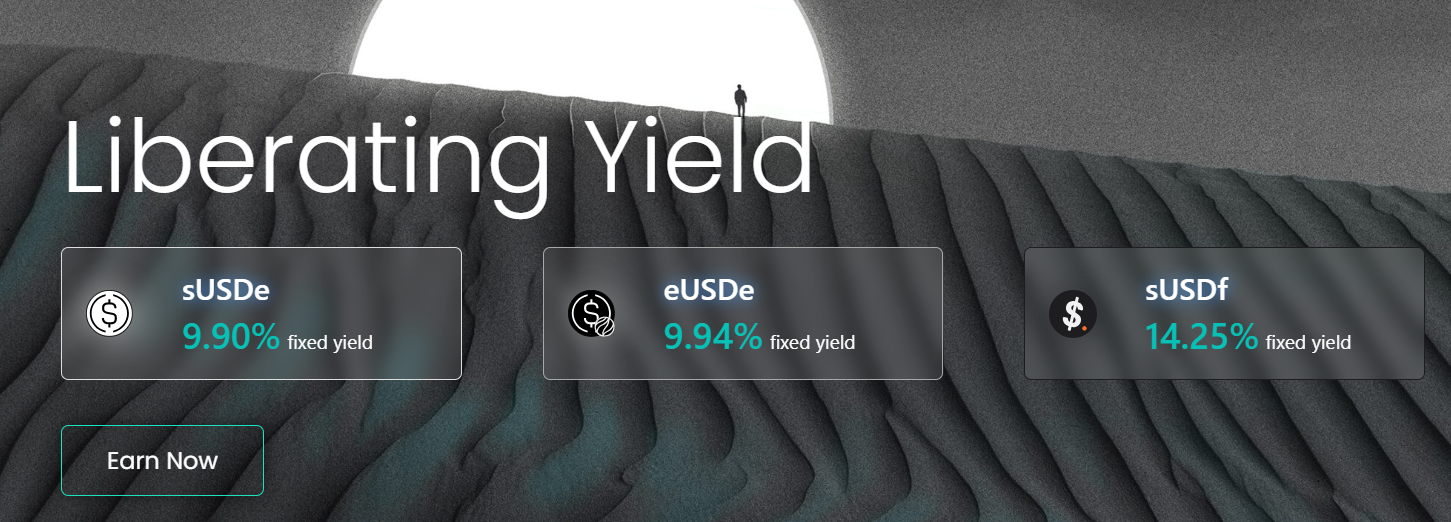
Pendle Finance introduces an innovative approach to yield farming by tokenizing future yield, allowing users to trade yield tokens on secondary markets. This enables locking in fixed APYs or speculating on interest rate movements, adding a new dimension to yield optimization.

Highlights:

  • Offers fixed yield strategies and yield token trading.
  • Supports staking of ETH, GLP, and liquid staking tokens (LSTs).
  • Uses PENDLE tokens for governance and staking.
  • Facilitates interest rate speculation and yield tokenization.

APY in 2025: Up to 15% fixed, potentially higher when trading discounted yield tokens.

Risks: Requires understanding of tokenization mechanics and market timing.

🧠 How to Use Token Metrics to Find the Best DeFi Yields
Navigating the myriad of DeFi platforms and protocols to find the highest-yielding yet safest opportunities can be daunting. Token Metrics leverages AI-powered analytics to simplify this process by providing comprehensive insights into the DeFi ecosystem. Tulip Protocol, the first yield aggregation platform built on Solana, exemplifies the innovative tools available to users seeking to optimize their returns in the DeFi space.

Key features include:

  • AI-driven Investor & Trader Grades that evaluate DeFi tokens based on risk-reward profiles.
  • Token Rankings that assess adoption, protocol health, and intrinsic value.
  • Bullish and Bearish Signals on popular yield farming tokens such as CVX, GMX, and LDO.
  • Backtesting Tools to simulate strategies involving yield-bearing tokens.
  • Narrative Tracking to identify emerging DeFi trends and promising protocols early.
  • The ability to compare transaction fees across DeFi platforms, helping users optimize net returns by factoring in cost efficiency.

When evaluating DeFi platforms, it is crucial to check the list of supported assets to ensure compatibility with your portfolio and to maximize diversification and risk management.

Whether you are participating in liquidity provision on decentralized exchanges, staking ETH through liquid staking platforms like Lido, or engaging with automated yield aggregators like Yearn Finance, Token Metrics helps analyze token health, protocol governance, and long-term sustainability.

👉 Start your free trial of Token Metrics to discover high-APY DeFi yield farming strategies before they become mainstream.

🛠️ DeFi Platform Selection Criteria

Choosing the right DeFi platform is crucial for maximizing returns and minimizing risk. Security should be the top priority; look for DeFi platforms with a proven track record, regular security audits, and transparent smart contract development processes. Platforms that have demonstrated resilience against hacks and have robust security measures in place are generally more trustworthy.

Usability is another important factor. A user-friendly interface and clear documentation can make it easier to navigate the platform and manage your investments effectively. Consider how intuitive the platform is for both beginners and experienced users.

Fees can significantly impact your net returns, so compare transaction costs, withdrawal fees, and any other charges across different DeFi platforms. Opt for platforms with competitive and transparent fee structures.

Other key factors include the platform’s governance model—such as the role of governance tokens and community participation—the quality of customer support, and compliance with evolving regulatory requirements. By carefully evaluating these criteria, investors can select DeFi platforms that align with their goals and risk tolerance.

🌐 DeFi Trends to Watch in 2025

The DeFi sector is rapidly evolving, and several key trends are set to shape the landscape in 2025. One major development is the rise of institutional grade DeFi platforms, which are attracting more institutional investors by offering enhanced security, compliance, and customer support. This institutional adoption is expected to bring greater liquidity and stability to the DeFi ecosystem.

Automated yield optimization is another trend gaining momentum. Platforms like Yearn Finance are making it easier for users to participate in the yield farming process by automating complex strategies and maximizing returns with minimal effort. As these automated solutions mature, they are likely to become a standard feature across many DeFi protocols.

Innovation in DeFi protocols continues, with new applications such as decentralized derivatives and synthetic assets enabling users to trade derivative contracts and gain exposure to real world assets in a decentralized manner. These advancements are expanding the range of investment opportunities and risk management tools available to DeFi participants.

Regulatory developments are also on the horizon, with clearer guidelines for DeFi platforms expected to emerge. This could foster greater trust and participation from both retail and institutional investors, further accelerating the growth of the DeFi sector.

Staying informed about these DeFi trends will be essential for investors looking to capitalize on new opportunities and navigate the evolving decentralized finance landscape in 2025.

⚠️ Risks of Yield Farming in 2025

While DeFi yield farming offers attractive returns, it is crucial to understand the inherent risks involved:

1. Impermanent Loss

When providing liquidity to a pool, fluctuations in the relative value of deposited assets can cause impermanent loss, reducing overall profits compared to simply holding the assets.

2. Smart Contract Exploits

Bugs or vulnerabilities in smart contract code can lead to loss of funds. Engaging with audited and battle-tested protocols helps mitigate this risk.

3. Protocol Risk

New or unaudited DeFi projects may face collapse or “rug pulls.” Sticking to reputable platforms with secure development processes is essential.

4. Token Volatility

Reward tokens distributed as yield can experience significant price swings, which may offset gains from APYs.

5. Liquidity Risk

Low liquidity in certain pools can result in slippage or difficulty withdrawing assets promptly.

To manage these risks, it is advisable to diversify across multiple protocols, use risk management tools, and stay informed about regulatory developments and security measures in the DeFi sector.

Final Thoughts

In 2025, decentralized finance has evolved into a mature and sophisticated ecosystem offering some of the best passive income opportunities in the financial world. From liquid staking and automated vault strategies to innovative yield tokenization, DeFi platforms empower users to maximize returns on their digital assets with minimal effort. Many platforms are also expanding into synthetic assets, allowing users to gain exposure to traditional assets, including fiat currencies like USD or EUR, through tokenized representations.

However, navigating this complex landscape requires reliable tools and insights. Token Metrics combines AI, real-time data, and deep token analysis to help investors identify the best DeFi yield farming platforms while managing associated risks. Whether you are a retail yield farmer or an institutional investor bridging traditional finance with the DeFi space, leveraging such analytics is key to capitalizing on the highest APYs sustainably.

Explore the DeFi ecosystem with confidence and unlock the full potential of yield farming in 2025. Future predictions indicate continued evolution and innovation in DeFi yield farming platforms, with new opportunities and trends likely to emerge in the coming years.

Build Smarter Crypto Apps &
AI Agents in Minutes, Not Months
Real-time prices, trading signals, and on-chain insights all from one powerful API.
Grab a Free API Key
About Token Metrics
Token Metrics: AI-powered crypto research and ratings platform. We help investors make smarter decisions with unbiased Token Metrics Ratings, on-chain analytics, and editor-curated “Top 10” guides. Our platform distills thousands of data points into clear scores, trends, and alerts you can act on.
30 Employees
analysts, data scientists, and crypto engineers
Daily Briefings
concise market insights and “Top Picks”
Transparent & Compliant
Sponsored ≠ Ratings; research remains independent
Want Smarter Crypto Picks—Free?
See unbiased Token Metrics Ratings for BTC, ETH, and top alts.
Thank you! Your submission has been received!
Oops! Something went wrong while submitting the form.
 No credit card | 1-click unsubscribe
Token Metrics Team
Token Metrics Team

Recent Posts

Research

What are Decentralized AI Marketplaces? The Future of Peer-to-Peer AI Innovation

Talha Ahmad
5 min

The artificial intelligence revolution is entering an exciting new phase in 2025, shifting away from centralized corporate control toward decentralized, community-driven ecosystems. Decentralized AI marketplaces are emerging as transformative platforms that democratize access to artificial intelligence tools, models, and services. These innovative platforms leverage blockchain technology to create peer-to-peer networks where developers, businesses, and individuals can buy, sell, and collaborate on AI solutions without relying on traditional intermediaries.

As the global AI landscape evolves, decentralized AI marketplaces address critical issues of accessibility, transparency, and ownership that have long hindered centralized AI systems. These platforms enable small businesses to tap into enterprise-grade AI tools, provide new revenue streams for AI developers, and reshape the way artificial intelligence is developed and deployed worldwide. By fostering open participation and fair compensation, decentralized AI marketplaces are setting the stage for a more inclusive and innovative AI industry.

Understanding Decentralized AI Marketplaces

Decentralized AI marketplaces represent disruptive platforms that utilize blockchain technology and decentralized networks to empower peer-to-peer exchanges of AI assets. Unlike traditional AI platforms controlled by a single party or tech giants, these marketplaces operate on distributed networks where no single entity has complete control, reducing risks of censorship, data monopolies, and single points of failure.

At their core, decentralized AI marketplaces are peer-to-peer platforms designed to democratize how AI is built, accessed, and monetized. Developers can upload AI models, data providers can offer curated datasets, and GPU owners can rent out computing power. These assets are traded openly, with contributors receiving direct rewards through smart contracts and token rewards, ensuring transparency and fair compensation.

The fundamental architecture of these platforms includes several key components:

  • Smart Contract Infrastructure: These automated agreements handle transactions, payments, and governance without human intervention, fostering trust and transparency between participants.
  • Tokenization Layer: Tokenization represents AI services, data, models, and computing resources as digital tokens on blockchain networks. This layer provides liquidity, fractional ownership, and efficiency within decentralized marketplaces.
  • Decentralized Storage: Secure, distributed storage systems safeguard AI models and datasets, ensuring availability and preventing single points of failure.
  • Consensus Mechanisms: Validation systems maintain the quality and authenticity of AI services and models offered on the platform.

Together, these components create an open, transparent, and resilient AI marketplace that empowers users to maintain control over their assets while enabling seamless collaboration across distributed networks.

Key Features and Benefits

Democratization of AI Access

Traditionally, developing and deploying advanced AI models required significant resources, technical expertise, and infrastructure, limiting access to large corporations and research institutions. Decentralized AI marketplaces level the playing field by making powerful AI tools and models accessible to smaller businesses, startups, and individual researchers.

This democratization goes beyond mere access; it encompasses ownership and control. Unlike centralized AI systems that can change terms of service or restrict access, decentralized marketplaces allow users to maintain sovereignty over their AI tools and data. By allowing open participation and removing single-party gatekeepers, these platforms enable a broader range of businesses and individuals to innovate and benefit from AI.

Enhanced Privacy and Security

Data privacy remains a paramount concern in today's digital world. Decentralized AI marketplaces address these concerns by enabling data providers to retain control over their sensitive information while still benefiting from AI insights. Techniques such as federated learning and secure multi-party computation allow AI models to be trained on decentralized data sources without exposing raw data.

This approach aligns with growing demands for patient privacy, data sovereignty, and compliance with regulations. By decentralizing data storage and AI training, these marketplaces reduce risks associated with centralized data breaches and misuse, fostering trust among participants.

Transparent and Fair Monetization

Unlike traditional AI platforms dominated by centralized providers, decentralized AI marketplaces offer transparent and fair monetization mechanisms. Verifiable training data lineage, censorship-resistant model hosting, and decentralized governance via DAOs ensure accountability and equitable value creation.

Token rewards and smart contracts automate payments and incentivize contributors fairly, distributing ownership and access across a wide network. This permissionless, open ecosystem resists censorship and expands the reach of artificial intelligence beyond corporate and political gatekeepers, empowering developers, data providers, and computing resource owners alike.

Cost Efficiency

By eliminating intermediaries and reducing overhead costs, decentralized marketplaces allow sellers to offer AI solutions at more competitive prices. This dynamic attracts more buyers and increases revenue opportunities. Additionally, pay-as-you-go or subscription-based pricing models enable businesses to access AI tools at a fraction of traditional costs, making AI development and deployment more affordable and scalable.

Sharing GPU resources and computing power within distributed networks optimizes resource allocation and reduces barriers for AI model training and AI tasks, benefiting both providers and users.

Market Growth and Industry Impact

The decentralized AI marketplace sector is experiencing rapid expansion. Currently, there are over 230 companies engaged in decentralized AI projects, including notable names like Filecoin, Raiinmaker, 0G Labs, Masa, and Storj. Among these, 132 companies have secured funding, with 21 reaching Series A rounds. The United States leads with 78 companies, followed by Singapore and the United Kingdom.

This growth signals a significant shift in AI development and deployment, with decentralized AI marketplaces unlocking vast economic opportunities across sectors such as healthcare, education, and finance. By empowering individuals and businesses, these platforms help address longstanding concerns about bias, discrimination, and concentration of power in the AI industry.

Decentralization fosters innovation by enabling open source protocols, transparent governance, and token-based incentives that drive sustainable AI development and adoption.

Leading Platforms and Technologies

SingularityNET

SingularityNET is the world's first decentralized AI network, enabling anyone to create, share, and monetize AI services at scale. Using its native AGIX token, the platform facilitates transactions within a decentralized protocol that supports AI development and collaboration across distributed networks.

Ocean Protocol and Fetch.AI

Ocean Protocol empowers data providers by securing data ownership and allowing users to share and monetize their data while retaining full control. Fetch.AI complements this by enhancing automation and efficiency, enabling AI systems and autonomous economic agents to optimize decisions across decentralized networks.

Emerging Innovations

MWX is poised to revolutionize the AI landscape with its upcoming global launch of the first decentralized, open-access AI marketplace tailored for small and medium enterprises (SMEs). By removing intermediaries and gatekeepers, MWX aims to bring powerful, ready-to-use AI tools directly to millions of SMEs worldwide.

Infrastructure Development

0G Labs is pioneering critical infrastructure that redefines what's possible for AI and blockchain integration. Their architecture lays the foundation for truly decentralized, performant AI infrastructure, including decentralized storage, verifiable inference, and service marketplaces. These developments underpin the next generation of decentralized AI applications.

Real-World Applications and Use Cases

Small and Medium Enterprises (SMEs)

The demand for SME-friendly AI solutions has never been greater. As global competition intensifies and customer expectations evolve, small businesses face pressure to deliver more with fewer resources. Despite AI’s promise of productivity gains and cost reductions, many SMEs remain locked out due to complexity and expense.

Decentralized AI marketplaces address this gap by providing affordable, accessible AI tools designed specifically for smaller businesses. By leveraging distributed networks and open marketplaces, SMEs can tap into AI solutions that were previously accessible only to tech giants.

Computing Resource Sharing

Decentralized AI marketplaces enable providers to lend out idle GPU power and computing resources through lending protocols and tokenized incentives. This approach maximizes utilization of existing capacity, reduces costs by up to 70%, and democratizes access to computing power necessary for AI model training and AI tasks.

Such resource sharing optimizes allocation, supports long-term contracts, and fosters an open participation model that benefits both providers and users.

Specialized Industry Solutions

The decentralized AI marketplace ecosystem is rapidly diversifying, with platforms emerging to serve specific industries such as healthcare, finance, and creative content generation. These specialized marketplaces facilitate collaboration among domain experts, accelerate AI development tailored to industry needs, and promote innovation in areas like patient privacy, real-time data processing, and autonomous AI assistants.

Token Metrics: The Premier AI-Powered Crypto Analytics Platform

In the evolving world of decentralized AI marketplaces, Token Metrics exemplifies how artificial intelligence can be harnessed to provide sophisticated crypto trading and analytics solutions.

Advanced AI-Driven Analytics

Token Metrics consolidates research, portfolio management, and trading into a unified ecosystem. It assigns each token a Trader Grade for short-term potential and an Investor Grade for long-term viability, enabling users to prioritize opportunities effectively.

The platform’s AI algorithms analyze thousands of data points across blockchain networks, providing comprehensive insights that would be impossible to process manually.

Real-Time Market Intelligence

Token Metrics offers real-time AI buy and sell signals, helping users spot winning tokens early among thousands of options. With AI-curated portfolios for short and long-term gains, the platform simplifies market research and tracking, making sophisticated analytics accessible to individual investors.

Comprehensive Trading Ecosystem

With the launch of Trading on Token Metrics, users can act on AI-generated signals directly within the platform, creating an end-to-end solution that integrates ratings, token details, and trading functionalities seamlessly.

Developer-Friendly Infrastructure

Token Metrics provides a modular, scalable API offering real-time ratings, sentiment analysis, indices, and AI signals. This infrastructure supports developers and teams looking to integrate AI capabilities into their own applications, exemplifying how decentralized AI marketplaces can foster innovation across ecosystems.

Innovation in AI Engagement

Token Metrics’ AI-powered agent on X (formerly Twitter), @0xTMAI, delivers timely, data-backed content and actionable intelligence to the community. By leveraging proprietary data and back-tested signals, the agent provides real-time insights, automated posts, and instant replies, showcasing how AI agents can enhance engagement and information flow beyond traditional platforms.

Challenges and Considerations

Technical Complexity

Integrating blockchain technology with AI systems introduces technical challenges, including slower processing speeds, scalability issues, and regulatory uncertainties. Ensuring seamless interoperability and user-friendly experiences remains an ongoing focus for decentralized AI projects.

Governance and Incentives

Establishing fair and sustainable incentive structures is critical, especially when decentralizing infrastructure control. Without a central authority, creating trust and managing disputes through decentralized governance, chain governance, and dispute resolution mechanisms requires careful design and community participation.

Market Maturation

The decentralized AI marketplace ecosystem is still maturing. Platforms are increasingly adopting modular architectures, allowing users to select components such as decentralized storage, computing, or full-stack AI solutions tailored to their needs. As the technology evolves, user interfaces and developer tools are becoming more accessible, driving broader adoption.

The Future of Decentralized AI Marketplaces

2025 and Beyond

0G Labs is spearheading the creation of a decentralized AI operating system, integrating multiple layers including decentralized storage, verifiable inference, and service marketplaces. This system aims to enhance transparency, trust, and performance in AI applications, marking a critical step forward in decentralized artificial intelligence.

Integration with Web3

By combining blockchain infrastructure, decentralized governance, and token rewards, these platforms are building a people-powered internet that supports AI compute, content streaming, and digital storage. This integration with Web3 technologies defines the future of decentralized AI infrastructure.

Market Expansion

MWX’s launch as the first one-stop decentralized marketplace for AI products tailored to SMEs exemplifies the expanding market reach. By bridging the gap between businesses and AI advancements, platforms like MWX are driving adoption and innovation across diverse sectors.

Conclusion: The Dawn of Democratized AI

Decentralized AI marketplaces represent a fundamental shift in how artificial intelligence is developed, accessed, and monetized. Leveraging blockchain technology and distributed networks, these platforms dismantle traditional barriers that have confined AI access to a few tech giants and well-funded institutions.

The key benefits are clear: enhanced data privacy and security, transparent and fair monetization, cost efficiency, and democratized access to cutting-edge AI tools. From small businesses gaining enterprise-grade AI solutions to developers receiving fair compensation for their innovations, decentralized AI marketplaces are creating new opportunities throughout the AI ecosystem.

Platforms like Token Metrics illustrate the transformative potential of democratized AI, making sophisticated analytics and real-time insights accessible to individual users while supporting professional applications. With comprehensive APIs and AI agents, Token Metrics exemplifies how decentralized AI marketplaces empower users and developers alike.

As we progress through 2025, the growth of decentralized AI marketplaces appears unstoppable. Hundreds of companies are building in this space, significant funding is flowing, and the technology is maturing rapidly. The future of AI is no longer centralized in the hands of a few tech giants; it is distributed across a global network of contributors, innovators, and users.

Decentralized AI marketplaces are the infrastructure that will make this future possible, fostering a more inclusive, transparent, and democratized artificial intelligence ecosystem. For businesses, developers, and individuals eager to participate in this revolution, the time to engage with decentralized AI marketplaces is now—the tools are ready, the ecosystem is expanding, and the opportunities have never been greater.

Research

Can AI Help Identify Vulnerabilities in Smart Contracts? The Complete Guide to AI-Powered Security in 2025

Talha Ahmad
5 min

As blockchain technology continues to revolutionize financial systems and decentralized applications, smart contracts have become the backbone of the digital economy. These self-executing contracts automate agreements on blockchain platforms, enabling trustless and transparent interactions. However, with billions of dollars locked in smart contracts, security vulnerabilities have emerged as one of the most critical challenges facing the blockchain ecosystem. In 2025, artificial intelligence (AI) has become a powerful ally in the fight against smart contract vulnerabilities, offering unprecedented capabilities to detect, analyze, and prevent security flaws that traditional methods might miss. This article explores how AI can help identify vulnerabilities in smart contracts and transform smart contract security for the better.

The Critical Need for Smart Contract Security

Smart contracts are self-executing programs that run on blockchain networks, automatically enforcing the terms of an agreement without intermediaries. Unlike traditional software, smart contracts are immutable once deployed—meaning any vulnerabilities in their code can lead to irreversible losses. The stakes are extraordinarily high: smart contract vulnerabilities have led to the loss of millions of dollars in the blockchain and decentralized finance (DeFi) sectors.

Due to the substantial control smart contracts have over cryptocurrency and financial assets, any security flaws can result in unpredictable and severe asset losses. These vulnerabilities include unchecked external calls, logic errors, arithmetic operation mistakes, and access control weaknesses. Conducting thorough vulnerability detection on smart contracts helps identify and fix these potential risks early, ensuring the security of contract execution and protecting assets from theft or exploitation.

As blockchain technology continues to gain widespread adoption across industries like supply chain management, decentralized finance, and distributed ledger technology, the importance of smart contract security only grows. Developers, auditors, and investors alike must prioritize detecting and mitigating vulnerabilities in smart contracts to safeguard the integrity of blockchain platforms.

Traditional Vulnerability Detection: Limitations and Challenges

Current Methods and Their Shortcomings

Traditional smart contract audits rely heavily on manual code reviews, static analysis, fuzz testing, and formal verification techniques. Popular tools such as Oyente, Mythril, Securify, Slither, and Smartcheck automate parts of this process by scanning Solidity smart contracts for known security flaws like reentrancy, incorrect tx.origin authorization, timestamp dependency, and unhandled exceptions.

While these tools provide valuable insights, they have significant limitations. Most traditional methods depend on predefined detection rules and heuristics, which can lead to false positives (flagging safe code as vulnerable) or false negatives (missing actual vulnerabilities). They often struggle to comprehend complex code semantics, logic flaws, and interactions between contract components, especially in sophisticated Ethereum smart contracts or other blockchain platforms.

The Scalability Problem

The rapidly evolving landscape of smart contract development introduces new programming languages, complex contracts, and emerging threats at a pace traditional tools find difficult to keep up with. A comprehensive evaluation of 256 smart contract analysis tools revealed that no single approach—be it fuzzing, symbolic execution, machine learning, or formal verification—fully covers all vulnerability types accurately.

Moreover, predefined rules and static detection patterns become outdated quickly, unable to adapt or generalize to new data or attack vectors. This scalability problem creates a significant security gap, especially as blockchain projects grow in complexity and market value. Manual audits are time-consuming and prone to human error, further underscoring the need for more adaptive and automated vulnerability detection methods.

Enter AI: A Revolutionary Approach to Smart Contract Security

The Promise of Artificial Intelligence

In response to these challenges, AI-powered solutions have emerged as a revolutionary approach to smart contract vulnerability detection. Leveraging machine learning models, deep learning techniques, graph neural networks, and transformer models, AI systems can learn complex patterns from smart contract data and historical audit reports, uncovering hidden vulnerabilities that traditional methods might miss.

Unlike static analysis or rule-based tools, AI models do not require predefined detection rules. Instead, they learn features of vulnerabilities during training, enabling them to adapt to new threats and evolving codebases. This ability to provide comprehensive analysis and continuous improvement makes AI a game-changer in blockchain security.

Key Advantages of AI-Powered Detection

  • Automated Pattern Recognition: AI algorithms excel at analyzing smart contract code structure and semantics, identifying recurring patterns associated with security vulnerabilities such as unchecked external calls or arithmetic operation errors.
  • Adaptive Learning: Machine learning models can continuously learn from new vulnerabilities and exploits, enhancing their detection capabilities over time and addressing emerging threats more effectively than traditional tools.
  • Scalability: AI-powered solutions can process vast volumes of smart contract code rapidly, enabling auditors and developers to monitor smart contracts at scale without compromising quality.
  • Speed and Efficiency: AI systems significantly reduce vulnerability detection time—from hours or days with manual audits to seconds or minutes—accelerating the development and deployment of secure smart contracts.

By leveraging AI, smart contract developers and auditors can achieve significant improvements in identifying vulnerabilities, thereby enhancing the overall security of blockchain platforms.

AI Technologies Transforming Smart Contract Security

Large Language Models (LLMs) in Vulnerability Detection

One of the most significant breakthroughs in AI-powered smart contract security has come from Large Language Models like ChatGPT and GPT-4. These models, trained on vast amounts of code and natural language data, can understand and generate human-like code explanations and detect potential security flaws.

Initial evaluations of ChatGPT on publicly available smart contract datasets showed high recall rates but limited precision in pinpointing vulnerabilities. However, recent fine-tuned LLMs have surpassed traditional models, achieving accuracy rates exceeding 90%. Their ability to capture subtle code semantics and logic errors makes them invaluable for smart contract audits.

Advanced AI Architectures

  • Deep Learning Solutions: Specialized deep learning models, such as the "Lightning Cat" system, utilize neural networks to analyze smart contract code and detect vulnerabilities missed by conventional tools. These models learn from historical data and audit reports to improve detection accuracy.
  • Graph Neural Networks (GNNs): GNNs analyze the structural relationships within smart contract code, such as control flow graphs and abstract syntax trees. Combining GNNs with LLMs has resulted in superior vulnerability detection metrics, including precision and recall rates above 85%.
  • Multi-Modal Approaches: Cutting-edge research integrates textual analysis with structural code information derived from opcode and control flow graphs. This comprehensive analysis uncovers complex security flaws that single-method approaches might overlook.

These AI techniques collectively enhance the ability to detect logic flaws, reentrancy issues, and other security vulnerabilities, thereby improving smart contract security significantly.

Token Metrics: Leading AI-Powered Crypto Analytics and Security Intelligence

In the rapidly evolving landscape of smart contract security, understanding broader ecosystem risks and token-level vulnerabilities is crucial for investors and developers. Token Metrics stands out as a premier platform offering comprehensive crypto analytics and security intelligence powered by AI.

Why Token Metrics is Essential for Smart Contract Security

  • AI-Powered Risk Assessment: Token Metrics leverages advanced AI algorithms to analyze smart contracts and associated tokens, delivering risk assessments that go beyond traditional code audits.
  • Comprehensive Security Intelligence: The platform monitors thousands of blockchain projects in real time, providing insights into smart contract audit statuses, security certifications, and vulnerability histories.
  • Market Impact Analysis: By correlating security incidents with token price performance, Token Metrics helps users understand how vulnerabilities affect market value and investor confidence.
  • Predictive Security Analytics: Using machine learning models, Token Metrics forecasts potential security risks based on code patterns and historical data, enabling proactive risk management.

Leveraging Token Metrics for Security-Conscious Investment

Investors can use Token Metrics to perform due diligence, monitor security updates, and manage portfolio risk by assessing the aggregate security exposure of their holdings. This AI-powered platform empowers users to make informed decisions in the decentralized finance space, where smart contract security is paramount.

Real-World AI Tools and Frameworks

Commercial AI-Powered Solutions

  • EY Blockchain Analyzer: EY’s Blockchain Analyzer: Smart Contract and Token Review tool integrates AI capabilities to enhance smart contract testing efficiency and comprehensiveness, reducing review times by over 50%.
  • QuillShield: This AI-powered security analysis tool detects logical errors beyond common vulnerabilities in Solidity smart contracts. It learns from past exploits to improve accuracy and reduces false positives through consensus mechanisms.

Open-Source AI Frameworks

Academic research has produced frameworks like GPTLens, which employs a two-stage detection process—generation and discrimination—for progressive vulnerability identification. Specialized models such as PSCVFinder utilize deep learning and normalization techniques to outperform traditional methods in detecting reentrancy and timestamp dependency vulnerabilities.

These open-source and commercial AI tools demonstrate the growing ecosystem of AI-powered solutions enhancing smart contract security.

AI vs. Traditional Tools: Performance Comparison

Accuracy and Effectiveness

Recent studies reveal that AI-powered tools offer significant improvements over traditional methods:

  • Recall Rates: AI models consistently detect more actual vulnerabilities, reducing the risk of missing critical security flaws.
  • Precision: While early AI models struggled with false positives, fine-tuned AI systems now achieve accuracy rates exceeding 90%.
  • Coverage: AI tools uncover nuanced logical vulnerabilities and code semantics that rule-based systems often overlook.

Speed and Scalability

Traditional static analysis tools like Slither and Mythril analyze contracts quickly but may miss complex vulnerabilities. In contrast, modern AI-powered tools provide similarly rapid analysis while delivering superior detection capabilities and scalability to handle large volumes of smart contract data.

Limitations and Challenges

Despite their advantages, AI-powered vulnerability detection systems face challenges:

  • Consistency Issues: Models like ChatGPT show variability in detecting different vulnerability types, with some contracts yielding inconsistent results across multiple analyses.
  • False Positives: High recall rates sometimes come at the cost of precision, necessitating human verification to filter false alarms.
  • Context Understanding: AI systems may struggle with complex contract logic and inter-contract dependencies that experienced human auditors better comprehend.

These limitations highlight the need for hybrid approaches combining AI with traditional audits and expert review.

The Current State of AI in Smart Contract Security

What AI Can Do Today

Modern AI systems excel at identifying a wide range of vulnerabilities, including:

  • Reentrancy vulnerabilities
  • Integer overflow and underflow
  • Timestamp dependency issues
  • Access control weaknesses
  • Logic errors and business rule violations

Leading AI models achieve accuracy rates between 86% and 91%, analyze contracts in sub-second times, and cover vulnerability types often missed by traditional tools.

What AI Cannot Do (Yet)

AI still faces challenges in:

  • Understanding complex business logic and domain-specific vulnerabilities
  • Detecting novel attack vectors not present in historical data
  • Contextual analysis of ecosystem-wide implications of vulnerabilities

These gaps underscore the importance of human expertise and continuous AI model refinement.

Best Practices for AI-Powered Smart Contract Security

Hybrid Approaches

The most effective smart contract security strategies combine AI-powered detection with traditional methods:

  1. Primary AI Screening: Use AI tools for initial comprehensive vulnerability detection.
  2. Traditional Tool Verification: Employ established static analysis tools like Slither and Mythril for cross-validation.
  3. Human Expert Review: Maintain human oversight for complex logical and business rule validation.
  4. Continuous Monitoring: Implement ongoing AI-powered monitoring of deployed contracts to detect emerging threats.

Implementation Guidelines

For Developers:

  • Integrate AI-powered security tools into development pipelines.
  • Use multiple AI models to cross-validate findings.
  • Maintain updated training data for custom AI models.
  • Combine static AI analysis with dynamic testing methods like symbolic execution.

For Auditors:

  • Leverage AI tools to enhance audit efficiency and coverage.
  • Use AI for initial screening before detailed manual analysis.
  • Develop expertise in interpreting AI outputs and identifying false positives.

For Investors:

  • Utilize platforms like Token Metrics for security-informed investment decisions.
  • Monitor AI-powered security assessments for portfolio holdings.
  • Correlate security metrics with market performance for better risk management.

The Future of AI in Smart Contract Security

Emerging Trends

The future of AI in smart contract security promises exciting developments:

  • Multi-Agent Systems: AI frameworks employing multiple specialized agents will provide comprehensive and collaborative security analysis.
  • Real-Time Monitoring: AI systems will enable continuous surveillance of deployed contracts, detecting attacks and vulnerabilities as they occur.
  • Predictive Security: Advanced AI will forecast potential vulnerabilities before exploitation, based on code patterns, project behavior, and market dynamics.

Integration with Development Workflows

AI-powered security will become seamlessly embedded in:

  • Integrated development environment (IDE) plugins offering real-time coding assistance.
  • Continuous integration/continuous deployment (CI/CD) pipelines for automated security checks.
  • Deployment systems performing pre-launch verification.
  • Runtime monitoring tools providing post-deployment protection.

These integrations will enable smart contract developers to write safer code and deploy more secure contracts with greater confidence.

Conclusion: AI as a Game-Changer in Smart Contract Security

The question, can AI help identify vulnerabilities in smart contracts? is answered emphatically in the affirmative. AI has already demonstrated remarkable capabilities in detecting smart contract vulnerabilities, achieving accuracy rates exceeding 90% and significantly reducing analysis time. However, AI is not a silver bullet; it is most effective when combined with traditional smart contract audits and human expertise.

The evaluation of AI tools shows their effectiveness in uncovering a wide range of security flaws, providing developers and auditors with robust mechanisms to improve the security of smart contract code before deployment. This represents a significant advancement in leveraging artificial intelligence for blockchain security.

For participants in the crypto ecosystem, platforms like Token Metrics provide essential AI-powered analytics that blend security assessment with market intelligence. As smart contracts continue to manage billions of dollars in digital assets, the ability to make security-informed decisions becomes crucial for success.

Ultimately, the future of smart contract security lies in the intelligent integration of AI capabilities with traditional security practices. As AI models evolve and improve, they will become increasingly central to ensuring the safety and reliability of blockchain-based applications. Organizations and individuals who embrace these AI-powered solutions today will be better positioned to navigate the complex and rapidly evolving security landscape of tomorrow’s decentralized economy.

The question is no longer whether AI can help with smart contract security—it’s how quickly we can responsibly integrate these powerful tools to create a more secure blockchain ecosystem for everyone.

Research

How Does AI Integrate with Blockchain: The Future of Intelligent Decentralization

Talha Ahmad
5 min

The convergence of artificial intelligence and blockchain technology is rapidly becoming one of the most transformative forces in the digital landscape. Understanding how does AI integrate with blockchain is critical as this powerful combination reshapes industries by enhancing security, transparency, and automation across diverse sectors. From autonomous smart contracts to AI-powered crypto analytics, combining AI with blockchain infrastructure unlocks unprecedented possibilities for businesses and developers worldwide, driving the digital future toward intelligent decentralization.

The Current State of AI-Blockchain Integration

The market for AI-blockchain integration is experiencing remarkable growth. Industry reports indicate that the blockchain AI market expanded from $0.57 billion in 2024 to an expected $0.7 billion in 2025, reflecting a robust compound annual growth rate (CAGR) of 23.2%. This momentum is projected to accelerate further, with estimates reaching $1.88 billion by 2029 at a CAGR of 28%. These figures highlight that AI and blockchain synergy is not just a technological trend but a fundamental shift in how digital systems operate.

At its core, this integration leverages AI models' analytical capabilities alongside blockchain networks' immutable ledgers to create intelligent, secure, and autonomous ecosystems. While blockchain technology ensures transparency, decentralized transactions, and data integrity, artificial intelligence adds automation, predictive analytics, and adaptive decision-making. This combination results in smarter, more efficient processes than either technology could achieve independently.

Key Integration Areas and Use Cases

Smart Contract Evolution Through AI

Traditional smart contracts have revolutionized decentralized transactions but remain largely static and rule-based. The integration of AI transforms these contracts into dynamic, intelligent entities capable of adapting to changing conditions. By incorporating machine learning and natural language processing, AI-powered smart contracts can analyze data, predict outcomes, and make autonomous decisions.

For example, financial smart contracts enhanced with AI can monitor real-time market data to optimize trade execution and adjust parameters based on economic indicators. In manufacturing, AI-enabled contracts process sensor data to predict equipment failures, automatically triggering maintenance workflows to prevent downtime. Similarly, in supply chain management, these contracts analyze historical demand patterns and adjust inventory levels, supplier orders, and distribution strategies dynamically.

The growing demand for such intelligent contract solutions is reflected in the blockchain AI market’s projection to reach nearly $1 billion by 2030, underscoring the vital role of AI in evolving smart contracts.

Enhanced Security and Fraud Detection

One of the most compelling benefits of integrating AI with blockchain lies in enhancing security and fraud detection. AI algorithms excel at pattern recognition and anomaly detection, while blockchain provides an immutable audit trail. Together, they form robust systems capable of real-time threat analysis and automated risk assessment.

AI systems monitor blockchain transactions continuously, identifying suspicious patterns that may indicate fraudulent activity. Machine learning models analyze transaction histories and user behavior to assign risk scores, automatically flagging potential threats before they escalate. Importantly, all security events and AI-driven decisions are recorded on the blockchain, ensuring transparency and ensuring data integrity through tamper-proof logs.

Data Management and Privacy

Data management challenges, particularly concerning privacy and security, are effectively addressed through AI blockchain integration. Blockchain networks enable secure data sharing by encrypting sensitive data and providing decentralized access controls. Meanwhile, AI tools analyze encrypted data without exposing raw information, preserving data privacy.

This approach facilitates decentralized AI training where multiple parties contribute appropriate training data while maintaining ownership and control over their sensitive data. Additionally, AI systems can automate compliance monitoring across blockchain networks, ensuring adherence to regulations like GDPR by tracking data usage and enforcing privacy standards automatically.

Industry Applications and Real-World Impact

Healthcare Revolution

The healthcare industry is witnessing a profound transformation through the integration of AI and blockchain systems. Managing patient data securely while improving diagnostic accuracy is a top priority. Hospitals and medical institutions employ AI-powered blockchain solutions to protect medical records by combining blockchain encryption with AI access controls, safeguarding sensitive patient information.

Artificial intelligence analyzes medical records and imaging data to enhance diagnostics, while blockchain guarantees data integrity and provenance. Moreover, secure data sharing enabled by blockchain facilitates collaborative AI research across institutions without compromising patient privacy, accelerating medical breakthroughs and personalized treatments.

Supply Chain Transparency

Supply chain management benefits significantly from blockchain integration with AI technologies. Companies such as VeChain utilize AI-powered sensors combined with blockchain tracking to ensure product authenticity and traceability throughout the supply chain.

AI algorithms verify products in real-time, while blockchain records create an immutable proof of origin and handling. Machine learning models predict supply chain disruptions, enabling proactive logistics management. Additionally, smart contracts enforce quality standards automatically by analyzing product conditions through AI, streamlining operations and enhancing transparency.

Financial Services Innovation

The financial sector is undergoing rapid innovation through combining AI and blockchain. AI models assess lending risks dynamically, while smart contracts execute decisions automatically, optimizing risk management. Real-time transaction analysis powered by AI, coupled with immutable blockchain records, forms a formidable defense against fraud.

Furthermore, AI systems automate regulatory compliance by continuously monitoring blockchain activities and generating reports, reducing manual oversight and ensuring adherence to financial regulations. These advancements improve operational efficiency and foster trust in decentralized financial services.

Token Metrics: Leading the Crypto Analytics Revolution

In the fast-evolving cryptocurrency landscape, Token Metrics exemplifies the successful integration of artificial intelligence and blockchain technology. As a premier AI-powered crypto trading and analytics platform, Token Metrics provides traders and investors with cutting-edge market intelligence and automated decision-making tools.

Advanced AI-Powered Features

Token Metrics employs sophisticated machine learning algorithms to generate comprehensive AI ratings for cryptocurrencies. These include Trader Grades (0-100) indicating short-term potential and Investor Grades assessing long-term viability, enabling users to prioritize investment opportunities effectively.

The platform’s predictive analytics analyze vast datasets to identify emerging trends and forecast market movements before they unfold. Additionally, AI-managed indices dynamically rebalance portfolios based on market conditions, offering diversified exposure to established assets and high-potential “moonshot” tokens.

Real-Time Market Intelligence

Addressing critical challenges in crypto trading, Token Metrics uses advanced natural language processing to interpret social sentiment from various sources, anticipating price movements. AI monitors institutional flows across exchanges, providing users with real-time insights to respond swiftly to market shifts.

Custom alert systems deliver notifications via email, SMS, or messaging apps, ensuring traders never miss critical opportunities. This integration of AI and blockchain data creates a transparent system for fair and decentralized transactions.

Comprehensive Trading Ecosystem

Token Metrics has evolved into a holistic trading ecosystem that includes direct on-chain trading capabilities, allowing users to execute trades based on AI insights without leaving the platform. Multi-chain support through LiFi technology enables seamless swaps across EVM-compatible blockchains with optimal pricing and liquidity.

The platform also features a 24/7 AI chatbot assistant that provides instant answers and trade recommendations, alongside a developer API infrastructure for integration with external software development tools. Token Metrics’ success in identifying early opportunities in projects like MATIC and SOL highlights the power of AI-driven crypto analysis.

Technical Challenges and Solutions

Scalability and Performance

Integrating AI and blockchain presents scalability challenges due to the computational intensity of both technologies. To address this, developers are exploring solutions such as Layer 2 integration, which offloads AI processing from main blockchain networks to reduce computational overhead.

Optimized consensus mechanisms assisted by AI improve transaction processing efficiency without compromising blockchain security. Furthermore, edge computing distributes AI processing across network nodes, reducing latency and enhancing performance in blockchain systems.

Interoperability

As blockchain ecosystems diversify, AI systems must operate seamlessly across multiple chains. Cross-chain AI protocols are being developed to enable AI agents to interact with different blockchain networks smoothly. Standardized data formats facilitate AI models’ ability to process information from various blockchain architectures.

Bridging technologies powered by AI reconcile differences between blockchain protocols, enabling secure and efficient data transfer and data sharing techniques across platforms.

Future Outlook and Emerging Trends

Autonomous Decentralized Organizations (DAOs)

The fusion of AI and blockchain is paving the way for truly autonomous DAOs capable of making strategic decisions without human intervention. AI algorithms analyze organizational and market data to optimize operations and resource management continuously.

Machine learning models enhance organizational efficiency by learning from historical data, while predictive analytics guide automated resource allocation, driving smarter, decentralized governance.

AI-Powered DeFi Evolution

Decentralized finance (DeFi) is undergoing a transformation through AI integration. AI algorithms dynamically optimize yield strategies based on real-time market conditions. They conduct risk assessments for lending protocols and investment strategies, enhancing security and profitability.

AI-powered automated market makers provide optimal liquidity across multiple trading pairs, improving operational efficiency and user experience in decentralized exchanges.

Regulatory Compliance Automation

With evolving regulations around AI and blockchain, automated compliance systems are becoming essential. AI continuously monitors blockchain activities to detect violations, while smart contracts generate compliance reports automatically.

Adaptive compliance systems adjust to regulatory changes without manual intervention, ensuring ongoing adherence and reducing the burden on organizations.

The Road Ahead

Understanding how does AI integrate with blockchain reveals a paradigm shift toward intelligent, autonomous, and efficient digital systems. Moving through 2025 and beyond, this convergence will continue to drive innovation across industries—from healthcare and finance to supply chain management and beyond.

Organizations embracing this integration early will gain competitive advantages through enhanced data security, improved operational efficiency, and new business model opportunities. Platforms like Token Metrics demonstrate the transformative potential of AI blockchain synergy, offering unprecedented insights and automation capabilities.

The future of digital technology lies not in choosing between AI and blockchain but in harnessing their combined power to create decentralized systems that learn, adapt, and evolve. As these technologies mature and integrate more deeply, we can anticipate revolutionary applications that transform how businesses function and how we interact with digital systems in the digital age.

The convergence of AI and blockchain is no longer a question of "if" but "how quickly" organizations can master this integration to lead the next wave of digital transformation—creating value through intelligent automation, secure data management, and transparent, fair transactions.

Choose from Platinum, Gold, and Silver packages
Reach with 25–30% open rates and 0.5–1% CTR
Craft your own custom ad—from banners to tailored copy
Perfect for Crypto Exchanges, SaaS Tools, DeFi, and AI Products