





Discover the Best DeFi Yield Farming Platforms for Optimal Returns
%201.svg)
%201.svg)

Decentralized Finance (DeFi) continues to reshape the financial landscape in 2025, offering crypto users innovative ways to earn passive income through yield farming, staking, and liquidity mining. As traditional finance struggles to provide competitive interest rates, many DeFi platforms now offer some of the highest annual percentage yields (APYs) in the crypto world. The annual percentage yield is a key metric for measuring returns in yield farming. These platforms reward liquidity providers and yield farmers for depositing assets into a liquidity pool—a smart contract that holds funds for decentralized trading and yield generation—or participating in automated market maker (AMM) protocols. Interest rates in DeFi are usually determined by supply and demand on the platform, creating a dynamic and competitive environment. A decentralized exchange is a platform that facilitates peer-to-peer trading without intermediaries, often using AMM models and liquidity pools to enable permissionless trading and increased user control. However, while high APYs can be attractive, it is important to be cautious of chasing unsustainable annual percentage yield, as these returns may carry significant risks in DeFi yield farming.
In this comprehensive guide, we will explore the best DeFi yield farming platforms in 2025, explain how the yield farming process works, and show you how to identify the safest and most profitable opportunities using Token Metrics’ AI-driven analytics.
🔍 What Is Yield Farming?
Yield farming is a key strategy within the decentralized finance ecosystem where users lend or stake their crypto assets in various DeFi protocols to earn returns. These returns often come in the form of additional tokens, trading fees, or other incentives distributed by the platform.
There are several popular forms of yield generation within the DeFi space:

- Staking: Locking tokens to support network security or protocol governance, such as Ethereum staking, where stakers earn rewards for helping secure the network.
- Liquidity Mining: Providing token pairs to decentralized exchanges (DEXs) or liquidity pools, thereby enabling automated market making and earning trading fees plus additional rewards.
- Lending and Borrowing: Depositing assets into lending pools to earn interest, or borrowing assets against collateral on DeFi platforms, often facilitated by smart contracts.
- Vault Strategies: Automated strategies that use smart contract automation to optimize and maximize returns for users with minimal effort.
- Cross-Chain Yield Farming: A growing trend that allows operations across multiple blockchain networks, enabling users to diversify and access opportunities on different platforms.
Yield farming can offer APYs that far exceed those found in traditional financial savings accounts or fixed-income products. However, it is important to be aware of risks such as impermanent loss, smart contract vulnerabilities, market volatility, and protocol-specific risks.
🏗️ How DeFi Works: Smart Contracts and Liquidity Pools
Decentralized finance (DeFi) is powered by the seamless integration of smart contracts and liquidity pools, which together form the backbone of the DeFi ecosystem. Smart contracts are self-executing pieces of code that automatically enforce the terms of an agreement, eliminating the need for traditional intermediaries. This automation enables DeFi protocols to offer financial services such as lending, borrowing, and trading in a trustless and transparent manner. The decentralized structure of DeFi makes it less susceptible to risks linked with financial institutions, like bank collapses, further enhancing its appeal as a robust alternative to traditional finance.
Liquidity pools are another foundational element of DeFi platforms. These pools consist of funds contributed by liquidity providers, who deposit their crypto assets into smart contracts. The pooled assets are then used to facilitate trading, lending, and other financial activities across various DeFi protocols. By providing liquidity, users not only enable efficient trading and continuous liquidity on decentralized exchanges but also earn rewards in the form of trading fees or additional tokens.
The combination of smart contracts and liquidity pools allows DeFi platforms to deliver a wide range of decentralized finance services, including yield farming, automated market making, and decentralized lending. This innovative structure empowers users to participate in the global financial system without relying on centralized authorities, making DeFi a cornerstone of the modern crypto landscape.
💡 Benefits of DeFi for Investors
DeFi platforms offer a host of advantages for investors seeking to grow their crypto holdings beyond what traditional financial institutions can provide. One of the most compelling benefits is the potential for higher returns, especially through yield farming and lending protocols that enable users to earn interest and rewards on their digital assets. Additionally, investors in DeFi have control over their assets through wallets, reducing the risk of loss from third-party failures and ensuring greater financial autonomy.
Transparency is another key advantage. All transactions and smart contract operations on DeFi platforms are recorded on public blockchains, allowing investors to verify activity and track the movement of funds in real time. This level of openness reduces the risk of fraud and increases trust in the system.
Global accessibility is also a hallmark of decentralized finance. Anyone with an internet connection can access DeFi platforms, participate in yield farming, and earn governance tokens, regardless of their location or background. This democratizes access to financial services and opens up new opportunities for earning passive income.
By leveraging smart contracts and participating in governance through token ownership, investors can not only earn interest but also have a say in the future direction of their chosen DeFi protocols. This combination of high yields, transparency, and inclusivity makes DeFi an attractive alternative to traditional finance.
🧩 DeFi Yield Farming Strategies
Successful yield farmers use a variety of strategies to maximize returns from DeFi yield farming platforms. One popular approach is diversification—spreading investments across multiple DeFi protocols and liquidity pools to reduce risk and capture different yield opportunities. This helps mitigate the impact of any single protocol’s underperformance or security issues.
Liquidity provision is another core strategy, where investors deposit assets into liquidity pools on decentralized exchanges or lending platforms. In return, they earn a share of the trading fees generated and may also receive additional rewards, such as governance tokens.
Some yield farmers employ leverage, borrowing assets to increase their exposure and potential returns. While this can amplify gains, it also raises the risk of losses, especially in volatile markets.
For those seeking a more hands-off approach, automated yield optimization strategies—offered by platforms like Yearn Finance—can simplify the yield farming process. These protocols automatically move funds between various DeFi protocols to maximize yield, allowing users to benefit from complex strategies with minimal effort.
By combining these strategies—diversification, liquidity provision, leverage, and automation—yield farmers can optimize their returns while managing risk across the dynamic DeFi landscape.
🚀 Best DeFi Yield Farming Platforms in 2025
The DeFi sector has matured significantly, and many platforms now offer institutional-grade security measures, automated yield optimization, and seamless integration with other DeFi protocols. As the market matures, the industry is evolving towards more sustainable and innovative practices. These platforms often utilize different DeFi protocols to optimize user returns and simplify interactions within the DeFi ecosystem. Below are some of the top DeFi yield farming platforms in 2025, renowned for their high APYs, security, and innovative features.
1. Lido Finance (LDO)
Lido Finance is the largest liquid staking protocol and a leading DeFi project, best known for enabling users to stake Ethereum and receive stETH tokens, which represent their staked ETH and provide liquidity across other DeFi platforms. This unique model allows liquidity providers to earn staking rewards while maintaining the ability to use their assets in other protocols.
Highlights:
- Supports staking for ETH, SOL, MATIC, DOT, and more.
- Enables liquidity provision via stTokens, maintaining continuous liquidity.
- Operates a decentralized validator set to enhance security.
- Fully integrated with many DeFi platforms to maximize utility.
APY in 2025: Approximately 3.5%–4.5% on ETH staking.
Risks: Exposure to ETH price volatility and potential smart contract vulnerabilities.
2. Aave (AAVE)
Aave is a leading decentralized lending protocol that enables users to deposit crypto assets into liquidity pools to earn variable APYs, while also allowing borrowing against collateral. Known for its security and advanced features like flash loans, Aave remains a cornerstone in the DeFi ecosystem.
Highlights:
- Supports a wide range of supported assets including stablecoins, ETH, and BTC. It is important to check which assets are compatible with Aave before engaging in lending or borrowing.
- Features lending functionalities such as borrowing, interest earning, and liquidity provision, making it attractive for users seeking flexible financial services.
- Offers innovative features such as flash loans, which must be borrowed and repaid within the same transaction to ensure security and instant execution, and intent-based user experiences.
- Operates across Ethereum, Polygon, and Arbitrum for efficient trading.
- Upcoming Aave v4 aims to enhance user experience and protocol governance.
APY in 2025: Up to 10% on stablecoins during periods of high demand.
Risks: Smart contract exploits and liquidation risks during market downturns.
3. Convex Finance (CVX)
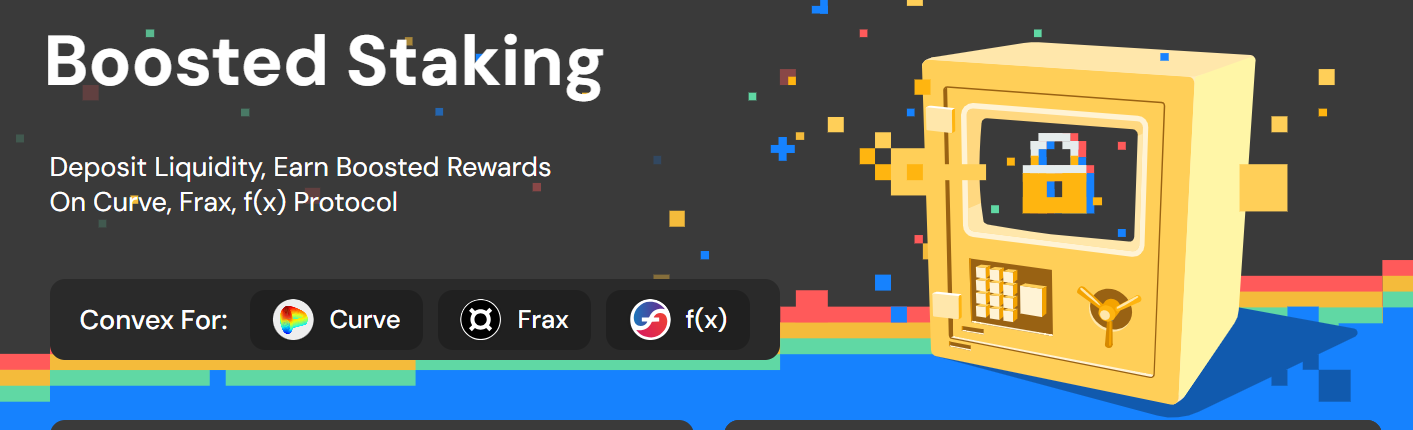
Convex Finance specializes in boosting rewards for Curve Finance liquidity providers. As one of the most successful DeFi projects in the yield farming space, Convex has established a strong track record of delivering positive outcomes for users. By staking Curve LP tokens through Convex, yield farmers can maximize their returns with additional CVX incentives, making it a popular choice for those engaged in liquidity provision on stablecoin pools.
Highlights:
- Earns combined rewards in CRV, CVX, and other protocol incentives.
- Utilizes a vote-locking system that boosts long-term rewards.
- Supports pools on Ethereum and Arbitrum.
- Plays a significant role in Curve governance and the “Curve Wars.”
APY in 2025: Up to 25% on select Curve pools.
Risks: Complex tokenomics and potential governance concentration risk.
4. GMX (GMX)
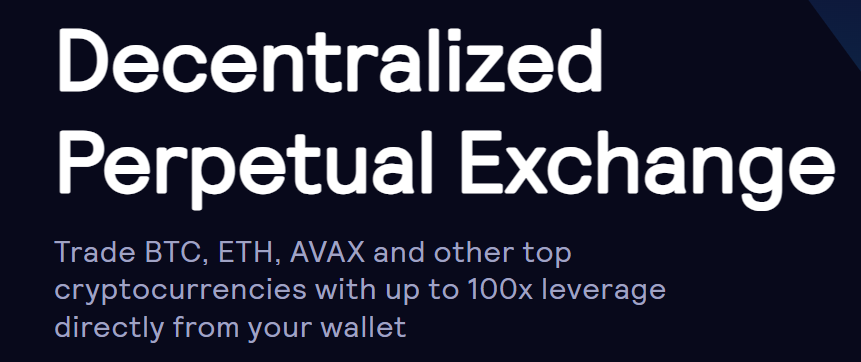
GMX offers a unique yield farming model by allowing users to provide liquidity to its GLP pool, which earns a share of the protocol’s trading fees from decentralized perpetual trading. Built on Arbitrum and Avalanche, GMX provides a sustainable source of yield derived from real trading activity.
Highlights:
- Yields generated from trading fees and trader losses.
- GLP auto-compounds a diversified basket of assets including ETH, USDC, and WBTC.
- Focus on community governance and security.
- Supports efficient trading of decentralized derivatives.
APY in 2025: Between 10% and 20%, paid in ETH and esGMX tokens.
Risks: Market downturns can reduce yields; impermanent loss is possible.
5. Beefy Finance (BIFI)
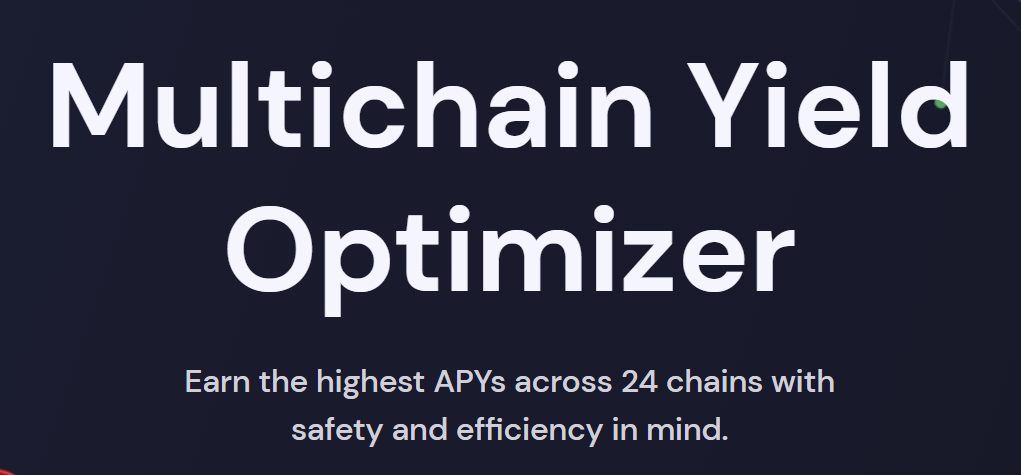
Beefy Finance is a cross-chain yield optimizer that aggregates farming opportunities from multiple DeFi platforms. Its automated vault strategies auto-compound rewards, helping users maximize yield farming returns with minimal effort.
Highlights:
- Supports dozens of blockchains including BNB Chain, Fantom, Avalanche, and Arbitrum.
- Uses battle-tested smart contracts and strategic risk assessments.
- Aggregates yield farming rewards from various DeFi protocols.
- Provides automated yield optimization for both novice and experienced yield farmers.
APY in 2025: Ranges widely from 5% up to 80% depending on the vault and underlying assets.
Risks: Complexity of strategies and dependency on multiple underlying protocols.
6. Yearn Finance (YFI)
Yearn Finance offers institutional-grade vault strategies managed by professional strategists. It pools user capital and deploys it across various DeFi protocols to optimize yields, making it ideal for passive investors seeking automated yield farming with active governance.
Highlights:
- Integrates with protocols like Aave, Curve, and Convex.
- Supports a variety of assets including ETH, stablecoins, and liquidity provider tokens.
- Emphasizes security through audits and a secure development process.
- Features active governance with YFI tokens.
APY in 2025: Typically ranges from 4% to 30%, depending on the strategy.
Risks: Strategy performance variability and smart contract risks.
7. Pendle Finance (PENDLE)
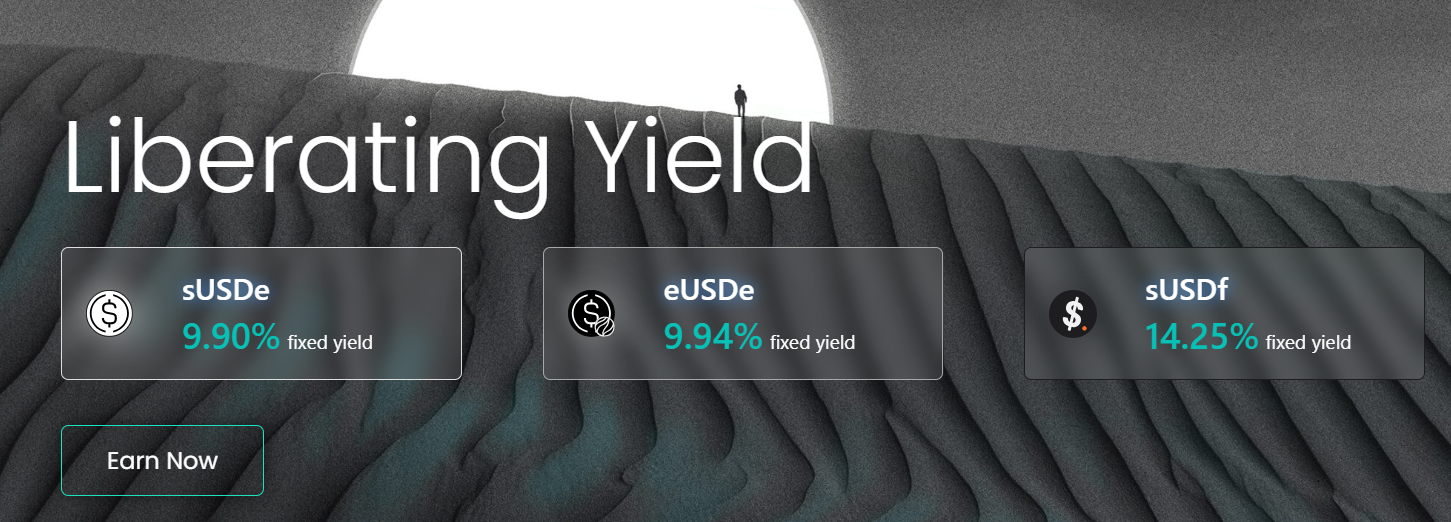
Pendle Finance introduces an innovative approach to yield farming by tokenizing future yield, allowing users to trade yield tokens on secondary markets. This enables locking in fixed APYs or speculating on interest rate movements, adding a new dimension to yield optimization.
Highlights:
- Offers fixed yield strategies and yield token trading.
- Supports staking of ETH, GLP, and liquid staking tokens (LSTs).
- Uses PENDLE tokens for governance and staking.
- Facilitates interest rate speculation and yield tokenization.
APY in 2025: Up to 15% fixed, potentially higher when trading discounted yield tokens.
Risks: Requires understanding of tokenization mechanics and market timing.
🧠 How to Use Token Metrics to Find the Best DeFi Yields
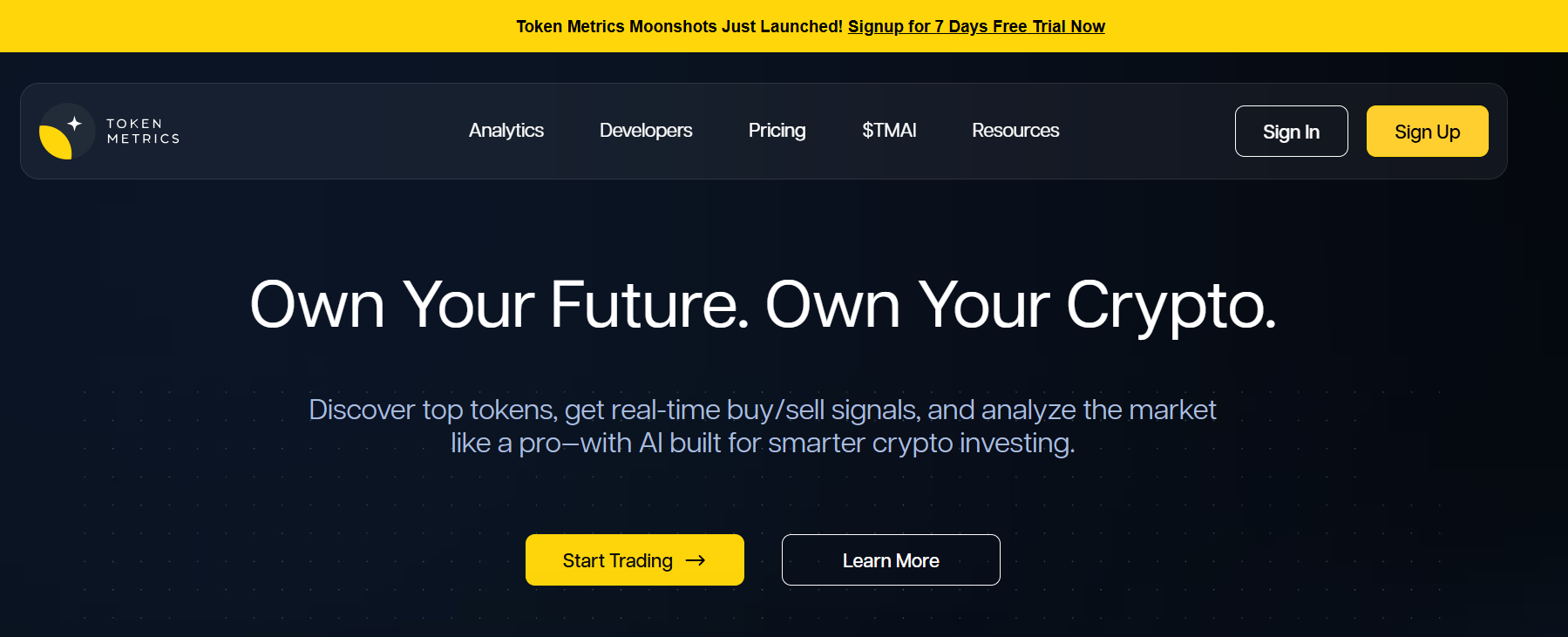
Navigating the myriad of DeFi platforms and protocols to find the highest-yielding yet safest opportunities can be daunting. Token Metrics leverages AI-powered analytics to simplify this process by providing comprehensive insights into the DeFi ecosystem. Tulip Protocol, the first yield aggregation platform built on Solana, exemplifies the innovative tools available to users seeking to optimize their returns in the DeFi space.
Key features include:
- AI-driven Investor & Trader Grades that evaluate DeFi tokens based on risk-reward profiles.
- Token Rankings that assess adoption, protocol health, and intrinsic value.
- Bullish and Bearish Signals on popular yield farming tokens such as CVX, GMX, and LDO.
- Backtesting Tools to simulate strategies involving yield-bearing tokens.
- Narrative Tracking to identify emerging DeFi trends and promising protocols early.
- The ability to compare transaction fees across DeFi platforms, helping users optimize net returns by factoring in cost efficiency.
When evaluating DeFi platforms, it is crucial to check the list of supported assets to ensure compatibility with your portfolio and to maximize diversification and risk management.
Whether you are participating in liquidity provision on decentralized exchanges, staking ETH through liquid staking platforms like Lido, or engaging with automated yield aggregators like Yearn Finance, Token Metrics helps analyze token health, protocol governance, and long-term sustainability.
👉 Start your free trial of Token Metrics to discover high-APY DeFi yield farming strategies before they become mainstream.
🛠️ DeFi Platform Selection Criteria
Choosing the right DeFi platform is crucial for maximizing returns and minimizing risk. Security should be the top priority; look for DeFi platforms with a proven track record, regular security audits, and transparent smart contract development processes. Platforms that have demonstrated resilience against hacks and have robust security measures in place are generally more trustworthy.
Usability is another important factor. A user-friendly interface and clear documentation can make it easier to navigate the platform and manage your investments effectively. Consider how intuitive the platform is for both beginners and experienced users.
Fees can significantly impact your net returns, so compare transaction costs, withdrawal fees, and any other charges across different DeFi platforms. Opt for platforms with competitive and transparent fee structures.
Other key factors include the platform’s governance model—such as the role of governance tokens and community participation—the quality of customer support, and compliance with evolving regulatory requirements. By carefully evaluating these criteria, investors can select DeFi platforms that align with their goals and risk tolerance.
🌐 DeFi Trends to Watch in 2025
The DeFi sector is rapidly evolving, and several key trends are set to shape the landscape in 2025. One major development is the rise of institutional grade DeFi platforms, which are attracting more institutional investors by offering enhanced security, compliance, and customer support. This institutional adoption is expected to bring greater liquidity and stability to the DeFi ecosystem.
Automated yield optimization is another trend gaining momentum. Platforms like Yearn Finance are making it easier for users to participate in the yield farming process by automating complex strategies and maximizing returns with minimal effort. As these automated solutions mature, they are likely to become a standard feature across many DeFi protocols.
Innovation in DeFi protocols continues, with new applications such as decentralized derivatives and synthetic assets enabling users to trade derivative contracts and gain exposure to real world assets in a decentralized manner. These advancements are expanding the range of investment opportunities and risk management tools available to DeFi participants.
Regulatory developments are also on the horizon, with clearer guidelines for DeFi platforms expected to emerge. This could foster greater trust and participation from both retail and institutional investors, further accelerating the growth of the DeFi sector.
Staying informed about these DeFi trends will be essential for investors looking to capitalize on new opportunities and navigate the evolving decentralized finance landscape in 2025.
⚠️ Risks of Yield Farming in 2025
While DeFi yield farming offers attractive returns, it is crucial to understand the inherent risks involved:
1. Impermanent Loss
When providing liquidity to a pool, fluctuations in the relative value of deposited assets can cause impermanent loss, reducing overall profits compared to simply holding the assets.
2. Smart Contract Exploits
Bugs or vulnerabilities in smart contract code can lead to loss of funds. Engaging with audited and battle-tested protocols helps mitigate this risk.
3. Protocol Risk
New or unaudited DeFi projects may face collapse or “rug pulls.” Sticking to reputable platforms with secure development processes is essential.
4. Token Volatility
Reward tokens distributed as yield can experience significant price swings, which may offset gains from APYs.
5. Liquidity Risk
Low liquidity in certain pools can result in slippage or difficulty withdrawing assets promptly.
To manage these risks, it is advisable to diversify across multiple protocols, use risk management tools, and stay informed about regulatory developments and security measures in the DeFi sector.
Final Thoughts
In 2025, decentralized finance has evolved into a mature and sophisticated ecosystem offering some of the best passive income opportunities in the financial world. From liquid staking and automated vault strategies to innovative yield tokenization, DeFi platforms empower users to maximize returns on their digital assets with minimal effort. Many platforms are also expanding into synthetic assets, allowing users to gain exposure to traditional assets, including fiat currencies like USD or EUR, through tokenized representations.
However, navigating this complex landscape requires reliable tools and insights. Token Metrics combines AI, real-time data, and deep token analysis to help investors identify the best DeFi yield farming platforms while managing associated risks. Whether you are a retail yield farmer or an institutional investor bridging traditional finance with the DeFi space, leveraging such analytics is key to capitalizing on the highest APYs sustainably.
Explore the DeFi ecosystem with confidence and unlock the full potential of yield farming in 2025. Future predictions indicate continued evolution and innovation in DeFi yield farming platforms, with new opportunities and trends likely to emerge in the coming years.
AI Agents in Minutes, Not Months

.svg)


%201.svg)


.png)





.svg)
No Credit Card Required


Online Payment


SSL Encrypted
.png)
Token Metrics Media LLC is a regular publication of information, analysis, and commentary focused especially on blockchain technology and business, cryptocurrency, blockchain-based tokens, market trends, and trading strategies.
Token Metrics Media LLC does not provide individually tailored investment advice and does not take a subscriber’s or anyone’s personal circumstances into consideration when discussing investments; nor is Token Metrics Advisers LLC registered as an investment adviser or broker-dealer in any jurisdiction.
Information contained herein is not an offer or solicitation to buy, hold, or sell any security. The Token Metrics team has advised and invested in many blockchain companies. A complete list of their advisory roles and current holdings can be viewed here: https://tokenmetrics.com/disclosures.html/
Token Metrics Media LLC relies on information from various sources believed to be reliable, including clients and third parties, but cannot guarantee the accuracy and completeness of that information. Additionally, Token Metrics Media LLC does not provide tax advice, and investors are encouraged to consult with their personal tax advisors.
All investing involves risk, including the possible loss of money you invest, and past performance does not guarantee future performance. Ratings and price predictions are provided for informational and illustrative purposes, and may not reflect actual future performance.