Back to blog
Research

Essential Security Practices for Using APIs with Exchange Keys

Discover key security practices for safely using APIs with your crypto exchange keys. Learn about API risks, management, monitoring, and how Token Metrics API can help.
Token Metrics Team
6
Want Smarter Crypto Picks—Free?
See unbiased Token Metrics Ratings for BTC, ETH, and top alts.
Thank you! Your submission has been received!
Oops! Something went wrong while submitting the form.
 No credit card | 1-click unsubscribe

As cryptocurrencies and digital assets become more integrated into financial operations and innovations, APIs (Application Programming Interfaces) have emerged as the primary bridges between users, trading bots, analytics platforms, and exchanges. While APIs unlock powerful functionality—like automated trading and real-time data—linking your exchange accounts via APIs also introduces critical security considerations. Protecting your API keys is essential to safeguarding your funds, data, and digital reputation from external threats and accidental losses.

Understanding API Keys and Their Risks

API keys are like digital master keys—long alphanumeric codes generated by crypto exchanges to grant third-party services or tools controlled access to your trading account. Depending on the permissions set, an API key can enable actions such as reading balances, making trades, or withdrawing funds. This convenience, however, comes with risk. If malicious actors obtain your keys, they could execute trades, drain assets, or compromise personal data.

Common threats include:

  • Phishing Attacks: Attackers may trick users into entering keys on fake platforms.
  • Code Leaks: Mismanaging code repositories can accidentally expose keys.
  • Server Vulnerabilities: APIs stored on unsecured servers are at risk of hacking.
  • Over-permissive Keys: Granting broad permissions unnecessary for specific tasks increases potential damage.

Recognizing these risks is the first step toward building a robust security approach for API-driven crypto activity.

Implementing Strong API Key Management

Securing your API keys starts with effective key management and following exchange best practices:

  • Generate Keys with Minimal Permissions: Always apply the principle of least privilege. If an API integration only requires read access, avoid enabling trading or withdrawal permissions. Many exchanges offer highly configurable permissions—take advantage of this granular control.
  • Use IP Whitelisting: Restrict API key access to specific, trusted server IPs. Even if keys leak, unauthorized access will be blocked from non-whitelisted locations.
  • Rotate and Revoke Keys Regularly: Set schedules to periodically rotate API keys and immediately revoke any unused or suspicious keys. Regular audits ensure that only necessary, actively-used keys remain valid.
  • Monitor API Usage Logs: Review your exchange’s API activity logs to spot unauthorized or unusual requests. Early detection can mitigate losses if a breach occurs.
  • Store Keys Securely: Never hard-code API keys in plaintext in your application code. Use environment variables, encrypted vaults (like AWS Secrets Manager or HashiCorp Vault), or secure OS keyrings to manage sensitive secrets.

Following these workflows reduces the risk surface significantly and forms the backbone of secure API integration.

Securing Your Development and Production Environments

The environments where your code and API keys reside are just as important as the keys themselves. Weak operational security can leave even well-managed keys vulnerable.

  • Use Version Control Best Practices: Exclude secrets from version control (e.g., using .gitignore for Git) and never share sensitive files. Tools like git-secrets can scan for accidental leaks during development.
  • Apply Role-Based Access Controls (RBAC): Only allow trusted team members access to code and production systems that utilize keys. Revoke access as soon as responsibilities change.
  • Update System Dependencies: Regularly patch libraries, dependencies, and server operating systems to defend against vulnerabilities exploited in the wild.
  • Implement Multi-Factor Authentication (MFA): Require MFA on all user and administrative exchange accounts. Compromising a password alone should never be enough to make unauthorized key changes.
  • Use Secure Communications: Ensure all API calls use HTTPS/TLS to prevent interception.

Investing in layered security controls around your infrastructure and development pipeline creates holistic protection that complements API best practices.

Evaluating the Security of Third-Party Crypto APIs

Before connecting your exchange account to any external tool or platform via APIs, carefully evaluate its security posture. Consider these assessment steps:

  • Review Documentation: Reliable crypto APIs offer transparent documentation on how keys are stored, encrypted, and transmitted.
  • Check Vendor Reputation: Research user reviews and security incident history for the platform you plan to use.
  • Analyze Incident Response: Is there a clear plan and history for handling breaches or accidental leaks?
  • Data Privacy and Compliance: Examine whether third parties comply with data protection standards like GDPR or SOC 2 relevant to your region.
  • Open Source Versus Closed Source: Open source software enables code review, while closed platforms may require direct communication for trust verification.

Partnering with reputable service providers, like Token Metrics, that clearly prioritize and communicate security, greatly reduces integration risks.

Monitoring and Responding to Suspicious API Activity

Even with the best defenses, continuous monitoring and a planned response are vital if your API keys are ever exposed. Effective strategies include:

  • Set Real-time Alerts: Configure your exchange or service dashboards to instantly notify you of critical actions—such as failed logins, unauthorized IP access, unexpected trades, or withdrawal attempts.
  • Have an Incident Response Plan: If suspicious activity is detected, act swiftly: revoke affected API keys, audit trading histories, and contact exchange support as needed.
  • Log All API Events: Maintain logs to help reconstruct the sequence of actions during an incident—crucial for both remediation and any investigations that may follow.
  • Limit Exposure: Never share API keys via unencrypted email or chat, and avoid reusing keys across multiple services.

Rapid detection and response minimize the impact of breaches and strengthen your security over time through valuable lessons learned.

Build Smarter Crypto Apps & AI Agents with Token Metrics

Token Metrics provides real-time prices, trading signals, and on-chain insights all from one powerful API. Grab a Free API Key

Frequently Asked Questions

Are API keys safe to share with third-party tools?

Only share API keys with platforms you trust and have thoroughly evaluated. Limit permissions, monitor usage, and revoke keys if suspicious activity is detected.

What permissions should I set on my exchange API keys?

Apply the principle of least privilege. Grant only the permissions the integration or bot requires—commonly, just read or trading access, never withdrawal if not needed.

How often should I rotate my API keys?

Best practice is to rotate API keys regularly, at a cadence that fits your operational needs, and immediately after any suspected compromise or when discontinuing a service.

Can AI tools help me detect suspicious API behavior?

Yes. AI-powered analytics can spot unusual trading patterns or access anomalies—which might indicate theft or security breaches—faster than manual monitoring.

What if my API key is compromised?

Immediately revoke the affected key, review your account for unauthorized actions, activate additional security measures, and notify your exchange's support team as necessary.

Disclaimer

This blog is for educational purposes only and does not constitute investment, trading, or legal advice. Always conduct your own research and apply security best practices when handling APIs and exchange keys.

Build Smarter Crypto Apps &
AI Agents in Minutes, Not Months
Real-time prices, trading signals, and on-chain insights all from one powerful API.
Grab a Free API Key
About Token Metrics
Token Metrics: AI-powered crypto research and ratings platform. We help investors make smarter decisions with unbiased Token Metrics Ratings, on-chain analytics, and editor-curated “Top 10” guides. Our platform distills thousands of data points into clear scores, trends, and alerts you can act on.
30 Employees
analysts, data scientists, and crypto engineers
Daily Briefings
concise market insights and “Top Picks”
Transparent & Compliant
Sponsored ≠ Ratings; research remains independent
Want Smarter Crypto Picks—Free?
See unbiased Token Metrics Ratings for BTC, ETH, and top alts.
Thank you! Your submission has been received!
Oops! Something went wrong while submitting the form.
 No credit card | 1-click unsubscribe
Token Metrics Team
Token Metrics Team

Recent Posts

Research

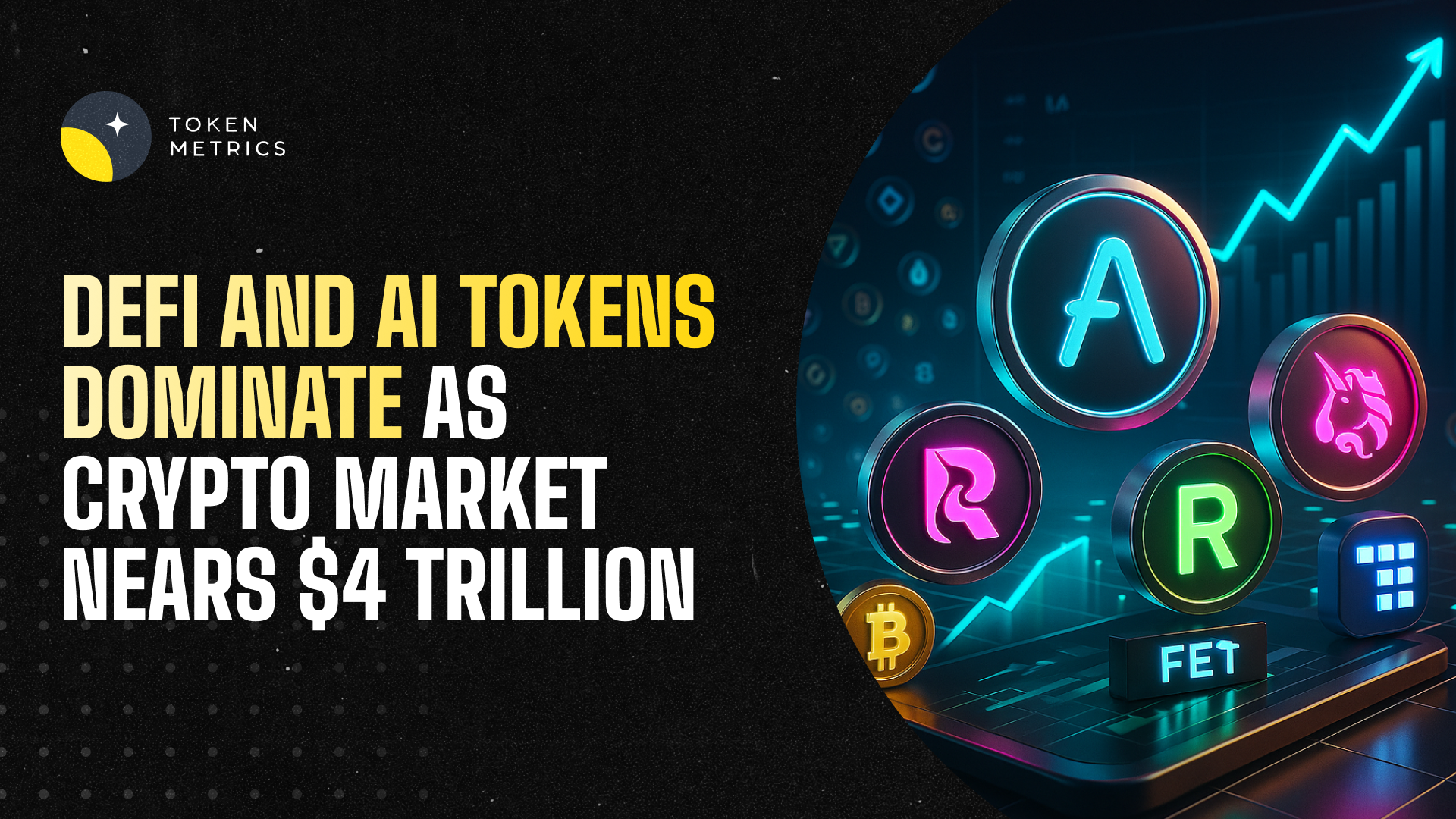
DeFi and AI Tokens Dominate as Crypto Market Nears $4 Trillion

Token Metrics Team
6 min

The cryptocurrency market continues to show resilience, with total market capitalization maintaining a strong foothold near $4 trillion. While Bitcoin remains the cornerstone of this cycle, the spotlight is shifting toward altcoins — especially those at the forefront of decentralized finance (DeFi) and artificial intelligence (AI) integration.

In this blog, we’ll explore the top narratives shaping today’s market, focusing on DeFi protocols like Blackhole DEX and PancakeSwap, alongside emerging AI projects such as Sahara AI and Moby AI.

Why DeFi Is Surging Again

DeFi has staged an impressive comeback in 2025. After a period of stagnation, several protocols have redefined their models to prioritize community engagement and sustainable growth.

Black Hole DEX:
Launched on Avalanche, Blackhole DEX has quickly become the network’s largest decentralized exchange, overtaking Trader Joe. The platform uses a community-first approach: no team allocation, weekly token emissions to liquidity providers, and a bribe-based voting mechanism for rewards distribution.

Impact:
This design has created a powerful flywheel effect. As token prices rise, APYs increase, attracting more liquidity, which in turn boosts trading volume and revenue. Within days, Blackhole DEX grew its TVL from $7 million to $193 million — a staggering feat.

PancakeSwap: A Sleeping Giant?

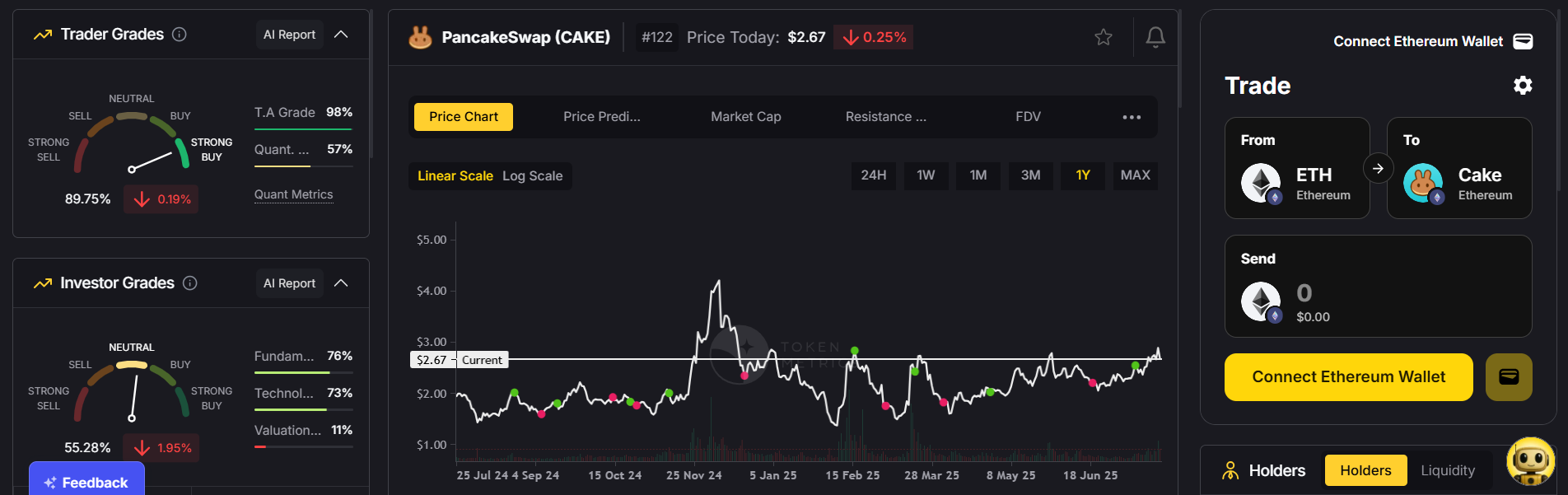
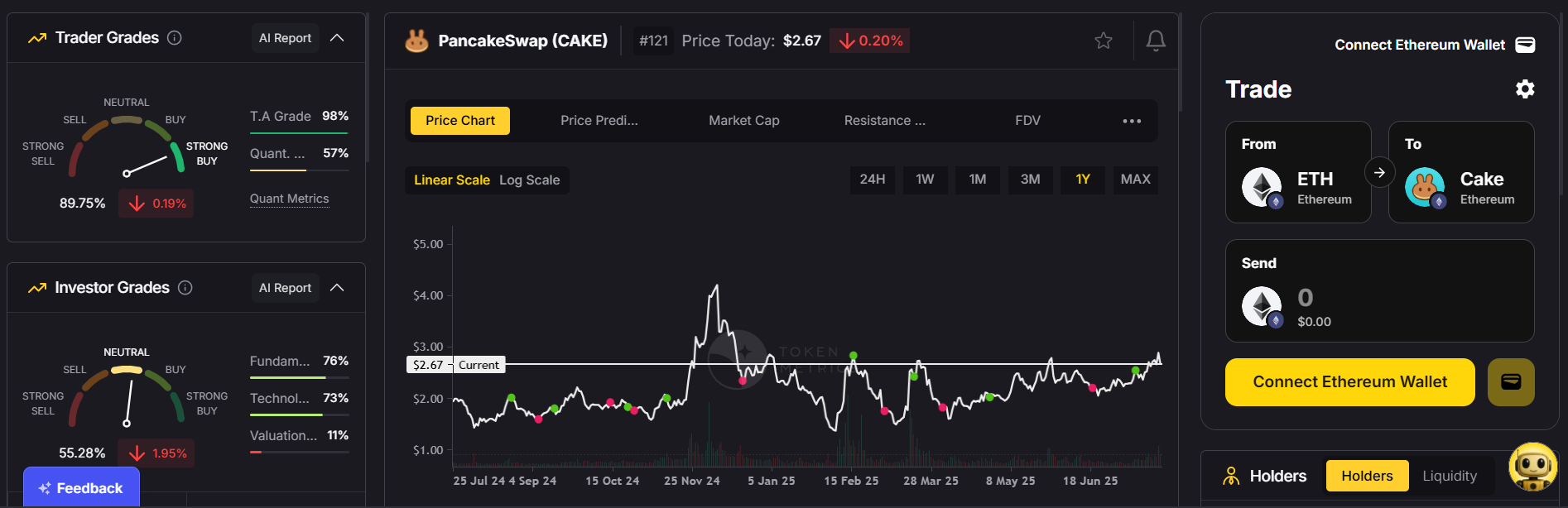
PancakeSwap, the dominant DEX on Binance Smart Chain (BSC), has been quietly outperforming its competitors in trading volumes and fee generation. Recent data shows PancakeSwap generating more than 4x the daily fees of Uniswap, yet its fully diluted valuation remains significantly lower.

Growth Catalysts:

  • Integration with the Binance Wallet ecosystem.
  • Expansion into other ecosystems like Solana.
  • All-time-high trading volumes despite broader market corrections.

For investors seeking a large-cap DeFi protocol with strong fundamentals and potential upside, PancakeSwap’s metrics warrant attention.

AI Meets Crypto: The Next Frontier

Artificial intelligence continues to transform multiple industries, and crypto is no exception.

Sahara AI:
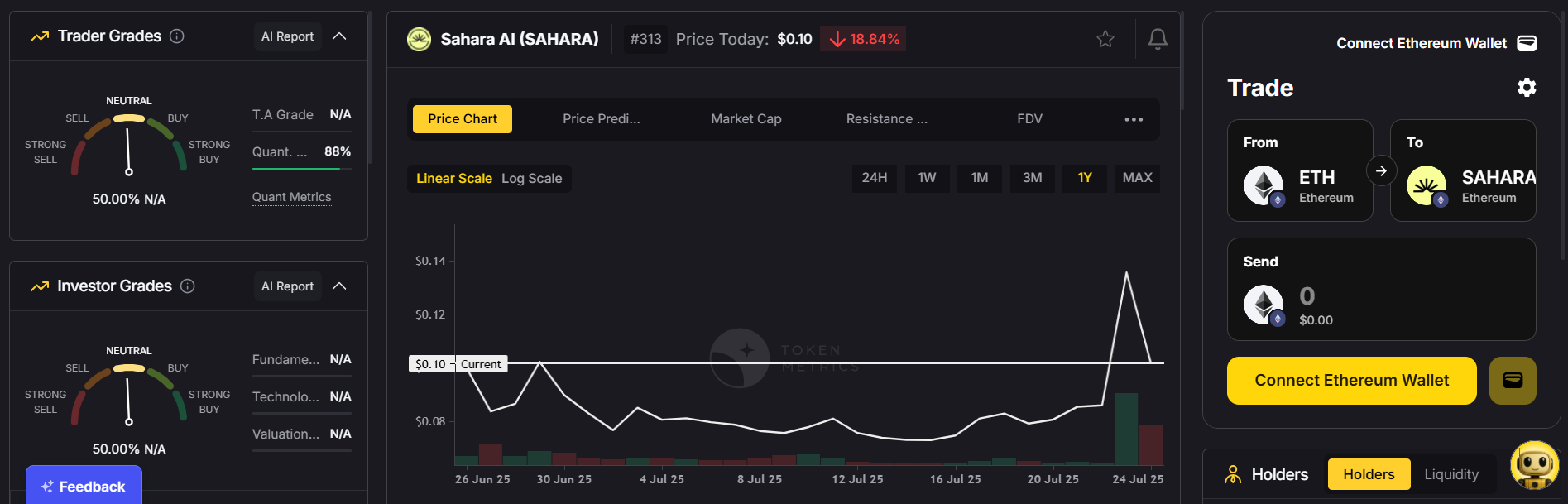
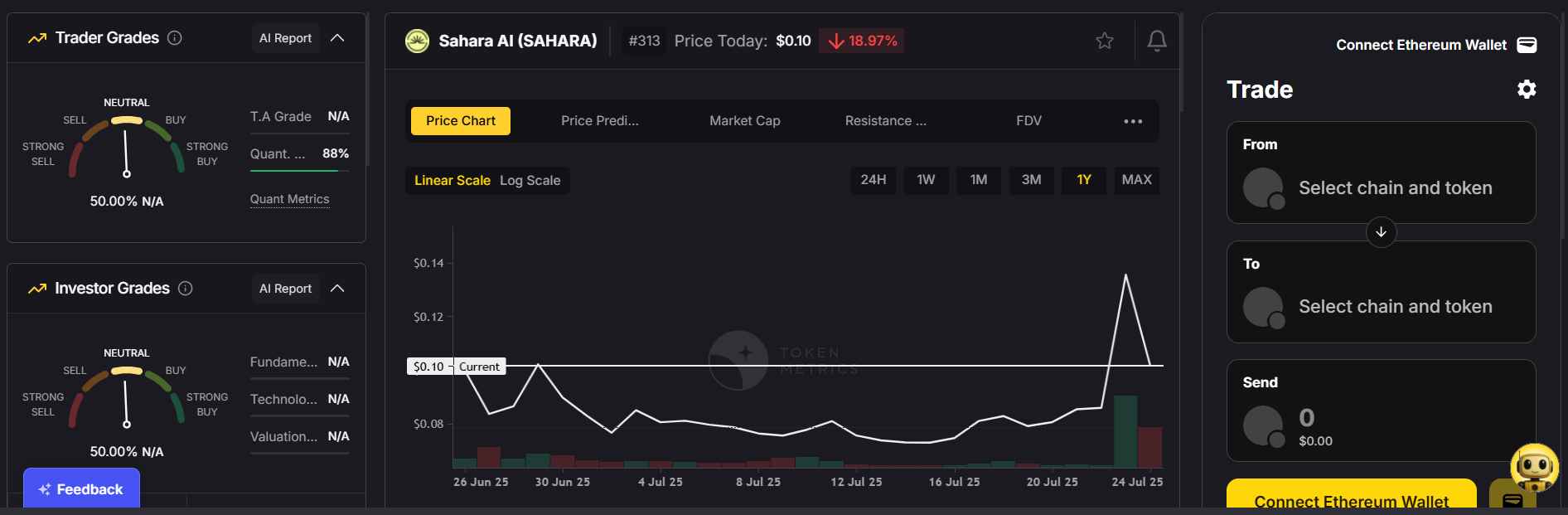
Sahara AI is building a full-stack AI infrastructure for decentralized applications. Backed by heavyweights like Binance and Polychain, its mission is to bridge Web3 and AI — a theme that’s likely to dominate innovation cycles in the coming years.

Moby AI:
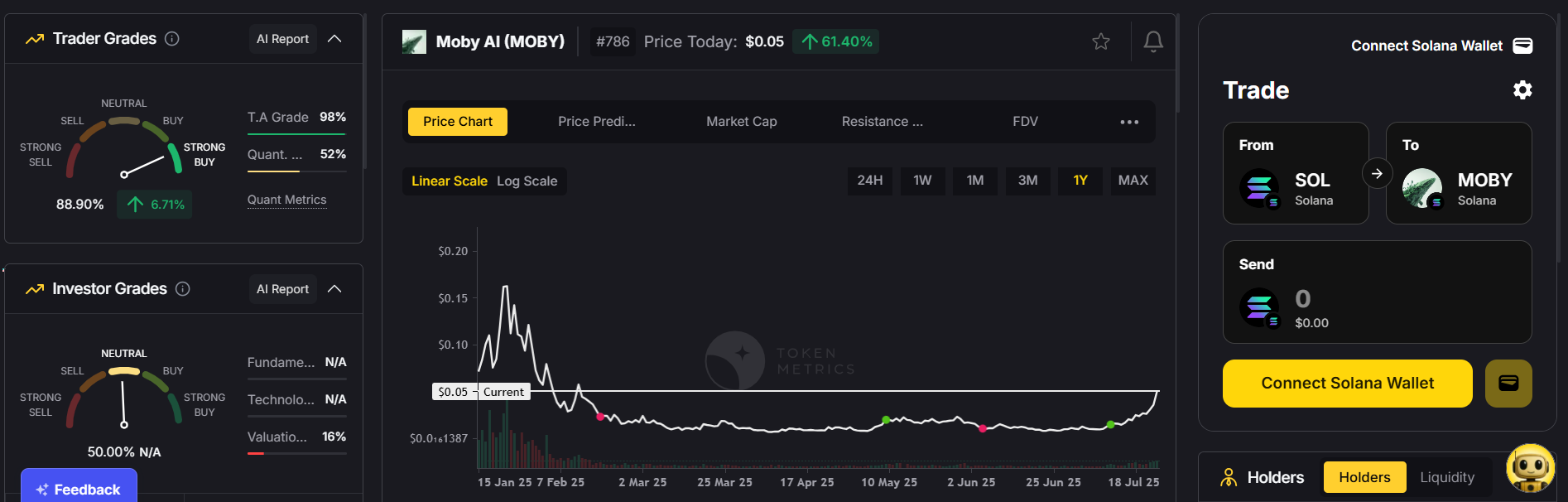
Initially launched as an AI trading agent, Moby AI has expanded into building tools like Moby Screener, a competitor to Dexscreener. Its unique tokenomics link user engagement directly to the platform’s utility, making it an experiment worth watching.

The Broader Altcoin Landscape

Beyond DeFi and AI, other notable projects are also gaining ground:

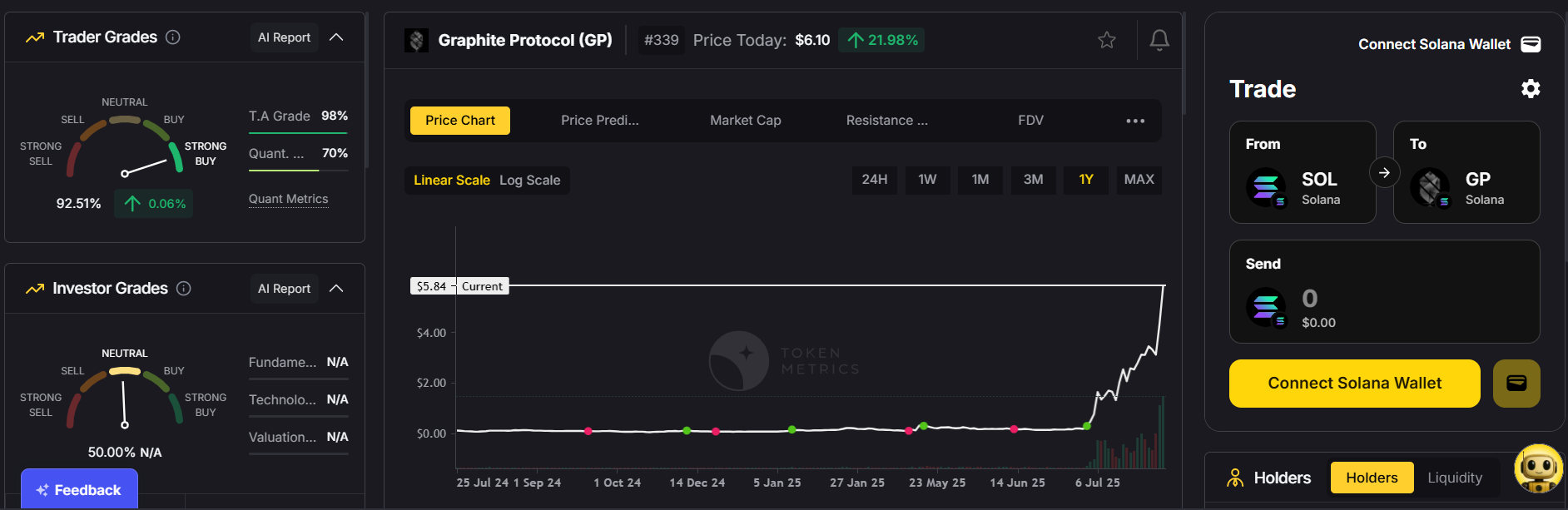
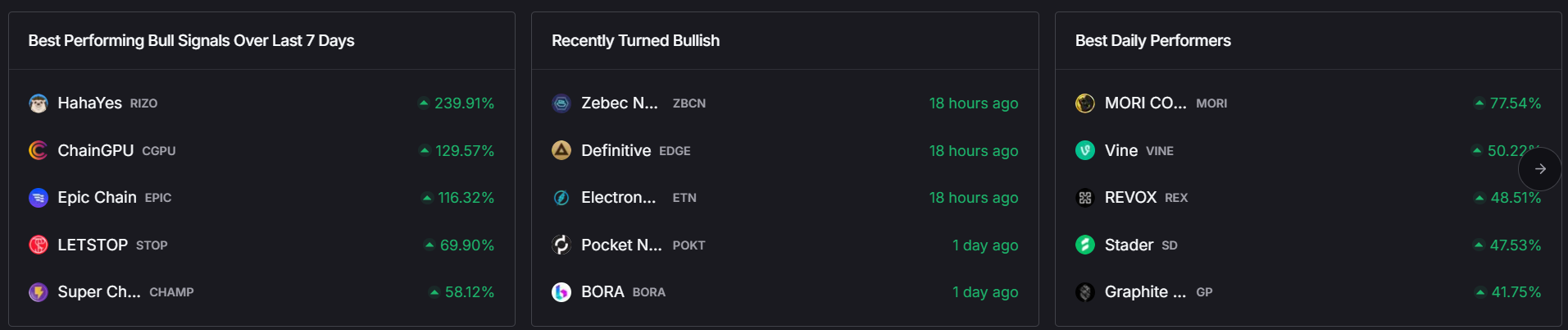
  • Graphite Protocol: The developer behind LetsBonk.Fun, sharing revenue with its ecosystem tokens through buyback strategies.

‍

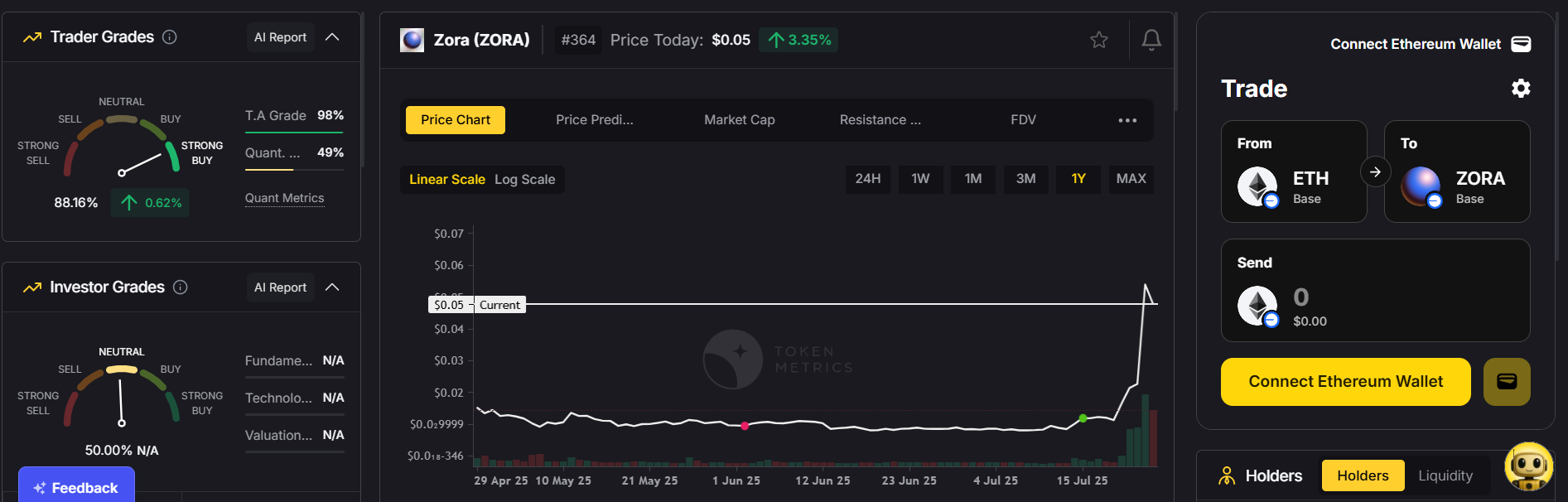
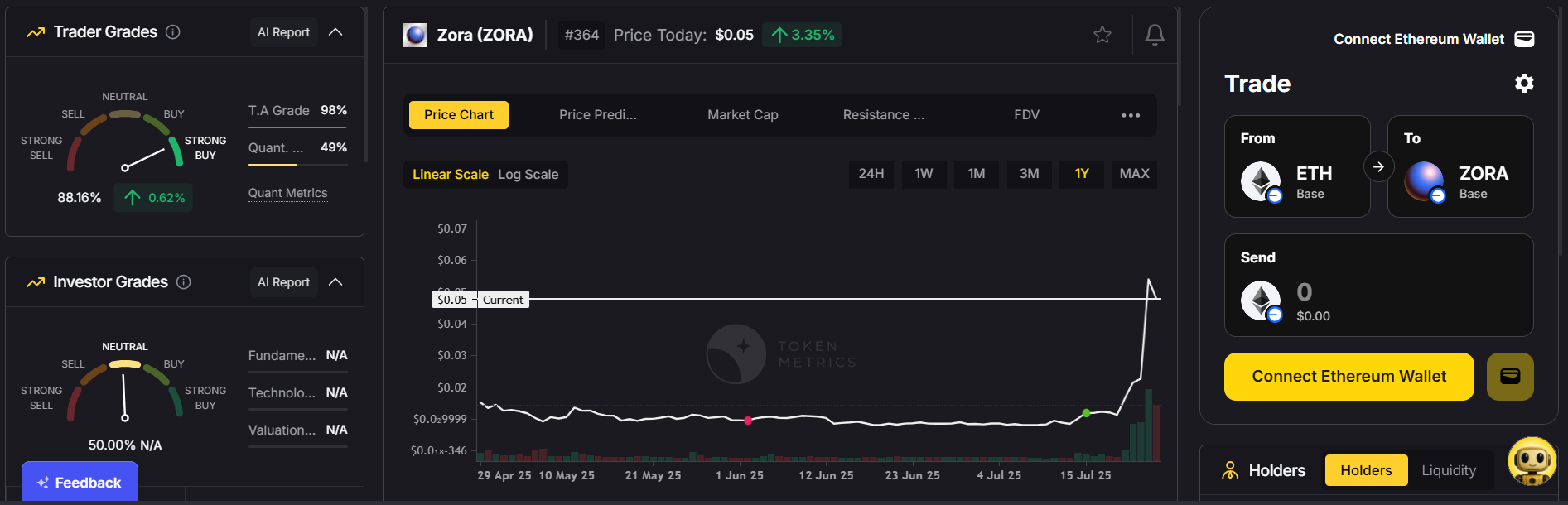
  • Zora: A social media-meets-crypto platform allowing creators to monetize their content directly on-chain.

‍

  • Project X: A cross-chain DEX on Hyperliquid, amassing $28 million in TVL within 24 hours of launch.

These projects underscore the diversity of innovation happening outside Bitcoin’s shadow.

Risk Management in a Volatile Market

The excitement around DeFi and AI tokens comes with elevated risk. Here are some best practices:

  • Allocate wisely: Keep high-risk allocations (like low-cap “moonshots”) small — no more than 1% per trade.
  • Monitor narratives: Rapid shifts in market sentiment can create both opportunities and pitfalls.
  • Stay updated: Protocol changes, tokenomics adjustments, and ecosystem partnerships can significantly impact valuations.

Conclusion

As the crypto market edges closer to $4 trillion, the narratives driving growth are evolving. DeFi is proving its staying power with innovative models like Black Hole DEX, while AI-focused projects like Sahara AI are pushing the boundaries of what blockchain can achieve.

For market participants, the challenge lies in identifying which of these trends have lasting potential — and positioning themselves accordingly.

Research

Altcoins on the Rise: How Bitcoin’s Stability Is Fueling the Next Market Wave

Token Metrics Team
6 min

As Bitcoin stabilizes near its recent highs, the crypto market is witnessing a familiar pattern — altcoins are beginning to surge. While Bitcoin often leads during the early phases of a bullish cycle, history shows that capital tends to flow into altcoins as confidence builds. In the past two weeks, this transition has become increasingly evident, with several promising projects capturing significant market attention.

Bitcoin’s Stabilization and What It Means

Since early July, Bitcoin has managed to hold above key resistance levels, cementing its role as the market’s anchor. At the time of writing, total crypto market capitalization hovers near $4 trillion — a level that hasn’t been seen since the previous cycle’s peaks. Historically, when Bitcoin consolidates above its former highs, capital begins rotating into altcoins. This shift often marks the start of a broader rally across the market.

Key takeaway: The current market appears to be in the early stages of this altcoin rotation.

Altcoins Leading the Charge

Several altcoins have emerged as strong contenders in recent weeks.

1. Zora: The Social Token Platform
Zora, an on-chain social platform that allows creators to tokenize posts and earn from their content, has seen exponential growth following its integration into the Base App (Coinbase’s rebranded wallet). Creator activity and transaction volumes have surged, driving up demand for the Zora token. With each creator post paired to the Zora token, this integration has created a direct link between platform usage and token utility.

Why it matters: The combination of Web3 social media and creator monetization is a powerful narrative, and Zora appears well-positioned to capitalize on this trend.

2. Spark: A MakerDAO-Connected Lending Platform
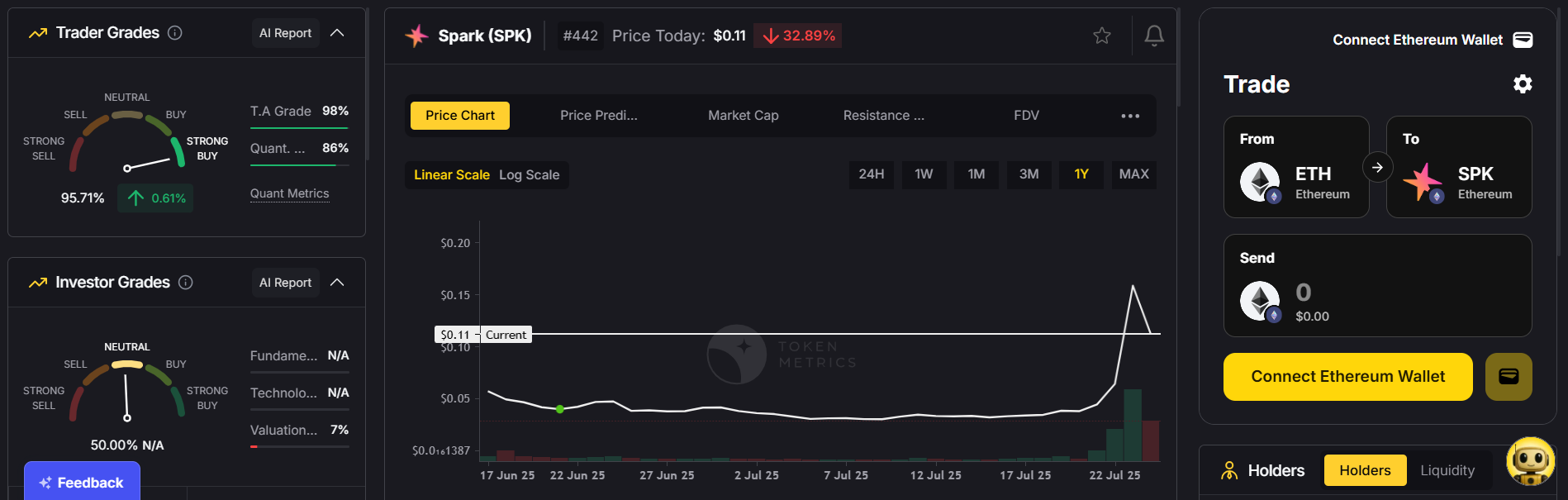
Spark, a DeFi lending protocol linked to Sky Protocol, has also been a standout performer. It recently experienced a sharp increase in liquidity and price action, fueled by its integration with CookieDAO’s campaign and ongoing airdrop programs.

Why it matters: With DeFi gaining renewed interest, protocols offering sustainable yields through established ecosystems like Sky Protocol (formerly MakerDAO) are likely to remain attractive to both retail and institutional participants.

3. Sahara AI: Building the AI-Crypto Intersection
Sahara AI has positioned itself at the intersection of AI and blockchain. Backed by Binance, Polychain, and Foresight Ventures, this project offers a full-stack AI solution tailored for decentralized applications. Its long-term vision of creating AI-enabled Web3 services is attracting both developers and investors.

Why it matters: AI and crypto remain two of the most dominant narratives in tech, and projects combining these sectors could drive the next wave of innovation.

4. PancakeSwap: Undervalued Giant?
Despite being one of the largest DEXs by trading volume and daily fee generation, PancakeSwap appears significantly undervalued compared to peers like Uniswap. The platform recently expanded its operations to other chains, including Solana, and benefits from strong integration with the Binance Wallet ecosystem.

Why it matters: Fundamentals suggest PancakeSwap has room for growth if the market re-rates its value relative to competitors.

Market Themes to Watch

Bitcoin vs. Altcoin Season:
Our analysis shows we are still in a Bitcoin-dominant phase. Historically, altcoins outperform when Bitcoin consolidates or cools off. This implies that the current rotation into altcoins could continue as capital flows down the risk curve.

DeFi Revival:
Protocols like Blackhole DEX on Avalanche — which has grown its TVL from $7 million to $193 million in less than 2 weeks — highlight a renewed interest in decentralized finance. Unlike VC-backed models, Blackhole’s community-first tokenomics have resonated with users seeking fairer distribution.

Social Tokens & AI Integration:
Platforms like Zora and Sahara AI are tapping into major growth narratives: decentralized social media and artificial intelligence. Both sectors are likely to see continued experimentation and adoption.

Managing Risk in Altcoin Investing

While the upside potential in altcoins is high, so is the volatility. For high-risk trades, such as “moonshots” (low-cap tokens under $50 million market cap), we recommend:

  • Position sizing: Limit exposure to 1% per trade.
  • Diversification: Spread investments across multiple projects to reduce single-token risk.
  • Exit planning: Pre-define take-profit and stop-loss levels.

Conclusion

The crypto market is entering an exciting phase. Bitcoin’s consolidation above key levels suggests a healthy backdrop for risk assets, and altcoins are beginning to benefit. From creator monetization platforms like Zora to cross-chain DeFi protocols like Spark and Black Hole, this new wave of projects represents the diversity and innovation driving the next cycle.

As always, measured participation and disciplined risk management remain essential.

Crypto Basics

Types of Stablecoins: A Complete Guide for 2025

Token Metrics Team
8 min

The cryptocurrency market is famous for volatility—Bitcoin can swing by thousands of dollars in a day, and altcoins can rise or crash in hours. But what if you need price stability? That’s where stablecoins come in.

Stablecoins are digital currencies pegged to stable assets like the US dollar, gold, or even algorithmically maintained price levels. They bridge the gap between the speed and efficiency of blockchain technology and the reliability of traditional money.

As of 2025, stablecoins account for over $140 billion in circulating supply, making them essential for traders, investors, and decentralized finance (DeFi) users. But not all stablecoins are the same—different types use different mechanisms to maintain their stability, each with unique pros and cons.

In this guide, we’ll break down the types of stablecoins, how they work, their risks, and which might be best for your needs.

What Are Stablecoins?

A stablecoin is a cryptocurrency designed to maintain a stable value by pegging its price to a reference asset. Most stablecoins are pegged to fiat currencies like the U.S. dollar (e.g., 1 USDT ≈ $1), but some track commodities (like gold) or are algorithmically balanced to hold value.

They are widely used for:

  • Trading: Moving quickly in and out of volatile assets.
  • DeFi: Providing liquidity, borrowing, and earning yields.
  • Remittances: Sending low-cost, fast cross-border payments.
  • Hedging: Protecting against crypto market volatility.

Types of Stablecoins

There are four main types of stablecoins:

  1. Fiat‑Collateralized Stablecoins
  2. Crypto‑Collateralized Stablecoins
  3. Algorithmic (Non‑Collateralized) Stablecoins
  4. Commodity‑Backed Stablecoins

Each has a different method of maintaining its peg. Let’s break them down.

1. Fiat‑Collateralized Stablecoins

Definition:
These are backed 1:1 by traditional currencies like the U.S. dollar, euro, or yen. For every stablecoin issued, an equivalent amount of fiat is held in reserve by a trusted custodian.

How They Work:
If you buy 1 USDC, Circle (its issuer) holds $1 in a regulated bank account or short-term U.S. Treasury securities. When you redeem that stablecoin, the issuer sends you the equivalent amount in fiat and burns the coin.

Examples:

  • Tether (USDT) – Largest stablecoin by market cap; widely used on exchanges.
  • USD Coin (USDC) – Issued by Circle, fully regulated and audited.
  • TrueUSD (TUSD) – Offers real-time attestation of reserves.
  • PayPal USD (PYUSD) – Launched by PayPal for payments and DeFi.

Pros:

  • High stability – Pegged directly to fiat.
  • Transparent – Many provide audits and attestations.
  • Easy adoption – Ideal for traders, merchants, and payment platforms.

Cons:

  • Centralization – Custodians control reserves and can freeze accounts.
  • Regulatory risks – Subject to government oversight.
  • Less transparency for some issuers – (e.g., Tether faced scrutiny over its reserves).

2. Crypto‑Collateralized Stablecoins

Definition:
These are backed by cryptocurrencies like Ethereum or Bitcoin instead of fiat. Because crypto is volatile, these stablecoins are overcollateralized (e.g., $150 in ETH backs $100 in stablecoins).

How They Work:
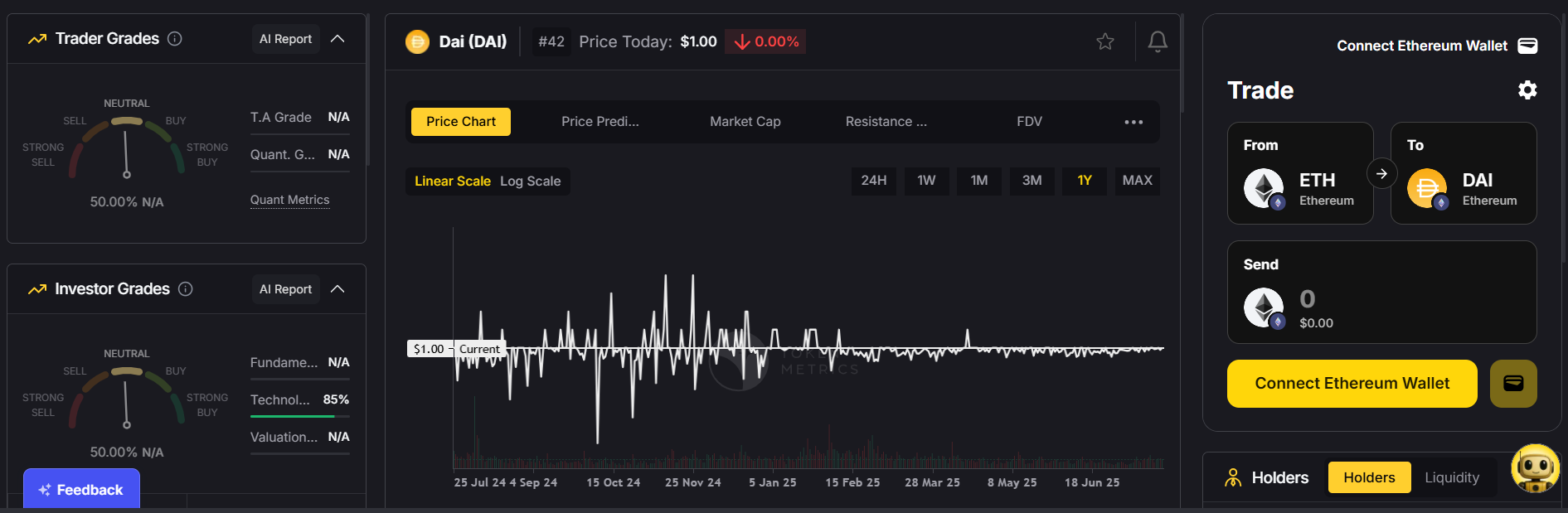
When you mint a crypto-backed stablecoin like DAI, you deposit collateral (e.g., ETH) into a smart contract. If the collateral value drops too much, the contract automatically liquidates some assets to maintain the peg.

Examples:

  • DAI – Issued by MakerDAO, backed by ETH, USDC, and other assets.

‍

  • sUSD – A synthetic USD issued by Synthetix.
  • MIM (Magic Internet Money) – Collateralized by multiple crypto assets.

Pros:

  • Decentralized – No single company controls reserves.
  • Transparent – All collateral balances are viewable on-chain.
  • Resistant to censorship – Issuers can’t freeze accounts.

Cons:

  • Volatility risk – Collateral can lose value quickly, requiring liquidations.
  • Overcollateralization – Ties up more capital than fiat-backed options.
  • Complexity – Requires understanding of DeFi mechanics.

3. Algorithmic (Non‑Collateralized) Stablecoins

Definition:
These don’t use physical reserves. Instead, they maintain their peg via algorithmic supply adjustments—minting or burning tokens to balance price around $1.

How They Work:
If demand increases and the price rises above $1, the protocol mints more coins. If it falls below $1, the protocol burns coins or incentivizes users to buy them back.

Examples:

  • Ampleforth (AMPL) – Elastic supply adjusts daily.
  • UST (TerraUSD) – Infamously collapsed in 2022 after its peg broke.
  • Frax (FRAX) – Uses a hybrid model: partly collateralized, partly algorithmic.

Pros:

  • Highly capital-efficient – Doesn’t require large reserves.
  • Decentralized – Often governed by smart contracts and DAOs.

Cons:

  • Peg instability – Prone to “death spirals” when market confidence drops.
  • Complex mechanisms – Harder for average users to understand.
  • History of failures – UST/LUNA crash eroded trust in algorithmic coins.

4. Commodity‑Backed Stablecoins

Definition:
These stablecoins are pegged to commodities like gold, silver, or oil, giving them intrinsic value beyond fiat.

How They Work:
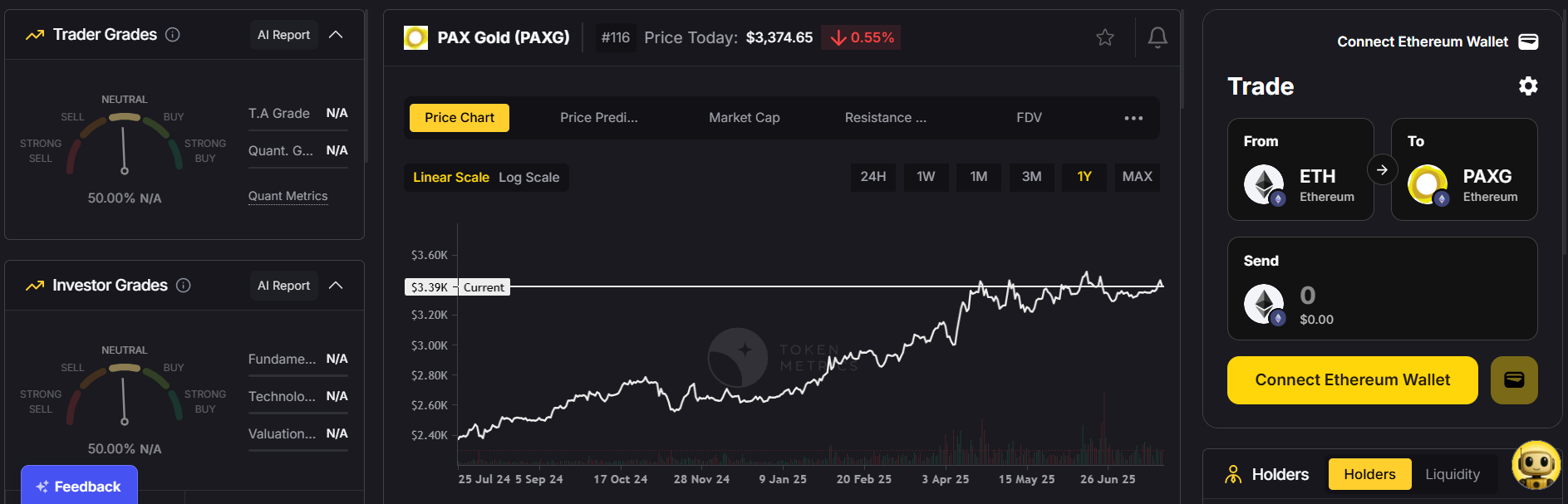
For every coin issued, an equivalent amount of the commodity is held in a secure vault. For example, owning 1 PAX Gold (PAXG) means you own 1 troy ounce of physical gold stored by the issuer.

Examples:

  • PAX Gold (PAXG) – Backed by physical gold.

‍

  • Tether Gold (XAUT) – Gold-backed token from Tether.
  • Digix Gold (DGX) – Pegged to gold bars in Singapore vaults.

Pros:

  • Hedge against inflation – Commodities like gold retain value during economic uncertainty.
  • Diversification – Offers exposure to both crypto and commodities.

Cons:

  • Low liquidity – Less widely used than fiat-backed stablecoins.
  • Storage & audit challenges – Requires trust in the issuer to maintain reserves.

Why Do Stablecoins Matter?

Stablecoins are the backbone of DeFi and crypto trading.

  • Trading & arbitrage: They provide a quick way to exit volatile positions without converting back to fiat.
  • Cross-border payments: Cheaper and faster than SWIFT or remittance services.
  • DeFi participation: Essential for lending, borrowing, yield farming, and liquidity pools.
  • On-ramp/off-ramp: They simplify converting between traditional finance and blockchain.

Which Type of Stablecoin Should You Use?

If you want simplicity & security: Go with fiat-backed coins like USDC or PYUSD.

If you value decentralization: Choose crypto-collateralized options like DAI.

If you’re comfortable with high risk: Explore algorithmic models like FRAX (but beware of peg risks).

If you want inflation protection: Consider commodity-backed coins like PAXG.

Key Risks of Stablecoins

  • Regulation: Governments are increasing oversight of fiat-backed coins.
  • Centralization: Some issuers can freeze funds or blacklist wallets.
  • Smart contract risks: DeFi-based stablecoins can suffer from bugs or exploits.
  • Peg breaks: Algorithmic models are especially vulnerable to confidence loss.

The Future of Stablecoins

In 2025, stablecoins are evolving to meet regulatory and market demands:

  • Central Bank Digital Currencies (CBDCs): Governments are issuing digital dollars and euros, potentially competing with stablecoins.
  • Regulated issuers: Projects like USDC are working closely with regulators to ensure compliance.
  • Hybrid models: Combining fiat and algorithmic elements (e.g., Frax) to enhance stability.

As DeFi expands and global adoption grows, stablecoins will remain at the heart of crypto finance.

Final Thoughts

Stablecoins are more than just “digital dollars.” They’re a critical bridge between traditional finance and blockchain innovation.

  • Fiat-backed stablecoins bring stability and ease of use.
  • Crypto-collateralized ones offer transparency and decentralization.
  • Algorithmic models push innovation but carry higher risks.
  • Commodity-backed coins provide a hedge against inflation and diversify exposure.

Choosing the right type depends on your risk tolerance, use case, and trust level. Whether for trading, saving, or participating in DeFi, understanding the types of stablecoins can help you navigate the crypto ecosystem with confidence.

Choose from Platinum, Gold, and Silver packages
Reach with 25–30% open rates and 0.5–1% CTR
Craft your own custom ad—from banners to tailored copy
Perfect for Crypto Exchanges, SaaS Tools, DeFi, and AI Products