Back to blog
Crypto Basics

What is Ethereum 2.0? - Complete Analysis of Future Roadmap

Dive into the details of Ethereum 2.0, its transformative upgrades, and its future path. A comprehensive analysis of this groundbreaking upgrade awaits.
Marcus K
8 Minutes
Want Smarter Crypto Picks—Free?
See unbiased Token Metrics Ratings for BTC, ETH, and top alts.
Thank you! Your submission has been received!
Oops! Something went wrong while submitting the form.
 No credit card | 1-click unsubscribe

Cryptocurrency enthusiasts and investors alike have been eagerly watching the development of Ethereum 2.0, also known as Eth2 or "Serenity." 

This major update to the Ethereum blockchain promises to deliver a faster, more secure, and more scalable platform that can address the growing demand for decentralized applications (dApps) and services. 

But what exactly is Ethereum 2.0, and what changes will it bring? Let's delve into it!

Ethereum's Journey So Far

Before we dive into Ethereum 2.0, it's crucial to understand where Ethereum comes from. Launched in 2015 by Vitalik Buterin, Ethereum introduced a new way of leveraging blockchain technology. 

Unlike Bitcoin, which mainly serves as digital money, Ethereum brought about the concept of smart contracts, which are self-executing contracts with the terms of the agreement directly written into lines of code.

These smart contracts powered the rise of decentralized applications (dApps), leading to Ethereum's popularity. 

However, as the network started to grow, it became evident that it would face issues with scalability, security, and energy efficiency, which Ethereum 2.0 aims to address.

What is Ethereum 2.0?

Ethereum 2.0, is an upgrade to the existing Ethereum blockchain. This upgrade is significant because it's not just a few tweaks here and there - it's a complete overhaul of the network, aiming to improve its speed, efficiency, and scalability while maintaining decentralization and security.

Key to the Ethereum 2.0 upgrade are two main technical changes:

Proof-of-Stake (PoS): Ethereum 2.0 is switching its consensus mechanism from Proof-of-Work (PoW), where miners solve complex mathematical problems to validate transactions and create new blocks, to Proof-of-Stake (PoS). 

In PoS, validators are chosen to create new blocks based on the amount of Ethereum they hold and are willing to 'stake' as collateral.

Sharding: To address scalability issues, Ethereum 2.0 will introduce shard chains. Instead of having every transaction processed on the main Ethereum chain, sharding will create 64 new chains to process transactions and smart contracts parallelly, significantly increasing network capacity.

Why Move to Ethereum 2.0?

The primary motivators for transitioning to Ethereum 2.0 stem from the limitations that have emerged as Ethereum has grown. 

High transaction fees and slow processing times are two significant challenges facing the Ethereum network. These are mainly due to its existing consensus mechanism, Proof-of-Work (PoW), which demands significant computational power and energy, making it less efficient and scalable. 

The current Ethereum network (Layer 1) is capable of processing only about 15 transactions per second (TPS), which is insufficient considering the rising demand for its platform. 

Ethereum 2.0, with its shift to Proof-of-Stake (PoS) and the implementation of shard chains, will significantly increase its transaction speed and capacity, reduce costs, and improve energy efficiency, making the network more scalable and sustainable in the long term.

Also Read - Is Ethereum Dead?

Ethereum vs Ethereum 2.0

While the original Ethereum has been groundbreaking, introducing the world to smart contracts and dApps, Ethereum 2.0 is set to take it to a new level. 

In Ethereum, all transactions rely on the same single chain, which can lead to congestion and high transaction fees. On the other hand, Ethereum 2.0 will implement shard chains, dividing the network into 64 smaller chains that can process transactions and smart contracts parallelly, greatly improving the network's performance.

Moreover, Ethereum 2.0 will shift from the energy-intensive PoW consensus mechanism to PoS. In the PoS model, validators are selected to create new blocks based on their stake in the network, which is less energy-intensive and more secure, as it discourages malicious activity by making it expensive and counterproductive.

The Roadmap to Ethereum 2.0

The Ethereum 2.0 upgrade is not happening overnight. It's a multi-year journey divided into several phases:

Phase 0 - Beacon Chain: Launched in December 2020, the Beacon Chain introduced the PoS consensus mechanism. The Beacon Chain is running parallel to the existing Ethereum network, preparing it for the next phase.

Phase 1 - Shard Chains: Expected in 2023, this phase will see the introduction of 64 shard chains. This won't yet support accounts or smart contracts but will allow the storage of data.

Phase 1.5 - Merging: The existing Ethereum network (ETH1) and Beacon Chain (ETH2) are expected to merge, signaling the end of Proof-of-Work for Ethereum. This phase is expected to be in late 2023 or early 2024.

Phase 2 - Execution Environments: This final stage will make shard chains fully functional, enabling them to process transactions and smart contracts. The exact timeline is unclear but may happen in 2024 or later.

The Impact of Ethereum 2.0

The move to Ethereum 2.0 has massive implications for the Ethereum network and the broader crypto ecosystem:

Increased Scalability: With the implementation of shard chains, Ethereum's ability to handle transactions will increase drastically, reducing fees and improving user experience.

Energy Efficiency: The switch from PoW to PoS is a significant step towards energy efficiency, addressing one of the biggest criticisms of blockchain technology.

Security Enhancements: Ethereum 2.0 introduces several security enhancements like the slashing mechanism where dishonest validators lose their staked Ether.

Impact on Ether's Value: The upgrade could impact Ether's value. Staking encourages holding, potentially driving up demand for Ether. However, this is speculative and many factors could influence Ether's price.

Future Outlook of Ethereum Ecosystem

With Ethereum 2.0 on the horizon, the future of the Ethereum ecosystem seems promising. Ethereum 2.0's improved scalability, speed, and security could further solidify Ethereum's position as the go-to platform for dApps and smart contracts, making it even more appealing for developers. 

Moreover, the PoS consensus mechanism introduces an element of passive income generation for Ethereum holders who choose to stake their Ether, which could attract more users and investors to the ecosystem.

However, it's essential to note that the successful implementation of Ethereum 2.0 is not without challenges. The upgrade is a complex process, and potential technical difficulties or delays could impact Ethereum's price and its user base's confidence. 

Also, competitors like Cardano and Polkadot, which already operate on a PoS consensus mechanism, are eyeing to capture a share of Ethereum's market.

Therefore, while the future of Ethereum seems promising, it is not devoid of challenges and uncertainties. As we inch closer to the complete rollout of Ethereum 2.0, staying updated and adapting to changes will be crucial for users, developers, and investors alike.

Frequently Asked Questions

Q1. When will Ethereum 2.0 be fully launched?

The exact timeline for Ethereum 2.0's full launch is uncertain, with the final phase expected to be implemented around 2024 or later. However, this is subject to change depending on development progress and unforeseen challenges.

Q2. Can I still use my Ether (ETH) during the transition to Ethereum 2.0?

Yes, you can still use your Ether as usual. The transition to Ethereum 2.0 is designed to be smooth, allowing users to continue their activities without disruption.

Q3. How can I become a validator on Ethereum 2.0?

To become a validator on Ethereum 2.0, you'll need to stake a minimum of 32 Ether. Remember, staking involves risks, including the potential loss of your staked Ether if you fail to validate transactions correctly.

Q4. What are the benefits of staking in Ethereum 2.0?

By staking in Ethereum 2.0, you have an opportunity to earn rewards for participating in the network's operation. This could provide a source of passive income. However, it's crucial to understand the risks and responsibilities associated with being a validator.

Q5. Will Ethereum 2.0 be more energy-efficient than the current Ethereum network?

Yes, one of the main advantages of Ethereum 2.0 is its improved energy efficiency. The shift from Proof-of-Work to Proof-of-Stake eliminates the energy-intensive mining process, reducing Ethereum's energy consumption significantly.

Q6. What is the impact of Ethereum 2.0 on DeFi and dApps?

Ethereum 2.0 is expected to significantly enhance the performance of decentralized applications (dApps) and DeFi protocols. With increased scalability, lower transaction fees, and faster speeds, dApps and DeFi on Ethereum will become more efficient, potentially attracting even more developers and users to the ecosystem.

Conclusion

Ethereum 2.0 is undoubtedly one of the most anticipated developments in the blockchain space. This upgrade aims to take Ethereum to the next level, addressing issues of scalability, security, and sustainability that have long plagued the platform. 

However, it's important to remember that Ethereum 2.0 is a complex, multi-year project, and patience will be crucial. 

For investors and developers, the transition to Ethereum 2.0 will bring new opportunities but also potential challenges. As always in the crypto world, it's essential to do your research, stay informed, and adapt to changes as they come.

Remember that investing in crypto, like any investment, involves risk. It's always advisable to understand the technology behind it, consider your financial situation, investment goals, and if necessary, seek advice from financial advisors.

Stay tuned to Token Metrics for more updates on Ethereum 2.0 and the crypto industry's latest happenings.

Disclaimer

The information provided on this website does not constitute investment advice, financial advice, trading advice, or any other sort of advice and you should not treat any of the website's content as such.

Token Metrics does not recommend that any cryptocurrency should be bought, sold, or held by you. Do conduct your own due diligence and consult your financial advisor before making any investment decisions.

Build Smarter Crypto Apps &
AI Agents in Minutes, Not Months
Real-time prices, trading signals, and on-chain insights all from one powerful API.
Grab a Free API Key
About Token Metrics
Token Metrics: AI-powered crypto research and ratings platform. We help investors make smarter decisions with unbiased Token Metrics Ratings, on-chain analytics, and editor-curated “Top 10” guides. Our platform distills thousands of data points into clear scores, trends, and alerts you can act on.
30 Employees
analysts, data scientists, and crypto engineers
Daily Briefings
concise market insights and “Top Picks”
Transparent & Compliant
Sponsored ≠ Ratings; research remains independent
Want Smarter Crypto Picks—Free?
See unbiased Token Metrics Ratings for BTC, ETH, and top alts.
Thank you! Your submission has been received!
Oops! Something went wrong while submitting the form.
 No credit card | 1-click unsubscribe
Token Metrics Team
Token Metrics Team

Recent Posts

Announcements

Crypto Sponsorship Program | 230K+ Audience | Token Metrics

Token Metrics Team
2 Minutes

Token Metrics Sponsorship Program: Partner with Crypto's Leading Analytics Platform

Why Token Metrics is Your Ideal Sponsorship Partner

Join forces with Token Metrics, the industry's most trusted name in crypto analysis and AI-powered insights. Our multi-platform ecosystem delivers unparalleled reach to a highly engaged, investment-ready audience actively seeking crypto solutions.

Submit Sponsorship Inquiry

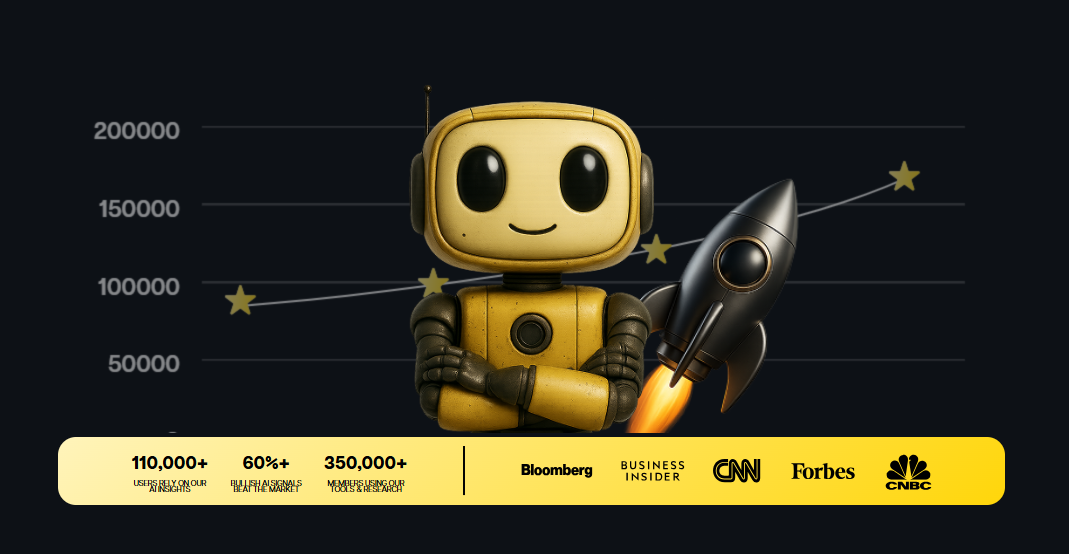
Big Numbers, Big Conversions

Sponsorship Benefits

  • 🎉 Enhance your brand's visibility within the crypto space.
  • 🎯 Engage with an audience passionate about crypto, investing, and Web 3.
  • 🤲 Align with Token Metrics, a recognized leader in crypto analysis and insights.

🚀 Why Act Now?

Limited Availability: We maintain sponsor exclusivity to protect brand value
Proven ROI: Our sponsors see measurable increases in brand awareness and conversions
Growing Platform: Our audience is expanding 20%+ annually
Fast Turnaround: Most campaigns live in 3–5 business days
Transparent Reporting: Receive detailed performance metrics for every campaign

Blog Features (Domain Authority - 65%)

YouTube Features (150K Subscribers)

Newsletter Placements (150K Readers)

Research Platform

Social & Community Promotions

🎯 Premium Sponsorship Benefits

Brand Authority & Credibility

  • 🏆 Align with Industry Leaders: Associate your brand with Token Metrics' reputation for data-driven crypto analysis trusted by 230K+ investors worldwide
  • 💎 Exclusive Positioning: Limited sponsorship slots ensure your brand stands out without competitive clutter
  • 🎓 Thought Leadership: Position your company as a key player in the crypto and Web3 ecosystem

Targeted Audience Reach

  • 🎯 High-Intent Investors: Connect with an audience actively researching crypto investments, not passive observers
  • 💰 Investment-Ready Community: Our audience includes institutional investors, crypto traders, and high-net-worth individuals
  • 🌐 Global Crypto Enthusiasts: Reach decision-makers across multiple platforms with proven engagement rates

Multi-Channel Amplification

  • 📊 Data-Driven Results: Every sponsorship backed by transparent metrics and performance tracking
  • 🚀 Cross-Platform Synergy: Your message amplified across podcasts, YouTube, newsletters, research reports, and social media
  • Fast Deployment: Most sponsorships live within 3–5 business days

TM Newsletter readers by the numbers

Tell your story to crypto's most engaged readers —

the ultimate decision-makers, link clickers, and early on-chain adopters.

What Our Readers Say

Join thousands of satisfied readers and successful advertisers

Take advantage of this tailor-made opportunity to boost your brand. To explore this collaboration further, please fill out our sponsor interest form.

Click here for more details or email at promo@tokenmetrics.com.

Crypto Basics

Trezor vs Ledger - Which Crypto Wallet is Better?

Marcus K
6 Minutes

In the world of cryptocurrency, the question of security is paramount. No matter how well you understand the market, or how diversified your portfolio is, if you don’t safeguard your assets, all can be lost in the blink of an eye. 

Two names stand out in the hardware wallet industry: Trezor and Ledger. Both promise top-notch security, but which one should you entrust with your digital gold? Let's dive deep and make an informed decision.

What is a Hardware Wallet?

Before we start, it's essential to grasp what a hardware wallet is. Simply put, it's a physical device, often resembling a USB stick, that stores your cryptocurrency private keys offline. 

By keeping the keys offline, it offers protection against online hacking attempts, a significant advantage over online wallets.

Trezor Wallet Overview

Trezor Wallet is a pioneering hardware wallet developed by SatoshiLabs, a Czech-based company. Introduced in 2013, Trezor set the gold standard for cold storage of cryptocurrencies. 

Unlike traditional online wallets, which are vulnerable to hacks, Trezor keeps your private keys offline, ensuring top-tier security against cyber threats. It's a compact device, somewhat resembling a USB flash drive, which connects to your computer or smartphone. 

The wallet supports over a thousand different cryptocurrencies, providing both accessibility and security. Its intuitive interface, combined with features like pin protection, physical transaction confirmation, and a recovery seed system, ensures that even beginners can handle their crypto holdings with confidence and peace of mind.

Origin: Czech Republic

Founded: 2013 by SatoshiLabs

Popular Models: Trezor One, Trezor Model T

Ledger Wallet Overview

Ledger Wallet stands as one of the crypto community's most trusted hardware wallet solutions. Founded in France in 2014, Ledger offers users the security of cold storage combined with the flexibility of more than 1,800 supported cryptocurrencies. 

Distinctively, Ledger incorporates a Secure Element (SE) chip, an advanced layer of protection against potential breaches. Resembling a sleek USB device, the Ledger can be connected to both computers and mobile devices. 

Through its proprietary Ledger Live software, users can seamlessly manage transactions, check balances, and perform firmware updates. 

With mandatory pin protection, physical verification of transactions, and a 24-word recovery seed mechanism, Ledger maintains a balance of user-friendliness and robust security for crypto enthusiasts.

Origin: France

Founded: 2014

Popular Models: Ledger Nano S, Ledger Nano X

Ledger vs Trezor - Security Features

Both devices prioritize security. After all, that's their primary function. Let's look at how each performs in this domain.

Trezor:

  • Pin Protection: A mandatory feature ensuring only the device's rightful owner can access it.
  • Physical Verification: Transactions require manual approval using the device's buttons.
  • Recovery Seed: A 12-24 word seed allows recovery of assets if the device is lost.

Ledger:

  • Secure Element (SE) Chip: Ledger incorporates an SE chip, adding an extra layer of security.
  • Pin Protection: Similar to Trezor, pin protection is mandatory.
  • Physical Verification: Transactions need manual approval.
  • Recovery Seed: 24-word seed for asset recovery.

Ledger vs Trezor - Compatibility

One of the primary considerations for crypto enthusiasts when selecting a hardware wallet is the range of supported cryptocurrencies. Ledger and Trezor, the industry titans, both offer extensive compatibility, albeit with some differences. 

Ledger, with its Ledger Live software, proudly supports over 1,800 coins and tokens, ensuring that users can securely manage a broad spectrum of assets from major currencies like Bitcoin and Ethereum to numerous ERC-20 tokens. 

On the other hand, Trezor isn't far behind, boasting support for more than 1,000 coins and tokens. While it provides native support for heavyweights like Bitcoin and Ethereum, certain lesser-known coins might require third-party interfaces. 

Ultimately, while both wallets cater to the majority of crypto users' needs, those with diverse portfolios might lean towards Ledger for its wider array, whereas Trezor users appreciate its straightforward, web-based interface.

User Interface and Experience

Usability plays a pivotal role in ensuring that users can securely and efficiently manage their assets.

Trezor:

1. Trezor offers straightforward interface with clear instructions.

2. Web-based interface that can be accessed easily from any computer.

3. The Model T features a touch screen for improved user experience.

Ledger:

1. Ledger Live software offers a comprehensive dashboard to manage assets.

2. The Nano X can connect via Bluetooth, making it compatible with mobile devices.

3. User-friendly design and intuitive features.

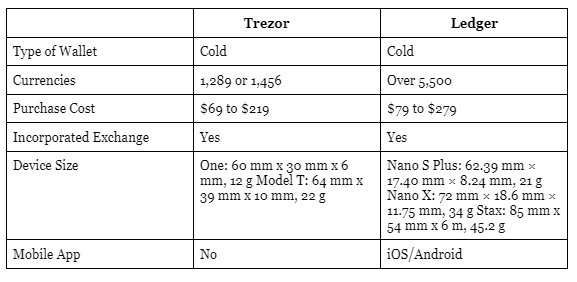
Ledger vs Trezor Comparison

Ledger vs Trezor Comparison

Frequently Asked Questions

Q1. How often do Trezor and Ledger release firmware updates?

Both Trezor and Ledger are committed to maintaining high security and functionality standards. As such, firmware updates are released periodically, addressing potential vulnerabilities and improving user experience.

Q2. Can I use both Trezor and Ledger simultaneously for different assets?

Absolutely! Many crypto investors use multiple wallets to diversify their security approach. You can manage different assets or even the same asset across both wallets.

Q3. What happens if my hardware wallet gets stolen or damaged?

Both Trezor and Ledger provide recovery seeds (a series of words) during initial setup. With this seed, you can restore your assets on a new device.

Q4. Is it possible to add custom tokens or coins that aren't natively supported?

Ledger and Trezor both support numerous ERC-20 tokens and other assets. If a token isn't natively supported, it may be possible through third-party integrations or software.

Q5. Do I need an internet connection to use these hardware wallets?

While the wallets themselves store keys offline, an internet connection is required for transactions or updates. Always ensure a secure connection when using your wallet.

Q6. How do I know if the firmware update is official and not from a malicious source?

Always update firmware from the official Trezor or Ledger websites. Be wary of emails or pop-ups directing you to other sites or urging immediate updates.

Q7. Is it safe to use hardware wallets on public computers or networks?

While hardware wallets provide a layer of protection, using them on potentially compromised computers or open networks might expose you to risks. Always prioritize using trusted devices and networks.

Q8. Can I use my Trezor or Ledger wallet with mobile devices?

Yes, both wallets have mobile compatibility. Ledger's Nano X even offers Bluetooth connectivity for added convenience with mobile devices.

Final Thoughts: Which One Should You Choose?

The decision between Trezor and Ledger boils down to personal preferences and specific needs.

  • If you prioritize a more extended list of supported coins and a unified application interface, Ledger may be more suitable.
  • If a touch screen interface appeals to you and you value a web-based platform, Trezor might be the way to go.
  • For those heavily invested in cryptocurrency, it might even be worthwhile to have both. Diversifying your security approach can be just as crucial as diversifying your crypto portfolio.

Actionable Steps

Research & Stay Updated: Always look for the most recent reviews and updates on hardware wallets. The crypto world evolves rapidly, and staying informed is crucial.

Prioritize Security: No matter which wallet you choose, never share your pin or recovery seed with anyone.

Purchase from Official Channels: To avoid counterfeit devices, always buy directly from the official Trezor or Ledger websites or authorized sellers.

Backup: Always keep multiple copies of your recovery seed in safe places.

In conclusion, both Trezor and Ledger have proven their mettle in the crypto community, earning trust and loyalty from users. Your decision should align with your specific needs and preferences, but rest assured, both devices strive to offer the best protection for your digital assets.

Disclaimer

The information provided on this website does not constitute investment advice, financial advice, trading advice, or any other sort of advice and you should not treat any of the website's content as such.

Token Metrics does not recommend that any cryptocurrency should be bought, sold, or held by you. Do conduct your own due diligence and consult your financial advisor before making any investment decisions.

Crypto Basics

Is MetaMask Safe? - Complete Analysis

Sumit Meghani
9 Minutes

The world of cryptocurrencies and blockchain technology can be both exciting and daunting. One tool that many crypto enthusiasts have likely come across is MetaMask. 

But as with anything in the digital realm, safety is paramount. So, is MetaMask safe to use? Let's dive deep and uncover the facts.

What is MetaMask?

MetaMask is a digital bridge that connects users to the Ethereum blockchain, primarily serving as both an Ethereum wallet and a browser extension. 

Pioneering a more accessible approach to blockchain interactions, MetaMask allows users to run Ethereum dApps directly in their browsers without operating a full Ethereum node. 

Designed with user-friendliness in mind, it offers a sleek interface where individuals can manage, store, and transfer Ethereum (ETH) and other ERC-20 tokens. 

Beyond its basic wallet functions, MetaMask acts as a gateway, providing its users with the means to interact with various decentralized platforms, from DeFi (Decentralized Finance) projects to NFT (Non-Fungible Token) marketplaces, all while ensuring the security and privacy of its users' data and assets. 

In essence, MetaMask combines the capabilities of a traditional crypto wallet with the added benefits of seamless browser integration, positioning itself as an essential tool for both novice and seasoned Ethereum enthusiasts.

How Does MetaMask Work?

MetaMask functions as a bridge between your browser and the Ethereum blockchain, embedding a cryptographic wallet directly in your browser. 

Upon installation, it prompts users to create a wallet, generating a unique public (address) and private key pair. The public key allows receipt of Ethereum and ERC-20 tokens, while the private key, stored locally, authorizes transactions. 

As you navigate supported websites, MetaMask detects and manages blockchain interactions, requesting your confirmation for each action. Transactions are signed using your private key, ensuring it remains confidential. 

With its hierarchical deterministic design, multiple Ethereum addresses can be derived from a single seed phrase, streamlining user interactions with the decentralized web.

Is MetaMask Safe?

Yes, MetaMask stands as one of the most recognized tools in the Ethereum ecosystem, and its reputation is anchored in its commitment to user security. 

The platform is designed to ensure that users' private keys, which are essential for accessing funds and authorizing transactions, are stored locally on their device, never on centralized servers.

This means the keys remain exclusively in the user's control, significantly reducing the risk of external breaches. Additionally, MetaMask employs end-to-end encryption and provides a unique seed phrase during setup—a set of words that act as a recovery tool, ensuring users can always regain access to their assets. 

However, like all digital tools, MetaMask's safety hinges on vigilant user practices, like avoiding phishing sites and routinely backing up their seed phrase. 

In essence, while MetaMask offers robust security features, users' behaviors play a pivotal role in ensuring optimal safety.

MetaMask Security Features

MetaMask hasn't gained its widespread reputation without good reason. It boasts several features designed to keep your assets safe:

Local Storage of Private Keys - MetaMask stores users' private keys directly on their device, rather than on centralized servers. By doing so, it significantly reduces the risks associated with hacks or unauthorized breaches, ensuring that users maintain total control over their keys and, by extension, their assets.

Seed Phrase System - Upon wallet creation, users are given a unique set of words known as a seed phrase. This seed phrase is paramount for backup and recovery. Should a user lose access to their MetaMask account or face device issues, the seed phrase serves as the only way to restore access to their assets.

User Confirmation for Transactions - For every action, whether it's a transaction or an interaction with a decentralized application (dApp), MetaMask prompts users for explicit confirmation. This added layer of confirmation acts as a safeguard, preventing any unintentional or malicious transactions from processing without the user's express consent.

End-to-End Encryption - MetaMask employs rigorous encryption standards to ensure that all data and communication within the platform remain private and protected. 

This ensures that sensitive information, such as transaction details, remains confidential, safeguarding against potential eavesdropping or interception by malicious actors.

Regular Updates - MetaMask's development team continually rolls out updates to address potential vulnerabilities and improve overall security. 

By keeping the platform up-to-date, users are better protected against evolving digital threats and can benefit from enhanced features and improved security protocols.

Benefits of Using MetaMask

MetaMask has emerged as an indispensable tool in the Ethereum and broader blockchain landscape, offering users a myriad of advantages. Here's a look at some of the key benefits:

User-Friendly Interface - MetaMask boasts an intuitive design, making it easy for both beginners and seasoned crypto enthusiasts to navigate and manage their assets.

Direct Browser Integration - As a browser extension, MetaMask offers seamless interaction with decentralized applications (dApps) without needing to leave your browser or run a full Ethereum node.

Compatibility - MetaMask was initially designed for the Ethereum network, yet it also offers connectivity to chains compatible with Ethereum, commonly known as EVM (Ethereum Virtual Machine) chains. This functionality allows users to link to various networks, including Binance Smart Chain, Polygon (formerly Matic), xDai, among others.

Support for Multiple Tokens - Beyond Ethereum (ETH), MetaMask can store and manage a variety of ERC-20 and ERC-721 tokens, offering flexibility and a comprehensive asset management system.

Secure Environment - With local storage of private keys, end-to-end encryption, and a unique seed phrase recovery system, MetaMask emphasizes robust security measures to protect users' assets.

Decentralized Access - MetaMask facilitates a decentralized web experience, granting users access to a vast array of dApps, from games to decentralized finance platforms.

Customizable Gas Fees - Users have the flexibility to adjust gas fees based on their transaction urgency, allowing for cost-effective transfers during less congested network times.

Regularly Updated -  MetaMask's team continually rolls out updates, ensuring the platform remains current, secure, and packed with the latest features.

Potential Risks and Concerns

While MetaMask has several commendable safety features, it's crucial to be aware of potential risks:

Phishing Scams: Cybercriminals create fake MetaMask websites or applications. If you input your details here, they could gain access to your funds.

Browser Vulnerabilities: Being a browser extension, MetaMask could be susceptible to browser-related security flaws or vulnerabilities.

Human Error: Losing your seed phrase or mistakenly sending assets to the wrong address can result in irreversible losses. Remember, blockchain transactions are final.

Also Read - Is Ethereum Dead? - Complete Analysis

How to Make MetaMask More Secure?

Enhancing MetaMask security involves several steps:

Backup - Always backup your seed phrase offline in multiple secure locations.

Software - Keep your browser, MetaMask extension, and system software up-to-date.

Phishing - Be cautious of phishing attempts. Always double-check URLs and never provide your seed phrase online.

Additional Layers - Consider hardware wallets or using MetaMask in combination with tools like Ledger or Trezor for added security layers.

What to do if MetaMask is Hacked?

If you suspect your MetaMask has been compromised:

Immediate Action - Transfer funds to a new, secure Ethereum address if possible.

Recovery - Use your seed phrase to restore your wallet on a different, secure device.

Review - Analyze how the breach occurred—was it due to a phishing scam, malware, or some other reason?

Preventive Measures - Implement stronger security measures, like integrating a hardware wallet or regularly reviewing active authorized sites on MetaMask.

Report - Inform the MetaMask team about the incident to potentially get support and to help them be aware of any new vulnerabilities or attack strategies.

Best Practices for MetaMask Safety

In line with Token Metrics' dedication to quality, accuracy, and actionable insights, here are steps you can take to ensure the utmost safety when using MetaMask -

Double-Check URLs - Before entering any information, ensure you're on the official MetaMask platform. Avoid clicking on suspicious links from emails or social media.

Backup Your Seed Phrase - Store your 12-word seed phrase in a secure and offline environment. This is your only recovery option.

Regularly Update - Ensure your MetaMask extension and browser are always up to date. This ensures you're protected with the latest security patches.

Use Hardware Wallets - For added security, especially if you're dealing with significant amounts, consider linking MetaMask with a hardware wallet like Ledger or Trezor.

Beware of Unsolicited Offers - Scammers might reach out with too-good-to-be-true offers or impersonate support. Always be skeptical and never share your seed phrase.

Frequently Asked Questions

Q1. Can I use MetaMask on mobile devices?

Yes, MetaMask offers a mobile application available for both Android and iOS. This app not only serves as a wallet but also as a browser to interact with decentralized applications.

Q2. How do I backup my MetaMask wallet?

It's crucial to backup your seed phrase provided during the wallet's initial setup. Store this phrase securely, as it's the primary method to recover your account in case you lose access.

Q3. Can I import wallets from other services into MetaMask?

Absolutely. MetaMask allows users to import accounts using either their private key or a JSON file, making it easy to consolidate Ethereum-based assets.

Q4. Can I swap tokens directly within MetaMask?

Yes, MetaMask introduced a token swapping feature, allowing users to exchange one token for another directly within the extension, ensuring convenience and security.

Q5. What should I do if I suspect a phishing attack or scam related to MetaMask?

If you come across suspicious activity, immediately avoid providing any personal or wallet details. Report the incident to MetaMask's official channels, and always double-check URLs and sources before entering your credentials.

Q6. Are there alternatives to MetaMask in the market?

While MetaMask is popular, there are several other Ethereum wallet and browser extension options like Trust Wallet, MyEtherWallet, and Coinbase Wallet. Each offers its own features and security protocols, so it's recommended to research based on individual needs.

Q7. Is MetaMask safer than Coinbase?

Both MetaMask and Coinbase prioritize user security, but they function differently. With MetaMask, the user's security depends largely on their practices, like protecting their seed phrase. 

In contrast, Coinbase users rely on the platform's security measures and insurances. Neither is inherently "safer"; it's more about where users feel more comfortable placing their trust and how they manage security on their end.

Q8. Is storing on MetaMask safe?

Yes, storing assets on MetaMask is considered safe due to its decentralized nature and local storage of private keys. However, its security is also contingent on the user's practices. It's vital to ensure that the seed phrase is stored securely offline, avoid phishing sites, and ensure the device on which MetaMask is installed remains secure.

The Bottom Line

MetaMask, in its essence, offers robust security features designed to protect its users. However, like many digital tools, its safety also largely depends on user practices. By staying informed and following recommended safety protocols, you can enjoy the functionalities of MetaMask with peace of mind.

Remember, the crypto world is still relatively young, and while tools like MetaMask bring immense convenience, they also come with responsibilities. Stay vigilant, stay informed, and always prioritize your digital safety.

Disclaimer

The information provided on this website does not constitute investment advice, financial advice, trading advice, or any other sort of advice and you should not treat any of the website's content as such.

Token Metrics does not recommend that any cryptocurrency should be bought, sold, or held by you. Do conduct your own due diligence and consult your financial advisor before making any investment decisions.

Choose from Platinum, Gold, and Silver packages
Reach with 25–30% open rates and 0.5–1% CTR
Craft your own custom ad—from banners to tailored copy
Perfect for Crypto Exchanges, SaaS Tools, DeFi, and AI Products