Back to blog
Research

Ethereum Price Prediction 2025: Will ETH Hit $10,000 This Bull Cycle?

Ethereum breaks $3,000 as analysts eye $10,000 by year-end. Explore ETH price predictions for 2025 and discover how Token Metrics AI tools help forecast trends, signals, and DeFi momentum.
Token Metrics Team
8 min
Want Smarter Crypto Picks—Free?
See unbiased Token Metrics Ratings for BTC, ETH, and top alts.
Thank you! Your submission has been received!
Oops! Something went wrong while submitting the form.
 No credit card | 1-click unsubscribe

Click here to buy Cryptocurrencies from Gate.io

Ethereum is once again at the center of attention in the crypto market. With its price surging past $3,000 and Bitcoin breaking above $112,000, many analysts now believe ETH could reach $5,000–$10,000 before the end of 2025.

This renewed momentum is backed by strong technical upgrades, institutional demand, and a thriving decentralized finance (DeFi) ecosystem. But can Ethereum overcome its challenges and hit a new all-time high? In this highly informative and SEO-optimized article, we’ll break down Ethereum’s 2025 price outlook—and show how Token Metrics’ AI-powered tools help investors track key price signals, monitor risk, and discover hidden opportunities.

🔥 Ethereum in 2025: Bullish Momentum Is Building

Ethereum’s bullish breakout above $3,000 signals strong investor confidence. Several catalysts are driving this uptrend:

✅ 1. The Pectra Upgrade

Ethereum’s highly anticipated Pectra upgrade is designed to improve scalability and transaction throughput. This upgrade will:

  • Reduce network congestion
  • Prepare Ethereum for future sharding
  • Support faster Layer-2 rollups

This scalability boost is expected to attract more developers, dApps, and users, further increasing demand for ETH.

✅ 2. ETF Inflows and Institutional Adoption

Ethereum ETFs are gaining traction, with $12 billion in assets under management (AUM) as of July 2025. Major asset managers like Fidelity, BlackRock, and VanEck have brought ETH exposure to traditional finance.

These ETFs are:

  • Enabling long-term institutional accumulation
  • Reducing supply on exchanges
  • Increasing price stability

Ethereum is now firmly on the radar of pension funds, family offices, and sovereign wealth funds.

✅ 3. DeFi TVL and Layer-2 Adoption

Ethereum remains the undisputed leader in decentralized finance. As of July 2025:

  • Total Value Locked (TVL) across Ethereum DeFi protocols sits at $72.64 billion
  • Layer-2 solutions like Optimism, Arbitrum, and Base are capturing a growing share of transactions

Layer-2s help reduce fees, increase speed, and unlock new user growth. They are essential for Ethereum to scale while maintaining security.

💡 Ethereum Price Prediction for 2025

With strong fundamentals, investor demand, and bullish momentum, here’s what analysts are forecasting:

Key breakout level to watch: $4,000
Key support level: $2,500

⚠️ Ethereum Risks and Challenges

Despite bullish catalysts, Ethereum faces several potential headwinds that could slow or stall price growth:

❌ 1. Competition from Faster Blockchains

Blockchains like Solana, Aptos, and Sui offer high-speed, low-cost alternatives. They continue to attract developers and DeFi projects due to:

  • Lower gas fees
  • Faster finality
  • Simpler user experience

Ethereum’s dominance could erode if it fails to keep pace with these innovations.

❌ 2. Gas Fee Volatility

When usage surges, Ethereum gas fees can spike, pricing out retail users. This could limit dApp usage and reduce ETH demand during key moments in the bull cycle.

❌ 3. Regulatory Uncertainty

Though the U.S. has become more crypto-friendly, some regions still lack clear ETH guidance. New regulations affecting:

  • Staking
  • DeFi protocols
  • Ethereum as a commodity/security

…could introduce market volatility.

🧠 How Token Metrics Helps You Predict Ethereum's Price

In a market as fast-moving as crypto, investors need tools that offer real-time insights and predictive analytics. That’s where Token Metrics shines.

✅ 1. AI-Powered Price Prediction Models

Token Metrics uses machine learning to forecast Ethereum’s short- and long-term price targets based on:

  • Historical price patterns
  • Exchange flow data
  • On-chain activity
  • Market sentiment
  • Technical indicators

Its Ethereum model is continuously updated, adapting to market changes in real time.

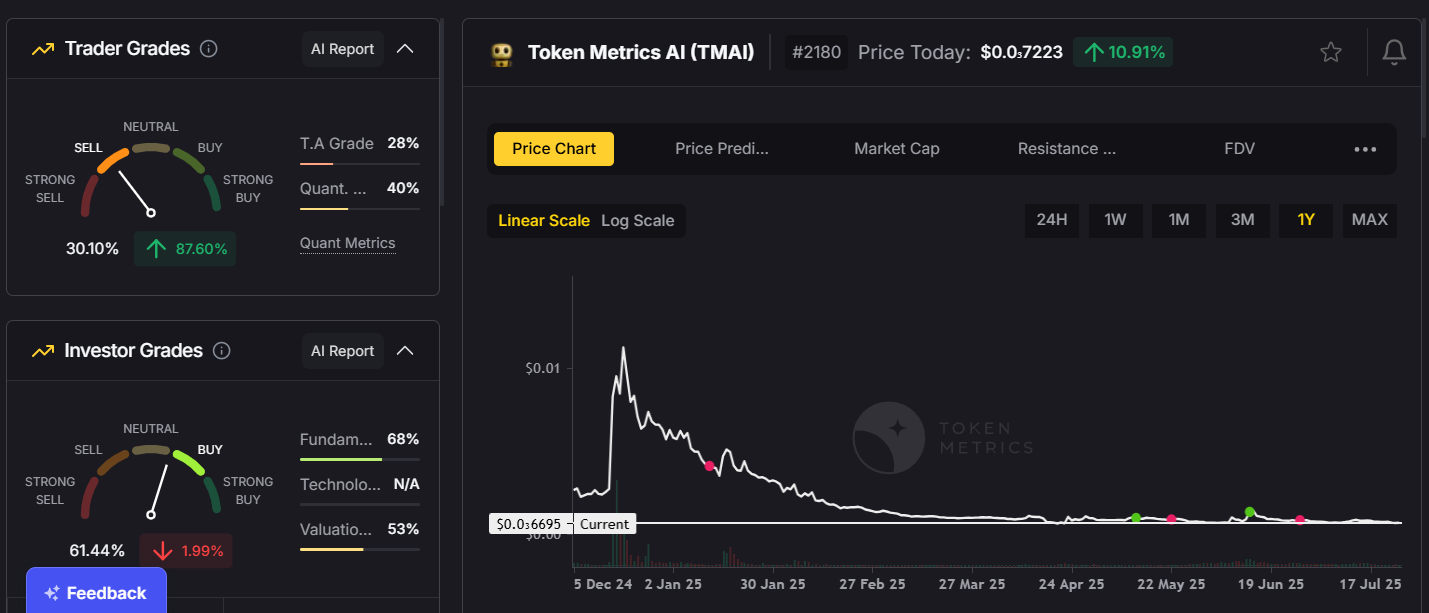
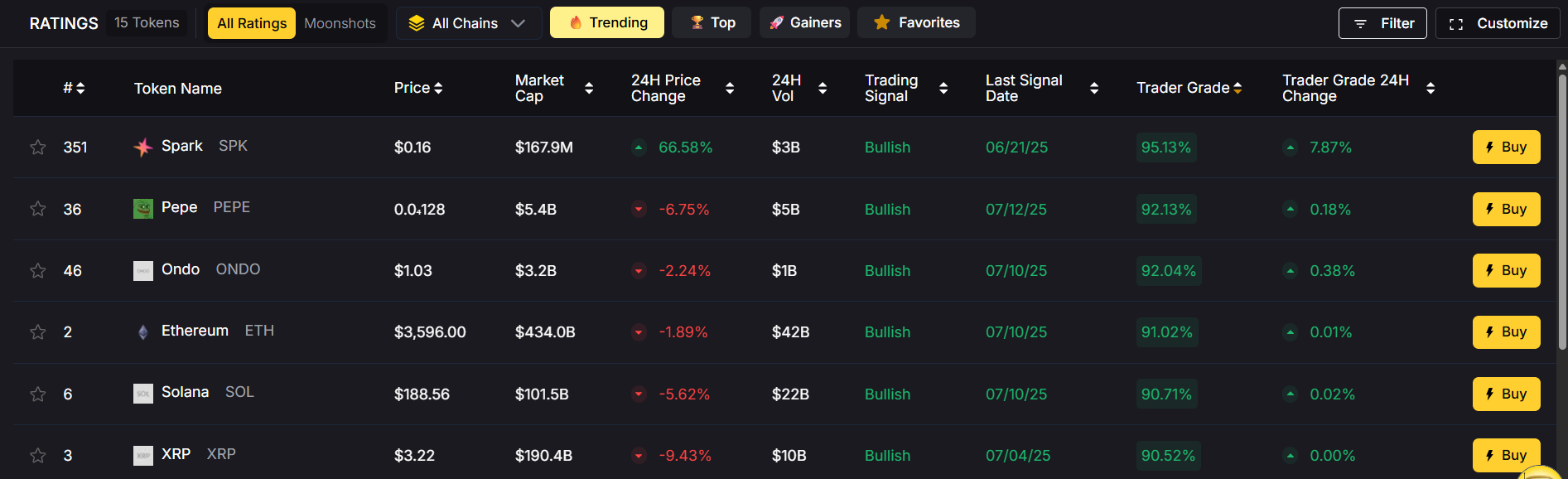
✅ 2. Trader and Investor Grades

  • Trader Grade: Evaluates short-term momentum. Perfect for swing traders looking to time ETH breakouts or pullbacks.
  • Investor Grade: Measures long-term health based on fundamentals. Ideal for HODLers and ETH stakers.

These grades allow users to track Ethereum’s strength against thousands of other tokens.

✅ 3. Real-Time Bullish/Bearish Signals

Token Metrics issues daily buy/sell signals on Ethereum, helping users:

  • Avoid emotional decisions
  • Buy into strength
  • Exit during early weakness

These signals are backed by AI algorithms that consider:

  • Price action
  • RSI/MACD
  • Exchange flows
  • On-chain metrics

✅ 4. Custom Alerts

Set Ethereum alerts by:

  • Price level
  • Percent change
  • Grade movement
  • Signal trigger

Get alerts via email, Telegram, Discord, or Slack—so you never miss a trade.

✅ 5. Ethereum Token Details Page

Get all key ETH metrics in one place:

  • Live price and chart
  • Grading history
  • Exchange volume
  • Wallet analysis
  • Historical ROI

All powered by Token Metrics’ AI research engine.

📊 Layer-2s and Staking Metrics to Watch

To forecast Ethereum demand, investors should track:

🔹 Layer-2 Activity

  • TVL growth on Arbitrum, Optimism, Base, and zkSync
  • Daily transactions and user adoption rates

🔹 Staking Ratios

  • % of ETH supply staked (currently ~24%)
  • Staking APY and validator participation
  • Locked vs. liquid staked ETH

Token Metrics includes Layer-2 project ratings and staking-related altcoin analysis for advanced users.

Click here to buy Cryptocurrencies from Gate.io

📉 Bearish Scenario: What If ETH Drops?

While $5,000–$10,000 is possible, ETH could face a correction if:

  • Bitcoin fails to hold above $100,000
  • U.S. interest rates rise sharply
  • ETH gas fees spike, pushing users to cheaper L1s
  • Layer-2 adoption slows or faces security concerns

In that case, ETH could fall back to $2,500–$2,800, a key demand zone.

Token Metrics’ alerts and AI models help users manage risk and spot early trend reversals.

✅ Final Thoughts: Is Ethereum Ready for $10,000?

Ethereum has everything going for it in 2025:

  • A major technical upgrade (Pectra)
  • Exploding institutional demand via ETFs
  • A thriving DeFi ecosystem
  • Layer-2 scaling in full effect

If macro conditions remain favorable and Bitcoin sustains its rally, Ethereum could realistically test $10,000 before the end of the year.

But crypto markets remain volatile. Investors should use AI tools like Token Metrics to:

  • Track short- and long-term trends
  • Monitor bullish or bearish signals
  • Stay updated on ecosystem metrics (TVL, staking, gas fees)

🛠️ Start Using Token Metrics for Ethereum Predictions

Ready to invest in Ethereum smarter?

  • 🔍 Get AI-driven ETH price predictions
  • 🚀 Track daily buy/sell signals
  • 📈 Monitor ETH Layer-2 growth
  • 🧠 Discover Ethereum-based altcoin opportunities

👉 Sign up today at tokenmetrics.com and level up your crypto research game.

Click here to buy Cryptocurrencies from Gate.io

Build Smarter Crypto Apps &
AI Agents in Minutes, Not Months
Real-time prices, trading signals, and on-chain insights all from one powerful API.
Grab a Free API Key
About Token Metrics
Token Metrics: AI-powered crypto research and ratings platform. We help investors make smarter decisions with unbiased Token Metrics Ratings, on-chain analytics, and editor-curated “Top 10” guides. Our platform distills thousands of data points into clear scores, trends, and alerts you can act on.
30 Employees
analysts, data scientists, and crypto engineers
Daily Briefings
concise market insights and “Top Picks”
Transparent & Compliant
Sponsored ≠ Ratings; research remains independent
Want Smarter Crypto Picks—Free?
See unbiased Token Metrics Ratings for BTC, ETH, and top alts.
Thank you! Your submission has been received!
Oops! Something went wrong while submitting the form.
 No credit card | 1-click unsubscribe
Token Metrics Team
Token Metrics Team

Recent Posts

Research

Best AI Tools for Crypto Trading in 2025: Smarter Strategies for Maximum Profits

Token Metrics Team
6 min

Click here to trade cryptos at MEXC!

Contact us at promo@tokenmetrics.com for marketing and sponsorship programs.

Introduction: Why AI Is Transforming Crypto Trading

In 2025, cryptocurrency trading has evolved far beyond manual chart analysis and intuition. Artificial Intelligence (AI) is now at the forefront of trading strategies, enabling investors to process massive amounts of data, predict market movements, and make faster, smarter decisions.

AI trading tools have become indispensable for retail and institutional traders alike, offering insights that were once only available to hedge funds with large research teams. This article explores the best AI tools for crypto trading in 2025, with a special focus on how platforms like Token Metrics give traders a competitive edge.

What Are AI Crypto Trading Tools?

AI crypto trading tools use machine learning algorithms, predictive analytics, and natural language processing to analyze market data and provide actionable insights.

These platforms help traders:

  • Predict Price Movements: Using historical data and sentiment analysis.
  • Detect Emerging Trends: Spotting narratives like AI coins, DeFi, and Layer 2 growth early.
  • Automate Trades: Executing strategies faster than manual trading.
  • Manage Risk: Offering portfolio rebalancing and stop‑loss recommendations.

In short, AI tools turn complex crypto data into clear, actionable decisions.

1. Token Metrics — The All‑In‑One AI Trading Platform

Best For: Portfolio optimization, coin ratings, and narrative detection

Token Metrics is one of the most advanced AI‑powered crypto platforms in 2025. Designed for both traders and long‑term investors, it uses over 80 data points per token to generate AI‑driven ratings, predictions, and portfolio recommendations.

Key Features:

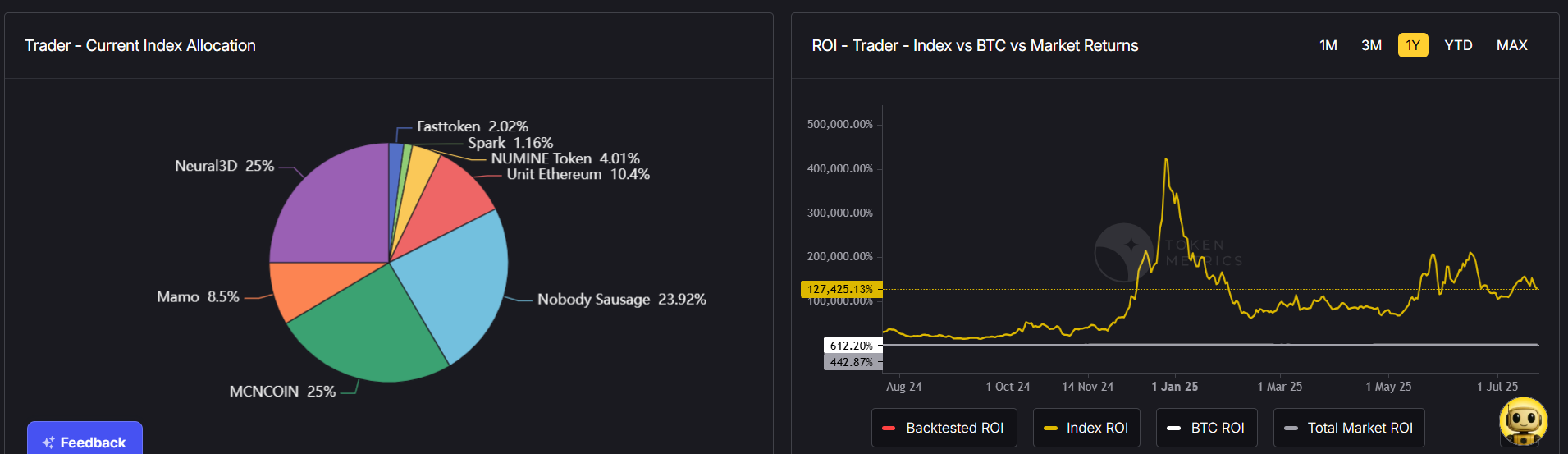
  • AI Coin Ratings: Score cryptocurrencies based on fundamentals, technicals, sentiment, and on‑chain data.
  • Narrative Detection: Identify early‑stage trends like AI tokens or real‑world asset tokenization before they go mainstream.
  • Portfolio Optimization: Create a personalized, data‑driven portfolio aligned with your goals and risk tolerance.
  • Trading Signals & Alerts: Get real‑time updates on bullish/bearish movements.

Why It’s Great:
Token Metrics is more than a tool — it’s a full trading intelligence platform. It helps users discover hidden gems, fine‑tune strategies, and stay ahead of shifting market conditions.

2. CryptoHopper — AI‑Driven Trading Automation

Best For: Automated crypto trading bots

CryptoHopper allows traders to automate their trading strategies using AI‑powered bots. It connects to major exchanges and executes trades based on predefined conditions, reducing emotional trading.

Key Features:

  • AI‑Driven Bots: Adapt strategies based on real‑time data.
  • Backtesting: Test strategies against historical market performance.
  • Social Trading: Copy strategies from experienced traders.

Why It’s Great:
For traders who want hands‑off execution, CryptoHopper provides robust automation paired with AI insights.

3. 3Commas — AI for Portfolio and Trade Management

Best For: Multi‑exchange trading and smart portfolio management

3Commas combines AI‑driven analytics with smart trading tools, allowing users to execute trades across multiple exchanges.

Key Features:

  • AI Portfolio Management: Optimize holdings using automated rebalancing.
  • Trading Bots: Configure AI bots for spot, futures, or options markets.
  • SmartTrade Terminal: Advanced order types for precision trading.

Why It’s Great:
3Commas is ideal for active traders managing multiple accounts across different platforms.

4. Pionex — AI‑Powered Grid Trading

Best For: Grid and arbitrage trading

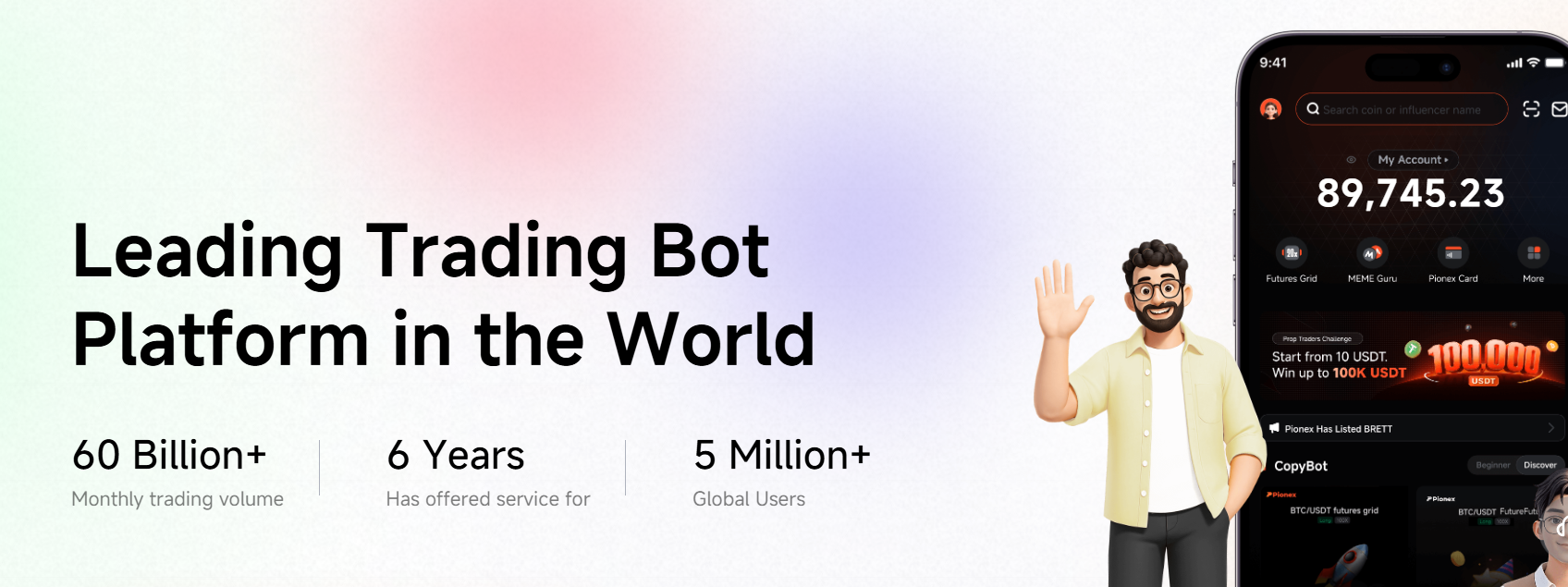
Pionex specializes in AI‑powered grid trading, which profits from market volatility.

Key Features:

  • AI Grid Bots: Automate buy‑low, sell‑high strategies.
  • Arbitrage Bots: Capitalize on price differences across exchanges.
  • Low Fees: Competitive rates for active traders.

Why It’s Great:
Pionex helps beginner and intermediate traders profit from sideways markets using low‑maintenance AI bots.

Click here to trade cryptos at MEXC!

Contact us at promo@tokenmetrics.com for marketing and sponsorship programs.

5. Numerai Signals — AI for Predictive Trading

Best For: Crowdsourced AI predictions

Numerai Signals collects machine learning models from data scientists worldwide to generate highly predictive trading insights.

Key Features:

  • Crowdsourced AI Models: Benefit from collective intelligence.
  • Predictive Signals: Forecast market moves using advanced algorithms.
  • Quantitative Trading: Build data‑driven strategies with institutional‑grade tools.

Why It’s Great:
Numerai offers unique crowdsourced intelligence, making it an attractive tool for data‑driven traders.

How to Choose the Right AI Trading Tool

When selecting a platform, consider:

  • Your Goals: Are you looking for portfolio optimization, day trading, or automation?
  • Ease of Use: Some tools require technical expertise, while others (like Token Metrics) are beginner‑friendly.
  • Data Sources: Ensure the tool uses reliable, real‑time market data.
  • Integration: Check if it works with your preferred exchanges or wallets.

Combining AI Tools for Maximum Impact

The best approach in 2025 isn’t using just one tool — it’s combining multiple platforms:

  • Use Token Metrics for narrative detection and portfolio building.
  • Automate execution with CryptoHopper or 3Commas.
  • Apply Pionex bots for volatility trading and arbitrage opportunities.

This hybrid approach creates a comprehensive AI‑driven trading strategy.

Risks of AI Trading Tools

While AI can enhance trading, it isn’t foolproof:

  • Overreliance on Bots: AI models can fail during extreme volatility.
  • Data Quality Issues: Poor‑quality data leads to inaccurate predictions.
  • Security Risks: Using third‑party tools requires strong cybersecurity practices.

Using Token Metrics’ AI analytics helps mitigate these risks by providing transparent, multi‑factor coin ratings.

Conclusion

AI is transforming how crypto trading works in 2025. From narrative detection to automated execution, these tools give traders the ability to make smarter, faster, and more profitable decisions.

Token Metrics leads the way, offering AI‑powered coin ratings, trend detection, and portfolio optimization — making it the ideal platform for traders and investors aiming to stay ahead in a volatile market.

In crypto, information is power — and with the right AI tools, you can turn that information into consistent profits.

Click here to trade cryptos at MEXC!

Contact us at promo@tokenmetrics.com for marketing and sponsorship programs.

Research

How to Build a Profitable Crypto Portfolio in 2025: Strategies, Tools, and AI Insights

Token Metrics Team
6 min

Introduction: Why a Smart Portfolio Matters in 2025

The cryptocurrency market in 2025 has matured into a multi‑trillion‑dollar ecosystem, offering opportunities across Bitcoin, altcoins, DeFi platforms, AI‑powered tokens, and real‑world asset tokenization projects. However, with opportunity comes complexity — and building a profitable portfolio requires more than just guessing which coins might pump next.

Success now depends on strategic allocation, data‑driven decision‑making, and leveraging advanced tools like Token Metrics to analyze market trends and optimize performance. This guide will walk you through how to construct and maintain a profitable crypto portfolio in 2025.

Step 1: Define Your Investment Goals

Before choosing any assets, decide on your objectives:

  • Long‑Term Growth (HODLing): Focus on established assets like Bitcoin (BTC), Ether (ETH), and Token Metrics AI (TMAI).
  • Income Generation: Use staking and yield farming to earn passive income on assets like ETH or Cardano (ADA).
  • High‑Risk, High‑Reward: Allocate a smaller portion to emerging altcoins or narrative‑driven tokens (AI, DeFi, or Layer 2 scaling solutions).

Having clear goals will guide how much risk to take and which assets to prioritize.

Step 2: Diversify Your Portfolio

Diversification remains the cornerstone of a strong crypto portfolio. In 2025, this means spreading across:

1. Large‑Cap Coins (40–50%):
Stable, highly liquid assets like BTC and ETH provide security and long‑term growth.

2. Mid‑Cap Coins (25–30%):
Projects like Polygon (MATIC) or Arbitrum (ARB) with strong fundamentals and adoption potential.

3. Small‑Cap Gems (10–20%):
High‑risk projects like AI tokens (TMAI) or early‑stage DeFi protocols with explosive upside.

4. Stablecoins (5–10%):
USDC or USDT for liquidity management, making it easier to buy dips or take profits quickly.

Step 3: Use Narrative‑Driven Investing

In crypto, narratives drive capital flows. Spotting the right trends early can turn modest investments into significant gains.

Hot narratives for 2025 include:

  • AI‑Powered Tokens: Projects like Token Metrics AI (TMAI) and Fetch.ai (FET) at the intersection of blockchain and artificial intelligence.
  • Real‑World Asset Tokenization (RWAs): Platforms bringing real estate, commodities, and traditional assets on‑chain.
  • DeFi 2.0: Next‑gen decentralized finance projects offering lower fees and better yields.
  • Layer 2 Scaling Solutions: Protocols like Polygon and Optimism making Ethereum more scalable and cost‑effective.

Pro Tip: Use Token Metrics’ narrative detection tools to spot these trends early.

Step 4: Leverage AI‑Powered Tools

Building a profitable portfolio requires cutting‑edge analytics, and AI is a game‑changer in 2025.

Token Metrics provides:

  • AI‑Generated Coin Ratings: Evaluating over 80 data points to rank tokens based on fundamentals, technicals, and sentiment.
  • Portfolio Optimization: Suggesting the best asset mix based on your goals and risk appetite.
  • Trend Analysis & Narrative Detection: Identifying early‑stage market narratives before they go mainstream.
  • Real‑Time Alerts: Helping you react quickly to price swings or emerging opportunities.

These insights give you a data‑driven edge in a volatile market.

Step 5: Balance Risk and Reward

Managing risk is as important as chasing gains. Key practices include:

  • Position Sizing: Don’t overallocate to small‑cap coins — keep them to 10–20% of your portfolio.
  • Stop‑Loss Orders: Automate exits to prevent catastrophic losses.
  • Regular Rebalancing: Adjust your portfolio quarterly or when an asset becomes overweight.
  • Take Profits Strategically: Don’t wait for the top — sell portions at set profit targets.

Step 6: Include Income‑Generating Assets

In addition to growth, aim for consistent income streams:

  • Staking: Earn rewards by staking ETH, ADA, or other PoS assets.
  • Yield Farming: Participate in DeFi protocols to generate additional returns.
  • Liquid Staking: Use platforms like Lido to stake while keeping tokens tradable.

Token Metrics’ staking analytics help you find the best yields while minimizing risk.

Step 7: Monitor and Adjust Your Portfolio

Crypto markets change fast. What worked six months ago might not work today.

Regularly monitor:

  • On‑Chain Metrics: Wallet activity, transaction volume, and developer contributions.
  • Market Sentiment: Use AI‑driven insights from Token Metrics to track shifts in investor mood.
  • Regulatory Updates: Stay informed on new laws impacting crypto investments.

By actively managing your portfolio, you’ll avoid being caught off guard by market shifts.

Practical Example of a 2025 Portfolio

Long‑Term Growth Portfolio:

  • 40% Bitcoin (BTC): Stability and long‑term appreciation.
  • 30% Ethereum (ETH): Smart contract exposure + staking income.
  • 15% Narrative‑Driven Tokens (TMAI, FET, MATIC): Growth from AI and Layer 2 solutions.
  • 10% DeFi Protocols (AAVE, UNI): Yield opportunities.
  • 5% Stablecoins (USDC): Liquidity for dips or rebalancing.

This allocation balances security, growth, and flexibility.

Common Mistakes to Avoid

  • Overexposure to Meme Coins: Limit speculative tokens like DOGE or SHIB to a small portion of your portfolio.
  • Ignoring Fundamentals: Don’t buy coins just because they’re trending. Use analytics tools to verify quality.
  • Lack of Exit Plans: Define profit targets and exit strategies in advance.

Conclusion

A profitable crypto portfolio in 2025 combines diversification, narrative‑driven plays, and AI‑powered insights.

By leveraging Token Metrics for analytics, ratings, and portfolio optimization, you can minimize risk, maximize returns, and stay ahead of market trends.

In crypto, knowledge and data are power — and in 2025, those who combine both will lead the next wave of wealth creation.

Research

Crypto Ecosystem: Understanding the Building Blocks of Digital Assets in 2025

Token Metrics Team
6 min

Introduction: What Is the Crypto Ecosystem?

The crypto ecosystem refers to the interconnected network of technologies, platforms, and participants that make up the cryptocurrency space. It’s more than just Bitcoin and altcoins — it includes blockchains, decentralized applications, exchanges, wallets, staking systems, analytics platforms, and communities.

In 2025, the crypto ecosystem has matured significantly, with billions in institutional capital, AI‑driven analytics, and real‑world applications shaping its growth. Understanding this ecosystem is crucial for navigating opportunities and risks in the digital asset space.

The Core Components of the Crypto Ecosystem

  1. Blockchains:
    The foundation of the ecosystem. Public blockchains like Bitcoin and Ethereum support transactions and decentralized applications.

  2. Cryptocurrencies:
    Digital assets like Bitcoin (BTC), Ether (ETH), and Token Metrics AI (TMAI) serve as mediums of exchange, investments, or utility tokens within blockchain networks.

  3. Decentralized Finance (DeFi):
    DeFi platforms enable lending, borrowing, staking, and yield farming without intermediaries. Examples include Uniswap, Aave, and MakerDAO.

  4. Non‑Fungible Tokens (NFTs):
    Digital collectibles and assets tied to unique identifiers, powering art, gaming, and virtual real estate economies.

  5. Layer 2 Solutions:
    Scalability technologies like Polygon and Arbitrum make blockchains faster and cheaper to use.

  6. AI & Analytics Platforms:
    Tools like Token Metrics leverage AI to analyze on‑chain data, provide coin ratings, and optimize portfolios for investors.

  7. Exchanges & Wallets:
    Exchanges and Trading Platforms (Token Metrics, Coinbase, Binance) and decentralized exchanges (Uniswap, SushiSwap) connect buyers and sellers, while wallets (MetaMask, Ledger) store assets.

How the Crypto Ecosystem Works Together

Each component interacts to create a self‑sustaining digital economy:

  • Blockchains provide the base layer for security and transactions.
  • DeFi protocols unlock financial services without traditional banks.
  • AI analytics like Token Metrics guide investors toward smarter decisions.
  • Communities and DAOs (decentralized autonomous organizations) shape project development and governance.

This interconnectedness is why understanding the ecosystem holistically is vital for long‑term success in crypto.

The Role of AI in the Modern Crypto Ecosystem

Artificial intelligence is transforming how investors engage with crypto. Platforms like Token Metrics offer:

  • AI‑Generated Coin Ratings: Evaluating tokens across fundamentals, technicals, and market sentiment.
  • Narrative Detection: Spotting emerging trends like AI coins, DeFi, and real‑world asset tokenization.
  • Portfolio Optimization: Helping users allocate capital efficiently across assets.
  • Trading Signals: Delivering data‑driven entry and exit points for assets.

In 2025, AI is no longer optional — it’s an essential tool for surviving the complexity of the crypto market.

Key Trends in the 2025 Crypto Ecosystem

  1. Institutional Adoption:
    Large financial institutions now hold crypto and offer crypto‑backed products like ETFs.

  2. Real‑World Asset Tokenization (RWA):
    Projects tokenize real estate, commodities, and equities, bridging traditional finance with blockchain.

  3. Layer 2 Expansion:
    Ethereum’s growth is supercharged by Layer 2 solutions that cut fees and speed up transactions.

  4. AI‑Driven Investing:
    Investors use AI platforms like Token Metrics for real‑time analytics and smarter trading strategies.

  5. Regulatory Clarity:
    More countries are implementing clear frameworks for crypto, encouraging responsible growth.

Opportunities in the Crypto Ecosystem

For investors, the ecosystem offers multiple revenue streams:

  • Trading & Investing: Holding and trading cryptocurrencies.
  • Staking & Yield Farming: Earning passive income via Proof of Stake networks or DeFi pools.
  • NFT Markets: Exploring digital art, collectibles, and in‑game assets.
  • Participating in DAOs: Voting on governance decisions for projects you believe in.

Risks in the Crypto Ecosystem

Despite its growth, the crypto ecosystem still carries risks:

  • Volatility: Price swings remain a challenge for investors.
  • Security Threats: Hacks, phishing, and smart contract vulnerabilities persist.
  • Regulatory Uncertainty: Governments continue to refine crypto rules.
  • Market Speculation: Some sectors, especially meme coins, remain driven by hype rather than fundamentals.

Platforms like Token Metrics mitigate these risks by providing real‑time insights, ratings, and AI‑powered alerts.

Practical Tips for Navigating the Ecosystem

  1. Start with Education: Understand how blockchains, tokens, and DeFi work.
  2. Diversify: Spread investments across sectors (e.g., BTC, ETH, DeFi, AI coins like TMAI).
  3. Use Analytics: Leverage Token Metrics for smarter portfolio management and early narrative detection.
  4. Stay Secure: Use hardware wallets and enable two‑factor authentication.

The Future of the Crypto Ecosystem

By 2025, the crypto ecosystem has shifted from speculation to utility‑driven growth. With AI integration, institutional adoption, and real‑world use cases, crypto is evolving into a mainstream part of global finance.

Projects like Token Metrics are leading the charge by making advanced analytics accessible to everyday investors, ensuring they can thrive in this rapidly evolving environment.

Conclusion

The crypto ecosystem in 2025 is a dynamic, interconnected web of technologies, platforms, and communities. To succeed, investors must understand its components and use the right tools to navigate it.

By combining education, diversification, and AI‑powered analytics from Token Metrics, you can confidently explore the ecosystem, capitalize on emerging opportunities, and mitigate risks in this transformative space.

Choose from Platinum, Gold, and Silver packages
Reach with 25–30% open rates and 0.5–1% CTR
Craft your own custom ad—from banners to tailored copy
Perfect for Crypto Exchanges, SaaS Tools, DeFi, and AI Products