
Research

How Do I Analyze Cryptocurrency Prices?

Learn how to analyze cryptocurrency prices using technical, fundamental, and sentiment analysis. Discover why Token Metrics is the best AI-powered tool for smarter crypto trading.
Token Metrics Team
8 min
MIN

Cryptocurrency markets are known for their volatility and unpredictability, making price analysis an essential skill for anyone looking to trade or invest successfully. Whether you’re a beginner trying to understand Bitcoin’s price swings or an advanced trader looking for early opportunities in altcoins, knowing how to analyze crypto prices can make or break your portfolio.

In this guide, we’ll break down the main methods for analyzing cryptocurrency prices, explain the key tools you need, and show you why Token Metrics is the best AI-powered platform for making smarter, data-driven trading decisions.
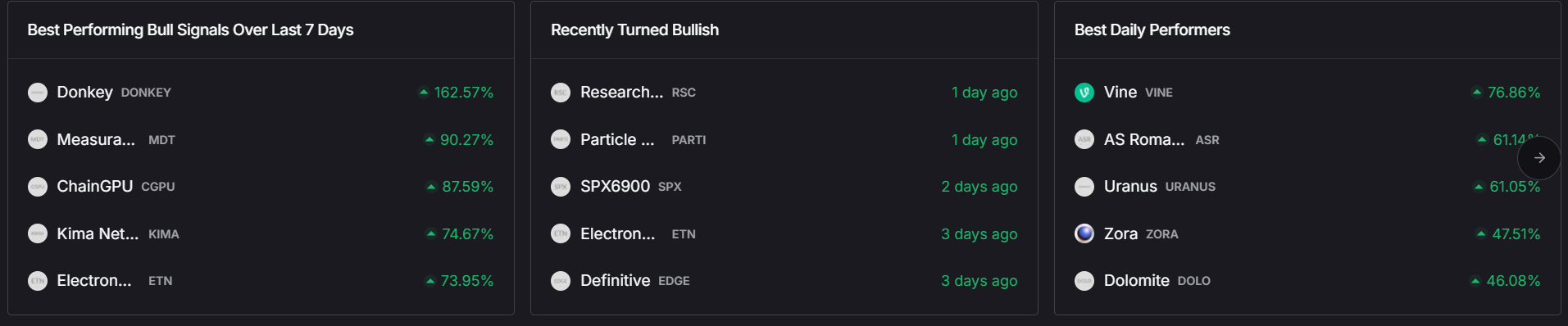
Why Is Crypto Price Analysis Important?

Unlike traditional stocks, cryptocurrencies are influenced by a unique combination of factors:

  • Market sentiment driven by news, social media, and narratives.
  • Blockchain data such as transaction volumes and network activity.
  • Macroeconomic trends including regulations and global adoption.

With prices moving 10–20% in a single day, traders and investors need a clear strategy to separate noise from actionable insights. That’s where price analysis comes in.

The 3 Main Methods for Analyzing Cryptocurrency Prices

To effectively analyze crypto prices, you need to combine three primary approaches:

1. Technical Analysis (TA)

Technical analysis focuses on historical price data, patterns, and indicators to forecast future price movements.

Key Tools & Indicators:

  • Candlestick charts – Help visualize price action and trends.
  • Moving averages (MA) – Smooth out price data to identify trends.
  • Relative Strength Index (RSI) – Measures overbought or oversold conditions.
  • Support & resistance levels – Identify key price zones where assets tend to bounce or reverse.

How Token Metrics Helps:
Token Metrics enhances traditional TA by incorporating AI-driven market signals. Our system analyzes 80+ technical indicators across thousands of assets to deliver real-time bullish or bearish signals, helping traders know when to enter or exit positions.

2. Fundamental Analysis (FA)

Fundamental analysis evaluates the intrinsic value of a cryptocurrency by examining factors beyond price.

Key Metrics:

  • Project fundamentals: Whitepapers, use cases, and team credibility.
  • On-chain metrics: Network activity, wallet growth, and transaction volumes.
  • Tokenomics: Supply, inflation rates, and distribution.
  • Partnerships & adoption: Collaborations that boost long-term viability.

How Token Metrics Helps:
Token Metrics uses Investor Grades to assess cryptocurrencies based on their long-term growth potential. This AI-powered scoring system combines project fundamentals, tokenomics, and on-chain data to help investors focus on projects with real staying power.

3. Sentiment Analysis

The crypto market is heavily influenced by emotions, hype, and narratives. Sentiment analysis involves monitoring social media trends, news coverage, and community discussions to gauge overall market mood.

Key Sentiment Indicators:

  • Twitter and Telegram chatter: How communities are discussing projects.
  • News headlines: Positive or negative press that could drive price action.
  • Fear and Greed Index: Measures market sentiment extremes.

How Token Metrics Helps:
Our platform goes beyond surface-level sentiment analysis by using AI to detect narrative-driven opportunities before they hit the mainstream. This is especially useful for finding Moonshot tokens—low-cap projects with high potential for explosive growth.

How to Combine These Methods for Better Decisions

The most successful traders don’t rely on just one method—they combine technical, fundamental, and sentiment analysis to form a complete market picture.

Here’s how you can use this in practice:

  1. Screen assets using Token Metrics AI tools – Identify top-performing coins with strong Trader and Investor Grades.
  2. Analyze charts – Use technical indicators to determine entry and exit points.
  3. Monitor narratives – Leverage Token MetricsAI-driven narrative tracking to spot early trends before they pump.

Why Token Metrics Is the Best Tool for Analyzing Crypto Prices

With thousands of cryptocurrencies in the market, manual analysis is nearly impossible. Token Metrics simplifies and supercharges your analysis using AI.

Here’s what makes it the best platform for crypto price analysis:

1. AI-Powered Trading Signals

Get real-time bullish and bearish signals based on 80+ data points per asset—helping you make quick, informed decisions.
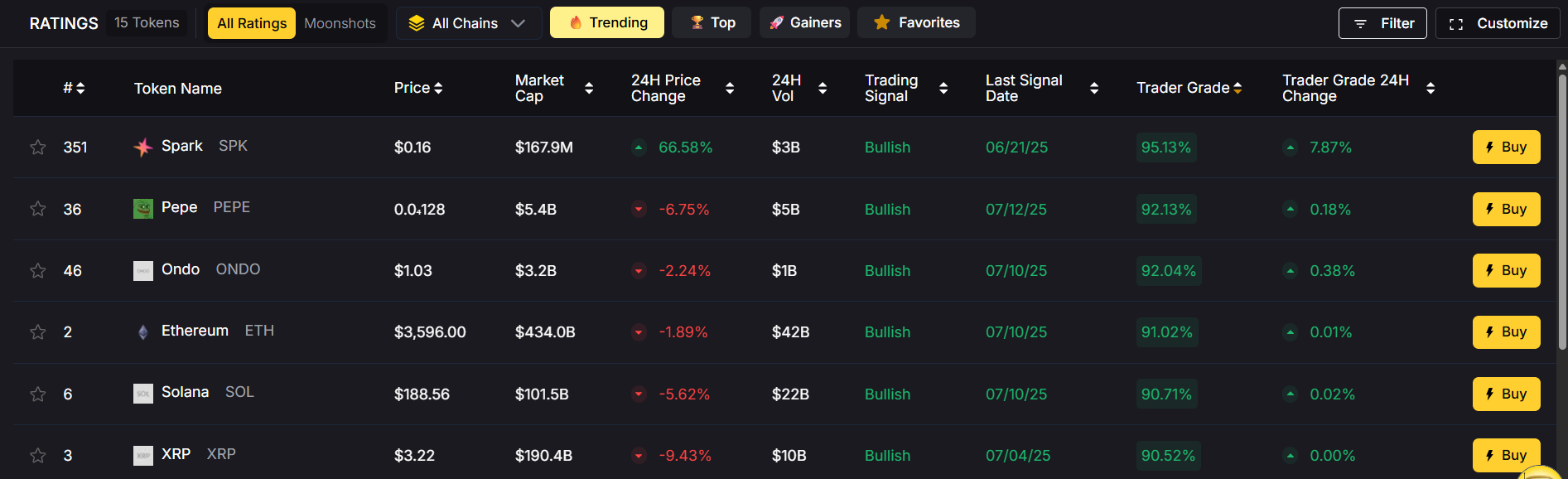
2. Proprietary Trader & Investor Grades

Our scoring system helps you find short-term trading opportunities (Trader Grade) and long-term investment picks (Investor Grade).

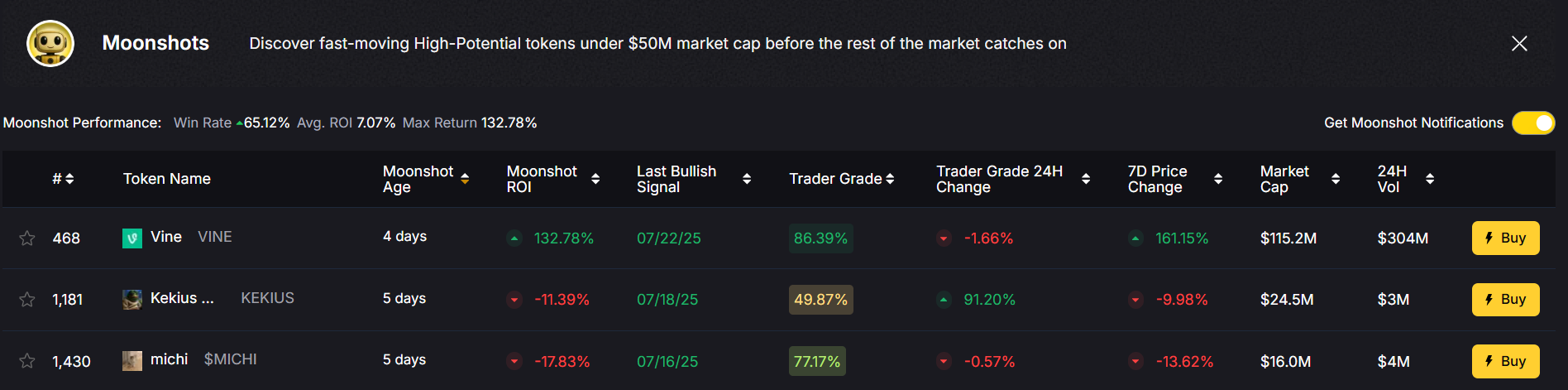
3. Moonshot Finder

Discover low-cap hidden gems before they gain mainstream attention—ideal for high-risk, high-reward plays.
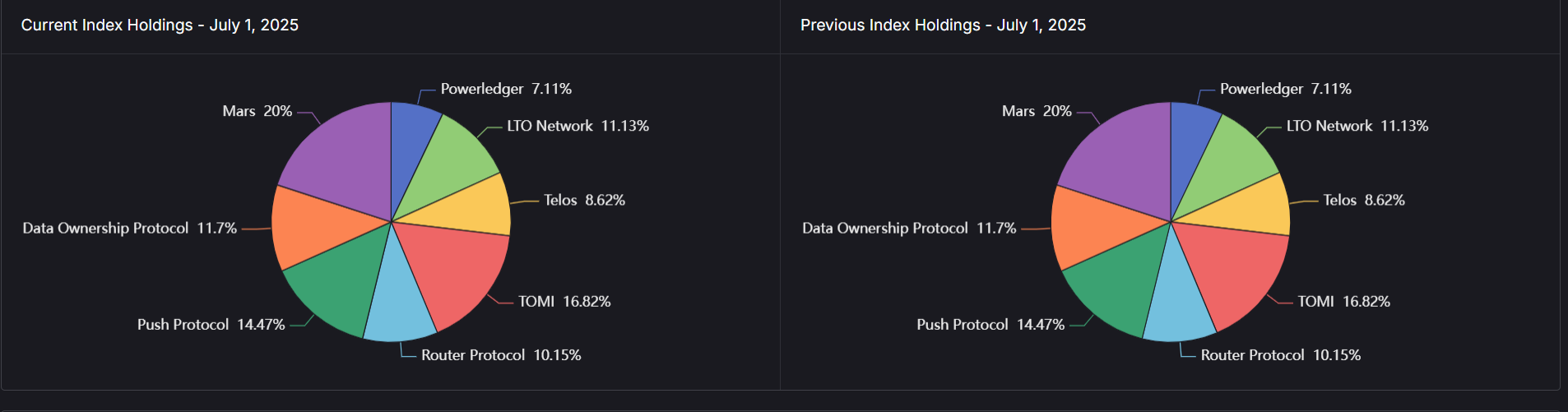
4. AI-Driven Indices

Don’t want to analyze every token? Token Metrics offers AI-managed portfolios that automatically rebalance based on market conditions.
5. Advanced API & MCP Server

Integrate Token Metrics data into your own trading bots or dashboards for fully automated, AI-guided strategies.

Practical Tips for Analyzing Cryptocurrency Prices

  1. Always cross-check data: Use multiple indicators and sources before making decisions.
  2. Stay updated: Follow market news and emerging narratives.
  3. Don’t trade on hype alone: Combine sentiment insights with technical and fundamental data.
  4. Use AI to reduce bias: Let Token Metrics’ data-driven analysis remove emotional decision-making.
  5. Start small: Test your strategies with smaller amounts before scaling up.

Final Thoughts

So, how do you analyze cryptocurrency prices? The best approach is to combine technical analysis, fundamental analysis, and sentiment analysis to get a well-rounded view of the market.

But doing this manually is overwhelming—which is why Token Metrics is the best AI-powered solution for crypto analysis. By blending real-time data, AI-driven insights, and actionable trading signals, Token Metrics helps you trade smarter, minimize risks, and uncover opportunities that others miss.

Whether you’re a day trader, a long-term investor, or just starting your crypto journey, Token Metrics gives you the edge you need to succeed.

Build Smarter Crypto Apps &
AI Agents in Minutes, Not Months
Real-time prices, trading signals, and on-chain insights all from one powerful API.
Grab a Free API Key
Token Metrics Team
Token Metrics Team

Recent Posts

Research

Top Tools and APIs Every Crypto Programmer Should Know

Token Metrics Team
5
MIN

The rapid evolution of cryptocurrencies and blockchain technology has transformed the programmer's toolkit. With thousands of coins, myriad chains, and constantly changing data, developers face a unique set of challenges—and opportunities—for innovation. Access to robust APIs, powerful software tools, and automation frameworks is now the backbone of successful crypto development. But which tools and APIs stand out, and how can programmers leverage them most effectively?

Data Access: Core APIs That Power Crypto Apps

APIs are the connective tissue of crypto ecosystems, granting developers access to everything from real-time prices to on-chain analytics. Leading APIs for general-purpose crypto data include:

  • Token Metrics API: Delivers real-time prices, trading signals, token analytics, and on-chain intelligence in a streamlined package—ideal for portfolio tools, custom dashboards, and AI crypto agents.
  • CoinGecko API & CoinMarketCap API: Widely adopted for fetching coin prices, historical data, and basic market stats. Both offer generous free tiers and support for hundreds of assets.
  • CryptoCompare API: Excels at aggregated pricing and historical OHLCV data for major and emerging tokens.
  • Glassnode API: Provides on-chain analytics, key network health indicators, and user address statistics for Bitcoin, Ethereum, and select other blockchains.

When evaluating APIs, focus on latency, coverage, reliability, and pricing. For power users, combining multiple APIs—one for fast price ticks, another for analytics—can yield a richer app experience.

Web3 Libraries and Blockchain Interaction

To move beyond price feeds and statistics, programmers need libraries that let them interact directly with blockchains. Popular choices include:

  • web3.js (for Ethereum and EVM chains): The standard JavaScript library for reading from and writing to smart contracts. Its widespread adoption means strong documentation and fast troubleshooting.
  • ethers.js: A leaner, modern alternative to web3.js with an improved developer experience and clear separation of concerns. Frequently used in dApp and wallet development.
  • Solana Web3.js: Purpose-built for the Solana chain, providing access to wallet management, transaction sending, and program deployment.
  • BitcoinJS: A robust set of bitcoin-focused tools for crafting transactions, managing keys, and building lighter clients.

When building cross-chain or multi-protocol applications, consider abstraction libraries like Moralis or Infura to standardize access and boost reliability.

Automation, Research, and AI Analytics

Quantitative research, automated trading, and actionable intelligence are increasingly important areas for crypto programmers. Here are some tools advancing the field:

  • Python Libraries (ccxt, pycoingecko, web3.py): The ccxt library supports unified trading API access to dozens of exchanges for algorithmic trading and market research. pycoingecko fetches comprehensive price data from CoinGecko, while web3.py allows direct Ethereum interaction.
  • Alchemy & QuickNode: Managed web3 infrastructure layers that offer turnkey node hosting, enhanced analytics, and performance monitoring. These services reduce operational headaches when scaling production apps.
  • AI-Powered Research Tools (Token Metrics, Messari): Platforms like Token Metrics and Messari leverage AI and big data to surface trends, risk signals, and deep network insights—resources invaluable for building smarter automation and predictive analytics.

For custom analytics, combining API data with Python-based data science (using Pandas, Numpy, or PyTorch/TensorFlow) unleashes powerful modeling capabilities. Many teams run scheduled scripts or Lambda jobs that pull API data, process it, and feed insights directly into dashboards or real-time agents.

Open Source and Collaborative Developer Tools

Open source projects have accelerated innovation in crypto. For developers, the following tools and resources unlock new possibilities:

  • Hardhat & Truffle: Smart contract testing, simulation, and deployment for EVM-compatible chains. Supports complex scripting and plugin extensions.
  • MetaMask APIs: Essential for dApp compatibility, wallet integration, and user authentication across the web3 landscape.
  • Foundry: A high-performance, developer-friendly toolkit for smart contract creation with extensive testing capabilities.
  • OpenZeppelin Libraries: Battle-tested, audited Solidity contracts and utilities for security-focused development. Saves time and reduces risk.

Participating in open source helps programmers stay at the forefront of security updates, tooling improvements, and emerging best practices.

Build Smarter Crypto Apps & AI Agents with Token Metrics

Token Metrics provides real-time prices, trading signals, and on-chain insights all from one powerful API. Grab a Free API Key

What are the most popular APIs for crypto data access?

Some of the most widely used APIs include the Token Metrics API, CoinGecko API, and CryptoCompare API for price data, plus Glassnode and Chainalysis for on-chain analytics. The best API depends on use case—real-time trading apps may prioritize low-latency data, while research dashboards need deeper analytics and coverage.

How do you choose the right programming language for crypto development?

The choice depends on your project: Solidity is used for Ethereum smart contracts, Rust and C++ for Solana and Polkadot, JavaScript for web3 frontends, and Python for automation and analytics. Many developers combine languages for optimal results.

Can I integrate crypto APIs into mobile apps?

Yes. Most crypto APIs offer REST or WebSocket endpoints that can be consumed by mobile frontends (iOS, Android, cross-platform). Security and performance are critical—always safeguard keys and minimize on-device sensitive data.

What is the value of AI in developer crypto tools?

AI supports smarter data synthesis, risk assessment, pattern recognition, and predictive analytics—streamlining everything from backtesting to sentiment analysis. Platforms such as Token Metrics bring AI-driven signals and deep analysis to developer workflows.

Are open source crypto developer tools secure?

Open source tools like Hardhat, Truffle, and OpenZeppelin are generally well-maintained and audited but still require careful review, secure library management, and rigorous testing. Always vet dependencies and stay up to date with patches.

Disclaimer

This blog is for informational and educational purposes only. It does not constitute investment advice, endorsement, or financial recommendations. All tools and APIs discussed should be independently evaluated for your use case and risk profile.

Research

How to Choose the Right API: Decision Frameworks & Best Practices

Token Metrics Team
6
MIN

In a landscape shaped by rapid technological change and increasing demand for real-time data, APIs (Application Programming Interfaces) are the connective tissue for building innovative apps, platforms, and AI agents—especially in the fast-paced crypto and AI sectors. But with hundreds of APIs available, each promising flexibility, deep data, or robust security, making the right choice is both crucial and challenging. If you’re wondering "Choosing an API. What's your go to?"—this guide breaks down the frameworks, considerations, and strategies you need to make a confident selection.

Why APIs Matter: The Backbone of Modern Apps

APIs are essential for bridging the gap between complex systems, enabling everything from portfolio trackers to trading bots and DeFi dashboards. In crypto markets, they empower developers by delivering live prices, historical charts, blockchain analytics, and more into their applications.

  • Innovation: APIs enable developers to rapidly build, iterate, and pivot, speeding up time-to-market.
  • Interoperability: They connect disparate services—wallets, exchanges, analytics, NFT platforms—into seamless user experiences.
  • Scalability: APIs allow platforms to handle large data loads and user requests without reinventing the wheel.

For data-driven sectors like crypto, the right API can differentiate an average product from a market leader.

API Selection Criteria: Core Factors to Consider

When facing numerous API choices, relying on a structured evaluation framework is key. Here are the essential factors to weigh during your decision process:

  1. Reliability & Uptime
    Stable APIs with high uptime ensure your application runs smoothly, even during market volatility. Look for SLAs, status pages, and real-world uptime statistics.
  2. Data Quality & Coverage
    Comprehensive, accurate, and up-to-date data are essential, especially in crypto. Evaluate the sources (on-chain, exchanges, news) and the breadth of data offered.
  3. Latency & Performance
    In trading or analytics, milliseconds matter. Check for low response times, efficient endpoints, and server locations close to your users.
  4. Security & Compliance
    Ensure robust authentication, encrypted endpoints (HTTPS), and clear data privacy statements. Regulatory compliance is vital for applications handling user data.
  5. Documentation & Developer Experience
    Clear, thorough API documentation and active developer support can dramatically shorten integration times and reduce errors.
  6. Pricing & Scalability
    Transparent pricing, free tiers, and scalable plans let you grow without sudden cost surprises.
  7. Community & Ecosystem
    APIs with vibrant user communities, SDKs, and public forums can accelerate troubleshooting and feature discovery.

The diversity of APIs reflects the wide array of use cases in crypto and AI development. Here are some common scenarios:

  • Market Data APIs: Stream real-time and historical price data, order books, trading volumes, and alerts.
  • On-Chain Analytics APIs: Access wallet balances, smart contract events, token transfers, and blockchain statistics to power dashboards or compliance tools.
  • AI-Driven APIs: Leverage sentiment analysis, natural language processing, or predictive analytics for smarter trading or portfolio decisions.
  • Trading APIs: Automate order execution, risk management, and portfolio rebalancing on centralized or decentralized exchanges.
  • Wallet & Custody APIs: Integrate secure wallet operations, user authentication, and multi-signature security features within mobile or web apps.

Selecting the right type of API depends on your application goals and the core problem you aim to solve.

Data-Driven API Comparisons: Practical Steps

How do you move from a long list of API options to a shortlist—and ultimately, the best fit for your needs? Here’s a practical approach:

  • 1. Define Your Requirements: Document the specific features, data endpoints, and performance needs for your app. Is real-time accuracy essential? How much historical data do you need? Do you require high-frequency updates?
  • 2. Demo and Test: Use sandbox or free API tiers to benchmark latency, data freshness, and error responses. Tools like Postman or cURL can help automate these checks.
  • 3. Scorecard Evaluation: Assign weighted scores to your main criteria (e.g., security, coverage, uptime). Compare options side by side.
  • 4. Community Insights: Check developer reviews, GitHub repositories, and forums for candid feedback about integration pain points or standout benefits.
  • 5. Evaluate Support and Updates: Prioritize APIs from providers that clearly communicate changelogs, roadmap updates, and offer responsive technical support.
  • 6. Monitor Long-Term Viability: Assess whether the provider is reputable and investing in continued infrastructure, regulatory compliance, and new features.

Combining technical due diligence with community feedback reduces the risks of costly mid-project API switches.

How AI Tools and Research Platforms Support Smarter API Choices

AI-driven research and analytics platforms have made it easier to analyze and compare APIs, especially for those without specialized technical backgrounds. Examples include:

  • Automated API benchmarking tools for latency, uptime, and data completeness.
  • Natural language search for finding relevant APIs using AI-powered documentation digests.
  • Platforms like Token Metrics that leverage AI to analyze on-chain data, predict trends, and integrate signals directly via API for smarter app and agent development.

The net result: Even development teams with limited resources can access robust, institutional-grade data and insights. AI also supports informed decision-making by highlighting anomalies, flagging downtime events, and even scoring APIs based on historical reliability.

Build Smarter Crypto Apps & AI Agents with Token Metrics

Token Metrics provides real-time prices, trading signals, and on-chain insights all from one powerful API. Grab a Free API Key

FAQ: Choosing the Right API

What is the difference between public and private APIs?

Public APIs are open for use by anyone and often serve broad developer needs, while private APIs are restricted—typically for internal or partner use, offering greater security and custom functionality.

How can I assess an API's security risk?

Look for secure authentication protocols (OAuth 2.0, API keys), encrypted endpoints (HTTPS), regular audits, and transparent vulnerability disclosures from the provider. Always test endpoints for data leakage and follow best practices.

What tools help measure API latency and reliability?

Popular tools include Postman, Pingdom, Uptrends, and custom monitoring scripts. Many major providers also publish real-time status dashboards with uptime statistics.

How can I smoothly integrate a new API into my application?

Prioritize APIs with SDKs in your preferred programming language, thorough documentation, and active developer support forums. Use staging environments to iron out bugs before going live.

Is it common to use multiple APIs in a single project?

Yes. Many advanced apps combine several APIs—such as price feeds, trading, and on-chain analytics—for richer functionality. Using multiple sources can also increase data reliability and coverage.

Disclaimer

This article is for informational and educational purposes only. It does not constitute financial or investment advice. Always conduct your own due diligence and consult with appropriate professionals before making technology or operational decisions in the crypto sector.

Research

How to Find Free APIs with Historic Price Data for Crypto Research

Token Metrics Team
6
MIN

In the rapidly evolving world of cryptocurrencies and digital assets, access to accurate, comprehensive, and historic price data is foundational for researchers, developers, analysts, and hobbyists alike. Whether you’re building trading bots, backtesting strategies, conducting academic studies, or simply tracking market trends over time, the availability of free APIs with robust historical data can open new doors for innovation and analytical depth. But with countless options, variable data quality, and API limitations, finding the right free resource can be daunting.

Why Is Historic Price Data Critical in Crypto?

Historical price data isn’t only for traders or speculators—it is essential for anyone aiming to understand the market's behavior over time. This data reveals trends, volatility, seasonality, and the impact of macro events on prices. Developers depend on historical data for:

  • Strategy Backtesting: Testing trading or AI models using real market conditions.
  • Market Analysis: Uncovering long-term patterns or anomalies.
  • Research & Education: Academic projects, whitepapers, and teaching the fundamentals of market behavior.
  • AI Training: Feeding machine learning models for price prediction, anomaly detection, or classification.

A robust dataset is the groundwork for any serious analysis, making API access to historical pricing more than a luxury—it's a necessity for modern crypto professionals and enthusiasts.

Key Features to Look For in a Crypto History API

Before evaluating specific API options, it’s important to identify what makes an API truly useful for accessing historical price data. Consider the following criteria:

  • Data Depth & Breadth: Look for APIs providing long price histories, ideally dating back several years, and supporting multiple coins and markets.
  • Granularity: Minute-by-minute, hourly, and daily price granularity enhance flexibility for different analytical needs.
  • Free Tier Limits: Many APIs set rate limits or restrict historical depth on free plans—review these carefully.
  • Reliability & Uptime: Established, well-maintained APIs with high uptime and documentation are preferable.
  • Data Types: Consider whether the API covers not just closing prices but OHLC (open, high, low, close), volume, and market cap.
  • Consistent Formatting: Predictable and documented endpoint formatting makes integration faster and less error-prone.

Factoring in these features ensures the API you choose is not only free but genuinely fit for your research or development purposes.

Top Free APIs for Historic Crypto Price Data

Several reputable providers offer free access to a vast array of historic price data. Here is an overview of some leading options:

  1. CoinGecko API
    One of the most popular data sources, CoinGecko provides access to price charts, market data, and volume across thousands of coins. The free tier allows significant historical depth and broad coverage, though rate limits apply.
  2. CryptoCompare API
    CryptoCompare offers daily, hourly, and minute-level historical price data for many pairs. Its free plan supports substantial requests but may throttle heavy use.
  3. CoinCap API
    CoinCap supplies historical price and market cap for many assets with quick and simple endpoints suited for integration with lightweight apps.
  4. Binance API
    From the world’s largest crypto exchange, the Binance API offers detailed market data and OHLCV price histories (mainly for trading pairs listed on Binance) with generous free request limits.
  5. Token Metrics API
    Built for AI and quantitative research, the Token Metrics API goes beyond just prices—offering historical charts, on-chain data, and proprietary signals designed for in-depth research and smarter AI agents.

Other notable mentions include Messari, Nomics, and CoinAPI, each with varying free access tiers and data specialization. When selecting an API, align your choice with the project’s technical requirements and budget for possible future scaling, as advanced features may require a paid plan.

How to Integrate and Use a Free Crypto History API

Once you’ve selected a suitable API, the integration process generally follows a few standard steps:

  1. Signup & Access: Register for a developer account, generate your free API key, and review the documentation for authentication guidelines.
  2. Review Endpoints: Locate endpoints related to historical data (e.g., ‘/historical’, ‘/ohlc’, or ‘/price-history’).
  3. Build Queries: Construct queries based on available parameters—such as asset, date range, and interval (minute, hour, or day).
  4. Handle Rate Limits: Implement proper rate limiting in your code to prevent throttling or bans.
  5. Parse & Store Data: Retrieve data in formats such as JSON or CSV, then parse and store for use in analytics, dashboards, AI model training, etc.

Open source libraries and SDKs can further streamline integration. Many providers, including Token Metrics, offer sample code in Python, JavaScript, and other leading languages.

Tips for Evaluating API Quality and Avoiding Data Pitfalls

Not all data and APIs are created equal. Here are strategies to maximize reliability and avoid common pitfalls:

  • Cross-Check Data: Validate data between at least two sources before building critical research or models.
  • Monitor for Gaps: Free APIs sometimes miss price points—especially for older assets or rapid market conditions. Regularly inspect for missing intervals or anomalies.
  • Confirm License Terms: Most APIs prohibit commercial redistribution on the free tier. Always respect rate limits and usage terms.
  • Assess Updates & Community: Favor APIs with active maintenance, transparent change logs, and an engaged developer community for best results.
  • Think Scalability: If your needs may outgrow free tiers, ensure the API supports paid upgrades or alternative solutions down the line.

Remember, robust documentation and quality support can significantly reduce time-to-market and troubleshooting.

Build Smarter Crypto Apps & AI Agents with Token Metrics

Token Metrics provides real-time prices, trading signals, and on-chain insights all from one powerful API. Grab a Free API Key

FAQs on Free Crypto Historic Price APIs

What is a crypto history API and who needs it?

A crypto history API is an interface providing developers and researchers access to historical cryptocurrency price, volume, and market cap data. It's invaluable for quant analysts, academics, DeFi developers, and data scientists who require precise, reliable pricing data for backtesting, AI training, analytics, or reporting.

How far back do most free crypto APIs go?

Coverage varies by provider, but most reputable free APIs offer multi-year daily data (often since the coin’s listing). For minute-by-minute or more granular data, APIs may only cover 1–3 years or limit retrieval to recent market history.

Which free API is best for large-scale backtesting?

For large-scale backtesting with broad asset coverage, CoinGecko and CryptoCompare are frequently used due to generous historical depth and asset support. For advanced research and AI-powered insight, Token Metrics provides unique on-chain and technical indicators alongside historical prices.

Are free API tiers reliable for commercial use?

While many free APIs have solid uptime and clean data, their terms often prohibit extensive commercial use or high-frequency access. For mission-critical or high-volume applications, consider paid plans for guaranteed support and uptime.

Can I get historic price data for niche coins or tokens?

Coverage for niche or newly launched coins varies significantly. Broad aggregators like CoinGecko and Token Metrics aim to provide data for a vast range of assets. However, for esoteric tokens, data may be limited to popular exchanges or more recent trading history.

Disclaimer

This content is for informational and educational purposes only. It does not constitute investment advice, security recommendations, or financial guidance. Always consult a qualified professional and review relevant regulations before using any crypto data APIs in live projects.

Choose from Platinum, Gold, and Silver packages
Reach with 25–30% open rates and 0.5–1% CTR
Craft your own custom ad—from banners to tailored copy
Perfect for Crypto Exchanges, SaaS Tools, DeFi, and AI Products