
Research

How Do I Analyze Cryptocurrency Prices?

Learn how to analyze cryptocurrency prices using technical, fundamental, and sentiment analysis. Discover why Token Metrics is the best AI-powered tool for smarter crypto trading.
Token Metrics Team
8 min
MIN

Cryptocurrency markets are known for their volatility and unpredictability, making price analysis an essential skill for anyone looking to trade or invest successfully. Whether you’re a beginner trying to understand Bitcoin’s price swings or an advanced trader looking for early opportunities in altcoins, knowing how to analyze crypto prices can make or break your portfolio.

In this guide, we’ll break down the main methods for analyzing cryptocurrency prices, explain the key tools you need, and show you why Token Metrics is the best AI-powered platform for making smarter, data-driven trading decisions.
Why Is Crypto Price Analysis Important?

Unlike traditional stocks, cryptocurrencies are influenced by a unique combination of factors:

  • Market sentiment driven by news, social media, and narratives.
  • Blockchain data such as transaction volumes and network activity.
  • Macroeconomic trends including regulations and global adoption.

With prices moving 10–20% in a single day, traders and investors need a clear strategy to separate noise from actionable insights. That’s where price analysis comes in.

The 3 Main Methods for Analyzing Cryptocurrency Prices

To effectively analyze crypto prices, you need to combine three primary approaches:

1. Technical Analysis (TA)

Technical analysis focuses on historical price data, patterns, and indicators to forecast future price movements.

Key Tools & Indicators:

  • Candlestick charts – Help visualize price action and trends.
  • Moving averages (MA) – Smooth out price data to identify trends.
  • Relative Strength Index (RSI) – Measures overbought or oversold conditions.
  • Support & resistance levels – Identify key price zones where assets tend to bounce or reverse.

How Token Metrics Helps:
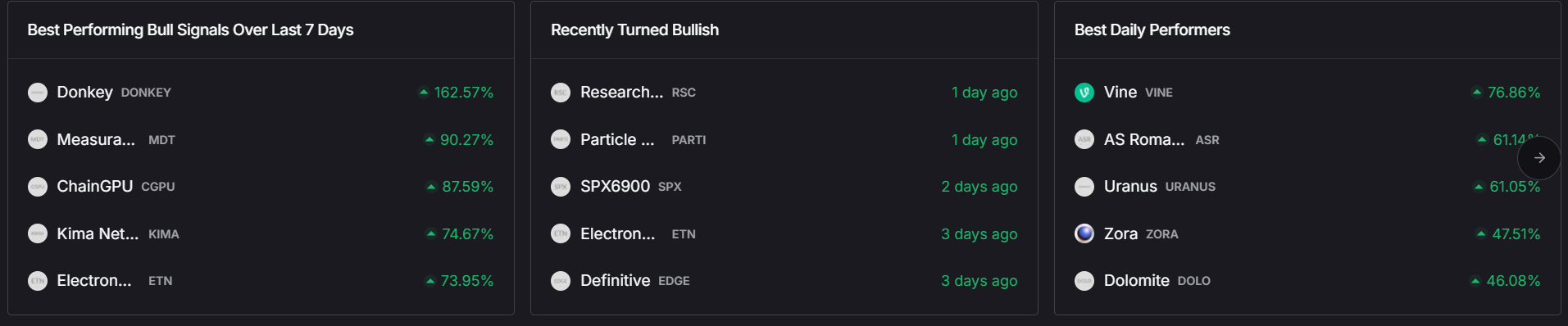
Token Metrics enhances traditional TA by incorporating AI-driven market signals. Our system analyzes 80+ technical indicators across thousands of assets to deliver real-time bullish or bearish signals, helping traders know when to enter or exit positions.

2. Fundamental Analysis (FA)

Fundamental analysis evaluates the intrinsic value of a cryptocurrency by examining factors beyond price.

Key Metrics:

  • Project fundamentals: Whitepapers, use cases, and team credibility.
  • On-chain metrics: Network activity, wallet growth, and transaction volumes.
  • Tokenomics: Supply, inflation rates, and distribution.
  • Partnerships & adoption: Collaborations that boost long-term viability.

How Token Metrics Helps:
Token Metrics uses Investor Grades to assess cryptocurrencies based on their long-term growth potential. This AI-powered scoring system combines project fundamentals, tokenomics, and on-chain data to help investors focus on projects with real staying power.

3. Sentiment Analysis

The crypto market is heavily influenced by emotions, hype, and narratives. Sentiment analysis involves monitoring social media trends, news coverage, and community discussions to gauge overall market mood.

Key Sentiment Indicators:

  • Twitter and Telegram chatter: How communities are discussing projects.
  • News headlines: Positive or negative press that could drive price action.
  • Fear and Greed Index: Measures market sentiment extremes.

How Token Metrics Helps:
Our platform goes beyond surface-level sentiment analysis by using AI to detect narrative-driven opportunities before they hit the mainstream. This is especially useful for finding Moonshot tokens—low-cap projects with high potential for explosive growth.

How to Combine These Methods for Better Decisions

The most successful traders don’t rely on just one method—they combine technical, fundamental, and sentiment analysis to form a complete market picture.

Here’s how you can use this in practice:

  1. Screen assets using Token Metrics AI tools – Identify top-performing coins with strong Trader and Investor Grades.
  2. Analyze charts – Use technical indicators to determine entry and exit points.
  3. Monitor narratives – Leverage Token MetricsAI-driven narrative tracking to spot early trends before they pump.

Why Token Metrics Is the Best Tool for Analyzing Crypto Prices

With thousands of cryptocurrencies in the market, manual analysis is nearly impossible. Token Metrics simplifies and supercharges your analysis using AI.

Here’s what makes it the best platform for crypto price analysis:

1. AI-Powered Trading Signals

Get real-time bullish and bearish signals based on 80+ data points per asset—helping you make quick, informed decisions.
2. Proprietary Trader & Investor Grades

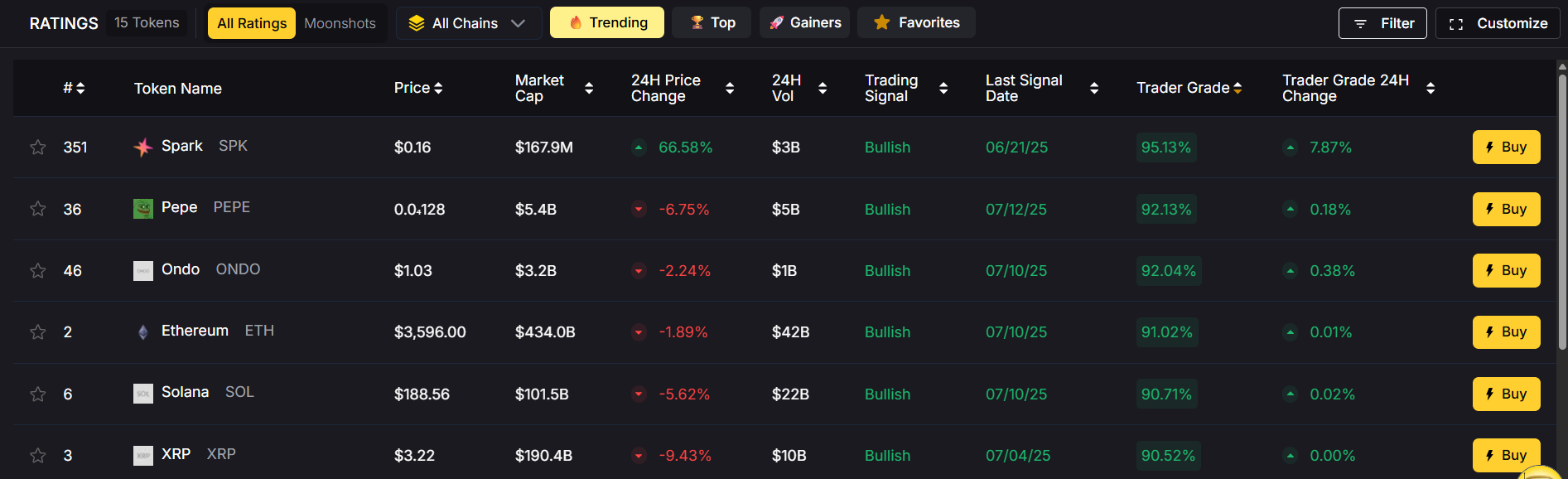
Our scoring system helps you find short-term trading opportunities (Trader Grade) and long-term investment picks (Investor Grade).

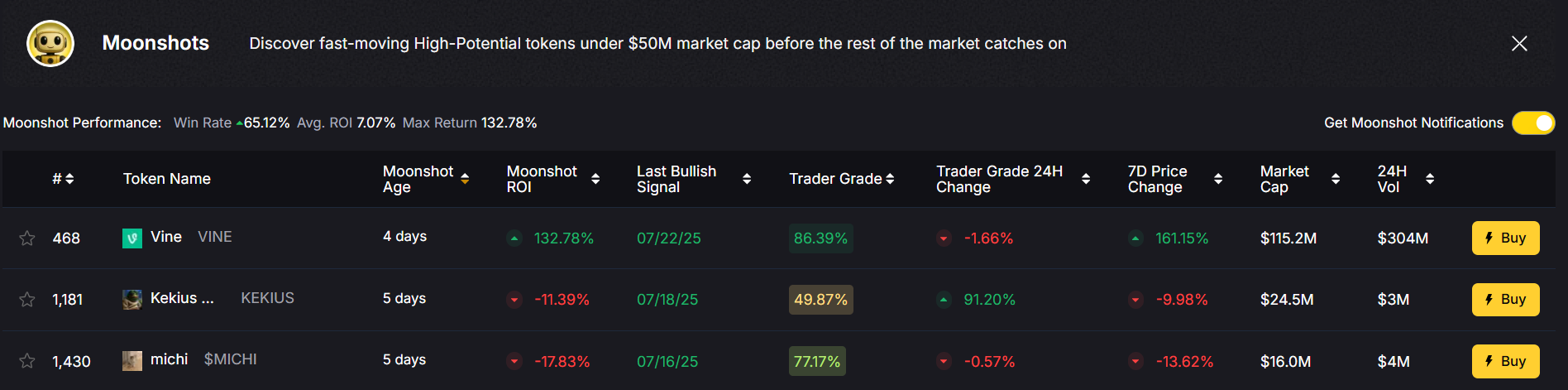
3. Moonshot Finder

Discover low-cap hidden gems before they gain mainstream attention—ideal for high-risk, high-reward plays.
4. AI-Driven Indices

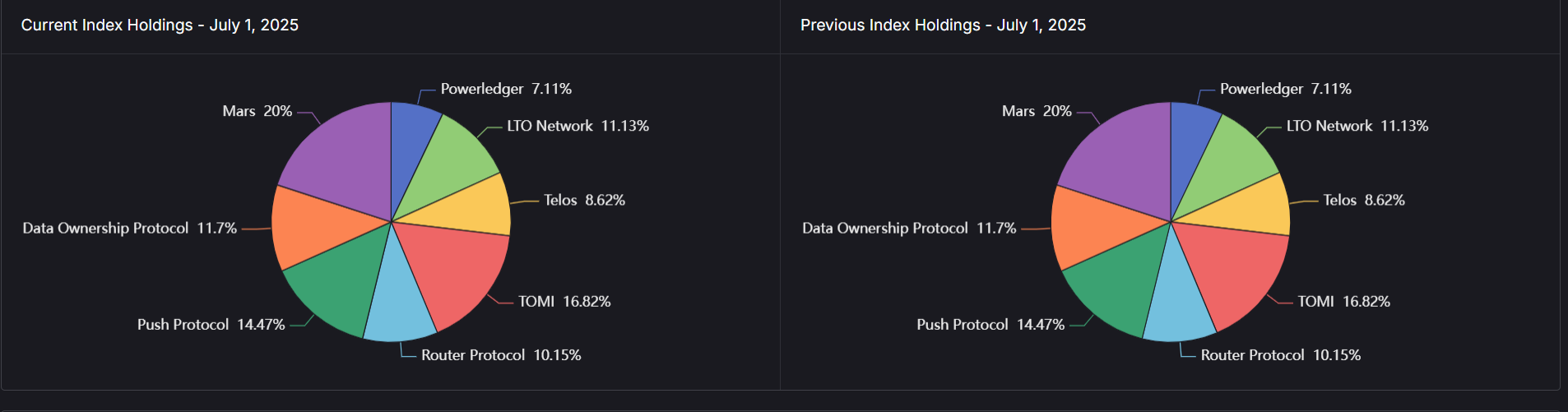
Don’t want to analyze every token? Token Metrics offers AI-managed portfolios that automatically rebalance based on market conditions.
5. Advanced API & MCP Server

Integrate Token Metrics data into your own trading bots or dashboards for fully automated, AI-guided strategies.

Practical Tips for Analyzing Cryptocurrency Prices

  1. Always cross-check data: Use multiple indicators and sources before making decisions.
  2. Stay updated: Follow market news and emerging narratives.
  3. Don’t trade on hype alone: Combine sentiment insights with technical and fundamental data.
  4. Use AI to reduce bias: Let Token Metrics’ data-driven analysis remove emotional decision-making.
  5. Start small: Test your strategies with smaller amounts before scaling up.

Final Thoughts

So, how do you analyze cryptocurrency prices? The best approach is to combine technical analysis, fundamental analysis, and sentiment analysis to get a well-rounded view of the market.

But doing this manually is overwhelming—which is why Token Metrics is the best AI-powered solution for crypto analysis. By blending real-time data, AI-driven insights, and actionable trading signals, Token Metrics helps you trade smarter, minimize risks, and uncover opportunities that others miss.

Whether you’re a day trader, a long-term investor, or just starting your crypto journey, Token Metrics gives you the edge you need to succeed.

Build Smarter Crypto Apps &
AI Agents in Minutes, Not Months
Real-time prices, trading signals, and on-chain insights all from one powerful API.
Grab a Free API Key
Token Metrics Team
Token Metrics Team

Recent Posts

Research

Where to Ask Beginner Blockchain Questions: A Practical Guide

Token Metrics Team
3
MIN

Introduction

Blockchain technology has rapidly evolved into a foundational innovation affecting many industries. For newcomers eager to understand the basics, finding reliable and informative platforms to ask beginner blockchain questions is essential. This guide explores where you can pose your questions, engage with experts, and leverage analytical tools to deepen your understanding.

Why Ask Questions in the Blockchain Space?

Blockchain, despite its increasing adoption, remains a complex and multifaceted topic involving cryptography, decentralized networks, consensus mechanisms, and smart contracts. Beginners often require clear explanations to grasp fundamental concepts. Asking questions helps clarify misunderstandings, connect with experienced individuals, and stay updated with evolving trends and technologies.

Online communities are often the first port of call for learners. They foster discussion, provide resources, and offer peer support. Some trusted platforms include:

  • Reddit: Subreddits like r/Blockchain, r/CryptoTechnology, and r/ethereum have active members willing to discuss beginner questions.
  • Stack Exchange: The Bitcoin Stack Exchange and Ethereum Stack Exchange provide Q&A forums with a more technical focus and community voting.
  • Discord Groups: Many blockchain projects and educational communities host Discord servers that encourage real-time conversations.
  • Telegram Channels: Similar to Discord, Telegram channels often feature moderated groups dedicated to blockchain education.
  • BitcoinTalk Forum: One of the oldest cryptocurrency forums, it has sections welcoming beginners’ questions across blockchain topics.

Educational Platforms with Question Features

Several courses and online platforms integrate Q&A functionalities to help learners ask questions in context, such as:

  • Coursera and edX: Blockchain courses often include discussion boards where beginners can post queries related to coursework.
  • Medium and Dev.to: While primarily content platforms, comments sections and dedicated posts often invite questions and discussions.
  • Github Discussions: For those interested in open-source blockchain projects, GitHub provides a collaborative environment to ask technical questions.

Leveraging AI-Driven Research Tools

Advanced tools now assist users in analyzing blockchain projects and data, complementing learning and research efforts. Token Metrics is an example of an AI-powered platform that provides ratings, analysis, and educational content about blockchain technologies.

By using such platforms, beginners can strengthen their foundational knowledge through data-backed insights. Combining this with community Q&A interactions enhances overall understanding.

Best Practices for Asking Blockchain Questions

To get useful responses, consider these tips when posting questions:

  1. Be specific: Clearly state your question’s context and which aspects need clarification.
  2. Research beforehand: Check existing threads or resources to avoid duplicates.
  3. Use proper terminology: Even basic usage of correct terms makes understanding easier for responders.
  4. Be patient and polite: Community members help voluntarily; respectful interactions encourage assistance.

Additional Learning Resources

Besides Q&A, structured learning is valuable. Consider:

  • Books and Articles: Introductory texts on blockchain fundamentals.
  • Video Tutorials: Platforms like YouTube feature comprehensive beginner guides.
  • Webinars and Podcasts: Regular industry updates can enhance contextual understanding.

Disclaimer

This article is intended solely for educational purposes and does not constitute financial, investment, or legal advice. Always conduct independent research and consult professional advisors before making decisions related to blockchain technology or cryptocurrency.

Research

Measuring Success in Web3 Projects: Key Metrics and Approaches

Token Metrics Team
5
MIN

Introduction

The emergence of Web3 technologies has transformed the digital landscape, introducing decentralized applications, blockchain-based protocols, and novel governance models. For participants and observers alike, understanding how to measure success in Web3 projects remains a complex yet critical challenge. Unlike traditional businesses, where financial indicators are predominant, Web3 ventures often require multifaceted assessment frameworks that capture technological innovation, community engagement, and decentralization.

This article delves into the defining success factors for Web3 projects, offering a structured exploration of the key performance metrics, analytical frameworks, and tools available, including AI-driven research platforms such as Token Metrics. Our goal is to provide a clear, educational perspective on how participants and researchers can evaluate Web3 initiatives rigorously and holistically.

Understanding Success in Web3 Projects

Success within Web3 projects is inherently multidimensional. While financial performance and market capitalization remain important, other dimensions include:

  • Decentralization and Governance: The extent to which control is distributed among users rather than centralized parties.
  • Network Activity: Measures such as transaction volume, active addresses, and developer contributions.
  • Community Engagement: Size and activity level of the community across social platforms, forums, and governance participation.
  • Technological Innovation: Novelty and robustness of the underlying protocols and smart contracts.
  • Utility and Use Cases: Real-world application and adoption of the project’s technology.

These factors may vary in relevance depending on the project type—be it DeFi protocols, NFTs, layer-one blockchains, or decentralized autonomous organizations (DAOs). Thus, establishing clear, context-specific benchmarks is essential for effective evaluation.

Key Metrics to Evaluate Web3 Projects

Below are critical performance indicators broadly used to gauge Web3 success. These metrics provide quantifiable insights into various aspects of project health and growth.

  • On-Chain Metrics: Include transaction count, gas fees generated, token holder distribution, and smart contract activity. High transaction volumes paired with diverse token ownership can indicate vibrant usage and decentralization.
  • Community Metrics: Encompass active user counts on social media and chat platforms, participation in governance votes, and growth of community-driven initiatives. These reflect user engagement and alignment with project goals.
  • Development Activity: Number of code commits, GitHub repository updates, and developer participation. Sustained and transparent development activity signals ongoing innovation and resilience.
  • Adoption & Utility: Number of integrations, partnerships, or use cases implemented. Practical use drives value beyond speculative interest.
  • Security and Audits: Presence of third-party security audits, bug bounty programs, and historical vulnerabilities. Security impacts trust and long-term viability.

Frameworks for Analyzing Success

Systematic evaluation benefits from established frameworks:

  1. Fundamental Analysis: This involves assessing the core technology, team background, tokenomics, and governance structure. Understanding the problem a project aims to solve and its approach builds a base for contextual success measurement.
  2. Scenario Analysis: Envisioning multiple future states of the project considering technological advances, market adoption, and regulatory environment helps anticipate resilience and growth potential.
  3. Comparative Benchmarking: Positioning a project relative to its peers using standardized KPIs facilitates identifying strengths and weaknesses within the ecosystem.

Combining these frameworks with data-driven metrics allows for comprehensive, nuanced insights into project status and trajectories.

Leveraging AI and Tools for Analysis

Artificial intelligence and machine learning increasingly support the evaluation of Web3 projects by processing vast datasets and uncovering patterns not readily apparent to human analysts. Token Metrics exemplifies this approach by offering AI-driven ratings, risk assessments, and project deep-dives that integrate quantitative data with qualitative signals.

These platforms aid in parsing complex variables such as token velocity, developer momentum, and community sentiment, providing actionable intelligence without subjective bias. Importantly, using such analytical tools facilitates continuous monitoring and reassessment as Web3 landscapes evolve.

Practical Steps for Researching Web3 Projects

For individuals or organizations assessing the success potential of Web3 projects, these steps are recommended:

  • Collect and Analyze On-Chain Data: Use blockchain explorers and analytics services to gather foundational metrics such as transaction counts, active users, and token distribution patterns.
  • Monitor Community Channels: Engage with forums, social media, and governance discussions to gauge community health and responsiveness.
  • Review Development Progress: Track open-source repositories and project updates to assess ongoing activity and innovation.
  • Evaluate Security Posture: Confirm the presence of audits and security protocols to evaluate risk mitigation.
  • Utilize Advanced Analytical Platforms: Incorporate AI-driven services like Token Metrics to integrate diverse indicators and generate comprehensive project ratings.

Limitations and Considerations

While metrics and frameworks aid evaluation, it is essential to recognize the dynamic nature of Web3 projects and the ecosystem's inherent uncertainties. Metrics may fluctuate due to speculative behavior, regulatory shifts, or technological disruptions. Moreover, quantifiable indicators only capture parts of the overall picture, and qualitative factors such as community values and developer expertise also matter.

Therefore, success measurement in Web3 should be viewed as an ongoing process, employing diverse data points and contextual understanding rather than static criteria.

Conclusion

Measuring success in Web3 projects requires a multidimensional approach combining on-chain metrics, community engagement, development activity, and security considerations. Frameworks such as fundamental and scenario analysis facilitate structured evaluation, while AI-powered platforms like Token Metrics provide advanced tools to support data-driven insights.

By applying these methods with a critical and educational mindset, stakeholders can better understand project health and longevity without relying on speculative or financial advice.

Disclaimer

This article is for educational and informational purposes only. It does not constitute financial, investment, or legal advice. Readers should conduct their own research and consult professionals before making decisions related to Web3 projects.

Research

A Complete Guide to Writing Smart Contracts

Token Metrics Team
4
MIN

Introduction

Smart contracts are self-executing contracts with the terms of the agreement directly written into lines of code. They run on blockchain platforms, such as Ethereum, enabling decentralized, automated agreements that do not require intermediaries. Understanding how to write a smart contract involves familiarity with blockchain principles, programming languages, and best practices for secure and efficient development.

Understanding Smart Contracts

Before diving into development, it is essential to grasp what smart contracts are and how they function within blockchain ecosystems. Essentially, smart contracts enable conditional transactions that automatically execute when predefined conditions are met, providing transparency and reducing dependency on third parties.

These programs are stored and executed on blockchain platforms, making them immutable and distributed, which adds security and reliability to the contract's terms.

Choosing the Right Platform

Writing a smart contract starts with selecting an appropriate blockchain platform. Ethereum is among the most widely used platforms with robust support for smart contracts, primarily written in Solidity—a statically-typed, contract-oriented programming language.

Other platforms like Binance Smart Chain, Polkadot, and Solana also support smart contracts with differing languages and frameworks. Selecting a platform depends on the project requirements, intended network compatibility, and resource accessibility.

Learning the Programming Language

The most commonly used language for writing Ethereum smart contracts is Solidity. It is designed to implement smart contracts with syntax similar to JavaScript, making it approachable for developers familiar with web programming languages.

Other languages include Vyper, a pythonic language focusing on security and simplicity, and Rust or C++ for platforms like Solana. Learning the syntax, data types, functions, and event handling of the chosen language is foundational.

Setting Up Development Environment

Development of smart contracts typically requires a suite of tools for editing, compiling, testing, and deploying code:

  • IDEs: Integrated Development Environments such as Remix (web-based for Solidity) or Visual Studio Code with plugins.
  • Frameworks: Tools like Truffle or Hardhat enable local blockchain simulation, automated testing, and deployment scripts.
  • Node and Wallet: Connecting to blockchain networks often requires running a node or leveraging services like Infura, along with digital wallets (e.g., MetaMask) for transaction signing.

Writing the Smart Contract Code

Writing a smart contract involves structuring the code to define its variables, functions, and modifiers. Key steps include:

  1. Define the contract: Use the keyword contract to declare the contract and its name.
  2. Declare state variables: Define data stored on the blockchain, such as balances or ownership details.
  3. Write functions: Implement logic that changes state variables or triggers events.
  4. Use modifiers: Add conditional checks like access restrictions (e.g., only the owner can execute certain functions).
  5. Emit events: Use events to log significant contract operations for off-chain monitoring.

Example snippet in Solidity:

pragma solidity ^0.8.0;

contract SimpleStorage {
  uint storedData;

  function set(uint x) public {
    storedData = x;
  }

  function get() public view returns (uint) {
    return storedData;
  }
}

Testing and Debugging

Testing is crucial to ensure smart contracts operate as intended and to prevent bugs or vulnerabilities. Strategies include:

  • Writing unit tests using frameworks like Truffle or Hardhat.
  • Running tests on local blockchains (Ganache) before deploying.
  • Using linters and analysis tools to detect common security issues.

Adopting rigorous testing can reduce the risk of exploits or loss of funds caused by contract errors.

Deploying the Smart Contract

Deployment involves publishing the compiled smart contract bytecode to the blockchain. This includes:

  • Compiling the contract into bytecode.
  • Connecting to the desired blockchain network (testnet or mainnet) usually via wallet integration.
  • Submitting a deployment transaction, which requires gas fees for execution.

Using test networks like Ropsten, Rinkeby, or Goerli is recommended for initial deployment to validate functionality without incurring real costs.

Using AI Tools for Smart Contract Research

Emerging AI-driven platforms can assist developers and analysts with smart contract evaluation, security analysis, and market sentiment interpretation. For instance, tools like Token Metrics provide algorithmic research that can support understanding of blockchain projects and smart contract implications in the ecosystem.

Integrating these tools along with manual audits aids comprehensive assessments for better development decisions.

Best Practices and Security Considerations

Writing secure smart contracts requires awareness of common vulnerabilities such as reentrancy attacks, integer overflows, and improper access controls. Best practices include:

  • Following established design patterns and standards (e.g., OpenZeppelin contracts).
  • Performing thorough code reviews and external audits.
  • Keeping contracts as simple and modular as possible.

Robust security practices are critical due to the immutable nature of deployed smart contracts on blockchain.

Conclusion

Writing a smart contract involves a combination of blockchain knowledge, programming skills, and adherence to security best practices. From choosing a platform and language to coding, testing, and deploying, each step plays an important role in the development lifecycle.

Leveraging AI-powered tools like Token Metrics can add valuable insights for developers aiming to enhance their understanding and approach to smart contract projects.

Disclaimer

All information provided in this article is for educational purposes only and does not constitute financial or investment advice. Readers should conduct their own research and consult professional sources where appropriate.

Choose from Platinum, Gold, and Silver packages
Reach with 25–30% open rates and 0.5–1% CTR
Craft your own custom ad—from banners to tailored copy
Perfect for Crypto Exchanges, SaaS Tools, DeFi, and AI Products