Crypto Basics

How to Get Into Crypto Trading in 2025: A Step-by-Step Beginner’s Guide

Discover essential tips for successful crypto trading and enhance your investment strategy. Dive into the article for expert insights and practical advice.
Token Metrics Team
8 min
MIN

Cryptocurrency trading has surged in popularity, presenting a fast-paced and potentially rewarding avenue for growing your wealth. If you’re wondering how to get into crypto trading, you’re not alone. With thousands of digital assets available, dozens of cryptocurrency exchanges to choose from, and a market that operates 24/7, diving into the crypto market can feel overwhelming at first. This beginner-friendly guide will walk you through the essential steps to confidently start your crypto trading journey in 2025.

What Is Crypto Trading?

Crypto trading refers to the process of buying and selling digital currencies such as Bitcoin (BTC), Ethereum (ETH), and thousands of other crypto assets with the aim of profiting from their price movements. Unlike traditional markets, the cryptocurrency market never sleeps—trading happens around the clock, every day of the week. This continuous operation offers traders greater flexibility and more frequent opportunities to capitalize on market trends.

Moreover, crypto trading leverages blockchain technology, which underpins digital currencies and ensures secure, transparent transactions. Unlike traditional currencies issued by central banks, digital currencies operate on decentralized blockchain networks, making them unique assets that can experience rapid value changes. This volatility can present both lucrative opportunities and significant risks, making it essential for traders to develop a good understanding of the market dynamics before getting started.

Step-by-Step Guide to Get Into Crypto Trading

Step 1: Learn the Basics of Cryptocurrency

Before you start trading, it’s crucial to grasp the fundamentals of what you’re dealing with. Cryptocurrency is a form of digital currency secured by cryptography and often powered by blockchain technology. These digital assets come in various types:

  • Coins like Bitcoin and Ethereum, which operate on their own blockchains.
  • Tokens, which can represent assets or utilities within decentralized finance (DeFi) projects or non-fungible tokens (NFTs).
  • Stablecoins such as USDC or USDT, designed to maintain a stable value by pegging to fiat currencies like the US dollar.

The crypto market is known for its high volatility, meaning prices can swing dramatically in short periods. This volatility creates opportunities for profits but also increases risk. To build a solid foundation, explore educational resources such as Token Metrics’ blog, YouTube tutorials, and crypto-focused communities on Reddit and Twitter (now X). These platforms can help you understand key concepts and stay updated on market conditions.

Step 2: Choose the Right Exchange

A crypto exchange is your gateway to the market, enabling you to buy, sell, and trade digital assets. Selecting the right crypto platform is essential for a smooth trading experience. In 2025, some of the top cryptocurrency exchanges include:

  • Binance, known for its low fees and extensive selection of crypto assets.
  • Coinbase, which offers a beginner-friendly interface ideal for new traders.
  • Kraken, favored for its advanced trading tools and robust security.
  • Token Metrics, which combines research, AI-powered trading signals, and AI crypto trading.

When choosing an exchange, consider factors like high liquidity (ensuring you can buy and sell assets easily), strong security measures, regulatory compliance, and a wide range of trading pairs. These elements help ensure your trades execute efficiently and your funds remain safe.

Step 3: Create and Secure Your Account

Once you’ve selected an exchange, the next step is to create your crypto account. This typically involves:

  1. Signing up with your email and creating a secure password.
  2. Completing KYC (Know Your Customer) verification to comply with regulatory standards.
  3. Enabling 2-Factor Authentication (2FA) to add an extra layer of security.

After setting up, you can fund your account using fiat currency such as US dollars or euros through bank transfers, debit cards, or other payment methods supported by the platform. Having a secure and verified account is vital to protect your assets and ensure smooth transactions.

Step 4: Choose a Trading Style
Your trading style should align with your financial goals, available time, and risk tolerance. Common approaches include:

  • Day Trading: Making multiple trades within a single day to capitalize on short-term price fluctuations.
  • Swing Trading: Holding positions for several days or weeks to benefit from medium-term trends.
  • Scalping: Executing rapid trades to profit from small price movements.
  • HODLing: Long-term holding based on confidence in a project’s future.
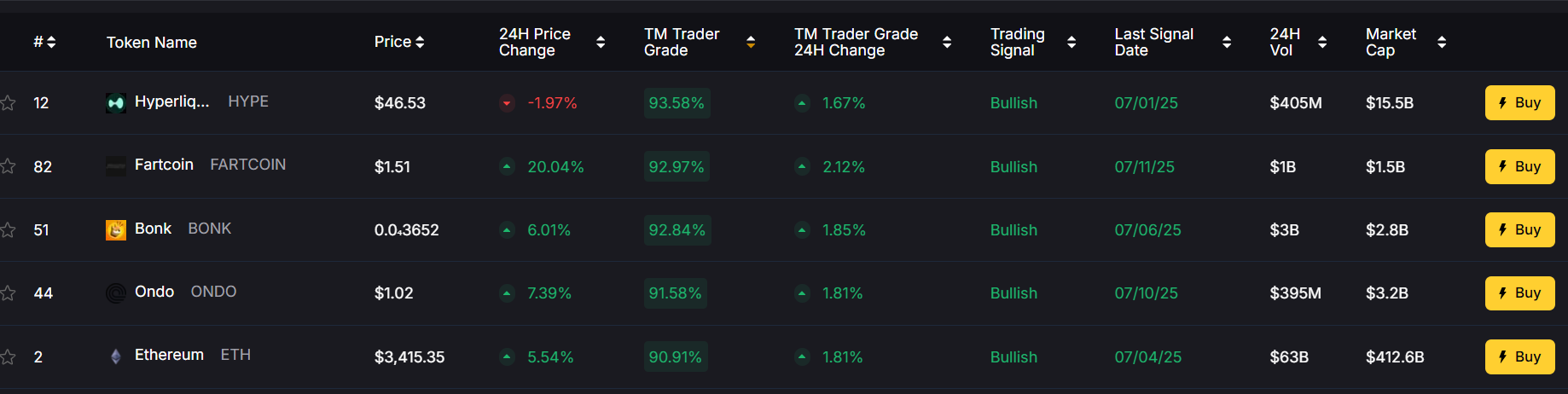
  • AI-Powered Trading: Utilizing platforms like Token Metrics that use artificial intelligence to automate and optimize trading decisions.
Understanding your preferred style helps you develop a consistent strategy and manage risk effectively.

Step 5: Learn Technical and Fundamental Analysis

Successful cryptocurrency trading hinges on your ability to analyze the market. Two primary methods are:

  • Technical Analysis (TA): This involves studying charts, indicators like RSI (Relative Strength Index), MACD (Moving Average Convergence Divergence), and Bollinger Bands to recognize patterns, support and resistance levels, and predict price movements based on historical data and volume.
  • Fundamental Analysis (FA): This focuses on evaluating the underlying value of a crypto asset by examining the project’s use case, team, tokenomics (such as supply and utility), and overall market sentiment influenced by news and developments.

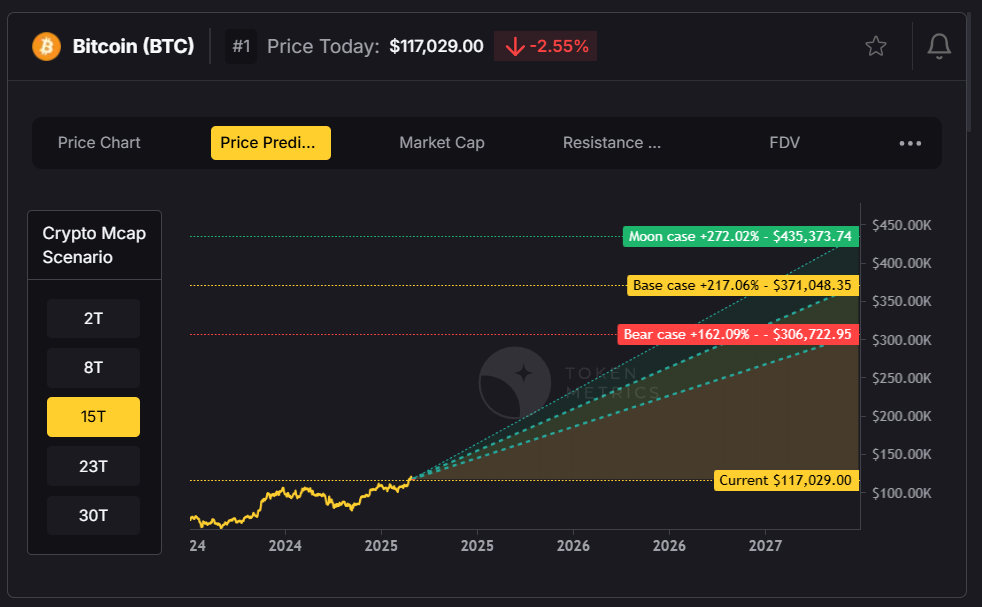
Platforms like Token Metrics simplify these analyses by providing AI-generated grades and insights that combine technicals, fundamentals, and sentiment, helping traders make informed decisions.
Step 6: Place Your First Trade

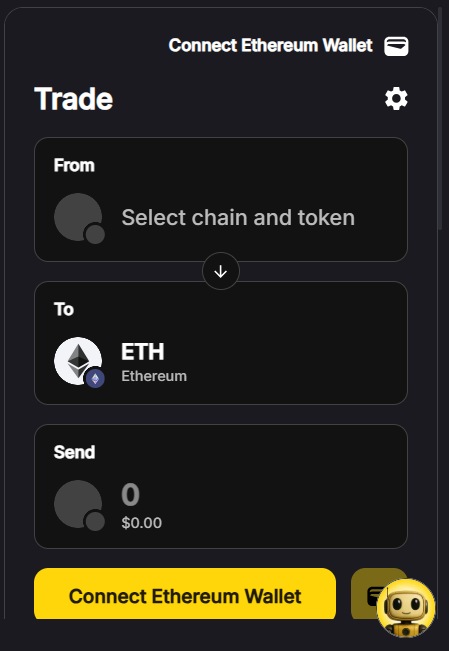
With your research complete and your crypto account funded, you’re ready to place your first trade. Start by selecting a trading pair, such as ETH/USDT, depending on the assets you want to buy or sell. Then, choose an order type:

  • Market Order: Executes instantly at the current market price.
  • Limit Order: Executes only when the price reaches a specified level.
  • Stop-Limit Order: Triggers a limit order once a certain price condition is met.

To manage risk, set a stop-loss order to automatically sell if the price drops to a certain point, and consider take-profit orders to lock in gains when the price reaches your target. It’s wise to start small, using only funds you can afford to lose while you learn the ropes.

Step 7: Track Performance and Learn from Mistakes

Trading is a continuous learning process. Keep a trading journal or use analytics tools to record your entry and exit points, profits and losses, and emotions or events that influenced your decisions. This practice helps you identify patterns in your behavior and refine your strategy over time. Tools like Token Metrics offer backtesting features, AI signal alerts, and portfolio performance tracking to support your growth as a trader.

Tools That Make Crypto Trading Easier in 2025

Token Metrics

Token Metrics stands out as a powerful crypto research and trading platform designed to assist both beginners and experienced traders. It uses AI to grade crypto assets, sends bullish or bearish alerts, and offers auto-managed portfolios known as Indices. Users gain access to real-time market insights and advanced features like the Moonshots tab and AI Agent (crypto chatbot), which help identify optimal entry points and predict price movements. A 7-day free trial allows you to explore these premium tools risk-free.

Wallets

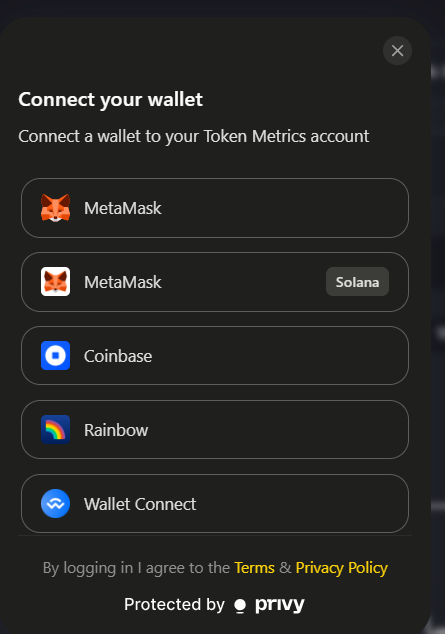
Securing your digital currency is crucial. Hot wallets like MetaMask and Trust Wallet provide easy access for regular trading, while cold wallets such as Ledger and Trezor offer maximum security by storing assets offline, protecting them from hacks and theft.

Tips for Success as a New Crypto Trader

  1. Start Small: Begin with modest investments and gradually increase as you gain confidence.
  2. Manage Risk: Never invest more than you can afford to lose, and always use stop-loss orders.
  3. Avoid Emotional Trading: Stick to your plan and avoid impulsive decisions driven by fear or greed.
  4. Stay Informed: Keep up with market trends, news, and macroeconomic factors that affect the cryptocurrency market.
  5. Leverage AI Tools: Utilize platforms like Token Metrics to reduce guesswork and enhance your trading strategies.
Common Mistakes to Avoid

New traders often fall into pitfalls such as:

  • Chasing Pumps: Buying after a cryptocurrency’s price has already surged, which can lead to losses.
  • Overtrading: Making excessive trades without a clear strategy, increasing fees and risk.
  • Neglecting Security: Failing to use 2FA or hardware wallets can expose your funds to theft.
  • FOMO and Panic Selling: Reacting emotionally to price swings instead of following a disciplined approach.

By relying on research-backed tools and maintaining discipline, you can navigate the crypto market more effectively.

Final Thoughts

Entering the world of crypto trading in 2025 is more accessible than ever but also highly competitive. Success requires more than enthusiasm; it demands strategy, the right tools, and disciplined execution. Whether you’re aiming to trade full-time or simply capitalize on market opportunities, platforms like Token Metrics provide AI-powered research, real-time alerts, and dynamic indices that simplify decision-making and enhance your ability to trade smarter.
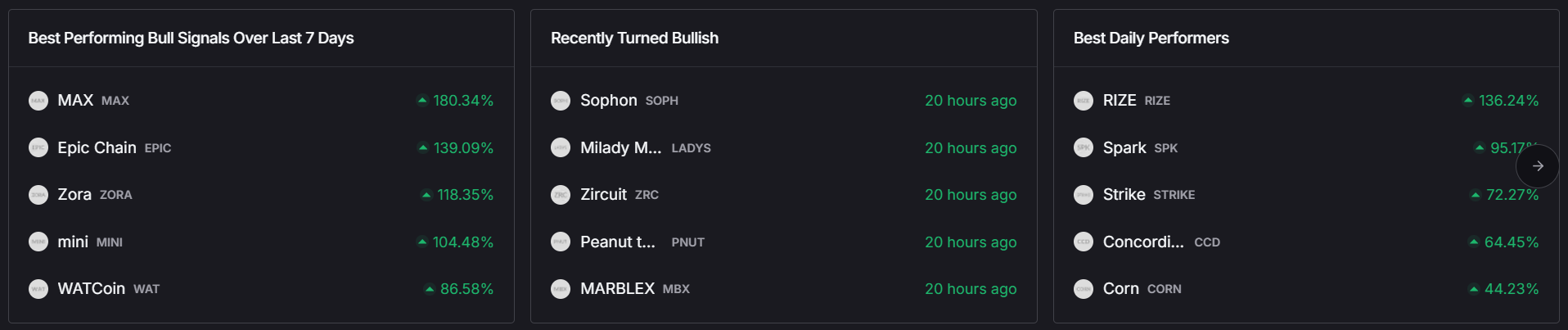
Are you ready to begin your crypto journey? Sign up for Token Metrics today and unlock the power of AI-driven cryptocurrency trading to maximize your potential profits in this exciting digital market.

Build Smarter Crypto Apps &
AI Agents in Minutes, Not Months
Real-time prices, trading signals, and on-chain insights all from one powerful API.
Grab a Free API Key
Token Metrics Team
Token Metrics Team

Recent Posts

Research

Create a Powerful Crypto Dashboard Using APIs: Step-by-Step Guide

Token Metrics Team
6
MIN

Imagine seeing real-time crypto prices, portfolio insights, and token analytics—all in one place, tailored to your needs. Crypto dashboards do exactly this: consolidating blockchain data in one interface, empowering users to track and analyze digital assets with accuracy and speed. But how do you go from scattered data sources to a unified dashboard? This guide will walk you through how APIs unlock this potential and show you the essential steps to building an effective crypto dashboard.

Why Use APIs for Crypto Dashboards?

APIs (Application Programming Interfaces) let you access real-time and historical blockchain data, trading signals, and market analytics from external services. By leveraging APIs, you avoid the intensive process of running your own blockchain nodes or manually collecting data from multiple sources. Instead, you use robust, well-documented endpoints from reputable providers to power your dashboard's features.

Key benefits of using APIs for your crypto dashboard include:

  • Real-Time Data: Access up-to-the-minute prices, order books, and market trends.
  • Simplified Development: APIs offer structured, reliable data formats, reducing code complexity.
  • Comprehensive Coverage: Pull data on thousands of tokens, wallets, exchanges, and on-chain activity.
  • AI & Analytical Tools: Some APIs (such as those from Token Metrics) enrich raw data with machine learning signals or advanced analytics.

Planning Your Dashboard Features

Before coding, outline the features you need. Crypto dashboards vary in scope—common modules include:

  • Portfolio Tracking: Monitor holdings, calculate portfolio value, and view historical performance.
  • Price Alerts & Watchlists: Stay informed on assets you care about most.
  • Market Data Visualization: Display candlestick charts, volume, order book depth, and on-chain statistics.
  • AI Insights: Incorporate predictive analytics, sentiment scores, or token rankings using APIs that provide more than raw price data.

Choose the API endpoints that map to these features—consider documentation quality, rate limits, and data freshness. Providers such as Token Metrics can provide multi-layered data like real-time prices, technical indicators, and AI-driven analytics in one place.

Choosing the Right Crypto API

The backbone of your dashboard is data reliability and coverage. Evaluate potential APIs based on:

  • Data Breadth: Coverage of coins, tokens, exchanges, and on-chain projects.
  • Data Depth: Depth of analytics—does the API offer only spot prices, or does it also include technical, fundamental, or on-chain signals?
  • Update Frequency: How often is data refreshed—are you getting real-time information?
  • Documentation & Support: Well-documented endpoints and responsive developer support are essential.
  • Security & API Limits: Authentication methods, rate limits, and safe data practices.

Many developers start with free tiers to prototype, then scale up as their dashboard features mature. Consider APIs that deliver extra analytical layers (like social sentiment or AI-generated ratings) if you want to build advanced features.

Step-by-Step: Building Your Crypto Dashboard with an API

  1. Select Your Stack: Decide on your frontend framework (React, Vue, etc.) and backend setup (Node.js, Python Flask, etc.), ensuring you can make HTTP requests and handle JSON responses easily.
  2. Register & Obtain API Keys: Sign up with an API provider—such as Token Metrics—and generate your API credentials securely.
  3. Fetch Data: Use HTTP requests (GET/POST) to call endpoints (e.g., latest price, historical charts, token analytics) and parse the response in your app.
  4. Process & Store Data: Structure data for efficient usage—cache or store key response elements for improved performance.
  5. Visualize Data: Integrate charts, tables, and alerts with popular libraries (like Chart.js, D3.js) to deliver insights in an intuitive UI.
  6. Add Advanced Analytics (Optional): Incorporate AI-driven analytics, on-chain patterns, or technical indicators if your API supports them.
  7. Test & Iterate: Debug API error handling, refine data refresh intervals, and optimize the UI for responsiveness and clarity.

Sample code for an API request (in JavaScript):

fetch('https://api.example.com/v1/price?symbol=BTC', {
  headers: { 'Authorization': 'Bearer YOUR_API_KEY' }
})
  .then(response => response.json())
  .then(data => {
    // Render price in your dashboard
    console.log(data);
  });

Real-World Use Cases and Advanced Tips

Professional analysts, traders, and hobbyists leverage crypto dashboards for:

  • Tracking high-frequency price movement for algorithmic strategies (without offering strategy recommendations)
  • Comparing on-chain transaction metrics across networks
  • Visualizing correlations between asset prices and social sentiment signals
  • Researching liquidity, volatility, or developer activity efficiently using data APIs

For advanced dashboards:

  • Aggregate Multiple APIs: Combine on-chain, market, and news data for a holistic overview.
  • Implement Authentication: Protect endpoints with OAuth or JWT, especially if storing user-specific data.
  • Monitor API Usage: Stay within rate limits to ensure uptime and reliability.
  • Leverage Websockets: For ultra-low latency updates, use websocket endpoints if available.
  • Maintain Regulatory Awareness: Use data for informational purposes without soliciting trades or giving investment guidance.

Build Smarter Crypto Apps & AI Agents with Token Metrics

Token Metrics provides real-time prices, trading signals, and on-chain insights all from one powerful API. Grab a Free API Key

FAQs

What is a crypto dashboard?

A crypto dashboard is a web or mobile interface that aggregates and visualizes various types of cryptocurrency data. Users can track market prices, portfolio holdings, historical charts, and even AI-driven analytics in one convenient display. Dashboards often rely on APIs to fetch up-to-date, actionable information from multiple crypto sources.

Do I need to code to build a crypto dashboard?

While some no-code dashboard tools exist, building a customized crypto dashboard typically requires basic programming knowledge—especially to integrate APIs, process response data, and create dynamic charts. Common languages include JavaScript, Python, or using frameworks like React for the frontend.

Are there free crypto APIs for dashboard projects?

Many major crypto API providers offer free tiers or trial access, enabling you to start building dashboards without upfront costs. However, free APIs may have limitations on the number of requests, update frequency, or available data. Consider premium plans as your requirements grow.

How do I secure my API keys in a dashboard app?

Never expose API keys directly in public frontend code. Use environment variables, server-side proxies, or authentication layers to help protect sensitive credentials. Regularly rotate your keys and monitor API usage for unauthorized access.

Can I add AI features to a crypto dashboard using APIs?

Yes, some APIs—including those from Token Metrics—provide AI-driven analytics, such as predictive indicators or algorithmic token ratings. Integrating these endpoints enables advanced research and deeper visualization capabilities for end users.

Disclaimer

This content is for informational and educational purposes only and does not constitute investment advice or an offer to buy, sell, or recommend any cryptocurrency or service. Always conduct your own research and consult with professional advisors regarding technical integrations and regulatory obligations.

Research

API Key Security: Essential Steps to Prevent Theft and Exposure

Token Metrics Team
6
MIN

APIs are the backbone of many modern applications, especially within the crypto and AI sectors. But with convenience comes risk—leaked or stolen API keys can compromise your app, data, and even your users. Ensuring your API keys are properly protected is vital for any developer or organization integrating with financial, trading, or AI services.

Why API Keys Are Valuable Targets

API keys act as digital passports, granting access to services, data, and sensitive operations. In crypto and AI environments, these keys may unlock valuable features such as live price feeds, trading execution, or proprietary AI models. Attackers seek out API keys because they offer a direct route into your systems—potentially allowing unauthorized trades, data exfiltration, or abuse of paid services.

According to security research, exposed API keys are among the most common root causes of data breaches in software development. In high-value areas like cryptocurrency or financial data, a compromised API key can mean immediate and irreversible losses. This makes robust API key management and security a non-negotiable part of your development lifecycle.

Common Risks and Attack Vectors

Understanding how API keys are stolen is the first step towards preventing it. Attackers employ several strategies to discover and exploit keys:

  • Source Code Leaks: Developers may accidentally commit API keys to public repositories, such as GitHub or Bitbucket.
  • Frontend Exposure: Embedding keys in client-side code (like JavaScript) can expose them to anyone inspecting the source.
  • Network Interception: Transmitting keys over unencrypted (HTTP instead of HTTPS) channels allows attackers to intercept them via man-in-the-middle attacks.
  • Poor Access Control: Unrestricted API keys (lacking IP whitelisting or permission scopes) are vulnerable even if leaked only once.
  • Third-party Integrations: Insecure plugins or libraries may mishandle or leak keys unintentionally.

Each risk vector underscores the importance of treating your API keys as sensitive credentials, on par with passwords or private cryptographic keys.

Best Practices to Secure Your API Keys

Effective API key protection requires a combination of technology, process, and vigilance. Here are key best practices to help you minimize your security risks:

  1. Store Keys Securely: Never hardcode API keys into your application code. Use environment variables and secure vaults (like AWS Secrets Manager, HashiCorp Vault, or Azure Key Vault) to store and manage credentials.
  2. Restrict Key Permissions: Always use the principle of least privilege—create keys with only the permissions absolutely necessary for the intended function.
  3. IP Whitelisting: Where APIs allow, restrict key usage to specific server or client IP addresses to prevent unauthorized access.
  4. Rotate Keys Regularly: Implement a policy for frequent key rotation and revoke old keys when no longer needed.
  5. Monitor Usage: Set up logging and alerting for abnormal API activity (unexpected requests, spikes in traffic, etc.). This enables early detection of suspicious behavior.
  6. Use HTTPS Always: Never transmit API keys over unencrypted channels. HTTPS encrypts traffic, preventing interception by attackers.
  7. Never Expose in Client-side Code: For browser or mobile apps, design your architecture to never expose API keys in the frontend. Use backend servers to proxy requests where possible.

Adopting these strategies not only secures your API integration but also strengthens your application's overall security posture.

Advanced Protections and Tools for Developers

For applications in high-risk or regulated environments, advanced techniques can further minimize the risk of API key exposure:

  • Automated Secret Scanning: Use tools like GitGuardian, TruffleHog, or native git pre-commit hooks to detect accidental key leaks in codebases.
  • Zero Trust Architectures: Implement strong authentication and authorization layers beyond API keys, such as OAuth, JWTs, or mutual TLS for sensitive endpoints.
  • Environment Segregation: Use different API keys for development, testing, and production environments. This reduces risk if test keys leak while still protecting valuable production resources.
  • Role-Based Access Control (RBAC): Apply fine-grained controls so each API key aligns with its intended application's role and user authority.

Many leading API providers, including those in crypto and AI, offer these advanced controls within their developer portals. Reviewing your provider's best practices and security documentation is always recommended.

API Key Security in the Crypto Landscape

The risks associated with API keys in crypto applications are especially pronounced. Malicious actors often scan public repositories for leaked API keys associated with major exchanges, DeFi protocols, or analytics providers. Many high-profile hacks have originated from a single compromised API credential.

Therefore, when working with crypto APIs—such as market data, portfolio management, or trading execution—robust key hygiene is a must. Always treat your API credentials as confidential and regularly review your integrations for possible leaks or misconfigurations. Be extra cautious when using third-party frameworks or libraries, and validate the security of vendor SDKs before integrating.

Build Smarter Crypto Apps & AI Agents with Token Metrics

Token Metrics provides real-time prices, trading signals, and on-chain insights all from one powerful API. Grab a Free API Key

FAQ: Key Questions on API Key Protection

What is the difference between an API key and a password?

An API key is a unique identifier that grants access to a specific application or service feature. Unlike passwords—which are usually tied to user login—API keys often control programmatic or automated access and must be secured with equal vigilance.

Is it safe to store API keys in environment variables?

Storing API keys in environment variables is much safer than hardcoding them into codebases. However, ensure these environment variables are protected by server-level access controls and not inadvertently exposed during deployments or logging.

How do I know if my API key has been compromised?

Monitor your API provider dashboard for unexpected activity, such as unauthorized transactions or unusual spikes in requests. Some providers support alerts or allow you to instantly revoke or rotate keys if you suspect exposure.

Can I use the same API key across multiple applications?

This practice is discouraged. Different applications should use unique API keys, each with their own permission scope and tracking. If one application is compromised, it won’t affect the security of your other integrations.

How often should I rotate my API keys?

Key rotation frequency depends on your application's risk profile and provider requirements. As a rule of thumb, rotate production keys quarterly or after any suspected exposure, and always decommission unused credentials promptly.

Disclaimer

This blog post is for informational purposes only and is not investment advice or an endorsement of any product or platform. Always adhere to your organization’s security policies and consult official documentation for technical implementations.

Research

API Keys vs OAuth Tokens: Understanding Crypto API Authentication

Token Metrics Team
5
MIN

In the fast-moving world of crypto and AI-driven apps, secure data access is fundamental. Whether you’re coding a trading bot, building a market viewer, or integrating real-time blockchain analytics, you’ve likely encountered terms like “API key” and “OAuth token.” But what do they mean, and why does the distinction matter for crypto development?

What Are APIs and Why Are They Essential in Crypto?

APIs—Application Programming Interfaces—are the foundational links that allow different systems to communicate. In the context of blockchain and crypto, APIs power everything from price trackers and on-chain analytics to decentralized applications (dApps) and automated trading bots.

  • APIs enable access to market data, historical price feeds, and blockchain transactions.
  • Developers use APIs to connect their applications with exchanges, wallets, or AI analytics services.
  • APIs can be public (open data sets) or private (requiring authentication).

As crypto applications become more sophisticated and user privacy matters more, how you grant and manage access to these APIs becomes crucial. This is where authentication types—primarily API keys and OAuth tokens—come into play.

How Do API Keys Work? Simplicity and Limitations

API keys are unique identifiers, typically long strings of random characters, issued to developers by a service provider. Here’s what you need to know about API keys:

  • Usage: You include your API key in requests to the server, which checks if the key is valid and grants access.
  • Granularity: API keys often grant broad access to all of a user’s permitted endpoints, though some providers offer more granular permissions.
  • Security: While easy to implement, API keys are susceptible to leaks if embedded in code repositories or transmitted insecurely. They are usually long-lived unless manually revoked or rotated.
  • Control: Limited compared to modern methods—API keys can’t enforce strong user-by-user control or granular data-scoping as easily.

In crypto, API keys are commonly used for accessing market data feeds, price indexes, trading signals, and even submitting trades on some exchanges or data aggregators.

OAuth Tokens Explained: Scalable and Delegated Access

OAuth (Open Authorization) is a more advanced and flexible framework for secure delegated access. Instead of using static secrets, OAuth introduces a dynamic and user-consent-based way to grant apps access to account data, often via access tokens.

  • Usage: Users are redirected to an authorization page to approve specific app permissions. Once approved, the app receives an OAuth access token to use in requests.
  • Security: OAuth tokens are usually short-lived and can be easily revoked, making them less risky if leaked.
  • Delegation: Tokens can be scoped for specific permissions (like “read profile” or “view balances”) and to particular resources.
  • User Experience: OAuth allows users to manage app permissions easily without sharing passwords, supporting privacy and compliance.

Many major exchanges, wallets, and analytics providers in crypto are adopting OAuth to meet stricter security standards, especially when apps act on behalf of users or need direct account access.

Key Differences Between API Keys and OAuth Tokens in Crypto APIs

  1. Authentication vs Authorization: API keys validate the app, OAuth covers both identity and specific data permissions.
  2. Security & Revocability: OAuth tokens are more secure, short-lived, and easily revoked; API keys tend to persist longer and are at risk if leaked.
  3. Granularity: OAuth provides fine-grained access control; API keys are typically all-or-nothing unless the provider adds special configuration options.
  4. User Involvement: API keys require developer handling only; OAuth involves end users explicitly granting permissions to apps.
  5. Use Case Fit: API keys work well for server-to-server or public data; OAuth is preferable for user-linked actions and sensitive data.

This difference impacts app architecture, user privacy, security compliance, and your ability to scale access securely—especially important in crowded crypto app ecosystems.

Choosing the Right Authentication for Your Crypto Project

Selecting API keys or OAuth depends on your use case:

  • If your app only fetches public or your own account’s data (e.g., price feeds, market summaries), API keys offer simple integration.
  • If your app needs to access individual users’ data, allow user account linking, or handle sensitive transactions, OAuth brings superior security and privacy controls.

As regulatory scrutiny grows and user expectations for privacy rise, OAuth is becoming standard for apps handling personal data or sensitive permissions. Still, API keys remain a valid option for public information and backend server communication.

Build Smarter Crypto Apps & AI Agents with Token Metrics

Token Metrics provides real-time prices, trading signals, and on-chain insights all from one powerful API. Grab a Free API Key

FAQ: Common Questions About API Keys and OAuth Tokens

Are API keys safe for production crypto apps?

API keys can be safe if handled correctly—kept secret, rotated frequently, never exposed in code, and used only over HTTPS. However, for sensitive actions, consider using OAuth or other advanced authentication.

Should I always use OAuth instead of API keys?

No. OAuth is ideal when you need user-level permissions or deal with personal data. For server-to-server communication or public endpoints, API keys are often sufficient and simpler to implement.

Can an API use both API keys and OAuth tokens?

Yes, many crypto API providers support multiple authentication methods—API keys for simple or backend tasks, OAuth for user-driven features. Choose per your app’s needs.

What are the risks of exposing API keys in crypto?

Exposing API keys in public repos, front-end code, or unsecured environments can let attackers steal data, perform unauthorized actions, or rack up service charges. Rotate keys at signs of compromise.

Does Token Metrics offer API keys or OAuth tokens?

Token Metrics provides robust API key-based access to its crypto data, trading signals, and analytics—perfect for developers seeking immediate integration and reliable security.

Disclaimer

This article is for educational purposes only and does not provide investment advice, financial recommendations, or legal guidance. Crypto and API integrations involve technical and security risks—always do your own research and consult accredited professionals as appropriate.

Choose from Platinum, Gold, and Silver packages
Reach with 25–30% open rates and 0.5–1% CTR
Craft your own custom ad—from banners to tailored copy
Perfect for Crypto Exchanges, SaaS Tools, DeFi, and AI Products