Crypto Basics

How to Get Into Crypto Trading in 2025: A Step-by-Step Beginner’s Guide

Discover essential tips for successful crypto trading and enhance your investment strategy. Dive into the article for expert insights and practical advice.
Token Metrics Team
8 min
MIN

Cryptocurrency trading has surged in popularity, presenting a fast-paced and potentially rewarding avenue for growing your wealth. If you’re wondering how to get into crypto trading, you’re not alone. With thousands of digital assets available, dozens of cryptocurrency exchanges to choose from, and a market that operates 24/7, diving into the crypto market can feel overwhelming at first. This beginner-friendly guide will walk you through the essential steps to confidently start your crypto trading journey in 2025.

What Is Crypto Trading?

Crypto trading refers to the process of buying and selling digital currencies such as Bitcoin (BTC), Ethereum (ETH), and thousands of other crypto assets with the aim of profiting from their price movements. Unlike traditional markets, the cryptocurrency market never sleeps—trading happens around the clock, every day of the week. This continuous operation offers traders greater flexibility and more frequent opportunities to capitalize on market trends.

Moreover, crypto trading leverages blockchain technology, which underpins digital currencies and ensures secure, transparent transactions. Unlike traditional currencies issued by central banks, digital currencies operate on decentralized blockchain networks, making them unique assets that can experience rapid value changes. This volatility can present both lucrative opportunities and significant risks, making it essential for traders to develop a good understanding of the market dynamics before getting started.

Step-by-Step Guide to Get Into Crypto Trading

Step 1: Learn the Basics of Cryptocurrency

Before you start trading, it’s crucial to grasp the fundamentals of what you’re dealing with. Cryptocurrency is a form of digital currency secured by cryptography and often powered by blockchain technology. These digital assets come in various types:

  • Coins like Bitcoin and Ethereum, which operate on their own blockchains.
  • Tokens, which can represent assets or utilities within decentralized finance (DeFi) projects or non-fungible tokens (NFTs).
  • Stablecoins such as USDC or USDT, designed to maintain a stable value by pegging to fiat currencies like the US dollar.

The crypto market is known for its high volatility, meaning prices can swing dramatically in short periods. This volatility creates opportunities for profits but also increases risk. To build a solid foundation, explore educational resources such as Token Metrics’ blog, YouTube tutorials, and crypto-focused communities on Reddit and Twitter (now X). These platforms can help you understand key concepts and stay updated on market conditions.

Step 2: Choose the Right Exchange

A crypto exchange is your gateway to the market, enabling you to buy, sell, and trade digital assets. Selecting the right crypto platform is essential for a smooth trading experience. In 2025, some of the top cryptocurrency exchanges include:

  • Binance, known for its low fees and extensive selection of crypto assets.
  • Coinbase, which offers a beginner-friendly interface ideal for new traders.
  • Kraken, favored for its advanced trading tools and robust security.
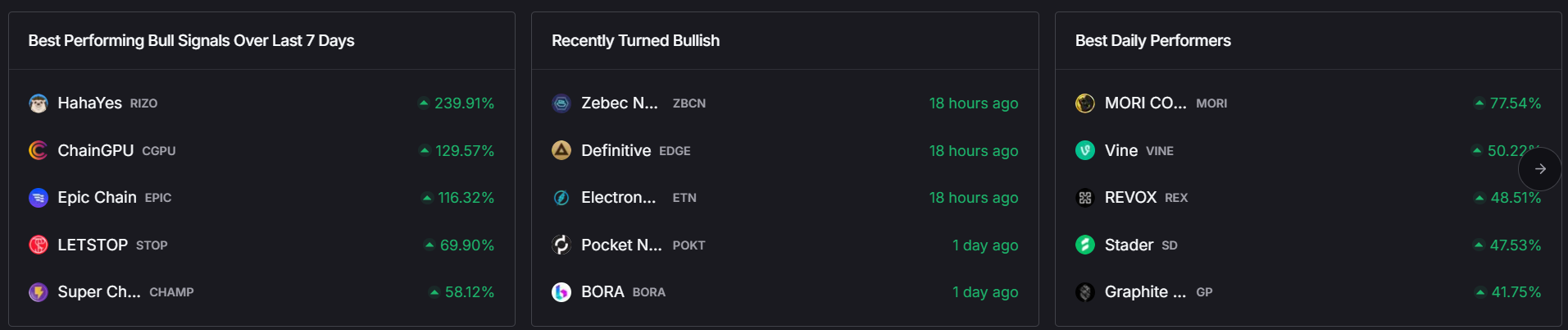
  • Token Metrics, which combines research, AI-powered trading signals, and AI crypto trading.

When choosing an exchange, consider factors like high liquidity (ensuring you can buy and sell assets easily), strong security measures, regulatory compliance, and a wide range of trading pairs. These elements help ensure your trades execute efficiently and your funds remain safe.

Step 3: Create and Secure Your Account

Once you’ve selected an exchange, the next step is to create your crypto account. This typically involves:

  1. Signing up with your email and creating a secure password.
  2. Completing KYC (Know Your Customer) verification to comply with regulatory standards.
  3. Enabling 2-Factor Authentication (2FA) to add an extra layer of security.

After setting up, you can fund your account using fiat currency such as US dollars or euros through bank transfers, debit cards, or other payment methods supported by the platform. Having a secure and verified account is vital to protect your assets and ensure smooth transactions.

Step 4: Choose a Trading Style
Your trading style should align with your financial goals, available time, and risk tolerance. Common approaches include:

  • Day Trading: Making multiple trades within a single day to capitalize on short-term price fluctuations.
  • Swing Trading: Holding positions for several days or weeks to benefit from medium-term trends.
  • Scalping: Executing rapid trades to profit from small price movements.
  • HODLing: Long-term holding based on confidence in a project’s future.
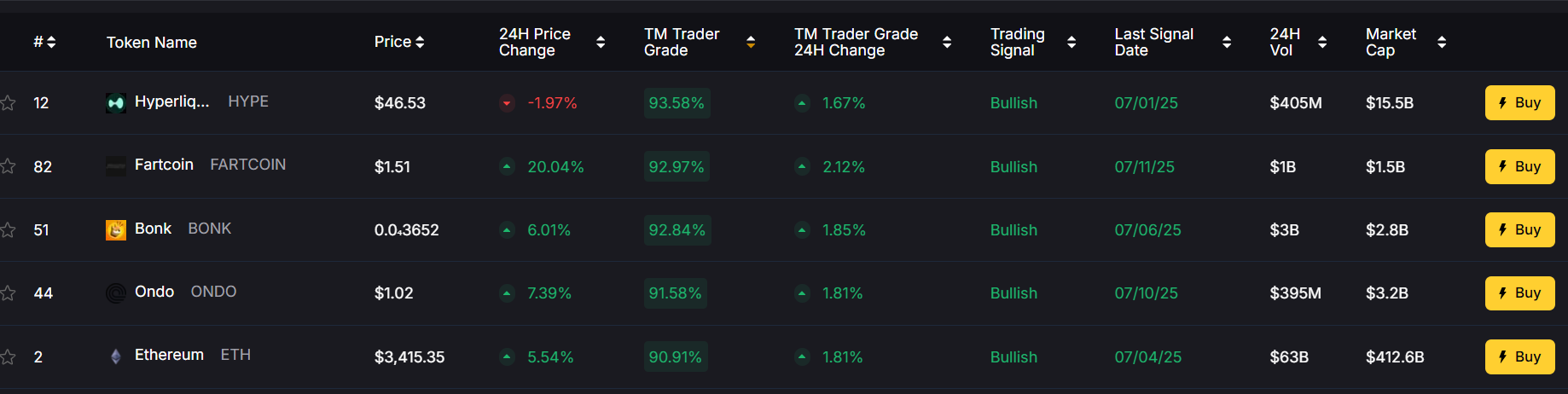
  • AI-Powered Trading: Utilizing platforms like Token Metrics that use artificial intelligence to automate and optimize trading decisions.
Understanding your preferred style helps you develop a consistent strategy and manage risk effectively.

Step 5: Learn Technical and Fundamental Analysis

Successful cryptocurrency trading hinges on your ability to analyze the market. Two primary methods are:

  • Technical Analysis (TA): This involves studying charts, indicators like RSI (Relative Strength Index), MACD (Moving Average Convergence Divergence), and Bollinger Bands to recognize patterns, support and resistance levels, and predict price movements based on historical data and volume.
  • Fundamental Analysis (FA): This focuses on evaluating the underlying value of a crypto asset by examining the project’s use case, team, tokenomics (such as supply and utility), and overall market sentiment influenced by news and developments.

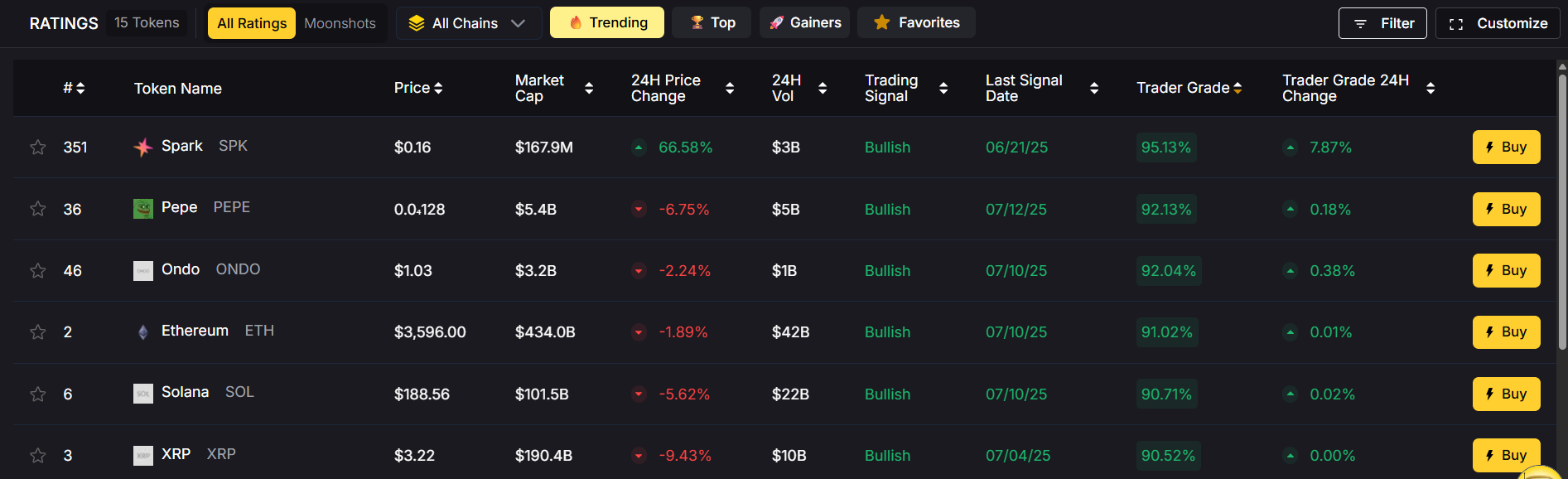
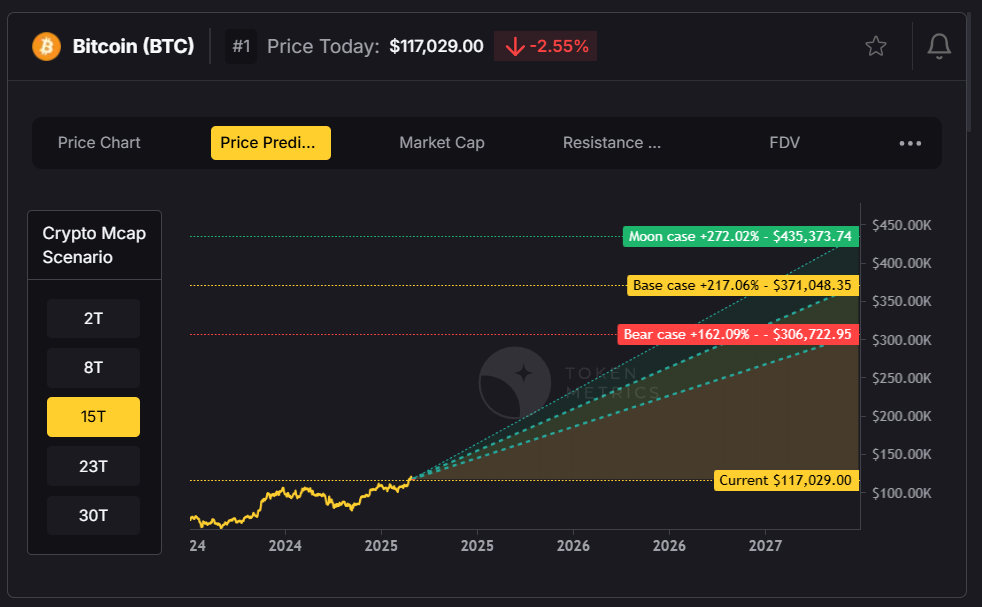
Platforms like Token Metrics simplify these analyses by providing AI-generated grades and insights that combine technicals, fundamentals, and sentiment, helping traders make informed decisions.
Step 6: Place Your First Trade

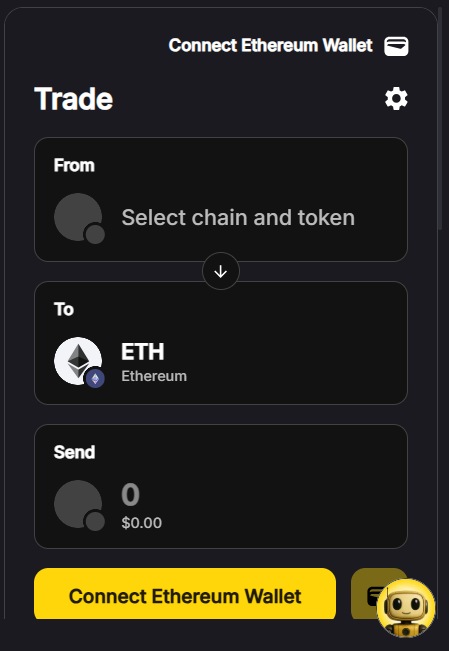
With your research complete and your crypto account funded, you’re ready to place your first trade. Start by selecting a trading pair, such as ETH/USDT, depending on the assets you want to buy or sell. Then, choose an order type:

  • Market Order: Executes instantly at the current market price.
  • Limit Order: Executes only when the price reaches a specified level.
  • Stop-Limit Order: Triggers a limit order once a certain price condition is met.

To manage risk, set a stop-loss order to automatically sell if the price drops to a certain point, and consider take-profit orders to lock in gains when the price reaches your target. It’s wise to start small, using only funds you can afford to lose while you learn the ropes.

Step 7: Track Performance and Learn from Mistakes

Trading is a continuous learning process. Keep a trading journal or use analytics tools to record your entry and exit points, profits and losses, and emotions or events that influenced your decisions. This practice helps you identify patterns in your behavior and refine your strategy over time. Tools like Token Metrics offer backtesting features, AI signal alerts, and portfolio performance tracking to support your growth as a trader.

Tools That Make Crypto Trading Easier in 2025

Token Metrics

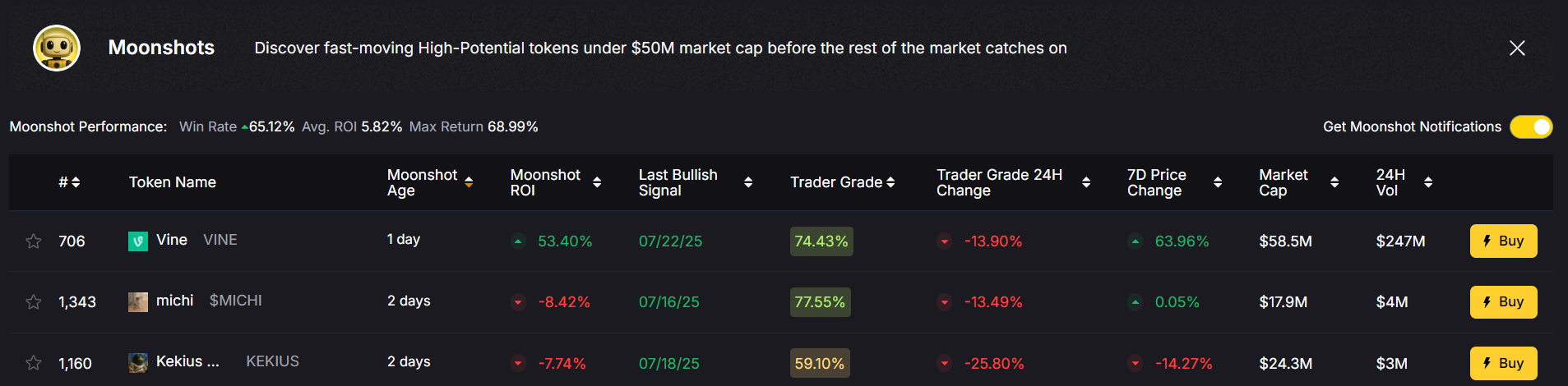
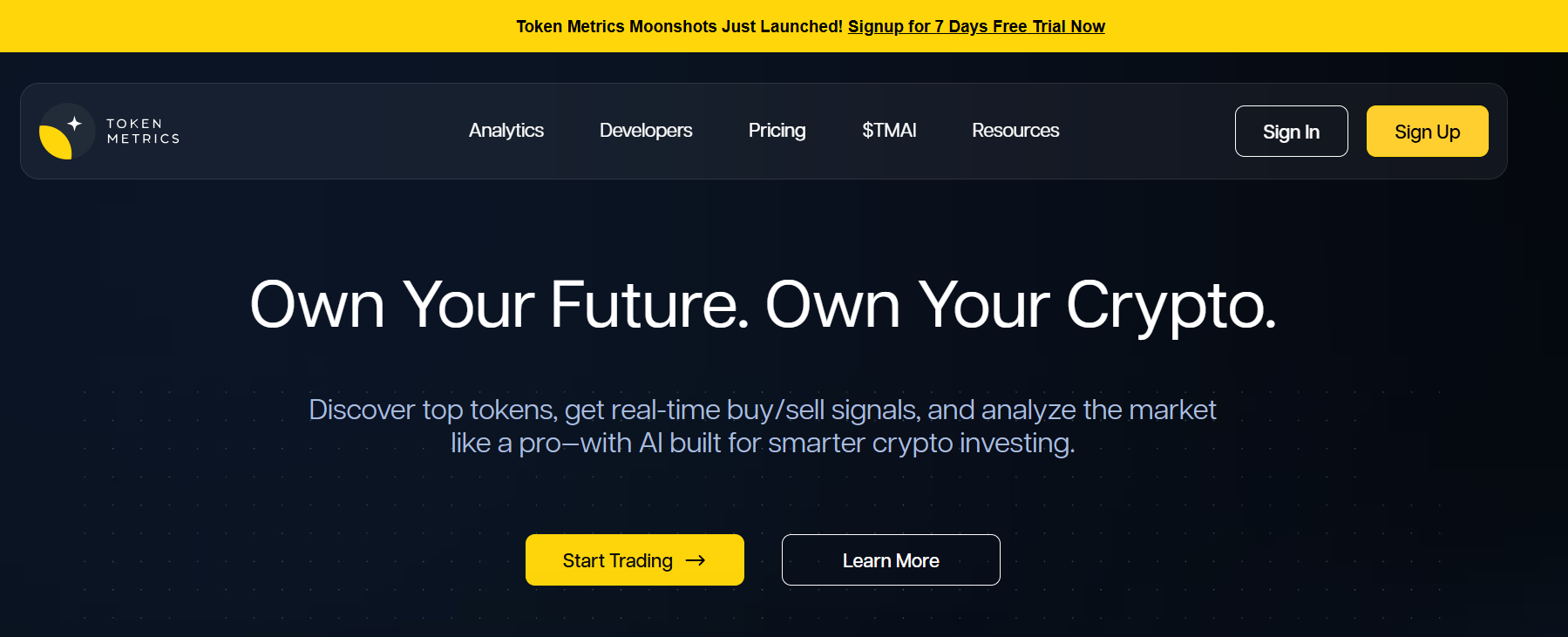
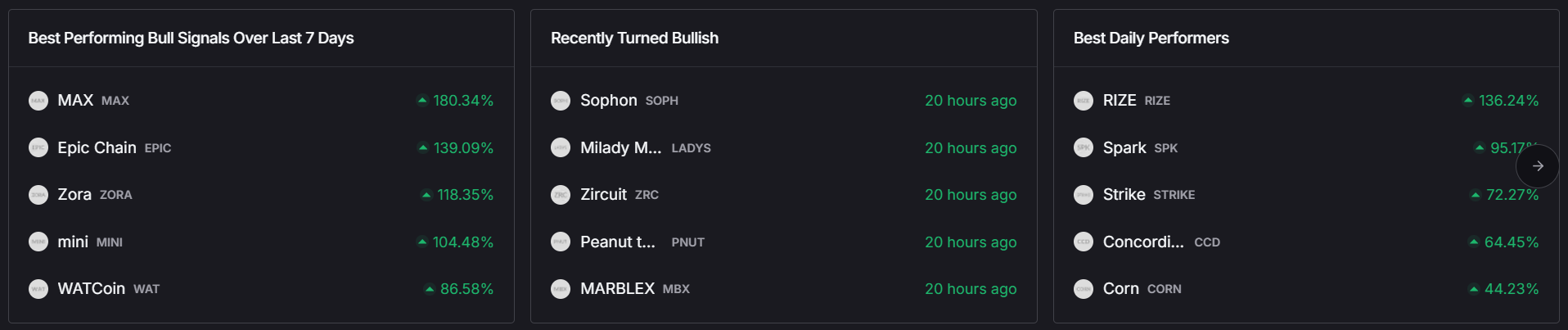
Token Metrics stands out as a powerful crypto research and trading platform designed to assist both beginners and experienced traders. It uses AI to grade crypto assets, sends bullish or bearish alerts, and offers auto-managed portfolios known as Indices. Users gain access to real-time market insights and advanced features like the Moonshots tab and AI Agent (crypto chatbot), which help identify optimal entry points and predict price movements. A 7-day free trial allows you to explore these premium tools risk-free.
Wallets

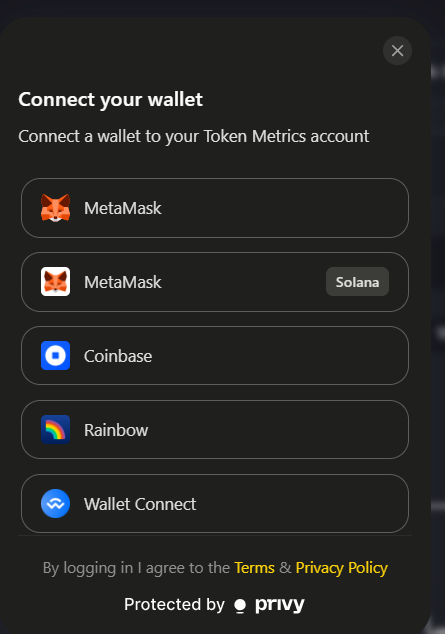
Securing your digital currency is crucial. Hot wallets like MetaMask and Trust Wallet provide easy access for regular trading, while cold wallets such as Ledger and Trezor offer maximum security by storing assets offline, protecting them from hacks and theft.

Tips for Success as a New Crypto Trader

  1. Start Small: Begin with modest investments and gradually increase as you gain confidence.
  2. Manage Risk: Never invest more than you can afford to lose, and always use stop-loss orders.
  3. Avoid Emotional Trading: Stick to your plan and avoid impulsive decisions driven by fear or greed.
  4. Stay Informed: Keep up with market trends, news, and macroeconomic factors that affect the cryptocurrency market.
  5. Leverage AI Tools: Utilize platforms like Token Metrics to reduce guesswork and enhance your trading strategies.
Common Mistakes to Avoid

New traders often fall into pitfalls such as:

  • Chasing Pumps: Buying after a cryptocurrency’s price has already surged, which can lead to losses.
  • Overtrading: Making excessive trades without a clear strategy, increasing fees and risk.
  • Neglecting Security: Failing to use 2FA or hardware wallets can expose your funds to theft.
  • FOMO and Panic Selling: Reacting emotionally to price swings instead of following a disciplined approach.

By relying on research-backed tools and maintaining discipline, you can navigate the crypto market more effectively.

Final Thoughts

Entering the world of crypto trading in 2025 is more accessible than ever but also highly competitive. Success requires more than enthusiasm; it demands strategy, the right tools, and disciplined execution. Whether you’re aiming to trade full-time or simply capitalize on market opportunities, platforms like Token Metrics provide AI-powered research, real-time alerts, and dynamic indices that simplify decision-making and enhance your ability to trade smarter.
Are you ready to begin your crypto journey? Sign up for Token Metrics today and unlock the power of AI-driven cryptocurrency trading to maximize your potential profits in this exciting digital market.

Build Smarter Crypto Apps &
AI Agents in Minutes, Not Months
Real-time prices, trading signals, and on-chain insights all from one powerful API.
Grab a Free API Key
Token Metrics Team
Token Metrics Team

Recent Posts

Research

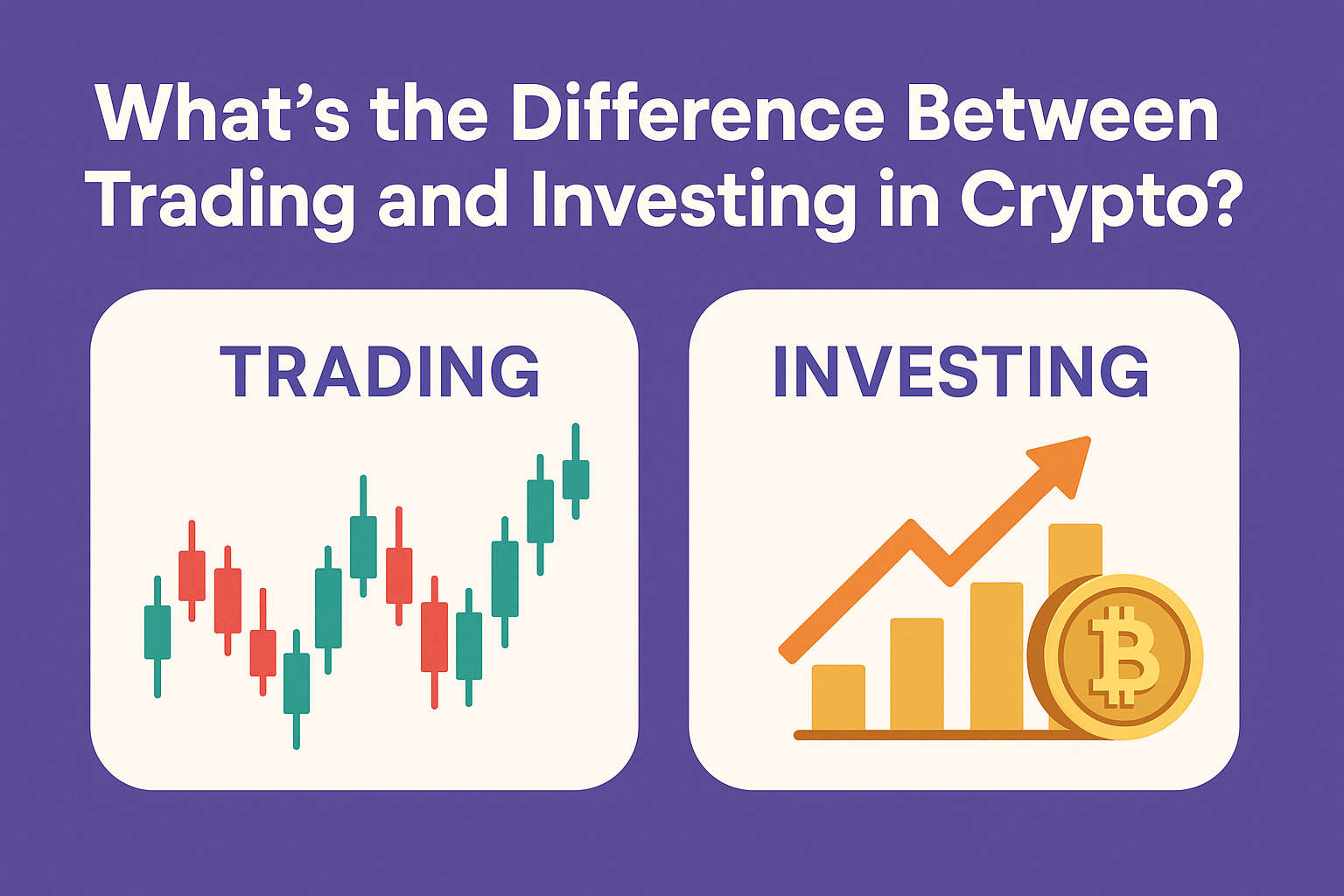
What’s the Difference Between Trading and Investing in Crypto?

Token Metrics Team
8 min
MIN

Introduction: Why This Question Matters

In 2025, crypto has matured into a multi‑trillion‑dollar market, attracting everyone from day traders to long‑term institutional investors. But not all approaches to crypto are the same.

If you’re new to digital assets, you might wonder: “What’s the difference between trading and investing in crypto?” Understanding the distinction will help you choose the strategy that matches your goals, risk tolerance, and time commitment.

This guide breaks down trading vs. investing in crypto — explaining their key differences, benefits, risks, and how Token Metrics empowers you to succeed at either.

What Is Crypto Trading?

Crypto trading is the short‑term buying and selling of cryptocurrencies to profit from price fluctuations.

Timeframe:

  • Minutes to weeks. Traders enter and exit positions quickly.

Objective:

  • Profit from volatility. Traders capitalize on price swings rather than holding assets for the long term.

Approach:

  • Use technical analysis (TA), price charts, and AI signals to make quick decisions.

Common Trading Styles:

  1. Day Trading: Multiple trades in a single day, holding no overnight positions.
  2. Swing Trading: Holding assets for days or weeks to capture short‑term trends.
  3. Scalping: Executing many small trades for tiny gains.
  4. Futures & Margin Trading: Using leverage for higher potential returns (and risk).

Pro Tip:
Traders rely heavily on real‑time data and AI‑driven insights to react fast. Tools like Token Metrics provide trading signals, narrative detection, and technical ratings for hundreds of tokens.

What Is Crypto Investing?

Crypto investing is the long‑term holding of digital assets based on their growth potential.

Timeframe:

  • Months to years. Investors aim to benefit from long‑term appreciation.

Objective:

  • Accumulate wealth over time. Investors believe in the future of blockchain technology and hold through volatility.

Approach:

  • Focus on fundamental analysis (FA) — evaluating project teams, technology, tokenomics, and adoption potential.

Common Investing Strategies:

  1. HODLing: Holding strong assets like Bitcoin and Ethereum long‑term.
  2. Staking: Locking tokens (e.g., ETH, ADA) for passive income.
  3. Dollar‑Cost Averaging (DCA): Investing fixed amounts regularly regardless of price.
  4. Narrative‑Driven Investing: Allocating capital to emerging sectors (AI tokens, real‑world assets).

Pro Tip:
Investors benefit from portfolio optimization tools like Token Metrics, which helps identify high‑potential projects and maintain balanced allocations.

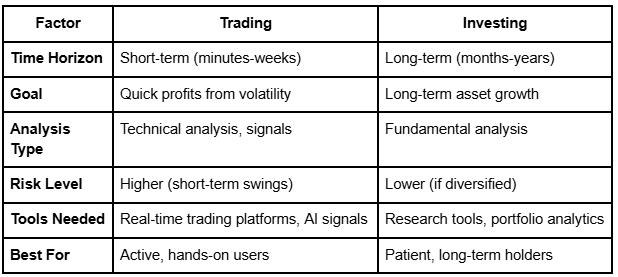
Trading vs. Investing: Key Differences

‍

Which One Is Right for You?

Choose Trading If:

  • You enjoy fast‑paced decision‑making.
  • You can dedicate time to monitoring markets daily.
  • You’re comfortable with higher short‑term risk.

Choose Investing If:

  • You believe in crypto’s long‑term potential.
  • You prefer less active management.
  • You want to earn passive income (staking, yield farming).

Or Do Both:
Many crypto enthusiasts combine the two — holding long‑term assets like Bitcoin and Ethereum while trading smaller portions for short‑term gains.

How Token Metrics Supports Both Traders and Investors

Whether you’re trading or investing, Token Metrics is an essential AI‑powered platform for making smarter decisions.

For Traders:

  • AI‑Driven Trading Signals: Detect bullish or bearish momentum.
  • Technical Ratings: Evaluate coins based on chart patterns and historical performance.
  • Real‑Time Alerts: Get notified when tokens hit target levels.

For Investors:

  • Fundamental Analysis: Access in‑depth ratings for over 6,000 projects.
  • Narrative Detection: Identify emerging sectors like AI tokens or DeFi 2.0 early.
  • Portfolio Optimization: Build and maintain a risk‑adjusted portfolio for the long term.

In short: Token Metrics helps traders react faster and investors plan smarter.

Benefits of Trading

  • Quick Profits: Capitalize on volatility.
  • Flexible: Enter and exit markets at any time.
  • Exciting: Appeals to those who enjoy active engagement.

Drawbacks:

  • Requires constant monitoring.
  • Higher emotional stress.
  • Greater risk of losses.

Benefits of Investing

  • Wealth Accumulation: Capture long‑term growth.
  • Less Time‑Intensive: No need for constant market tracking.
  • Passive Income: Earn from staking and yield farming.

Drawbacks:

  • Exposed to long‑term downturns.
  • Slower returns compared to active trading.

Practical Example: Combining Both

Imagine you allocate:

  • 70% to long‑term investments (BTC, ETH, Token Metrics AI (TMAI), and Layer 2 solutions).
  • 30% to short‑term trading (narrative‑driven altcoins).

How Token Metrics Helps:

  • Long‑Term: Use AI ratings and portfolio optimization for your HODL assets.
  • Short‑Term: Get trading alerts and technical signals for timely entry and exits.

‍

Conclusion

The difference between trading and investing in crypto comes down to timeframes, goals, and risk tolerance.

  • Trading is for those who want to actively profit from volatility.
  • Investing is for those who aim for long‑term wealth accumulation.

No matter which approach you choose, Token Metrics — the leading AI crypto analysis, research, and trading platform — gives you the tools to succeed.

By combining AI‑powered insights, narrative detection, and portfolio optimization, Token Metrics helps both traders and investors make smarter, data‑driven decisions in 2025.

Crypto Basics

Which Cryptocurrency Exchange Should I Use? A 2025 Guide for Smart Trading

Token Metrics Team
6 min
MIN

Introduction: Why Choosing the Right Exchange Matters

In 2025, cryptocurrency trading is more accessible than ever, with hundreds of exchanges competing for your attention. But choosing the right exchange can make the difference between a smooth, profitable trading experience and one full of unnecessary risks, high fees, or limited features.

If you’re asking “Which cryptocurrency exchange should I use?”, this guide will help you compare the top platforms and explain how Token Metrics — the leading AI‑powered crypto analysis, research, and trading platform — can help you trade smarter no matter which exchange you choose.

Types of Cryptocurrency Exchanges

Before selecting an exchange, it’s important to understand your options:

1. Centralized Exchanges (CEXs):

  • Examples: Coinbase, Binance, Kraken, KuCoin
  • Pros: Easy to use, high liquidity, fiat on‑ramps.
  • Cons: Custodial (they hold your crypto), may require KYC (identity verification).

2. Decentralized Exchanges (DEXs):

  • Examples: Uniswap, SushiSwap, PancakeSwap
  • Pros: No intermediaries, you control your funds.
  • Cons: Requires a crypto wallet, higher learning curve, sometimes lower liquidity.

3. Hybrid Exchanges:

  • Combine the ease of CEXs with decentralization features (e.g., dYdX for derivatives).

Pro Tip: Beginners usually start with a trusted CEX, then gradually explore DEXs for more control and advanced opportunities.

Top Cryptocurrency Exchanges in 2025

Here are some of the leading exchanges to consider:

1. Coinbase — Best for Beginners

  • Why Use It: User‑friendly interface, strong security, regulated in multiple jurisdictions.
  • Best For: Buying crypto with fiat, basic spot trading.
  • Downside: Higher fees compared to other platforms.

2. Binance — Best for Global Traders

  • Why Use It: Low fees, extensive crypto listings, advanced trading features (futures, options).
  • Best For: Traders who want access to a wide range of coins and features.
  • Downside: Regulatory restrictions in some regions.

3. Kraken — Best for Security

  • Why Use It: Excellent reputation for security and transparency, futures trading available.
  • Best For: U.S. traders and those prioritizing safe trading.
  • Downside: Fewer listed altcoins compared to Binance.

4. Uniswap — Best Decentralized Option

  • Why Use It: Fully decentralized, thousands of tokens available.
  • Best For: Accessing early‑stage or niche tokens.
  • Downside: Requires a crypto wallet and understanding of Ethereum gas fees.

How to Choose the Best Exchange for You

When deciding which platform to use, consider:

  • Your Experience Level: Beginners might prefer Coinbase, while experienced traders may like Binance or DEXs.
  • Supported Tokens: Make sure your preferred coins are listed.
  • Trading Features: Do you need futures, staking, or DeFi access?
  • Fees & Limits: Check transaction costs and withdrawal fees.
  • Security: Look for exchanges with a strong track record and insurance options.

But What If You Could Trade Smarter on ANY Exchange?

Choosing an exchange is just the first step. To maximize profits, you need data‑driven insights, trend detection, and portfolio strategies — that’s where Token Metrics comes in.

Why Token Metrics Is Essential for Traders in 2025

No matter which exchange you choose, Token Metrics empowers you to trade smarter with AI‑powered crypto analysis, research, and trading tools.

Here’s how:

  • AI‑Generated Coin Ratings: Analyze over 80 data points per token (fundamentals, technicals, sentiment, on‑chain activity).
  • Narrative Detection: Identify emerging market narratives (AI coins, DeFi 2.0, Layer 2 scaling) before they trend.
  • Portfolio Optimization: Build a custom trading portfolio aligned with your risk tolerance and goals.
  • Real‑Time Alerts: Get notified when coins hit your target prices or show bullish/bearish momentum.
  • Exchange‑Agnostic Tools: Use Token Metrics to guide trading decisions on Coinbase, Binance, Uniswap, and more.

In short: Token Metrics isn’t an exchange — it’s your personal AI crypto research assistant.

Example: Using Token Metrics + Your Exchange

Let’s say you trade on Binance:

  1. Research with Token Metrics: Identify high‑potential coins based on AI ratings.
  2. Monitor Narratives: Spot trending sectors (e.g., AI tokens) with real‑time updates.
  3. Optimize Your Portfolio: Adjust allocations based on AI‑driven insights.
  4. Execute Trades: Use Binance for execution, guided by data from Token Metrics.

This combination lets you trade like a pro without guesswork.

Security Tip: Keep Your Crypto Safe

No matter which exchange you choose:

  • Enable 2FA: Protect your accounts from unauthorized access.
  • Use Hardware Wallets: Store long‑term holdings offline (Ledger, Trezor).
  • Don’t Leave All Funds on an Exchange: Exchanges can be targets for hacks.

Beginner Mistakes to Avoid

  • Choosing an exchange based only on hype: Always prioritize security and features over popularity.
  • Ignoring fees: Small transaction costs can add up.
  • Not using analytics tools: Trading without research increases risk — use Token Metrics to make informed decisions.

Conclusion

So, which cryptocurrency exchange should you use?

  • If you’re a beginner, Coinbase offers simplicity.
  • If you’re an active trader, Binance provides the most features.
  • If you want decentralization, Uniswap is a top choice.

But remember — the exchange is only part of the equation.

To trade profitably in 2025, pair your chosen exchange with Token Metrics — the ultimate AI‑powered crypto research, analysis, and trading platform.

Whether you’re buying your first Bitcoin or trading advanced altcoins, Token Metrics helps you cut through noise, detect trends early, and make smarter, data‑driven decisions.

Crypto Basics

How Do I Start Trading Cryptocurrency? A Beginner’s Guide for 2025

Token Metrics Team
8 min
MIN

Introduction: Why Crypto Trading Is Worth Exploring

Cryptocurrency trading has grown from a niche activity into a global financial revolution, with billions traded daily across thousands of digital assets. In 2025, crypto trading isn’t just about buying Bitcoin—it’s a sophisticated market with opportunities in altcoins, AI tokens, DeFi protocols, and more.

But getting started can be overwhelming. If you’re asking, “How do I start trading cryptocurrency?”, this guide will walk you through everything—from setting up accounts to using AI‑powered tools like Token Metrics to trade smarter.

Step 1: Understand the Basics of Cryptocurrency

Before you trade, you need to understand what you’re trading.

  • Cryptocurrencies: Digital assets like Bitcoin (BTC) and Ether (ETH) used for payments, smart contracts, and value storage.
  • Altcoins: Alternative coins (e.g., Token Metrics AI (TMAI), Polygon (MATIC)) offering different use cases.
  • Stablecoins: Pegged to fiat (e.g., USDC) for lower volatility.
  • DeFi & NFTs: Tokens linked to decentralized finance apps and digital collectibles.

Pro Tip: Use Token Metrics’ coin ratings to evaluate projects based on fundamentals, technicals, and on‑chain data.

Step 2: Choose a Reliable Crypto Exchange

To start trading, you’ll need an account on a crypto exchange.

Centralized Exchanges (CEXs):

  • Examples: Coinbase, Binance, Kraken.
  • Pros: Beginner‑friendly, high liquidity.
  • Cons: Custodial (exchange controls your funds).

Decentralized Exchanges (DEXs):

  • Examples: Uniswap, SushiSwap.
  • Pros: No middlemen, full control over assets.
  • Cons: Requires a wallet and understanding of smart contracts.

Pro Tip: Start with a reputable CEX, then gradually explore DEXs as you gain experience.

Step 3: Set Up a Secure Wallet

A wallet stores your crypto securely.

  • Hot Wallets (e.g., MetaMask): Connected to the internet, easy to use, but less secure.
  • Cold Wallets (e.g., Ledger, Trezor): Offline hardware devices, ideal for long‑term storage.

‍

Rule of Thumb:

  • Keep trading funds on an exchange.
  • Move long‑term holdings to a cold wallet.

Step 4: Fund Your Account

To trade, you’ll need to deposit money:

  • Fiat On‑Ramp: Use bank transfers or cards to buy crypto directly on exchanges.
  • Peer‑to‑Peer (P2P): Purchase crypto directly from other users.

Pro Tip: Always use verified exchanges to avoid scams.

Step 5: Learn Basic Trading Types

Crypto trading isn’t just buying and holding. Common strategies include:

  • Spot Trading: Buy and sell crypto at market price.
  • Futures & Margin Trading: Trade with leverage (advanced, high risk).
  • Swing Trading: Hold for days or weeks to capitalize on price swings.
  • Scalping: Make multiple small trades throughout the day.

Pro Tip: Start with spot trading before exploring advanced strategies.

Step 6: Analyze the Market

Trading requires informed decisions, not guesses.

Types of Analysis:

  • Fundamental Analysis: Study project teams, technology, tokenomics.
  • Technical Analysis: Use price charts, indicators (e.g., RSI, MACD) to predict trends.
  • On‑Chain Analysis: Examine blockchain activity—wallet movements, developer engagement.

Token Metrics simplifies this with AI‑powered coin ratings, narrative detection, and real‑time analytics.

Step 7: Start Small

Crypto is volatile. Start with a small allocation (1–5% of your portfolio) while you learn the ropes.

Golden Rule:
Never invest money you can’t afford to lose.

Step 8: Manage Risk

Risk management is critical for long‑term success.

  • Use Stop‑Loss Orders: Automatically exit losing positions.
  • Take Profits Gradually: Lock in gains at target levels.
  • Diversify: Don’t put all your funds in one coin.
  • Keep Stablecoins: Use them to hedge during market downturns.

Pro Tip: Token Metrics’ portfolio optimizer can help balance risk and return.

Step 9: Develop a Trading Plan

Don’t trade emotionally. Create a plan that includes:

  • Entry & Exit Points: Define when to buy and sell.
  • Profit Targets: Set clear goals for each trade.
  • Time Horizon: Are you day trading or long‑term investing?

AI‑powered tools like Token Metrics can automate alerts for your planned price levels.

Step 10: Stay Informed

The crypto market moves fast. Keep learning:

  • Follow News & Regulations: Stay updated on global crypto policies.
  • Track Narratives: Use Token Metrics to spot emerging trends like AI tokens or DeFi 2.0.
  • Engage with Communities: Join crypto forums, Twitter spaces, and Discord groups.

Beginner Mistakes to Avoid

  • FOMO Buying: Don’t chase coins after big pumps
  • Overleveraging: Avoid high leverage until you gain experience.
  • Ignoring Security: Always enable 2FA and use secure wallets.
  • No Exit Plan: Define profit targets before entering trades.

How AI Makes Trading Easier

Trading doesn’t have to be guesswork. AI platforms like Token Metrics help by:

  • Generating Coin Ratings: Evaluating over 80 data points per token.
  • Detecting Narratives Early: Finding trends before they explode.
  • Portfolio Optimization: Suggesting ideal allocations for your goals.
  • Real‑Time Alerts: Notifying you when coins hit your targets.

With AI, even beginners can trade like seasoned professionals.

Conclusion

Starting your crypto trading journey in 2025 is easier than ever — but success requires planning, discipline, and the right tools.

By choosing a reliable exchange, using secure wallets, starting small, and leveraging AI‑driven insights from Token Metrics, you can confidently navigate the crypto market and turn trading into a profitable venture.

In crypto, knowledge is power — and in 2025, AI‑powered knowledge is the ultimate advantage.

Choose from Platinum, Gold, and Silver packages
Reach with 25–30% open rates and 0.5–1% CTR
Craft your own custom ad—from banners to tailored copy
Perfect for Crypto Exchanges, SaaS Tools, DeFi, and AI Products