
Crypto Basics

How to Get Into Crypto Trading in 2025: A Step-by-Step Beginner’s Guide

Discover essential tips for successful crypto trading and enhance your investment strategy. Dive into the article for expert insights and practical advice.
Token Metrics Team
8 min
MIN

Cryptocurrency trading has surged in popularity, presenting a fast-paced and potentially rewarding avenue for growing your wealth. If you’re wondering how to get into crypto trading, you’re not alone. With thousands of digital assets available, dozens of cryptocurrency exchanges to choose from, and a market that operates 24/7, diving into the crypto market can feel overwhelming at first. This beginner-friendly guide will walk you through the essential steps to confidently start your crypto trading journey in 2025.

What Is Crypto Trading?

Crypto trading refers to the process of buying and selling digital currencies such as Bitcoin (BTC), Ethereum (ETH), and thousands of other crypto assets with the aim of profiting from their price movements. Unlike traditional markets, the cryptocurrency market never sleeps—trading happens around the clock, every day of the week. This continuous operation offers traders greater flexibility and more frequent opportunities to capitalize on market trends.

Moreover, crypto trading leverages blockchain technology, which underpins digital currencies and ensures secure, transparent transactions. Unlike traditional currencies issued by central banks, digital currencies operate on decentralized blockchain networks, making them unique assets that can experience rapid value changes. This volatility can present both lucrative opportunities and significant risks, making it essential for traders to develop a good understanding of the market dynamics before getting started.

Step-by-Step Guide to Get Into Crypto Trading

Step 1: Learn the Basics of Cryptocurrency

Before you start trading, it’s crucial to grasp the fundamentals of what you’re dealing with. Cryptocurrency is a form of digital currency secured by cryptography and often powered by blockchain technology. These digital assets come in various types:

  • Coins like Bitcoin and Ethereum, which operate on their own blockchains.
  • Tokens, which can represent assets or utilities within decentralized finance (DeFi) projects or non-fungible tokens (NFTs).
  • Stablecoins such as USDC or USDT, designed to maintain a stable value by pegging to fiat currencies like the US dollar.

The crypto market is known for its high volatility, meaning prices can swing dramatically in short periods. This volatility creates opportunities for profits but also increases risk. To build a solid foundation, explore educational resources such as Token Metrics’ blog, YouTube tutorials, and crypto-focused communities on Reddit and Twitter (now X). These platforms can help you understand key concepts and stay updated on market conditions.

Step 2: Choose the Right Exchange

A crypto exchange is your gateway to the market, enabling you to buy, sell, and trade digital assets. Selecting the right crypto platform is essential for a smooth trading experience. In 2025, some of the top cryptocurrency exchanges include:

  • Binance, known for its low fees and extensive selection of crypto assets.
  • Coinbase, which offers a beginner-friendly interface ideal for new traders.
  • Kraken, favored for its advanced trading tools and robust security.
  • Token Metrics, which combines research, AI-powered trading signals, and AI crypto trading.

When choosing an exchange, consider factors like high liquidity (ensuring you can buy and sell assets easily), strong security measures, regulatory compliance, and a wide range of trading pairs. These elements help ensure your trades execute efficiently and your funds remain safe.

Step 3: Create and Secure Your Account

Once you’ve selected an exchange, the next step is to create your crypto account. This typically involves:

  1. Signing up with your email and creating a secure password.
  2. Completing KYC (Know Your Customer) verification to comply with regulatory standards.
  3. Enabling 2-Factor Authentication (2FA) to add an extra layer of security.

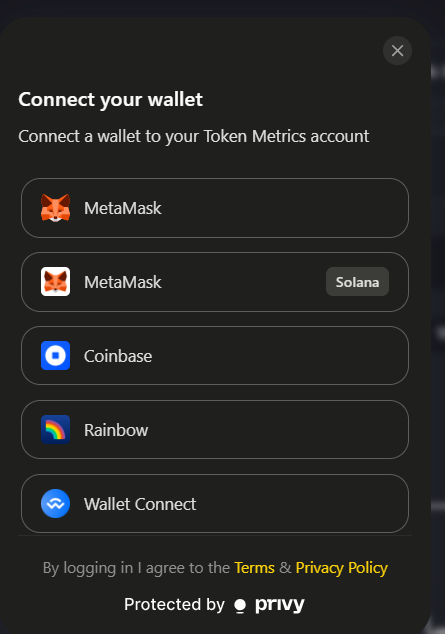
After setting up, you can fund your account using fiat currency such as US dollars or euros through bank transfers, debit cards, or other payment methods supported by the platform. Having a secure and verified account is vital to protect your assets and ensure smooth transactions.

Step 4: Choose a Trading Style
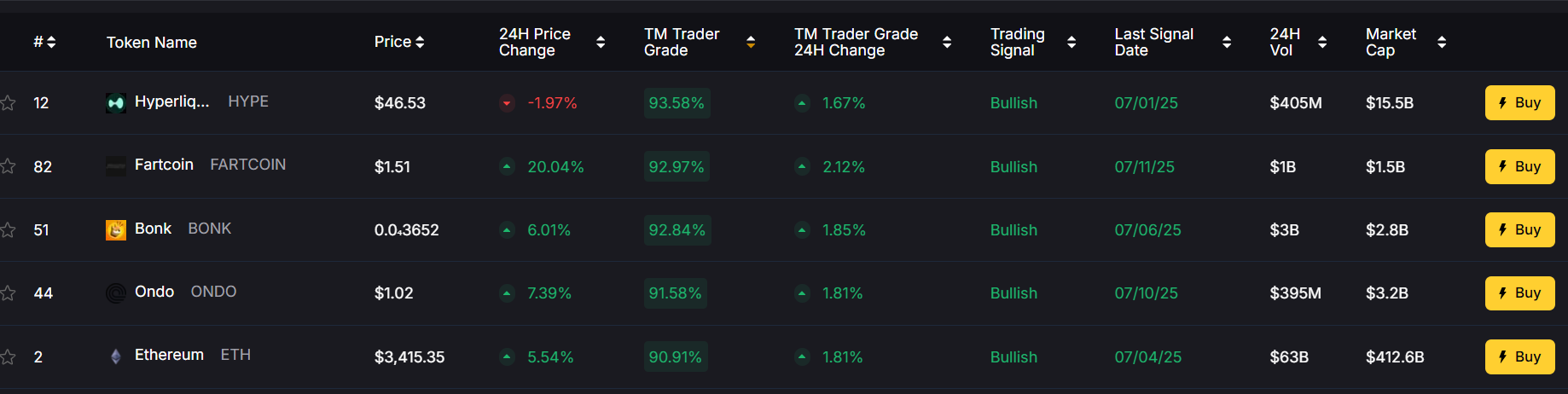
Your trading style should align with your financial goals, available time, and risk tolerance. Common approaches include:

  • Day Trading: Making multiple trades within a single day to capitalize on short-term price fluctuations.
  • Swing Trading: Holding positions for several days or weeks to benefit from medium-term trends.
  • Scalping: Executing rapid trades to profit from small price movements.
  • HODLing: Long-term holding based on confidence in a project’s future.
  • AI-Powered Trading: Utilizing platforms like Token Metrics that use artificial intelligence to automate and optimize trading decisions.
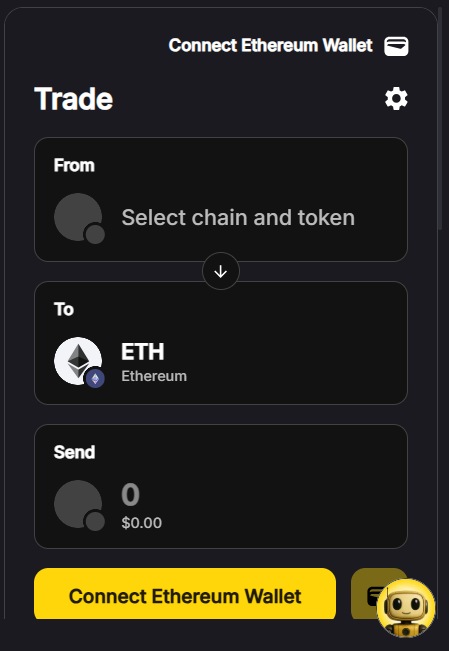
Understanding your preferred style helps you develop a consistent strategy and manage risk effectively.

Step 5: Learn Technical and Fundamental Analysis

Successful cryptocurrency trading hinges on your ability to analyze the market. Two primary methods are:

  • Technical Analysis (TA): This involves studying charts, indicators like RSI (Relative Strength Index), MACD (Moving Average Convergence Divergence), and Bollinger Bands to recognize patterns, support and resistance levels, and predict price movements based on historical data and volume.
  • Fundamental Analysis (FA): This focuses on evaluating the underlying value of a crypto asset by examining the project’s use case, team, tokenomics (such as supply and utility), and overall market sentiment influenced by news and developments.

Platforms like Token Metrics simplify these analyses by providing AI-generated grades and insights that combine technicals, fundamentals, and sentiment, helping traders make informed decisions.
Step 6: Place Your First Trade

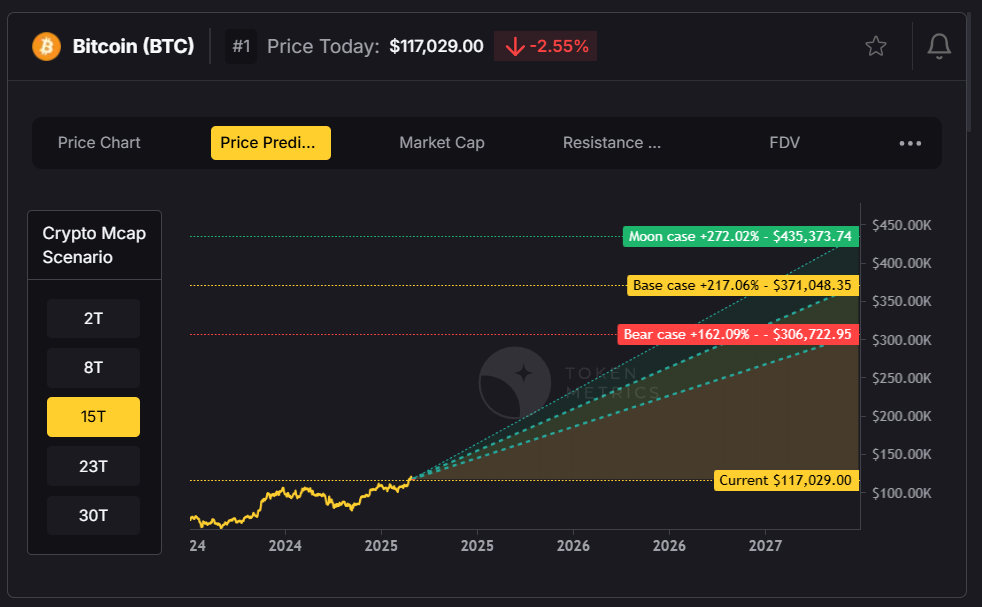
With your research complete and your crypto account funded, you’re ready to place your first trade. Start by selecting a trading pair, such as ETH/USDT, depending on the assets you want to buy or sell. Then, choose an order type:

  • Market Order: Executes instantly at the current market price.
  • Limit Order: Executes only when the price reaches a specified level.
  • Stop-Limit Order: Triggers a limit order once a certain price condition is met.

To manage risk, set a stop-loss order to automatically sell if the price drops to a certain point, and consider take-profit orders to lock in gains when the price reaches your target. It’s wise to start small, using only funds you can afford to lose while you learn the ropes.

Step 7: Track Performance and Learn from Mistakes

Trading is a continuous learning process. Keep a trading journal or use analytics tools to record your entry and exit points, profits and losses, and emotions or events that influenced your decisions. This practice helps you identify patterns in your behavior and refine your strategy over time. Tools like Token Metrics offer backtesting features, AI signal alerts, and portfolio performance tracking to support your growth as a trader.

Tools That Make Crypto Trading Easier in 2025

Token Metrics

Token Metrics stands out as a powerful crypto research and trading platform designed to assist both beginners and experienced traders. It uses AI to grade crypto assets, sends bullish or bearish alerts, and offers auto-managed portfolios known as Indices. Users gain access to real-time market insights and advanced features like the Moonshots tab and AI Agent (crypto chatbot), which help identify optimal entry points and predict price movements. A 7-day free trial allows you to explore these premium tools risk-free.

Wallets

Securing your digital currency is crucial. Hot wallets like MetaMask and Trust Wallet provide easy access for regular trading, while cold wallets such as Ledger and Trezor offer maximum security by storing assets offline, protecting them from hacks and theft.

Tips for Success as a New Crypto Trader

  1. Start Small: Begin with modest investments and gradually increase as you gain confidence.
  2. Manage Risk: Never invest more than you can afford to lose, and always use stop-loss orders.
  3. Avoid Emotional Trading: Stick to your plan and avoid impulsive decisions driven by fear or greed.
  4. Stay Informed: Keep up with market trends, news, and macroeconomic factors that affect the cryptocurrency market.
  5. Leverage AI Tools: Utilize platforms like Token Metrics to reduce guesswork and enhance your trading strategies.
Common Mistakes to Avoid

New traders often fall into pitfalls such as:

  • Chasing Pumps: Buying after a cryptocurrency’s price has already surged, which can lead to losses.
  • Overtrading: Making excessive trades without a clear strategy, increasing fees and risk.
  • Neglecting Security: Failing to use 2FA or hardware wallets can expose your funds to theft.
  • FOMO and Panic Selling: Reacting emotionally to price swings instead of following a disciplined approach.

By relying on research-backed tools and maintaining discipline, you can navigate the crypto market more effectively.

Final Thoughts

Entering the world of crypto trading in 2025 is more accessible than ever but also highly competitive. Success requires more than enthusiasm; it demands strategy, the right tools, and disciplined execution. Whether you’re aiming to trade full-time or simply capitalize on market opportunities, platforms like Token Metrics provide AI-powered research, real-time alerts, and dynamic indices that simplify decision-making and enhance your ability to trade smarter.
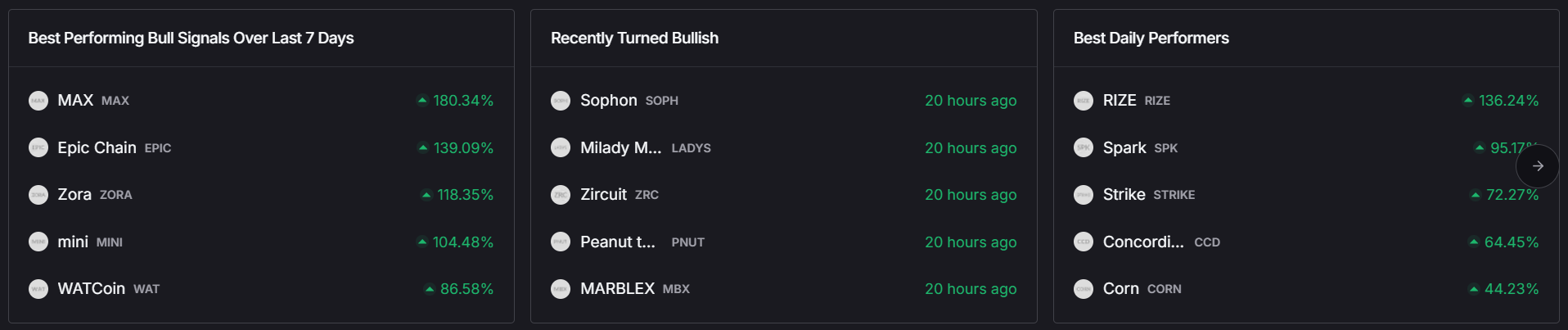
Are you ready to begin your crypto journey? Sign up for Token Metrics today and unlock the power of AI-driven cryptocurrency trading to maximize your potential profits in this exciting digital market.

Build Smarter Crypto Apps &
AI Agents in Minutes, Not Months
Real-time prices, trading signals, and on-chain insights all from one powerful API.
Grab a Free API Key
Token Metrics Team
Token Metrics Team

Recent Posts

Research

Understanding REST APIs: Design, Security & Best Practices

Token Metrics Team
5
MIN

Modern web and mobile applications rely heavily on REST APIs to exchange data, integrate services, and enable automation. Whether you're building a microservice, connecting to a third-party data feed, or wiring AI agents to live systems, a clear understanding of REST API fundamentals helps you design robust, secure, and maintainable interfaces.

What is a REST API?

REST (Representational State Transfer) is an architectural style for distributed systems. A REST API exposes resources—often represented as JSON or XML—using URLs and standard HTTP methods. REST is not a protocol but a set of constraints that favor statelessness, resource orientation, and a uniform interface.

Key benefits include simplicity, broad client support, and easy caching, which makes REST a default choice for many public and internal APIs. Use-case examples include content delivery, telemetry ingestion, authentication services, and integrations between backend services and AI models that require data access.

Core Principles & HTTP Methods

Understanding core REST principles helps you map business entities to API resources and choose appropriate operations:

  • Resources: Model nouns (e.g., /users, /orders) rather than actions.
  • Statelessness: Every request should contain all information to process it; avoid server-side session state.
  • Representation: Use consistent formats such as JSON:API or HAL for predictable payloads.
  • HTTP Verbs: GET for retrieval, POST to create, PUT/PATCH to update, DELETE to remove. Idempotency and safety semantics matter when designing retries and error handling.
  • Status Codes: Use standard HTTP status codes (200, 201, 204, 400, 401, 403, 404, 429, 500) to communicate outcomes clearly to clients.

Adhering to these constraints makes integrations easier, especially when connecting analytics, monitoring, or AI-driven agents that rely on predictable behavior and clear failure modes.

Design Patterns and Best Practices

Building a usable REST API involves choices beyond the basics. Consider these patterns and practices:

  • Versioning: Use URI (e.g., /v1/) or header-based versioning to avoid breaking clients when evolving schemas.
  • Pagination and Filtering: Support limit/offset or cursor-based pagination and flexible query filters to keep responses performant.
  • Hypermedia (HATEOAS): Optionally include links to related resources to improve discoverability for advanced clients.
  • Idempotency Keys: For non-idempotent operations, accept idempotency keys so retries don’t create duplicates.
  • Documentation and SDKs: Maintain OpenAPI/Swagger specs and generate client SDKs to reduce integration friction.

For teams building APIs that feed ML or AI pipelines, consistent schemas and semantic versioning are particularly important. They minimize downstream data drift and make model retraining and validation repeatable.

Security, Monitoring, and Scaling

Security and operational visibility are core to production APIs:

  • Authentication & Authorization: Use OAuth 2.0, JWTs, or API keys depending on risk profile. Apply least-privilege principles to tokens and scopes.
  • Transport Security: Enforce TLS for all traffic and HSTS where applicable.
  • Rate Limiting & Throttling: Protect against abuse and ensure fair usage. Return clear retry-after headers to guide clients.
  • Observability: Emit structured logs, request IDs, and metrics (latency, error rates) and hook them into dashboards and alerting systems.
  • Schema Validation: Validate payloads at the boundary to prevent invalid data from propagating into downstream services.

Scaling often combines stateless application design, caching (CDNs or reverse proxies), and horizontal autoscaling behind load balancers. For APIs used by data-hungry AI agents, consider async patterns (webhooks, message queues) to decouple long-running tasks from synchronous request flows.

Build Smarter Crypto Apps & AI Agents with Token Metrics

Token Metrics provides real-time prices, trading signals, and on-chain insights all from one powerful API. Grab a Free API Key

FAQs

What distinguishes REST from other API styles like GraphQL?

REST emphasizes resources and uses HTTP verbs and status codes. GraphQL exposes a flexible query language letting clients request only needed fields. REST is often simpler to cache and monitor, while GraphQL can reduce over-fetching for complex nested data. Choose based on client needs, caching, and complexity.

How should I version a REST API without breaking clients?

Common strategies include URI versioning (/v1/) and header-based versioning. Maintain backward compatibility whenever possible, provide deprecation notices, and publish migration guides. Semantic versioning of your API contract helps client teams plan upgrades.

What are practical steps to secure a public REST API?

Require TLS, use strong authentication (OAuth 2.0 or signed tokens), validate inputs, enforce rate limits, and monitor anomalous traffic. Regularly audit access controls and rotate secrets. Security posture should be part of the API lifecycle.

How can REST APIs support AI-driven workflows?

APIs can supply training data, feature stores, and live inference endpoints. Design predictable schemas, low-latency endpoints, and asynchronous jobs for heavy computations. Tooling and observability help detect data drift, which is critical for reliable AI systems. Platforms like Token Metrics illustrate how API-led data can support model-informed insights.

When should I use synchronous vs asynchronous API patterns?

Use synchronous APIs for short, fast operations with immediate results. For long-running tasks (batch processing, complex model inference), use asynchronous patterns: accept a request, return a job ID, and provide status endpoints or webhooks to report completion.

Disclaimer

This article is educational and technical in nature. It does not constitute investment, legal, or professional advice. Evaluate tools and architectures against your requirements and risks before deployment.

Research

Practical Guide to Building Robust REST APIs

Token Metrics Team
5
MIN

REST APIs power much of the web and modern integrations—from mobile apps to AI agents that consume structured data. Understanding the principles, common pitfalls, and operational practices that make a REST API reliable and maintainable helps teams move faster while reducing friction when integrating services.

What Is a REST API and Why It Matters

Representational State Transfer (REST) is an architectural style for networked applications. A REST API exposes resources (users, accounts, prices, etc.) via predictable HTTP endpoints and methods (GET, POST, PUT, DELETE). Its simplicity, cacheability, and wide tooling support make REST a go-to pattern for many back-end services and third-party integrations.

Key behavioral expectations include statelessness (each request contains the information needed to process it), use of standard HTTP status codes, and a resource-oriented URI design. These conventions improve developer experience and enable robust monitoring and error handling across distributed systems.

Core Design Principles and Endpoint Modeling

Designing a clear resource model at the outset avoids messy ad-hoc expansions later. Consider these guidelines:

  • Use nouns for resources: /users/123/orders, not /getUserOrder?id=123.
  • Support filtering and pagination: query parameters like ?limit=50&cursor=... prevent heavy payloads and improve UX.
  • Version with intent: /v1/ or header-based versioning can be used. Document breaking changes and provide migration paths.
  • Return consistent error shapes: include machine-readable codes, human messages, and optionally documentation links.

Model relationships thoughtfully: prefer nested resources for clarity (e.g., /projects/42/tasks) but avoid excessive nesting depth. A well-documented schema contract reduces integration errors and accelerates client development.

Authentication, Authorization & Security Practices

Security for REST APIs is multi-layered. Common patterns:

  • Token-based auth: OAuth 2.0 bearer tokens or API keys for service-to-service calls.
  • Scopes and RBAC: scope tokens narrowly to minimize blast radius; implement role-based access control for complex domains.
  • Transport security: always require TLS (HTTPS) and enforce secure headers (HSTS, CSP where relevant).
  • Validate inputs: server-side validation and strict schema checks prevent injection and logic errors.

Also consider rate limiting, token expiry, and key rotation policies. For APIs that surface sensitive data, adopt least-privilege principles and audit logging so access patterns can be reviewed.

Performance, Caching & Reliability

Latency and scalability are often where APIs meet their limits. Practical levers include:

  • HTTP caching: use ETags, Cache-Control, and conditional requests to reduce payloads and server load.
  • Pagination and streaming: avoid returning entire datasets; prefer cursors or chunked responses for large collections.
  • CDN and edge caching: cache public or semi-static responses at the edge to reduce origin traffic.
  • Graceful degradation and circuit breakers: fallback behaviors for downstream failures keep core features available.

Instrument your API with observability: structured logs, distributed traces, and metrics (latency, error rates, throughput). These signals enable data-driven tuning and prioritized fixes.

Testing, Tooling & Developer Experience

Quality APIs are well-tested and easy to adopt. Include:

  • Contract tests: verify server responses meet the documented schema to prevent regressions.
  • Integration and end-to-end tests: test authentication flows, error handling, and rate-limit behaviors.
  • Interactive docs and SDKs: OpenAPI/Swagger specs, Postman collections, and generated client libraries lower friction for integrators.
  • Mock servers: let front-end and AI agent teams iterate without waiting on back-end deployments.

Automate CI checks that validate linting, schema changes, and security scanning to maintain long-term health.

REST APIs for Crypto Data and AI Agents

When REST APIs expose market data, on-chain metrics, or signal feeds for analytics and AI agents, additional considerations apply. Data freshness, deterministic timestamps, provenance metadata, and predictable rate limits matter for reproducible analytics. Design APIs so consumers can:

  • Request time-series data with explicit timezones and sampling resolutions.
  • Retrieve provenance (source, block number, or snapshot id) to allow historical reconstruction.
  • Subscribe to webhooks or use polling efficiently to keep agents synchronized without exceeding quotas.

AI-driven workflows often combine multiple endpoints; consistent schemas and clear quotas simplify orchestration and reduce operational surprises. For example, Token Metrics demonstrates how structured crypto insights can be surfaced via APIs to support research and model inputs for agents.

Build Smarter Crypto Apps & AI Agents with Token Metrics

Token Metrics provides real-time prices, trading signals, and on-chain insights all from one powerful API. Grab a Free API Key

Frequently Asked Questions

What is the difference between REST and RESTful?

"REST" refers to the architectural constraints defined by Roy Fielding. "RESTful" is an informal adjective describing APIs that follow REST principles—though implementations vary in how strictly they adhere to the constraints.

How should I version a REST API?

Use semantic intent when versioning. URL-based versions (e.g., /v1/) are explicit, while header-based or content negotiation approaches avoid URL churn. Regardless, document deprecation timelines and provide backward-compatible pathways.

When should I use REST versus GraphQL?

REST is simple and cache-friendly for resource-centric models. GraphQL excels when clients need flexible queries across nested relationships. Consider client requirements, caching strategy, and operational complexity when choosing.

How do I handle rate limiting and quotas?

Expose limit headers, return standard status codes (e.g., 429), and provide retry-after guidance. Offer tiered quotas and clear documentation so integrators can design backoffs and fallback strategies.

What tools help document and test REST APIs?

OpenAPI (Swagger) for specs, Postman for interactive exploration, Pact for contract testing, and CI-integrated schema validators are common choices. Combine these with monitoring and API gateways for observability and enforcement.

Disclaimer

This article is for educational and technical reference only. It is not financial, legal, or investment advice. Always evaluate tools and services against your own technical requirements and compliance obligations before integrating them into production systems.

Research

Mastering REST APIs: Principles, Design, Practices

Token Metrics Team
5
MIN

REST APIs power most modern web and mobile back ends by providing a uniform, scalable way to exchange data over HTTP. Whether you are building microservices, connecting AI agents, or integrating third‑party feeds, understanding the architectural principles, design patterns, and operational tradeoffs of REST can help you build reliable systems. This article breaks down core concepts, design best practices, security measures, and practical steps to integrate REST APIs with analytics and AI workflows.

Understanding REST API Fundamentals

REST (Representational State Transfer) is an architectural style for distributed systems. It emphasizes stateless interactions, resource-based URIs, and the use of standard HTTP verbs (GET, POST, PUT, DELETE, PATCH). Key constraints include:

  • Statelessness: Each request contains all necessary context, simplifying server design and enabling horizontal scaling.
  • Resource orientation: Resources are identified by URIs and represented in formats such as JSON or XML.
  • Uniform interface: Consistent use of HTTP methods and status codes improves predictability and interoperability.

When designing APIs, aim for clear resource models, intuitive endpoint naming, and consistent payload shapes. Consider versioning strategies (URL vs header) from day one to avoid breaking clients as your API evolves.

Design Patterns and Best Practices for REST APIs

Good API design balances usability, performance, and maintainability. Adopt these common patterns:

  • Resource naming: Use plural nouns (/users, /orders) and hierarchical paths to express relationships.
  • HTTP semantics: Map create/read/update/delete to POST/GET/PUT/DELETE and use PATCH for partial updates.
  • Pagination and filtering: Return large collections with pagination (cursor or offset) and provide filters and sort parameters.
  • Hypermedia (HATEOAS): Include links to related resources when appropriate to make APIs self-descriptive.
  • Error handling: Use structured error responses with machine-readable codes and human-friendly messages.

Document endpoints with examples and schemas (OpenAPI/Swagger). Automated documentation and SDK generation reduce integration friction and lower client-side errors.

Securing and Scaling REST APIs

Security and operational resilience are core concerns for production APIs. Consider the following layers:

  • Authentication & authorization: Use OAuth2, JWT, or API keys depending on threat model. Keep tokens short-lived and enforce least privilege.
  • Input validation: Validate all incoming data to prevent injection and logic vulnerabilities.
  • Rate limiting & throttling: Protect backends from abuse and noisy neighbors by implementing quotas and backoff signals.
  • Transport security: Enforce TLS (HTTPS) and configure secure ciphers and headers.
  • Observability: Expose metrics, structured logs, and distributed traces to troubleshoot latency and failure modes.

For scale, design for statelessness so instances are replaceable, use caching (HTTP cache headers, CDN, or edge caches), and partition data to reduce contention. Use circuit breakers and graceful degradation to maintain partial service during downstream failures.

Integrating REST APIs with AI, Analytics, and Crypto Workflows

REST APIs are frequently used to feed AI models, aggregate on‑chain data, and connect analytics pipelines. Best practices for these integrations include:

  • Schema contracts: Define stable, versioned schemas for model inputs and analytics outputs to avoid silent breakages.
  • Batch vs streaming: Choose between batch endpoints for bulk processing and streaming/webhook patterns for real‑time events.
  • Data provenance: Attach metadata and timestamps so downstream models can account for data freshness and lineage.
  • Testing: Use contract tests and synthetic data generators to validate integrations before deploying changes.

To accelerate research workflows and reduce time-to-insight, many teams combine REST APIs with AI-driven analytics. For example, external platforms can provide curated market and on‑chain data through RESTful endpoints that feed model training or signal generation. One such option for consolidated crypto data access is Token Metrics, which can be used as part of an analysis pipeline to augment internal data sources.

Build Smarter Crypto Apps & AI Agents with Token Metrics

Token Metrics provides real-time prices, trading signals, and on-chain insights all from one powerful API. Grab a Free API Key

FAQ: Common REST API Questions

What is the difference between REST and RESTful?

REST is an architectural style defined by constraints; "RESTful" describes services that adhere to those principles. In practice, many APIs are called RESTful even if they relax some constraints, such as strict HATEOAS.

When should I version an API and how?

Version early when breaking changes are likely. Common approaches are path versioning (/v1/) or header-based versioning. Path versioning is simpler for clients, while headers keep URLs cleaner. Maintain compatibility guarantees in your documentation.

How do I choose between REST and GraphQL?

REST is straightforward for resource-centric designs and benefits from HTTP caching and simple tooling. GraphQL excels when clients need flexible queries and to reduce over-fetching. Choose based on client needs, caching requirements, and team expertise.

What are practical rate limiting strategies?

Use token bucket or fixed-window counters, and apply limits per API key, IP, or user. Provide rate limit headers and meaningful status codes (429 Too Many Requests) to help clients implement backoff and retry strategies.

How can I test and monitor a REST API effectively?

Combine unit and integration tests with contract tests (OpenAPI-driven). For monitoring, collect metrics (latency, error rates), traces, and structured logs. Synthetic checks and alerting on SLA breaches help detect degradations early.

What is the best way to document an API?

Use OpenAPI/Swagger to provide machine-readable schemas and auto-generate interactive docs. Include examples, authentication instructions, and clear error code tables. Keep docs in version control alongside code.

Disclaimer

This article is educational and informational only. It does not constitute financial, investment, legal, or professional advice. Evaluate tools and services independently and consult appropriate professionals for specific needs.

Choose from Platinum, Gold, and Silver packages
Reach with 25–30% open rates and 0.5–1% CTR
Craft your own custom ad—from banners to tailored copy
Perfect for Crypto Exchanges, SaaS Tools, DeFi, and AI Products