Crypto Basics

Is Kraken Safe? - A Comprehensive Review

Is Kraken safe? Uncover the truth in our comprehensive review. Learn about the platform's security measures and user experiences.
S. Vishwa
5 Minutes
MIN

Cryptocurrency exchanges play a crucial role in the world of digital assets, allowing users to buy, sell, and trade various cryptocurrencies. One such exchange that has gained significant attention is Kraken. 

With its established reputation and a wide range of features and services, many investors are curious to know: Is Kraken safe? 

In this comprehensive review, we will delve into the security measures, fees, customer support, and overall usability of the Kraken exchange to determine whether it is a trustworthy platform for cryptocurrency trading.

Kraken: An Overview

Founded in 2011, Kraken is one of the oldest cryptocurrency exchanges in the industry. It has become a prominent player, offering a wide range of trading options and supporting over 200 cryptocurrencies.

Kraken stands out for its low trading fees, 24/7 customer support, and commitment to security. Let's take a closer look at these key aspects.

Trading Fees

One of the primary considerations for any trader is the cost associated with trading on an exchange. Kraken offers competitive trading fees that are among the lowest in the industry. 

The fees are based on a maker-taker model, where makers provide liquidity to the market and incur lower fees, while takers remove liquidity and pay slightly higher fees.

The trading fees on Kraken start at 0.26 percent for takers and 0.16 percent for makers. However, as your trading volume increases, the fees decrease.

For example, if your monthly trading volume exceeds $10 million, you can enjoy zero percent fees for takers and 0.10 percent for makers. This fee structure makes Kraken an attractive option for high-volume traders.

Security Measures

When it comes to cryptocurrency exchanges, security is of utmost importance. Kraken takes security seriously and has implemented robust measures to protect user funds. 

The exchange has never been hacked, which is a testament to its commitment to safeguarding customer assets.

Kraken employs a multi-layered security approach. The majority of user funds are stored in offline "cold" wallets, which are physically isolated from online systems and inaccessible to hackers. 

Only a small portion of funds required for liquidity are kept in online "hot" wallets. Additionally, all wallets and data are encrypted, and Kraken undergoes regular security audits to ensure the highest level of protection.

Also Check -  The Latest Offers from Kraken

Customer Support

Having reliable customer support is essential for any cryptocurrency exchange. Kraken distinguishes itself by offering 24/7 customer support. 

Traders can reach out to the exchange's dedicated support team through live chat, email, or phone. The availability of phone support sets Kraken apart from many other exchanges, as it allows users to receive immediate assistance and resolve any issues they may encounter.

In addition to direct support, Kraken provides a comprehensive support library that covers various topics related to account setup, trading strategies, and security. This educational material helps both novice and experienced traders navigate the complexities of cryptocurrency trading.

Usability and Features

Kraken offers a user-friendly interface that caters to both beginners and experienced traders. 

The exchange provides different order options, including simple, intermediate, and advanced, allowing users to choose the level of complexity that suits their trading preferences. The platform also offers a mobile app, ensuring traders can access their accounts and execute trades on the go.

For advanced traders, Kraken offers margin trading with leverage of up to 5x. This feature amplifies traders' potential gains but also carries higher risks, so caution is advised. 

Additionally, Kraken provides a wide selection of cryptocurrencies for trading, making it suitable for traders seeking exposure to various digital assets.

Is Kraken Safe?

Now that we have explored the key features of Kraken, let's address the primary question: Is Kraken safe? The exchange has implemented several security measures to protect user funds and ensure a secure trading environment.

Commingling of Funds

One of the concerns raised by the Securities and Exchange Commission (SEC) is the alleged commingling of customers' funds with Kraken's own funds. 

The SEC argues that this practice poses a significant risk to customers. However, Kraken disputes these allegations and is currently fighting the charges in court.

While the outcome of this legal battle remains uncertain, it is important to note that Kraken has never experienced a security breach or loss of customer funds. 

The exchange's security track record and commitment to protecting user assets should reassure traders.

Security Audits and Compliance

Kraken is known for its proactive approach to security and compliance. The exchange conducts regular security audits, not only for its own systems but also for new cryptocurrencies and crypto security devices. 

By thoroughly vetting new listings, Kraken ensures that only secure and reputable assets are available for trading on its platform. Moreover, Kraken is a regulated exchange that complies with rules and regulations in all supported jurisdictions. 

It is registered as a Money Services Business (MSB) with FinCEN in the United States and FINTRAC in Canada and regulated by the Financial Conduct Authority (FCA) in the United Kingdom. These regulatory measures contribute to the overall safety and trustworthiness of the exchange.

Conclusion: Is Kraken Safe?

Our comprehensive review shows Kraken appears to be a safe and reputable cryptocurrency exchange. The combination of low trading fees, robust security measures, 24/7 customer support, and regulatory compliance makes Kraken an attractive choice for cryptocurrency traders.

While the ongoing legal battle with the SEC raises some concerns, it is important to note that Kraken has managed to avoid any significant hacking incidents and has a strong track record of protecting user funds. 

However, it is worth mentioning that there are grievances from users on internet forums regarding compromised personal accounts on Kraken. 

Traders should exercise caution and conduct their own due diligence before engaging in any trading activities, but overall, Kraken can be considered a reliable platform for cryptocurrency trading.

Please note that investing in cryptocurrencies carries risks, and it is essential to stay informed and make informed decisions based on your personal risk tolerance and financial circumstances.

Disclaimer

The information provided on this website does not constitute investment advice, financial advice, trading advice, or any other advice, and you should not treat any of the website's content as such.

Token Metrics does not recommend buying, selling, or holding any cryptocurrency. Conduct your due diligence and consult your financial advisor before making investment decisions.

Build Smarter Crypto Apps &
AI Agents in Minutes, Not Months
Real-time prices, trading signals, and on-chain insights all from one powerful API.
Grab a Free API Key
Token Metrics Team
Token Metrics Team

Recent Posts

Research

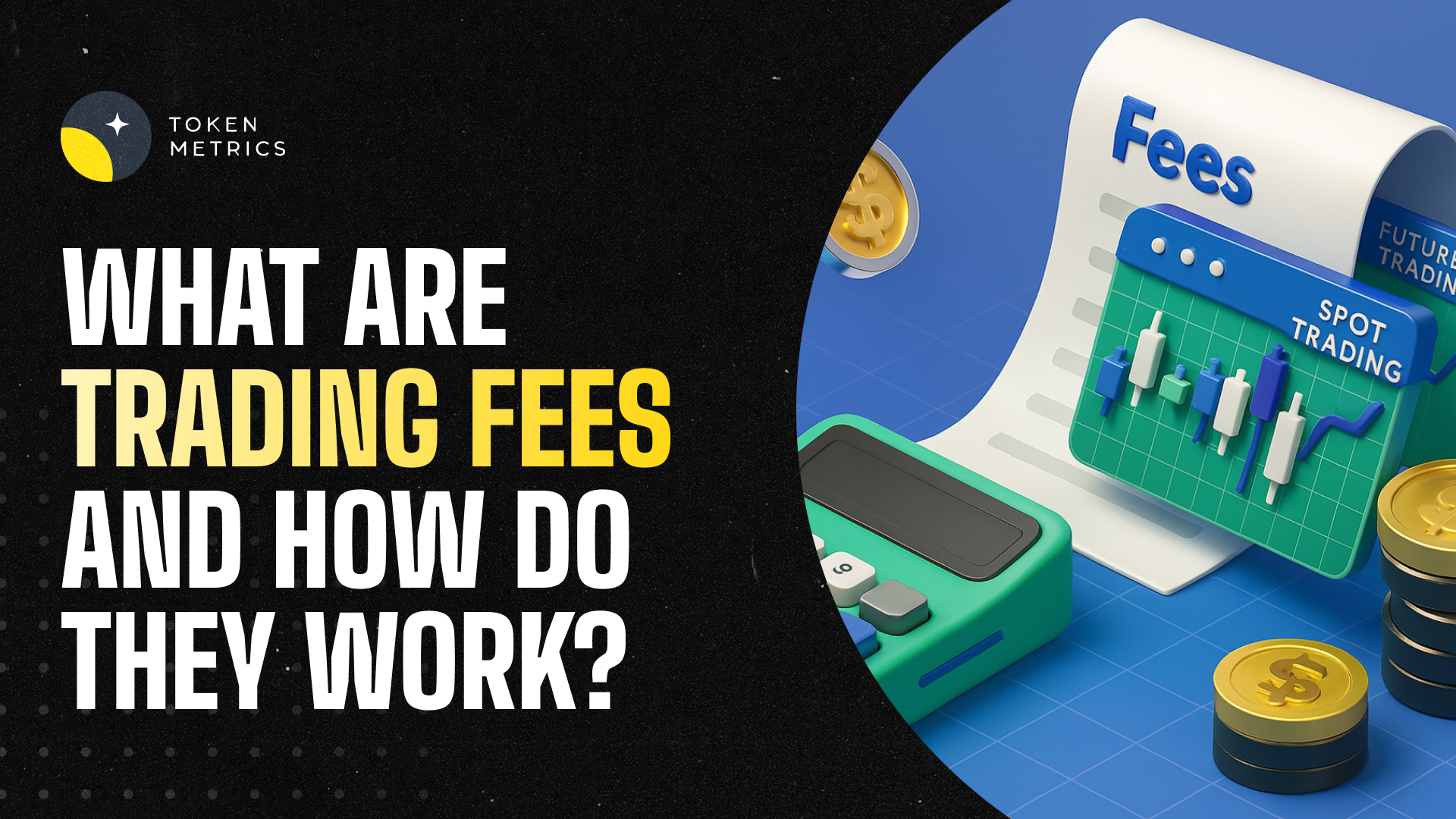
What Are Trading Fees and How Do They Work?

Token Metrics Team
8 min
MIN

If you’ve ever bought or sold cryptocurrency, you’ve likely noticed that exchanges charge trading fees. While these fees may seem small at first glance, they can add up significantly over time, especially for frequent traders.

Understanding how trading fees work is essential for maximizing your profits and choosing the right platform and strategy. In this guide, we’ll explain what trading fees are, how they’re calculated, the different types of fees, and how Token Metrics can help you minimize costs while optimizing your trades.

What Are Trading Fees?

Trading fees are charges imposed by cryptocurrency exchanges whenever you execute a trade—whether you’re buying, selling, or swapping digital assets.

  • Purpose:

    • They compensate exchanges for providing liquidity, security, and order-matching services.
    • They discourage spam orders that could overload the exchange.

Example:
If you buy $1,000 worth of Bitcoin with a 0.1% trading fee, you’ll pay $1 in fees for that transaction.

How Are Trading Fees Calculated?

Most crypto exchanges calculate fees based on:

  1. Trade Value (Percentage):

    • The most common model.
    • Fees are a percentage of the total trade amount (e.g., 0.1% per trade).

  2. Flat Fees:

    • Some platforms charge a fixed fee per trade, regardless of trade size.

  3. Tiered Fee Structures:

    • Frequent traders often benefit from lower fees when they reach certain monthly trading volumes.

Maker vs. Taker Fees

Many exchanges use a maker-taker model to incentivize liquidity:

  • Maker Fees:

    • You pay a lower fee (or sometimes nothing) when you add liquidity by placing a limit order that isn’t immediately matched.

  • Taker Fees:

    • You pay a higher fee when you remove liquidity by placing a market order that is filled instantly.

Example:
On Binance, makers might pay 0.08%, while takers pay 0.1%.

Types of Crypto Trading Fees

When trading crypto, you’ll encounter more than just trading fees:

1. Trading (Transaction) Fees

  • Charged when buying or selling crypto.
  • Often range from 0.05%–0.5% depending on the exchange.

2. Deposit Fees

  • Some exchanges charge when funding accounts via credit card, PayPal, or bank transfers.
  • Crypto deposits are typically free.

3. Withdrawal Fees

  • Charged when moving funds off the exchange.
  • Often fixed per withdrawal (e.g., 0.0005 BTC).

4. Network (Gas) Fees

  • Separate from exchange fees, paid to blockchain validators.
  • Ethereum and other networks can have high gas fees during peak demand.

Why Do Trading Fees Matter?

Even small fees can significantly impact your profits, especially if you trade often.

Example:

  • A day trader making 50 trades/month with a 0.1% fee per trade on $1,000 positions will pay $50/month in fees.
  • Over a year, that’s $600 lost to fees—before considering withdrawal or gas costs.

This is why reducing fees is crucial for active traders.

How to Minimize Trading Fees

1. Use Low-Fee Exchanges

Compare platforms—Binance, Bybit, and Kraken often offer competitive rates for high-volume traders.

2. Increase Your Trading Volume

Many exchanges lower fees as your monthly trading volume increases.

3. Use Limit Orders

Save on fees by acting as a maker instead of a taker whenever possible.

4. Pay with Exchange Tokens

Some exchanges offer discounts when fees are paid with their native token (e.g., BNB on Binance).

5. Optimize Your Trading Strategy with AI

Instead of making dozens of small trades, use data-driven insights from Token Metrics to make high-probability trades—reducing overall fee impact.

How Token Metrics Helps You Save on Fees

Token Metrics isn’t an exchange—it’s an AI-powered crypto research and trading platform designed to maximize your profits.

Here’s how it helps with trading fees:

1. AI-Powered Trade Optimization

Token Metrics provides bullish/bearish trading signals based on 80+ technical indicators, helping you enter fewer but higher-quality trades—minimizing unnecessary fees.

2. Trader & Investor Grades

Our proprietary grading system helps you identify top-performing cryptos, reducing guesswork and avoiding costly trial-and-error trading.

3. AI-Managed Indices

Instead of manually rebalancing portfolios (and paying multiple trading fees), use Token Metrics AI-driven crypto indices, which rebalance intelligently while keeping transaction costs low.

4. Narrative Tracking

Our AI detects emerging crypto narratives early, helping you position yourself before the market gets crowded—reducing the need for excessive short-term trading.

Practical Example: Using Token Metrics to Reduce Fees

Imagine you’re trading altcoins manually and make 20 trades/month.

  • At 0.2% per trade on $1,000 positions, you pay $40/month in fees.
  • With Token Metrics AI signals, you cut this down to 8 high-probability trades per month—reducing your fees by 60% while increasing win rates.

This is how data-driven trading saves both money and stress.

Final Thoughts

So, what are trading fees and how do they work? They’re the charges exchanges take for facilitating trades, withdrawals, and transactions—and while they may seem small, they can eat into your profits quickly.

The good news? You can minimize trading fees with the right strategies—and Token Metrics can help.

By providing AI-powered trading signals, long-term Investor Grades, and automated crypto indices, Token Metrics helps you reduce unnecessary trades, make smarter decisions, and maximize your returns—all while minimizing the impact of trading fees.

Whether you’re a beginner or advanced trader, using Token Metrics means trading smarter, not harder.

Research

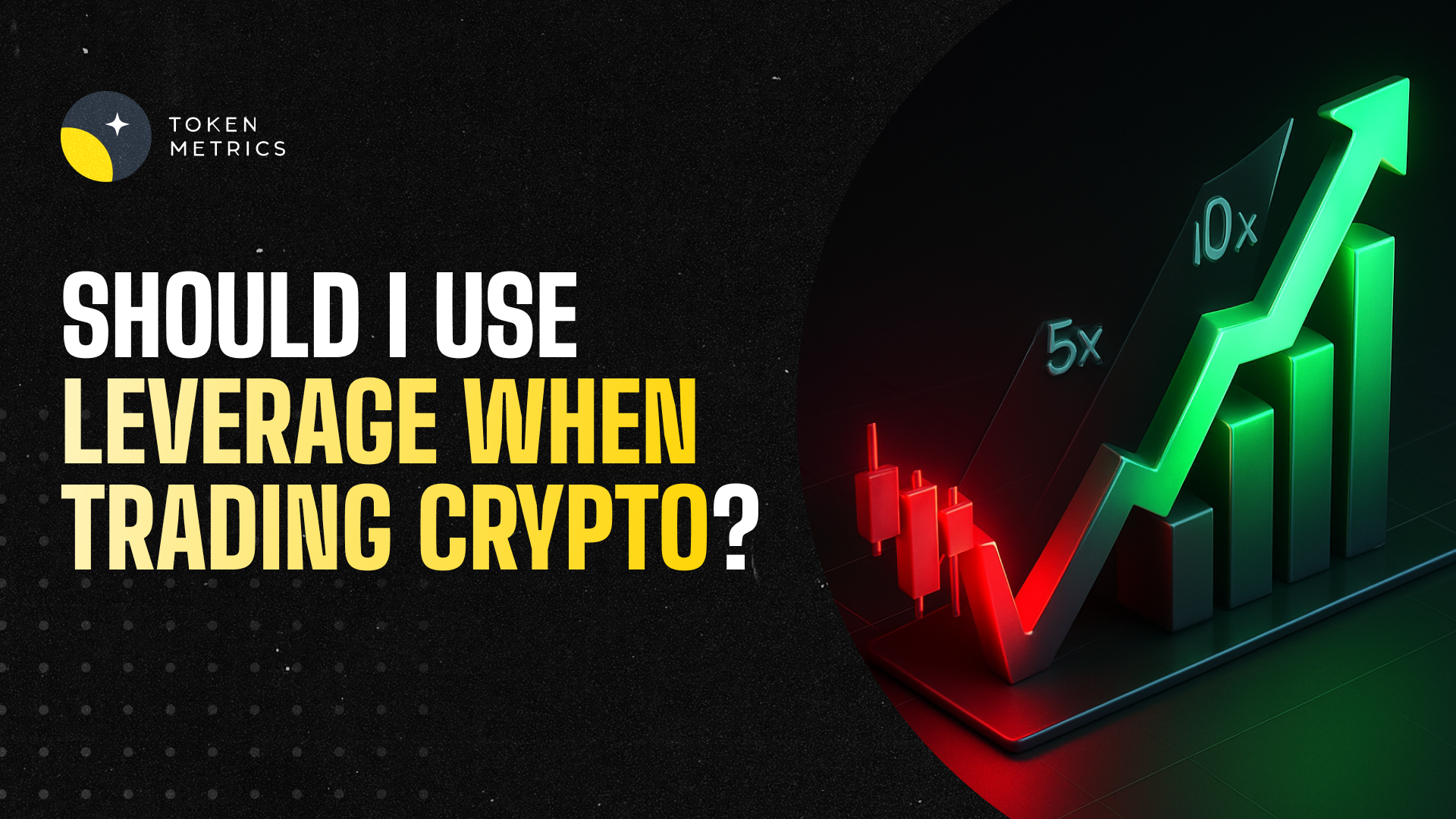
Should I Use Leverage When Trading Crypto?

Token Metrics Team
8 min
MIN

Leverage trading has become a hot topic in the crypto world. Many traders are attracted by the promise of amplified profits—but fail to realize it also magnifies losses. If you’ve been wondering, “Should I use leverage when trading crypto?” the short answer is: only if you fully understand the risks and have a solid strategy.

In this guide, we’ll break down what leverage trading is, how it works, its pros and cons, and how AI-powered tools like Token Metrics can help you make smarter decisions when trading with leverage.

What Is Leverage Trading in Crypto?

Leverage trading lets you borrow funds from an exchange to increase your position size, allowing you to control more capital than you actually own.

For example:

  • If you have $1,000 and use 10x leverage, you’re trading with $10,000.
  • A 10% price increase can give you a 100% profit on your original investment.
  • But a 10% price drop could wipe out your position completely.

Popular platforms like Binance, Bybit, and OKX offer leverage levels from 2x to 125x for certain assets.

Pros of Leverage Trading

Leverage isn’t all bad. When used responsibly, it offers several benefits:

1. Higher Profit Potential

Even small price movements can generate significant returns when using leverage.

2. Portfolio Efficiency

Traders can free up capital for other positions while maintaining large exposure in a leveraged trade.

3. Opportunities in Bear Markets

Leverage allows for short selling, enabling you to profit when prices go down.

Cons of Leverage Trading

The same factors that make leverage attractive also make it high-risk:

1. Amplified Losses

Just as leverage magnifies profits, it magnifies losses. A minor price drop could liquidate your entire position.

2. Liquidation Risk

When your collateral falls below a certain threshold, the exchange automatically closes your position, locking in your losses.

3. Emotional Stress

Leverage trading is fast-paced and stressful, often leading to panic selling or revenge trading after losses.

Should Beginners Use Leverage?

No.
If you’re new to trading, avoid leverage until you have:

  • A proven strategy with consistent results in spot trading.
  • Strong risk management skills (e.g., using stop-loss orders).
  • The ability to stay disciplined under pressure.

For beginners, leveraged trading can be a fast track to losing your capital.

When Does It Make Sense to Use Leverage?

For experienced traders, leverage can make sense when:

  • You’re hedging your portfolio against downside risk.
  • You have high conviction in a trade and want to maximize gains.
  • You’re trading high-liquidity assets like BTC or ETH with well-defined stop-losses.

How Token Metrics Helps You Trade Smarter with Leverage

Leverage trading requires precision, and that’s where Token Metrics gives you an edge.

1. AI-Powered Bullish & Bearish Signals

Identify high-probability trades with real-time AI signals based on 80+ technical indicators. This helps you avoid entering positions blindly.

2. Trader & Investor Grades

Use Trader Grades for short-term trading opportunities and Investor Grades for long-term positions—helping you decide when to scale up or reduce leverage.

3. Risk Assessment Tools

Token Metrics evaluates crypto projects and market trends to reduce exposure to high-risk assets—a must for leveraged positions.

4. AI-Driven Indices

Don’t want to trade manually? Use our AI-managed crypto indices to gain diversified exposure without taking unnecessary leveraged risks.

5. Narrative Detection

Our AI identifies emerging narratives before they hit mainstream attention, giving you a strategic edge in timing trades—crucial when using leverage.

Best Practices for Using Leverage in Crypto

If you decide to use leverage, follow these rules:

  1. Start Small: Use low leverage (2x–3x) instead of going all in at 20x or 50x.
  2. Set Stop-Loss Orders: Always predetermine your maximum loss tolerance.
  3. Trade Liquid Assets: Stick to high-volume coins like BTC and ETH to avoid slippage.
  4. Don’t Overtrade: Only use leverage on trades with strong conviction and proper analysis.
  5. Use AI Tools: Let Token Metrics guide your entries and exits with data-driven insights.

Why Overleveraging Is Dangerous

Many traders lose money by overleveraging, which leads to:

  • Margin calls and forced liquidations.
  • Revenge trading, where losses push traders into reckless decisions.
  • Complete portfolio wipeouts from one bad trade.

Pro Tip: Only trade with leverage on funds you can afford to lose.

Final Thoughts

So, should you use leverage when trading crypto?

For beginners, the answer is no—focus on mastering spot trading first. For experienced traders, leverage can be a powerful tool when used with strict risk management and data-driven insights.

That’s where Token Metrics makes a difference. With AI-powered trading signals, real-time risk analysis, and narrative tracking, Token Metrics helps you trade smarter, reduce emotional mistakes, and optimize your leverage strategy.

Leverage can make you or break you—so don’t go in blind. Use Token Metrics to guide your trades and stay ahead of the market.

Research

What Are the Biggest Risks in Crypto Trading?

Token Metrics Team
8 min
MIN

Cryptocurrency trading can be highly rewarding, but it’s also one of the riskiest financial activities you can engage in. Prices can swing wildly within minutes, markets are largely unregulated, and scams remain rampant. Whether you’re a beginner investor or a seasoned trader, understanding these risks is critical for protecting your capital and making informed decisions.

In this guide, we’ll break down the biggest risks in crypto trading, how to recognize them, and how Token Metrics can help you minimize those risks using AI-driven insights.

1. Extreme Volatility

The crypto market is famous for its rapid price fluctuations. Unlike traditional stocks, which typically move in small percentages daily, cryptocurrencies can experience 10–50% swings in a single day.

  • Why it matters:

    • Quick price drops can wipe out profits or even your entire portfolio.
    • Leverage trading amplifies these risks, often leading to liquidations.

  • Example:
    In May 2021, Bitcoin fell from $64,000 to $30,000 in just weeks, catching many traders off guard.

How Token Metrics Helps:
Token Metrics provides AI-powered trading signals and market trend analysis to help you avoid trading blindly. Our Trader Grades let you know when an asset is trending bullish or bearish, giving you data-driven entry and exit points.

2. Lack of Regulation

Unlike traditional finance, cryptocurrency operates in a largely unregulated space. This creates both opportunities and risks.

  • Key risks:

    • Exchanges can shut down or get hacked with little recourse.
    • Bad actors can manipulate prices (pump-and-dump schemes).
    • Regulatory crackdowns in certain regions can cause market crashes.

How Token Metrics Helps:
We track regulatory trends and narratives using AI-driven sentiment analysis, alerting you to shifts that could impact your holdings.

3. Security Risks & Hacking

Crypto traders often store their assets on exchanges or hot wallets—prime targets for hackers.

  • Risks include:

    • Exchange hacks leading to stolen funds.
    • Phishing scams that trick users into giving away private keys.
    • Rug pulls in DeFi projects that drain liquidity.

How Token Metrics Helps:
Token Metrics evaluates crypto projects with AI-based risk scoring, helping you avoid tokens and platforms with poor security practices or suspicious activity.

4. Scams & Fraud

From rug pulls to fake ICOs and Ponzi schemes, crypto has become a hotbed for scams targeting inexperienced traders.

  • Examples of common scams:

    • Pump-and-dump groups on Telegram.
    • Fake airdrops asking for wallet connections.
    • Impersonation scams on social media.

How Token Metrics Helps:
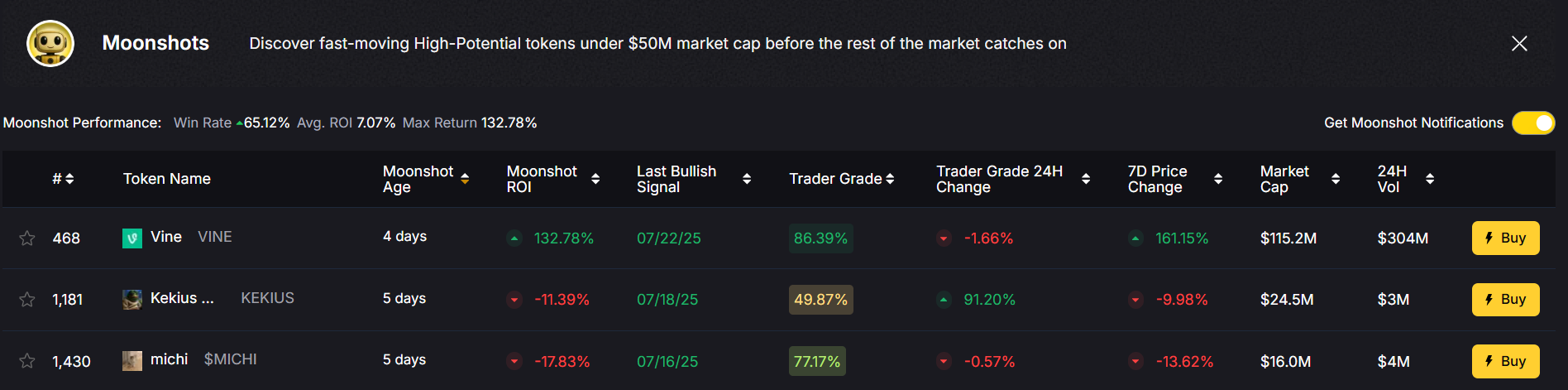
Our Moonshot Finder doesn’t just find hidden gem tokens—it uses AI-driven vetting to filter out high-risk projects, helping you spot potential scams before you invest.

5. Emotional Trading

The fear of missing out (FOMO) and panic selling are two of the biggest psychological pitfalls in crypto trading.

  • How it affects traders:

    • FOMO causes impulsive buying at peaks.
    • Panic selling during dips leads to unnecessary losses.
    • Overtrading erodes profits through excessive fees and bad timing.

How Token Metrics Helps:
By offering objective, AI-driven market insights, Token Metrics removes the emotional bias from trading. Our data-backed signals tell you when to hold, sell, or accumulate—reducing emotionally driven mistakes.

6. Liquidity Risks

Some cryptocurrencies—especially low-cap altcoins—have low liquidity, making it difficult to buy or sell without significantly impacting the price.

  • Why this matters:

    • You may be unable to exit a position when needed.
    • Large trades can cause slippage and losses.

How Token Metrics Helps:
Our platform tracks liquidity metrics for thousands of tokens, ensuring you know the trading conditions before entering or exiting a position.

7. Leverage & Margin Trading Dangers

While leverage trading can amplify profits, it can also wipe out your portfolio quickly.

  • Risks include:

    • Liquidation if prices move against your position.
    • Amplified emotional stress and poor decision-making.

How Token Metrics Helps:
Token Metrics identifies high-probability trades using AI-based technical analysis, reducing the guesswork in leveraged trading.

8. Narrative & Hype Cycles

Crypto prices are often driven by hype, social media trends, and narratives, which can be unpredictable and short-lived.

  • Example:
    The rapid rise and fall of meme tokens like Dogecoin and Shiba Inu, which surged based on social media buzz but saw massive corrections.

How Token Metrics Helps:
Our AI detects emerging narratives early—whether it’s AI tokens, DeFi, or RWA projects—so you can position yourself before the hype cycle peaks.

How to Mitigate These Risks

Here are some best practices for reducing crypto trading risks:

  1. Diversify your portfolio: Don’t put all your funds into one token.
  2. Use AI-powered tools like Token Metrics: Let data, not emotions, guide your trades.
  3. Practice good security hygiene: Use hardware wallets and enable two-factor authentication.
  4. Avoid leverage until experienced: Trade with spot assets before exploring margin.
  5. Stay updated: Monitor news and regulatory developments.

Why Token Metrics Is the Best Tool for Risk Management

Token Metrics is more than a research platform—it’s your AI-powered trading assistant. Here’s why traders trust it:

  • AI-Powered Signals: Get real-time bullish/bearish alerts for smarter trading.
  • Risk Scoring: Avoid scams and unsafe projects with our proprietary evaluations.
  • Moonshot Finder: Discover promising low-cap tokens with AI-vetted potential.
  • Trader & Investor Grades: Balance short-term trading with long-term investing.
  • AI Indices: Use auto-managed portfolios to reduce risk through diversification.

‍
Whether you’re a beginner looking to avoid common pitfalls or an advanced trader seeking data-driven edge, Token Metrics helps you trade smarter and safer.

Final Thoughts

So, what are the biggest risks in crypto trading? From extreme volatility and scams to emotional decision-making and security threats, the dangers are real. But with the right strategies and tools, you can navigate the market with confidence.

By using Token Metrics’ AI-powered insights, you can reduce emotional bias, avoid high-risk tokens, and make smarter, data-driven trades—turning crypto’s volatility from a threat into an opportunity.

Choose from Platinum, Gold, and Silver packages
Reach with 25–30% open rates and 0.5–1% CTR
Craft your own custom ad—from banners to tailored copy
Perfect for Crypto Exchanges, SaaS Tools, DeFi, and AI Products