Research

Mastering API Rate Limits: Strategies for Developers and Crypto Pros

Learn what API rate limits are, why they matter in crypto, and proven strategies to handle them for reliable apps and bots. Explore best practices and advanced techniques.
Token Metrics Team
5
MIN

APIs power the data-driven revolution in crypto and beyond, but nothing derails innovation faster than hitting a rate limit at a critical moment. Whether you’re building trading bots, AI agents, portfolio dashboards, or research tools, understanding and managing API rate limits is essential for reliability and scalability.

What Are API Rate Limits?

Most API providers, especially in crypto, impose rate limits to protect their infrastructure and ensure fair resource usage among clients. A rate limit defines the maximum number of requests your app can make within a specific timeframe—say, 100 requests per minute or 10,000 per day. Exceeding these limits can result in errors, temporary bans, or even long-term blocks, making robust rate management not just a courtesy, but a necessity for uninterrupted access to data and services.

Why Do Crypto APIs Enforce Rate Limits?

The explosive growth of crypto markets and real-time analytics means data APIs face enormous loads. Providers implement rate limits for several key reasons:

  • Stability: Throttling prevents spikes that could crash servers or degrade performance for all users.
  • Fair Use: It ensures that no single client monopolizes resources, maintaining equal access for everyone.
  • Security: Rate limits help detect and mitigate misuse, such as DDoS attacks or automated scraping.

This is especially critical in crypto, where milliseconds count and data volumes can be extreme. Services like trading execution, real-time quotes, and on-chain analytics all rely on consistent API performance.

Detecting and Interpreting Rate Limit Errors

When your app exceeds rate limits, the API usually responds with a specific HTTP status code, such as 429 Too Many Requests or 403 Forbidden. Along with the status, APIs often return structured error messages detailing the violation, including which limit was breached and when new requests will be allowed.

Common fields and headers to look for:

  • X-RateLimit-Limit: the current quota
  • X-RateLimit-Remaining: requests left in the window
  • X-RateLimit-Reset: UNIX timestamp when quota resets

Proper error handling—such as parsing these headers and logging retry attempts—is the foundation for any robust API integration.

Best Practices for Handling API Rate Limits

Successfully managing API rate limits ensures both smooth user experiences and API provider goodwill. Here are essential best practices:

  1. Understand the Documentation: Review each API’s rate limit policy (per key, user, endpoint, IP, etc.), as these can vary significantly.
  2. Throttle Requests Client-Side: Build in logic to pace outbound traffic, using techniques like token bucket algorithms or leaky buckets to smooth bursty behavior.
  3. Implement Automated Backoff: If you hit a limit, respect the Retry-After or X-RateLimit-Reset values and back off request attempts accordingly.
  4. Aggregate Requests Smartly: Wherever possible, use batch endpoints or design your workflow to minimize redundant calls.
  5. Monitor Usage Analytics: Continuously track API consumption trends to anticipate bottlenecks or the need to request a higher quota.
  6. Graceful Error Handling: Use robust error handling to avoid cascading failures in your application in the event of limit breaches.

The combination of proactive client design and real-time monitoring is the best defense against hitting hard limits, whether you’re scaling a single app or orchestrating a fleet of decentralized AI agents.

Advanced Strategies for Developers and Quant Teams

As your infrastructure grows—handling multiple APIs, high-frequency trading signals, or deep analytics—you’ll need even more sophisticated approaches, such as:

  • Centralized Rate Limiters: Use middleware or reverse proxies (such as Redis-based limiters) to coordinate requests across servers and services.
  • Distributed Queuing: Implement job queues (RabbitMQ, Kafka, etc.) to control throughput at scale, balancing real-time needs against quota constraints.
  • Adaptive Algorithms: Employ dynamic algorithms that adjust polling rates based on remaining quota, market volatility, or business urgency.
  • API Key Rotation: For enterprise cases (where allowed), rotating across authorized keys can help balance traffic and stay within limits.
  • Rate Limit Forecasting: Use analytics and AI modeling to predict traffic bursts and optimize usage proactively—tools like Token Metrics can help analyze trends and automate parts of this process.

Planning for scalability, reliability, and compliance with provider guidelines ensures you remain agile as your crypto project or trading operation matures.

Build Smarter Crypto Apps & AI Agents with Token Metrics

Token Metrics provides real-time prices, trading signals, and on-chain insights all from one powerful API. Grab a Free API Key

FAQ: What Happens If I Exceed an API Rate Limit?

Exceeding rate limits typically results in HTTP 429 errors and temporary suspension of requests. Many APIs automatically block requests until your quota resets, so continual violation may lead to longer blocks or even account suspension. Always refer to your provider’s documentation for specifics.

FAQ: How Can I Check My Current API Usage?

Most APIs include custom headers in responses detailing your remaining quota, usage window, and reset times. Some services offer dashboards to monitor usage statistics and set up alerts for approaching quota boundaries.

FAQ: Can I Request a Higher API Rate Limit?

Many API providers, especially paid plans or partners, allow you to request increased quotas. This process often involves contacting support, outlining your use case, and justifying why higher limits are needed.

FAQ: Which Crypto APIs Have Generous Rate Limits?

Rate limits vary widely by provider. Well-established platforms like Token Metrics, Binance, and CoinGecko balance fair access with high-performance quotas—always compare tiers and read docs to see which fits your scale and usage needs.

FAQ: How Does Rate Limiting Affect AI and ML Applications?

For AI/ML models reliant on real-time data (e.g., trading bots, sentiment analysis), rate limiting shapes data availability and latency. Careful scheduling, data caching, and quota awareness are key to model reliability in production environments.

Disclaimer

This content is for educational and informational purposes only. It does not constitute investment, legal, or financial advice of any kind. Crypto services and APIs are subject to provider terms and legal compliance requirements. Readers should independently verify policies and consult professionals as necessary before integrating APIs or automated solutions.

Build Smarter Crypto Apps &
AI Agents in Minutes, Not Months
Real-time prices, trading signals, and on-chain insights all from one powerful API.
Grab a Free API Key
Token Metrics Team
Token Metrics Team

Recent Posts

Research

Understanding Web3 Wallets: Your Guide to Secure Crypto Asset Management

Token Metrics Team
4
MIN

Introduction to Web3 Wallets

As the blockchain landscape evolves, the term "Web3 wallets" has become fundamental in discussions around decentralized finance and digital asset management. Web3 wallets act as a gateway for users to interact with decentralized applications (dApps), access blockchain networks, and securely manage their digital assets without reliance on centralized intermediaries.

This article explores the concept of Web3 wallets, their types, core features, and the security considerations essential for users. It also highlights how analytical platforms like Token Metrics can aid in understanding the complexities surrounding these wallets and blockchain technologies.

What Are Web3 Wallets?

Web3 wallets are software or hardware tools that enable users to store, send, receive, and interact with cryptocurrencies and tokens on blockchain networks. Unlike traditional digital wallets, Web3 wallets are designed primarily to facilitate decentralized interactions beyond simple transactions, such as signing smart contracts and accessing dApps.

They come in two main forms:

  • Custodial wallets: Where a third party holds the private keys on behalf of the user. This category offers convenience but introduces counterparty risk.
  • Non-custodial wallets: Users retain full control of their private keys. This type aligns with the ethos of decentralization, offering enhanced security but requiring users to take responsibility for key management.

Types of Web3 Wallets

Understanding the various types of Web3 wallets helps users select options that fit their security posture and use cases.

  • Software Wallets: Installed as browser extensions or mobile apps, these wallets offer easy access and integration with dApps. Examples include MetaMask and Trust Wallet.
  • Hardware Wallets: Physical devices that store private keys offline, significantly reducing exposure to hacks. Examples include Ledger and Trezor.
  • Smart Contract Wallets: Wallets deployed as smart contracts allow for programmable control over funds, including multi-signature functionality and customizable security policies.

Key Features and Functionalities

Web3 wallets provide a suite of functionalities tailored to decentralized ecosystems:

  1. Private Key Management: Safe handling and storage of private keys, either locally or hardware-backed, is central to wallet security.
  2. Transaction Signing: Wallets enable users to approve blockchain transactions through cryptographic signatures.
  3. dApp Integration: Seamless interaction with Web3 applications via standardized protocols like WalletConnect.
  4. Multi-Chain Support: Ability to interact with different blockchain networks within a single interface.
  5. Token Management: Displaying and organizing various tokens compliant with standards such as ERC-20 or BEP-20.

Security Considerations for Web3 Wallets

Security remains paramount for Web3 wallet users due to the irreversible nature of blockchain transactions and increasing cyber threats:

  • Private Key Confidentiality: Exposure of private keys or seed phrases can result in total asset loss. Users should store these securely offline.
  • Phishing Attacks: Malicious actors may use fake websites or apps to steal credentials; exercising caution and verifying authenticity is critical.
  • Software Vulnerabilities: Keeping wallet software updated and using reputable wallets can minimize risks related to bugs or exploits.
  • Hardware Storage: Hardware wallets mitigate online threats by keeping keys offline but require physical safeguarding.

Leveraging AI Tools for In-Depth Analysis

The complexity of blockchain ecosystems has led to the emergence of AI-driven analytical platforms that assist users and researchers in understanding market trends, token metrics, and network behaviors. Token Metrics is an example of such a tool, providing data-backed ratings and insights that can complement wallet usage by offering research capabilities on tokens and market conditions.

These platforms can support educational efforts by:

  • Providing fundamentals and trend analysis based on on-chain and market data.
  • Offering scenario analysis to understand potential developments in blockchain protocols.
  • Enhancing security posture by informing users about project credibility and token performance metrics.

Practical Steps to Choose and Use Web3 Wallets

Choosing the right Web3 wallet is a process that balances ease of use, security, and compatibility needs:

  • Research Wallet Types: Understand differences between custodial and non-custodial options.
  • Assess Security Features: Review if the wallet supports hardware integration, multi-factor authentication, or multisig capabilities.
  • Confirm dApp Compatibility: If interaction with decentralized platforms is important, ensure smooth integration.
  • Backup Procedures: Follow recommended practices for seed phrase storage and wallet backup.

Additionally, engaging with AI-driven platforms like Token Metrics can provide analytical depth during the research phase and support ongoing management of crypto assets.

Conclusion and Disclaimer

Web3 wallets represent a critical component of the decentralized internet, empowering users to control their digital assets and participate in blockchain ecosystems securely and effectively. By understanding wallet types, functionalities, and security measures, users can navigate this complex space with greater confidence.

Tools like Token Metrics serve as valuable resources for educational and analytical purposes, enabling deeper insight into token fundamentals and network dynamics.

Disclaimer: This article is intended for educational purposes only and does not constitute financial or investment advice. Readers should conduct their own research and consider their risk tolerance before engaging with any cryptocurrency or blockchain technology.

Research

Understanding Altcoins: The Diverse World of Alternative Cryptocurrencies

Token Metrics Team
4
MIN

Introduction to Altcoins

The term altcoins broadly refers to all cryptocurrencies that exist as alternatives to Bitcoin, the pioneering digital currency. Since Bitcoin’s inception in 2009, thousands of alternative crypto coins have emerged with a variety of designs, purposes, and technologies. Understanding what altcoins are and how they differ from Bitcoin and one another is vital for anyone interested in the cryptocurrency ecosystem.

Definition and Types of Altcoins

Altcoins are digital assets that operate on blockchain technology but distinguish themselves from Bitcoin in technical structure or intended utility. Technically, the name is a contraction of “alternative coins.” Altcoins encompass a wide range of projects, including but not limited to:


Technological Innovations in Altcoins

Many altcoins distinguish themselves by innovating on blockchain design, consensus mechanisms, scalability, and privacy. For instance, some use Proof of Stake instead of Bitcoin’s Proof of Work to reduce energy consumption. Others implement advanced cryptographic techniques to enhance transaction confidentiality. These technical differences contribute to the diverse use cases altcoins pursue and can affect their adoption and network effects within various communities.

Evaluating Altcoins and Research Approaches

Evaluating altcoins requires a multifaceted approach that considers technology fundamentals, development activity, community support, and use cases. Research techniques often include:


Advanced AI-driven research tools like Token Metrics synthesize vast amounts of data and market signals to provide quantitative ratings and analysis, aiding in a more informed understanding of altcoin projects.

Altcoins vs Bitcoin: Key Differences

While Bitcoin is primarily conceived as a decentralized digital currency and store of value, altcoins often aim to address specific limitations or explore novel functionalities. Differences can include:


Understanding these distinctions informs discussions around the complementary roles altcoins play alongside Bitcoin in the broader crypto ecosystem.

Considering Risks and Complexities

Due to the large number and variety of altcoins, the space involves considerable complexity and risk. Important considerations include:


Using analytics platforms like Token Metrics can provide data-driven insights into these factors by compiling technical, fundamental, and sentiment indicators.

Practical Steps for Using AI Tools in Altcoin Analysis

AI-powered platforms enable systematic, scalable analysis of altcoins through machine learning models harnessing blockchain data, news sentiment, and market indicators. To incorporate these tools effectively:


Conclusion and Key Takeaways

Altcoins represent a diverse and rapidly evolving segment of the cryptocurrency landscape, designed to explore new functionalities and solve various challenges beyond Bitcoin’s scope. They encompass broad categories, from payments and smart contract platforms to privacy and stablecoins. Due to the complexity and number of projects, rigorous, data-informed research approaches are essential to understand their technology, use cases, and network health.

AI-driven research tools such as Token Metrics offer valuable support in this endeavor by aggregating multiple data streams into comprehensive analysis, helping stakeholders objectively compare altcoins on various factors.

Disclaimer

This blog post is for educational and informational purposes only and does not constitute financial, investment, or trading advice. Readers should conduct their own independent research before engaging with cryptocurrencies.

Research

Best AI Tools for Crypto Trading in 2025: Smarter Strategies for Maximum Profits

Token Metrics Team
6 min
MIN

Introduction: Why AI Is Transforming Crypto Trading

In 2025, cryptocurrency trading has evolved far beyond manual chart analysis and intuition. Artificial Intelligence (AI) is now at the forefront of trading strategies, enabling investors to process massive amounts of data, predict market movements, and make faster, smarter decisions.

AI trading tools have become indispensable for retail and institutional traders alike, offering insights that were once only available to hedge funds with large research teams. This article explores the best AI tools for crypto trading in 2025, with a special focus on how platforms like Token Metrics give traders a competitive edge.

What Are AI Crypto Trading Tools?

AI crypto trading tools use machine learning algorithms, predictive analytics, and natural language processing to analyze market data and provide actionable insights.

These platforms help traders:

  • Predict Price Movements: Using historical data and sentiment analysis.
  • Detect Emerging Trends: Spotting narratives like AI coins, DeFi, and Layer 2 growth early.
  • Automate Trades: Executing strategies faster than manual trading.
  • Manage Risk: Offering portfolio rebalancing and stop‑loss recommendations.

In short, AI tools turn complex crypto data into clear, actionable decisions.

1. Token Metrics — The All‑In‑One AI Trading Platform

Best For: Portfolio optimization, coin ratings, and narrative detection

Token Metrics is one of the most advanced AI‑powered crypto platforms in 2025. Designed for both traders and long‑term investors, it uses over 80 data points per token to generate AI‑driven ratings, predictions, and portfolio recommendations.

Key Features:

  • AI Coin Ratings: Score cryptocurrencies based on fundamentals, technicals, sentiment, and on‑chain data.
  • Narrative Detection: Identify early‑stage trends like AI tokens or real‑world asset tokenization before they go mainstream.
  • Portfolio Optimization: Create a personalized, data‑driven portfolio aligned with your goals and risk tolerance.
  • Trading Signals & Alerts: Get real‑time updates on bullish/bearish movements.

Why It’s Great:
Token Metrics is more than a tool — it’s a full trading intelligence platform. It helps users discover hidden gems, fine‑tune strategies, and stay ahead of shifting market conditions.

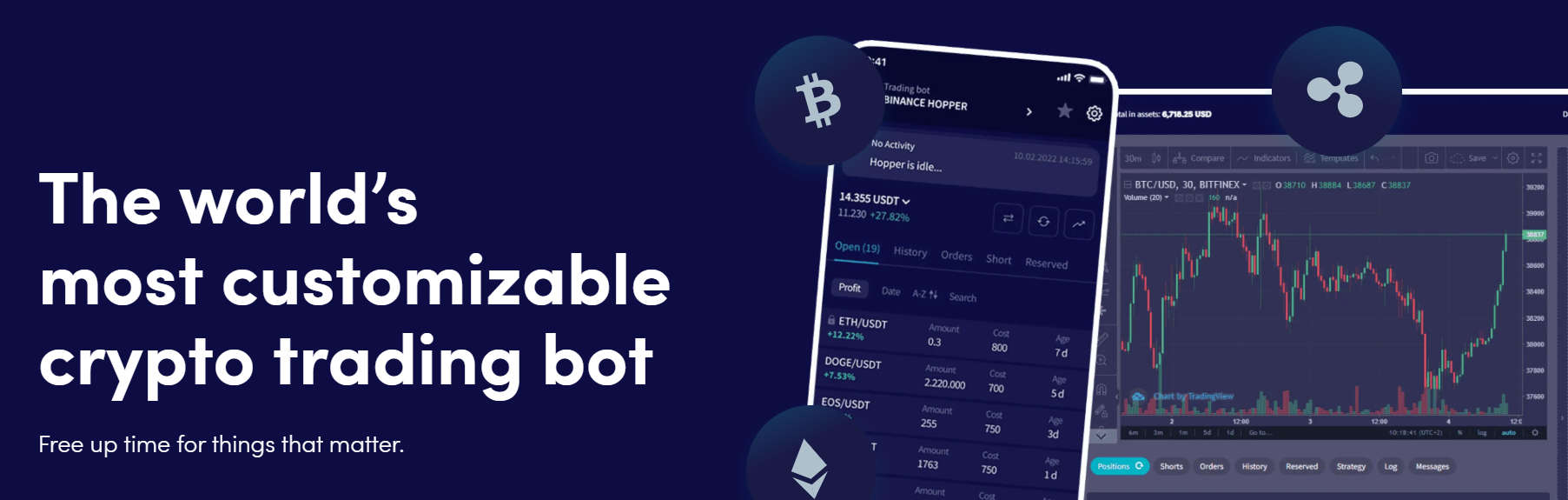
2. CryptoHopper — AI‑Driven Trading Automation

Best For: Automated crypto trading bots

CryptoHopper allows traders to automate their trading strategies using AI‑powered bots. It connects to major exchanges and executes trades based on predefined conditions, reducing emotional trading.

Key Features:

  • AI‑Driven Bots: Adapt strategies based on real‑time data.
  • Backtesting: Test strategies against historical market performance.
  • Social Trading: Copy strategies from experienced traders.

Why It’s Great:
For traders who want hands‑off execution, CryptoHopper provides robust automation paired with AI insights.

3. 3Commas — AI for Portfolio and Trade Management

Best For: Multi‑exchange trading and smart portfolio management

3Commas combines AI‑driven analytics with smart trading tools, allowing users to execute trades across multiple exchanges.

Key Features:

  • AI Portfolio Management: Optimize holdings using automated rebalancing.
  • Trading Bots: Configure AI bots for spot, futures, or options markets.
  • SmartTrade Terminal: Advanced order types for precision trading.

Why It’s Great:
3Commas is ideal for active traders managing multiple accounts across different platforms.

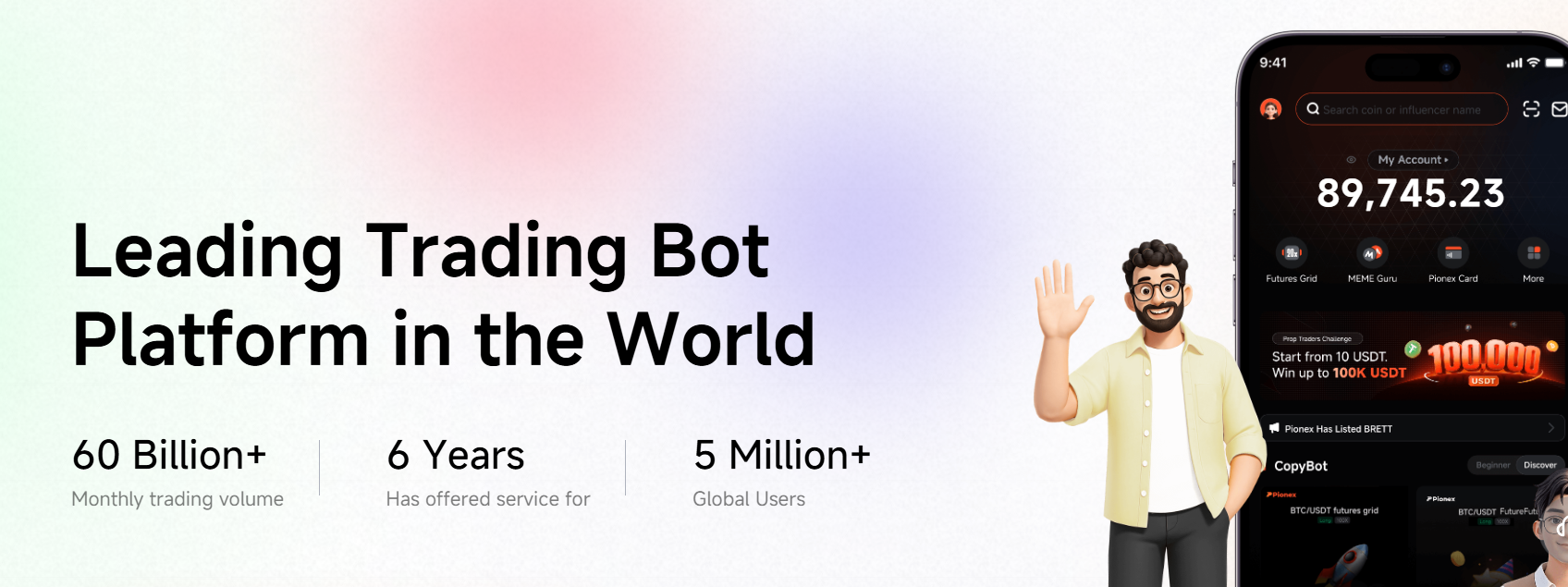
4. Pionex — AI‑Powered Grid Trading

Best For: Grid and arbitrage trading

Pionex specializes in AI‑powered grid trading, which profits from market volatility.

Key Features:

  • AI Grid Bots: Automate buy‑low, sell‑high strategies.
  • Arbitrage Bots: Capitalize on price differences across exchanges.
  • Low Fees: Competitive rates for active traders.

Why It’s Great:
Pionex helps beginner and intermediate traders profit from sideways markets using low‑maintenance AI bots.

5. Numerai Signals — AI for Predictive Trading

Best For: Crowdsourced AI predictions

Numerai Signals collects machine learning models from data scientists worldwide to generate highly predictive trading insights.

Key Features:

  • Crowdsourced AI Models: Benefit from collective intelligence.
  • Predictive Signals: Forecast market moves using advanced algorithms.
  • Quantitative Trading: Build data‑driven strategies with institutional‑grade tools.

Why It’s Great:
Numerai offers unique crowdsourced intelligence, making it an attractive tool for data‑driven traders.

How to Choose the Right AI Trading Tool

When selecting a platform, consider:

  • Your Goals: Are you looking for portfolio optimization, day trading, or automation?
  • Ease of Use: Some tools require technical expertise, while others (like Token Metrics) are beginner‑friendly.
  • Data Sources: Ensure the tool uses reliable, real‑time market data.
  • Integration: Check if it works with your preferred exchanges or wallets.

Combining AI Tools for Maximum Impact

The best approach in 2025 isn’t using just one tool — it’s combining multiple platforms:

  • Use Token Metrics for narrative detection and portfolio building.
  • Automate execution with CryptoHopper or 3Commas.
  • Apply Pionex bots for volatility trading and arbitrage opportunities.

This hybrid approach creates a comprehensive AI‑driven trading strategy.

Risks of AI Trading Tools

While AI can enhance trading, it isn’t foolproof:

  • Overreliance on Bots: AI models can fail during extreme volatility.
  • Data Quality Issues: Poor‑quality data leads to inaccurate predictions.
  • Security Risks: Using third‑party tools requires strong cybersecurity practices.

Using Token Metrics’ AI analytics helps mitigate these risks by providing transparent, multi‑factor coin ratings.

Conclusion

AI is transforming how crypto trading works in 2025. From narrative detection to automated execution, these tools give traders the ability to make smarter, faster, and more profitable decisions.

Token Metrics leads the way, offering AI‑powered coin ratings, trend detection, and portfolio optimization — making it the ideal platform for traders and investors aiming to stay ahead in a volatile market.

In crypto, information is power — and with the right AI tools, you can turn that information into consistent profits.

Choose from Platinum, Gold, and Silver packages
Reach with 25–30% open rates and 0.5–1% CTR
Craft your own custom ad—from banners to tailored copy
Perfect for Crypto Exchanges, SaaS Tools, DeFi, and AI Products