Back to blog
Research

Top Gold & Commodity-Backed Tokens (2025)

Learn how gold-backed and commodity tokens offer on-chain ownership and redemption for vaulted assets. See our top 2025 token picks with compliant custody, fee transparency, and global access.
Token Metrics Team
12 min read
Want Smarter Crypto Picks—Free?
See unbiased Token Metrics Ratings for BTC, ETH, and top alts.
Thank you! Your submission has been received!
Oops! Something went wrong while submitting the form.
 No credit card | 1-click unsubscribe

Who this guide is for. Crypto investors and treasurers comparing gold-backed tokens and other commodity-backed assets that can be audited and, in many cases, redeemed for metal.
Top three picks. PAX Gold (PAXG) for regulated, bar-linked redemption; Tether Gold (XAUt) for broad awareness and simple fees; Kinesis (KAU/KAG) for spend-and-yield use cases.
Key caveat. Redemption minimums, custody locations, and fees vary by issuer; always confirm regional eligibility and schedules on the official pages.


Introduction: Why Commodity-Backed Tokens Matter in 2025

Gold-backed tokens give on-chain ownership exposure to vaulted bullion with transparent allocation and, often, physical redemption, blending the inflation hedge of metals with crypto liquidity. In 2025, they’re used for hedging, collateral, cross-border settlement, and “digital cash” backed by tangible assets. A commodity-backed token is a blockchain token that represents title to a specific quantity of a real-world commodity (for example, 1 troy ounce or 1 gram of gold) held by a custodian, typically with published fees, vault locations, and redemption rules. Our picks prioritize liquidity, security controls, breadth of metals, cost transparency, and global accessibility.


Best Commodity-Backed Tokens in November 2025 (Comparison Table)


We excluded defunct or sunset projects (e.g., PMGT; CACHE Gold ceased backing CGT on Sept 30, 2025). (perthmint.com)


Top 10 Gold & Commodity-Backed Tokens in November 2025

1) PAX Gold (PAXG) — Best for bar-linked redemption & regulatory posture

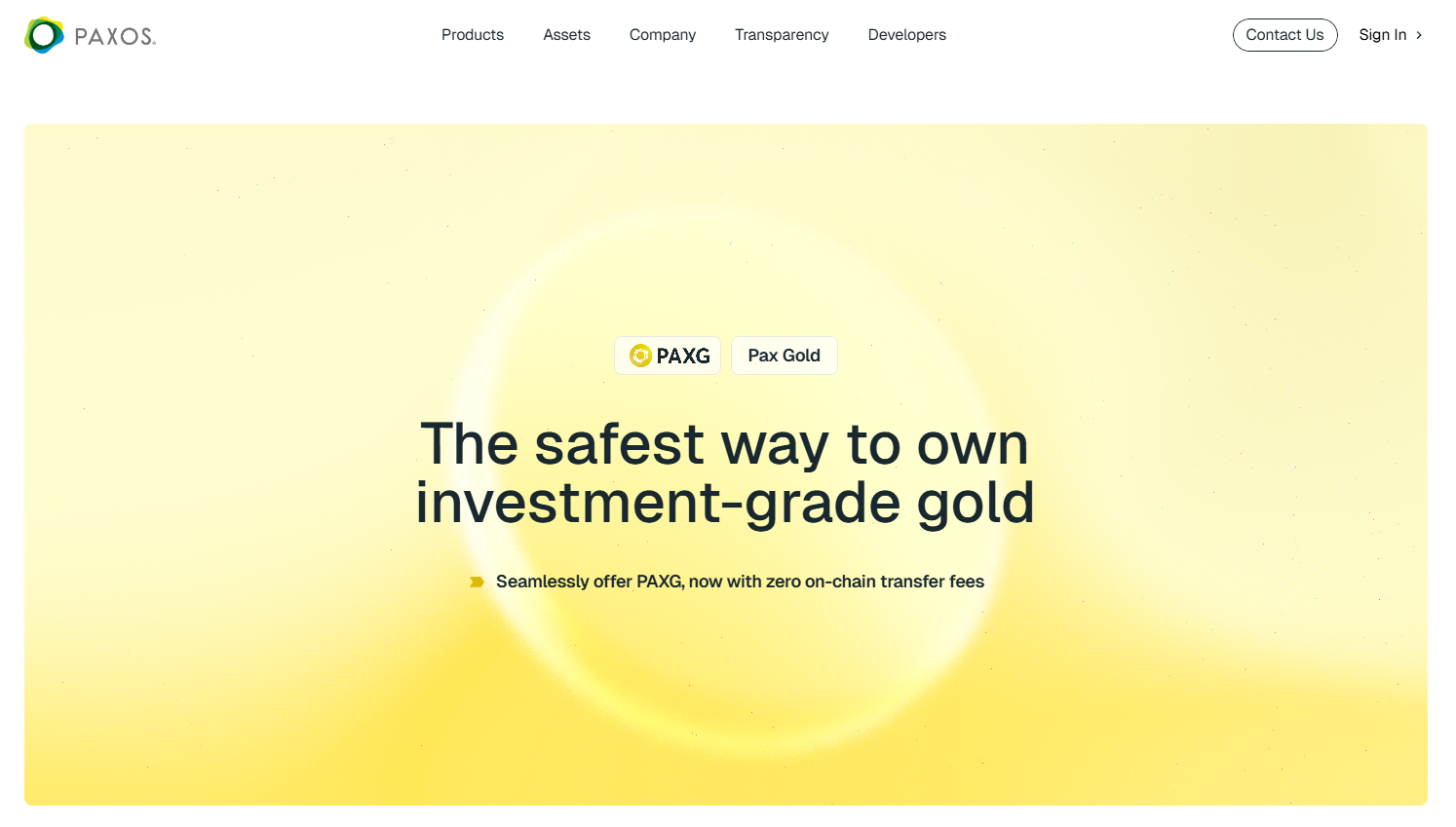
Why Use It. PAXG links each token to specific LBMA Good Delivery bars stored in London, offering direct bar redemption (institutional minimums apply) or USD redemption at spot. Paxos publishes fee schedules and notes no storage fee charged to customers at this time. (paxos.com)
Best For. Institutions; HNW hedgers; DeFi users needing reputable collateral.
Notable Features. LBMA bars; serial-number linkage; custodied in London; fiat redemption option. (paxos.com)
Fees Notes. Creation/destruction fees; no storage fee currently per issuer help center. (help.paxos.com)
Regions. Global (issuer KYC).
Consider If. You can meet bar redemption minimums and UK vault logistics. (help.paxos.com)
Alternatives. Tether Gold (XAUt); VNX Gold (VNXAU).  

2) Tether Gold (XAUt) — Best for simple pricing & broad availability

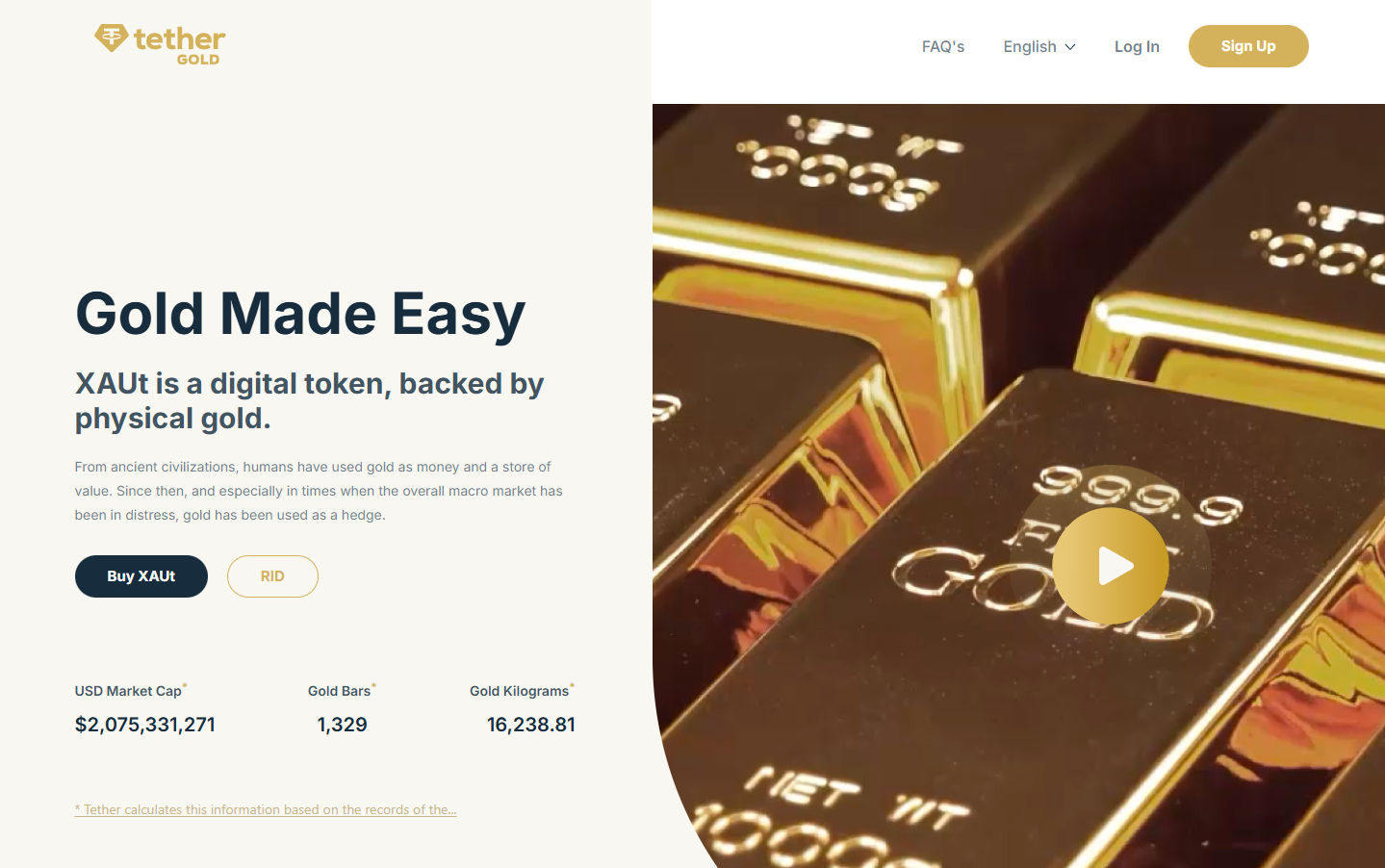
Why Use It. XAUt represents allocated gold and can be redeemed for physical gold or USD; Tether publishes a straightforward 0.25% creation/redemption fee and a one-time verification fee for onboarding. FAQs outline redemption mechanics and bar specifics. (Tether)
Best For. Traders seeking brand familiarity; cross-chain users (ETH/TRON).
Notable Features. Bar metadata; physical or USD redemption; no custody fee disclosed beyond the transaction fee. (Tether)
Fees Notes. 25 bps create/redeem; separate KYC verification fee. (Tether)
Regions. Global (issuer KYC).
Consider If. You need clear fee math but don’t require bar-specific allocation like PAXG.
Alternatives. PAX Gold (PAXG); Kinesis (KAU).  

3) Kinesis KAU (Gold) / KAG (Silver) — Best for spend-and-yield utility

Why Use It. Kinesis combines metal-backed tokens with an exchange, cards, and yields funded from platform fees (published yield-share). Trading and precious metals transactions show ~0.22% execution fees on official schedules. (Kinesis)
Best For. Users wanting to spend gold/silver, earn monthly yields, and keep fees predictable.
Notable Features. Fee-share yield (published); exchange, card rails; gold & silver pairs. (Kinesis)
Fees Notes. ~0.22% buy/sell/trade; other fees per schedule. (Kinesis)
Regions. Global (platform KYC/availability).
Consider If. You prefer an integrated platform over a standalone token.
Alternatives. VNX (VNXAU/VNXAG); Aurus (tXAU/tXAG).  


4) Comtech Gold (CGO) — Best for XDC ecosystem & Shariah-compliant framework

Why Use It. CGO tokenizes 1g gold units on the XDC (XRC-20) network, with a published fee structure for mint/redeem (0.50%), transfers (0.50%), and custody notes in FAQs. Documentation details creation/redemption and delivery fees. (comtechgold.com)
Best For. XDC builders; users needing Shariah-compliant structuring.
Notable Features. On-chain proofing; fee schedule; vault delivery options. (comtechgold.com)
Fees Notes. 0.50% mint/redeem; 0.50% transfer; custody terms disclosed. (comtechgold.com)
Regions. Global (issuer terms apply).
Consider If. You’re comfortable with XDC rails and issuer fee model.
Alternatives. PAXG; VNXAU.


5) VNX Gold (VNXAU) — Best for EEA vaulting & multi-chain issuance

Why Use It. VNXAU gives direct ownership of allocated bars stored in Liechtenstein with a public allocation lookup tool. VNX runs on Ethereum, Polygon, Q, and Solana, and has communications on redemption and delivery. (VNX)
Best For. EEA users; diversification across chains.
Notable Features. Allocation lookup by serial; segregated AAA-jurisdiction vault; multi-chain. (VNX)
Fees Notes. See VNX pricing and product pages for current schedules.
Regions. EEA emphasis; global availability varies by KYC.
Consider If. You want EEA custody and serial-level transparency.
Alternatives. PAXG; XAUt.


6) Aurus tGOLD (tXAU) / tSILVER (tXAG) — Best for gram-denominated multi-metal exposure

Why Use It. Aurus issues 1-gram tokens backed by vaulted gold and silver with insured, audited storage. tGOLD and tSILVER support multi-chain DeFi integrations and a mobile app, with ecosystem partners for mint/redeem. (AURUS)
Best For. DeFi users; small-denomination accumulation; multi-metal portfolios (includes platinum via tXPT).
Notable Features. 1g units; insured vaulted metals; app & dashboard; partner network. (AURUS)
Fees Notes. Exchange/network fees; issuer/partner fees may apply.
Regions. Global (partner KYC where required).
Consider If. You want gram-level flexibility and cross-chain access.
Alternatives. Kinesis; VNX.


7) Gold Silver Standard (AUS/AGS) — Best for Australia-based custody & simple redemption

Why Use It. Tokens AUS (gold) and AGS (silver) are backed by allocated bullion held in Australian high-security vaults with $0 storage and transfer at the issuer level and partner-facilitated redemptions. (goldsilverstandard.com)
Best For. AUD-centric investors; straightforward physical pickup/delivery via partners.
Notable Features. 1g linkage; local redemption via Ainslie partners; Australia-first focus. (goldsilverstandard.com)
Fees Notes. Issuer lists $0 storage/transfer; exchange and redemption partner fees may apply. (goldsilverstandard.com)
Regions. Australia focus; global varies.
Consider If. You need straightforward redemption in Australia.
Alternatives. PAXG; VNXAU.


8) VNX Silver (VNXAG) — Best for EEA silver allocation & transparency tools

Why Use It. VNXAG mirrors the VNXAU model for silver, backed by allocated metal with the same allocation lookup tooling and multi-chain issuance. (VNX)
Best For. EEA investors prioritizing silver in segregated storage.
Notable Features. Allocation lookup; EEA custody; multi-chain support. (VNX)
Fees Notes. See VNX site for current schedules.
Regions. EEA emphasis; global varies.
Consider If. You want EEA-vaulted silver with serial-level transparency.
Alternatives. KAG; tXAG.


9) VeraOne (VRO) — Best for euro-area buyers wanting 1-gram ERC-20

Why Use It. VRO is an ERC-20 token pegged to 1 gram of LBMA-standard gold, issued by a long-standing French precious-metal group; materials describe secured storage and regular audits. (VeraOne)
Best For. EU users; gram-based savings; euro on-ramps.
Notable Features. 1g linkage; audited storage; EU presence. (VeraOne)
Fees Notes. Issuer materials outline model; confirm current fees on site.
Regions. EU focus; global access varies.
Consider If. You want EU branding and ERC-20 simplicity.
Alternatives. PAXG; VNXAU.


10) AgAu — Best for Swiss custody & peer-to-peer design

Why Use It. AgAu outlines 1:1 backed gold and silver tokens with Swiss custody and a peer-to-peer payment focus; docs and reports describe convertibility and audited reserves. (agau.io)
Best For. Users seeking Swiss jurisdiction and payments-style UX.
Notable Features. Swiss issuer; P2P spend; audit & documents hub. (agau.io)
Fees Notes. See issuer documentation for fees and redemption steps.
Regions. Global (jurisdictional checks apply).
Consider If. You want Swiss custody with payments emphasis.
Alternatives. VNXAU; AUS.


Decision Guide: Best by Use Case

  • Regulated, bar-specific redemption: PAX Gold (PAXG). (paxos.com)
  • Simple fee schedule & brand familiarity: Tether Gold (XAUt). (Tether)
  • Spend metals + monthly fee-share yield: Kinesis (KAU/KAG). (Kinesis)
  • XDC network users: Comtech Gold (CGO). (comtechgold.com)
  • EEA custody & allocation lookup: VNX (VNXAU/VNXAG). (VNX)
  • Gram-based, multi-metal DeFi: Aurus (tXAU/tXAG). (AURUS)
  • Australia-centric custody & pickup: Gold Silver Standard (AUS/AGS). (goldsilverstandard.com)
  • EU 1-gram ERC-20: VeraOne (VRO). (VeraOne)
  • Swiss custody & P2P payments: AgAu. (agau.io)

How to Choose the Right Commodity-Backed Token (Checklist)

  • ☐ Region eligibility and KYC match your profile.
  • ☐ Underlying metal type and unit (ounce vs gram).
  • Redemption rules: minimums, delivery locations, timelines.
  • Custody: vault jurisdiction, insurer, LBMA accreditation.
  • Fee transparency: creation, redemption, storage, transfer, network.
  • Audit/attestation cadence and allocation lookup tools.
  • Chains supported and DeFi integration needs.
  • ☐ Support channels and documentation depth.
    Red flags: vague custody details, unclear redemption, or discontinued programs.

Use Token Metrics With Any Commodity-Backed Token

  • AI Ratings to screen metal-linked assets and related ecosystem tokens.
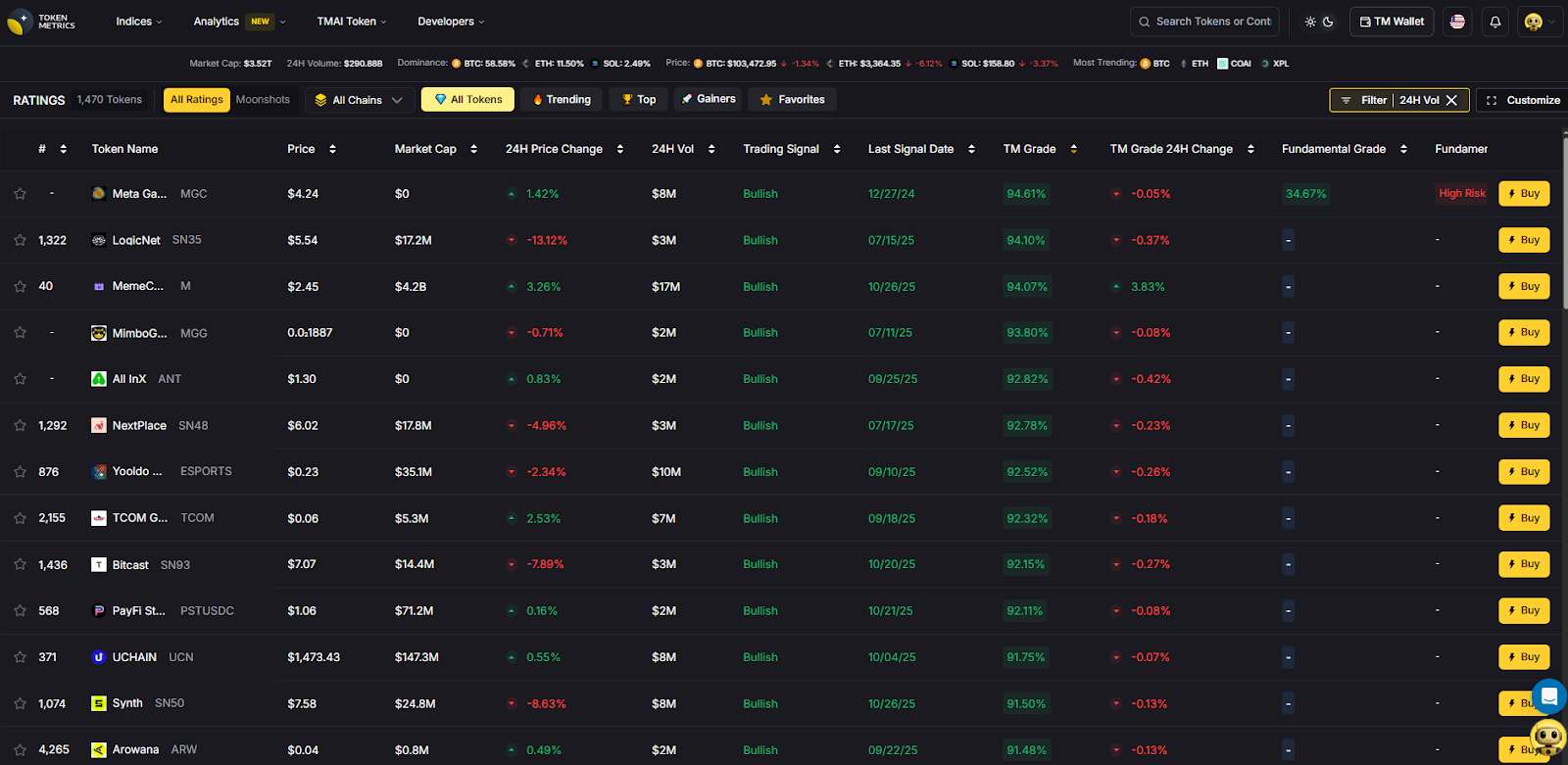
  

  • Narrative Detection to spot inflows to on-chain RWAs.
  • Portfolio Optimization to size metal exposure vs. crypto beta.
  • Alerts & Signals to time entries/exits around macro prints.
    Workflow: Research → Select issuer → Execute on-chain or via platform → Monitor with alerts.


CTA: Start free trial to screen assets and time entries with AI.  

Security & Compliance Tips

  • Use official issuer URLs only; beware look-alikes.
  • Confirm fee schedules and redemption procedures before buying. (Tether)
  • Verify vaulting jurisdiction and any bar-serial lookup tools. (VNX)
  • Mind network fees, bridge risks, and exchange withdrawal rules.
  • Keep custody keys secure; whitelist issuer addresses.
  • If staking or yielding, confirm source of yield and counterparty exposure. (Kinesis)
    This article is for research/education, not financial advice.

Beginner Mistakes to Avoid

  • Treating all metal tokens as equal—redemption and custody differ widely.
  • Ignoring region and KYC limits until you try to redeem.
  • Overlooking minimums (e.g., full LBMA bars vs. gram redemptions). (help.paxos.com)
  • Confusing defunct tokens with active ones (e.g., PMGT sunset; CGT backing ceased). (perthmint.com)
  • Forgetting network/transfer fees when arbitraging across chains.
  • Using unofficial contracts on the wrong chain.

How We Picked (Methodology & Scoring)

  • Liquidity — 30%. Exchange presence, on-chain activity, practical tradability.
  • Security — 25%. Custody details, audits/attestations, LBMA alignment, redemption design.
  • Coverage — 15%. Metals (gold/silver/platinum), chains, tooling.
  • Costs — 15%. Creation/redemption/storage/transfer and transparency of schedules.
  • UX — 10%. Apps, dashboards, redemption flows.
  • Support — 5%. Docs, status pages, human support.
    We relied on official product, docs, fees, FAQ, and disclosure pages, cross-checking market datasets only for context. Last updated November 2025.

FAQs

What are gold-backed tokens?
 They are blockchain tokens that represent ownership of a specific quantity of vaulted, insured gold, typically with published fees and, in some cases, physical redemption options.

Are gold-backed tokens safer than stablecoins?
 They can diversify away from fiat risk, but introduce custody and redemption dependencies. Safety depends on the issuer’s vaulting, audits, legal structure, and your ability to redeem.

What fees should I expect?
 Common fees include creation/redemption, possible storage, transfer, and network fees. Examples: XAUt lists 0.25% create/redeem; Paxos publishes creation/destruction fees and notes no storage fee currently. Always check the live schedules. (Tether)

Can I redeem tokens for a real gold bar?
 Some issuers support bar redemption with minimum sizes and location constraints (e.g., LBMA bar logistics in London for PAXG). Others support gram-level redemption via partners. (help.paxos.com)

Which chains are supported?
 Varies: PAXG (Ethereum), XAUt (Ethereum/TRON), VNX (Ethereum/Polygon/Q/Solana), Aurus (multi-chain), CGO (XDC), Kinesis (native + exchange listings). (paxos.com)

Are there discontinued tokens I should avoid?
 Yes. PMGT has been discontinued; CACHE Gold (CGT) ceased backing as of Sept 30, 2025. Verify project status before buying. (perthmint.com)


Conclusion + Related Reads

Choose PAXG for bar-linked redemption and strong disclosures, XAUt for simple fees and brand reach, or Kinesis if you want to spend metals and earn fee-share yields. For EEA vaulting with allocation lookup, VNX is compelling; for gram-based DeFi exposure, Aurus is versatile.

Related Reads:

Build Smarter Crypto Apps &
AI Agents in Minutes, Not Months
Real-time prices, trading signals, and on-chain insights all from one powerful API.
Grab a Free API Key
About Token Metrics
Token Metrics: AI-powered crypto research and ratings platform. We help investors make smarter decisions with unbiased Token Metrics Ratings, on-chain analytics, and editor-curated “Top 10” guides. Our platform distills thousands of data points into clear scores, trends, and alerts you can act on.
30 Employees
analysts, data scientists, and crypto engineers
Daily Briefings
concise market insights and “Top Picks”
Transparent & Compliant
Sponsored ≠ Ratings; research remains independent
Want Smarter Crypto Picks—Free?
See unbiased Token Metrics Ratings for BTC, ETH, and top alts.
Thank you! Your submission has been received!
Oops! Something went wrong while submitting the form.
 No credit card | 1-click unsubscribe
Token Metrics Team
Token Metrics Team

Recent Posts

Crypto Basics

Top Ways to Swap Cryptocurrency Efficiently and Cost-Effectively

Token Metrics Team
6 min

Introduction to Crypto Swap

Swapping cryptocurrency has become an essential part of the digital currencies market, allowing users to exchange one digital asset for another quickly and efficiently. Whether you want to swap bitcoin for altcoins or exchange other cryptocurrencies, understanding how to swap crypto efficiently with low fees and the best rates is crucial. By using a reliable crypto exchange, you can securely store and swap cryptocurrencies with confidence. Many users prefer to manage their assets through a self-custody wallet, which offers greater control and security. To complete a cryptocurrency swap, you must enter a receiving wallet address. To get started, it is important to choose a trustworthy cryptocurrency exchange that supports seamless crypto swaps and provides a smooth user experience.

Choosing a Reliable Crypto Exchange

Understanding Crypto Exchanges

Selecting the right crypto exchange is key to swapping cryptocurrency effectively. Begin by researching and comparing various crypto exchanges to find platforms that offer the best rates and low fees. A non-custodial platform is often preferred because it allows users to securely store and swap cryptocurrencies without relinquishing control of their digital assets. Security features should be a top priority—look for exchanges with strong encryption, two-factor authentication, and a responsive support team to assist you when needed. Additionally, you send the cryptocurrency you want to swap to a generated deposit address provided by the platform. Reviewing transaction history and user feedback can provide insights into the platform’s reliability and performance, helping you make an informed decision.

Efficient Crypto Swap Processes

Swap Crypto Strategies

To swap crypto efficiently, consider using a decentralized exchange (DEX). Decentralized exchanges enable users to trade directly from their wallets, avoiding the high network fees often associated with centralized platforms. These exchanges leverage smart contracts to execute swaps securely and automatically, reducing the risk of errors or fraud. Users often receive tokens in their wallet after the exchange completes, which can take from a few minutes to several hours depending on network conditions. When swapping crypto, it’s important to select the best crypto pair or swap pairs that align with your trading goals, as this can maximize the value of your transaction. Always factor in gas fees and other costs associated with the swap to ensure the process remains cost-effective.

Non Custodial Platforms

Non-custodial platforms have grown in popularity among crypto users who want full control over their digital assets. By using a self-custody wallet, you can securely store and swap cryptocurrencies without relying on third parties. This flexibility means you maintain control over your funds at all times, reducing exposure to hacks or mismanagement. Non-custodial swaps empower users to manage their assets directly, execute transactions quickly, and maintain privacy. Swapping crypto usually incurs a network fee, paid in the native currency of the blockchain used for the swap. Learning how to navigate these platforms is essential for anyone looking to swap crypto securely and efficiently.

Buy Crypto and Swap

For those new to the market, buying crypto is the first step before swapping. You can buy bitcoin or other cryptocurrencies using various payment methods such as bank transfers, credit cards, or digital payment services. Once you have acquired your digital assets, you can swap crypto immediately to take advantage of favorable market trends. However, the amount you can swap may be subject to platform limitations, such as minimum or maximum amounts. Using a reliable crypto exchange ensures you get the best exchange rate and pay minimal fees during both the purchase and swap processes. Always consider the exchange rate and associated fees to optimize your investment.

Swapping Bitcoin

Bitcoin remains the most traded cryptocurrency, and swapping bitcoin for other cryptocurrencies is a common practice. Utilizing a decentralized exchange to swap bitcoin can help you benefit from low fees and the best rates available. Storing bitcoin in a self-custody wallet before swapping provides an added layer of security, ensuring your funds are safe throughout the transaction. Once a swap is confirmed, it may take time for the transaction to complete based on the blockchain used. Understanding how to swap bitcoin efficiently empowers users to diversify their portfolios and capitalize on market opportunities without unnecessary delays or costs.

Swap Pairs and Rates

Choosing the right swap pairs is fundamental to maximizing the value of your crypto swaps. Different crypto pairs offer varying exchange rates and liquidity, so comparing rates and fees across multiple crypto exchanges can help you find the most advantageous options. Reliable platforms often provide transparent pricing and low fees, enabling users to make swaps with confidence. Crypto swaps can involve fluctuating fees based on network traffic and volatility. Keeping an eye on market trends and exchange rates ensures you execute swaps at the most favorable times, enhancing your overall crypto trading strategy.

Best Rates for Crypto Swap

Securing the best rates when you swap cryptocurrency depends largely on the platform you use. By selecting a reputable crypto exchange, you can access competitive prices and benefit from low fees. Decentralized exchanges often provide an edge by minimizing network fees, making them an attractive option for cost-conscious users. Changelly, for instance, has industry-low fees of up to 0.25% on crypto exchanges. Comparing rates and fees across several exchanges before executing a swap is a smart practice that helps you get the most value from your digital assets.

Crypto Swap Security

Security is paramount when swapping crypto. Using a self-custody wallet allows you to securely store and swap cryptocurrencies without exposing your funds to third-party risks. Smart contracts enhance security by automating swap execution in a transparent and tamper-proof manner. When choosing a crypto exchange, pay close attention to its security features and the responsiveness of its support team. Learning how to securely swap crypto and manage your digital assets protects you from fraud and ensures peace of mind.

Worldwide Crypto Exchange

Accessing a worldwide crypto exchange opens the door to global markets, providing more swap pairs and competitive rates. These platforms typically offer low fees and robust security features, supported by dedicated teams that assist users around the clock. Using a worldwide exchange allows you to diversify your portfolio and take advantage of opportunities across different regions. Mastering how to use such exchanges can help you swap crypto efficiently and manage your assets with greater flexibility.

Easiest Crypto Exchange

For beginners and experienced users alike, the easiest crypto exchange combines user-friendliness with powerful features. These platforms provide intuitive interfaces, clear instructions, and helpful tools that simplify the swapping process. Low fees and the best rates are often part of their offerings, making it easier for users to trade and swap crypto without hassle. Learning how to navigate the easiest crypto exchange can significantly enhance your crypto trading experience, allowing you to execute swaps quickly and cost-effectively.

Crypto Swap Frequently Asked Questions

Many users have questions about how to swap crypto and manage their digital assets effectively. Common inquiries include the benefits and risks of swapping, how to choose swap pairs, and how to handle fees and security. Understanding these aspects helps users make informed decisions and avoid common pitfalls. Accessing resources and support from reliable crypto exchanges further aids in efficient and cost-effective crypto swaps.

Crypto Swap Tips and Tricks

To swap crypto efficiently, it’s important to follow some key tips and tricks. Always prioritize security by using non-custodial wallets and reputable exchanges. Take advantage of market trends and choose swap pairs with favorable exchange rates. Managing gas fees and network fees carefully can save you money. Additionally, leveraging the flexibility and control offered by reliable platforms ensures a smooth swapping experience.

Crypto Swap Mistakes to Avoid

Avoiding common mistakes is crucial for a successful crypto swap. Neglecting security, ignoring fees, and rushing into swaps without research can lead to losses. Always maintain control of your assets by using self-custody wallets and avoid platforms with poor reputations. Utilize available support resources to navigate the swap process confidently and secure the best rates.

Crypto Swap Market Trends

Staying informed about crypto swap market trends allows you to make smarter trading decisions. Market analysis helps you understand price movements, liquidity changes, and emerging swap pairs. By leveraging these insights, you can time your swaps to maximize returns and minimize costs. Reliable exchanges often provide tools and resources to keep users updated on the latest market developments.

Crypto Swap Regulation

The regulatory landscape for crypto swap is evolving rapidly. Staying compliant with relevant laws and regulations is essential for secure and legal transactions. Reliable crypto exchanges typically adhere to regulatory standards and provide users with guidance to ensure compliance. Keeping abreast of regulatory changes helps you avoid legal issues and maintain a secure trading environment.

Crypto Swap Future Outlook

The future of crypto swap looks promising, with ongoing innovations enhancing security, speed, and accessibility. Advances in smart contracts, non-custodial swaps, and decentralized exchanges are shaping the next generation of crypto trading platforms. Staying informed about these developments and using reliable exchanges prepares users to benefit from future trends. Embracing these innovations will help you stay ahead of the curve in the dynamic world of digital assets.

By understanding these key aspects of swapping cryptocurrency, you can navigate the market efficiently, securely, and cost-effectively. Whether you are swapping bitcoin, exchanging other cryptocurrencies, or exploring new digital assets, choosing the right platform and strategies will maximize your success in the evolving crypto landscape.

Crypto Basics

Understanding Cryptocurrency Trading Pairs: A Comprehensive Overview

Token Metrics Team
6 min

Introduction to Crypto Trading

Cryptocurrency trading involves the exchange of one digital asset for another on a trading platform, a process made possible through the use of cryptocurrency trading pairs. These trading pairs are essential components of the cryptocurrency market, serving as the foundation for all trading activities. They allow traders to evaluate market trends and make informed decisions by comparing the relative value of the base currency against the quote currency. Understanding how crypto trading pairs work is vital not only for executing trades but also for effective portfolio diversification and navigating the complex market dynamics of the cryptocurrency market. With a wide range of different trading pairs available, traders are presented with diverse trading opportunities that reflect the unique characteristics and market conditions of various digital assets.

What Are Trading Pairs?

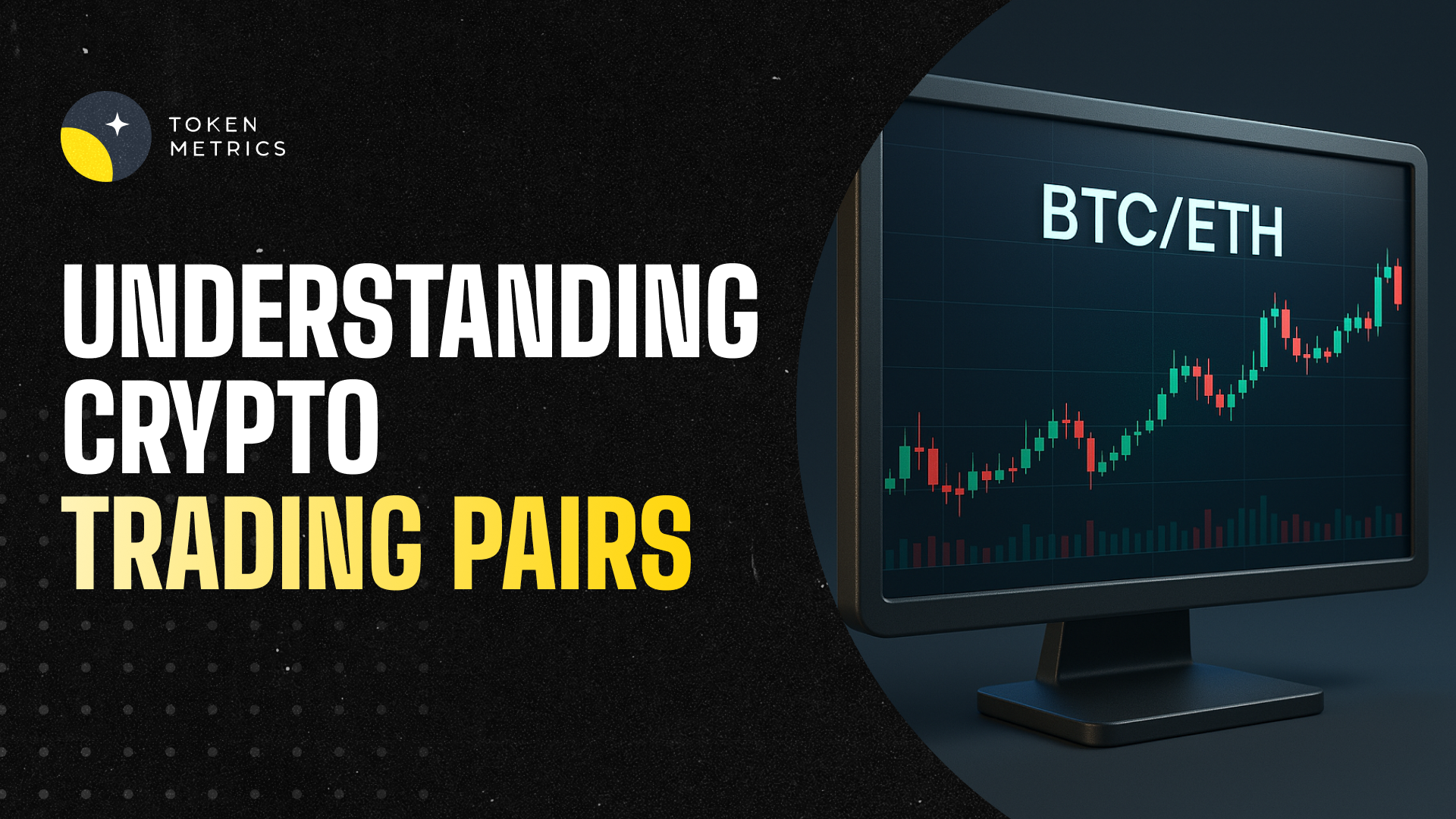
A trading pair consists of two different digital assets, such as BTC/ETH or ETH/BTC, enabling traders to exchange one cryptocurrency for another. In these pairs, the first currency listed is known as the base currency, which serves as the reference point for the trading pair. The second currency is called the quote currency, representing the currency used to price the base currency. For example, in the BTC/ETH pair, Bitcoin (BTC) is the base currency, and Ethereum (ETH) is the quote currency. Similarly, in the trading pair BTC/USD, Bitcoin is the base currency and USD is the quote currency. Trading pairs allow traders to compare costs between different cryptocurrencies by showing the exchange rate or comparative value of one crypto asset relative to another. This system also extends to fiat currency pairs, where digital assets are traded against traditional currencies like the US dollar, providing an essential link between the crypto market and the broader financial ecosystem.

How Crypto Trading Pairs Work

Crypto trading pairs work by facilitating the exchange of one digital asset for another on a trading platform. The price of the trading pair is determined by market sentiment and current market conditions, reflecting the supply and demand dynamics between the two cryptocurrencies involved. Trading pairs serve as unique value equations between two parts, allowing traders to speculate on price movements between different cryptocurrencies, offering opportunities for profit as well as risk of loss. Different crypto exchanges offer a variety of trading pairs, and the availability of specific pairs can significantly affect liquidity and trading opportunities. Some pairs, like BTC/ETH or stablecoin pairs, often provide better liquidity, making it easier for traders to enter and exit positions. Understanding how trading pairs work is essential for developing a successful trading strategy and implementing effective risk management techniques in the fast-paced crypto market.

Analyzing Trading Pairs

Analyzing trading pairs is a crucial step in cryptocurrency trading. It involves examining price charts, market movements, and trading volume to gain insights into market trends and make informed trading decisions. Technical analysis serves as an essential tool in this process, helping traders identify patterns, trends, and potential price movements within the crypto market. Additionally, incorporating risk management strategies is vital when analyzing trading pairs, as these strategies help mitigate potential losses and optimize gains. Understanding trading pairs is crucial for exploiting arbitrage opportunities, as traders can identify price discrepancies across different markets. By carefully studying trading pairs, traders can better understand market dynamics and improve their ability to make trading decisions that align with their goals and risk tolerance.

Understanding Market Trends

Market trends play a pivotal role in cryptocurrency trading, and trading pairs provide valuable information about market sentiment and price movements. Understanding these trends requires analyzing various market data, including price charts and trading volumes, to detect patterns that indicate whether the market is bullish, bearish, or ranging. Illiquidity in the market can create opportunities for arbitrage, as price discrepancies between trading pairs may arise. Trading pairs enable traders to identify these trends by comparing the performance of two cryptocurrencies relative to each other, offering insights into market movements and potential future developments. By staying informed about market trends, traders can tailor their trading strategies to current market conditions, increasing their chances of success and better managing the risks associated with volatile crypto markets.

Trading Strategies

A well-defined trading strategy is essential for navigating the complexities of cryptocurrency trading. Such a strategy outlines a plan for buying and selling digital assets, leveraging trading pairs to facilitate transactions and manage risk effectively. Trading strategies often incorporate technical analysis, market trend evaluation, and risk management principles to help traders meet their specific trading goals. Using stop-loss orders and maintaining favorable risk-reward ratios enhances trading strategies, providing a structured approach to managing trades. Since different trading pairs exhibit unique market behaviors and liquidity levels, traders must adapt their strategies to the characteristics of each pair and the prevailing market conditions. By developing and adhering to a robust trading strategy, traders can enhance their ability to capitalize on trading opportunities while minimizing potential losses in the highly dynamic crypto economy.

Managing Risks

Risk management is a fundamental aspect of successful cryptocurrency trading, and trading pairs provide various avenues for managing risk through diversification and hedging. By spreading investments across different crypto assets and trading pairs, traders can reduce their exposure to adverse market movements affecting a single digital asset. Risk management often requires a balanced approach, combining strategies such as setting stop-loss orders, controlling position sizes, and using stablecoin pairs for stability to help mitigate potential losses and protect capital. Effective risk management enables traders to preserve their portfolios and maintain a balanced approach to trading, aligning with their risk tolerance and long-term trading goals within the crypto market.

Conclusion

In conclusion, understanding cryptocurrency trading pairs is indispensable for success in the crypto market. Trading pairs offer a framework for buying and selling digital assets, providing insights into market trends, facilitating risk management, and enabling the development of effective trading strategies. The most widely traded digital asset that is integrated into the cryptocurrency market is BTC, which often serves as a base currency in many trading pairs. Each trading pair presents unique opportunities and challenges, requiring traders to cultivate a deep understanding of market dynamics and the specific characteristics of different digital assets. By analyzing trading pairs, staying informed about market sentiment and trends, and implementing sound trading and risk management strategies, traders can enhance their ability to make informed decisions and achieve their trading objectives. Ultimately, cryptocurrency trading pairs are essential tools that empower traders to navigate the evolving digital asset landscape with confidence and precision.

Crypto Basics

How Cryptos and Meme Coins Are Shaping the 2025 Crypto Market

Token Metrics Team
5 min

Introduction
With Bitcoin in price discovery and meme coins dominating short-term trends, crypto markets in 2025 are in a new phase of the cycle. At Token Metrics, we’ve been tracking smart money, emerging tokens, and high-conviction sectors like DeFi, AI, and meme assets. This post breaks down what we’re seeing—and how traders are adapting.

Current Market Sentiment

Bitcoin remains strong, with ETH and SOL following closely. Our models suggest:

  • ETH base case: $5,700

‍

  • SOL base case: $630

‍

  • Market cap projection: $8–14 trillion

Despite regulatory noise, crypto’s fundamentals—liquidity, user growth, and capital rotation—remain bullish.

Meme Coin Resurgence

Meme coins are leading short-term market action. Among the top gainers:

  • LoFi (SUI Ecosystem): Under $50M FTV, high liquidity, listed on Kraken and KuCoin
  • Sign, Gradient, Zerebro: Mixed quality; require caution

While volatility is high, top-performing meme coins on new chains often yield strong short-term returns—especially when backed by rising ecosystems like SUI.

Smart Money Tracking with Nansen

We’ve doubled down on using platforms like Nansen to follow profitable wallet cohorts. These tools help us identify early-stage tokens with smart money inflows. Key indicators:

  • Positive net inflow from smart wallets
  • Low concentration in top 100 holders
  • Distribution to non-suspicious fresh wallets
  • Whale cohort accumulation

We also track wallet activity over time to confirm whether top-performing wallets are accumulating or exiting positions.

Deep Dives Over Speculation

While meme coins grab headlines, we’re also analyzing sectors with long-term viability:

  • AI Agents (e.g., Fractal AI, Swarms)
  • Real-World Asset Stablecoins (e.g., USUAL with 9% APY)
  • Narrative Ecosystems (e.g., Hedera’s DEX activity surge)

We balance high-risk meme trades with deep fundamental research into projects gaining traction on-chain and in product development.

Sector Watch: Hedera Ecosystem

The Hedera (HBAR) ecosystem recently saw a 5x spike in DEX volume. Tokens like:

  • SaucerSwap (DEX)
  • HashPack (wallet)
  • Bonzo (lending)

are trending upward. While TVL remains low, increased volume may spark price momentum.

We’re not rotating capital aggressively here yet, but we’re watching closely for sustained on-chain activity.

Capital Flow Outlook

Altcoin rotation often follows BTC consolidation. With BTC and ETH leading the charge, we expect:

  • Meme coins and DeFi tokens to lead early-stage alt rotations
  • AI and DePin narratives to pick up mid-cycle
  • ETH and SOL outperformance in layer-1 competition

Internal price models and momentum indicators support further upside, assuming macro remains stable and regulatory conditions don’t sharply deteriorate.

Conclusion

The current cycle rewards those who combine quantitative analysis, on-chain tracking, and strong narrative awareness. Whether trading LoFi for a quick flip or accumulating tokens like Fractal AI or USUAL for a thesis-driven hold, the key is staying ahead of trends without abandoning discipline.

Choose from Platinum, Gold, and Silver packages
Reach with 25–30% open rates and 0.5–1% CTR
Craft your own custom ad—from banners to tailored copy
Perfect for Crypto Exchanges, SaaS Tools, DeFi, and AI Products