Back to blog
Crypto Basics

Top Layer 2 Blockchain in 2024 - Token Metrics Moon Awards

Explore the top Layer 2 blockchain technology with Token Metrics Moon Awards 2024. Uncover the future of scalable and efficient blockchain.
Token Metrics Team
6 Minutes
Want Smarter Crypto Picks—Free?
See unbiased Token Metrics Ratings for BTC, ETH, and top alts.
Thank you! Your submission has been received!
Oops! Something went wrong while submitting the form.
 No credit card | 1-click unsubscribe

Welcome to the Token Metrics Moon Awards, a prestigious cryptocurrency industry accolade recognizing platforms, projects, and initiatives with significant impact.

Today, we are thrilled to announce the addition of a new Moon Awards category for 2024 - the Top Layer 2 Blockchain.

Selection Process

At Token Metrics, we highly value our audience as the cornerstone of our operations. Our selection process is deeply rooted in community engagement, ensuring that our awards' results authentically mirror crypto enthusiasts' sentiments and experiences.

Amplifying Community Insights

The Moon Awards by Token Metrics are designed to amplify the community's voice, providing a clear and focused evaluation of the entities driving progress in the sector.

Through interaction with our community members and user voting, we have compiled a comprehensive list of the Top Layer 2 Blockchains for 2024 based on extensive survey data and user votes.

In this article, we will explore the concept of Layer 2 blockchain, how it works, and the top Layer 2 blockchain projects of 2024.

What is Layer 2 Blockchain?

A Layer 2 blockchain refers to a collection of scaling solutions designed to improve the performance and scalability of Layer-1 blockchains such as Ethereum. 

These Layer-2 protocols operate on top of the primary blockchain, alleviating congestion, reducing transaction costs, and boosting throughput.

To understand Layer 2 blockchain, let's imagine a highway where traffic flows smoothly, transactions are processed at lightning speed, and fees are almost negligible. 

Layer 2 protocols in the crypto world can be compared to express lanes built on top of Layer-1 blockchains, supercharging their performance and scalability.

How Does Layer 2 Blockchain Work?

At the core of Layer 2 networks is the principle of off-chain transaction processing. Instead of directly processing each transaction on the main blockchain, Layer-2 protocols divert transactions off the main chain, process them separately, and then consolidate them into a summary transaction on the main blockchain. 

This approach significantly reduces network congestion, processing time, and transaction costs. Layer-2 protocols act as dedicated traffic management systems, diverting transactions away from the main blockchain and processing them on secondary networks. 

This offloading process leads to faster transactions, lower fees, and increased throughput, ultimately enhancing the scalability and efficiency of the blockchain network.

List of Top Layer 2 Blockchain Projects

Here are some of the top Layer 2 blockchain projects to watch in 2024:

top Layer 2 blockchain
Image Source - Token Metrics Moon Awards

Polygon (MATIC)

In the Moon Awards survey, Polygon secured the top position with 57.3% of the total votes.

Polygon is a multichain ecosystem offering several Layer-2 solutions to scale Ethereum. It utilizes technologies like zkRollups for high-speed, privacy-focused transactions and Proof-of-Stake consensus mechanisms for sidechains. 

With a throughput exceeding 65,000 TPS, Polygon significantly outperforms Ethereum's mainnet regarding transaction speed and cost-effectiveness. It has a thriving DeFi scene and is popular among NFT enthusiasts.

Arbitrum

In the Moon Awards survey, Arbitrum secured the 2nd position with 22.8% of the total votes.

Arbitrum, built on Optimistic Rollups, offers a peak throughput of 4,000 TPS, processing transactions up to 10x faster than Ethereum's mainnet. It reduces gas costs by up to 95% and provides a developer-friendly environment. 

With a robust ecosystem of DeFi protocols, NFT marketplaces, and gaming platforms, Arbitrum is positioned as a key contender in the Layer 2 space.

Optimism

In the Moon Awards survey, Optimism secured the 3rd position with 6.1% of the total votes.

Optimism is a Layer-2 scaling solution for Ethereum, offering high throughput and reduced gas costs. With a peak throughput of 2,000 TPS, Optimism processes transactions up to 26x faster than Ethereum's mainnet. 

It is committed to becoming a self-governing community and hosts a growing array of DeFi protocols, NFT marketplaces, and DAOs.

Manta Network

In the Moon Awards survey, Manta Network secured the 4th position with 3.3% of the total votes.

Manta Network is a privacy-focused ecosystem for Ethereum, providing anonymous transactions and confidential smart contracts. 

It comprises two modules: Manta Pacific, an EVM-compatible Layer-2 for efficient transactions, and Manta Atlantic, which handles private identity management using zkSBTs. 

Manta Network promises high scalability, developer-friendliness, and strong interoperability with Ethereum and other blockchains.

Immutable X

In the Moon Awards survey, Immutable X secured the 5th position with 2.8% of the total votes.

Immutable X is a Layer-2 network on Ethereum designed to provide speed, scalability, and adaptability for the next era of crypto gaming. It offers a robust network equipped with tools and infrastructure for developing NFT projects. 

Immutable X incorporates Ethereum's security, zero gas fees, and user-friendly APIs. It hosts an immersive marketplace for trading and collecting NFTs.

SKALE

In the Moon Awards survey, SKALE secured the 6th position with 2.4% of the total votes.

SKALE takes a distinctive approach to enhancing Ethereum scalability by utilizing a network of independent "sidechains" built atop the Ethereum blockchain. 

These sidechains, known as SKALE Chains, provide tailored environments for specific applications, accommodating diverse requirements in terms of security, privacy, and transaction fees. SKALE offers flexibility and innovation within the Ethereum ecosystem.

Metis

In the Moon Awards survey, Metis secured the 7th position with 1.5% of the total votes.

Metis is a Layer-2 network aiming to provide scalable and accessible infrastructure for decentralized applications (dApps). 

It offers a user-friendly environment for developers to create, deploy, and manage dApps efficiently. Metis focuses on empowering individuals and businesses to build decentralized economies and communities.

Base

In the Moon Awards survey, Base secured the 8th position with 1.3% of the total votes.

Base is a Layer-2 protocol developed by Coinbase to enhance Ethereum's potential by increasing transaction speed and reducing fees. It targets a throughput of 2,000 TPS and aims to cut Ethereum's gas costs by up to 95%. 

Base leverages Ethereum's security while processing transactions off-chain, ensuring asset safety. It offers a developer-friendly environment and benefits from Coinbase's security expertise and large user base.

These Layer 2 blockchain projects represent the cutting edge of blockchain scalability and efficiency. They offer solutions to the scalability challenges faced by Layer-1 blockchains, enabling faster transactions, lower fees, and improved user experiences.

Conclusion

Layer-2 blockchain solutions are revolutionizing the scalability and efficiency of blockchain networks. These innovative protocols, such as Polygon, Arbitrum, Optimism, Manta, and others, are addressing the limitations of Layer-1 blockchains and unlocking the full potential of blockchain technology. 

As the adoption of cryptocurrencies and decentralized applications continues to grow, Layer-2 solutions will play a crucial role in driving mainstream blockchain adoption and powering diverse industries beyond finance.

Investors and developers should closely monitor the progress of these Layer 2 blockchain projects and conduct thorough research before making any investment or development decisions. The future of blockchain technology is bright, and Layer-2 solutions are at the forefront of this exciting evolution.

Disclaimer

The information provided on this website does not constitute investment advice, financial advice, trading advice, or any other advice, and you should not treat any of the website's content as such.

Token Metrics does not recommend buying, selling, or holding any cryptocurrency. Conduct your due diligence and consult your financial advisor before making investment decisions.

Build Smarter Crypto Apps &
AI Agents in Minutes, Not Months
Real-time prices, trading signals, and on-chain insights all from one powerful API.
Grab a Free API Key
About Token Metrics
Token Metrics: AI-powered crypto research and ratings platform. We help investors make smarter decisions with unbiased Token Metrics Ratings, on-chain analytics, and editor-curated “Top 10” guides. Our platform distills thousands of data points into clear scores, trends, and alerts you can act on.
30 Employees
analysts, data scientists, and crypto engineers
Daily Briefings
concise market insights and “Top Picks”
Transparent & Compliant
Sponsored ≠ Ratings; research remains independent
Want Smarter Crypto Picks—Free?
See unbiased Token Metrics Ratings for BTC, ETH, and top alts.
Thank you! Your submission has been received!
Oops! Something went wrong while submitting the form.
 No credit card | 1-click unsubscribe
Token Metrics Team
Token Metrics Team

Recent Posts

Token Metrics API

Fast Crypto API: Real-Time Data Without the Lag

Sam Monac
9 min

Why Speed Matters in a Crypto API

In crypto, milliseconds can make or break a trade. Whether you’re building a high-frequency bot, a risk management tool, or a market dashboard, slow crypto APIs lead to:

  • Missed trade opportunities during volatility

  • Bots that lag behind signals

  • Dashboards that feel sluggish

  • Risk models that update too late

📌 Example: In a Bitcoin price swing, even a 500 ms delay can translate to thousands in lost value for trading bots. That’s why developers emphasize low latency when choosing best Crypto APIs.

What Defines a “Fast” Crypto API

Not every Crypto API marketed as “fast” is built the same. A truly fast crypto API provides:

  • Low Latency Feeds – Sub-second updates across major tokens and exchanges.

  • WebSocket Support – Push-based data streams instead of slower polling.

  • Scalable Infrastructure – Resilient under heavy traffic spikes.

  • Global Edge Delivery – Reduced latency for users worldwide.

📌 Tip for builders: Always benchmark an API in real market conditions (during volatility) to see if “fast” performance holds up under stress.

Comparing Fast Crypto APIs: Strengths & Limitations

  • CoinGecko / CoinMarketCap


    • Strengths: Broad token coverage, good for price tickers.

    • Limitations: Refresh cycles can lag; not ideal for bots or real-time dashboards.

  • CryptoCompare


    • Strengths: Strong historical data for research.

    • Limitations: Not optimized for ultra-fast live feeds.

  • Glassnode


    • Strengths: On-chain metrics and blockchain health insights.

    • Limitations: Focused on analytics, not real-time trading data.

  • Token Metrics API


    • Strengths: Sub-second updates, fast bull/bear signals, predictive AI, and on-chain metrics.

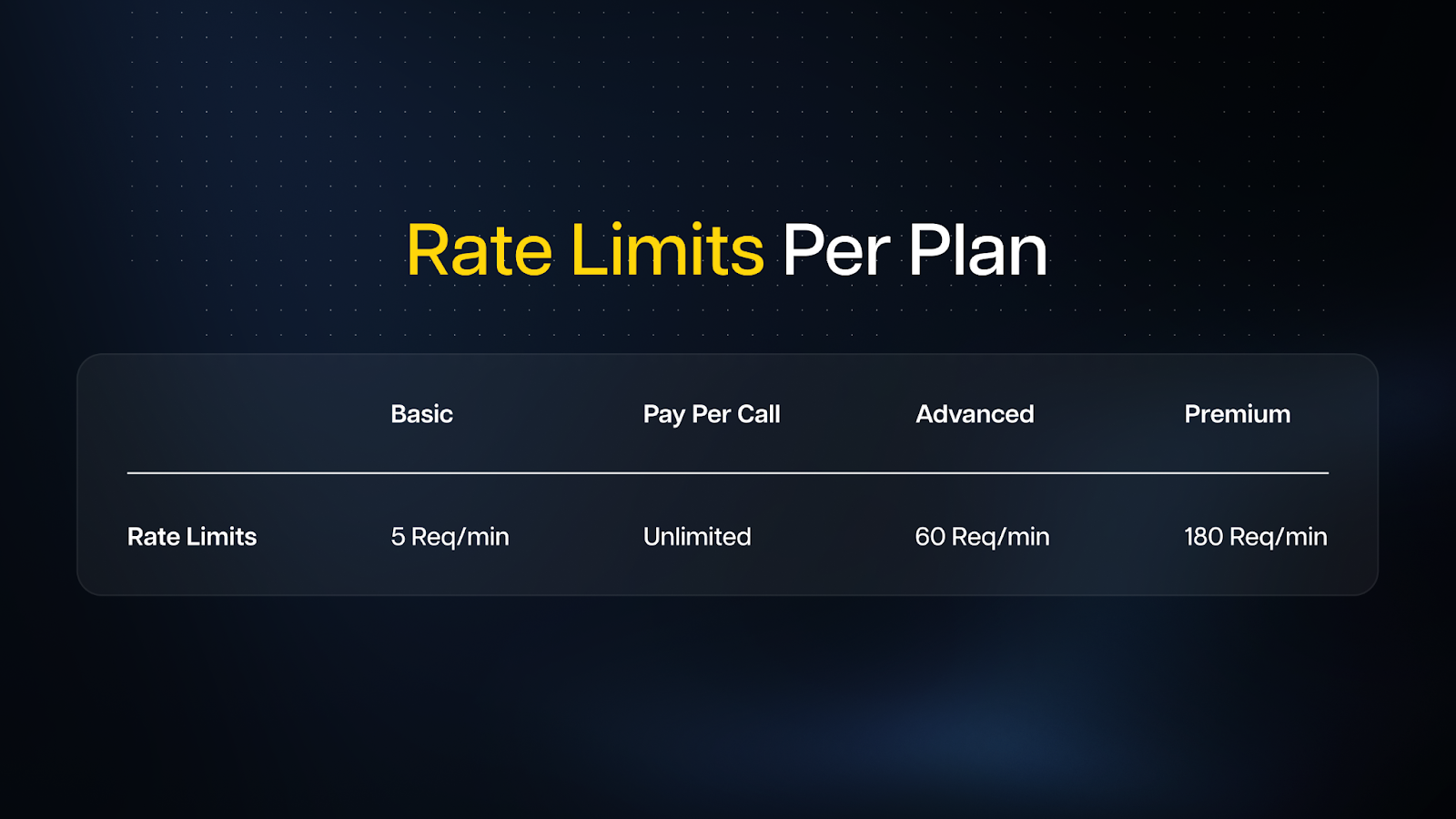
    • Limitations: Free tier includes rate limits (higher throughput available via X.402 or paid plans).

Token Metrics API: Fast + Intelligent

What sets Token Metrics API apart is that it’s not just fast data—it’s fast intelligence:

  • Real-Time Prices – Thousands of tokens continuously updated.

  • AI Trading Signals – Bull/bear predictions delivered instantly.

  • On-Chain Metrics – Track wallet flows, liquidity, and token behavior in near real time.

  • Scalable Performance – Built to withstand institutional-grade usage during volatility.

📌 Instead of just reacting to prices, developers can anticipate market shifts with AI-driven signals.

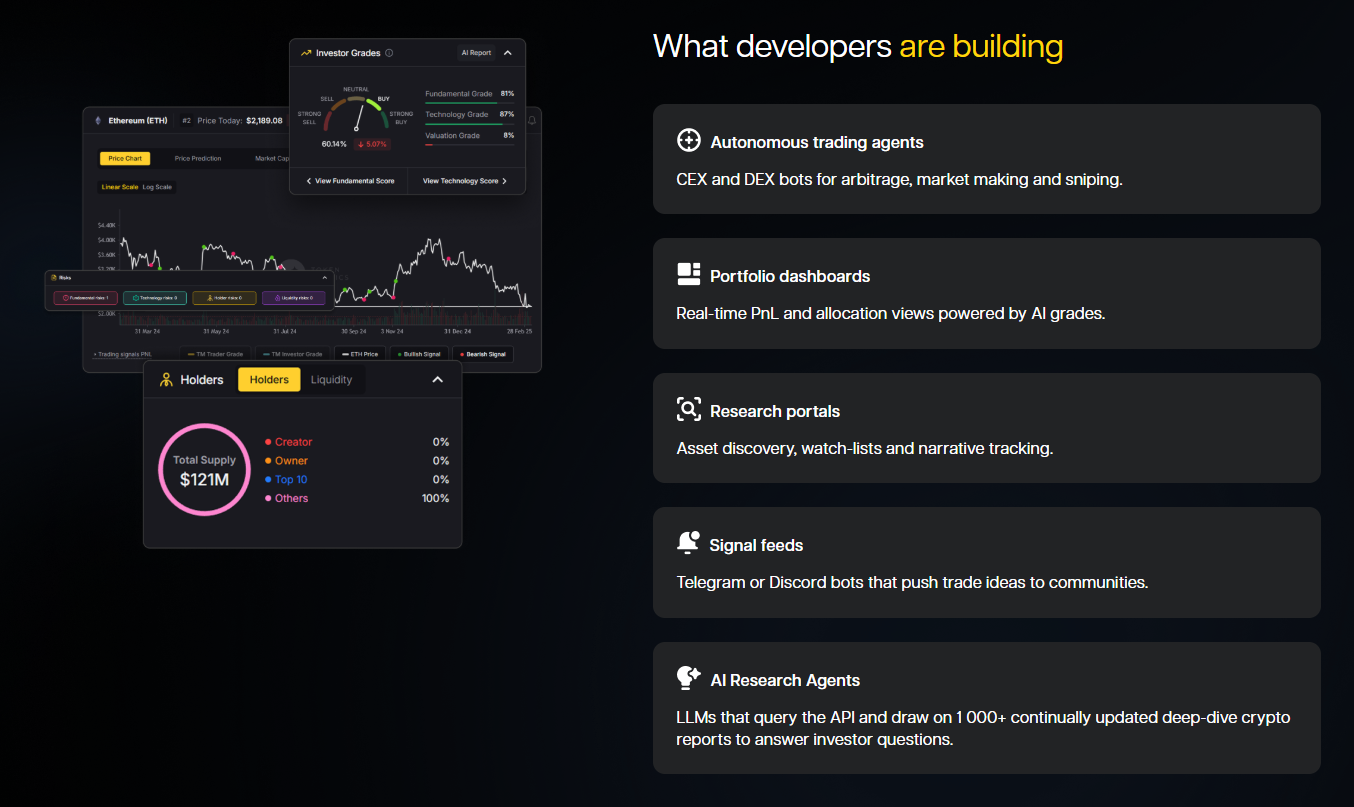
Use Cases: From Trading Bots to AI Agents

  • High-Frequency Trading Bots – Execute strategies using low-latency feeds and predictive signals.

  • DeFi Dashboards – Display liquidity flows and token activity in real time.

  • Risk Management Systems – Keep risk models updated second by second.

  • AI Agents – Power intelligent assistants with actionable streaming data.

Best Practices for Building With Fast APIs

  1. Use WebSockets – Relying only on REST endpoints introduces unnecessary delay.

  2. Benchmark During Volatility – Test APIs when the market is busiest.

  3. Optimize Request Handling – Cache where possible to avoid unnecessary calls.

  4. Monitor Latency – Use observability tools like Grafana or New Relic to track delays.

  5. Failover Strategy – Have a backup API (e.g., CoinGecko) if primary data slows.

Beyond Token Metrics: Other Tools to Explore

Token Metrics API excels at fast data + signals, but developers often combine it with other tools for a full-stack setup:

  • DefiLlama API – Best for free DeFi protocol data and yield metrics.

  • Dune Analytics – Query blockchain data in real time with SQL.

  • TradingView Webhooks – Add instant chart-based triggers for front ends.

  • Kaiko / Amberdata – Enterprise-grade APIs for institutional price feeds.

📌 Pro tip: Use Token Metrics for predictive signals, and pair it with TradingView or DefiLlama for visualization and DeFi-specific data.

How to Start Using the Token Metrics Fast API

  1. Sign Up Free – Create a Token Metrics account.

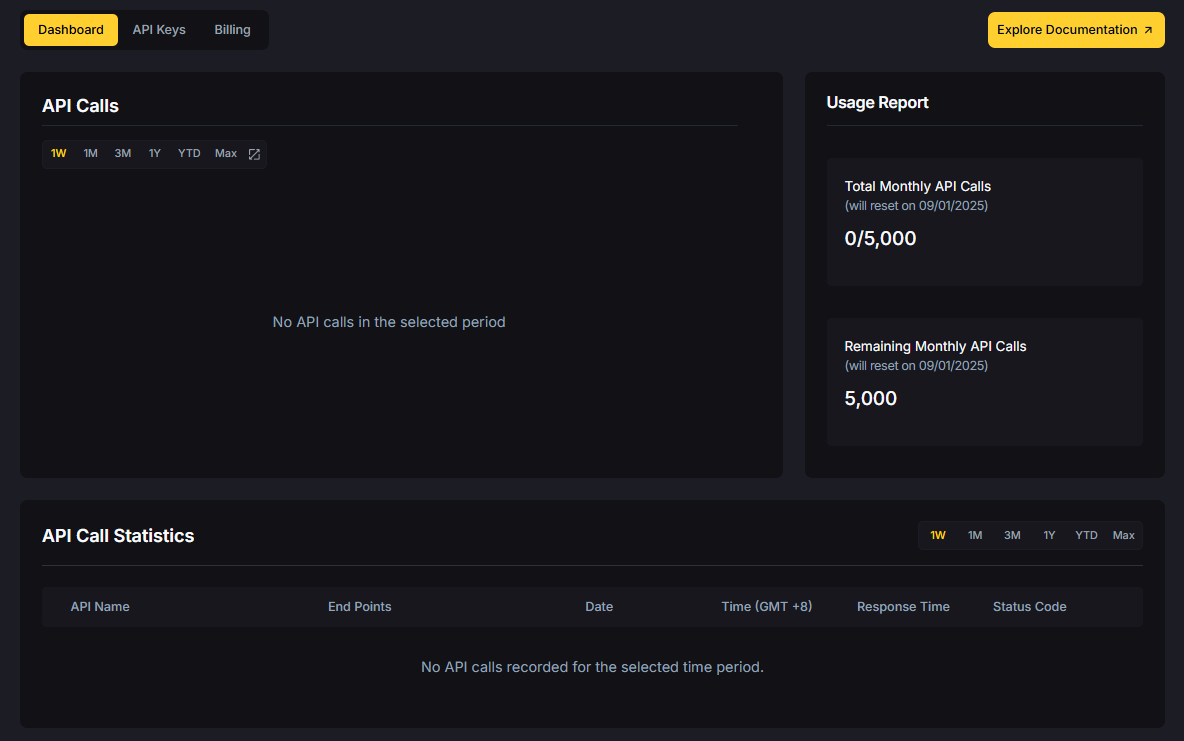
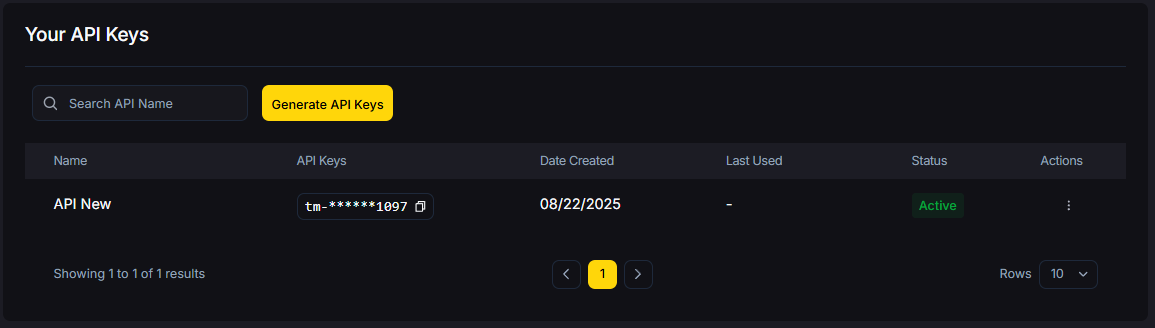
  2. Generate Your API Key – Instantly available in your dashboard.

  3. Choose WebSockets or REST – Based on your use case.

  4. Start Building – Bots, dashboards, or risk models with sub-second data.

👉 Get Your Free Token Metrics API Key

Scaling Fast With Paid Plans & X.402

When free limits aren’t enough, Token Metrics offers:

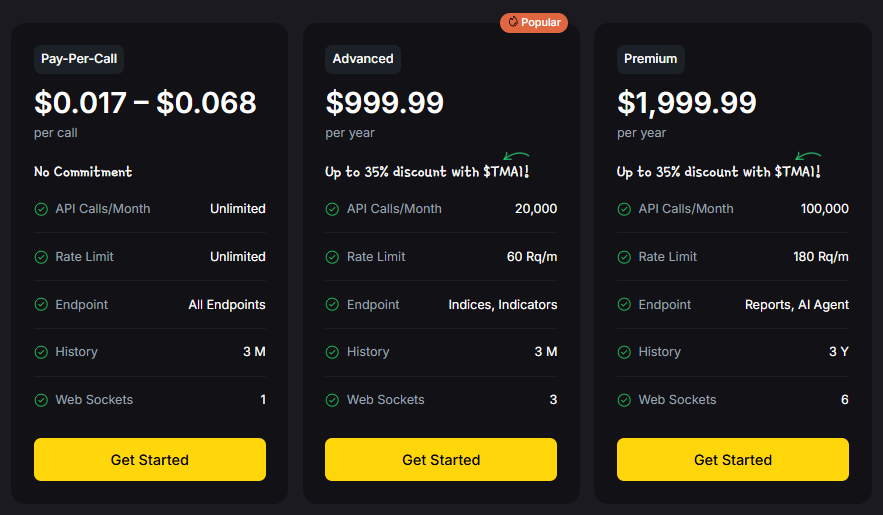
  • Pay-Per-Call (X.402) – From $0.017 per call, unlimited usage, all endpoints, and 3 months of history.

  • Advanced Plan ($999.99/year) – 20,000 calls/month, indices & indicators, 3 WebSockets.

  • Premium Plan ($1,999.99/year) – 100,000 calls/month, AI agent + reports, 3 years of history.

📌 Why X.402 matters: You can start scaling instantly with no upfront cost—just pay per call as you grow.

Build With the Fastest Insights in Crypto

In crypto, speed without intelligence is noise. With Token Metrics Fast Crypto API, you get sub-second price data + AI-driven insights, giving your trading bots, dashboards, and AI agents the real-time edge they need.

👉 Start Free With Token Metrics API

Token Metrics API

Best Crypto Prices API: Accurate, Real-Time, and AI-Enhanced

Sam Monac
8 min

Why Price Data Is the Core of Every Crypto App

No matter what kind of crypto app you’re building—a trading bot, a DeFi dashboard, or a research tool—the foundation is always accurate price data. Without it:

  • Traders miss entry and exit points.

  • Bots execute late or incorrectly.

  • Dashboards lose credibility with users.

  • Researchers can’t properly backtest models.

The best crypto prices API ensures:

  • Live, accurate prices across thousands of tokens.

  • Deep historical data (OHLC, tick-level) for research and backtesting.

  • Reliable updates even during volatile market swings.

  • Flexibility to support both real-time trading and long-term analytics.

📌 Example: An arbitrage bot relying on stale or inaccurate data won’t just underperform—it could lose money on every trade.

What Makes the Best Crypto Prices API

Not every API marketed for prices is built for precision. Key factors to consider include:

  • Accuracy – Are prices aggregated across multiple exchanges and validated?

  • Latency – Do you get sub-second updates with WebSocket streaming?

  • Historical Depth – Can you access years of OHLC and tick-level data?

  • Coverage – Spot markets, DeFi tokens, stablecoins, and derivatives.

  • Scalability – Rate limits that grow with your application’s user base.

  • Developer Experience – SDKs, documentation, and active support.

📌 Tip for developers: Start by asking, “Do I need accuracy, speed, or depth the most?” The answer often determines which API fits your project.

Comparing Leading Crypto Price APIs: Strengths & Trade-offs

  • CoinGecko & CoinMarketCap


    • Strengths: Excellent breadth—tens of thousands of tokens covered.

    • Trade-offs: Updates refresh more slowly; historical depth limited. Best for tickers and retail dashboards.

  • CryptoCompare


    • Strengths: Solid historical trade-level datasets for backtesting.

    • Trade-offs: Real-time speed is weaker than competitors.

  • Glassnode


    • Strengths: Advanced on-chain insights.

    • Trade-offs: Pricing data isn’t their main strength; better for researchers than traders.

  • Kaiko / Amberdata


    • Strengths: Enterprise-grade accuracy, broad market coverage.

    • Trade-offs: Expensive, geared toward institutions.

  • Token Metrics API
    • Strengths: Combines real-time accuracy, deep history, and AI-enhanced insights—giving more than raw prices.

    • Trade-offs: Free tier has rate limits (higher throughput unlocked via X.402 or paid plans).

Why Token Metrics API Stands Out

Where many crypto APIs stop at providing raw price feeds, Token Metrics API enriches price data with context and intelligence.

  • Real-Time Prices – Sub-second updates for Bitcoin, Ethereum, and thousands of tokens.

  • Deep Historical Data – Tick-level and OHLC datasets ideal for research.

  • Exchange-Aware Accuracy – Prices aggregated from multiple sources and validated for reliability.

  • AI Trading Signals – Bull/bear indicators layered on top of raw prices.

  • Portfolio Ratings – Token Metrics grades and indices for added context.

📌 Most crypto APIs give you numbers. Token Metrics gives you numbers + insights.

Use Cases: From Crypto Trading Bots to Dashboards

  • Trading Bots – Execute trades with accurate, low-latency feeds.

  • Market Dashboards – Provide users with credible, real-time prices and charts.

  • Backtesting Platforms – Use multi-year OHLCV data for strategy validation.

  • DeFi Trackers – Monitor token values and liquidity with precision.

  • AI Agents – Train ML models using validated, exchange-aware price data.

Best Practices for Working With Crypto Price Data

  1. Cross-Verify Prices – Use multiple APIs in parallel during testing.

  2. Cache Effectively – Cache non-volatile data to reduce API load.

  3. Use WebSockets – REST-only setups can introduce delays.

  4. Monitor Latency – Benchmark APIs during volatility (e.g., CPI announcements, Fed decisions).

  5. Plan for Failover – Integrate a secondary API as a backup if your primary feed fails.

📌 Example: Production apps can combine Token Metrics for intelligence + CoinGecko for breadth to balance reliability with insights.

Beyond Token Metrics: Other Crypto Price Data Resources

Developers often mix and match APIs to cover specialized needs:

  • DefiLlama API – For DeFi protocol yields and TVL.

  • Dune Analytics – Run SQL queries for custom blockchain metrics.

  • TradingView Widgets / Webhooks – For embedding charting into front ends.

  • Santiment – Adds sentiment data to complement price feeds.

Pairing Token Metrics with these resources gives developers a multi-layered data stack—accurate prices, predictive signals, and extra DeFi/social context.

How to Get Started With the Best Prices API

  1. Sign Up Free – Create a Token Metrics account.

  2. Generate Your API Key – Available instantly in your dashboard.

  3. Access Price Endpoints – Fetch real-time and historical datasets via REST or WebSockets.

  4. Start Building – Bots, dashboards, or backtesting frameworks.

  5. Upgrade When Ready – Scale throughput and unlock advanced endpoints.

👉 Get Your Free Token Metrics API Key

FAQs on Crypto Price APIs

Which crypto API has the best price accuracy?
Token Metrics validates data from multiple exchanges, ensuring cleaner and more reliable price feeds.

Can I get historical prices with Token Metrics API?
Yes—OHLC and tick-level datasets are available for multi-year backtesting.

Is the Token Metrics API free?
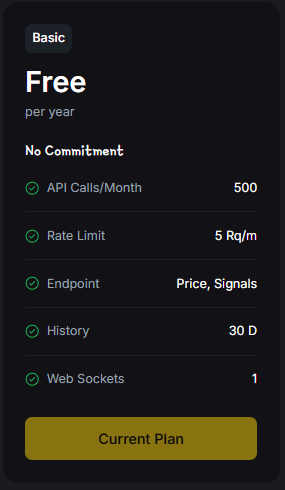
Yes, there’s a free tier for prototypes. Paid plans unlock higher request rates and advanced data.

How fast are Token Metrics updates?
Sub-second latency with WebSocket support for real-time responsiveness.

Scaling Beyond Free: Paid Plans & X.402

As your project scales, Token Metrics makes upgrading simple:

  • Pay-Per-Call (X.402) – From $0.017 per call, unlimited usage, no commitment.

  • Advanced Plan ($999.99/year) – 20,000 calls/month, indices & indicators, 3 WebSockets.

  • Premium Plan ($1,999.99/year) – 100,000 calls/month, AI agent & reports, 3 years of historical data.

📌 Why X.402 matters: Instead of locking into annual costs, you can pay as you grow—ideal for startups and experimental apps.

Build With the Best Crypto Prices API

In crypto, price accuracy is trust. Whether you’re building a bot, a dashboard, or a research tool, Token Metrics provides more than just numbers. With validated prices, deep history, and AI-enhanced insights, you can build applications that stand out.

👉 Start Free With Token Metrics API

‍

‍

Research

Why Crypto's New Rules Demand Strategic Crypto Trading?

Talha Ahmad
9 min

The cryptocurrency market has fundamentally changed, and investors clinging to outdated strategies are being left behind. The traditional "buy and hold" approach that created millionaires in previous crypto cycles is no longer viable in today's narrative-driven, attention-economy market. Understanding these new dynamics isn't just advantageous—it's essential for survival.

The Narrative Economy: How Attention Drives Price Action

Modern crypto markets operate on attention cycles that move faster than ever before. Projects gain momentum not through gradual adoption but through sudden narrative capture, social media virality, and ecosystem developments that spark immediate interest. This shift has created what analysts call "crypto's shiny object syndrome," where market attention rapidly moves between tokens based on trending topics and emerging narratives.

The evidence is clear in recent market performance. Tokens that dominated headlines just weeks ago—Pendle, Zora, Aerodrome, and BIO—have all lost momentum despite strong fundamentals. These weren't failed projects; they were victims of attention rotation. Pendle, for instance, had significant technical advantages and partnerships, but once market attention shifted elsewhere, price action followed suit.

The Trending Token Strategy: A New Approach for New Markets

Professional traders have adapted to this environment by developing systematic approaches to narrative trading. Rather than picking long-term winners based solely on fundamentals, successful investors now track trending tokens—projects capturing current market attention regardless of their long-term prospects.

This approach requires discipline and timing. The most effective strategy involves monitoring tokens gaining traction, entering positions when momentum indicators align, and exiting before attention cycles complete. It's not about finding the next Bitcoin; it's about riding successive waves of market interest across multiple projects.

The time horizon for these trades has compressed dramatically. Where previous cycles might have rewarded six-month to two-year holding periods, today's successful trades often last days to weeks. This compression reflects the market's increased efficiency in pricing narrative value and the accelerated pace of information flow in crypto communities.

Gaming and Creator Economy: The Next Frontier

While traditional DeFi projects struggle with attention retention, two sectors are showing sustained growth potential: gaming and creator economies. The gaming narrative, often dismissed after previous disappointments, is experiencing a quiet renaissance backed by substantial venture capital investment and improved product development.

Projects like Star Atlas, previously written off after the FTX collapse, have continued building and recently released gameplay elements that demonstrate genuine progress toward AAA-quality gaming experiences. This persistence during bear market conditions positions gaming tokens for significant upside when broader market sentiment improves.

Simultaneously, the creator economy is evolving through platforms like Pump.fun, which recently distributed $2 million in fees within 24 hours of launching new creator tools. This represents a 20x increase from previous daily averages, indicating massive untapped demand for creator monetization tools in crypto.

The Stablecoin Infrastructure Play

Beyond gaming and creators, the stablecoin infrastructure narrative presents perhaps the most compelling long-term opportunity. Unlike attention-driven meme coins, stablecoin infrastructure addresses genuine utility needs while benefiting from regulatory tailwinds and institutional adoption.

Projects like Plasma, which enables zero-fee USDT transfers, directly compete with established players like Tron while offering superior user experiences. The $1 billion in testnet deposits demonstrates real demand for these services, not just speculative interest.

This infrastructure development occurs alongside broader tokenization trends. Traditional assets—from stocks to treasuries—are increasingly moving on-chain, creating new opportunities for projects facilitating this transition. The convergence of stablecoin infrastructure and real-world asset tokenization could define the next major crypto adoption wave.

Risk Management in the New Paradigm

Success in narrative-driven markets requires sophisticated risk management that extends beyond traditional portfolio allocation. Investors must monitor momentum indicators, social sentiment, and attention metrics alongside fundamental analysis. The goal isn't to predict long-term winners but to identify and capture successive narrative cycles efficiently.

This approach demands emotional discipline that many investors find challenging. Exiting profitable positions while momentum remains positive contradicts natural holding instincts, yet it's essential for consistent returns in attention-driven markets. The most successful traders treat each position as temporary, focusing on momentum preservation rather than conviction-based holding.

The Bottom Line: Adapt or Fall Behind

The crypto market's evolution from speculation to narrative-driven trading represents a maturation process that rewards adaptability over stubbornness. Investors who recognize this shift and develop appropriate strategies will thrive, while those clinging to outdated approaches will struggle.

The new crypto paradigm isn't necessarily better or worse than previous cycles—it's simply different. Success requires understanding these differences and adjusting strategies accordingly. In a market where attention is currency and narratives drive price action, the most important skill isn't picking winners—it's staying flexible enough to ride whatever wave comes next.

The death of "buy and hold" doesn't mean the end of profitable crypto investing. It means the beginning of a more sophisticated, dynamic approach that rewards skill, timing, and market awareness over simple conviction. Those who master these new rules will find opportunities that dwarf traditional investment returns, while those who resist change will watch from the sidelines as markets evolve beyond their understanding.

Choose from Platinum, Gold, and Silver packages
Reach with 25–30% open rates and 0.5–1% CTR
Craft your own custom ad—from banners to tailored copy
Perfect for Crypto Exchanges, SaaS Tools, DeFi, and AI Products