Crypto Basics

Top Ways to Swap Cryptocurrency Efficiently and Cost-Effectively

Discover efficient and cost-effective methods to swap cryptocurrency. Maximize your trades while minimizing fees. Read the article for essential tips!
Token Metrics Team
6 min
MIN

Introduction to Crypto Swap

Swapping cryptocurrency has become an essential part of the digital currencies market, allowing users to exchange one digital asset for another quickly and efficiently. Whether you want to swap bitcoin for altcoins or exchange other cryptocurrencies, understanding how to swap crypto efficiently with low fees and the best rates is crucial. By using a reliable crypto exchange, you can securely store and swap cryptocurrencies with confidence. Many users prefer to manage their assets through a self-custody wallet, which offers greater control and security. To complete a cryptocurrency swap, you must enter a receiving wallet address. To get started, it is important to choose a trustworthy cryptocurrency exchange that supports seamless crypto swaps and provides a smooth user experience.

Choosing a Reliable Crypto Exchange
Understanding Crypto Exchanges

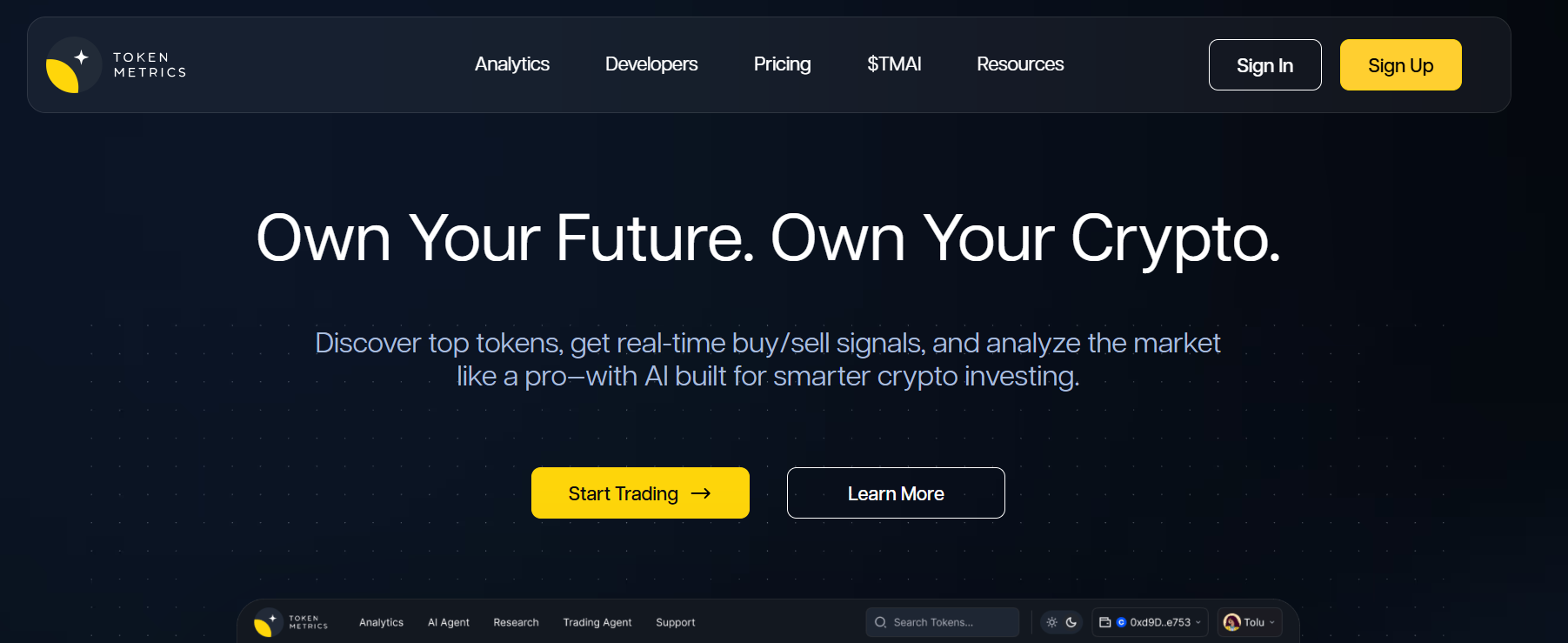
Selecting the right crypto exchange is key to swapping cryptocurrency effectively. Begin by researching and comparing various crypto exchanges to find platforms that offer the best rates and low fees. A non-custodial platform is often preferred because it allows users to securely store and swap cryptocurrencies without relinquishing control of their digital assets. Security features should be a top priority—look for exchanges with strong encryption, two-factor authentication, and a responsive support team to assist you when needed. Additionally, you send the cryptocurrency you want to swap to a generated deposit address provided by the platform. Reviewing transaction history and user feedback can provide insights into the platform’s reliability and performance, helping you make an informed decision.

Efficient Crypto Swap Processes

Swap Crypto Strategies

To swap crypto efficiently, consider using a decentralized exchange (DEX). Decentralized exchanges enable users to trade directly from their wallets, avoiding the high network fees often associated with centralized platforms. These exchanges leverage smart contracts to execute swaps securely and automatically, reducing the risk of errors or fraud. Users often receive tokens in their wallet after the exchange completes, which can take from a few minutes to several hours depending on network conditions. When swapping crypto, it’s important to select the best crypto pair or swap pairs that align with your trading goals, as this can maximize the value of your transaction. Always factor in gas fees and other costs associated with the swap to ensure the process remains cost-effective.
Non Custodial Platforms

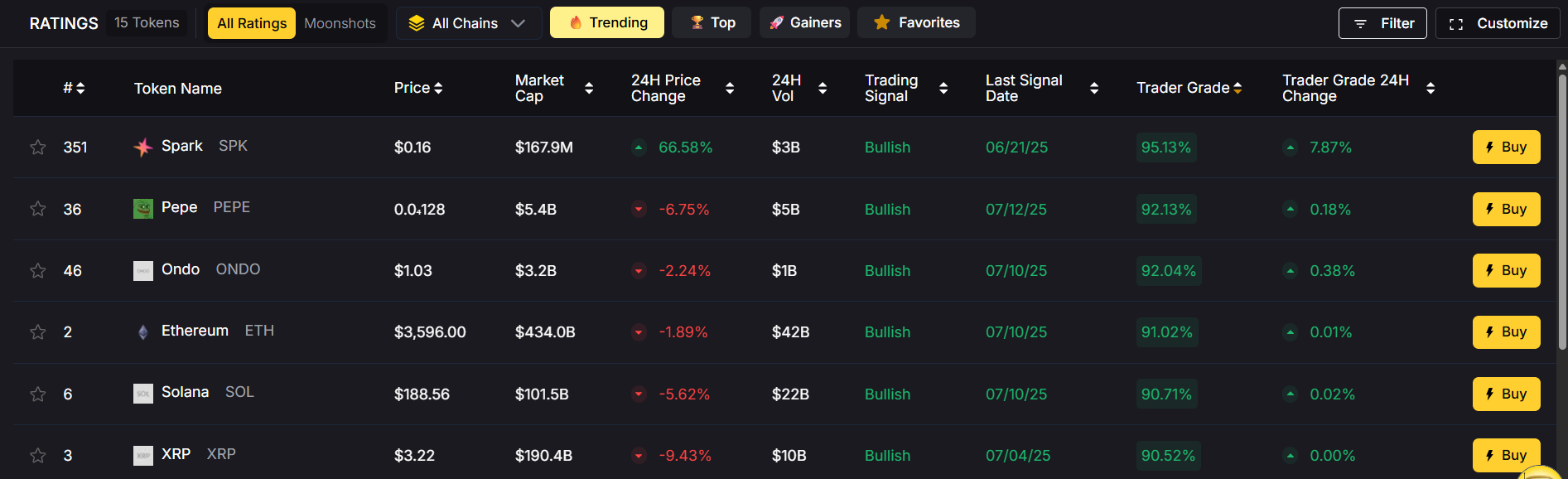
Non-custodial platforms have grown in popularity among crypto users who want full control over their digital assets. By using a self-custody wallet, you can securely store and swap cryptocurrencies without relying on third parties. This flexibility means you maintain control over your funds at all times, reducing exposure to hacks or mismanagement. Non-custodial swaps empower users to manage their assets directly, execute transactions quickly, and maintain privacy. Swapping crypto usually incurs a network fee, paid in the native currency of the blockchain used for the swap. Learning how to navigate these platforms is essential for anyone looking to swap crypto securely and efficiently.

Buy Crypto and Swap

For those new to the market, buying crypto is the first step before swapping. You can buy bitcoin or other cryptocurrencies using various payment methods such as bank transfers, credit cards, or digital payment services. Once you have acquired your digital assets, you can swap crypto immediately to take advantage of favorable market trends. However, the amount you can swap may be subject to platform limitations, such as minimum or maximum amounts. Using a reliable crypto exchange ensures you get the best exchange rate and pay minimal fees during both the purchase and swap processes. Always consider the exchange rate and associated fees to optimize your investment.

Swapping Bitcoin

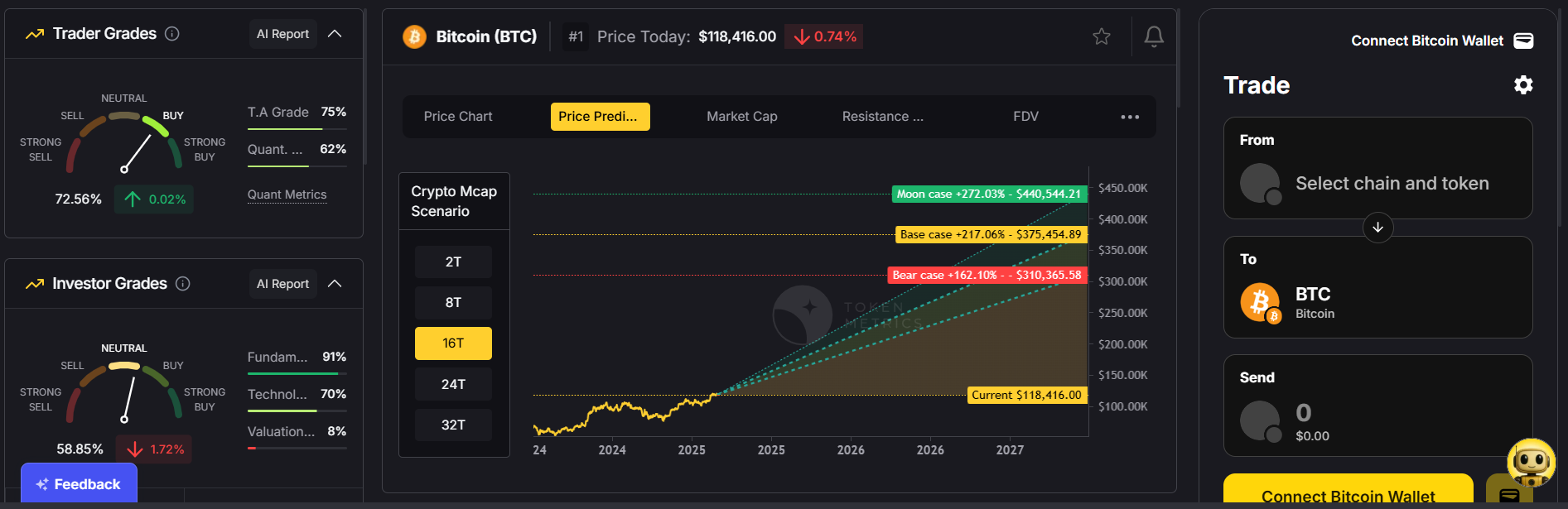
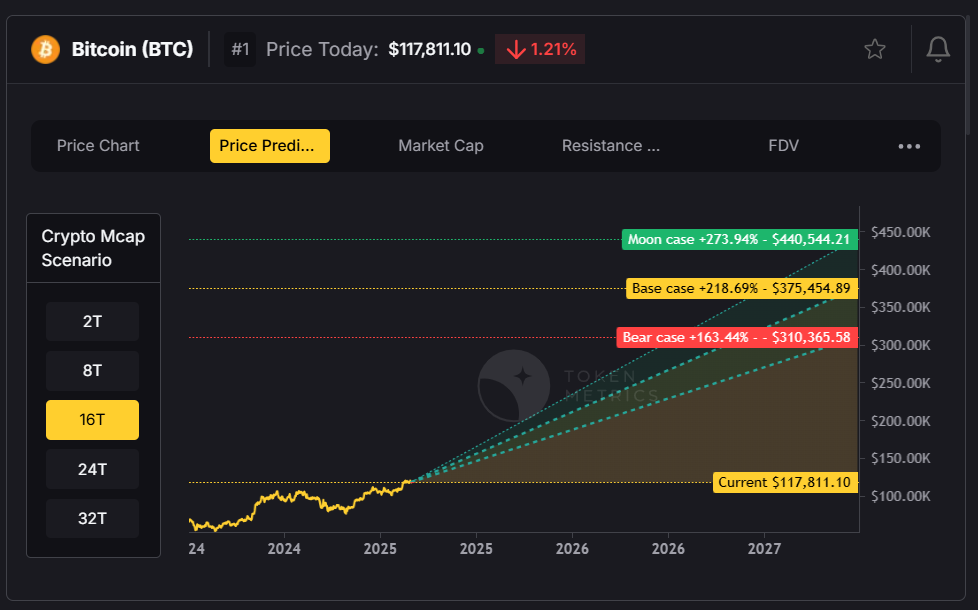
Bitcoin remains the most traded cryptocurrency, and swapping bitcoin for other cryptocurrencies is a common practice. Utilizing a decentralized exchange to swap bitcoin can help you benefit from low fees and the best rates available. Storing bitcoin in a self-custody wallet before swapping provides an added layer of security, ensuring your funds are safe throughout the transaction. Once a swap is confirmed, it may take time for the transaction to complete based on the blockchain used. Understanding how to swap bitcoin efficiently empowers users to diversify their portfolios and capitalize on market opportunities without unnecessary delays or costs.
Swap Pairs and Rates

Choosing the right swap pairs is fundamental to maximizing the value of your crypto swaps. Different crypto pairs offer varying exchange rates and liquidity, so comparing rates and fees across multiple crypto exchanges can help you find the most advantageous options. Reliable platforms often provide transparent pricing and low fees, enabling users to make swaps with confidence. Crypto swaps can involve fluctuating fees based on network traffic and volatility. Keeping an eye on market trends and exchange rates ensures you execute swaps at the most favorable times, enhancing your overall crypto trading strategy.

Best Rates for Crypto Swap

Securing the best rates when you swap cryptocurrency depends largely on the platform you use. By selecting a reputable crypto exchange, you can access competitive prices and benefit from low fees. Decentralized exchanges often provide an edge by minimizing network fees, making them an attractive option for cost-conscious users. Changelly, for instance, has industry-low fees of up to 0.25% on crypto exchanges. Comparing rates and fees across several exchanges before executing a swap is a smart practice that helps you get the most value from your digital assets.
Crypto Swap Security

Security is paramount when swapping crypto. Using a self-custody wallet allows you to securely store and swap cryptocurrencies without exposing your funds to third-party risks. Smart contracts enhance security by automating swap execution in a transparent and tamper-proof manner. When choosing a crypto exchange, pay close attention to its security features and the responsiveness of its support team. Learning how to securely swap crypto and manage your digital assets protects you from fraud and ensures peace of mind.

Worldwide Crypto Exchange

Accessing a worldwide crypto exchange opens the door to global markets, providing more swap pairs and competitive rates. These platforms typically offer low fees and robust security features, supported by dedicated teams that assist users around the clock. Using a worldwide exchange allows you to diversify your portfolio and take advantage of opportunities across different regions. Mastering how to use such exchanges can help you swap crypto efficiently and manage your assets with greater flexibility.

Easiest Crypto Exchange

For beginners and experienced users alike, the easiest crypto exchange combines user-friendliness with powerful features. These platforms provide intuitive interfaces, clear instructions, and helpful tools that simplify the swapping process. Low fees and the best rates are often part of their offerings, making it easier for users to trade and swap crypto without hassle. Learning how to navigate the easiest crypto exchange can significantly enhance your crypto trading experience, allowing you to execute swaps quickly and cost-effectively.

Crypto Swap Frequently Asked Questions

Many users have questions about how to swap crypto and manage their digital assets effectively. Common inquiries include the benefits and risks of swapping, how to choose swap pairs, and how to handle fees and security. Understanding these aspects helps users make informed decisions and avoid common pitfalls. Accessing resources and support from reliable crypto exchanges further aids in efficient and cost-effective crypto swaps.

Crypto Swap Tips and Tricks

To swap crypto efficiently, it’s important to follow some key tips and tricks. Always prioritize security by using non-custodial wallets and reputable exchanges. Take advantage of market trends and choose swap pairs with favorable exchange rates. Managing gas fees and network fees carefully can save you money. Additionally, leveraging the flexibility and control offered by reliable platforms ensures a smooth swapping experience.

Crypto Swap Mistakes to Avoid

Avoiding common mistakes is crucial for a successful crypto swap. Neglecting security, ignoring fees, and rushing into swaps without research can lead to losses. Always maintain control of your assets by using self-custody wallets and avoid platforms with poor reputations. Utilize available support resources to navigate the swap process confidently and secure the best rates.

Crypto Swap Market Trends
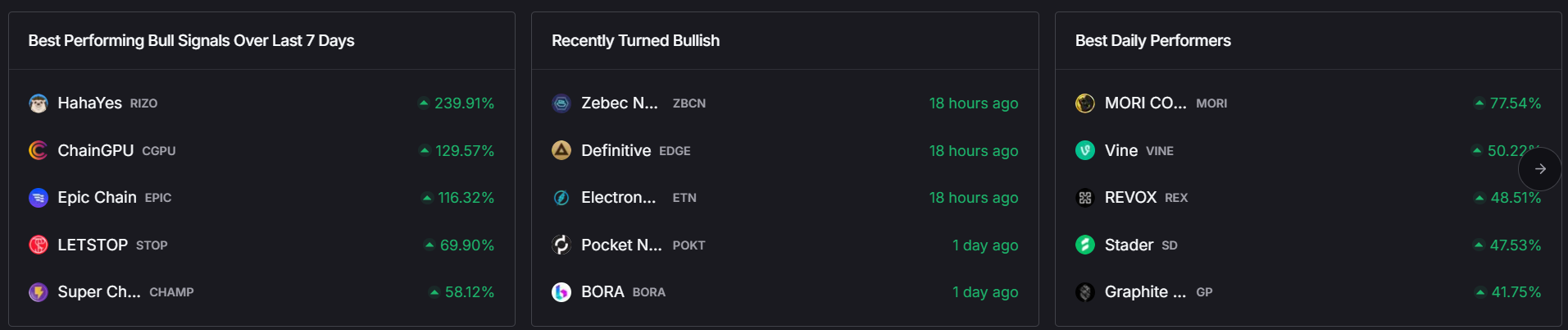
Staying informed about crypto swap market trends allows you to make smarter trading decisions. Market analysis helps you understand price movements, liquidity changes, and emerging swap pairs. By leveraging these insights, you can time your swaps to maximize returns and minimize costs. Reliable exchanges often provide tools and resources to keep users updated on the latest market developments.

Crypto Swap Regulation

The regulatory landscape for crypto swap is evolving rapidly. Staying compliant with relevant laws and regulations is essential for secure and legal transactions. Reliable crypto exchanges typically adhere to regulatory standards and provide users with guidance to ensure compliance. Keeping abreast of regulatory changes helps you avoid legal issues and maintain a secure trading environment.

Crypto Swap Future Outlook

The future of crypto swap looks promising, with ongoing innovations enhancing security, speed, and accessibility. Advances in smart contracts, non-custodial swaps, and decentralized exchanges are shaping the next generation of crypto trading platforms. Staying informed about these developments and using reliable exchanges prepares users to benefit from future trends. Embracing these innovations will help you stay ahead of the curve in the dynamic world of digital assets.

By understanding these key aspects of swapping cryptocurrency, you can navigate the market efficiently, securely, and cost-effectively. Whether you are swapping bitcoin, exchanging other cryptocurrencies, or exploring new digital assets, choosing the right platform and strategies will maximize your success in the evolving crypto landscape.

Build Smarter Crypto Apps &
AI Agents in Minutes, Not Months
Real-time prices, trading signals, and on-chain insights all from one powerful API.
Grab a Free API Key
Token Metrics Team
Token Metrics Team

Recent Posts

Research

A Practical Guide to Integrating a Crypto API into Your App or Website

Token Metrics Team
6
MIN

Cryptocurrency continues to reshape digital finance, but harnessing its potential in your apps or websites starts with reliable data and functional integrations. Whether you’re building a trading dashboard, NFT platform, or analytics tool, crypto APIs can help your users interact with blockchain data in real time. But what exactly is involved in integrating a crypto API, and which best practices should developers follow to ensure security and scalability?

What Is a Crypto API?

A crypto API (Application Programming Interface) enables your application to access blockchain data—such as prices, market statistics, trading signals, wallets, or transactions—without running a full node. These APIs expose services from exchanges, data aggregators, or specialized blockchain infrastructure providers, offering an efficient way for developers to query real-time or historical information about one or many cryptocurrencies.

Key types of crypto APIs include:

  • Market Data APIs: Deliver up-to-date price, volume, and order book data from multiple exchanges.
  • Trading APIs: Enable trade execution, portfolio monitoring, and account management on supported platforms (requires authentication).
  • Blockchain Explorer APIs: Fetch detailed wallet, block, and transaction data directly from public blockchains.
  • On-chain Analytics APIs: Provide insights into address activity, token flows, and DeFi metrics for smarter analysis and research.

Steps to Integrate a Crypto API Into Your App or Website

Integration complexity depends on your project’s requirements, the data you need, and your tech stack. Below is a streamlined process you can follow:

  1. Identify Your Use Case: Define whether you need price feeds, transaction history, wallet data, or on-chain analytics. This will narrow down your API options.
  2. Choose a Reputable API Provider: Compare providers based on documentation clarity, data coverage, latency, uptime, security, and cost. Leading options include Token Metrics API, CoinGecko, CoinMarketCap, Alchemy (for blockchain data), and others.
  3. Register for an API Key: Most APIs require authentication via a key. Signing up typically takes minutes and often involves picking a free or paid plan depending on volume needs.
  4. Study Documentation and SDKs: Review API endpoints, request/response models, limits, and code samples. Many providers offer SDKs and libraries for popular languages like Python, JavaScript, and Java.
  5. Integrate Into Your App: Use HTTP requests (REST or WebSocket) on the backend or frontend. Always keep API keys secure (never expose them client-side in public apps).
  6. Handle Responses and Edge Cases: Validate all incoming data before displaying or using it. Implement error handling for issues like rate limits, network errors, or service downtime.
  7. Monitor Usage and Optimize: Track API consumption and response times. As your app grows, consider caching strategies or upgrading your plan for higher throughput.

With new blockchain protocols and DeFi innovations, crypto APIs serve a growing variety of development scenarios, including:

  • Real-Time Market Dashboards: Aggregate live crypto asset prices, volumes, and charts for traders and investors.
  • Portfolio Trackers: Show users up-to-date balances and value changes on connected wallets or exchange accounts.
  • Token Price Alerts: Trigger notifications based on user-defined price movements or market signals.
  • Analytics and Research Tools: Provide on-chain metrics, sentiment analysis, or token scoring using APIs offering deeper analytics.
  • Decentralized Apps (DApps): Power smart contracts, DeFi analytics, or NFT galleries with blockchain state data.

Security Best Practices for Crypto API Integration

Integrating financial APIs brings unique security and privacy considerations. To safeguard both your application and its users, adopt the following best practices:

  • Keep API Keys Private: Store keys in secure backends or environment variables. Never hard-code secrets or expose them in browser-side code.
  • Enforce Least Privilege: Only request the minimum data and permissions needed for your use case.
  • Use HTTPS Endpoints: Always communicate over secure channels to prevent exposure of risk-sensitive data.
  • Validate and Sanitize Data: Carefully check all incoming data for integrity and format before processing in your app.
  • Monitor for Abuse or Anomalies: Track API activity, control rate limits, and be alert for suspicious behavior or excessive usage.

Measuring Quality and Performance of Crypto APIs

Not all crypto APIs are built the same. To ensure seamless user experience and reliability for your app or site, regularly assess:

  • Uptime and Latency: Higher uptime and low latency mean data is available when you need it most, especially for trading or arbitrage applications.
  • Data Breadth and Accuracy: Choose APIs that cover the assets, exchanges, and protocols relevant to your target audience—and that keep up with rapid market evolution.
  • Support and Documentation: Responsive support teams and thorough documentation can save substantial development time and headaches.
  • Scalability: As your application scales, verify that your API can handle increased load without causing bottlenecks or failing to deliver data on time.

Build Smarter Crypto Apps & AI Agents with Token Metrics

Token Metrics provides real-time prices, trading signals, and on-chain insights all from one powerful API. Grab a Free API Key

FAQ: Integrating Crypto APIs Into Apps and Sites

What programming languages can I use with crypto APIs?

Most crypto APIs are RESTful and language-agnostic. Popular options include JavaScript (Node.js), Python, Java, Ruby, Go, and C#. Many providers also supply SDKs for quick setup in these languages.

Are there free crypto API options available?

Yes, many crypto API providers, including Token Metrics, offer free tiers with rate limits suitable for development and testing. For production workloads or higher request volume, upgrading may be necessary.

Can I use a crypto API for real-time trading?

Some APIs allow trade execution and position monitoring, but this requires authentication and additional security considerations. Always follow platform-specific restrictions and compliance requirements when handling trading actions.

How do I choose the best crypto API for my app?

Evaluate APIs based on the data scope, latency, documentation quality, scalability, pricing, and available features such as on-chain analytics or advanced trading signals. Community reviews and support responsiveness are also important factors.

Is integrating crypto APIs secure?

API integration can be secure if you use HTTPS, safeguard your API keys, validate all inputs and outputs, and regularly monitor application and network activity. Following best practices and choosing reputable providers is crucial.

Disclaimer

This article is for informational purposes only. It does not provide investment advice, guarantees of accuracy, or endorse any specific technology, protocol, or strategy. Always conduct your own technical and security due diligence before integrating any third-party services.

Research

How Crypto APIs Empower Effortless Portfolio Tracking

Token Metrics Team
6
MIN

As the digital asset ecosystem grows more complex, keeping tabs on multiple cryptocurrencies across wallets, exchanges, and DeFi protocols can feel overwhelming. Many crypto enthusiasts and data-driven researchers are turning to APIs—powerful tools that automate and streamline portfolio tracking. But how exactly do crypto APIs help you monitor your digital assets, and what should you know before getting started?

What Is a Crypto API and Why Use One?

An API, or Application Programming Interface, acts as a bridge allowing software programs to communicate with one another. In the context of cryptocurrency, crypto APIs provide standardized and secure access to real-time and historical blockchain data, market prices, account balances, transaction history, and more.

Using a crypto API for portfolio tracking means you can:

  • Automatically aggregate holdings from multiple wallets or exchanges.
  • Monitor portfolio value with up-to-date price data.
  • Analyze allocations, performance, and exposure across assets and chains.
  • Integrate insights into custom dashboards, spreadsheets, or research tools.
For developers and power users, APIs unlock the potential for sophisticated workflows, real-time notifications, and integration with AI-driven analytics solutions.

How Crypto APIs Track Your Portfolio

Most portfolio tracking APIs fall into one or more of these categories:

  • Exchange APIs: Connect directly to trading platforms to fetch balances, trade history, and transaction data.
  • Blockchain Explorer APIs: Query public blockchains (like Ethereum, Bitcoin) to track wallet balances or specific transactions via address lookup.
  • Aggregators: Combine data from multiple sources (exchanges, wallets, DeFi apps) to offer a comprehensive, unified portfolio overview.
  • Analytics & On-chain Insights: Advanced APIs like Token Metrics layer research, trading signals, and on-chain data onto portfolio monitoring for deeper analysis.

To use these APIs, you typically generate an API key from the provider, configure access permissions (like read-only for safety), and then supply your wallet addresses or connect exchange accounts. Data is returned in machine-readable formats such as JSON, making it easy to feed into portfolio apps, visualization dashboards, or research workflows.

Benefits and Limitations of API-Based Portfolio Tracking

Using crypto APIs for portfolio tracking offers several key advantages:

  • Automation: Eliminate manual tracking and data entry errors.
  • Real-time Accuracy: Reflect the latest price and wallet balance changes.
  • Custom Integration: Tailor insights for your preferred workflow or platform.
  • Enhanced Analysis: Combine price, transaction, and on-chain data for deeper research.

However, APIs also come with practical limitations:

  • Technical Complexity: Requires some programming knowledge or use of pre-built tools.
  • Rate Limits: Providers may cap the number of requests per minute or day.
  • Security Considerations: Sharing exchange API keys or wallet addresses demands careful management of permissions and privacy.
  • Incomplete Data: Not all exchanges or blockchains are supported by every API.

Making sure your chosen API covers your required assets, chains, and platforms is crucial for effective portfolio monitoring.

How to Get Started with Crypto Portfolio APIs

If you’re interested in automating your portfolio tracking with a crypto API, the following workflow is a common approach:

  1. Identify Your Needs: Determine which sources (exchanges, wallets, chains) and data (balances, historical prices) you want to monitor.
  2. Select a Reputable API Provider: Review offerings like Token Metrics and compare available endpoints, asset coverage, update frequency, and security features.
  3. Register for API Access: Sign up for an account and obtain your API key(s). Configure permissions such as read-only portfolio data where possible.
  4. Implement or Integrate: Use code libraries or third-party portfolio apps that support your chosen API, or build a custom integration to display data in spreadsheets, dashboards, or analysis tools.
  5. Test Security and Accuracy: Validate that data is being pulled securely and accurately reflects your portfolio—including regular reviews of API permissions.

You don’t need to be a developer to benefit—many plug-and-play crypto tracking apps are built atop APIs, letting anyone leverage automated monitoring.

AI and the Next Generation of Crypto Portfolio APIs

The evolution of crypto APIs has accelerated with the rise of AI-powered analytics, creating opportunities to go beyond tracking simple balances. Platforms such as Token Metrics use machine learning to identify potential patterns in on-chain flows, provide portfolio exposure metrics, and surface unusual trading activity.

For quantitative traders, developers, and researchers, combining APIs with AI agents enables:

  • Automated alerts for risk and performance thresholds.
  • Portfolio rebalancing models based on on-chain and market signals.
  • Aggregated intelligence—such as sector allocations, historical returns, and on-chain wallet behaviors—delivered directly into research dashboards.
Ultimately, integrating AI and crypto APIs can result in a more holistic, dynamic approach to managing digital assets, offering valuable context for informed tracking and analysis.

Build Smarter Crypto Apps & AI Agents with Token Metrics

Token Metrics provides real-time prices, trading signals, and on-chain insights all from one powerful API. Grab a Free API Key

FAQ: Crypto APIs for Portfolio Tracking

What is a crypto API?

A crypto API is a software interface that allows applications or users to access and retrieve cryptocurrency data—such as balances, prices, trades, or transactions—from exchanges, blockchains, and data aggregators in real time.

Are crypto APIs secure to use for tracking my portfolio?

Most reputable APIs use strong security measures. For exchange APIs, set read-only permissions when possible, and never share your private keys. Always review a provider's documentation and best practices before use.

Can I use crypto APIs without coding skills?

While coding offers maximum flexibility, many portfolio tracking platforms and apps utilize APIs behind the scenes to collect and display your asset data—no coding required.

What’s the difference between using a crypto API and a portfolio tracking app?

APIs are tools for collecting and sharing data, often requiring custom setup, while apps are ready-made solutions built on APIs for ease of use. Advanced users might use APIs directly for custom or automated tracking; others may prefer user-friendly apps.

Does Token Metrics offer a crypto portfolio API?

Yes. Token Metrics provides a dedicated API offering real-time prices, trading signals, and on-chain analytics that can be used for portfolio tracking and research. Refer to their documentation for integration steps.

Disclaimer

This content is for educational and informational purposes only. It does not constitute investment, financial, or trading advice. Token Metrics does not guarantee or warrant any results or third-party services mentioned herein. Always conduct your own research before using new technologies or services in your crypto workflow.

Research

How Crypto APIs Deliver On-Chain Data: Transactions & Wallet Balances Explained

Token Metrics Team
6
MIN

The explosive growth of crypto assets and decentralized protocols has fueled demand for accurate, real-time blockchain data. Whether you’re building an application, performing due diligence, or exploring on-chain analytics, knowing how to access transactions and wallet balances is crucial. But do crypto APIs actually provide this level of on-chain data—and how can you use it effectively?

What Are Crypto APIs and Why Are They Essential?

Crypto APIs (Application Programming Interfaces) are software gateways that let applications interact with blockchains and related services without managing full nodes or direct infrastructure. These APIs power wallets, portfolio trackers, analytics dashboards, and AI-driven research tools with everything from price feeds to in-depth blockchain data.

Why use a crypto API? Running your own blockchain node can be resource-intensive, requiring disk space, bandwidth, security practices, and ongoing maintenance. An API abstracts this complexity, providing developers and analysts with curated endpoints for questing data on-demand. This is particularly valuable for applications that need:

  • Up-to-date transaction histories
  • Current wallet balances across tokens and networks
  • Wallet activity details
  • Aggregated analytics, like smart money flows and DeFi positions

The Types of On-Chain Data Crypto APIs Provide

On-chain data refers to all the information stored directly on blockchain ledgers. Crypto APIs tap into different layers of this data, including:

  • Transaction Data: Hashes, timestamps, senders, receivers, transferred assets, gas fees, and contract interactions.
  • Wallet Balances: Query current holdings of native coins (like ETH or BTC) and tokens (such as ERC-20s), and sometimes even NFTs.
  • Historical Address Activity: Complete transactional history of wallets, letting you analyze behavioral trends or audit activity.
  • Smart Contract Events: Details about token transfers, liquidity provision, swaps, or governance votes.
  • Network/Protocol Stats: Blockchain metrics like block times, mining data, and node health, important for infrastructure and analytics teams.

Modern crypto APIs go beyond simple read-access, offering data enrichment features such as address labels, scam alerts, and portfolio reconstruction. This enables AI-driven tools and traders to make sense of raw blockchain transactions with greater ease.

How Do Crypto APIs Fetch and Deliver On-Chain Data?

The process of serving real-time, reliable on-chain data is complex. Here’s how reputable API providers typically operate:

  1. Node Infrastructure: Providers run full nodes for each supported blockchain, ingesting every new block.
  2. Data Indexing: Data is parsed, structured, and indexed for fast lookups—allowing APIs to serve requests instantly, even for complex queries.
  3. Aggregation & Enrichment: Some platforms aggregate data across multiple chains or enhance raw data with analytics, labels, or risk scores, helping to contextualize wallet activity.
  4. API Layer Exposure: RESTful or GraphQL endpoints expose this information for developers and researchers.

For example, querying for a wallet’s balance generally involves calling an endpoint such as /address/{wallet}/balances, which returns all supported tokens and quantities for that wallet, directly from on-chain sources. Transaction history requests retrieve confirmed transfers and contract activities, often with additional tags for clarity.

Key Use Cases for On-Chain Transaction and Balance Data

On-chain data accessed via crypto APIs has become foundational in several scenarios:

  • Tracking Portfolio Value: Automated tools instantly aggregate wallet balances and transaction histories across multiple addresses, networks, and asset types.
  • Due Diligence & Audit: On-chain data reveals the actual movement of funds, enabling independent scrutiny for compliance, proof-of-reserves, and forensic analysis.
  • Developing dApps & DeFi Services: Most wallets, swaps, and lending apps rely on APIs to provide balance updates, confirm transactions, and fetch historical activity.
  • On-Chain Analytics: Researchers and AI models monitor whale activity, wallet clustering, and token flows to identify ecosystem trends.
  • Risk Management: Platforms use API-provided on-chain labels to detect scam addresses, risky protocols, or suspicious transaction patterns.

In addition, many quantitative research teams and AI-driven crypto tools ingest on-chain data through APIs to fuel predictive models, market research, and smart contract insights.

Choosing a Crypto API Provider: Essential Parameters

With dozens of API solutions available, consider the following when selecting a crypto API for on-chain data:

  • Data Completeness: Ensure the API supports the networks and asset types you need (e.g., native coins, tokens, NFTs).
  • Latency & Reliability: Fast data delivery and high uptime are critical for real-time trading applications and research automation.
  • Rate Limits & Pricing: Be mindful of free tier restrictions versus your anticipated query volume.
  • Data Enrichment: Does the provider offer wallet labels, scam detection, or analytics layers?
  • Documentation & Support: Robust docs and support channels make integrations smoother and troubleshooting faster.

If you’re integrating advanced analytics or AI-driven insights, prioritize API providers that combine raw on-chain access with actionable, processed intelligence.

Build Smarter Crypto Apps & AI Agents with Token Metrics

Token Metrics provides real-time prices, trading signals, and on-chain insights all from one powerful API. Grab a Free API Key

FAQs on Crypto APIs and On-Chain Data

Can I access wallet balances and transaction histories via crypto APIs?

Yes, leading crypto API providers typically offer endpoints to retrieve wallet balances (for both native cryptocurrencies and supported tokens) and to view transaction histories, directly sourced from underlying blockchain ledgers. This streamlines personal portfolio tracking, due diligence, and analytics development.

Are crypto API data outputs reliable and up-to-date?

Reputable API providers maintain robust blockchain node infrastructure and update their databases in real time or near-real time. However, reliability also depends on network congestion, API rate limits, and provider-specific infrastructure. Always review service status and latency commitments before integrating for mission-critical use cases.

Do all crypto APIs support on-chain data for NFTs and Layer-2 networks?

No, coverage varies between providers. Some APIs offer comprehensive data across layer-1 (e.g., Ethereum, Bitcoin) and select layer-2 chains, while others may focus on specific asset classes or blockchains. Likewise, NFT balance and transaction endpoints are only available with APIs that index non-fungible token contracts. Always confirm network and asset support with your chosen provider.

How can developers integrate crypto API on-chain data into their apps?

Most APIs provide REST or GraphQL endpoints that can be queried using common programming languages or HTTP tools. Comprehensive documentation and SDKs (where available) guide developers through authentication, request parameters, and data formatting, making it straightforward to embed wallet balances, transaction lists, or on-chain analytics into web, desktop, or mobile applications.

What are the main benefits of using an API over running a own node?

Using a crypto API saves significant time and resources. Infrastructure, sync issues, storage maintenance, and security are handled by the provider. APIs also enrich data, aggregate multi-chain information, and simplify compliance and access controls, which can be much more complex and costly to reproduce independently.

Disclaimer

This article is for educational purposes and reference only. It does not constitute financial advice, crypto trading recommendations, or any endorsement of specific assets, platforms, or services. Please conduct your own research before making decisions involving digital assets or blockchain technologies.

Choose from Platinum, Gold, and Silver packages
Reach with 25–30% open rates and 0.5–1% CTR
Craft your own custom ad—from banners to tailored copy
Perfect for Crypto Exchanges, SaaS Tools, DeFi, and AI Products