Crypto Basics

What are the Types of Cryptocurrency and How Do They Work?

Explore the various types of cryptocurrencies and gain a deep understanding of their underlying technologies and functions.
S. Vishwa
8 Minutes
MIN

Cryptocurrencies have taken the financial world by storm, offering a decentralized and secure means of transacting in the digital economy. 

Since Bitcoin emerged in 2009, the crypto space has witnessed an explosion of new digital assets, each with unique features and use cases.

In this comprehensive guide, we will delve into the various types of cryptocurrency, shedding light on the differences between coins and tokens, exploring the concept of altcoins, and providing insights into the top 10 cryptocurrencies in 2023. So, let's embark on this exciting journey through digital assets.

What is Cryptocurrency?

Cryptocurrency is a digital or virtual currency that utilizes cryptographic technology to secure transactions and control the creation of new units. 

Unlike traditional fiat currencies issued by central banks, cryptocurrencies operate on decentralized networks called blockchains. These blockchains serve as public ledgers, recording every transaction and ensuring transparency and immutability.

How Many Cryptocurrencies are There?

The cryptocurrency market has experienced exponential growth since the introduction of Bitcoin in 2009. 

As of today, there are approximately 22,932 cryptocurrencies in existence, with a total market capitalization of around $1.3 trillion. This diverse range of digital assets offers investors a wide array of options.

Types of Cryptocurrencies

Cryptocurrencies can be broadly categorized into two main types: crypto coins and tokens. While both coins and tokens are digital assets, they differ in their underlying infrastructure and functionality.

Crypto Coins

Crypto coins, also known as cryptocurrencies, are digital currencies that operate on their independent blockchains. The most well-known example of a crypto coin is Bitcoin (BTC), the first cryptocurrency to be created.

Coins like Bitcoin are designed to function as a medium of exchange and store of value. They can be used for peer-to-peer transactions as well as for investment purposes.

Other popular coins include Litecoin (LTC), Ethereum (ETH), and Bitcoin Cash (BCH). Each of these coins has unique features and use cases, contributing to the diversity of the cryptocurrency landscape.

Crypto Tokens

Tokens, on the other hand, are digital assets that are built on existing blockchains, such as Ethereum. Unlike coins, tokens do not have their independent blockchain. Instead, they leverage the infrastructure of an existing blockchain to enable various functionalities.

Tokens can serve various purposes, including granting access to a specific application or platform, representing ownership of an asset, or facilitating transactions within a decentralized ecosystem. Examples of tokens include ERC-20 tokens on the Ethereum network, such as Tether (USDT) and Chainlink (LINK).

Crypto Coins vs Tokens

The distinction between crypto coins and tokens lies in their infrastructure and functionality. While both coins and tokens are digital assets, coins like Bitcoin operate on their independent blockchains, while tokens are built on existing blockchains.

Crypto coins, such as Bitcoin, are primarily used as a medium of exchange and store of value. They are designed to function as standalone currencies, allowing users to transact directly with one another without the need for intermediaries.

Tokens, on the other hand, have a broader range of use cases. They can represent ownership of assets, grant access to specific applications or services, or facilitate transactions within decentralized ecosystems. 

Tokens leverage the security and infrastructure provided by existing blockchains, enabling developers to build innovative decentralized applications.

What are Altcoins?

Altcoins, short for alternative coins, refer to any cryptocurrency other than Bitcoin. Initially, altcoins emerged as alternatives to Bitcoin, seeking to address certain limitations or introduce new features. However, the term "altcoin" has evolved to encompass a wide range of digital assets, each with its own unique characteristics and use cases.

The world of altcoins is vast and diverse, with thousands of cryptocurrencies vying for attention. Some of the most prominent altcoins include Ethereum (ETH), Ripple (XRP), Cardano (ADA), and Binance Coin (BNB). These altcoins have gained popularity due to their unique features, such as smart contract functionality, fast transaction speeds, and enhanced privacy.

Top 10 Cryptocurrencies in 2023

The cryptocurrency market is highly dynamic, with the rankings of cryptocurrencies constantly changing. However, as of 2023, the top 10 cryptocurrencies by market capitalization include:

  • Bitcoin (BTC): The pioneer and most widely recognized cryptocurrency, Bitcoin continues to dominate the market with its large user base and robust infrastructure.
  • Ethereum (ETH): Known for its smart contract functionality, Ethereum has established itself as a leading platform for decentralized applications (DApps) with a vibrant ecosystem of developers and users.
  • Tether (USDT): Tether is a stablecoin designed to maintain a value pegged to the U.S. dollar. It provides stability in the volatile cryptocurrency market, enabling users to transact with a digital asset that closely mirrors the value of fiat currency.
  • Binance Coin (BNB): Binance Coin is the native cryptocurrency of the Binance exchange, offering utility within the platform and serving as a means of reducing transaction fees for users.
  • USD Coin (USDC): USD Coin is another stable coin that provides a digital representation of the U.S. dollar. It offers the benefits of digital assets while maintaining a stable value.
  • Ripple (XRP): Ripple aims to revolutionize cross-border payments by facilitating fast and low-cost transactions. It has partnered with numerous financial institutions, making it a prominent player in the remittance industry.
  • Cardano (ADA): Cardano is a blockchain platform that aims to provide a secure and scalable infrastructure for the development of decentralized applications and smart contracts.
  • Solana (SOL): Solana is a high-performance blockchain platform designed for decentralized applications and cryptocurrency trading. It boasts fast transaction speeds and low fees, making it attractive to developers and users.
  • Terra (LUNA): Terra is a blockchain platform focusing on stablecoins and decentralized finance (DeFi) applications. It aims to provide a stable and scalable infrastructure for global payments and financial services.
  • Avalanche (AVAX): Avalanche is a platform that enables the creation of decentralized applications and the issuance of digital assets. It focuses on scalability, security, and interoperability, making it a promising player in the blockchain ecosystem.

Frequently Asked Questions

Q1. What are some popular tokens built on the Ethereum blockchain?

Some popular tokens built on the Ethereum blockchain include Tether (USDT), Chainlink (LINK), and Uniswap (UNI). These tokens leverage the infrastructure provided by Ethereum to enable various functionalities, such as facilitating transactions, granting access to applications, and representing ownership of assets.

Q2. What sets Bitcoin apart from other cryptocurrencies?

Bitcoin, as the first cryptocurrency, has established itself as the most widely recognized and valuable digital asset. It operates on its blockchain and has a large and active user base.

Bitcoin's decentralized and transparent nature, along with its limited supply and scarcity, contributes to its unique position in the cryptocurrency market.

Q3. How do cryptocurrencies work?

Cryptocurrencies utilize cryptographic technology to secure transactions and control the creation of new units. Transactions are recorded on a decentralized public ledger called a blockchain, ensuring transparency and immutability.

Users can transact directly with one another without the need for intermediaries, thanks to the decentralized nature of cryptocurrencies.

Q4. Can cryptocurrencies be used for everyday transactions?

Yes, cryptocurrencies can be used for everyday transactions, although their adoption as a mainstream medium of exchange is still limited. Some merchants and online platforms accept cryptocurrencies as payment.

However, factors such as transaction fees, scalability, and regulatory considerations currently pose challenges to widespread cryptocurrency adoption for everyday transactions.

Q5. What is the future of cryptocurrencies?

The future of cryptocurrencies is highly speculative and subject to various factors, including regulatory developments, technological advancements, and market dynamics.

While cryptocurrencies have gained significant attention and adoption, their long-term viability and impact on the global financial system remain uncertain.

Continued innovation, regulatory clarity, and increased mainstream acceptance could shape the future of cryptocurrencies.

Q6. How are new cryptocurrencies created?

New cryptocurrencies can be created through a process called cryptocurrency mining or through initial coin offerings (ICOs) or token sales. Cryptocurrency mining involves using computational power to solve complex mathematical problems, validating transactions, and adding them to the blockchain.

ICOs and token sales, on the other hand, involve the issuance and sale of new digital tokens to raise funds for specific projects or platforms.

Q7. Are cryptocurrencies anonymous?

While cryptocurrencies offer pseudonymity, meaning that transactions are linked to cryptographic addresses rather than real-world identities, they are not entirely anonymous.

Blockchain analysis techniques can be used to track and analyze transactions, linking them to individuals or entities. Privacy-focused cryptocurrencies, such as Monero and Zcash, offer enhanced privacy features, but they are not entirely anonymous.

Q8. What is the role of blockchain technology in cryptocurrencies?

Blockchain technology forms the foundation of cryptocurrencies. It is a decentralized and distributed ledger that records all transactions in a transparent and immutable manner.

Blockchain technology enables trustless transactions, eliminates the need for intermediaries, and ensures the security and integrity of cryptocurrency networks.

Q9. How can I safely store cryptocurrencies?

Cryptocurrencies are stored in digital wallets, which can be software-based (online or offline) or hardware-based (physical devices). 

It is essential to choose a reputable wallet provider and follow best security practices, such as using strong passwords, enabling two-factor authentication, and keeping backups of your wallet's private keys. Hardware wallets, such as Ledger and Trezor, offer enhanced security by storing private keys offline.

Conclusion

The world of cryptocurrencies is vast and diverse, offering many options for investors and users alike. From coins to tokens and altcoins, each type of cryptocurrency brings its unique features and use cases to the table. 

As the market continues to evolve, it is essential to stay informed, conduct thorough research, and exercise caution when investing in cryptocurrencies. 

By understanding the different types of cryptocurrencies and their underlying technologies, you can navigate this exciting digital landscape with confidence.

Disclaimer

The information provided on this website does not constitute investment advice, financial advice, trading advice, or any other advice, and you should not treat any of the website's content as such.

Token Metrics does not recommend that any cryptocurrency should be bought, sold, or held by you. Conduct your due diligence and consult your financial advisor before making investment decisions.

Build Smarter Crypto Apps &
AI Agents in Minutes, Not Months
Real-time prices, trading signals, and on-chain insights all from one powerful API.
Grab a Free API Key
Token Metrics Team
Token Metrics Team

Recent Posts

Crypto Basics

What Is an ETF Fund? A Beginner’s Guide to Exchange-Traded Funds in 2025

Token Metrics Team
6 min
MIN

ETF funds, or Exchange-Traded Funds, have revolutionized investing for both retail and institutional investors. In 2025, ETF funds are more popular than ever—offering a simple, low-cost, and diversified way to invest in everything from tech stocks to cryptocurrencies. But what exactly is an ETF fund, and why is it such a powerful investment tool?

In this article, we’ll explain:

  • What is an ETF fund?
  • How ETF funds work
  • Types of ETFs (including crypto ETFs)
  • Key benefits and risks
  • How Token Metrics, an AI-powered platform, helps you make better ETF investment decisions

Let’s dive in.

📌 What Is an ETF Fund?

An ETF fund (Exchange-Traded Fund) is a type of investment fund that holds a basket of securities—such as stocks, bonds, commodities, or cryptocurrencies—and is traded on a stock exchange, just like individual stocks.

When you buy a share of an ETF fund, you are buying partial ownership of that entire portfolio of assets. This gives you instant diversification without having to purchase each asset individually.

For example, an ETF fund that tracks the S&P 500 allows you to invest in 500 of the largest U.S. companies with just one purchase.

🔍 How Does an ETF Fund Work?

ETF funds are created by financial institutions called fund sponsors (like BlackRock, Fidelity, or Vanguard). These sponsors select and manage a portfolio of underlying assets and list the ETF shares on stock exchanges.

Here's how it works:

  1. Creation – The sponsor assembles a portfolio and forms an ETF.
  2. Listing – Shares of the ETF are listed and traded on exchanges like NYSE or Nasdaq.
  3. Buying/Selling – Investors buy and sell ETF shares throughout the day at market prices.
  4. Price Movement – The price of an ETF share fluctuates based on the value of its underlying assets and market demand.

ETF prices are influenced by a combination of Net Asset Value (NAV) and real-time market supply/demand.

🧩 Types of ETF Funds

In 2025, investors have access to a wide variety of ETF funds based on asset classes, strategies, and markets.

1. Stock ETFs

Track specific sectors (e.g., tech, healthcare), regions (e.g., U.S., Europe), or indices (e.g., S&P 500, NASDAQ-100).

2. Bond ETFs

Provide exposure to government, municipal, or corporate bonds with varying durations and yields.

3. Commodity ETFs

Track physical commodities like gold, silver, oil, or agricultural products.

4. Thematic ETFs

Focus on emerging trends or industries like artificial intelligence, clean energy, space exploration, or blockchain.

5. Crypto ETFs (New in 2025)

Give exposure to digital assets such as Bitcoin, Ethereum, and DeFi tokens—without requiring direct crypto ownership.

💥 What Are Crypto ETF Funds?

In 2025, crypto ETF funds are among the fastest-growing segments in the market. They offer secure, regulated access to cryptocurrencies via traditional brokerages.

Crypto ETFs include:

  • Spot ETFs: Hold actual crypto assets like Bitcoin or Ethereum.
  • Futures ETFs: Track prices of crypto futures contracts.
  • Basket ETFs: Combine multiple crypto assets or themes, like DeFi or Web3.

These ETFs have made it easier for both institutions and retail investors to gain exposure to crypto without managing wallets, keys, or exchanges.

✅ Benefits of Investing in ETF Funds

ETF funds offer several advantages for investors in 2025:

1. Diversification

With just one purchase, you gain exposure to a broad portfolio of assets—reducing risk.

2. Liquidity

ETFs trade on exchanges all day, allowing you to buy or sell quickly at market prices.

3. Low Cost

Most ETFs have expense ratios under 0.20%, much lower than actively managed mutual funds.

4. Transparency

Most ETF funds disclose their holdings daily, so you always know what you’re investing in.

5. Tax Efficiency

Due to their structure, ETFs are generally more tax-efficient than mutual funds.

⚠️ Risks of ETF Funds

Like all investments, ETF funds come with risks:

1. Market Risk

If the market or sector an ETF tracks declines, your investment will also lose value.

2. Liquidity Risk

Some ETFs, especially niche or low-volume ones, can have wider spreads and lower liquidity.

3. Tracking Error

An ETF may not perfectly track the performance of its underlying index due to fees, slippage, or poor replication.

4. Over-Concentration

Some thematic ETFs may be overly concentrated in a few assets, increasing volatility.

🤖 How Token Metrics Enhances ETF Investing with AI

Token Metrics is an AI-powered crypto analytics and trading platform that helps investors research, evaluate, and make smarter decisions—including with crypto ETFs.

Here’s how Token Metrics helps you get ahead:

🔎 1. AI-Powered Ratings

Token Metrics uses advanced AI models to assign Investor Grades and Trader Grades to crypto assets, helping you identify the strongest performers—often held by top ETFs.

📊 2. Predictive Price Forecasts

Get forward-looking price predictions on Bitcoin, Ethereum, and other assets held in ETFs—so you can assess whether an ETF is likely to appreciate.

📈 3. On-Chain + ETF Inflow Analysis

Token Metrics tracks real-time ETF inflows, exchange reserves, and on-chain data, giving you insight into supply-demand dynamics that move prices.

🔔 4. Smart Alerts

Set alerts for key changes in asset ratings, prices, or bullish/bearish signals to stay informed on ETF-related opportunities.

By combining ETF investing with Token Metrics insights, you position yourself ahead of market trends and optimize your portfolio performance.

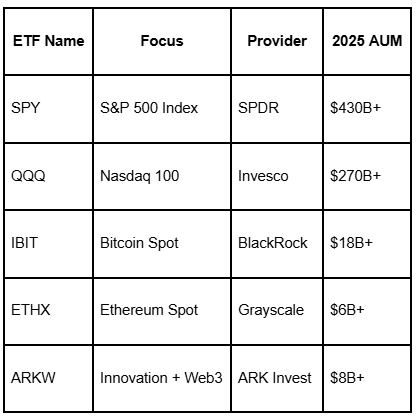
📈 Popular ETF Funds in 2025

Here are some high-performing ETF funds in traditional and crypto markets:

🧠 Final Thoughts

ETF funds are one of the most efficient and flexible ways to build a diversified investment portfolio in 2025. Whether you're targeting long-term growth, passive income, or exposure to emerging markets like crypto—ETF funds offer a secure, low-cost, and easy-to-use investment solution.

And with the rise of crypto ETF funds, platforms like Token Metrics are critical in helping investors evaluate opportunities, manage risk, and time the market using AI.

Whether you're a seasoned investor or just getting started, combining ETF investing with AI-powered insights gives you the edge in today's rapidly evolving financial landscape.

Crypto Basics

Best Crypto Software Wallets for July 2025

Token Metrics Team
6 min
MIN

And How Token Metrics Lets You Trade Securely With Any Wallet

Cryptocurrency adoption continues to rise in 2025, and with it, the demand for secure, user-friendly, and feature-rich crypto software wallets. Whether you're storing Bitcoin, trading Ethereum, or experimenting with altcoins, having a reliable wallet is the foundation of safe crypto ownership.

This guide ranks the top crypto software wallets of July 2025 across different categories, from best security to best for mobile use. We also explore how Token Metrics, the leading AI crypto trading platform, allows users to connect any of these wallets via an encrypted channel—giving you access to powerful AI-driven tools while retaining full custody of your assets.

🔐 What Is a Crypto Software Wallet?

A crypto software wallet is a digital application that stores your private keys and enables you to send, receive, and manage cryptocurrencies. These wallets can be hot (internet-connected) or cold (offline) and often come with trading, staking, and asset management tools. The best wallets balance security, usability, and functionality—and increasingly, they integrate with platforms like Token Metrics to enable AI-powered trading without giving up control of your assets.

🏆 Top Crypto Software Wallets – July 2025

1. Zengo – Best for Security

  • Supported Cryptos: 380
  • Hot or Cold: Hot Wallet
  • Cost: $129.99/year or $19.99/month
  • Hardware Wallet Support:

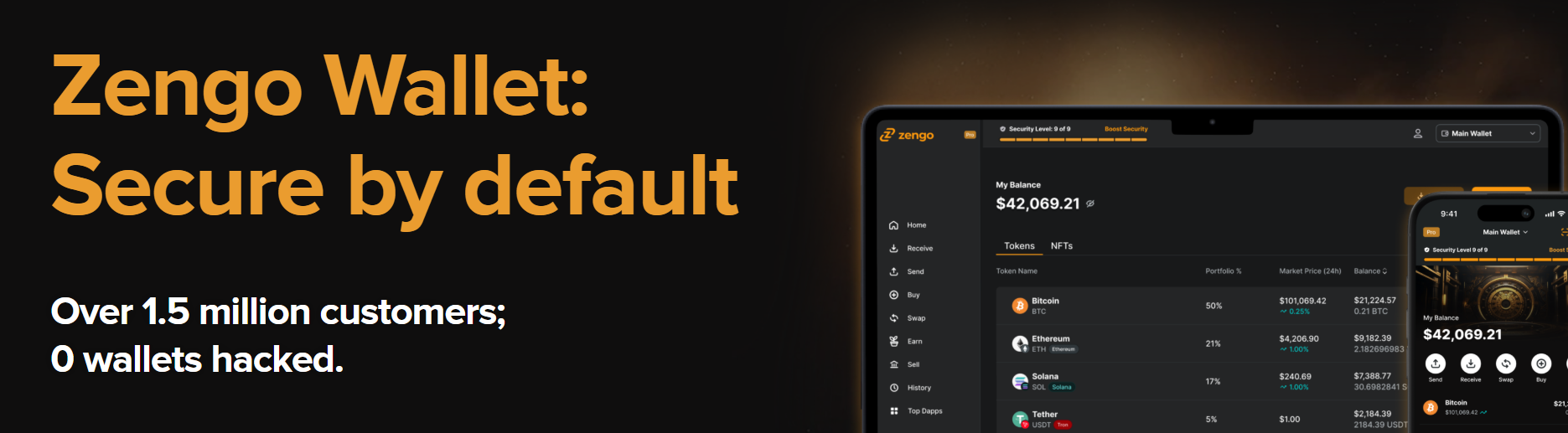
Zengo tops the list for users prioritizing wallet security. With no reported wallet hacks and weekly software updates, Zengo protects over 1.5 million users globally. It also supports buying, selling, and staking, making it ideal for long-term holders.

Pros:
✔️ Industry-leading security measures
✔️ Staking and fiat funding options
✔️ Encrypted backup and biometric authentication

Cons:
❌ Premium pricing
❌ No hardware wallet compatibility

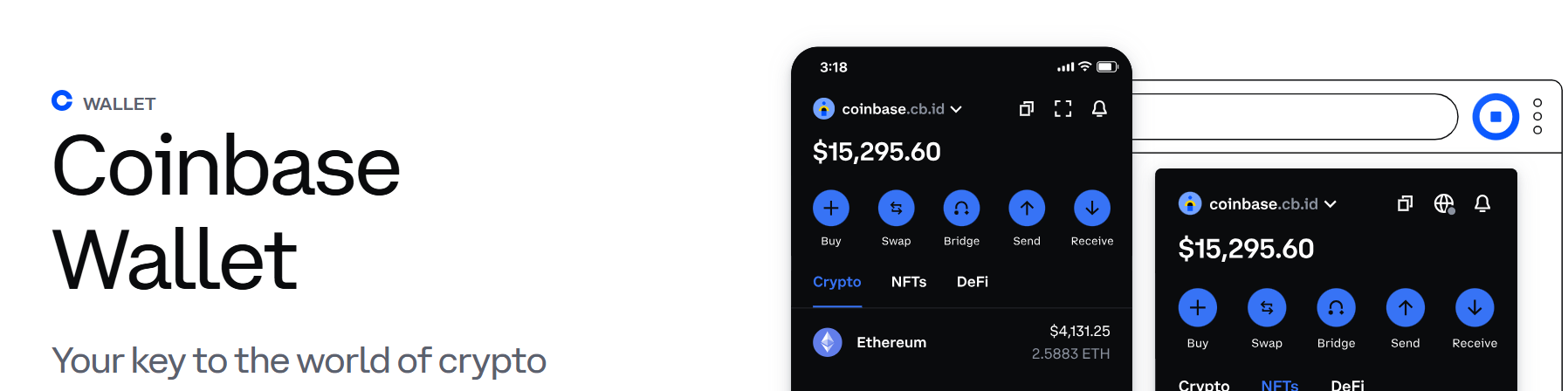
2. Coinbase Wallet – Best for Beginners & Low Costs

  • Support Cryptos: 5,500
  • Hot or Cold: Hot Wallet
  • Cost: Free
  • Hardware Wallet Support: Partial (via Ledger transfer)

Coinbase Wallet is perfect for newcomers. It’s intuitive, completely free to use, and connects seamlessly to the larger Coinbase ecosystem. Users can access over 5,500 tokens and learn the ropes through its built-in educational resources.

Pros:
✔️ Beginner-friendly UI
✔️ Massive token support
✔️ Customizable network fees

Cons:
❌ Code not open source
❌ No address rotation
❌ Doesn’t fully support hardware wallets

3. Exodus – Best for Mobile

  • Supported Cryptos: 281
  • Hot or Cold: Hot Wallet
  • Cost: Free
  • Hardware Wallet Support: ✅ (Trezor)

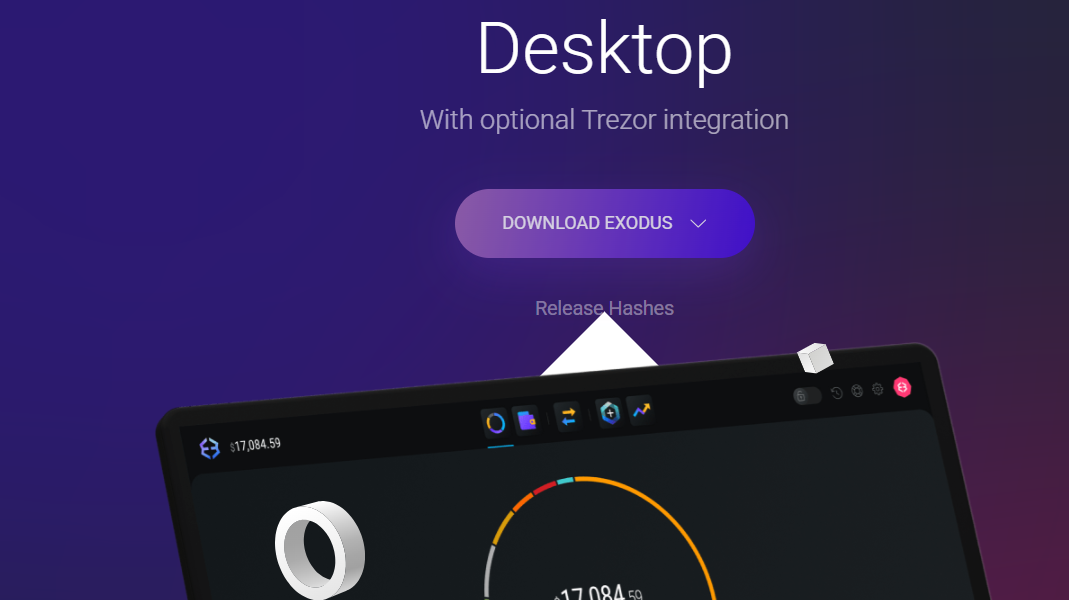
Exodus excels on mobile with sleek design and robust functionality. It allows users to buy, sell, stake, and swap directly on their mobile device and integrates with Trezor hardware wallets for additional security.

Pros:
✔️ Cross-platform (desktop, browser, mobile)
✔️ Built-in portfolio tracking
✔️ Trezor integration

Cons:
❌ No in-house exchange
❌ Email-only support
❌ Not open source

4. Electrum – Best for Bitcoin

  • Supported Cryptos: Bitcoin Only
  • Hot or Cold: Both
  • Cost: Free
  • Hardware Wallet Support:

A trusted wallet since Bitcoin’s early days, Electrum is ideal for Bitcoin maximalists. It’s lightweight, fast, and secure, with deep customization options for advanced users.

Pros:
✔️ High performance for BTC
✔️ Cold storage compatible
✔️ Open-source and auditable

Cons:
❌ No support for altcoins
❌ Not user-friendly for beginners
❌ No staking or DeFi features

5. MetaMask – Best for Ethereum

  • Supported Cryptos: 300+ (ETH & ERC-20)
  • Hot or Cold: Both
  • Cost: Free
  • Hardware Wallet Support:

For Ethereum users, MetaMask is the go-to wallet. It enables DeFi, NFTs, and Web3 access with ease. It supports both hot and cold storage and integrates with platforms like OpenSea, Uniswap, and now, Token Metrics.

Pros:
✔️ Built for Ethereum ecosystem
✔️ DeFi-ready
✔️ Cold wallet compatible

Cons:
❌ No Bitcoin support
❌ Limited customer support
❌ Doesn’t rotate addresses automatically

🔍 How Token Metrics Works with Your Crypto Wallet

Token Metrics is not a wallet, exchange, or custodian—it’s an AI-driven crypto research and trading platform. But it seamlessly integrates with your preferred wallet using secure, encrypted wallet connections.

🔐 Secure Wallet Integration

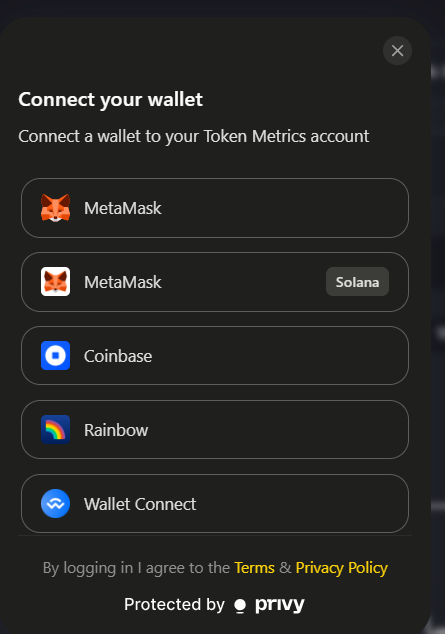
Token Metrics allows users to connect wallets like MetaMask, Coinbase Wallet, Trust Wallet, or any Web3-compatible wallet using industry-standard encryption. You never deposit funds on the platform—instead, you retain full control over your crypto while accessing:

  • AI-generated trading signals
  • Real-time price predictions
  • Altcoin Moonshot picks
  • Portfolio rebalancing tools
  • Custom alerts and automation

🛡️ Why It Matters:

With so many platforms requiring you to deposit crypto into centralized accounts, Token Metrics stands apart by offering non-custodial AI-powered trading. You keep your assets in your chosen wallet while using advanced tools that would normally be reserved for hedge funds or trading desks.

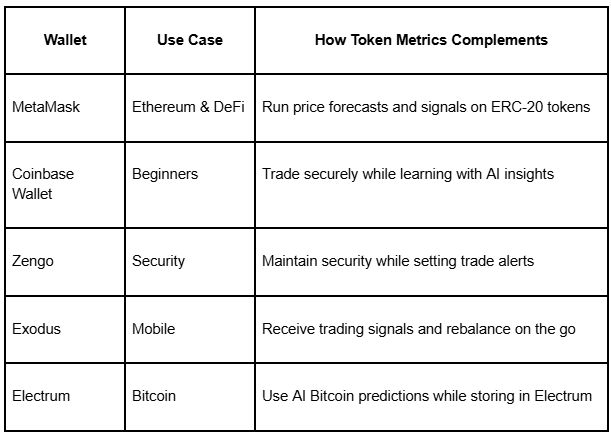
💡 Why Token Metrics + Top Wallets = The Perfect Pair

🚨 A Word of Caution

Crypto is a volatile and speculative market. Even with the best wallet and the most advanced AI platform, there are risks. Always use two-factor authentication, avoid phishing attempts, and never share your seed phrase.

🏁 Final Thoughts

Choosing the best crypto software wallet in July 2025 depends on your priorities: security, mobility, beginner-friendliness, or asset specialization. But if you want to take things further, pairing your wallet with Token Metrics’ AI research and trading tools is the smartest way to stay ahead.

Whether you’re holding Bitcoin in Electrum or swapping altcoins via MetaMask, Token Metrics helps you trade smarter, not harder, without compromising the safety of your assets.

Crypto Basics

Best Crypto Exchanges for July 2025

Token Metrics Team
6 min
MIN

Cryptocurrency adoption has surged in 2025, with Bitcoin reaching over $118,000 and Ethereum climbing above $3,000. Whether you’re a beginner or an advanced trader, choosing the right exchange or trading app is critical. But while exchanges handle your transactions, it’s tools like Token Metrics that give you the edge—using AI to deliver real-time analytics, trading signals, moonshot altcoin picks, and price predictions.

In this guide, we’ll cover the top exchanges and apps for July 2025, along with Token Metrics, the best platform for AI-powered crypto research and trading.

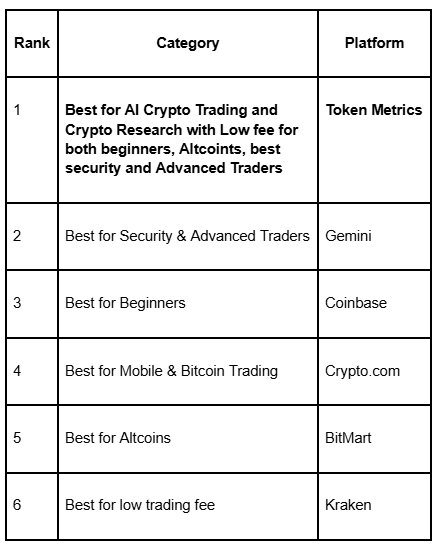
🔝 Top Crypto Platforms for July 2025

🧠 Token Metrics: Best AI Crypto Trading Platform

Token Metrics stands out not as an exchange, but as an AI-powered research, analytics, and trading platform. It gives retail and institutional investors data-driven insights to make smarter trades across any exchange.

Why Token Metrics is #1 for AI Crypto Trading:

  • AI-Generated Buy/Sell Signals
    Token Metrics’ signals dashboard uses over 80 data points to issue bullish or bearish calls on top tokens. For example, the AI turned bullish on Bitcoin on June 28, just before it surged past $118,000.


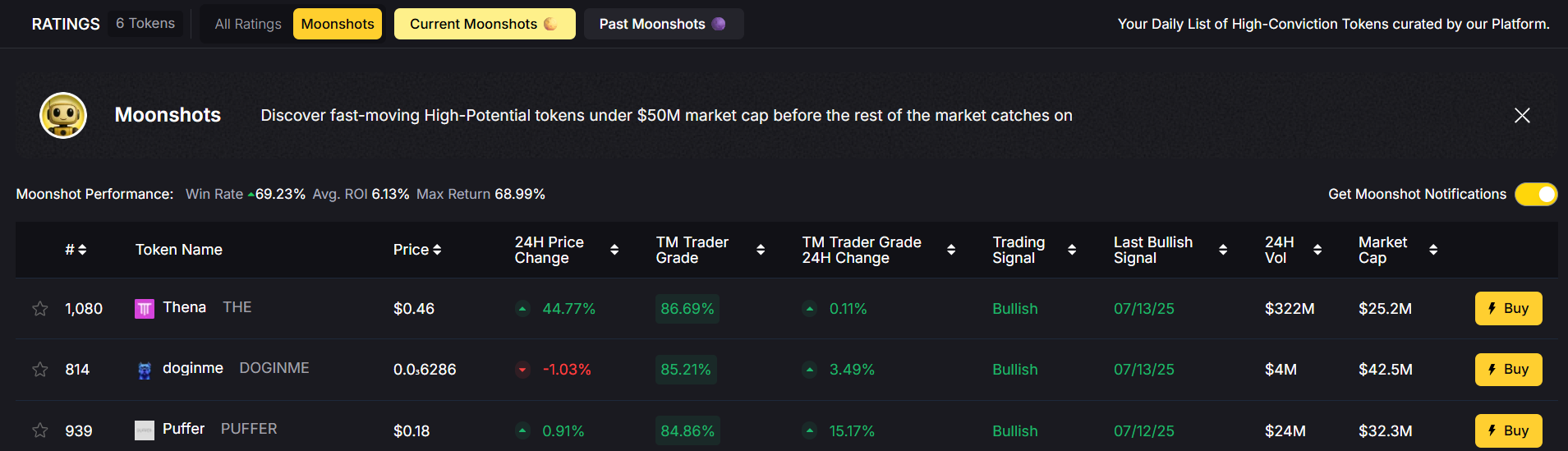
  • Moonshots for Early-Stage Altcoins
    The Moonshots tab identifies low-cap altcoins with 10x–100x potential based on momentum, AI scores, and liquidity—long before they hit mainstream exchanges.


  • Price Forecasting Models
    Token Metrics predicts short-, medium-, and long-term prices for major tokens. Bitcoin’s 2026 forecast, for example, ranges between $150,000–$230,000, based on ETF flows, supply on exchanges, and macroeconomic signals.


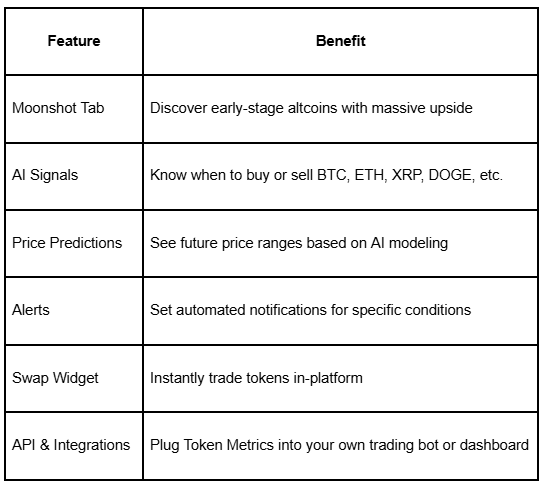
  • Custom Alerts
    Users can set alerts based on price, trader grade, or AI signals, delivered instantly via Email, Telegram, SMS, or Slack.


  • Integrated Swap Widget
    You can research, analyze, and buy tokens directly via Token Metrics’ swap widget—all in one dashboard.

Whether you’re trading on Kraken, Coinbase, or Binance, Token Metrics plugs into your strategy and helps you trade with confidence, using real-time AI insights.

⚙️ Top 5 Crypto Exchanges for July 2025

🥇 Kraken – Best for Low Fees

  • Maker Fees: 0.00%–0.25%
  • Taker Fees: 0.10%–0.40%
  • Minimum Deposit: $10
  • Crypto Offered: 300+

Kraken is ideal for fee-sensitive traders. It’s available on web, mobile, desktop, and Kraken Pro. However, it's not available in all U.S. states and lacks FDIC or SIPC insurance.

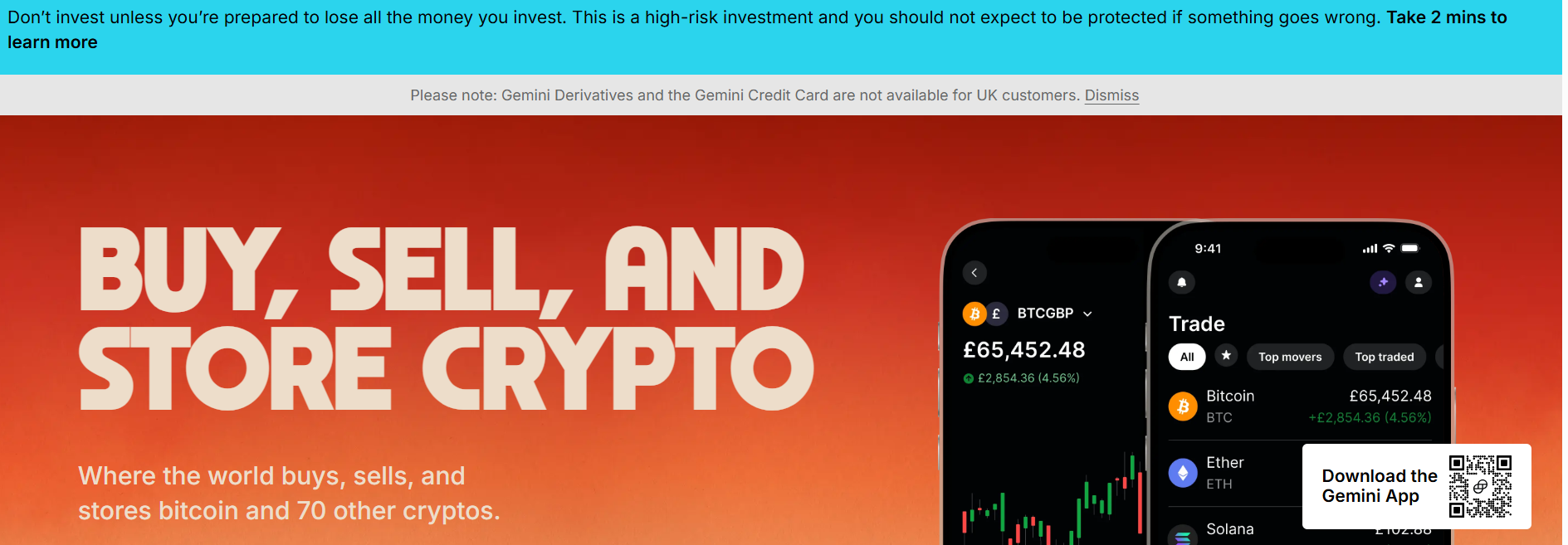
🥈 Gemini – Best for Security & Experienced Traders

  • Maker Fees: 0.00%–0.20%
  • Taker Fees: 0.03%–0.40%
  • Minimum Deposit: $0
  • Crypto Offered: 70

Gemini is the most secure exchange in 2025, with FDIC insurance, crypto insurance, and advanced features through its ActiveTrader terminal. But it has a complex fee structure and limited assets.

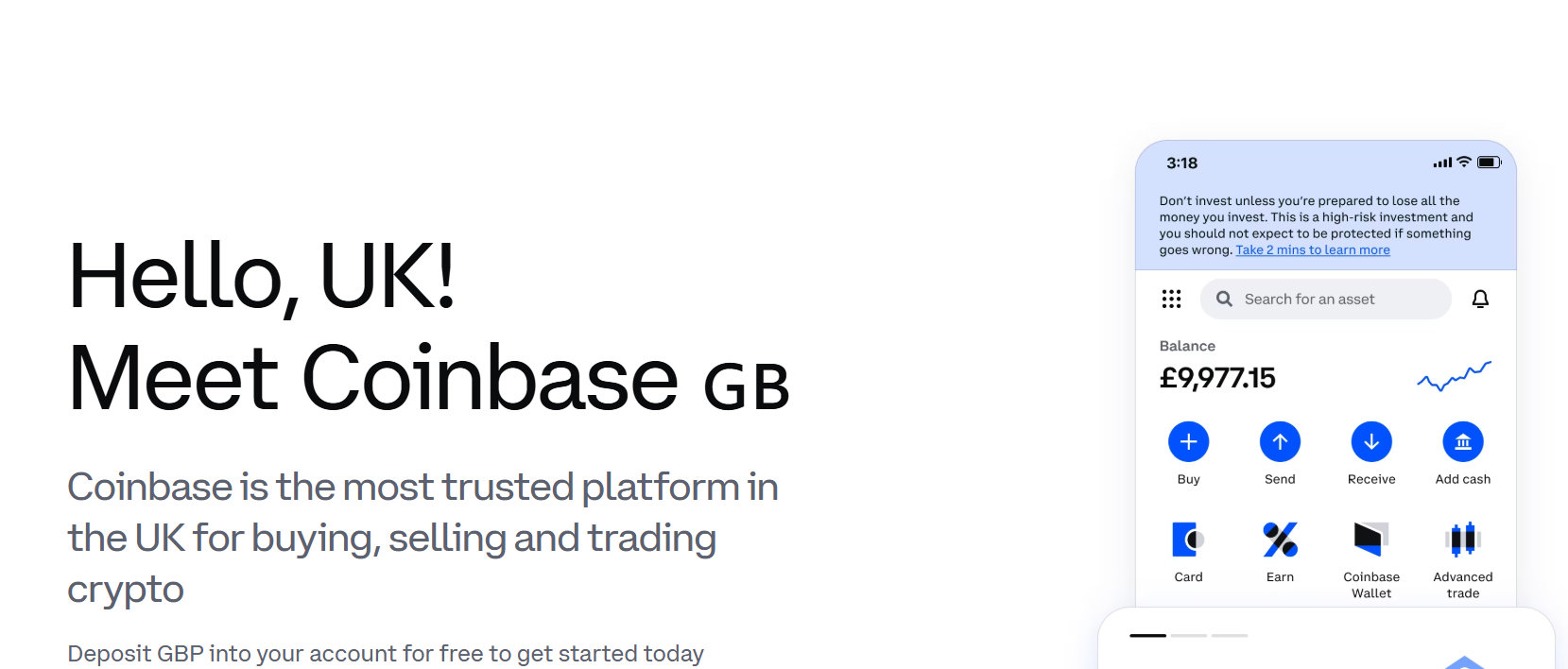
🥉 Coinbase – Best for Beginners

  • Maker Fees: 0.00%–0.40%
  • Taker Fees: 0.05%–0.60%
  • Minimum Deposit: $0
  • Crypto Offered: 240

Coinbase is ideal for newcomers with its clean UI, beginner-friendly tools, and educational content. It’s available in 172 countries, though advanced traders might want more features.

📱 Crypto.com – Best Mobile App & Bitcoin Trading

  • Maker Fees: 0.00%–0.25%
  • Taker Fees: 0.05%–0.50%
  • Minimum Deposit: $20
  • Crypto Offered: 417

With a sleek mobile app and support for Bitcoin options and futures, Crypto.com is perfect for on-the-go traders. However, it only supports a hot wallet and has limited global access.

🪙 BitMart – Best for Altcoins

  • Fees: Varies by tier (0.04%–0.60%)
  • Minimum Deposit: Not disclosed
  • Crypto Offered: 1,700+

BitMart is the best place to find rare altcoins. With copy trading and BitMart Academy, it’s useful for altcoin hunters. But its lack of transparency on security is a concern.

✅ Why Token Metrics Complements These Exchanges

⚠️ Reminder: Crypto Is Risky

Crypto markets are volatile and speculative. While these exchanges and tools can improve your strategy, always do your own research (DYOR) and consult professionals when investing.

Final Thoughts

If you want to trade crypto in July 2025, pair a high-quality exchange like Kraken or Coinbase with a research powerhouse like Token Metrics. Exchanges execute trades—but Token Metrics tells you what to trade, when to trade, and why.

Choose from Platinum, Gold, and Silver packages
Reach with 25–30% open rates and 0.5–1% CTR
Craft your own custom ad—from banners to tailored copy
Perfect for Crypto Exchanges, SaaS Tools, DeFi, and AI Products