Crypto Basics

Understanding How Does Bitcoin Work

Discover how Bitcoin works with our comprehensive guide. Learn about blockchain, mining, and transactions. Start your journey into cryptocurrency today!
Token Metrics Team
8 min
MIN

Introduction to Digital Currency

Bitcoin is a revolutionary digital currency that operates independently of traditional financial institutions and government authorities. Unlike fiat currencies such as the US dollar or euro, bitcoin functions as a decentralized digital payment system and currency, and is considered a virtual currency. This means that it does not rely on a central bank or any single entity to manage or regulate it. In traditional finance, accessing services typically requires a bank account, whereas bitcoin allows users to transact without one. Instead, bitcoin transactions are processed through a peer-to-peer network, enabling users to send and receive value directly. Bitcoin is also notable for being the first decentralized cryptocurrency, paving the way for the development of numerous other digital currencies.

As an alternative to national currencies, bitcoin can be purchased through various cryptocurrency exchanges, where users can also sell bitcoin. These platforms are a type of crypto exchange that enable users to buy, sell, and trade bitcoin. Digital currencies like bitcoin have gained significant traction in recent years, with many investors viewing them as viable alternatives to traditional assets such as stocks, bonds, or physical cash. Some users view bitcoin as a virtual currency and an alternative to traditional assets, considering it a form of alternative investments. This growing popularity is reflected in the increasing number of businesses and individuals who have adopted bitcoin as a form of payment.

One of bitcoin’s most attractive features is its decentralized nature combined with a limited supply of one bitcoin capped at 21 million units. This scarcity, along with its independence from central authorities, makes bitcoin an appealing option for those seeking to diversify their investment portfolios beyond conventional financial instruments. The total supply cap ensures that no more bitcoin will be mined once this limit is reached, further contributing to its perceived value as a scarce digital asset.

History and Development of Bitcoin

The origins of bitcoin trace back to 2008, when an individual or group under the pseudonym Satoshi Nakamoto released the groundbreaking Bitcoin whitepaper. This document introduced the world to the concept of a decentralized digital currency, outlining how a peer-to-peer bitcoin network could facilitate secure, trustless transactions without the oversight of a central authority. On January 3, 2009, the bitcoin system officially launched with the mining of the Genesis Block, marking the first entry on the bitcoin blockchain and the birth of a new era in digital currency.

The first recorded bitcoin transaction took place in 2010, demonstrating the practical use of this innovative payment system. As interest in bitcoin grew, the first cryptocurrency exchanges emerged in 2011, providing a platform for users to buy, sell, and trade bitcoins. These exchanges played a crucial role in expanding access to the bitcoin network and fostering a global community of bitcoin users.

Over the years, the bitcoin system has seen continuous development, with enhancements to blockchain technology improving security, scalability, and transaction speed. Innovations such as the Lightning Network have been introduced to enable faster and more cost-effective bitcoin transactions, further increasing the utility of bitcoin as a digital currency. As adoption has spread, bitcoin has become a widely recognized form of payment and a key player in the evolution of blockchain-based financial systems.

How Bitcoin Works

To understand how bitcoin work, it is essential to explore the bitcoin network—a decentralized network of computers, called nodes, that collectively maintain a public ledger known as the bitcoin blockchain. This blockchain records every valid bitcoin transaction ever made, ensuring transparency and integrity without relying on a central authority. Blockchain transactions are recorded and verified by the network, with each node participating in the validation process.

When a user initiates a bitcoin transaction, cryptographic techniques validate it, preventing issues such as double-spending, where the same bitcoin could be spent more than once. Transactions are communicated as electronic messages across the network, containing all necessary instructions and metadata. A single transaction can include multiple inputs and outputs, allowing funds to be sent to several recipients or returned as change. New transactions are created and added to the network, where they are validated by miners before being included in the blockchain. This validation process is fundamental to the security of the bitcoin system. Because bitcoin operates on a decentralized network, users can transact directly without intermediaries like banks or payment processors, making it a unique and innovative payment system.

At the heart of bitcoin’s success lies its underlying technology—blockchain technology. The blockchain serves as a tamper-proof, distributed database that is used to record transactions in a chronological order, enabling the entire network to agree on the state of ownership and transaction history. Ownership verification is achieved through cryptographic proof and consensus among nodes, ensuring that users genuinely possess the assets they spend.

Bitcoin Blockchain

The bitcoin blockchain is a distributed database that stores all bitcoin transactions in a secure and encrypted manner. This database is maintained by a global network of nodes, each storing a complete copy of the blockchain. This redundancy ensures that the system is transparent and resistant to tampering or fraud.

The blockchain is composed of sequential blocks, where each block contains data on recent transactions, references to previous blocks, bitcoin addresses, and execution code. These blocks are cryptographically linked, forming an immutable chain that provides a permanent record of all bitcoin activity. Each transaction block on the Bitcoin blockchain also contains a hash of the previous block, ensuring the integrity and continuity of the chain. This structure allows the network to verify the validity of transactions and maintain consistency across the entire blockchain network.
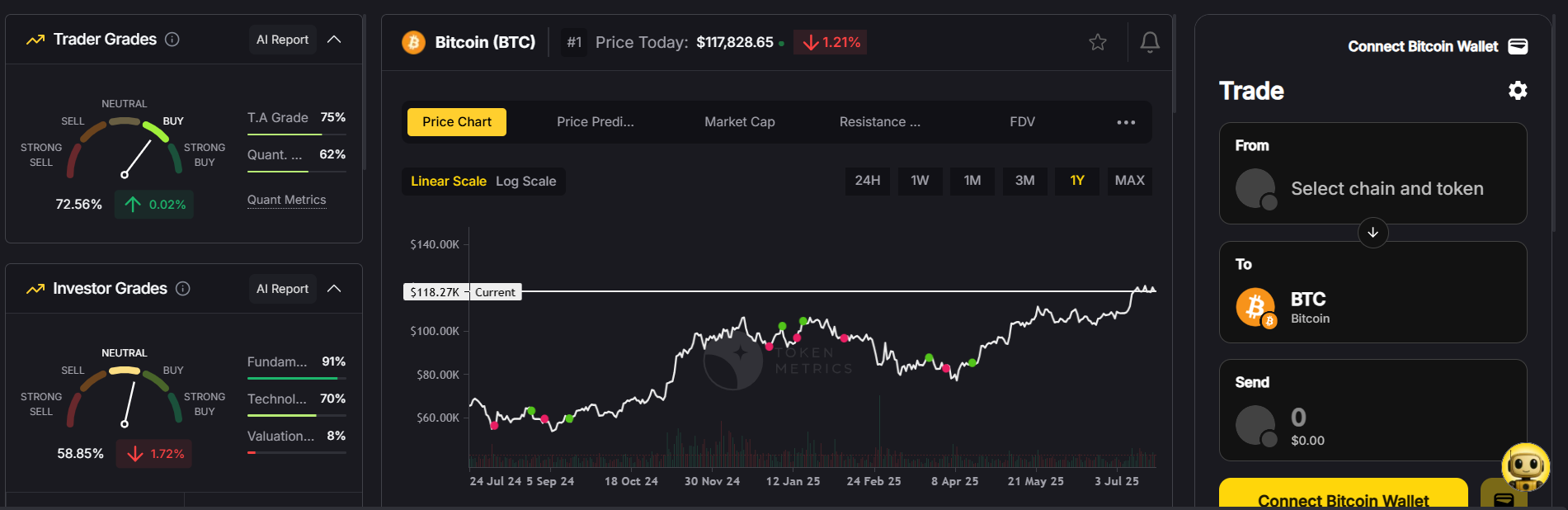
Understanding how blocks function is crucial to appreciating the security and efficiency of bitcoin transactions. Each new block added to the chain confirms a batch of recent transactions, ensuring that bitcoins are not double-spent and that ownership is accurately tracked. A miners group collaborates to validate and add these new blocks by grouping transactions and competing to solve cryptographic puzzles, which secures the network. As subsequent blocks are added to the blockchain, the security and immutability of previous transactions are further reinforced, making it increasingly difficult to alter any information in earlier blocks.

Mining and New Bitcoins

Bitcoin mining plays a pivotal role in both validating transactions and creating new bitcoins. Specialized software and hardware, such as Application-Specific Integrated Circuits (ASICs), perform complex computations to solve cryptographic puzzles through a process called mining. This requires vast amounts of computing power and energy consumption.

During mining, miners process block data through a hashing algorithm that produces fixed-length hexadecimal outputs known as hashes. By adjusting a value called a nonce, miners attempt to find a hash below a specific network target. Each block must contain a proof of work (PoW) to be accepted, ensuring that the computational effort required to mine a block contributes to the security and integrity of the blockchain. The first miner to solve this cryptographic puzzle earns the right to add a new block to the blockchain and receives a block reward in the form of newly created bitcoins.

To increase their chances of earning rewards and reduce the variance in payouts, miners often join a mining pool, where miners join together to combine their resources. By pooling their computational power, miners can secure a more stable income, but this has also raised concerns about centralization if a few mining pools control a majority of the network's hashing power.

To maintain a consistent block creation rate of approximately every 10 minutes, the mining difficulty adjusts every 2,016 blocks based on the total computing power of the network. This dynamic ensures the steady issuance of new bitcoins and the ongoing security of the blockchain network.

Mining is essential not only for the creation of new bitcoins but also for validating and securing all bitcoin transactions, making it a cornerstone of the entire bitcoin system. However, mining consumes vast amounts of electricity, which has attracted criticism for its environmental impact. This energy-intensive process has sparked debates about the sustainability of bitcoin and its broader implications for the environment.

Bitcoin Transactions

Bitcoin transactions involve sending digital currency from one user to another through the bitcoin network. To initiate a transaction, a user enters the recipient’s bitcoin address, signs the transaction with their private key, and includes a transaction fee to incentivize miners to prioritize their transaction.

Once submitted, transactions enter a mempool—a waiting area for unconfirmed transactions—where miners select which transactions to include in the next block. Transactions with higher fees are typically prioritized, especially during periods of high network demand. This fee mechanism ensures the efficient processing of valid transactions.

Blocks are added to the blockchain roughly every 10 minutes, confirming the transactions contained within them. All confirmed transactions become part of the public blockchain, providing security and transparency. However, rising demand for bitcoin transactions has led to increased transaction fees, making it more costly to send bitcoins during peak times.

Despite these fees, bitcoin transactions remain a secure and transparent method of transferring value, offering an alternative to traditional cash transactions and payment systems. Like a cash transaction, bitcoin enables direct peer-to-peer exchanges without the need for a central authority, allowing users to transfer value directly between parties.
Bitcoin Wallet

A bitcoin wallet, also known as a digital wallet, is a digital tool that allows users to store, manage, and spend their bitcoins securely. Unlike physical cash stored in a wallet, bitcoin ownership is recorded on the blockchain, with digital wallets providing access through cryptographic keys rather than physical currency.

Bitcoin wallets function similarly to banking apps, enabling users to view their balances and manage their crypto holdings conveniently. These digital wallets use private keys—secret codes that authorize spending coins—and bitcoin addresses, which serve as public identifiers for receiving funds.

Keeping private keys safe is crucial, as losing them means losing access to the bitcoins they control. There are various types of wallets available, including software wallets installed on computers or a mobile phone for convenience, hardware wallets that store keys offline for enhanced security, and paper wallets that print keys on physical media for cold storage. Paper wallets, as a form of cold storage, are particularly valued for their simplicity and security, as they keep private keys completely offline.

By using a digital wallet, users can securely participate in the bitcoin network, sending and receiving bitcoins with confidence.
The Bitcoin System

The bitcoin system is built on a decentralized network that empowers users to conduct peer-to-peer bitcoin transactions without relying on intermediaries like banks or payment processors. At the core of this system is the bitcoin blockchain—a transparent, public ledger that records every bitcoin transaction, ensuring the integrity and security of the entire network.

Bitcoin mining is a fundamental process within the bitcoin system. Through bitcoin mining, miners use powerful computers to solve complex mathematical puzzles, competing to add a new block of transactions to the blockchain. The first miner to solve the puzzle is rewarded with new bitcoins, introducing new digital currency into circulation and incentivizing the ongoing validation of transactions.

The bitcoin network is maintained by a distributed network of nodes, each holding a complete copy of the blockchain. These nodes work together to validate transactions, ensuring that only legitimate and valid transactions are added to the blockchain. This decentralized approach means that bitcoin operates without a central authority, making the system resistant to censorship and single points of failure.

By combining the transparency of the bitcoin blockchain, the security of bitcoin mining, and the collaborative efforts of the network’s nodes, the bitcoin system offers a secure, reliable, and censorship-resistant platform for digital currency transactions. This innovative approach has established bitcoin as a leading example of how blockchain technology can transform the way value is transferred and recorded in the digital age.

Cryptocurrency Investing

Investing in bitcoin and other cryptocurrencies involves purchasing digital assets with the hope that their market price will appreciate over time. Cryptocurrency investing can be highly volatile and carries significant risk, but it also offers the potential for substantial returns. Bitcoin is often viewed as a store of value and a hedge against inflation by investors, further enhancing its appeal as an alternative investment option. Bitcoin's supply is limited by its code, which is designed to create scarcity and potentially drive value over time.
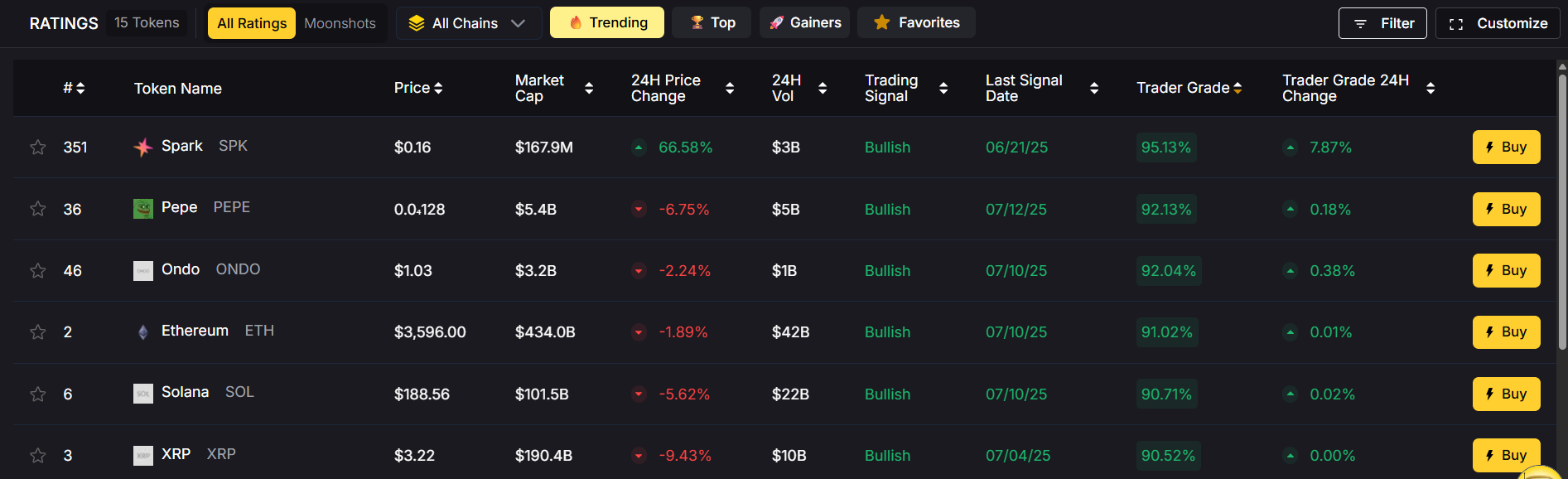
Before investing, it’s essential to conduct thorough research and understand the dynamics of the cryptocurrency market. Factors such as bitcoin’s price volatility, regulatory developments, and technological innovations can greatly affect investment outcomes. Bitcoin's price can fluctuate dramatically, impacting the amount of bitcoin received for a fixed dollar investment and influencing potential returns.

Investors can choose from various strategies, including buying and holding bitcoin as a long-term store of value, trading on cryptocurrency exchanges, or using investment products like exchange-traded funds (ETFs) that provide exposure to crypto assets.

Given the risks, cryptocurrency investing is not suitable for everyone. Prospective investors should carefully assess their financial goals and risk tolerance before allocating funds to bitcoin or other digital currencies.

Digital Currencies

Digital currencies like bitcoin represent a groundbreaking shift in how value is stored and transferred. As virtual currencies, they offer a secure, transparent, and decentralized alternative to traditional physical currency and national currencies. Digital currencies can also be exchanged for other forms of money, such as cash or electronic deposits, highlighting their compatibility with existing financial systems.

Their decentralized nature removes the need for central banks or financial institutions to authorize transactions, which can reduce costs and increase accessibility. Many businesses and individuals are increasingly adopting digital currencies for payments, recognizing their potential to disrupt established financial systems.

Moreover, digital currencies can promote financial inclusion by providing access to financial services for populations underserved by traditional banking. As adoption grows, digital currencies are poised to become an integral part of the global economy.

Central Bank and Regulation

The rise of digital currencies like bitcoin presents challenges and opportunities for central banks and regulatory bodies worldwide. Many governments are still navigating how to regulate these new forms of money, often taking a cautious or wait-and-see approach. Regulators are particularly concerned about the potential use of bitcoin and other digital currencies in criminal activities such as money laundering or illicit transactions, due to the anonymity these currencies can provide.

The absence of clear regulation can create uncertainty for investors and businesses, complicating compliance and operational decisions. However, some countries have taken proactive steps, with a few even adopting bitcoin as legal tender, recognizing its potential benefits. As of November 2021, Bitcoin is only legal tender in El Salvador, a move that has sparked both interest and controversy on the global stage.

The regulatory environment surrounding digital currencies is dynamic and continuously evolving, with agencies such as the Securities and Exchange Commission (SEC) in the United States closely monitoring developments. Staying informed about regulatory changes is essential for anyone involved in bitcoin trading, cryptocurrency investing, or using digital currencies in commerce.

Cryptocurrency Work and Ecosystem

The cryptocurrency ecosystem is a complex and rapidly evolving network comprising miners, investors, businesses, developers, and users. All these participants contribute to maintaining the decentralized network, validating transactions, and fostering innovation.

This ecosystem relies on the process called mining to secure the blockchain network and create new bitcoins. Meanwhile, cryptocurrency exchanges facilitate the buying, selling, and trading of crypto assets, helping users manage their crypto holdings.

As the ecosystem grows, it offers the potential for increased financial inclusion and novel financial services. However, it also faces challenges such as regulatory uncertainty, market volatility, and security risks that participants must navigate carefully. The environmental impact of bitcoin mining has also led to regulatory scrutiny and restrictions in various jurisdictions, adding another layer of complexity to the cryptocurrency landscape.

Best Practices

When engaging with bitcoin and other digital currencies, following best practices is crucial to safeguard investments and ensure smooth transactions. First and foremost, conducting thorough research and understanding how bitcoin operates is essential before investing or trading.

Choosing reputable bitcoin wallets and cryptocurrency exchanges is vital for security and ease of use. Users should fund accounts securely and protect their private keys diligently to prevent theft or loss.

Diversifying investments across different crypto assets and traditional investments can help manage risk. Additionally, never invest more than one can afford to lose, as the cryptocurrency market is known for its volatility.

Staying informed about market trends, regulatory developments, and technological advancements will help users and investors make sound decisions and adapt to the fast-changing crypto landscape.

Future of Bitcoin

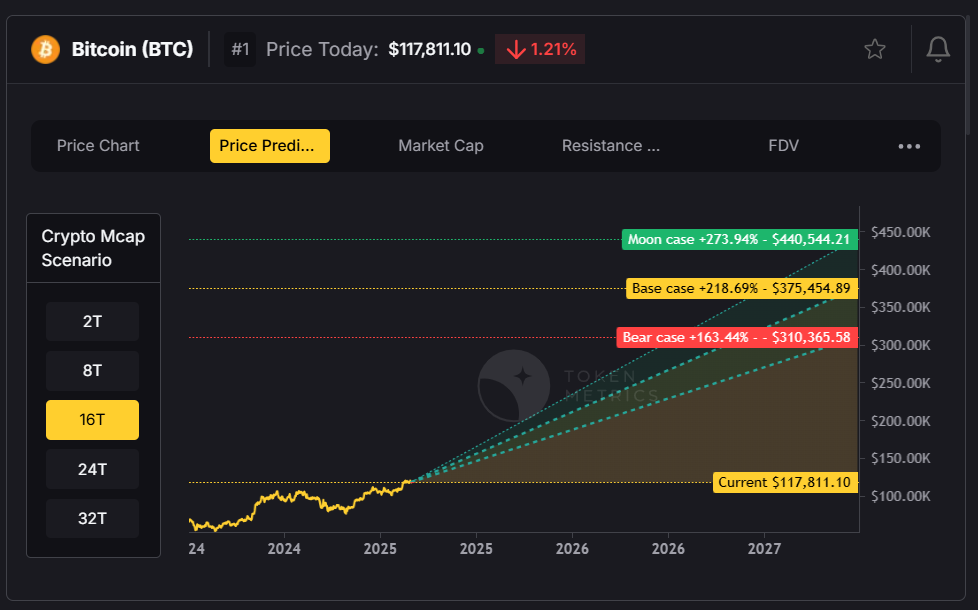
The future of bitcoin and other digital currencies remains uncertain but promising. As blockchain technology advances, we can anticipate improvements in scalability, security, and user experience that will enhance bitcoin's utility as a payment system and store of value. The market capitalization of Bitcoin reached $1 trillion for the first time in February 2021, highlighting its growing significance in the global financial landscape.

Adoption is expected to increase, with more businesses and individuals embracing bitcoin for transactions and as an alternative investment. Regulatory frameworks will likely become clearer, providing greater stability and confidence for participants.

Despite these positive trends, challenges such as market volatility, security concerns, and regulatory hurdles will persist. Nonetheless, bitcoin’s underlying technology and decentralized nature position it to play a significant role in the future of finance and digital assets.

Understanding how bitcoin works provides valuable insight into this innovative digital currency and its potential impact on the global financial system. From the bitcoin blockchain and mining to wallets and investing, bitcoin offers a unique alternative to traditional fiat currencies and physical cash, reshaping how value is transferred and stored in the digital age.

Build Smarter Crypto Apps &
AI Agents in Minutes, Not Months
Real-time prices, trading signals, and on-chain insights all from one powerful API.
Grab a Free API Key
Token Metrics Team
Token Metrics Team

Recent Posts

Research

Integrating Crypto APIs with Google Sheets and Excel: A Complete Guide

Token Metrics Team
7
MIN

Staying on top of cryptocurrency markets often means harnessing real-time data and powerful analytics. For anyone seeking transparency and automation in tracking digital assets, connecting a crypto API directly to Google Sheets or Excel can transform your workflow. But how does the process actually work, and what are the best practices? Let’s break down the essential steps and considerations for integrating crypto APIs with your favorite spreadsheets, optimizing your data analysis, and ensuring reliability and security.

Choosing the Right Crypto API

The first step is selecting a crypto API suited to your needs. APIs are digital interfaces that let apps and platforms request data from cryptocurrency exchanges or analytics providers. Popular APIs deliver live prices, on-chain data, market caps, historical charts, and blockchain analytics.

  • Open vs. Restricted APIs: Some APIs are public and free; others require API keys and may have rate or usage limits.
  • Data Types: Consider if you need real-time price feeds, historical OHLCV data, on-chain analytics, or sentiment analysis.
  • Reliability & Security: Well-established APIs should offer robust documentation, strong uptime records, and clear usage policies.
  • Compliance: Ensure you use APIs that are legally authorized to distribute the type of crypto data you seek.

Examples of reputable APIs include Token Metrics, CoinGecko, CoinMarketCap, Binance, and CryptoCompare. Some, like Token Metrics, also offer AI-driven insights and advanced analytics for deeper research.

How to Connect a Crypto API to Google Sheets

Google Sheets offers flexibility for live crypto data tracking, especially with tools like Apps Script and the IMPORTDATA or IMPORTJSON custom functions. Here’s a general approach:

  1. Obtain Your API Endpoint and Key: Sign up for your preferred API (such as Token Metrics) and copy your endpoint URL and API key credentials.
  2. Install or Set Up Importer: For public APIs returning CSV data, use =IMPORTDATA(“URL”) directly in a cell. For JSON APIs (the vast majority), you’ll likely need to add a custom Apps Script function like IMPORTJSON or use third-party add-ons such as API Connector.
  3. Write the Script or Formula: In Apps Script, create a function that fetches and parses the JSON data, handling your API key in the request headers if needed.
  4. Display and Format: Run your script or enter your formula (e.g., =IMPORTJSON("https://api.tokenmetrics.com/v1/prices?symbol=BTC", "/price", "noHeaders")). Crypto data will update automatically based on your refresh schedule or script triggers.
  5. Automation & Limits: Be aware of Google’s rate limits and your API plan’s quota; set triggers thoughtfully to avoid errors or blocking.

Sample Apps Script for a GET request might look like:

function GETCRYPTO(url) {
  var response = UrlFetchApp.fetch(url);
  var json = response.getContentText();
  var data = JSON.parse(json);
  return data.price;
}

Change the URL as needed for your API endpoint and required parameters.

How to Connect a Crypto API to Excel

Microsoft Excel supports API integrations using built-in tools like Power Query (Get & Transform) and VBA scripting. Here is how you can set up a connection:

  1. Fetch the API Endpoint and Key: Obtain the endpoint and authorize via headers or parameters as your API documentation describes.
  2. Use Power Query: In Excel, go to Data > Get Data > From Other Sources > From Web. Enter the API URL, set HTTP method (typically GET), and configure authentication, if needed.
  3. Parse JSON/CSV: Power Query will ingest the JSON or CSV. Use its UI to navigate, transform, and load only the fields or tables you need (like price, symbol, or market cap).
  4. Refresh Data: When finished, click Load to bring dynamic crypto data into your spreadsheet. Setup refresh schedules as needed for real-time or periodic updates.
  5. Advanced Automation: For customized workflows (like triggered refreshes or response handling), leverage Excel’s scripting tools or Office Scripts in cloud-based Excel.

Note that Excel’s query limits and performance may vary depending on frequency, the amount of retrieved data, and your version (cloud vs desktop).

Best Practices and Use Cases for Crypto API Data in Spreadsheets

Why use a crypto API in your spreadsheet at all? Here are common scenarios and tips you should consider:

  • Portfolio Tracking: Dynamically update positions, track P/L, and rebalance based on real-time prices.
  • Market & Sentiment Analysis: Import on-chain or social sentiment metrics for enhanced research (available from providers like Token Metrics).
  • Historical Analysis: Pull historical OHLCV for custom charting and volatility tracking.
  • Custom Alerts or Dashboarding: Build automated alerts using conditional formatting or macros if price triggers or portfolio thresholds are breached.
  • Audit and Compliance: Keep timestamped logs or export data snapshots for reporting/transparency needs.

Security Tip: Always keep API keys secure and avoid sharing spreadsheet templates publicly if they contain credentials. Use environment variables or Google Apps Script’s Properties Service for added safety.

Troubleshooting, Rate Limits, and Common Pitfalls

Although spreadsheet integration is powerful, some challenges are common:

  • Rate Limits: Both Google Sheets/Excel and your crypto API will have tiered usage limits—avoid setting updates more frequently than permitted to prevent service interruptions.
  • Parsing Errors: Double-check API documentation for exact JSON/CSV field names required by your formulas or scripts.
  • Data Freshness: Sheet refreshes may lag a few minutes, so always verify the update interval matches your analysis needs.
  • Authentication Issues: If data fails to load, ensure API keys and headers are handled correctly and privileges have not recently changed.
  • Spreadsheet Bloat: Very large data pulls can slow down your spreadsheet—filter or limit queries to only what you truly need.

When in doubt, consult your API provider’s resource or developer documentation for troubleshooting tips and best practices.

Build Smarter Crypto Apps & AI Agents with Token Metrics

Token Metrics provides real-time prices, trading signals, and on-chain insights all from one powerful API. Grab a Free API Key

FAQ: Connecting Crypto APIs to Google Sheets or Excel

Do I need programming knowledge to connect a crypto API?

Basic integrations, like using APIs that return CSV files, can often work without code via built-in data import features. For JSON APIs or custom data endpoints, familiarity with Apps Script (Google Sheets) or Power Query (Excel) is helpful but not strictly required, especially if you use add-ons like API Connector or plug-and-play solutions.

What types of crypto data can I import into spreadsheets?

Supported APIs offer a variety of data: live spot prices, historical price series, market capitalization, volume, on-chain metrics, sentiment scores, and more. The exact data fields depend on each API’s offering and the available endpoints.

How should I keep my API key secure in a spreadsheet?

Never embed plain text API keys in shared or public spreadsheets. In Google Sheets, use script properties or protected ranges; in Excel, store keys locally or use encrypted variables if automating. Always follow your provider’s credential management guidelines.

How frequently does spreadsheet crypto data refresh with APIs?

Refresh frequency depends on your integration setup. Google Sheets custom scripts or add-ons can update as often as every few minutes, subject to service and API rate limits. Excel’s Power Query typically updates manually or based on scheduled refresh intervals you define.

What’s the best crypto API for Google Sheets or Excel?

Choice depends on use case and data depth. Token Metrics is notable for real-time prices, AI-powered analytics, and robust developer support. Other popular choices are CoinGecko, CoinMarketCap, and exchange-specific APIs. Always compare data coverage, reliability, security, and documentation.

Disclaimer

This article is for educational and informational purposes only. It does not constitute financial, legal, or investment advice. Always follow best practices for security and usage when working with APIs and spreadsheets.

Research

How Crypto APIs Power NFT and DeFi Data for Developers

Token Metrics Team
6
MIN

The explosion of NFT and DeFi applications has dramatically increased demand for reliable blockchain data. Developers and analysts seeking to build innovative crypto projects often ask: do crypto APIs provide data for NFTs and DeFi protocols—and if so, how can this fuel smarter apps and insights?

What Are Crypto APIs and Why Are They Important?

A crypto API (Application Programming Interface) is a set of endpoints and protocols that connect applications to blockchain networks or data aggregators. Instead of directly querying nodes or parsing blocks, developers can access a stream of blockchain-related data in real time via these APIs.

APIs abstract away the technical complexity of on-chain data, providing accessible methods for retrieving token prices, wallet balances, transaction histories, smart contract events, NFT metadata, and DeFi protocol information. This simplifies everything from price tracking to building sophisticated crypto apps and analytics dashboards.

Accurate, up-to-date blockchain data is the foundation for researching NFT projects, assessing DeFi protocol health, and even powering AI agents tasked with blockchain tasks. Leading crypto APIs provide developers with high-level access, so they can focus on building features instead of managing blockchain infrastructure.

NFT Data Accessible Through Crypto APIs

Non-fungible tokens (NFTs) have unique data structures, including metadata, ownership history, royalty rules, and underlying assets. Many modern crypto APIs cater to NFT-specific data retrieval, facilitating applications like NFT wallets, galleries, marketplaces, and analytics platforms.

  • Ownership & provenance: APIs can fetch real-time and historical information about who owns a given NFT, how ownership has changed, and related on-chain transactions.
  • Metadata and imagery: Developers retrieve NFT metadata (e.g., images, attributes) directly from smart contracts or token URIs, often with additional caching for speed.
  • Marketplace integration: Some APIs aggregate current and past prices, listing details, and sales volumes from top NFT marketplaces.
  • Activity monitoring: Event endpoints allow tracking of NFT mints, transfers, and burns across chains.

Popular NFT API providers—such as OpenSea API, Alchemy, Moralis, and Token Metrics—differ in their supported blockchains, rate limits, and depth of metadata. When selecting a crypto API for NFTs, compare which standards are supported (ERC-721, ERC-1155, etc.), ease of integration, and the richness of returned data.

How Crypto APIs Handle DeFi Protocol and Market Data

Decentralized finance (DeFi) relies on composable smart contracts driving lending, trading, yield farming, liquid staking, and more. Accessing accurate, real-time DeFi data—such as TVL (total value locked), pool balances, lending/borrowing rates, or DEX trade history—is critical for both app builders and researchers.

Leading crypto APIs now offer endpoints dedicated to:

  • Protocol statistics: TVL figures, liquidity pool compositions, APYs, token emissions, and reward calculations.
  • Real-time DeFi prices: AMM pool prices, slippage estimates, and historical trade data across major DEXes and aggregators.
  • On-chain governance: Information about DeFi protocol proposals, votes, and upgrade histories.
  • User positions: Individual wallet interactions with DeFi protocols (e.g., collateral, borrowings, farming positions).

APIs such as DeFi Llama, Covalent, and Token Metrics provide advanced DeFi analytics and are popular among platforms that track yields, compare protocols, or automate investment analyses (without providing investment advice). Evaluate the update frequency, supported chains, and the granularity of metrics before integrating a DeFi data API.

Key Benefits and Limitations of Using APIs for NFT and DeFi Data

APIs offer significant advantages for NFT and DeFi development:

  • Rapid access to up-to-date blockchain information
  • Abstraction from blockchain-specific quirks and node maintenance
  • Ready-to-integrate endpoints for user-facing dashboards or backend analytics
  • Support for multi-chain or cross-standard data in a unified interface

However, there are trade-offs:

  • Rate limiting can throttle large-scale data pulls.
  • Data freshness may lag behind direct node access on some platforms.
  • APIs sometimes lack coverage for emerging standards or new protocols.

Choosing the right API for NFTs or DeFi often means balancing coverage, performance, cost, and community support. For applications that require the most recent or comprehensive data, combining multiple APIs or supplementing with direct on-chain queries might be needed. Developers should review documentation and test endpoints with sample queries before full integration.

Real-World Use Cases: NFT and DeFi Applications Powered by APIs

Several innovative crypto products rely on powerful APIs to fetch and process NFT and DeFi data:

  • Portfolio dashboards: Aggregating NFT holdings, DeFi investments, token balances, and performance metrics into a single user interface.
  • Market analytics tools: Analyzing trends in NFT sales, DeFi protocol growth, or liquidity volatility across multiple chains and protocols.
  • AI-driven agents: Enabling bots that track NFT listings, monitor DeFi yields, or automate position rebalancing using real-time data streams (without human input).
  • Compliance and reporting systems: Automatically tracking on-chain ownership, yields, or trade histories for tax and regulatory requirements.

Whether for wallet apps, analytical dashboards, or next-gen AI-driven crypto agents, high-quality data APIs serve as the backbone for reliable and scalable blockchain solutions.

Build Smarter Crypto Apps & AI Agents with Token Metrics

Token Metrics provides real-time prices, trading signals, and on-chain insights all from one powerful API. Grab a Free API Key

FAQ

Can I get NFT metadata using crypto APIs?

Yes, most reputable crypto APIs allow you to retrieve NFT metadata, including images, attributes, and collection information, typically by querying token contract addresses and token IDs.

Which DeFi protocols are supported by mainstream APIs?

Coverage varies, but leading APIs often support Uniswap, Aave, Compound, Curve, MakerDAO, and other top DeFi protocols on Ethereum and other blockchains. Always check API documentation for a full, updated list.

Do crypto APIs support multichain NFT and DeFi data?

Many APIs now offer multi-chain support, enabling data retrieval across Ethereum, Polygon, BNB Chain, Avalanche, and other major ecosystems for both NFTs and DeFi activity.

What should I consider when choosing an NFT or DeFi API?

Key factors include supported blockchains and standards, data freshness, endpoint reliability, documentation quality, pricing, and limits on API calls. Community trust and support are also important.

How do APIs differ from blockchain node access?

APIs abstract away protocol complexity, offering simplified data endpoints, caching, and error handling, while direct node access requires technical setup but can provide lower-latency data and broader customization.

Disclaimer

This article is for informational and educational purposes only. It does not constitute investment advice, an offer, recommendation, or solicitation. Please conduct your own research and seek professional advice where appropriate.

Research

How Crypto APIs Streamline Tax Reporting for Digital Assets

Token Metrics Team
6
MIN

For active crypto traders and digital asset holders, the yearly ritual of tax reporting can be complicated and stressful. Each wallet, exchange, and blockchain interacts in ways that fragment your transaction data, making accurate reporting a daunting task. As crypto adoption spreads, can crypto APIs simplify this process and help ensure accurate, timely tax compliance?

What Are Crypto APIs and Why Do They Matter?

APIs, or Application Programming Interfaces, are digital gateways that allow software applications to communicate with one another. In the cryptocurrency world, crypto APIs connect apps, platforms, and users to real-time blockchain data, exchange information, and transaction histories. Major exchanges, wallets, and analytics providers offer APIs so users can access their data programmatically.

For tax reporting, this connection is critical. Crypto APIs enable retrieval of:

  • All wallet and exchange transactions—including buys, sells, transfers, and staking rewards
  • Historical price data for each asset
  • Incoming and outgoing token flows (even across multiple blockchains)
  • Unique identifiers for each transaction

This direct access ensures users and accounting tools get the most accurate, comprehensive data possible, setting the foundation for compliant tax reporting.

How Crypto APIs Support Tax Reporting

Crypto tax liabilities are determined by tracking each crypto transaction throughout the tax year—across wallets, exchanges, blockchains, and DeFi protocols. Each step must be captured: acquisitions, sales, conversions, airdrops, rewards, and sometimes even failed transactions. Manually gathering this information often leads to errors and omissions.

Crypto APIs automate much of this process:

  • Transaction Aggregation: APIs fetch transaction histories from exchanges and wallets, eliminating manual downloads or spreadsheet entries.
  • Historical Pricing: APIs deliver price data at the exact moments of each transaction, enabling accurate capital gains/loss calculations.
  • Multi-Asset, Multi-Chain Support: API integrations can bring together Bitcoin, Ethereum, altcoins, and tokens from various blockchains for consolidated reporting.
  • Tax Form Generation: Some tax tools leverage APIs to automatically fill IRS forms such as 8949 or country-specific equivalents.

By automating data retrieval and normalization, APIs reduce human error and relieve the tedium of manual tracking, increasing the likelihood of accurate and compliant reporting.

Types of Crypto APIs Used for Taxation

Various crypto APIs play roles in tax calculation and compliance workflows. Their capabilities can be grouped into several categories:

  • Exchange APIs: Provide read-only access to trade history, transfers, and account balances from centralized trading platforms.
  • Wallet APIs: Extract on-chain transactions, including self-custodied wallets and hardware devices, for full account tracing.
  • Blockchain Data APIs: Parse data from the blockchain itself for assets or platforms not covered by common wallets/exchanges.
  • Price & Market Data APIs: Supply pricing at specific timestamps, essential for tax-lot and fair market value calculations.
  • Analytics & Reporting APIs: Common with crypto tax software, these deliver formatted tax reports, error warnings, and suggestion workflows.

Leading crypto tax tools integrate one or more of these API types to connect your accounts and gather all the necessary information for reporting.

Choosing the Right Crypto API for Your Tax Needs

No single crypto API covers every trading platform, blockchain, or asset. When selecting an API—or a tax tool that integrates APIs—consider these factors:

  • Covers All Your Sources: Check if the API (or tools that use it) supports all the exchanges, wallets, and blockchains you’ve used in the tax year.
  • Data Completeness: Ensure the API delivers granular transaction details (timestamps, fees, asset IDs, etc.) for accurate gain/loss calculations.
  • Reliability & Security: Look for established providers with a track record of uptime and compliant data handling practices.
  • Automation & Scalability: If you’re an active trader or institutional user, prioritize APIs offering automation, bulk data retrieval, and developer support.
  • Integration with Tax Software: Using a tax platform with strong API integrations with your coins and exchanges can simplify everything—from import to tax form generation.

Popular crypto tax platforms often act as aggregators, using APIs from multiple sources to ensure complete data capture and reporting accuracy. Advanced APIs—even AI-powered ones like those from Token Metrics—can also provide on-chain analysis and insights that may help proactively monitor tax impacts throughout the year.

A Closer Look at Using Crypto APIs for Tax Reporting

Let’s walk through how APIs typically fit into crypto tax workflows:

  1. Connect Accounts and Wallets: Using API keys (often read-only), you link your exchanges, wallets, and blockchains to your chosen tax tool.
  2. Sync and Import Transactions: The tool pulls transaction histories via APIs, consolidating buys, sales, deposits, withdrawals, airdrops, NFTs, and more.
  3. Fetch On-Chain and Historical Prices: Market data APIs retrieve price history at the exact transaction times.
  4. Classify Transactions: Using smart algorithms (sometimes AI-driven), the tool/utility tags income, capital gains, staking rewards, gifting, or transfers.
  5. Generate Tax Reports: With everything categorized, software can generate the tax forms, appendices, or summaries you’ll need for digital asset tax reporting.

This streamlined approach saves time, reduces costly mistakes, and, crucially, helps create a paper trail that stands up to tax authority scrutiny. For high-volume traders or those moving assets across multiple platforms, crypto APIs are increasingly seen as a necessity—not just a convenience.

Build Smarter Crypto Apps & AI Agents with Token Metrics

Token Metrics provides real-time prices, trading signals, and on-chain insights all from one powerful API. Grab a Free API Key

FAQ: Can I Use Crypto APIs for Tax Reporting?

What info do crypto APIs provide for tax reporting?

Crypto APIs can deliver transaction histories, account balances, historical pricing, and details such as gas fees and blockchain-specific data, enabling accurate calculation of gains, losses, and income for tax filing.

Are crypto API integrations secure for tax purposes?

Most reputable APIs utilize read-only permissions, so users can’t withdraw or trade with connected accounts. Always use API keys securely, with platforms that prioritize user data privacy and security.

Can I use APIs for every type of crypto asset?

While many APIs cover major coins and blockchains, full support for NFTs, DeFi protocols, and newer tokens may vary. Check compatibility with your holdings before relying exclusively on APIs for reporting.

Do crypto tax platforms use APIs or manual imports?

Most modern crypto tax platforms offer both—APIs for automated data syncing and manual CSV/Excel uploads as a fallback, ensuring coverage when API connectivity isn’t available for a particular service.

Will using crypto APIs make me compliant with tax laws?

APIs streamline data collection but do not ensure compliance by themselves. Users must ensure all transactions are captured, accurately reported, and filed according to local reporting requirements.

Disclaimer

This article is for informational and educational purposes only and does not constitute tax, accounting, or investment advice. Always consult a qualified tax professional for guidance specific to your situation and jurisdiction.

Choose from Platinum, Gold, and Silver packages
Reach with 25–30% open rates and 0.5–1% CTR
Craft your own custom ad—from banners to tailored copy
Perfect for Crypto Exchanges, SaaS Tools, DeFi, and AI Products