Back to blog
Crypto Basics

USDT vs USDC - An in-depth Comparison between Tether and USD Coin

Compare Tether (USDT) and USD Coin (USDC) in-depth: their similarities, differences, and unique features. Learn which one is right for you in this comprehensive guide.
S. Vishwa
7 Minutes
Want Smarter Crypto Picks—Free?
See unbiased Token Metrics Ratings for BTC, ETH, and top alts.
Thank you! Your submission has been received!
Oops! Something went wrong while submitting the form.
 No credit card | 1-click unsubscribe

In the world of cryptocurrencies, stablecoins have gained significant popularity due to their ability to provide stability and reduce volatility. Among the various stablecoins available, Tether (USDT) and USD Coin (USDC) have emerged as two prominent contenders. 

Both USDT and USDC are pegged to the US dollar, aiming to maintain a 1:1 ratio with the fiat currency. However, they differ in terms of their underlying technology, transparency, and issuer.

In this article, we will conduct an in-depth comparison between Tether and USD Coin to help you make an informed decision.

What are stablecoins?

Stablecoins are cryptocurrencies that are pegged to a stable asset, such as the US dollar. This provides stability and reduces volatility, making them a popular option for investors who want to avoid the fluctuations associated with traditional cryptocurrencies like Bitcoin and Ethereum.

There are two main types of stablecoins: fiat-backed and crypto-backed. Fiat-backed stablecoins, like USDT and USDC, are backed by fiat currencies such as the US dollar. Crypto-backed stablecoins, on the other hand, are backed by other cryptocurrencies.

Understanding USDT and USDC

USDT, or Tether, is a fiat-backed stablecoin that is pegged to the US dollar. It was created in 2014 and is managed by Tether Limited. USDT is the most widely used stablecoin in the cryptocurrency market, with a market capitalization of over $60 billion.

USDC, or USD Coin, is also a fiat-backed stablecoin that is pegged to the US dollar. It was created in 2018 by Circle and Coinbase and is managed by the Centre Consortium. USDC has a market capitalization of over $27 billion.

Both USDT and USDC are ERC-20 tokens, which means they are built on the Ethereum blockchain.

USDT vs USDC: In-Depth Comparison

While USDT and USDC are similar in many ways, there are some key differences to consider.

Technology and Blockchain Infrastructure

Both USDT and USDC are built on different blockchain networks, which play a crucial role in their functionality and operations.

USDT: Riding on the Waves of Omni Layer and Ethereum

Tether (USDT) was initially launched on the Omni Layer protocol, which operates on the Bitcoin blockchain. However, to enhance efficiency and scalability, Tether later expanded its offerings to the Ethereum blockchain using the ERC-20 standard. This move allowed for faster transactions and wider compatibility with various cryptocurrency exchanges.

USDC: The Ethereum-Based Stablecoin

USD Coin (USDC), on the other hand, is primarily based on the Ethereum blockchain. As an ERC-20 token, it benefits from the robustness and extensive developer support of the Ethereum ecosystem. The Ethereum network provides a reliable infrastructure for USDC transactions and ensures secure and transparent operations.

Issuer and Trustworthiness

The entities responsible for issuing and maintaining USDT and USDC play a crucial role in establishing trust and credibility within the cryptocurrency community.

USDT: The Controversies and Transparency Concerns

Tether Limited, a Hong Kong-based company, is the issuer of Tether (USDT). Over the years, Tether has faced scrutiny and controversies surrounding its transparency and reserves. Questions have been raised about the company's ability to fully back each USDT token with an equivalent amount of USD reserves. While Tether has taken steps to address these concerns and provide periodic audits, some investors remain cautious.

USDC: Regulated and Transparent Approach

USD Coin (USDC) is a product of Centre Consortium, a collaborative effort between Circle and Coinbase. The consortium takes a regulated and transparent approach, providing regular attestations of its USDC reserves. These attestations are conducted by independent auditors to ensure that each USDC token is backed by a corresponding amount of USD held in reserve accounts.

Supply and Market Capitalization

The supply and market capitalization of stablecoins can significantly impact their liquidity and stability.

USDT: Leading the Stablecoin Market

Tether (USDT) has been the dominant stablecoin in the market for several years. With a substantial supply of tokens in circulation, USDT has established itself as a go-to stablecoin for many cryptocurrency traders and exchanges. The market capitalization of USDT has consistently been the highest among stablecoins.

USDC: Rapid Growth and Increasing Adoption

While USD Coin (USDC) entered the market later than USDT, it has experienced rapid growth and increasing adoption. The market capitalization of USDC has been steadily rising, reflecting the growing confidence and demand for this stablecoin. The increasing support from major cryptocurrency exchanges has contributed to the expansion of its user base.

Regulatory Compliance

The regulatory landscape surrounding stablecoins is evolving, and adherence to regulatory guidelines is crucial for their long-term viability.

USDT: Regulatory Scrutiny

Tether (USDT) has faced regulatory scrutiny in the past due to concerns over its transparency, reserve backing, and potential implications for the broader cryptocurrency market. As stablecoins gain more attention from regulators worldwide, Tether's compliance measures and engagement with regulatory authorities will play a significant role in its future.

USDC: Embracing Regulatory Compliance 

USD Coin (USDC) has taken a proactive approach to regulatory compliance. It has obtained licenses from various regulatory bodies, including the U.S. Financial Crimes Enforcement Network (FinCEN). By adhering to these regulations, USDC aims to provide a stablecoin that meets the compliance requirements of traditional financial systems.

Use Cases and Integration

Stablecoins offer various use cases, ranging from facilitating transactions to providing stability within decentralized finance (DeFi) applications.

USDT: Widely adopted in trading and Investments 

Due to its long-standing presence and high liquidity, Tether (USDT) is widely adopted in cryptocurrency trading and investments. It serves as a bridge between traditional fiat currencies and the crypto market, enabling seamless transfers and minimizing exposure to volatile assets during trading.

USDC: Fostering DeFi Applications 

USD Coin (USDC) has gained significant traction within the decentralized finance (DeFi) ecosystem. Many DeFi protocols, such as lending platforms and decentralized exchanges, have integrated USDC as a stable asset for users to access the benefits of DeFi while minimizing exposure to market volatility.

The future of USDT and USDC

The future of USDT and USDC is uncertain, but both stablecoins are likely to continue to play an important role in the cryptocurrency market. As more people become interested in cryptocurrency, the demand for stablecoins is likely to increase.

There are also a number of new stablecoins being developed, such as Diem (formerly known as Libra), which is backed by Facebook. These new stablecoins could potentially challenge the dominance of USDT and USDC in the future.

Also Read - Future of Crypto in the Next 5 Years

Risks associated with USDT and USDC

While stablecoins like USDT and USDC are less volatile than traditional cryptocurrencies, they are not risk-free. One of the biggest risks is the potential for the stablecoin to lose its peg to the US dollar. This could happen if the company behind the stablecoin does not have enough reserves to back up the tokens in circulation.

There is also the risk of fraud or hacking. While USDT and USDC are considered to be relatively secure, there have been instances in the past where stablecoins have been hacked or stolen.

USDT vs USDC: Which is better for you?

Ultimately, the choice between USDT and USDC will depend on your individual needs and preferences. If you value transparency and security, USDC may be the better option for you. However, if you are looking for a stablecoin that is widely accepted in the cryptocurrency market, USDT may be the way to go.

It is also worth considering the fees associated with each stablecoin. USDT is often cheaper to use than USDC, which could be a deciding factor for some investors.

Where to buy USDT and USDC?

USDT and USDC can be bought and sold on a wide range of cryptocurrency exchanges. Some of the most popular exchanges include Binance, Coinbase, and Kraken.

Before buying either stablecoin, it is important to do your research and choose a reputable exchange. Look for an exchange that is widely used, regulated and has a good reputation in the cryptocurrency community.

Conclusion

Stablecoins like USDT and USDC have become an increasingly popular option for investors looking to mitigate volatility in the cryptocurrency market. Both stablecoins have their advantages and disadvantages, and the choice between them will ultimately depend on your individual needs and preferences. However, USDT has faced controversies and transparency concerns, while USDC takes a more transparent and regulated approach.

It is important to stay updated on the latest developments and regulatory changes surrounding stablecoins, as the cryptocurrency landscape continues to evolve. As with any investment, it is important to do your research and weigh the risks and rewards before investing in USDT, USDC or any other cryptocurrency.

If you're interested in learning more about cryptocurrency and how to invest in it, be sure to check out our other articles and resources.

Disclaimer

The information provided on this website does not constitute investment advice, financial advice, trading advice, or any other sort of advice and you should not treat any of the website's content as such.

Token Metrics does not recommend that any cryptocurrency should be bought, sold, or held by you. Do conduct your own due diligence and consult your financial advisor before making any investment decisions.

Build Smarter Crypto Apps &
AI Agents in Minutes, Not Months
Real-time prices, trading signals, and on-chain insights all from one powerful API.
Grab a Free API Key
About Token Metrics
Token Metrics: AI-powered crypto research and ratings platform. We help investors make smarter decisions with unbiased Token Metrics Ratings, on-chain analytics, and editor-curated “Top 10” guides. Our platform distills thousands of data points into clear scores, trends, and alerts you can act on.
30 Employees
analysts, data scientists, and crypto engineers
Daily Briefings
concise market insights and “Top Picks”
Transparent & Compliant
Sponsored ≠ Ratings; research remains independent
Want Smarter Crypto Picks—Free?
See unbiased Token Metrics Ratings for BTC, ETH, and top alts.
Thank you! Your submission has been received!
Oops! Something went wrong while submitting the form.
 No credit card | 1-click unsubscribe
Token Metrics Team
Token Metrics Team

Recent Posts

Research

Best AI Tools for Crypto Trading in 2025: Smarter Strategies for Maximum Profits

Token Metrics Team
6 min

Click here to trade cryptos at MEXC!

Contact us at promo@tokenmetrics.com for marketing and sponsorship programs.

Introduction: Why AI Is Transforming Crypto Trading

In 2025, cryptocurrency trading has evolved far beyond manual chart analysis and intuition. Artificial Intelligence (AI) is now at the forefront of trading strategies, enabling investors to process massive amounts of data, predict market movements, and make faster, smarter decisions.

AI trading tools have become indispensable for retail and institutional traders alike, offering insights that were once only available to hedge funds with large research teams. This article explores the best AI tools for crypto trading in 2025, with a special focus on how platforms like Token Metrics give traders a competitive edge.

What Are AI Crypto Trading Tools?

AI crypto trading tools use machine learning algorithms, predictive analytics, and natural language processing to analyze market data and provide actionable insights.

These platforms help traders:

  • Predict Price Movements: Using historical data and sentiment analysis.
  • Detect Emerging Trends: Spotting narratives like AI coins, DeFi, and Layer 2 growth early.
  • Automate Trades: Executing strategies faster than manual trading.
  • Manage Risk: Offering portfolio rebalancing and stop‑loss recommendations.

In short, AI tools turn complex crypto data into clear, actionable decisions.

1. Token Metrics — The All‑In‑One AI Trading Platform

Best For: Portfolio optimization, coin ratings, and narrative detection

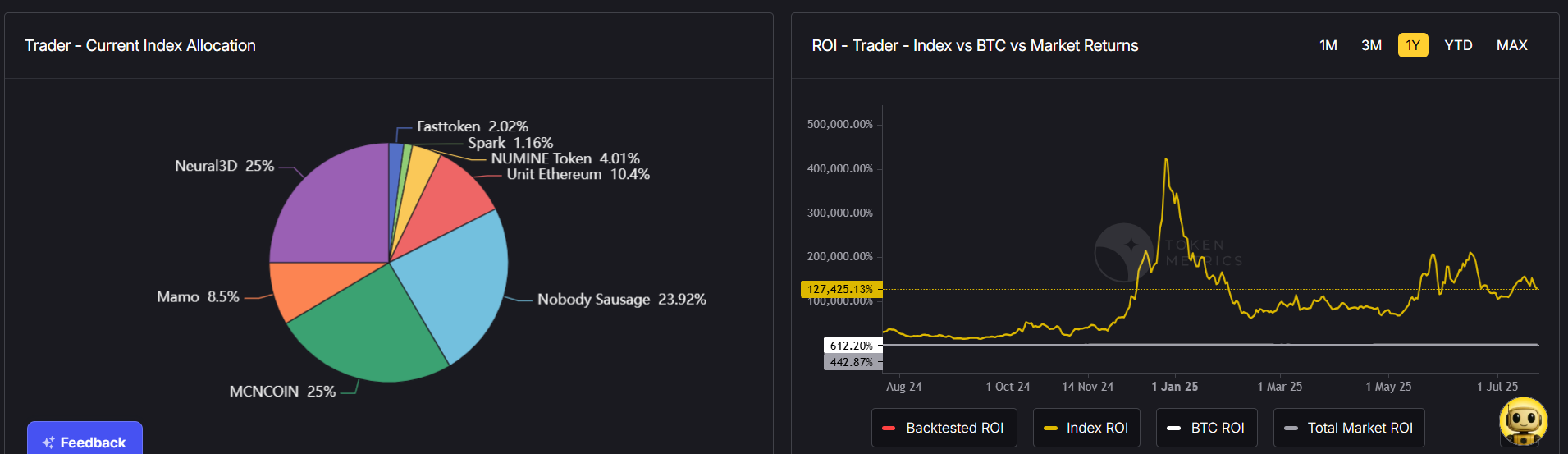
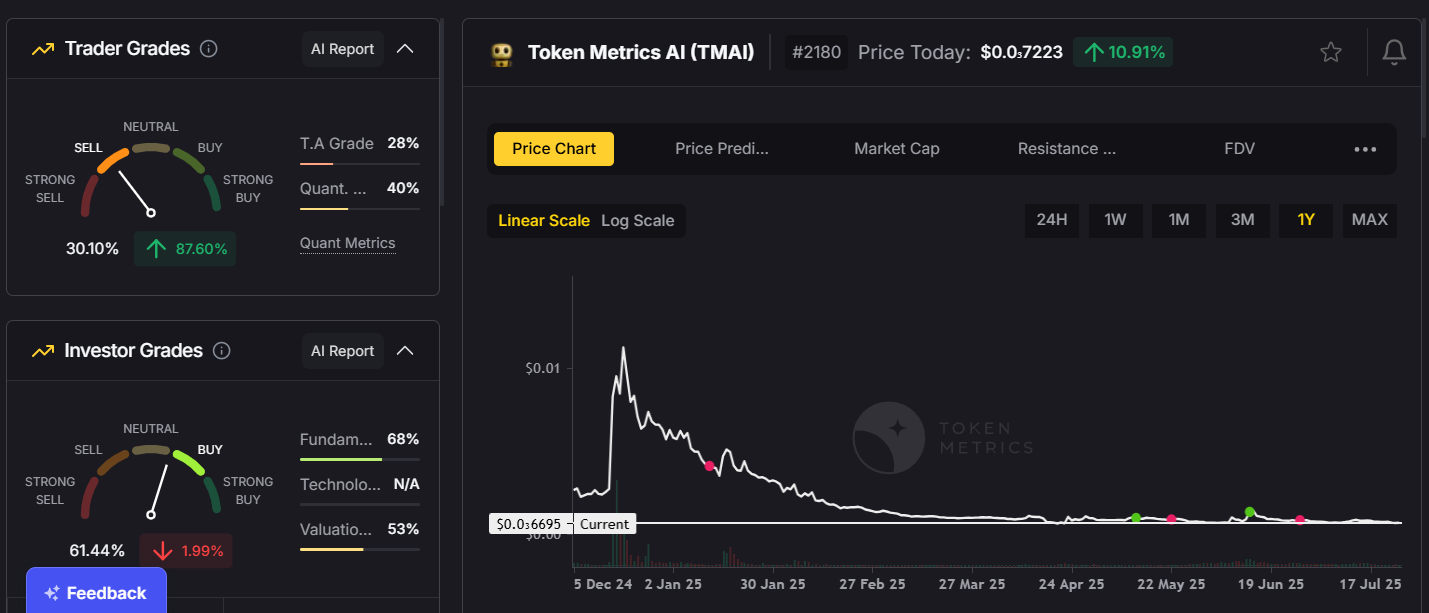
Token Metrics is one of the most advanced AI‑powered crypto platforms in 2025. Designed for both traders and long‑term investors, it uses over 80 data points per token to generate AI‑driven ratings, predictions, and portfolio recommendations.

Key Features:

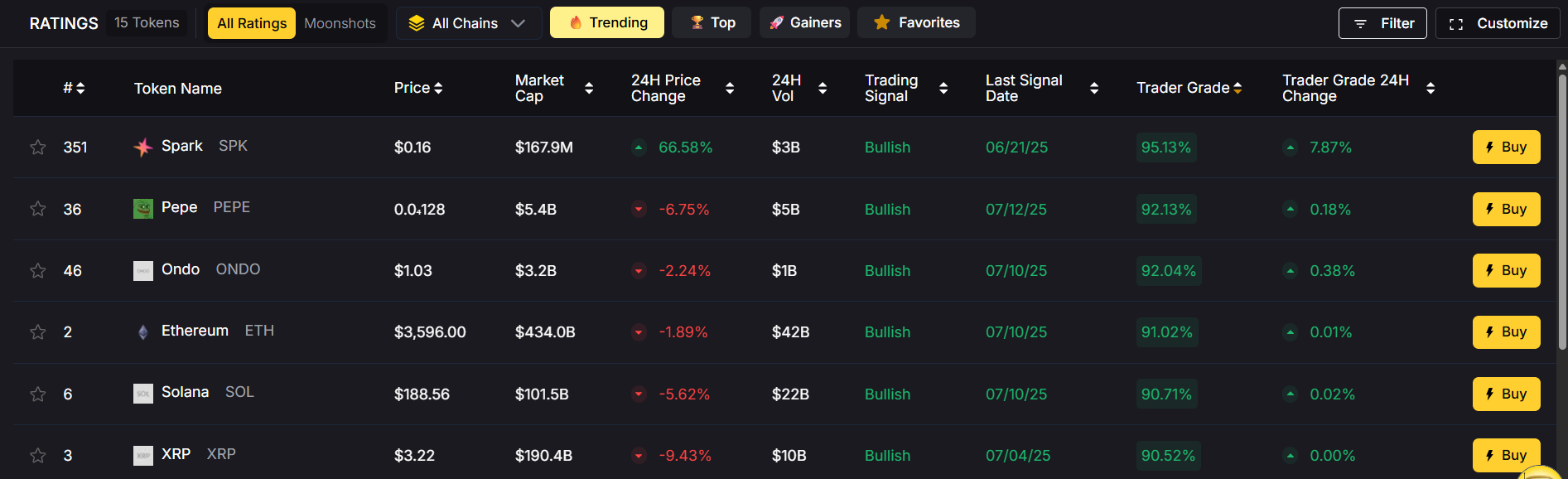
  • AI Coin Ratings: Score cryptocurrencies based on fundamentals, technicals, sentiment, and on‑chain data.
  • Narrative Detection: Identify early‑stage trends like AI tokens or real‑world asset tokenization before they go mainstream.
  • Portfolio Optimization: Create a personalized, data‑driven portfolio aligned with your goals and risk tolerance.
  • Trading Signals & Alerts: Get real‑time updates on bullish/bearish movements.

Why It’s Great:
Token Metrics is more than a tool — it’s a full trading intelligence platform. It helps users discover hidden gems, fine‑tune strategies, and stay ahead of shifting market conditions.

2. CryptoHopper — AI‑Driven Trading Automation

Best For: Automated crypto trading bots

CryptoHopper allows traders to automate their trading strategies using AI‑powered bots. It connects to major exchanges and executes trades based on predefined conditions, reducing emotional trading.

Key Features:

  • AI‑Driven Bots: Adapt strategies based on real‑time data.
  • Backtesting: Test strategies against historical market performance.
  • Social Trading: Copy strategies from experienced traders.

Why It’s Great:
For traders who want hands‑off execution, CryptoHopper provides robust automation paired with AI insights.

3. 3Commas — AI for Portfolio and Trade Management

Best For: Multi‑exchange trading and smart portfolio management

3Commas combines AI‑driven analytics with smart trading tools, allowing users to execute trades across multiple exchanges.

Key Features:

  • AI Portfolio Management: Optimize holdings using automated rebalancing.
  • Trading Bots: Configure AI bots for spot, futures, or options markets.
  • SmartTrade Terminal: Advanced order types for precision trading.

Why It’s Great:
3Commas is ideal for active traders managing multiple accounts across different platforms.

4. Pionex — AI‑Powered Grid Trading

Best For: Grid and arbitrage trading

Pionex specializes in AI‑powered grid trading, which profits from market volatility.

Key Features:

  • AI Grid Bots: Automate buy‑low, sell‑high strategies.
  • Arbitrage Bots: Capitalize on price differences across exchanges.
  • Low Fees: Competitive rates for active traders.

Why It’s Great:
Pionex helps beginner and intermediate traders profit from sideways markets using low‑maintenance AI bots.

Click here to trade cryptos at MEXC!

Contact us at promo@tokenmetrics.com for marketing and sponsorship programs.

5. Numerai Signals — AI for Predictive Trading

Best For: Crowdsourced AI predictions

Numerai Signals collects machine learning models from data scientists worldwide to generate highly predictive trading insights.

Key Features:

  • Crowdsourced AI Models: Benefit from collective intelligence.
  • Predictive Signals: Forecast market moves using advanced algorithms.
  • Quantitative Trading: Build data‑driven strategies with institutional‑grade tools.

Why It’s Great:
Numerai offers unique crowdsourced intelligence, making it an attractive tool for data‑driven traders.

How to Choose the Right AI Trading Tool

When selecting a platform, consider:

  • Your Goals: Are you looking for portfolio optimization, day trading, or automation?
  • Ease of Use: Some tools require technical expertise, while others (like Token Metrics) are beginner‑friendly.
  • Data Sources: Ensure the tool uses reliable, real‑time market data.
  • Integration: Check if it works with your preferred exchanges or wallets.

Combining AI Tools for Maximum Impact

The best approach in 2025 isn’t using just one tool — it’s combining multiple platforms:

  • Use Token Metrics for narrative detection and portfolio building.
  • Automate execution with CryptoHopper or 3Commas.
  • Apply Pionex bots for volatility trading and arbitrage opportunities.

This hybrid approach creates a comprehensive AI‑driven trading strategy.

Risks of AI Trading Tools

While AI can enhance trading, it isn’t foolproof:

  • Overreliance on Bots: AI models can fail during extreme volatility.
  • Data Quality Issues: Poor‑quality data leads to inaccurate predictions.
  • Security Risks: Using third‑party tools requires strong cybersecurity practices.

Using Token Metrics’ AI analytics helps mitigate these risks by providing transparent, multi‑factor coin ratings.

Conclusion

AI is transforming how crypto trading works in 2025. From narrative detection to automated execution, these tools give traders the ability to make smarter, faster, and more profitable decisions.

Token Metrics leads the way, offering AI‑powered coin ratings, trend detection, and portfolio optimization — making it the ideal platform for traders and investors aiming to stay ahead in a volatile market.

In crypto, information is power — and with the right AI tools, you can turn that information into consistent profits.

Click here to trade cryptos at MEXC!

Contact us at promo@tokenmetrics.com for marketing and sponsorship programs.

Research

How to Build a Profitable Crypto Portfolio in 2025: Strategies, Tools, and AI Insights

Token Metrics Team
6 min

Introduction: Why a Smart Portfolio Matters in 2025

The cryptocurrency market in 2025 has matured into a multi‑trillion‑dollar ecosystem, offering opportunities across Bitcoin, altcoins, DeFi platforms, AI‑powered tokens, and real‑world asset tokenization projects. However, with opportunity comes complexity — and building a profitable portfolio requires more than just guessing which coins might pump next.

Success now depends on strategic allocation, data‑driven decision‑making, and leveraging advanced tools like Token Metrics to analyze market trends and optimize performance. This guide will walk you through how to construct and maintain a profitable crypto portfolio in 2025.

Step 1: Define Your Investment Goals

Before choosing any assets, decide on your objectives:

  • Long‑Term Growth (HODLing): Focus on established assets like Bitcoin (BTC), Ether (ETH), and Token Metrics AI (TMAI).
  • Income Generation: Use staking and yield farming to earn passive income on assets like ETH or Cardano (ADA).
  • High‑Risk, High‑Reward: Allocate a smaller portion to emerging altcoins or narrative‑driven tokens (AI, DeFi, or Layer 2 scaling solutions).

Having clear goals will guide how much risk to take and which assets to prioritize.

Step 2: Diversify Your Portfolio

Diversification remains the cornerstone of a strong crypto portfolio. In 2025, this means spreading across:

1. Large‑Cap Coins (40–50%):
Stable, highly liquid assets like BTC and ETH provide security and long‑term growth.

2. Mid‑Cap Coins (25–30%):
Projects like Polygon (MATIC) or Arbitrum (ARB) with strong fundamentals and adoption potential.

3. Small‑Cap Gems (10–20%):
High‑risk projects like AI tokens (TMAI) or early‑stage DeFi protocols with explosive upside.

4. Stablecoins (5–10%):
USDC or USDT for liquidity management, making it easier to buy dips or take profits quickly.

Step 3: Use Narrative‑Driven Investing

In crypto, narratives drive capital flows. Spotting the right trends early can turn modest investments into significant gains.

Hot narratives for 2025 include:

  • AI‑Powered Tokens: Projects like Token Metrics AI (TMAI) and Fetch.ai (FET) at the intersection of blockchain and artificial intelligence.
  • Real‑World Asset Tokenization (RWAs): Platforms bringing real estate, commodities, and traditional assets on‑chain.
  • DeFi 2.0: Next‑gen decentralized finance projects offering lower fees and better yields.
  • Layer 2 Scaling Solutions: Protocols like Polygon and Optimism making Ethereum more scalable and cost‑effective.

Pro Tip: Use Token Metrics’ narrative detection tools to spot these trends early.

Step 4: Leverage AI‑Powered Tools

Building a profitable portfolio requires cutting‑edge analytics, and AI is a game‑changer in 2025.

Token Metrics provides:

  • AI‑Generated Coin Ratings: Evaluating over 80 data points to rank tokens based on fundamentals, technicals, and sentiment.
  • Portfolio Optimization: Suggesting the best asset mix based on your goals and risk appetite.
  • Trend Analysis & Narrative Detection: Identifying early‑stage market narratives before they go mainstream.
  • Real‑Time Alerts: Helping you react quickly to price swings or emerging opportunities.
    ‍

‍

These insights give you a data‑driven edge in a volatile market.

Step 5: Balance Risk and Reward

Managing risk is as important as chasing gains. Key practices include:

  • Position Sizing: Don’t overallocate to small‑cap coins — keep them to 10–20% of your portfolio.
  • Stop‑Loss Orders: Automate exits to prevent catastrophic losses.
  • Regular Rebalancing: Adjust your portfolio quarterly or when an asset becomes overweight.
  • Take Profits Strategically: Don’t wait for the top — sell portions at set profit targets.

Step 6: Include Income‑Generating Assets

In addition to growth, aim for consistent income streams:

  • Staking: Earn rewards by staking ETH, ADA, or other PoS assets.
    ‍
  • Yield Farming: Participate in DeFi protocols to generate additional returns.
  • Liquid Staking: Use platforms like Lido to stake while keeping tokens tradable.

Token Metrics’ staking analytics help you find the best yields while minimizing risk.

Step 7: Monitor and Adjust Your Portfolio

Crypto markets change fast. What worked six months ago might not work today.

Regularly monitor:

  • On‑Chain Metrics: Wallet activity, transaction volume, and developer contributions.
  • Market Sentiment: Use AI‑driven insights from Token Metrics to track shifts in investor mood.
  • Regulatory Updates: Stay informed on new laws impacting crypto investments.

By actively managing your portfolio, you’ll avoid being caught off guard by market shifts.

Practical Example of a 2025 Portfolio

Long‑Term Growth Portfolio:

  • 40% Bitcoin (BTC): Stability and long‑term appreciation.
  • 30% Ethereum (ETH): Smart contract exposure + staking income.
  • 15% Narrative‑Driven Tokens (TMAI, FET, MATIC): Growth from AI and Layer 2 solutions.
  • 10% DeFi Protocols (AAVE, UNI): Yield opportunities.
  • 5% Stablecoins (USDC): Liquidity for dips or rebalancing.

‍

This allocation balances security, growth, and flexibility.

Common Mistakes to Avoid

  • Overexposure to Meme Coins: Limit speculative tokens like DOGE or SHIB to a small portion of your portfolio.
  • Ignoring Fundamentals: Don’t buy coins just because they’re trending. Use analytics tools to verify quality.
  • Lack of Exit Plans: Define profit targets and exit strategies in advance.

Conclusion

A profitable crypto portfolio in 2025 combines diversification, narrative‑driven plays, and AI‑powered insights.

By leveraging Token Metrics for analytics, ratings, and portfolio optimization, you can minimize risk, maximize returns, and stay ahead of market trends.

In crypto, knowledge and data are power — and in 2025, those who combine both will lead the next wave of wealth creation.

Research

Crypto Ecosystem: Understanding the Building Blocks of Digital Assets in 2025

Token Metrics Team
6 min

Introduction: What Is the Crypto Ecosystem?

The crypto ecosystem refers to the interconnected network of technologies, platforms, and participants that make up the cryptocurrency space. It’s more than just Bitcoin and altcoins — it includes blockchains, decentralized applications, exchanges, wallets, staking systems, analytics platforms, and communities.

In 2025, the crypto ecosystem has matured significantly, with billions in institutional capital, AI‑driven analytics, and real‑world applications shaping its growth. Understanding this ecosystem is crucial for navigating opportunities and risks in the digital asset space.

The Core Components of the Crypto Ecosystem

  1. Blockchains:
    The foundation of the ecosystem. Public blockchains like Bitcoin and Ethereum support transactions and decentralized applications.

  2. Cryptocurrencies:
    Digital assets like Bitcoin (BTC), Ether (ETH), and Token Metrics AI (TMAI) serve as mediums of exchange, investments, or utility tokens within blockchain networks.

  3. Decentralized Finance (DeFi):
    DeFi platforms enable lending, borrowing, staking, and yield farming without intermediaries. Examples include Uniswap, Aave, and MakerDAO.

  4. Non‑Fungible Tokens (NFTs):
    Digital collectibles and assets tied to unique identifiers, powering art, gaming, and virtual real estate economies.

  5. Layer 2 Solutions:
    Scalability technologies like Polygon and Arbitrum make blockchains faster and cheaper to use.

  6. AI & Analytics Platforms:
    Tools like Token Metrics leverage AI to analyze on‑chain data, provide coin ratings, and optimize portfolios for investors.

  7. Exchanges & Wallets:
    Exchanges and Trading Platforms (Token Metrics, Coinbase, Binance) and decentralized exchanges (Uniswap, SushiSwap) connect buyers and sellers, while wallets (MetaMask, Ledger) store assets.

How the Crypto Ecosystem Works Together

Each component interacts to create a self‑sustaining digital economy:

  • Blockchains provide the base layer for security and transactions.
  • DeFi protocols unlock financial services without traditional banks.
  • AI analytics like Token Metrics guide investors toward smarter decisions.
  • Communities and DAOs (decentralized autonomous organizations) shape project development and governance.

This interconnectedness is why understanding the ecosystem holistically is vital for long‑term success in crypto.

The Role of AI in the Modern Crypto Ecosystem

Artificial intelligence is transforming how investors engage with crypto. Platforms like Token Metrics offer:

  • AI‑Generated Coin Ratings: Evaluating tokens across fundamentals, technicals, and market sentiment.
  • Narrative Detection: Spotting emerging trends like AI coins, DeFi, and real‑world asset tokenization.
  • Portfolio Optimization: Helping users allocate capital efficiently across assets.
  • Trading Signals: Delivering data‑driven entry and exit points for assets.

In 2025, AI is no longer optional — it’s an essential tool for surviving the complexity of the crypto market.

Key Trends in the 2025 Crypto Ecosystem

  1. Institutional Adoption:
    Large financial institutions now hold crypto and offer crypto‑backed products like ETFs.

  2. Real‑World Asset Tokenization (RWA):
    Projects tokenize real estate, commodities, and equities, bridging traditional finance with blockchain.

  3. Layer 2 Expansion:
    Ethereum’s growth is supercharged by Layer 2 solutions that cut fees and speed up transactions.

  4. AI‑Driven Investing:
    Investors use AI platforms like Token Metrics for real‑time analytics and smarter trading strategies.

  5. Regulatory Clarity:
    More countries are implementing clear frameworks for crypto, encouraging responsible growth.

Opportunities in the Crypto Ecosystem

For investors, the ecosystem offers multiple revenue streams:

  • Trading & Investing: Holding and trading cryptocurrencies.
  • Staking & Yield Farming: Earning passive income via Proof of Stake networks or DeFi pools.
  • NFT Markets: Exploring digital art, collectibles, and in‑game assets.
  • Participating in DAOs: Voting on governance decisions for projects you believe in.

Risks in the Crypto Ecosystem

Despite its growth, the crypto ecosystem still carries risks:

  • Volatility: Price swings remain a challenge for investors.
  • Security Threats: Hacks, phishing, and smart contract vulnerabilities persist.
  • Regulatory Uncertainty: Governments continue to refine crypto rules.
  • Market Speculation: Some sectors, especially meme coins, remain driven by hype rather than fundamentals.

Platforms like Token Metrics mitigate these risks by providing real‑time insights, ratings, and AI‑powered alerts.

Practical Tips for Navigating the Ecosystem

  1. Start with Education: Understand how blockchains, tokens, and DeFi work.
  2. Diversify: Spread investments across sectors (e.g., BTC, ETH, DeFi, AI coins like TMAI).
  3. Use Analytics: Leverage Token Metrics for smarter portfolio management and early narrative detection.
  4. Stay Secure: Use hardware wallets and enable two‑factor authentication.

The Future of the Crypto Ecosystem

By 2025, the crypto ecosystem has shifted from speculation to utility‑driven growth. With AI integration, institutional adoption, and real‑world use cases, crypto is evolving into a mainstream part of global finance.

Projects like Token Metrics are leading the charge by making advanced analytics accessible to everyday investors, ensuring they can thrive in this rapidly evolving environment.

Conclusion

The crypto ecosystem in 2025 is a dynamic, interconnected web of technologies, platforms, and communities. To succeed, investors must understand its components and use the right tools to navigate it.

By combining education, diversification, and AI‑powered analytics from Token Metrics, you can confidently explore the ecosystem, capitalize on emerging opportunities, and mitigate risks in this transformative space.

Choose from Platinum, Gold, and Silver packages
Reach with 25–30% open rates and 0.5–1% CTR
Craft your own custom ad—from banners to tailored copy
Perfect for Crypto Exchanges, SaaS Tools, DeFi, and AI Products