Back to blog
Research

What Does Decentralization Mean in Practice? A 2025 Perspective

Explore the practical implications of decentralization with key insights and real-world examples. Discover how it reshapes industries today. Read more!
Talha Ahmad
5 min
Want Smarter Crypto Picks—Free?
See unbiased Token Metrics Ratings for BTC, ETH, and top alts.
Thank you! Your submission has been received!
Oops! Something went wrong while submitting the form.
 No credit card | 1-click unsubscribe

Decentralization has evolved far beyond its origins as a theoretical concept tied to blockchain technology. In 2025, decentralization is a transformative force reshaping industries, organizations, and governance structures worldwide. But what does decentralization mean in practice? It means distributing authority, decision making, and control away from a single central authority and empowering multiple parties to work independently yet cohesively. This practical shift is redefining how we interact with technology, finance, and management across various sectors.

There are several main types of decentralization, including administrative decentralization, which involves transferring planning and implementation responsibilities to local governments and civil servants, and fiscal decentralization, which focuses on shifting revenue-raising and expenditure authority to lower levels of government. These forms of decentralization are relevant not only to public administration but also to business entities, where organizational autonomy and efficiency are enhanced through decentralized structures.

For example, computer networks such as the Internet are prime examples of decentralized systems, as they operate without a central authority and enable open participation across networked systems.

Beyond the Buzzword: Understanding Real Decentralization

At its core, decentralization refers to moving away from traditional centralized entities where a single person or organization holds all decision making power. Instead, decentralized systems distribute authority and decision making processes across various departments, units, or participants. This distribution not only reduces reliance on a central government or central authority, enhancing fault tolerance and resilience against attacks or failures, but also shapes the organizational structure to support effective communication, faster information flow, and improved internal relationships.

Blockchain technology is a prime example of decentralization in action. Rather than a single company controlling data or transactions, blockchain distributes control among a network of participants who validate and record information. This means no single entity has overarching power, and decisions emerge from collective consensus. The result is quicker decision making, increased transparency, and more autonomy for users. Decentralized computer networks also support increased innovation by enabling greater creativity, rapid adaptation to change, and improved responsiveness to user needs.

Importantly, decentralization today extends well beyond cryptocurrencies. It influences governance models, organizational structures, and even physical infrastructure. Decentralization reforms in governments emphasize political decentralization, giving regional and local authorities more power and responsibility for local governance and service delivery. This process transfers powers and responsibilities to the local level, where local officials are held accountable for their decisions and actions, ensuring transparency and effective governance. Similarly, in the private sector, decentralization strategies empower lower management levels and decentralized units to work independently, fostering innovation, local responsiveness, and the development of managerial skills among lower-level managers.

Decentralized Finance: The Foundation of Practical Implementation

One of the clearest examples of decentralization in practice is Decentralized Finance, or DeFi. DeFi uses blockchain technology to create financial systems where no central bank or company controls your money or transactions. Instead, these processes happen on open networks accessible to anyone. DeFi is a prime example of market decentralization, shifting financial services from centralized institutions to competitive, decentralized markets.

In practice, DeFi enables users to access loans instantly through smart contracts without waiting for bank approvals. Decentralized exchanges like Uniswap allow peer-to-peer trading without a centralized intermediary, using liquidity pools provided by users who earn fees for their participation. This model increases allocative efficiency and reduces transaction times.

Navigating DeFi’s complexities requires advanced tools. Platforms like Token Metrics combine AI analytics with blockchain data to help investors identify promising tokens early. By providing scores and insights, Token Metrics empowers both novice and experienced traders to make informed decisions, demonstrating how decentralization paired with AI can democratize access to financial markets.

Decentralized Physical Infrastructure Networks (DePINs): Bridging Digital and Physical Worlds

In 2025, decentralization is no longer limited to digital applications. Decentralized Physical Infrastructure Networks (DePINs) are emerging as a revolutionary way to distribute control over tangible resources like energy grids, transportation systems, and communication networks. These are examples of public services that can be decentralized, offering alternatives to traditional government-provided utilities. DePINs allow individuals to monetize unused physical resources—such as bandwidth or storage—by participating in decentralized operations.

This practical application of decentralization means that ordinary people can earn passive income by contributing to local markets without centralized oversight. For example, DePINs can monitor environmental factors like noise pollution or manage energy distribution more efficiently by leveraging decentralized units working independently but coordinated through blockchain protocols, alongside other units within the network that operate autonomously.

DePINs exemplify how decentralization refers not only to distributing authority but also to creating new economic models that reward participation and improve overall quality of service delivery. As these networks grow, they enhance resilience and local responsiveness, addressing challenges faced by centralized infrastructure.

Political Decentralization and Decentralized Governance: Reimagining Democratic Participation

Decentralization also reshapes governance by distributing decision making authority away from top management or central government to multiple stakeholders. In many cases, this involves transferring powers traditionally held by the national government to regional or local entities, fundamentally altering the structure of governance.

Decentralized Autonomous Organizations (DAOs) use blockchain-based smart contracts to automate decision making, allowing token holders to participate directly in policy making without relying on a single person or centralized entity. While political decentralization disperses authority among various levels, political centralization refers to the concentration of power and decision-making at the national government level, highlighting a key difference in how authority is structured.

This political decentralization fosters transparency and inclusivity, enabling civil society and various departments within organizations to collaborate effectively. DAOs are increasingly explored not only in crypto projects but also in traditional organizations seeking to improve local governance and intergovernmental relations.

Emerging trends in decentralized governance include AI-assisted delegation, which helps users identify representatives aligned with their values, and incentive mechanisms designed to encourage meaningful participation beyond simple token rewards. Successful decentralization in governance requires balancing autonomy with coordination, ensuring decentralized units remain accountable while maintaining consistency.

The AI-Decentralization Convergence

While artificial intelligence is often seen as a centralizing force controlled by large corporations, it is becoming a powerful enabler of decentralization. By building decentralized AI models and open access to AI resources, blockchain technology ensures innovation remains accessible and transparent. This approach strengthens the organization's overall innovation capacity and supports its strategic objectives by reducing barriers to advanced technology.

This convergence is evident in platforms like Token Metrics, which leverage AI, machine learning, and big data analytics to democratize sophisticated crypto trading insights. Token Metrics’ AI-selected crypto baskets have delivered impressive returns, illustrating how decentralized means combined with AI can level the playing field for individual investors.

Moreover, natural language processing enables the interpretation of social media trends and market sentiment, providing traders with early signals to anticipate market movements. This practical application of AI in decentralized systems enhances decision making power and strategic planning for many businesses and individual investors alike.

Cross-Chain Interoperability: Breaking Down Digital Silos

A significant challenge for decentralization has been the fragmentation of blockchain networks, limiting seamless interaction between different systems. In 2025, cross-chain interoperability solutions are gaining traction, enabling users to transact and interact across multiple blockchains without friction.

This development is critical for decentralization’s mainstream adoption, ensuring users do not need to understand the technical differences between Ethereum, Solana, or other chains. Instead, decentralized units across various regions can coordinate effectively, improving overall control and service delivery.

Cross-chain interoperability exemplifies how decentralization strategies are evolving to maintain the right balance between autonomy and coordination, fostering a more connected and efficient decentralized ecosystem.

Decentralized Organizational Structures: Rethinking How We Build and Operate

Decentralized organizational structures are transforming how organizations operate in 2025. Unlike traditional models where a central authority or single entity holds most of the decision making power, a decentralized system distributes decision making authority across various departments, teams, or even individuals. This shift gives each part of the organization more autonomy to address local needs and adapt to changing conditions on the ground.

In practice, this means that instead of waiting for approval from top management, teams can make independent decisions that are best suited to their specific context. For example, a regional office might tailor its service delivery or marketing strategies to better fit the preferences of its local market, without needing to follow a one-size-fits-all directive from headquarters. This approach not only speeds up response times but also encourages innovation, as those closest to the challenges have the authority to experiment with new solutions.

Organizations adopting decentralized structures often find that empowering various departments leads to greater flexibility and resilience. By giving teams more autonomy, organizations can better navigate complex environments and rapidly changing market demands. This model also helps attract and retain talent, as employees value the opportunity to have a real impact and take ownership of their work.

Ultimately, decentralized organizational structures are about moving away from rigid hierarchies and embracing a more dynamic, responsive way of working. By distributing authority and decision making throughout the organization, businesses can unlock new levels of creativity, efficiency, and local responsiveness—key ingredients for success in today’s fast-paced world.

Real-World Impact, Service Delivery, and Market Dynamics

Decentralization’s practical impact is increasingly tangible. Governments are implementing decentralization reforms that allocate financial resources and decision making authority to sub national and local governments, improving responsiveness to local needs. Central governments play a key role in delegating these powers, setting policies, providing resources, and maintaining overall coordination while enabling more localized decision-making and management. In the private sector, many businesses adopt decentralized organizational structures, giving teams more power and autonomy to innovate.

Institutional adoption of DeFi and decentralized governance models signals growing confidence in decentralized systems. Traditional financial institutions are partnering with DeFi platforms to integrate decentralized solutions, blending centralized and decentralized finance for enhanced service delivery.

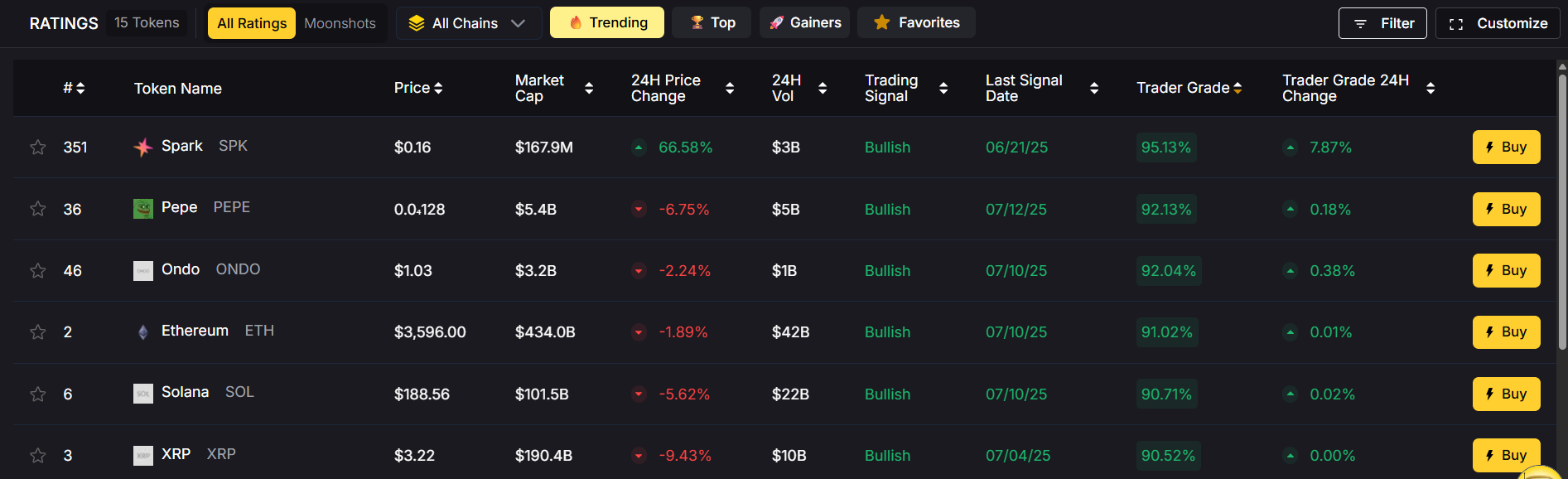
For investors and organizations navigating this evolving landscape, tools like Token Metrics provide crucial AI-driven analytics and real-time buy and sell signals. By processing vast market data and social sentiment, these platforms enhance allocative efficiency and help users capitalize on decentralized market opportunities.

Challenges and Considerations in Decision Making

Despite its advantages, decentralization in practice faces challenges. Operating without a central authority or government regulation exposes participants to risks such as smart contract vulnerabilities, hacks, and scams. There are limited consumer protections, so responsibility and accountability rest heavily on users.

Regulatory frameworks are still developing worldwide. Countries like Switzerland and Singapore are pioneering clear classifications for digital assets, which are essential for balancing decentralization’s benefits with legal oversight. Achieving successful decentralization requires ongoing coordination among governments, civil society, and the private sector to address these challenges.

The Future of Decentralization

Looking forward, 2025 is shaping up as the long-awaited year of decentralization. The convergence of mature DeFi protocols, expanding DePIN networks, innovative governance models, and AI-powered analytics platforms is creating an ecosystem where decentralization delivers real-world benefits.

Platforms like Token Metrics illustrate how sophisticated tools democratize access to complex financial markets, bridging the gap between decentralization’s promise and practical implementation. As decentralization strategies continue to evolve, organizations and individuals will find more opportunities to participate, innovate, and succeed in decentralized environments.

Conclusion: Decentralization as a Practical Reality

In 2025, decentralization is no longer an abstract idea or speculative trend; it is a practical reality transforming technology, finance, governance, and infrastructure. From earning passive income through decentralized physical networks to engaging in AI-enhanced crypto trading, decentralization empowers individuals and organizations with more control, autonomy, and decision making power.

The question today is not what does decentralization mean in practice, but how quickly and effectively can we adapt to this new paradigm? With advances in blockchain technology, AI, cross-chain interoperability, and decentralized governance, the infrastructure and tools are in place. The future is a decentralized economy where power is distributed, decisions are made collaboratively, and innovation flourishes across multiple independent yet interconnected units.

Build Smarter Crypto Apps &
AI Agents in Minutes, Not Months
Real-time prices, trading signals, and on-chain insights all from one powerful API.
Grab a Free API Key
About Token Metrics
Token Metrics: AI-powered crypto research and ratings platform. We help investors make smarter decisions with unbiased Token Metrics Ratings, on-chain analytics, and editor-curated “Top 10” guides. Our platform distills thousands of data points into clear scores, trends, and alerts you can act on.
30 Employees
analysts, data scientists, and crypto engineers
Daily Briefings
concise market insights and “Top Picks”
Transparent & Compliant
Sponsored ≠ Ratings; research remains independent
Want Smarter Crypto Picks—Free?
See unbiased Token Metrics Ratings for BTC, ETH, and top alts.
Thank you! Your submission has been received!
Oops! Something went wrong while submitting the form.
 No credit card | 1-click unsubscribe
Token Metrics Team
Token Metrics Team

Recent Posts

Crypto Basics

Crypto Trading: Understanding the Price of Altcoins

Token Metrics Team
6 min

In the dynamic world of crypto trading, understanding the price of altcoins is crucial for anyone looking to trade cryptocurrency effectively. Altcoins, or alternative cryptocurrencies to Bitcoin, play a significant role in the cryptocurrency market, offering diverse opportunities for traders and investors. Cryptocurrency is a digital or virtual currency that operates on distributed ledger technology called a blockchain and uses cryptography for security. This article will explore the factors influencing altcoin prices, how traders can predict price movements, and the strategies to trade crypto assets successfully on various crypto platforms.

Factors Influencing the Price of Altcoins

The price of altcoins is influenced by multiple factors that interact within the broader cryptocurrency market. Unlike traditional currencies issued by a central bank, altcoins operate on decentralized blockchain technology, which adds a unique layer of complexity to their value changes. One of the primary drivers of altcoin prices is market trends, which reflect the overall sentiment and behavior of traders in the crypto market.

Cryptocurrency trading is notoriously volatile, meaning price trends can shift rapidly due to news, regulatory changes, technological developments, or shifts in market conditions. For example, the launch of new features on a blockchain network or advancements in cryptocurrency mining can create opportunities arise for altcoins to gain value. Additionally, the liquidity of an altcoin on cryptocurrency exchanges affects its price; altcoins with high liquidity tend to have more stable price movements compared to those with low liquidity.

Another critical factor is the comparison to traditional markets and fiat currency values such as the US dollar. Since altcoins are often traded against fiat currencies or major cryptocurrencies like bitcoin and bitcoin cash, fluctuations in these values can directly impact altcoin prices. Traders also need to consider the impact of supply and demand dynamics within the crypto exchange platforms where these digital assets are bought and sold.

Predicting Price Movements in Altcoin Trading

To trade crypto effectively, it is essential to predict price movements accurately. Day traders and other market participants use various methods to recognize patterns and forecast price trends. Technical analysis is one of the most widely used tools, involving the study of historical price data, chart patterns, and indicators to identify optimal entry and exit points in the market.

By analyzing price trends and market conditions, traders can place limit orders on a crypto exchange to buy or sell altcoins at desired prices, helping manage risk and maximize profits. Effective risk management strategies are necessary to mitigate potential losses in trading. A good understanding of how value changes in digital currency markets occur can help traders develop strategies that align with their risk tolerance and investment goals.

Unlike traditional currencies, the crypto market operates 24/7, providing continuous opportunities for trading. This round-the-clock nature, combined with the high volatility of altcoins, means that traders must stay vigilant and informed to capitalize on favorable price movements.

Strategies for Trading Altcoins on Crypto Platforms

Successfully trading altcoins requires a combination of knowledge, strategy, and the right tools. First and foremost, traders need to select a reliable crypto platform or cryptocurrency exchange that offers low fees, high liquidity, and robust security measures to protect their crypto account and digital assets. Trusted platforms like Gemini, Binance, and Coinbase adhere to local and international laws, providing secure and legal trading environments.

Day trading is a popular approach in the crypto market, where traders buy and sell altcoins within short time frames to capitalize on price volatility. Day trading is the business of trading assets within the same day to gain small profits from temporary price fluctuations. This strategy demands a high risk tolerance and the ability to quickly analyze market trends and execute trades efficiently.

For those new to cryptocurrency trading, it is advisable to dive deeper into understanding the fundamentals of blockchain technology and how different altcoins function within their respective blockchain networks. Successful traders often invest in their education and practice to refine their strategies and skills. This knowledge can provide insights into the potential long-term value of various crypto assets.

Moreover, traders should diversify their portfolios by including multiple altcoins alongside well-established cryptocurrencies like bitcoin. This diversification helps mitigate risk and take advantage of different market opportunities.

Conclusion

The price of altcoins in the cryptocurrency market is influenced by a complex interplay of factors ranging from market trends and liquidity to technological developments and regulatory environments. To trade crypto successfully, it is essential to develop a good understanding of these elements, utilize technical analysis to predict price movements, and adopt strategies that suit individual risk tolerance and market conditions.

Whether you are looking to buy cryptocurrencies for the first time or are an experienced trader aiming to optimize your crypto journey, staying informed and choosing the right crypto platform can significantly enhance your ability to earn rewards and profits in this notoriously volatile market. By recognizing patterns, managing risk, and leveraging the unique features of digital currencies, traders can navigate the exciting world of altcoin trading with confidence and success.

Crypto Basics

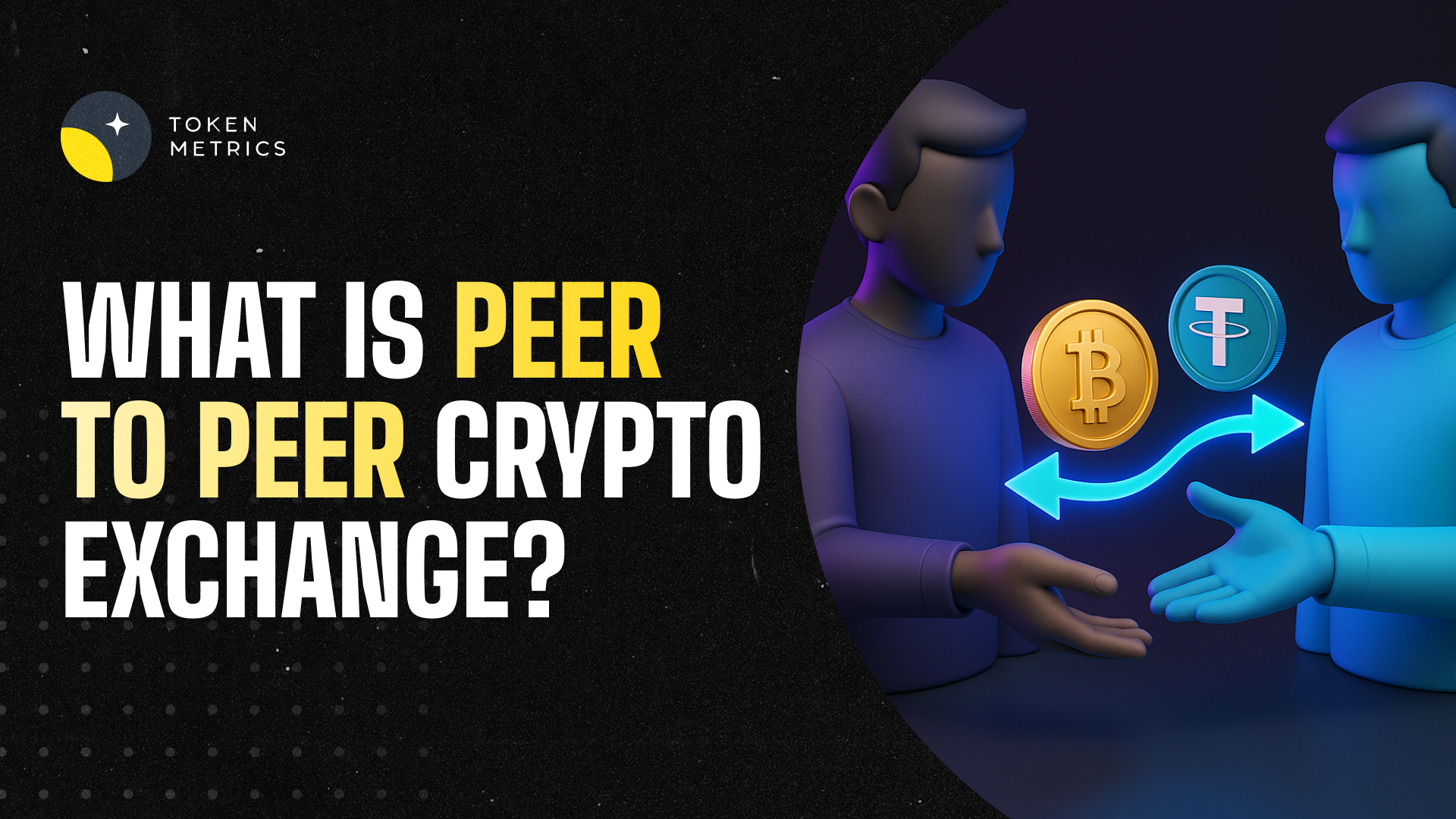
What is Peer to Peer Crypto Exchange? A Complete Guide for Beginners

Token Metrics Team
8 min

Introduction to P2P Crypto Exchange

Understanding what is peer to peer crypto exchange is essential for anyone interested in trading digital assets in today’s evolving cryptocurrency market. A peer to peer (P2P) crypto exchange is a platform that enables users to trade cryptocurrencies directly with one another without the involvement of a central authority. Unlike centralized exchanges, which act as intermediaries and control the flow of transactions, P2P crypto exchanges facilitate decentralized trading, creating a secure and transparent environment for crypto trading.

This decentralized nature offers several advantages, including lower trading fees and greater control over transactions. P2P crypto exchanges are rapidly gaining popularity among users seeking a more cost-effective and convenient way to trade digital assets. By eliminating the middleman, these platforms foster a global marketplace where buyers and sellers can connect directly, making crypto trading more accessible and efficient.

How P2P Crypto Trading Works

P2P crypto trading operates by connecting buyers and sellers directly through a trading platform that acts as a facilitator rather than a controller. Users on these platforms can create personalized trading offers, specifying the amount of cryptocurrency they wish to buy or sell and the transaction terms. One of the key features of P2P trading is the flexibility in choosing payment options. Traders can select from diverse payment methods, including bank transfers, cash payments, and other convenient payment methods, depending on what suits them best.

To ensure secure and transparent transactions, P2P crypto exchanges rely heavily on escrow services. When a trade is initiated, the cryptocurrency is held in escrow by the platform until both parties confirm the transaction terms have been met. This mechanism protects users from fraud and guarantees that the digital assets are only released when the agreed conditions are fulfilled. The entire network supporting P2P crypto trading is built on blockchain technology, which validates transactions and maintains a secure ledger, ensuring fast and secure transactions across the global market.

Benefits of Decentralized Trading

Decentralized trading through P2P crypto exchanges offers multiple benefits that appeal to users looking for more control and cost savings. One of the most significant advantages is the lower trading fees compared to traditional exchanges. Since P2P platforms do not rely on a central authority to manage trades, they can operate with reduced overhead costs and pass those savings on to users.

Moreover, P2P crypto exchanges provide a secure and transparent way to trade digital assets, reducing the risk of scams that can be prevalent in other trading environments. Users enjoy more autonomy, negotiating directly with their trading partners and creating personalized trading offers tailored to their needs. This level of customization is not typically available on centralized exchanges.

The rise of decentralized finance (DeFi) has further propelled the popularity of P2P crypto exchanges. By enabling peer-to-peer transactions without intermediaries, these platforms embody the core principles of DeFi, empowering users to manage their crypto assets securely and independently.

Comparison to Traditional Exchanges

When comparing P2P crypto exchanges to traditional exchanges, several key differences stand out. Unlike traditional exchanges that often charge significant trading fees, many P2P crypto exchanges either charge minimal fees or none at all, making them a more attractive option for traders looking to maximize their returns.

Security and privacy are other critical areas where P2P platforms excel. Traditional exchanges typically require users to provide extensive personal information to comply with regulatory requirements, which can be a barrier for privacy-conscious users. In contrast, P2P crypto exchanges offer a more private and secure way to trade, often requiring less personal data while still maintaining regulatory compliance.

Additionally, P2P crypto exchanges are designed to be user-friendly and convenient, allowing users to trade digital assets directly with their chosen trading partners. This direct interaction often results in more flexible exchange rates and payment options, enhancing the overall trading experience compared to the more rigid structures of traditional exchanges.

Security Measures

Security is paramount in the world of cryptocurrency transactions, and P2P crypto exchanges implement robust security measures to protect users. Two-factor authentication (2FA) is commonly used to add an extra layer of account security, preventing unauthorized access. Escrow services play a vital role in securing transactions by holding funds until both parties confirm the trade’s completion.

Smart contracts are increasingly integrated into P2P platforms to automate and enforce transaction terms securely and transparently. These self-executing contracts reduce the risk of disputes and fraud by ensuring that trades occur only when predefined conditions are met.

In the event of disagreements, reputable P2P crypto exchanges have a dispute resolution system in place to provide fair and efficient conflict management. Additionally, some platforms utilize distributed hash tables within their network structure to enhance transaction security and transparency, ensuring that all trades rely on validated and trustworthy processes.

Payment Methods

One of the defining features of P2P crypto exchanges is their support for diverse payment methods, catering to users worldwide. Traders can select the most convenient payment method for their needs, whether that’s bank transfers, cash payments, or other secure payment methods. This flexibility allows for seamless trading of digital assets across different regions and currencies.

P2P platforms often support multiple fiat currencies, broadening the accessibility of crypto trading to a global audience. The use of escrow services further ensures that payments are secure and transparent, minimizing the risk of fraud during transactions. By accommodating a wide array of payment options, P2P crypto exchanges make it easier for users to engage in crypto trading regardless of their preferred financial systems.

Regulatory Compliance

Despite their decentralized nature, P2P crypto exchanges must adhere to regulatory compliance standards to maintain legitimacy and trust. This includes enforcing anti-money laundering (AML) and know-your-customer (KYC) regulations to verify that all users are legitimate traders and to reduce fraudulent activities.

Reputable platforms implement strict security protocols such as two-factor authentication and escrow services to protect users and comply with legal requirements. Regulatory compliance is essential not only for protecting users but also for fostering a secure trading environment that encourages wider adoption of P2P crypto trading in the global market.

The Role of P2P Crypto Exchange in the Market

P2P crypto exchanges play a pivotal role in the broader crypto market by offering a secure, transparent, and cost-effective alternative to traditional trading platforms. Their decentralized networks allow users to trade digital assets directly, cutting down on intermediaries and associated fees.

The integration of blockchain technology and smart contracts ensures that transactions are validated and secure, providing users with confidence in their trades. As a result, P2P crypto exchanges are becoming increasingly popular, especially among users seeking lower costs and more control over their crypto assets. Their influence in the global marketplace is expected to grow, further shaping the future of cryptocurrency exchange.

Types of P2P Networks

P2P networks can be categorized into different types based on their structure and functionality. Structured networks utilize distributed hash tables to organize and locate resources efficiently, ensuring secure and transparent transactions within the network. This structure is particularly beneficial for P2P crypto exchanges as it enhances the reliability and security of the trading platform.

Unstructured networks, on the other hand, are more flexible and less organized, often used for applications like file sharing and communication. While they offer adaptability, they may lack the robustness required for secure crypto trading.

Hybrid networks combine elements of both structured and unstructured networks, offering a balance between security, flexibility, and efficiency. This hybrid approach allows P2P crypto exchanges to leverage the benefits of both network types, creating a more secure and user-friendly trading environment for digital assets.

In summary, understanding what is peer to peer crypto exchange reveals a powerful and evolving method for trading digital assets. By enabling direct trades between parties without a central authority, P2P crypto exchanges provide a secure, transparent, and cost-effective alternative to traditional exchanges. With robust security measures, diverse payment options, and regulatory compliance, these platforms are well-positioned to play a significant role in the future of cryptocurrency trading. Whether you are a beginner or an experienced trader, exploring P2P crypto trading offers exciting opportunities in the dynamic crypto market.

Crypto Basics

How to Sell Large Amounts of Crypto: Essential Tips and Strategies

Token Metrics Team
6 min

Selling large amounts of crypto requires careful planning, a solid understanding of the market, and knowledge of the different trading methods available. Whether you want to sell bitcoin or other digital assets, it’s important to consider factors such as the current market price, tax implications, and security measures to ensure a smooth and profitable transaction. In this article, we will explore how to sell large amounts of crypto effectively, covering everything from centralized exchanges to peer-to-peer platforms and over-the-counter (OTC) trading.

Introduction to Crypto Sales

When it comes to how to sell large amounts of crypto, understanding the market landscape is the first step. There are several trading methods to choose from, including centralized exchanges, peer-to-peer platforms, and OTC trading desks. Each option offers unique advantages and challenges, so selecting the right approach depends on your specific needs and the amount of bitcoin or other crypto assets you intend to sell.

Tax implications also play a crucial role in crypto sales. Selling digital assets like Bitcoin often triggers a taxable event, subject to capital gains tax. Knowing how these taxes apply in your jurisdiction and maintaining accurate transaction records can help you stay compliant and avoid unexpected liabilities.

Another key consideration is the current market price and price fluctuations. Since cryptocurrencies are volatile assets, large transactions can impact the market price, leading to price slippage and unfavorable rates. Therefore, minimizing market impact by using strategic selling methods is essential to maximize returns.

Finally, opting for a user-friendly platform with low trading fees and robust security measures ensures a straightforward process. Features like two-factor authentication and withdrawal limits help protect your holdings while providing flexibility in managing large transactions.

Trading Methods

Centralized exchanges are a popular choice for selling bitcoin due to their convenience and liquidity. Platforms like Token Metrics, Binance and Coinbase allow users to sell crypto quickly, but they often come with high transaction fees and withdrawal limits that can affect large transactions. Additionally, these exchanges have a verification process and security protocols such as two-factor authentication to safeguard user accounts.

Peer-to-peer trade platforms offer an alternative by enabling you to sell bitcoin directly to other users. This method often involves lower fees and more flexible payment methods, including bank transfers and cash. Peer-to-peer platforms facilitate trade directly between parties, reducing the market impact and providing a more personalized service. However, they require caution to avoid security risks when dealing with other users.

For substantial amounts of bitcoin, OTC trading desks are particularly suitable. OTC services allow buyers and sellers to conduct large transactions privately, avoiding the price fluctuations and market impact associated with regular exchange orders. OTC desks offer personalized service and often have lower withdrawal fees and transaction costs compared to major exchanges. Using OTC trading can help you sell crypto safely and efficiently without affecting the overall market price.

Another option is using crypto debit cards, which allow you to convert bitcoin to fiat currency and spend it directly. While convenient, these cards may have high fees and limited withdrawal options, making them less ideal for very large sums.

Crypto Exchange Options

When selecting where to sell crypto, major exchanges and crypto trading platforms like Token Metrics, Binance, Coinbase, and Kraken stand out due to their extensive payment methods and strong security measures. These platforms support bank transfers, credit cards, and sometimes even crypto debit cards, providing flexibility in how you receive funds.

Security is paramount on centralized exchanges. Reputable exchanges implement rigorous security measures, including cold storage for digital currencies, regular security audits, and mandatory two-factor authentication. Enabling two-factor authentication on your exchange account is essential to prevent unauthorized access and protect your crypto holdings.

Some major exchanges offer personalized services tailored for large transactions. These services can help minimize market impact by facilitating limit orders or OTC transactions through their internal desks. Choosing an exchange with low trading fees and withdrawal fees can significantly improve your net proceeds when selling large amounts of crypto.

Alternative Sales Methods

Bitcoin ATMs provide a quick and convenient way to sell bitcoin directly for cash. Using a bitcoin ATM, you can send bitcoin to a deposit address or scan a QR code to complete the transaction within a few hours. However, bitcoin ATMs often charge high fees and have limited withdrawal limits, making them less suitable for selling large sums.

Peer-to-peer platforms like LocalBitcoins or Paxful allow you to sell bitcoin directly to other users. These platforms offer a variety of payment methods and typically have lower fees than centralized exchanges. Peer-to-peer trade can be a straightforward process, but it requires vigilance to avoid scams or security risks when dealing with other users.

OTC trading services are the preferred choice for handling large transactions. OTC desks provide a personalized experience, allowing you to negotiate a specific price and avoid price slippage. These services are designed to handle amounts of bitcoin that would otherwise disrupt the market if sold on regular exchanges.

Additionally, some crypto exchange services such as TransFi’s Ramp offer comprehensive solutions for selling large amounts of bitcoin. They combine the benefits of OTC trading with streamlined payment and withdrawal options, making it easier to convert bitcoin to fiat currency securely and efficiently.

Payment and Withdrawal Options

Choosing the right payment and withdrawal methods is crucial when selling large amounts of crypto. Bank transfers are commonly used for receiving fiat currency after selling bitcoin. While bank transfers are generally secure, they can involve high fees and may take several days to process, which could delay access to your funds.

Crypto debit cards provide an alternative by allowing you to withdraw cash or make purchases directly using your crypto balance. However, these cards often come with high fees and are not accepted everywhere, which limits their usefulness for large transactions.

Peer-to-peer platforms usually support a wide range of payment methods, including cash deposits, bank transfers, and online payment services. Selecting a payment method with low fees and fast processing times helps optimize your sale and reduces the risk of delays.

When using centralized exchanges, be mindful of withdrawal limits and withdrawal fees. Some exchanges impose daily or monthly limits that could restrict how much fiat currency you can access at once. Understanding these limits ahead of time ensures you can plan your sales accordingly.

Security and Safety

Security is a top priority when selling large amounts of bitcoin or other crypto assets. Enabling two-factor authentication on your exchange account and wallets is essential to protect against unauthorized access. This added layer of security helps safeguard your digital assets from hacking attempts.

Reputable exchanges and platforms implement advanced security measures such as cold storage, where the majority of funds are kept offline, and regular security audits to identify vulnerabilities. Using these platforms reduces the risk of losing your crypto due to security breaches.

In addition to platform security, using a secure wallet to store your bitcoin before and after the sale is critical. Hardware wallets or trusted software wallets with strong encryption provide the best protection.

Regularly monitoring your account activity and being aware of potential security risks, such as phishing attacks or suspicious transactions, can help you respond quickly to threats and prevent losses.

Taxes and Regulations

Understanding the tax implications of selling digital assets is vital. In many jurisdictions, selling bitcoin constitutes a taxable event subject to capital gains tax. The amount of tax owed depends on factors like how much bitcoin you sold, the holding period, and your local tax laws.

Tax regulations for cryptocurrencies vary significantly between countries, so it’s important to familiarize yourself with the rules that apply to you. Keeping detailed records of your transactions, including dates, amounts, and prices, will make tax reporting easier and more accurate.

Some countries have specific regulations governing cryptocurrency exchanges and OTC transactions. Compliance with these laws ensures your sales are legitimate and reduces the risk of legal issues.

Consulting a tax professional experienced in digital currencies can provide guidance tailored to your situation, helping you navigate complex tax laws and optimize your tax liabilities.

Avoiding Common Mistakes

Many sellers face challenges when handling large crypto transactions. One common mistake is not understanding the tax implications, which can lead to unexpected capital gains tax bills and financial losses.

Failing to use two-factor authentication leaves accounts vulnerable to hacking and unauthorized access, risking the loss of your crypto holdings.

Choosing an unreliable or unregulated exchange can result in high fees, poor customer service, and even security breaches. Always select reputable exchanges with a solid track record.

Neglecting to monitor your account activity regularly increases the risk of unnoticed fraudulent transactions or security breaches. Staying vigilant helps protect your assets.

Staying Informed and Adapting

The cryptocurrency market is highly volatile and subject to rapid changes. Staying informed about market trends and price fluctuations enables you to time your sales effectively, minimizing market impact and maximizing profit.

Regulations and tax laws surrounding crypto are continually evolving. Keeping up-to-date with these changes ensures you remain compliant and avoid legal complications.

Regularly reviewing and enhancing your security measures, such as updating passwords and enabling new security features, helps protect your accounts from emerging threats.

Adapting your trading strategies in response to market conditions and regulatory changes is key to successful crypto sales over time.

Best Practices for Crypto Sales

To sell large amounts of crypto successfully, choose a reputable exchange or platform that offers low fees, strong security measures, and flexible payment options. Understanding the tax implications and maintaining accurate transaction records will keep you compliant and prepared for tax season.

Always enable two-factor authentication and use secure wallets to safeguard your crypto assets. Regularly monitor your accounts for suspicious activity to prevent losses.

Finally, stay informed about market trends, regulatory updates, and security best practices. By adapting your approach to changes in the crypto landscape, you can maximize profits, minimize risks, and sell bitcoin or other digital currencies with confidence.

Choose from Platinum, Gold, and Silver packages
Reach with 25–30% open rates and 0.5–1% CTR
Craft your own custom ad—from banners to tailored copy
Perfect for Crypto Exchanges, SaaS Tools, DeFi, and AI Products