





What Does Decentralization Mean in Practice? A 2025 Perspective
%201.svg)
%201.svg)


Decentralization has evolved far beyond its origins as a theoretical concept tied to blockchain technology. In 2025, decentralization is a transformative force reshaping industries, organizations, and governance structures worldwide. But what does decentralization mean in practice? It means distributing authority, decision making, and control away from a single central authority and empowering multiple parties to work independently yet cohesively. This practical shift is redefining how we interact with technology, finance, and management across various sectors.
There are several main types of decentralization, including administrative decentralization, which involves transferring planning and implementation responsibilities to local governments and civil servants, and fiscal decentralization, which focuses on shifting revenue-raising and expenditure authority to lower levels of government. These forms of decentralization are relevant not only to public administration but also to business entities, where organizational autonomy and efficiency are enhanced through decentralized structures.
For example, computer networks such as the Internet are prime examples of decentralized systems, as they operate without a central authority and enable open participation across networked systems.
Beyond the Buzzword: Understanding Real Decentralization
At its core, decentralization refers to moving away from traditional centralized entities where a single person or organization holds all decision making power. Instead, decentralized systems distribute authority and decision making processes across various departments, units, or participants. This distribution not only reduces reliance on a central government or central authority, enhancing fault tolerance and resilience against attacks or failures, but also shapes the organizational structure to support effective communication, faster information flow, and improved internal relationships.
Blockchain technology is a prime example of decentralization in action. Rather than a single company controlling data or transactions, blockchain distributes control among a network of participants who validate and record information. This means no single entity has overarching power, and decisions emerge from collective consensus. The result is quicker decision making, increased transparency, and more autonomy for users. Decentralized computer networks also support increased innovation by enabling greater creativity, rapid adaptation to change, and improved responsiveness to user needs.
Importantly, decentralization today extends well beyond cryptocurrencies. It influences governance models, organizational structures, and even physical infrastructure. Decentralization reforms in governments emphasize political decentralization, giving regional and local authorities more power and responsibility for local governance and service delivery. This process transfers powers and responsibilities to the local level, where local officials are held accountable for their decisions and actions, ensuring transparency and effective governance. Similarly, in the private sector, decentralization strategies empower lower management levels and decentralized units to work independently, fostering innovation, local responsiveness, and the development of managerial skills among lower-level managers.
Decentralized Finance: The Foundation of Practical Implementation
One of the clearest examples of decentralization in practice is Decentralized Finance, or DeFi. DeFi uses blockchain technology to create financial systems where no central bank or company controls your money or transactions. Instead, these processes happen on open networks accessible to anyone. DeFi is a prime example of market decentralization, shifting financial services from centralized institutions to competitive, decentralized markets.
In practice, DeFi enables users to access loans instantly through smart contracts without waiting for bank approvals. Decentralized exchanges like Uniswap allow peer-to-peer trading without a centralized intermediary, using liquidity pools provided by users who earn fees for their participation. This model increases allocative efficiency and reduces transaction times.
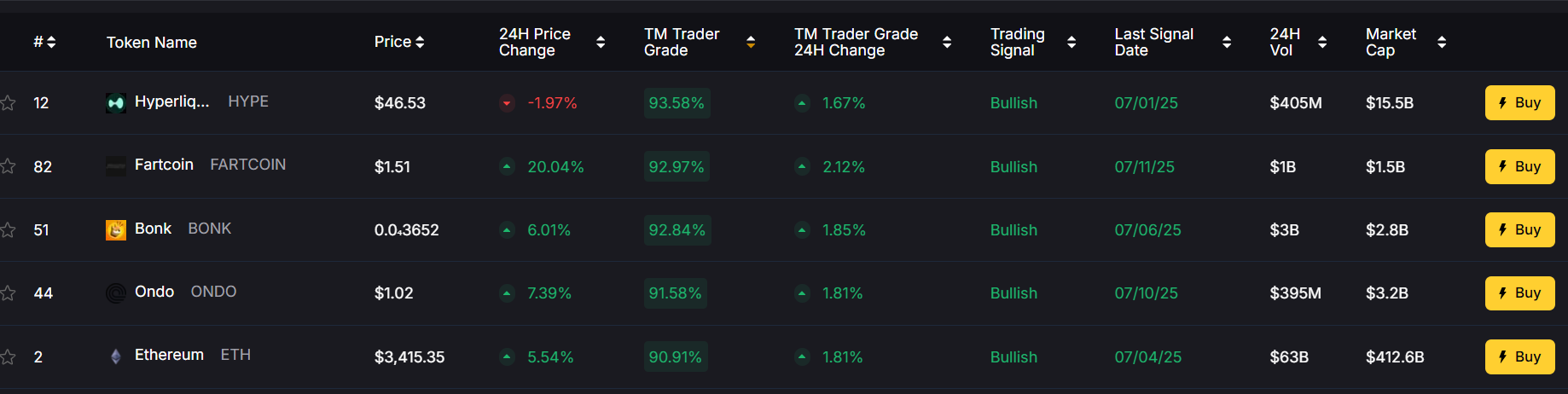
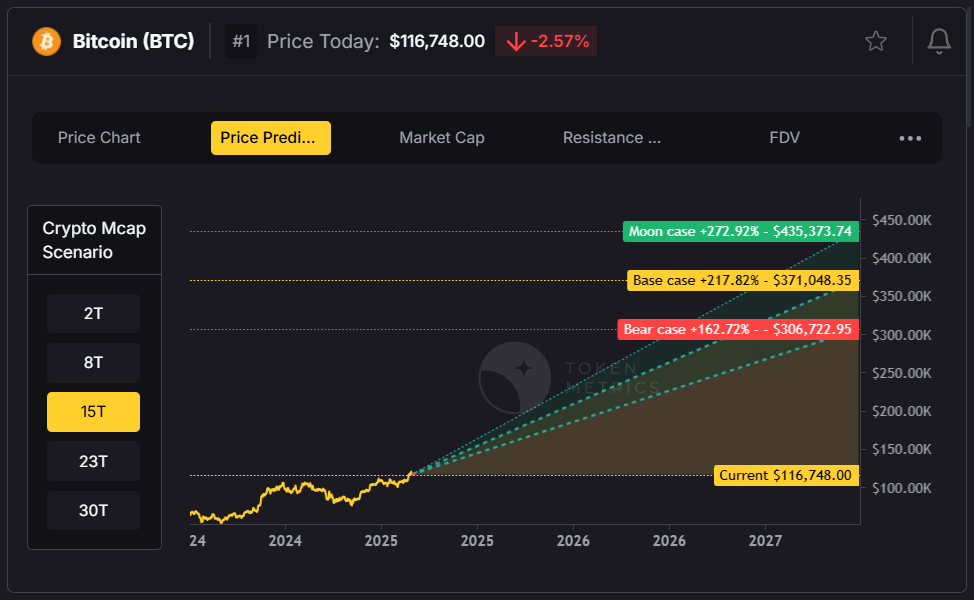
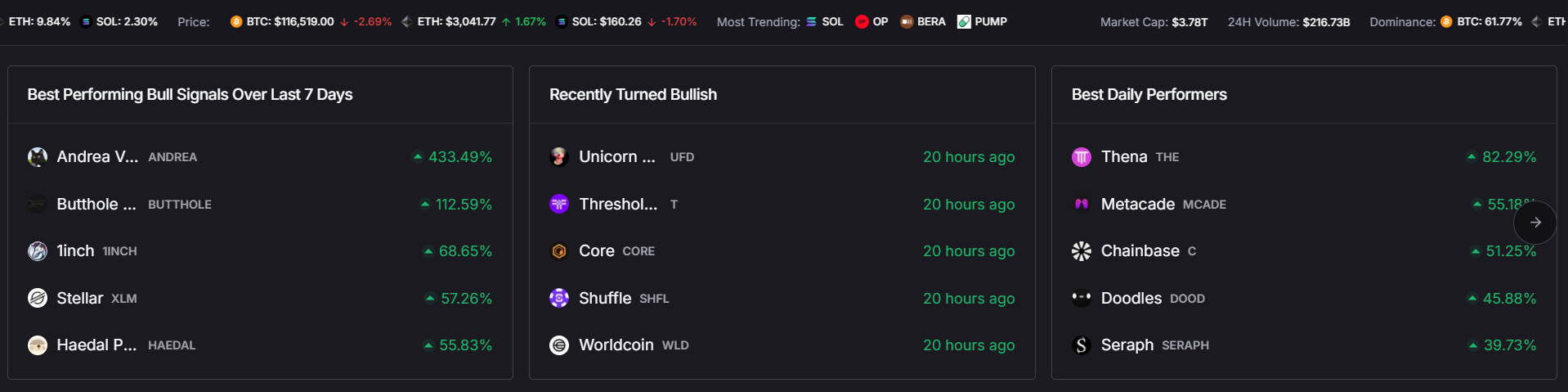
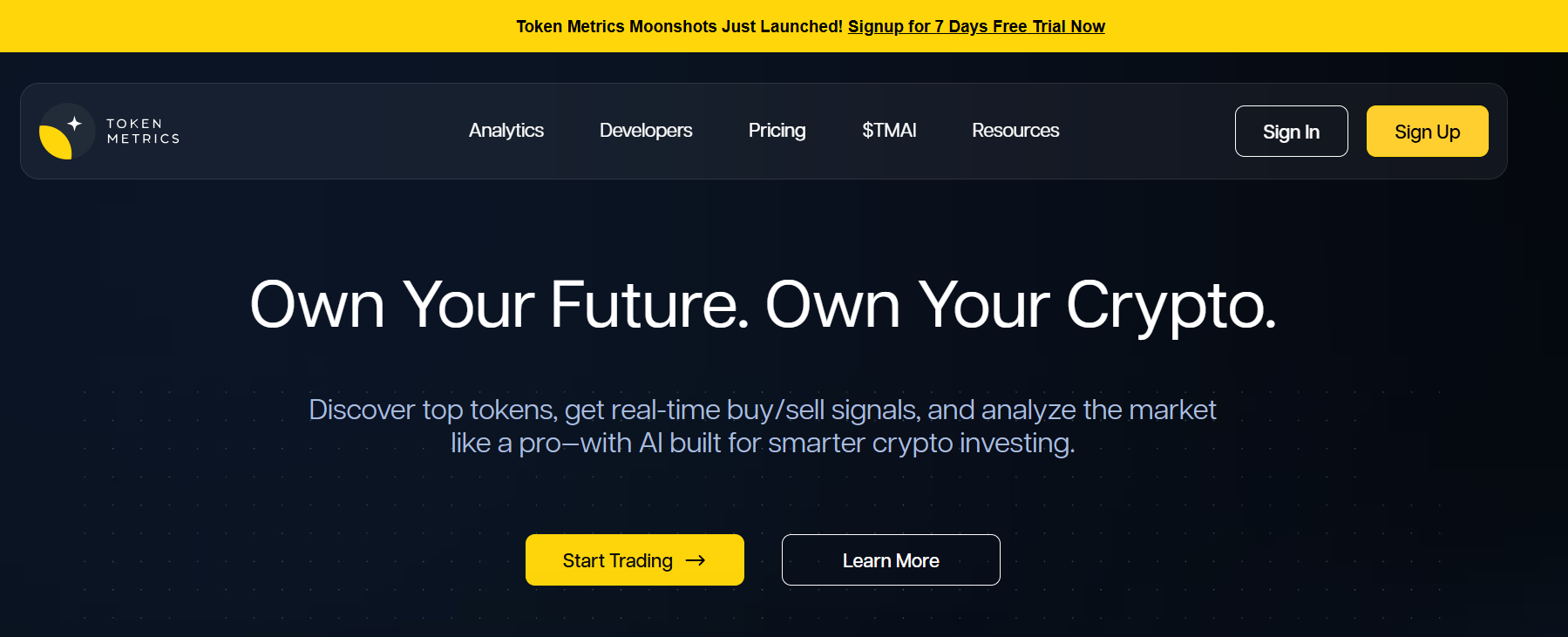
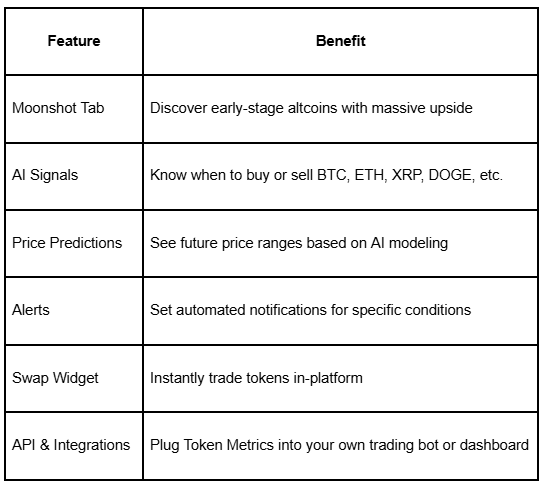
Navigating DeFi’s complexities requires advanced tools. Platforms like Token Metrics combine AI analytics with blockchain data to help investors identify promising tokens early. By providing scores and insights, Token Metrics empowers both novice and experienced traders to make informed decisions, demonstrating how decentralization paired with AI can democratize access to financial markets.
Decentralized Physical Infrastructure Networks (DePINs): Bridging Digital and Physical Worlds
In 2025, decentralization is no longer limited to digital applications. Decentralized Physical Infrastructure Networks (DePINs) are emerging as a revolutionary way to distribute control over tangible resources like energy grids, transportation systems, and communication networks. These are examples of public services that can be decentralized, offering alternatives to traditional government-provided utilities. DePINs allow individuals to monetize unused physical resources—such as bandwidth or storage—by participating in decentralized operations.
This practical application of decentralization means that ordinary people can earn passive income by contributing to local markets without centralized oversight. For example, DePINs can monitor environmental factors like noise pollution or manage energy distribution more efficiently by leveraging decentralized units working independently but coordinated through blockchain protocols, alongside other units within the network that operate autonomously.
DePINs exemplify how decentralization refers not only to distributing authority but also to creating new economic models that reward participation and improve overall quality of service delivery. As these networks grow, they enhance resilience and local responsiveness, addressing challenges faced by centralized infrastructure.
Political Decentralization and Decentralized Governance: Reimagining Democratic Participation
Decentralization also reshapes governance by distributing decision making authority away from top management or central government to multiple stakeholders. In many cases, this involves transferring powers traditionally held by the national government to regional or local entities, fundamentally altering the structure of governance.
Decentralized Autonomous Organizations (DAOs) use blockchain-based smart contracts to automate decision making, allowing token holders to participate directly in policy making without relying on a single person or centralized entity. While political decentralization disperses authority among various levels, political centralization refers to the concentration of power and decision-making at the national government level, highlighting a key difference in how authority is structured.
This political decentralization fosters transparency and inclusivity, enabling civil society and various departments within organizations to collaborate effectively. DAOs are increasingly explored not only in crypto projects but also in traditional organizations seeking to improve local governance and intergovernmental relations.
Emerging trends in decentralized governance include AI-assisted delegation, which helps users identify representatives aligned with their values, and incentive mechanisms designed to encourage meaningful participation beyond simple token rewards. Successful decentralization in governance requires balancing autonomy with coordination, ensuring decentralized units remain accountable while maintaining consistency.
The AI-Decentralization Convergence
While artificial intelligence is often seen as a centralizing force controlled by large corporations, it is becoming a powerful enabler of decentralization. By building decentralized AI models and open access to AI resources, blockchain technology ensures innovation remains accessible and transparent. This approach strengthens the organization's overall innovation capacity and supports its strategic objectives by reducing barriers to advanced technology.
This convergence is evident in platforms like Token Metrics, which leverage AI, machine learning, and big data analytics to democratize sophisticated crypto trading insights. Token Metrics’ AI-selected crypto baskets have delivered impressive returns, illustrating how decentralized means combined with AI can level the playing field for individual investors.
Moreover, natural language processing enables the interpretation of social media trends and market sentiment, providing traders with early signals to anticipate market movements. This practical application of AI in decentralized systems enhances decision making power and strategic planning for many businesses and individual investors alike.
Cross-Chain Interoperability: Breaking Down Digital Silos
A significant challenge for decentralization has been the fragmentation of blockchain networks, limiting seamless interaction between different systems. In 2025, cross-chain interoperability solutions are gaining traction, enabling users to transact and interact across multiple blockchains without friction.
This development is critical for decentralization’s mainstream adoption, ensuring users do not need to understand the technical differences between Ethereum, Solana, or other chains. Instead, decentralized units across various regions can coordinate effectively, improving overall control and service delivery.
Cross-chain interoperability exemplifies how decentralization strategies are evolving to maintain the right balance between autonomy and coordination, fostering a more connected and efficient decentralized ecosystem.
Decentralized Organizational Structures: Rethinking How We Build and Operate
Decentralized organizational structures are transforming how organizations operate in 2025. Unlike traditional models where a central authority or single entity holds most of the decision making power, a decentralized system distributes decision making authority across various departments, teams, or even individuals. This shift gives each part of the organization more autonomy to address local needs and adapt to changing conditions on the ground.
In practice, this means that instead of waiting for approval from top management, teams can make independent decisions that are best suited to their specific context. For example, a regional office might tailor its service delivery or marketing strategies to better fit the preferences of its local market, without needing to follow a one-size-fits-all directive from headquarters. This approach not only speeds up response times but also encourages innovation, as those closest to the challenges have the authority to experiment with new solutions.
Organizations adopting decentralized structures often find that empowering various departments leads to greater flexibility and resilience. By giving teams more autonomy, organizations can better navigate complex environments and rapidly changing market demands. This model also helps attract and retain talent, as employees value the opportunity to have a real impact and take ownership of their work.
Ultimately, decentralized organizational structures are about moving away from rigid hierarchies and embracing a more dynamic, responsive way of working. By distributing authority and decision making throughout the organization, businesses can unlock new levels of creativity, efficiency, and local responsiveness—key ingredients for success in today’s fast-paced world.
Real-World Impact, Service Delivery, and Market Dynamics
Decentralization’s practical impact is increasingly tangible. Governments are implementing decentralization reforms that allocate financial resources and decision making authority to sub national and local governments, improving responsiveness to local needs. Central governments play a key role in delegating these powers, setting policies, providing resources, and maintaining overall coordination while enabling more localized decision-making and management. In the private sector, many businesses adopt decentralized organizational structures, giving teams more power and autonomy to innovate.
Institutional adoption of DeFi and decentralized governance models signals growing confidence in decentralized systems. Traditional financial institutions are partnering with DeFi platforms to integrate decentralized solutions, blending centralized and decentralized finance for enhanced service delivery.
For investors and organizations navigating this evolving landscape, tools like Token Metrics provide crucial AI-driven analytics and real-time buy and sell signals. By processing vast market data and social sentiment, these platforms enhance allocative efficiency and help users capitalize on decentralized market opportunities.
Challenges and Considerations in Decision Making
Despite its advantages, decentralization in practice faces challenges. Operating without a central authority or government regulation exposes participants to risks such as smart contract vulnerabilities, hacks, and scams. There are limited consumer protections, so responsibility and accountability rest heavily on users.
Regulatory frameworks are still developing worldwide. Countries like Switzerland and Singapore are pioneering clear classifications for digital assets, which are essential for balancing decentralization’s benefits with legal oversight. Achieving successful decentralization requires ongoing coordination among governments, civil society, and the private sector to address these challenges.
The Future of Decentralization
Looking forward, 2025 is shaping up as the long-awaited year of decentralization. The convergence of mature DeFi protocols, expanding DePIN networks, innovative governance models, and AI-powered analytics platforms is creating an ecosystem where decentralization delivers real-world benefits.
Platforms like Token Metrics illustrate how sophisticated tools democratize access to complex financial markets, bridging the gap between decentralization’s promise and practical implementation. As decentralization strategies continue to evolve, organizations and individuals will find more opportunities to participate, innovate, and succeed in decentralized environments.
Conclusion: Decentralization as a Practical Reality
In 2025, decentralization is no longer an abstract idea or speculative trend; it is a practical reality transforming technology, finance, governance, and infrastructure. From earning passive income through decentralized physical networks to engaging in AI-enhanced crypto trading, decentralization empowers individuals and organizations with more control, autonomy, and decision making power.
The question today is not what does decentralization mean in practice, but how quickly and effectively can we adapt to this new paradigm? With advances in blockchain technology, AI, cross-chain interoperability, and decentralized governance, the infrastructure and tools are in place. The future is a decentralized economy where power is distributed, decisions are made collaboratively, and innovation flourishes across multiple independent yet interconnected units.
AI Agents in Minutes, Not Months

.svg)


%201.svg)


.png)
.png)





.svg)
No Credit Card Required


Online Payment


SSL Encrypted
.png)
Token Metrics Media LLC is a regular publication of information, analysis, and commentary focused especially on blockchain technology and business, cryptocurrency, blockchain-based tokens, market trends, and trading strategies.
Token Metrics Media LLC does not provide individually tailored investment advice and does not take a subscriber’s or anyone’s personal circumstances into consideration when discussing investments; nor is Token Metrics Advisers LLC registered as an investment adviser or broker-dealer in any jurisdiction.
Information contained herein is not an offer or solicitation to buy, hold, or sell any security. The Token Metrics team has advised and invested in many blockchain companies. A complete list of their advisory roles and current holdings can be viewed here: https://tokenmetrics.com/disclosures.html/
Token Metrics Media LLC relies on information from various sources believed to be reliable, including clients and third parties, but cannot guarantee the accuracy and completeness of that information. Additionally, Token Metrics Media LLC does not provide tax advice, and investors are encouraged to consult with their personal tax advisors.
All investing involves risk, including the possible loss of money you invest, and past performance does not guarantee future performance. Ratings and price predictions are provided for informational and illustrative purposes, and may not reflect actual future performance.