Crypto Basics

What Is Cryptocurrency Market Cap? A Comprehensive Guide

Discover the significance of cryptocurrency market cap and how it impacts investments. Learn the essentials in our comprehensive article. Read more now!
Token Metrics Team
6 min
MIN

Understanding the cryptocurrency market cap is fundamental for anyone interested in investing or trading digital currencies. Market capitalization, often referred to as market cap, is a key metric that reflects the total value of a cryptocurrency in the market. Cryptocurrency market capitalization represents the total value of all coins that have been mined for a specific cryptocurrency or all cryptocurrencies combined. This article will explore what cryptocurrency market cap means, how it is calculated, and why it matters for investors navigating the dynamic crypto market.

Introduction to Market Capitalization

Market capitalization represents the total value of a cryptocurrency's circulating coins in the market. It is a crucial metric used by investors and professionals to gauge the relative size and importance of a digital currency within the crypto ecosystem. Understanding market cap is essential for making informed investment decisions, as it provides a snapshot of a cryptocurrency’s size, popularity, and growth potential.

The market cap of a cryptocurrency is calculated by multiplying its current price by the number of coins in circulation. This simple formula offers insight into the cryptocurrency’s total value and helps investors compare different crypto assets effectively. By knowing the market cap, investors can better understand a cryptocurrency’s position in the market and assess its potential for future growth.

Crypto Market Cap and Circulating Supply

To fully grasp the concept of crypto market cap, it is important to understand the role of circulating supply. The circulating supply refers to the number of coins currently available and actively traded in the market. It is this supply that determines the crypto market cap when multiplied by the cryptocurrency’s current price.

Circulating supply is distinct from total supply, which includes all coins that have been created, including those not yet available for trading or locked in reserves. For example, some projects may have a large total supply but a smaller circulating supply due to tokens held by the development team or locked in smart contracts. Recognizing the difference between circulating supply and total supply is vital when evaluating a cryptocurrency’s market capitalization and its potential impact on price and growth.

Calculation and Importance

Market cap is calculated by multiplying the current price of a cryptocurrency by its circulating supply, providing a real-time measure of the asset's total value in dollars or other fiat currencies. This calculation is dynamic, as both price and circulating supply can fluctuate, causing the market cap to change rapidly.

This metric is important because it helps investors assess the size and value of a cryptocurrency relative to others in the crypto market. A higher market cap often indicates a more established and widely adopted cryptocurrency, such as Bitcoin or Ethereum, which tend to have greater network security and liquidity. Conversely, a low market cap may signal a newer or more speculative digital asset, often associated with higher risk and volatility.

Understanding market cap allows investors to make informed choices by comparing the total value of different cryptocurrencies and evaluating their potential for growth or decline.

Investment Strategies and Market Trends

Market capitalization plays a significant role in shaping investment strategies within the crypto market. It influences the level of risk investors are willing to take and the potential returns they might expect. Cryptocurrencies are categorized into three market cap sizes: large-cap (over $10 billion), mid-cap ($1 billion to $10 billion), and small-cap (under $1 billion). Large cap cryptocurrencies, typically those with a market cap exceeding $10 billion, are generally less volatile and more stable. These assets are favored by conservative investors who prioritize security and steady growth.

On the other hand, mid cap and small cap cryptocurrencies often present higher growth potential but come with increased risk and price volatility. Small cap cryptocurrencies may be more susceptible to market fluctuations and liquidity challenges but can offer substantial returns if their underlying projects succeed.

Staying informed about market trends and understanding how market cap affects demand, liquidity, and price movements are essential for developing effective investment strategies. Investors who respond appropriately to these factors are better positioned to capitalize on opportunities and mitigate risks.

Characteristics of a Liquid Market

A liquid market is characterized by the ability to quickly buy or sell assets without causing significant price changes. In the crypto market, liquidity is a critical factor affecting volatility and trading volume. High liquidity means that there is a large number of buyers and sellers, facilitating smooth transactions and reducing price manipulation risks.

Cryptocurrencies with a high market cap tend to have more liquid markets due to their popularity and widespread adoption. This liquidity attracts institutional investors and traders who require the ability to enter and exit positions efficiently. Conversely, small cap cryptocurrencies may suffer from low liquidity, leading to higher volatility and wider bid-ask spreads.

A liquid market with high trading volume provides better price stability and more trading opportunities, making it more attractive for both short-term traders and long-term investors.

The Crypto Market Ecosystem
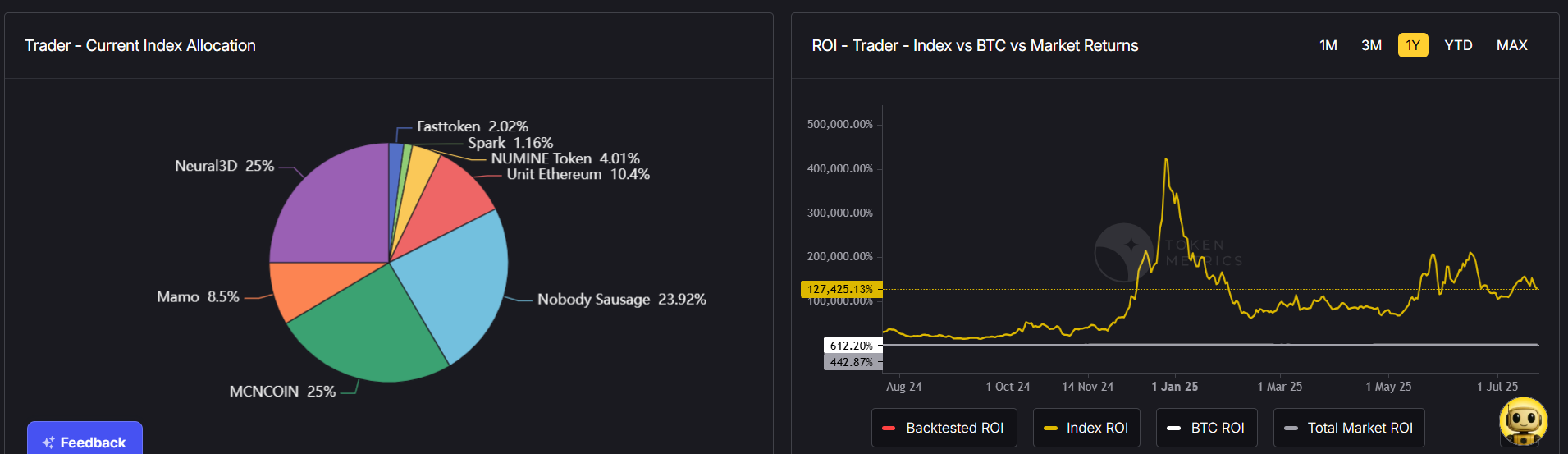
The crypto market ecosystem is a complex and evolving environment influenced by various factors beyond market cap. Blockchain technology underpins all cryptocurrencies, providing the decentralized infrastructure that ensures transparency and security. Network security, driven by consensus mechanisms and the number of active nodes, plays a crucial role in maintaining trust and stability in the market.

Institutional investors have increasingly entered the crypto market, bringing greater capital, legitimacy, and scrutiny. Their participation often affects market trends and can lead to increased liquidity and reduced volatility in large cap cryptocurrencies.

Understanding this ecosystem and the interplay of technology, investor behavior, and market dynamics is essential for anyone looking to navigate the crypto market successfully. The market is constantly responding to new technologies, regulatory developments, and shifts in investor sentiment.

Large Cap Cryptocurrencies
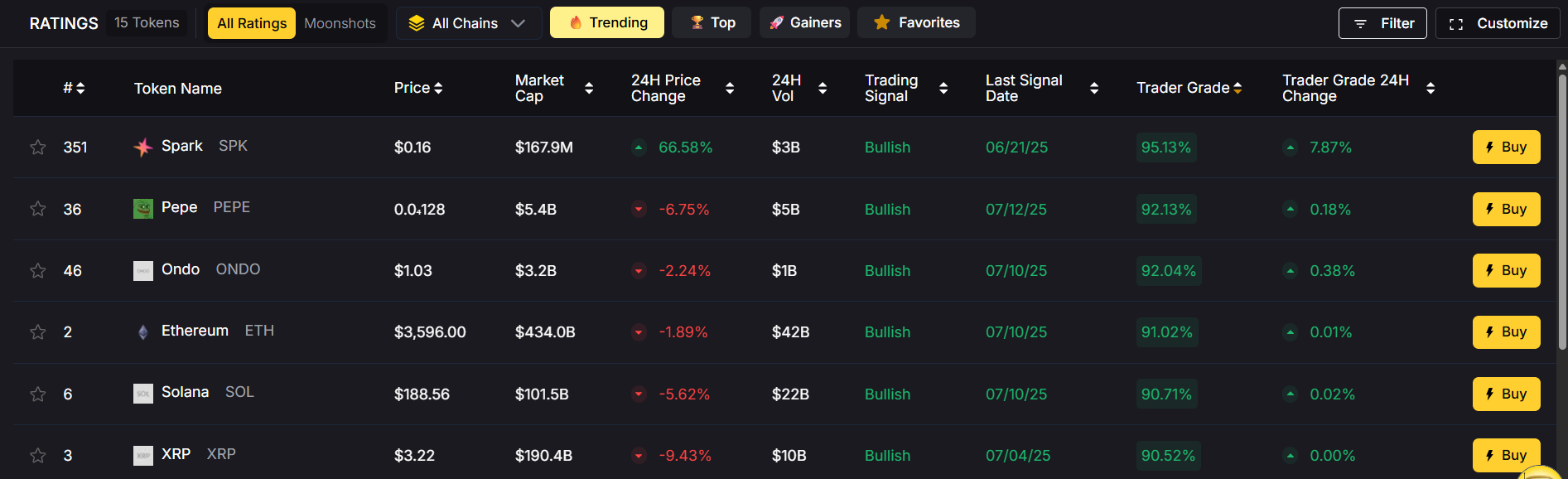
Large cap cryptocurrencies, such as Bitcoin and Ethereum, dominate the crypto market with market caps exceeding $10 billion. These digital assets are widely regarded as more stable and less volatile compared to smaller cryptocurrencies. Their established track records and strong network security make them attractive safe havens during periods of market uncertainty.

Large cap cryptocurrencies benefit from high liquidity and trading volume, which contribute to better price stability and ease of trading. However, because of their already substantial market capitalization, these assets may experience slower price growth compared to mid or small cap cryptocurrencies.

Investors often include large cap cryptocurrencies in their portfolios to provide balance and reduce overall risk.

Growth Potential and Analysis
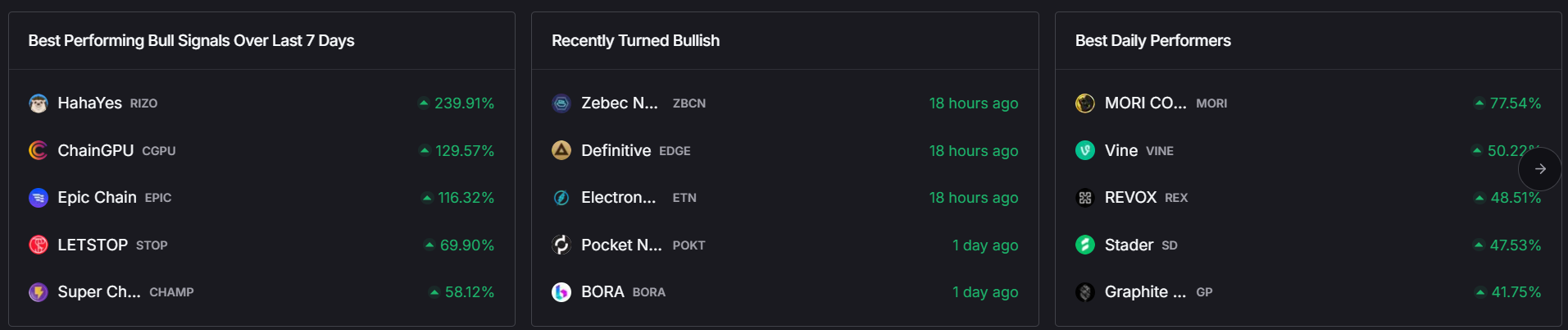
While large cap cryptocurrencies offer stability, mid cap and small cap cryptocurrencies often present greater growth potential. These smaller crypto assets may be in earlier stages of development, with innovative projects and technologies that can lead to significant price appreciation.

Analyzing growth potential involves examining a cryptocurrency’s market cap, trading volume, underlying blockchain technology, and the strength of its project or business model. Investors also consider factors such as tokenomics, total supply, and network security to assess long-term viability.

However, higher growth potential comes with increased risk, including higher volatility and liquidity challenges. Investors must carefully weigh these factors and conduct thorough research before committing to investments in smaller cap cryptocurrencies.

Developing Effective Investment Strategies

Crafting effective investment strategies in the crypto market requires a comprehensive understanding of market trends, risk management, and portfolio diversification. Investors should clearly define their investment goals and risk tolerance before entering the market.

Market capitalization is a critical consideration in strategy development, as it affects liquidity, volatility, and potential returns. Diversifying investments across large cap, mid cap, and small cap cryptocurrencies can help balance risk while capturing growth opportunities.

Staying informed about the latest market trends, technological advancements, and regulatory changes is essential. Investors should be prepared to adapt their strategies as the crypto market evolves, responding to shifts in demand, supply, and broader economic factors.

In conclusion, understanding what cryptocurrency market cap is and how it influences the crypto market is vital for making informed investment decisions. By considering market cap alongside other metrics such as circulating supply, trading volume, and network security, investors can navigate the complex world of digital assets with greater confidence and success.

Build Smarter Crypto Apps &
AI Agents in Minutes, Not Months
Real-time prices, trading signals, and on-chain insights all from one powerful API.
Grab a Free API Key
Token Metrics Team
Token Metrics Team

Recent Posts

Research

Exploring the Launch and History of the Solana Blockchain

Token Metrics Team
3
MIN

Introduction

The blockchain ecosystem has witnessed many innovative platforms since the inception of Bitcoin. Among them, Solana has emerged as a significant player known for its high-performance capabilities. Understanding when Solana was launched provides valuable insight into its development timeline and technological evolution. This article explores the launch date and historical context of the Solana blockchain, its technological foundations, and resources for further research, including analytical tools such as Token Metrics.

Overview of Solana Blockchain

Solana is a high-throughput blockchain platform designed to support decentralized applications and crypto-currencies with a strong emphasis on scalability and low transaction costs. Its architecture leverages unique consensus mechanisms and innovations in cryptographic technology that distinguish it from other platforms. These features aim to solve common blockchain challenges such as network congestion and high fees.

When Was Solana Launched?

Solana's development began several years before its mainnet launch, with foundational research conducted by its creator, Anatoly Yakovenko, starting in 2017. The project's codebase and whitepapers were gradually developed over the next couple of years. The key milestone of Solana’s live network, or mainnet beta, occurred on March 16, 2020.

This mainnet beta launch marked the transition from development and internal testing stages to a public network where users could transact, stake tokens, and deploy applications. However, it is important to note that the label “beta” indicated that the network was still under active development and subject to updates and improvements.

Technological Framework at Launch

At the time of its launch, Solana introduced several novel technological elements, including:

  • Proof of History (PoH): A timestamping mechanism that provides a cryptographically verifiable order of events to improve network throughput.
  • Tower BFT: A consensus algorithm optimized for the PoH clock, enabling faster agreement between validators.
  • Gulf Stream: A protocol enabling transaction caching and forwarding to reduce confirmation times.
  • Sealevel: A parallel smart contract runtime designed to efficiently process multiple transactions simultaneously.

The combination of these technologies aimed to allow Solana to process more transactions per second than many existing blockchains at the time.

Development Timeline Post-Launch

Following the March 2020 mainnet beta launch, Solana's development continued rapidly. The development team released multiple updates enhancing network stability, introducing new features, and scaling capacity. Key phases included the transition from beta to a more stable production environment and expanding ecosystem support through developer tools and partnerships.

Community growth, validator participation, and decentralized application deployment increased steadily, underscoring the network’s rising prominence in the blockchain space.

How to Research Solana Effectively

For those interested in a deeper understanding of Solana’s origins and ongoing development, the following approaches are useful:

  1. Review Official Documentation and Whitepapers: These provide comprehensive details on the technology and development philosophy.
  2. Follow Development Repositories: Platforms like GitHub host the Solana codebase, where updates and contributions are tracked publicly.
  3. Monitor News and Community Channels: Forums, social media, and developer communities offer real-time discussion and announcements.
  4. Utilize Analytical Tools: Data-driven platforms, such as Token Metrics, leverage AI to provide insights into blockchain projects by analyzing various fundamental and technical indicators.

The Role of AI and Token Metrics in Blockchain Research

Artificial intelligence has enhanced the capacity to analyze complex blockchain data and market trends. Tools like Token Metrics apply machine learning algorithms to process large datasets, offering neutral ratings and analytics that can support educational research into platforms like Solana.

While such tools do not provide investment advice, they offer frameworks to understand project fundamentals, technological developments, and market sentiment — all essential elements for comprehensive analysis.

Educational Disclaimer

This article is intended for educational purposes only. It does not provide financial, investment, or trading advice. Readers should conduct thorough research and consider multiple sources before making decisions related to cryptocurrencies or blockchain technologies.

Research

A Comprehensive Guide to Buying Solana Cryptocurrency

Token Metrics Team
4
MIN

Introduction

Solana has emerged as one of the notable projects in the blockchain ecosystem, known for its high-performance capabilities and growing developer community. Understanding how to buy Solana (SOL) requires familiarity with the ecosystem, secure wallets, and the exchanges where the token is available. This guide presents an educational overview on acquiring Solana tokens while highlighting the tools and approaches that can support your research process efficiently.

Understanding Solana and Its Ecosystem

Before proceeding with any acquisition, it helps to understand the fundamentals of the Solana blockchain. Solana is a decentralized network designed to enable fast, scalable decentralized applications (dApps) and crypto assets. Its native token, SOL, is used for transaction fees and interacting with applications on the network.

Awareness of Solana's technological framework, including its unique Proof of History consensus mechanism, provides context that informs the buying process from both a technical standpoint and an operational perspective.

Setting Up a Solana Wallet

Acquiring SOL tokens necessitates having a compatible wallet that supports Solana’s blockchain.

  • Software Wallets: These are applications or browser extensions such as Phantom, Solflare, or Slope. They provide convenient access but require strong security practices like safeguarding private keys and seed phrases.
  • Hardware Wallets: Devices like Ledger or Trezor offer enhanced security by storing private keys offline. Not all hardware wallets natively support Solana yet, so checking compatibility is essential.

Choosing a wallet depends on individual preferences balancing convenience and security considerations.

Selecting a Reliable Exchange to Buy Solana

SOL tokens are available on multiple cryptocurrency exchanges, but purchasing involves selecting a platform based on liquidity, fees, regulatory compliance, and user experience.

Common exchange options include:

  • Centralized Exchanges (CEX): Platforms like Coinbase, Binance, and Kraken allow users to buy SOL using fiat or other cryptocurrencies. These platforms typically streamline the process but require identity verification.
  • Decentralized Exchanges (DEX): Platforms such as Serum operate on Solana’s network enabling peer-to-peer token swaps without intermediaries. Working with DEXs requires connecting your wallet and understanding swap mechanics.

Researching exchange reputation, fee structures, and security protocols is an important step and can be supplemented by analysis tools.

Purchase Process Overview

  1. Create and Secure Your Wallet: Start by setting up a Solana-compatible wallet and securely storing your credentials.
  2. Select an Exchange: Choose a platform that fits your needs, factoring in trading pairs and payment methods.
  3. Deposit Funds: Transfer fiat currency or cryptocurrency to your exchange account or connected wallet.
  4. Place an Order: Use market or limit orders to purchase SOL tokens at your chosen price.
  5. Transfer SOL Tokens to Your Wallet: For security, consider moving purchased tokens from the exchange to your personal wallet.

Researching Solana with AI-Driven Analytical Tools

Utilizing AI-powered research platforms enhances the ability to analyze blockchain projects systematically. Token Metrics is one such platform offering data-driven insights, ratings, and scenario analyses. These tools help decode market trends, evaluate fundamentals, and monitor technical developments, supporting an informed understanding of Solana’s evolving landscape.

While such platforms provide valuable educational support, users should integrate various sources and maintain ongoing research to navigate the dynamic crypto environment responsibly.

Security Considerations

When buying Solana or any cryptocurrency, security is paramount. Consider the following precautions:

  • Use two-factor authentication (2FA) on exchange accounts and wallets.
  • Store wallet recovery phrases offline and securely.
  • Beware of phishing attacks and unsolicited requests for private keys.
  • Stay updated on software and firmware upgrades for wallet devices.

Conclusion

Acquiring Solana tokens involves understanding the blockchain’s underlying technology, selecting the right wallet, choosing a reliable exchange, and practicing robust security measures. Leveraging AI-powered analytical tools like Token Metrics can deepen research capabilities and facilitate a comprehensive approach to exploring the crypto space.

Disclaimer

This content is provided solely for educational and informational purposes. It is not financial, investment, tax, or legal advice. Readers should perform their own research and consult with licensed professionals before making any financial decisions related to cryptocurrencies.

Research

Understanding Ethereum: How This Blockchain Platform Operates

Token Metrics Team
4
MIN

Introduction to Ethereum

Ethereum is one of the most influential blockchain platforms developed since Bitcoin. It extends the concept of a decentralized ledger by integrating a programmable layer that enables developers to build decentralized applications (dApps) and smart contracts. This blog post explores how Ethereum operates technically and functionally without delving into investment aspects.

Ethereum Blockchain and Network Structure

At its core, Ethereum operates as a distributed ledger technology—an immutable blockchain maintained by a decentralized network of nodes. These nodes collectively maintain and validate the Ethereum blockchain, which records every transaction and smart contract execution.

The Ethereum blockchain differs from Bitcoin primarily through its enhanced programmability and faster block times. Ethereum’s block time averages around 12-15 seconds, which allows for quicker confirmation of transactions and execution of contracts.

Smart Contracts and the Ethereum Virtual Machine (EVM)

A fundamental innovation introduced by Ethereum is the smart contract. Smart contracts are self-executing pieces of code stored on the blockchain, triggered automatically when predefined conditions are met.

The Ethereum Virtual Machine (EVM) is the runtime environment for smart contracts. It interprets the contract code and operates across all Ethereum nodes to ensure consistent execution. This uniformity enforces the trustless and decentralized nature of applications built on Ethereum.

Ethereum Protocol and Consensus Mechanism

Originally, Ethereum used a Proof of Work (PoW) consensus mechanism similar to Bitcoin, requiring miners to solve complex cryptographic puzzles to confirm transactions and add new blocks. However, Ethereum has transitioned to Proof of Stake (PoS) through an upgrade called Ethereum 2.0.

In the PoS model, validators are chosen to propose and validate blocks based on the amount of cryptocurrency they stake as collateral. This method reduces energy consumption and improves scalability and network security.

Ethereum Gas Fees and Transaction Process

Executing transactions and running smart contracts on Ethereum requires computational resources. These are measured in units called gas. Users pay gas fees, denominated in Ether (ETH), to compensate validators for processing and recording the transactions.

The gas fee varies depending on network demand and the complexity of the operation. Simple transactions require less gas, while complex contracts or high congestion periods incur higher fees. Gas mechanics incentivize efficient code and prevent spam on the network.

Nodes and Network Participation

Ethereum’s decentralization is maintained by nodes located worldwide. These nodes can be categorized as full nodes, which store the entire blockchain and validate all transactions, and light nodes, which store only essential information.

Anyone can run a node, contributing to Ethereum’s resilience and censorship resistance. Validators in PoS must stake Ether to participate in block validation, ensuring alignment of incentives for network security.

Use Cases of Ethereum dApps

Decentralized applications (dApps) are built on Ethereum’s infrastructure. These dApps span various sectors, including decentralized finance (DeFi), supply chain management, gaming, and digital identity. The open-source nature of Ethereum encourages innovation and interoperability across platforms.

How AI and Analytics Enhance Ethereum Research

Understanding Ethereum’s intricate network requires access to comprehensive data and analytical tools. AI-driven platforms, such as Token Metrics, utilize machine learning to evaluate on-chain data, developer activity, and market indicators to provide in-depth insights.

Such platforms support researchers and users by offering data-backed analysis, helping to comprehend Ethereum’s evolving technical landscape and ecosystem without bias or financial recommendations.

Conclusion and Key Takeaways

Ethereum revolutionizes blockchain technology by enabling programmable, trustless applications through smart contracts and a decentralized network. Transitioning to Proof of Stake enhances its scalability and sustainability. Understanding its mechanisms—from the EVM to gas fees and network nodes—provides critical perspectives on its operation.

For those interested in detailed Ethereum data and ratings, tools like Token Metrics offer analytical resources driven by AI and machine learning to keep pace with Ethereum’s dynamic ecosystem.

Disclaimer

This content is for educational and informational purposes only. It does not constitute financial, investment, or trading advice. Readers should conduct independent research and consult professionals before making decisions related to cryptocurrencies or blockchain technologies.

Choose from Platinum, Gold, and Silver packages
Reach with 25–30% open rates and 0.5–1% CTR
Craft your own custom ad—from banners to tailored copy
Perfect for Crypto Exchanges, SaaS Tools, DeFi, and AI Products