Crypto Basics

What Is ETF Trading? A Beginner’s Guide to Exchange-Traded Funds in 2025

Learn what ETF trading is, the types of ETFs (including crypto), benefits, risks, and how AI tools like Token Metrics help you in crypto trading in 2025.
Token Metrics Team
8 min
MIN

In today’s fast-paced financial markets, ETF trading has become one of the most popular and accessible investment strategies. Whether you're a traditional investor or a crypto enthusiast, understanding how ETF trading works can help you make smarter, more diversified investment decisions.

📈 What Is an ETF?

An ETF (Exchange-Traded Fund) is an investment fund that trades on stock exchanges, similar to individual stocks. Each ETF holds a collection of assets, such as:

  • Stocks (like the S&P 500)
  • Bonds
  • Commodities (like gold or oil)
  • Currencies
  • Cryptocurrencies (Bitcoin, Ethereum, etc.)

When you buy a share of an ETF, you're buying a fractional interest in the entire basket of assets. This makes ETFs a powerful tool for diversification, even for beginners.

💹 What Is ETF Trading?

ETF trading refers to the buying and selling of ETF shares on an exchange—just like you would with Apple or Tesla stock. The value of an ETF changes throughout the trading day, based on the underlying value of its assets.

ETF trading is commonly used for:

  • Portfolio diversification
  • Hedging strategies
  • Thematic investing (e.g., AI, clean energy, DeFi)
  • Speculating on short-term price movements

You can trade ETFs via your online brokerage, investment app, or even through certain retirement accounts (like IRAs).

🔄 How Does ETF Trading Work?

Here’s a simplified version of how ETF trading works:

  1. ETF Provider Creates the Fund
    A company like BlackRock or Fidelity creates an ETF that holds a specific basket of assets.

  2. ETF Listed on an Exchange
    The ETF is listed on public stock exchanges such as the NYSE or Nasdaq.

  3. Investors Buy and Sell Shares
    Investors trade ETF shares just like stocks—prices fluctuate throughout the day.

  4. Market Makers Maintain Liquidity
    Authorized participants ensure ETF prices closely match the value of the underlying assets (called the Net Asset Value or NAV).

🪙 What About Crypto ETFs?

In 2025, crypto ETFs have emerged as one of the fastest-growing segments of the ETF market.

Crypto ETFs allow investors to gain exposure to cryptocurrencies without owning the actual coins. These ETFs are regulated, secure, and accessible through traditional finance platforms.

There are two types:

  • Spot Crypto ETFs (hold actual crypto assets like Bitcoin or Ethereum)
  • Futures Crypto ETFs (track the price of crypto futures contracts)

Example: BlackRock’s iShares Bitcoin Trust (IBIT) is a spot Bitcoin ETF with billions in assets under management (AUM) in 2025.

✅ Benefits of ETF Trading

ETF trading offers unique advantages for both retail and institutional investors:

1. Diversification

Instead of buying dozens of individual stocks, ETFs offer broad exposure to sectors, themes, or markets in a single trade.

2. Liquidity

ETFs trade like stocks—buy or sell at any time during market hours. This makes them more flexible than traditional mutual funds.

3. Cost Efficiency

Many ETFs have low expense ratios, often under 0.25%. You avoid the high fees associated with actively managed funds.

4. Accessibility

Trade ETFs using any brokerage account. You don’t need to be an accredited investor or a crypto expert.

5. Tax Advantages

ETFs are generally more tax-efficient than mutual funds due to the in-kind creation/redemption process.

⚠️ Risks of ETF Trading

ETF trading, like all investing, carries risks:

1. Market Risk

ETF prices can go up or down depending on market conditions.

2. Liquidity Risk

Not all ETFs are highly traded. Low volume can lead to wide bid/ask spreads and slippage.

3. Tracking Error

Some ETFs fail to perfectly mirror their benchmark, especially futures-based crypto ETFs.

4. Sector Risk

Thematic ETFs (e.g., blockchain, AI) can be highly concentrated and volatile.

🧠 How Token Metrics Enhances ETF Trading with AI

Whether you're trading traditional ETFs or crypto-focused ones, Token Metrics provides AI-powered tools to help you trade with confidence.

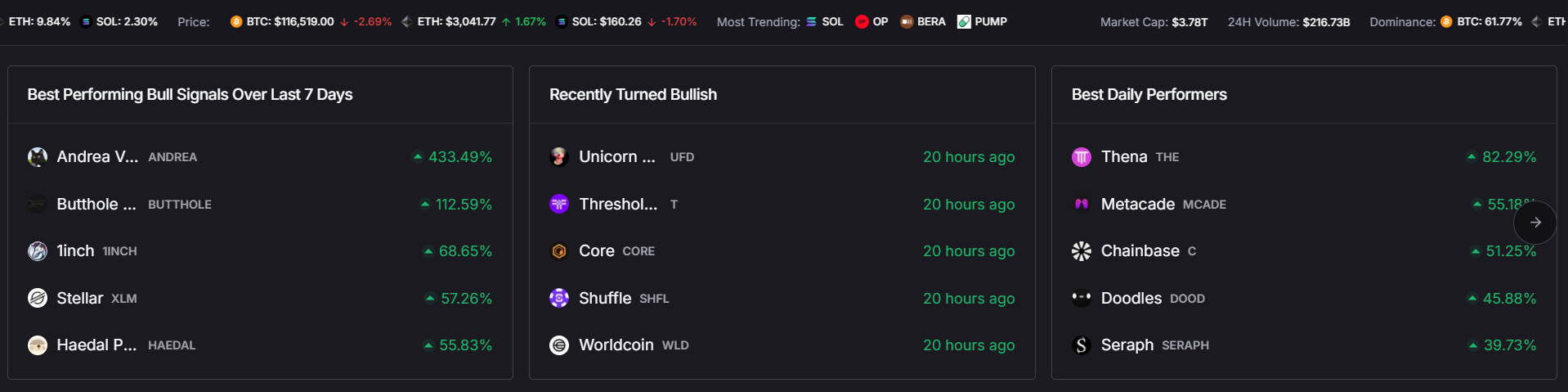
🔍 1. Real-Time Signals

Token Metrics offers AI-generated bullish/bearish signals for Bitcoin, Ethereum, and other assets—helping you identify the best time to enter or exit.
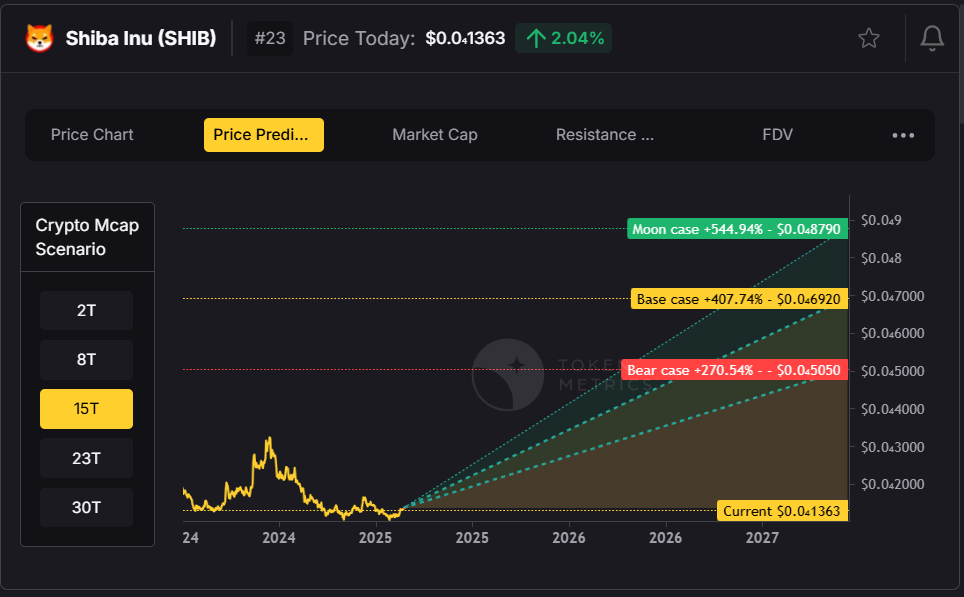
📊 2. Price Predictions

The platform generates short- and long-term price forecasts, using 80+ data points. This can help you anticipate ETF price movements, especially for crypto ETFs.
📈 3. On-Chain Data + ETF Flows

Token Metrics tracks exchange reserves, ETF inflows, and blockchain metrics—giving traders a unique edge not available on traditional brokerage platforms.

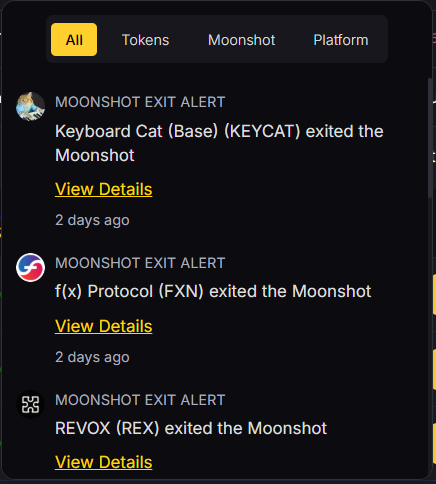
📣 4. Alerts and Custom Grades

Set up alerts based on trader grades, investor grades, and signal changes to react to market moves instantly.
🔥 Example: Trading Bitcoin ETFs Using Token Metrics

Let’s say you want to trade the BlackRock Bitcoin ETF in July 2025. Here’s how Token Metrics can help:

  • AI signaled bullish BTC trend on June 28
  • Price surged from $106,000 to $118,000
  • ETF inflows increase as institutional demand grows
  • You receive a buy alert from Token Metrics
  • You enter the ETF early and ride the momentum

This combination of real-time AI alerts + institutional trend analysis gives you a significant advantage over traditional investors.

🧭 Final Thoughts

ETF trading has changed the game for investors. Whether you're looking to diversify your portfolio, gain exposure to crypto, or automate your trading strategy—ETFs provide a flexible, affordable, and efficient solution.

And in 2025, combining ETF trading with Token Metrics' AI-powered platform is one of the smartest ways to stay ahead.

With features like real-time signals, crypto ETF tracking, price predictions, and custom alerts, Token Metrics transforms how you approach modern ETF markets.

Build Smarter Crypto Apps &
AI Agents in Minutes, Not Months
Real-time prices, trading signals, and on-chain insights all from one powerful API.
Grab a Free API Key
Token Metrics Team
Token Metrics Team

Recent Posts

Crypto Basics

Coin Market Cap: A Complete Guide for Smarter Crypto Investing in 2025

Token Metrics Team
6 min
MIN

Introduction to Coin Market Cap

In the fast-paced world of cryptocurrency investing, market capitalization, often called market cap, is one of the most essential metrics for evaluating projects. It helps investors quickly gauge a coin’s size, value, and growth potential, making it a cornerstone for portfolio allocation and risk management.

Whether you’re a beginner trying to understand which cryptocurrencies to buy or an experienced trader managing a complex portfolio, understanding coin market cap is critical. In this guide, we’ll break down what market cap is, how to use it effectively, its limitations, and how platforms like Token Metrics can enhance your analysis with advanced data insights.

What Is Coin Market Cap?

Market capitalization refers to the total value of a cryptocurrency in circulation. It’s calculated using a simple formula:

Market Cap=Current Price×Circulating Supply\text{Market Cap} = \text{Current Price} \times \text{Circulating Supply}

For example, if a cryptocurrency is priced at $20 and has 50 million coins in circulation, its market cap would be $1 billion. This figure provides a snapshot of the project’s relative size and its standing in the broader crypto market.

Market cap is an invaluable metric for quickly comparing projects, identifying potential opportunities, and understanding the level of risk associated with an investment.

Why Market Cap Matters in Crypto

Market cap plays a crucial role in crypto investing for several reasons:

  1. Assessing Project Size:
    It indicates whether a cryptocurrency is large-cap (established and relatively stable), mid-cap (moderate growth potential), or small-cap (high risk and high reward).

  2. Determining Growth Potential:
    Comparing market caps across similar projects can highlight undervalued assets with room to grow.

  3. Portfolio Allocation:
    By understanding the market cap of various assets, you can balance your portfolio between high-risk small caps and more stable large caps.

  4. Benchmarking Performance:
    Market cap allows you to compare assets within the same category—for example, evaluating competing layer 1 blockchains or AI tokens.

Types of Cryptocurrencies by Market Cap

Cryptocurrencies are typically categorized by their market cap:

  • Large-Cap Cryptos (>$10 Billion):
    These are well-established, widely adopted coins like Bitcoin (BTC), Ethereum (ETH), and Binance Coin (BNB). They tend to be less volatile and serve as the “blue chips” of crypto.

  • Mid-Cap Cryptos ($1–10 Billion):
    These include projects like Polygon (MATIC), Arbitrum (ARB), and Chainlink (LINK). They balance growth potential with relatively lower risk than small caps.

  • Small-Cap Cryptos (<$1 Billion):
    These high-risk, high-reward tokens often include emerging narrative-driven coins like Token Metrics AI (TMAI) or experimental DeFi projects. They can deliver significant returns but also carry a higher chance of failure.

How to Use Market Cap in Investment Decisions

While market cap is only one part of the puzzle, it’s a powerful tool when used correctly. Here’s how to incorporate it into your strategy:

  1. Identify Undervalued Assets:
    Look for coins with strong fundamentals and low market caps relative to competitors. For example, an innovative AI project like TMAI with a market cap significantly lower than its peers could signal untapped potential.

  2. Balance Risk and Reward:
    Allocate funds across large-, mid-, and small-cap assets. Large caps bring stability, while mid- and small caps provide growth opportunities.

  3. Track Sector Trends:
    Monitor market caps by category (e.g., AI tokens, DeFi protocols, Layer 2 scaling solutions) to identify which sectors are gaining traction.

  4. Compare Projects:
    Use market cap to evaluate competitors within the same niche. For instance, comparing Polygon and Arbitrum can help assess which layer 2 solution has more market trust.

Limitations of Using Market Cap

Although market cap is a useful metric, it has its shortcomings:

  1. No Liquidity Insights:
    A high market cap doesn’t always mean easy liquidity. Some tokens with large caps may have thin trading volumes, making them hard to buy or sell.

  2. Doesn’t Reflect Token Distribution:
    Market cap doesn’t account for how tokens are distributed. A project with concentrated ownership may have inflated prices that don’t reflect real demand.

  3. Ignores Project Fundamentals:
    Market cap alone won’t tell you if a project has strong technology, an active user base, or real-world utility.

This is why market cap analysis should always be combined with other key metrics and qualitative research, which is where Token Metrics becomes invaluable.

Enhancing Market Cap Analysis with Token Metrics

While traditional market cap data offers a snapshot, Token Metrics goes deeper by analyzing:

  • On-Chain Metrics: Active wallets, transaction volumes, and network growth.
  • Technical Analysis: AI-driven price predictions based on historical and real-time data.
  • Fundamental Analysis: Project utility, team credibility, and adoption potential.
  • Token Grades: Proprietary scoring that evaluates over 80 data points per token.

This AI-powered approach allows investors to identify truly undervalued projects that might be overlooked by simply glancing at market cap.

Market Cap vs. Other Key Metrics

Market cap is most powerful when used alongside:

  • Trading Volume: Indicates liquidity and investor interest.
  • Fully Diluted Valuation (FDV): Projects with low circulating supply but high FDV might face inflationary pressures.
  • Total Value Locked (TVL): For DeFi tokens, TVL shows how much capital is actively being used in protocols.

Combining these insights with market cap offers a more complete view of a project’s health and potential.

Practical Steps for Using Market Cap in 2025

  1. Start with Large Caps:
    Anchor your portfolio with stable large-cap assets like BTC and ETH.

  2. Explore Mid- and Small-Caps:
    Use Token Metrics to identify emerging projects with strong fundamentals and room for growth.

  3. Diversify by Sector:
    Allocate to different narratives—AI tokens like TMAI, DeFi coins, and scaling solutions—to spread risk.

  4. Reassess Regularly:
    Crypto markets move quickly. Track changing market caps to adjust your allocations proactively.

Conclusion

Coin market cap remains one of the most fundamental metrics for analyzing cryptocurrencies. It provides a clear picture of project size and helps investors allocate capital effectively.

However, market cap alone isn’t enough. To make smarter, data-driven decisions, investors should combine market cap insights with on-chain data, technical analysis, and AI-driven insights from Token Metrics.

In 2025, using market cap alongside advanced analytics can help you identify undervalued opportunities, manage risk effectively, and build a balanced, growth-oriented crypto portfolio.

Crypto Basics

Crypto as an Investment: Is It Worth It in 2025?

Token Metrics Team
6 min
MIN

Introduction to Crypto as an Investment

Over the past decade, cryptocurrency has moved from an experimental technology to a mainstream investment asset. What started with Bitcoin as a digital alternative to cash has evolved into a multi-trillion-dollar ecosystem encompassing altcoins, decentralized finance (DeFi), AI-powered tokens, and NFTs.

In 2025, crypto is no longer a fringe idea—it’s an essential consideration for forward-thinking investors. Whether you’re seeking growth, diversification, or a hedge against inflation, crypto offers multiple paths to wealth creation. This article explores why crypto is a valuable investment, how to approach it strategically, and the role of Token Metrics in making data-driven decisions.

Why Consider Crypto as an Investment?

  1. High Return Potential:
    Bitcoin, Ethereum, and many altcoins have delivered outsized returns compared to traditional assets. AI tokens like Token Metrics AI (TMAI) are at the forefront of new growth narratives.

  2. Diversification:
    Adding crypto to your portfolio can reduce overall risk, as it behaves differently from stocks, bonds, or real estate.

  3. Inflation Hedge:
    Bitcoin and select altcoins are increasingly seen as a store of value, protecting wealth against inflation and currency devaluation.

  4. Access to Innovation:
    Investing in crypto gives exposure to blockchain-based innovations like smart contracts, DeFi, and tokenized real-world assets.

Types of Crypto Investments

  • Blue-Chip Cryptos: Bitcoin (BTC) and Ethereum (ETH) remain the pillars of the crypto market.
  • Altcoins: Mid- and small-cap tokens, including AI coins like TMAI, DeFi tokens, and narrative-driven assets.
  • Stablecoins: USDC, USDT, and others for liquidity management and reduced volatility.
  • NFTs and RWAs: Non-fungible tokens and tokenized real-world assets are emerging as alternative investments.

How to Start Investing in Crypto

  1. Set Your Goals:
    Decide whether you’re investing for short-term gains or long-term growth.

  2. Choose Reliable Platforms:
    Use regulated exchanges and AI-powered platforms like Token Metrics for analytics and insights.

  3. Diversify Your Holdings:
    Spread investments across different sectors, avoiding overexposure to one asset type.

  4. Secure Your Assets:
    Invest in hardware wallets and enable two-factor authentication (2FA).

Risks of Investing in Crypto

  • Volatility: Crypto prices can swing dramatically in short periods.
  • Security Concerns: Exchange hacks and phishing scams remain a threat.
  • Regulatory Uncertainty: Governments are still shaping their stance on crypto.
  • Project Failures: Many small-cap projects don’t survive long-term.

Mitigate these risks by conducting thorough research and using Token Metrics AI to assess tokens based on fundamentals, on-chain activity, and market sentiment.

Investment Strategies for 2025

  1. Dollar-Cost Averaging (DCA):
    Invest a fixed amount regularly to smooth out volatility.

  2. Long-Term Holding (HODL):
    Hold assets like Bitcoin, Ethereum, and Token Metrics AI (TMAI) through market cycles.

  3. Narrative Investing:
    Focus on growth sectors like AI, DeFi, and real-world asset tokens to ride early trends.

  4. Staking & Yield Farming:
    Earn passive income on proof-of-stake tokens and DeFi protocols.

The Role of Token Metrics

Token Metrics is a game-changing platform for crypto investors. It provides AI-powered coin ratings, trend analysis, and portfolio management tools. With over 80 data points per token, it helps investors identify undervalued coins and time market entries effectively.

Conclusion

In 2025, crypto remains a compelling investment option for those willing to manage its risks. By leveraging Token Metrics for data-driven insights and combining long-term strategies with diversified holdings, investors can position themselves for strong returns in the evolving digital asset landscape.

Research

Altcoins Investment: A Comprehensive Guide for 2025

Token Metrics Team
6 min
MIN

Introduction to Altcoin Investment

As the cryptocurrency market evolves, altcoins—cryptocurrencies other than Bitcoin—are becoming increasingly central to the digital asset ecosystem. Investing in altcoins can provide opportunities for higher returns, portfolio diversification, and exposure to innovative blockchain technologies.

Unlike Bitcoin, which is primarily seen as digital gold, altcoins serve varied purposes, such as powering decentralized applications, enabling smart contracts, or facilitating cross-border payments. In 2025, altcoin investments are gaining momentum among both retail and institutional investors, offering unique opportunities in emerging sectors like artificial intelligence (AI), decentralized finance (DeFi), and real-world asset tokenization.

What Are Altcoins?

Altcoins are cryptocurrencies designed as alternatives to Bitcoin. They differ in technology, use case, and governance structure, making them essential to a diversified crypto portfolio.

Categories of Altcoins include:

  • Smart Contract Platforms: Examples include Ethereum (ETH), Cardano (ADA), and Solana (SOL), which enable developers to build decentralized applications (dApps).
  • DeFi Tokens: Tokens like Uniswap (UNI) and Aave (AAVE) power decentralized finance ecosystems.
  • AI and Analytics Tokens: Token Metrics AI (TMAI) and Fetch.ai (FET) combine AI with blockchain to deliver insights and autonomous decision-making.
  • Meme Coins: Dogecoin (DOGE) and Shiba Inu (SHIB) often grow based on community support and viral trends.
  • Layer 2 Solutions: Polygon (MATIC) and Arbitrum (ARB) improve scalability for existing blockchains.

By investing in a mix of these categories, investors gain exposure to multiple narratives driving the crypto market forward.

How Altcoin Investment Works

Investing in altcoins involves buying and holding tokens, trading them for profit, or staking them for passive income. The process starts with choosing a reliable cryptocurrency exchange, creating a secure wallet, and identifying which tokens fit your portfolio strategy.

Key steps for altcoin investment:

  1. Research & Analysis: Use AI-driven platforms like Token Metrics to analyze project fundamentals, on-chain activity, and sentiment.
  2. Portfolio Allocation: Decide on a mix of large-cap, mid-cap, and small-cap tokens based on risk tolerance.
  3. Execution & Management: Monitor performance regularly and rebalance holdings to align with market conditions.

Benefits of Investing in Altcoins

1. Higher Growth Potential:
Altcoins often outperform Bitcoin during bull markets. Projects in sectors like AI, DeFi, and NFTs can yield outsized returns when demand surges.

2. Diversification:
Altcoins provide exposure to multiple sectors, reducing reliance on Bitcoin’s price movements.

3. Innovation:
Many altcoins drive technological breakthroughs in blockchain scalability, privacy, and decentralized governance.

4. Passive Income Opportunities:
Through staking and yield farming, investors can earn consistent returns on altcoin holdings.

Risks of Altcoin Investment

While altcoins can deliver impressive gains, they also carry significant risks:

  • High Volatility: Prices can fluctuate sharply, leading to rapid gains or losses.
  • Project Failures: Some tokens lack strong fundamentals, increasing the risk of collapse.
  • Security Threats: Hacks and smart contract exploits remain a concern in DeFi ecosystems.
  • Regulatory Uncertainty: Governments worldwide are developing frameworks that may impact certain projects.

Mitigating these risks involves thorough research, diversification, and using analytics tools to assess project viability.

Altcoin Investment vs. Bitcoin Investment

Bitcoin is considered a store of value, while altcoins offer greater utility and innovation. Here’s how they compare:

  • Volatility: Altcoins are more volatile but present higher growth potential.
  • Use Case: Bitcoin’s primary function is as a digital currency and hedge; altcoins cater to smart contracts, DeFi, AI, and more.
  • Portfolio Role: While Bitcoin provides stability, altcoins enhance diversification and upside exposure.

A balanced strategy typically includes Bitcoin for security and altcoins for growth.

Strategies for Successful Altcoin Investing

  1. Long-Term Holding (HODL):
    Invest in fundamentally strong projects and hold through market cycles.

  2. Swing Trading:
    Capitalize on price volatility by buying low and selling high over short- to mid-term periods.

  3. Narrative Investing:
    Focus on sectors driving crypto growth—AI coins, DeFi protocols, and real-world asset tokens—to ride market narratives early.

  4. Staking & Yield Farming:
    Earn passive income by participating in DeFi protocols and securing proof-of-stake networks.

Security Measures for Altcoin Investors

Investing securely in altcoins requires:

  • Cold Wallet Storage: Keep your holdings in hardware wallets to prevent hacks.
  • Two-Factor Authentication (2FA): Add extra security layers to exchange accounts.
  • Smart Contract Audits: Verify that DeFi projects you invest in have undergone reputable audits.
  • Diversified Platforms: Avoid concentrating funds in one exchange or wallet.

Regulatory Considerations

Altcoins often face different regulatory classifications than Bitcoin, especially tokens associated with securities or DeFi platforms. In 2025, governments are increasingly requiring Know Your Customer (KYC) and Anti-Money Laundering (AML) compliance for crypto platforms.

Investors should ensure they use regulated exchanges and stay informed about local laws affecting altcoin trading.

How to Choose the Right Altcoins

When selecting altcoins to invest in:

  • Check Market Cap & Liquidity: Ensure sufficient trading volume.
  • Evaluate the Team & Roadmap: Strong leadership and clear milestones indicate long-term potential.
  • Monitor On-Chain Metrics: Active wallets, transactions, and developer activity signal adoption.
  • Leverage AI Analytics: Use Token Metrics AI to get data-driven coin ratings and insights.

The Future of Altcoin Investment

In 2025, altcoins are poised to play a transformative role in finance, AI integration, and global blockchain adoption. Tokens tied to AI analytics, DeFi platforms, and real-world assets are expected to lead the next wave of growth.

Conclusion

Altcoin investment is more than a high-risk gamble—it’s a way to participate in the future of digital finance. By understanding altcoins’ categories, benefits, risks, and strategies, investors can make informed decisions and unlock substantial growth opportunities.

With the right tools, like AI-powered analytics from Token Metrics, and a disciplined approach, altcoins can become a cornerstone of a well-balanced crypto portfolio in 2025 and beyond.

Choose from Platinum, Gold, and Silver packages
Reach with 25–30% open rates and 0.5–1% CTR
Craft your own custom ad—from banners to tailored copy
Perfect for Crypto Exchanges, SaaS Tools, DeFi, and AI Products