Crypto Basics

What Is the Best Crypto Index in 2025? Top Performers and How to Choose the Right One

What is the best crypto index in 2025? Discover the top-performing indices, including AI-managed and passive strategies, and learn how to choose the right one for your crypto portfolio.
Token Metrics Team
8 min
MIN

With the explosion of cryptocurrencies, narratives, and sectors in 2025, the question for many investors is no longer should I invest in crypto—but how. For those looking for diversified, smart exposure, crypto indices have become the go-to option.

But what is the best crypto index in 2025?

In this guide, we’ll explore the top-performing crypto indices of the year, what makes them effective, and how to choose the best index for your goals—whether you want passive exposure, thematic investing, or AI-powered optimization.

What Makes a “Best” Crypto Index?

Before naming names, it’s important to understand the criteria that define a top crypto index:

âś… 1. Performance

Returns compared to BTC, ETH, and market benchmarks

âś… 2. Risk Management

Ability to avoid deep drawdowns and protect capital

âś… 3. Narrative Alignment

Exposure to emerging trends like AI, Memecoins, RWA, or DeFi

âś… 4. Rebalancing Strategy

How frequently and intelligently the index adjusts

âś… 5. User Access

Ease of investing, transparency, and platform reliability

🏆 Top Crypto Indices in 2025

Here are the top crypto indices dominating investor attention in 2025:

1. Token Metrics AI Memecoin Index

Type: AI-Powered
Strategy: Weekly dynamic rebalancing
Constituents: DOGE, SHIB, PEPE, WIF, BONK, FLOKI

Why It’s a Top Pick:
Memecoins dominated the first half of 2025. This AI-managed index captured upside by reallocating into trending tokens and exiting early during corrections. While risky, its weekly AI signals helped outperform most passive strategies.

Ideal For:
High-risk, high-reward investors looking to ride viral trends with smart protection.

2. Token Metrics AI DeFi Index

Type: AI-Powered
Strategy: Bullish/bearish signals per token
Constituents: AAVE, UNI, LDO, RUNE, GMX, DYDX

Why It’s a Top Pick:
DeFi remains a foundational sector. The AI DeFi Index adapts to fast-changing liquidity trends and trading volumes. It reduces exposure to underperformers and increases weight in strong, breakout tokens.

Ideal For:
Long-term crypto believers who want smarter DeFi exposure with reduced risk.

3. Bitwise 10 Crypto Index Fund (BITW)

Type: Market Cap Passive
Strategy: Holds top 10 coins by market cap
Constituents: BTC, ETH, SOL, BNB, ADA, etc.

Why It’s a Top Pick:
For conservative investors or institutions, Bitwise offers a simple, regulated way to get exposure to the largest digital assets. While it doesn’t capture emerging trends, it offers long-term stability.

Ideal For:
Traditional investors and institutions entering crypto via regulated vehicles.

4. Token Metrics RWA Index (Real World Assets)

Type: AI-Powered
Strategy: Thematic with dynamic risk adjustment
Constituents: MKR, ONDO, XDC, POLYX, CFG

Why It’s a Top Pick:
The Real World Asset narrative surged in 2025, driven by tokenized treasuries and institutional adoption. This index captured the upside while avoiding the fluff.

Ideal For:
Investors looking for exposure to crypto’s real-world utility and stable growth themes.

5. Index Coop – DeFi Pulse Index (DPI)

Type: Passive
Strategy: Weighted DeFi exposure
Constituents: AAVE, UNI, COMP, SNX, LRC

Why It’s a Top Pick:
One of the earliest thematic indices, DPI remains a favorite among DeFi-focused users who prefer full on-chain transparency and DAO governance.

Ideal For:
DeFi-native investors who want decentralized, trustless exposure.

How to Choose the Best Crypto Index for You

The best crypto index isn’t universal—it depends on your risk tolerance, time horizon, and investment goals.

Here’s a breakdown:

‍

AI vs. Passive: What’s Better in 2025?

Passive indices work well for long-term exposure to top tokens, but AI indices have outperformed in 2025 thanks to their ability to:

  • Exit before crashes
  • Rebalance more frequently
  • Shift capital to outperforming sectors

Platforms like Token Metrics offer weekly rebalanced AI indices that are tuned to market momentum, sentiment, and volatility.

Performance Snapshot (Q1–Q2 2025)

Note: Returns are hypothetical and reflect aggregated performance snapshots.

Final Thoughts: What’s the Best Crypto Index in 2025?

The best crypto index in 2025 is the one that aligns with your goals and risk profile.

  • If you want high growth and can handle volatility, explore AI-powered sector indices like Memecoins or DeFi.
  • If you want safer long-term exposure, the Bitwise 10 or Token Metrics HODL Series are smart.
  • If you believe in AI-driven investing, Token Metrics indices lead the market with real-time rebalancing and superior data analysis.

Crypto indices take the guesswork out of investing, allowing you to benefit from market trends without managing dozens of individual tokens.

Build Smarter Crypto Apps &
AI Agents in Minutes, Not Months
Real-time prices, trading signals, and on-chain insights all from one powerful API.
Grab a Free API Key
Token Metrics Team
Token Metrics Team

Recent Posts

Token Metrics API

Best Crypto API: Power Your Apps with Data, Signals, and AI

Sam Monac
6 min
MIN

What Makes a Crypto API the “Best”?

The best cryptocurrency API isn’t just about raw data. It’s about empowering your application to perform faster, smarter, and more reliably. A truly great crypto API balances:

  • Depth of Coverage – Spot, DeFi tokens, and on-chain metrics.

  • Speed – Real-time, low-latency updates that can handle market volatility.

  • Intelligence – Analytics and AI-driven signals that go beyond price feeds.

  • Scalability – Infrastructure that grows with your user base.

  • Reliability – High uptime and SLA-backed performance guarantees.

Whether you’re building a high-frequency crypto trading bot, a DeFi portfolio tracker, or a research platform, choosing the right API means aligning features with your mission.

Key Features to Look for in a Crypto API

Before selecting a crypto API, evaluate these criteria:

  • Real-Time & Historical Data – Do you get both sub-second updates and multi-year backtesting datasets?

  • On-Chain Analytics – Can you track wallet behavior, liquidity shifts, or whale flows?

  • AI-Powered Insights – Does the API offer predictive signals, ratings, or trend forecasts?

  • Ease of Integration – Look for clean docs, SDKs, and community examples.

  • Reliability & Uptime – Providers should publish incident histories and SLA commitments.

  • Pricing & Scalability – Free tiers for testing, plus paid plans that make sense as you scale.

  • Compliance & Security – Encrypted endpoints and strong authentication are a must.

📌 Tip for builders: Always start with multiple free crypto APIs and benchmark them in your stack before committing long term.

Comparing Leading Crypto APIs: Strengths & Weaknesses

  • CoinGecko & CoinMarketCap


    • Strengths: Huge token coverage, easy for price tickers and charts.

    • Weaknesses: Limited historical and on-chain analytics, slower refresh rates.

  • CryptoCompare


    • Strengths: Deep historical trade data, useful for backtesting.

    • Weaknesses: Less emphasis on predictive insights or AI.

  • Glassnode


    • Strengths: Advanced on-chain metrics (network health, wallet flows).

    • Weaknesses: Best for researchers, less suited to trading bots or dashboards.

  • Alchemy & Infura


    • Strengths: Node-level blockchain access, ideal for dApps and DeFi projects.

    • Weaknesses: Provide raw blockchain data, not trading analytics.

  • Token Metrics API


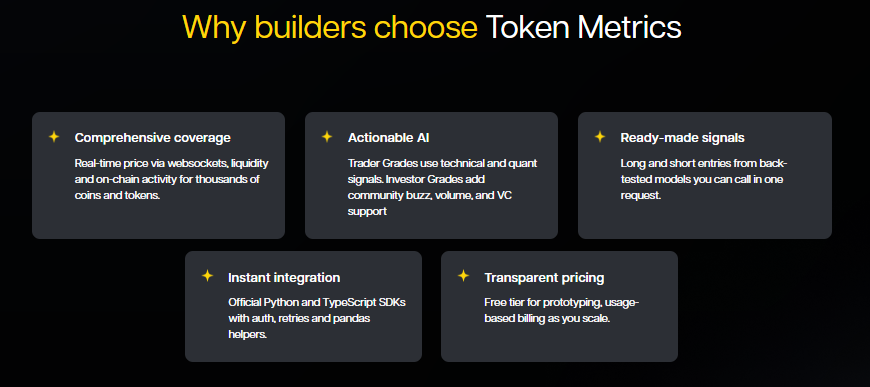
    • Strengths: Combines real-time prices, AI trading signals, ratings, portfolio analytics, and on-chain intelligence in one API.

    • Weaknesses: Free tier has rate limits (scalable through paid plans).

Why Token Metrics API Stands Out

Most crypto APIs specialize in one dimension (prices, exchange data, or on-chain metrics). Token Metrics unifies them all and adds AI intelligence on top.

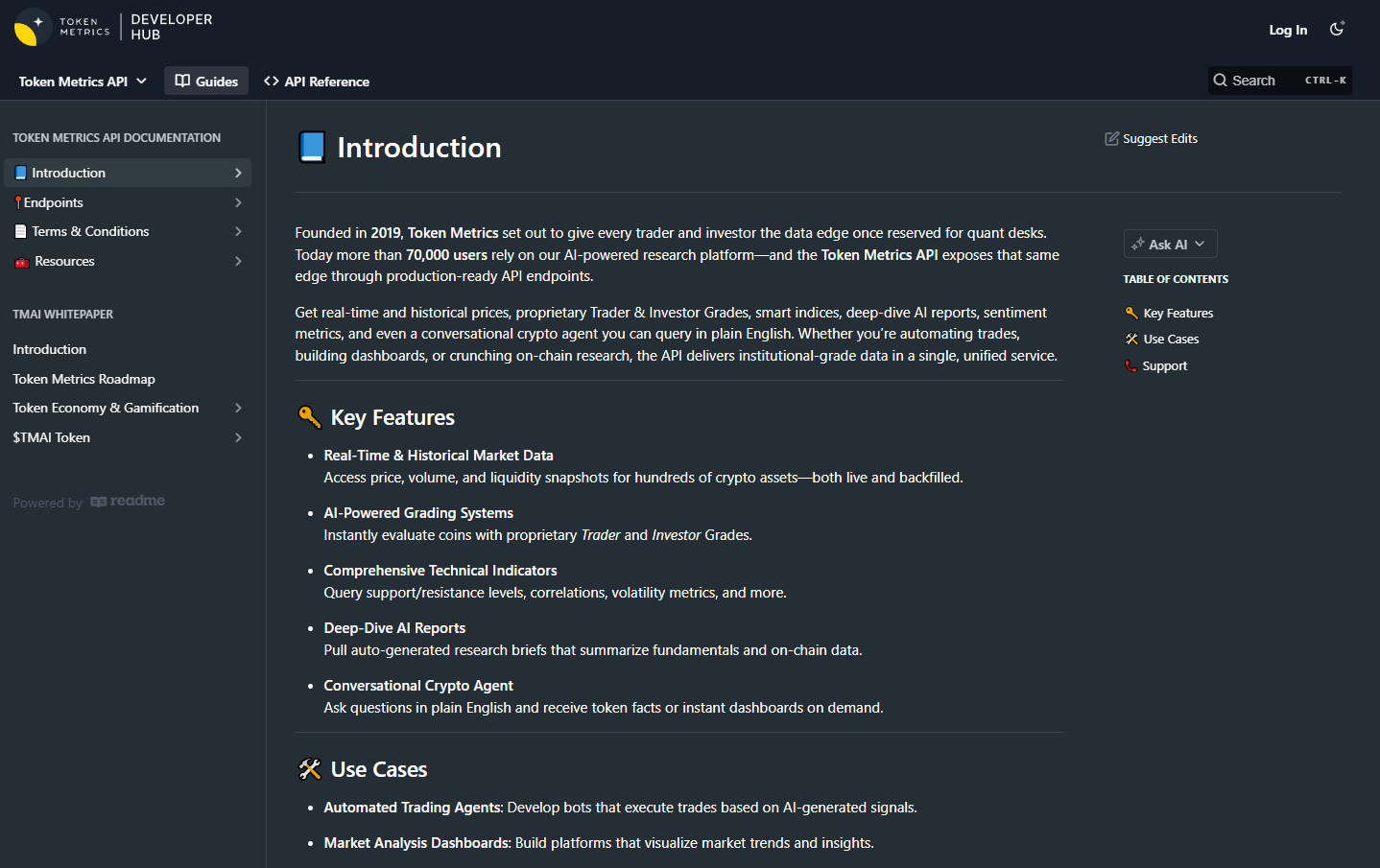
  • Comprehensive Coverage – Prices, historical datasets, indices, grades, and on-chain data.

  • AI Trading Signals – Unique bull/bear calls and predictive analytics unavailable in traditional APIs.

  • Portfolio Intelligence – Ratings and indices that give context to raw numbers.

  • Enterprise-Ready – Encrypted endpoints, authentication, and scalable infrastructure.

  • Developer Friendly – Clear docs, quick-start guides, and responsive support.

📌 Put simply: most crypto APIs give you data. Token Metrics gives you data + intelligence.

Use Cases: From AI Crypto Trading Bots to Research Dashboards

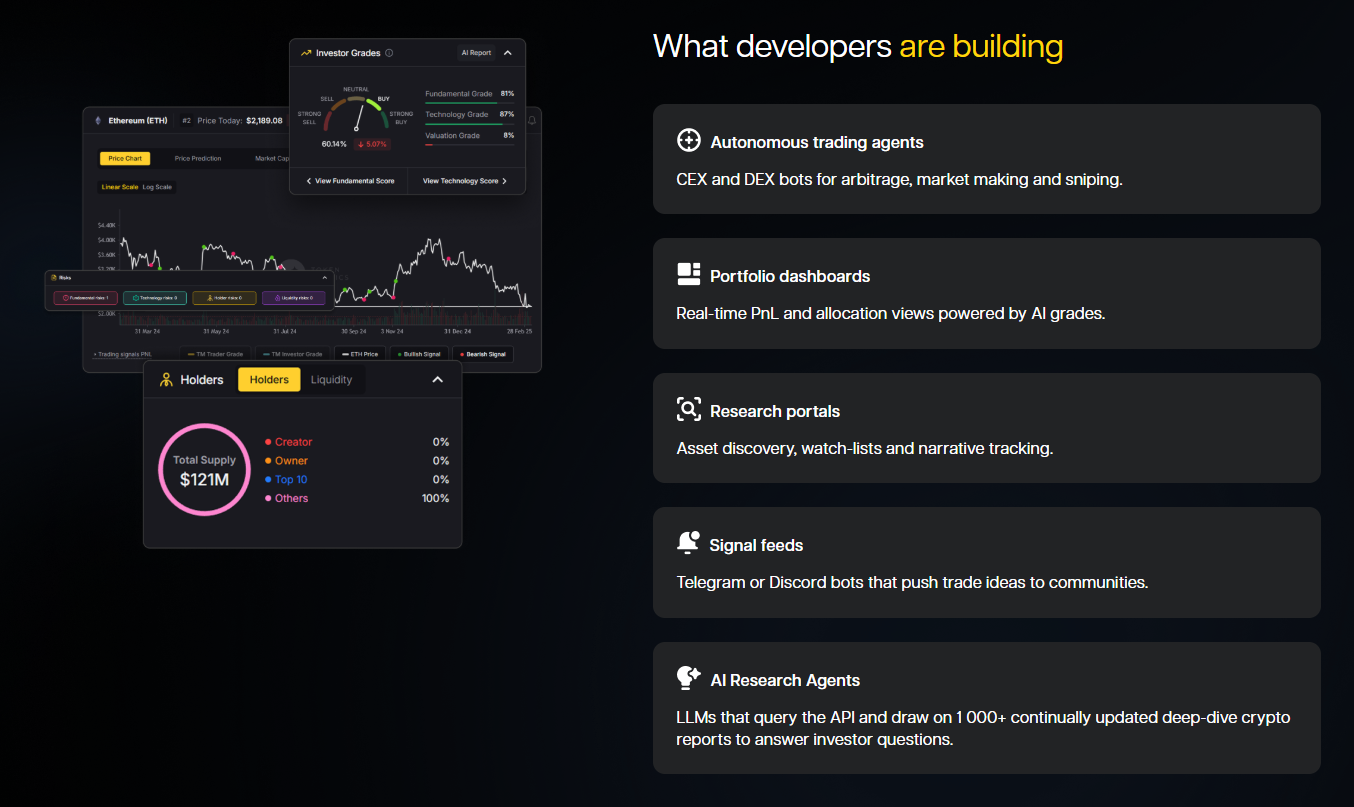
  • AI Trading Bots – Execute strategies using both real-time prices and predictive signals.

  • DeFi Dashboards – Aggregate wallet flows, liquidity data, and token ratings.

  • Crypto Research Tools – Combine historical OHLC data with Token Metrics grades.

  • AI Agents – Power AI apps with actionable signals, not just raw feeds.

  • Enterprise Analytics – Build institutional dashboards with indices and compliance-ready datasets.

Best Practices for Implementing a Crypto API

  1. Prototype Across Providers – Test CoinGecko, Token Metrics, and others in parallel.

  2. Abstract Your Integration – Use a middleware layer to make switching APIs easier.

  3. Secure Your Keys – Store credentials safely and rotate them regularly.

  4. Plan for Scale – Rate limits hit fast; design for bursts in traffic.

  5. Leverage AI-Enhanced APIs – This is where user expectations are heading.

📌 For production apps: always monitor crypto API latency and uptime with tools like Datadog or Grafana.

Beyond Token Metrics: Other Useful Resources

While Token Metrics API offers an all-in-one solution, developers can also explore other resources for specialized needs:

  • Dune Analytics – Great for custom SQL-based blockchain queries.

  • DefiLlama API – Free API focused on DeFi protocol yields and TVL.

  • Santiment API – Alternative on-chain and sentiment analytics.

  • TradingView – Charting and integration options for front-end visualizations.

📌 Strategy tip: many developers combine multiple APIs—Token Metrics for signals + CoinGecko for breadth + DefiLlama for yields—to cover all angles.

Frequently Asked Questions About Crypto APIs

Which crypto API is best overall?
If you want real-time data plus AI-powered insights, crypto api is used. Token Metrics Api is the strongest all-in-one option. For niche use cases, CoinGecko is good for prices, Glassnode for on-chain analytics.

Is Token Metrics API free?
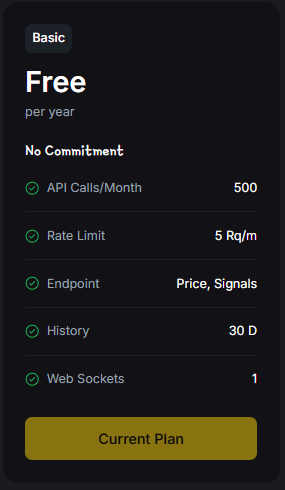
Yes, the free tier is perfect for prototyping. Paid plans unlock faster throughput, more history, and advanced endpoints.

How is Token Metrics different from CoinGecko?
CoinGecko tracks prices broadly. Token Metrics layers AI signals, indices, and predictive analytics for trading and research.

Can I build a trading bot with Token Metrics API?
Yes—many developers use the low-latency price feeds and predictive signals to power automated strategies.

Scaling With Paid Plans and X.402

As your project grows, Token Metrics offers flexible upgrade paths:

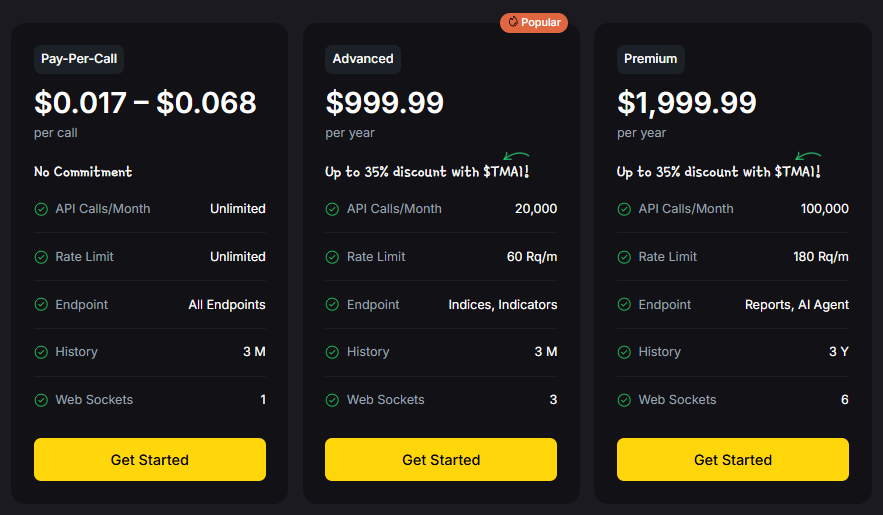
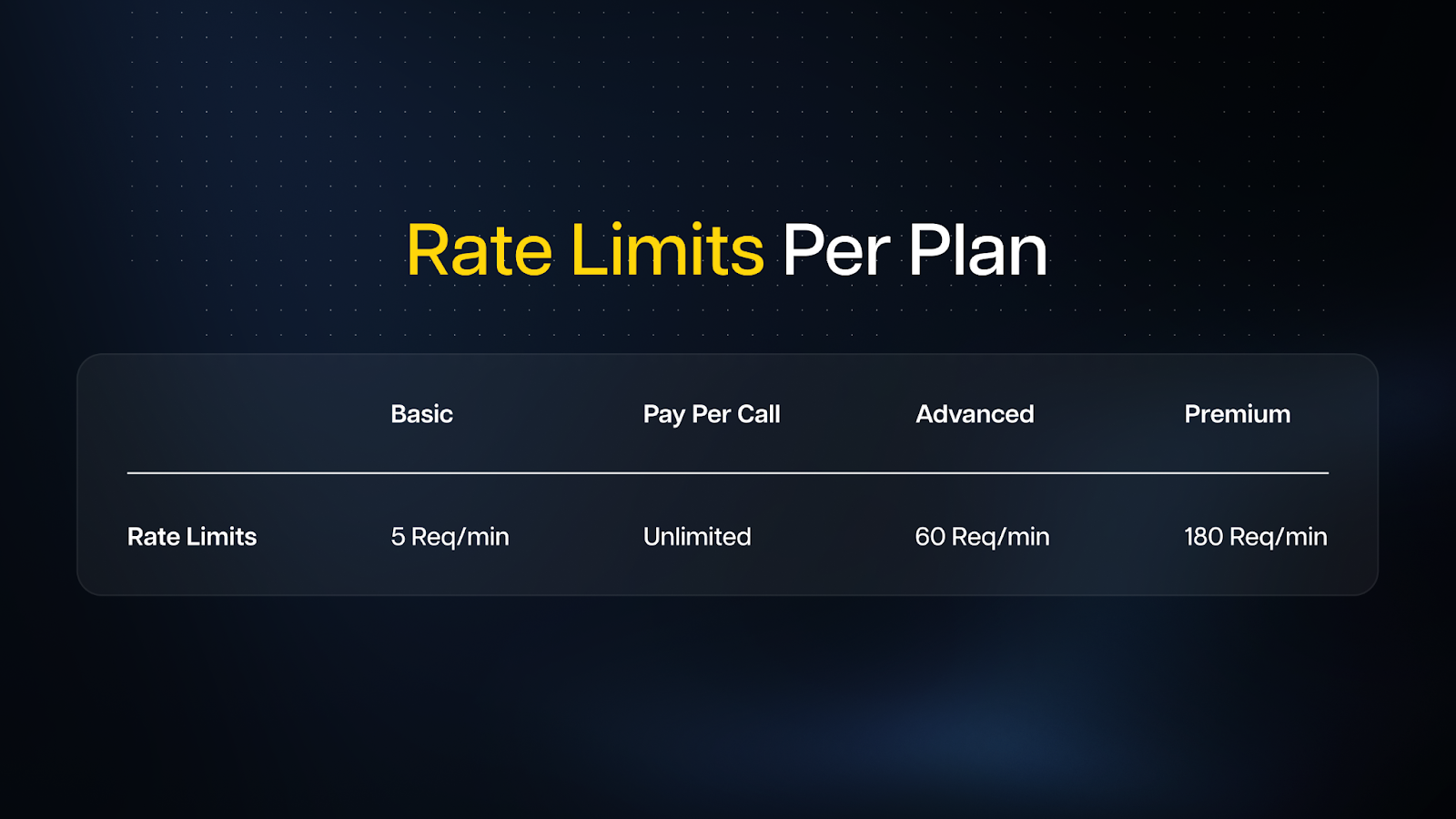
  • Pay-Per-Call (X.402) – As low as $0.017 per call, no commitment. Unlimited calls, all endpoints, and 3 months of historical data.

  • Advanced Plan ($999.99/year) – 20,000 calls/month, access to indices & indicators, 3 WebSockets.

  • Premium Plan ($1,999.99/year) – 100,000 calls/month, all endpoints including AI Agent & Reports, 3 years of historical data, and 6 WebSockets.

With up to 35% discounts when paying in TMAI tokens, scaling is cost-efficient.

📌 Why X.402 matters: Instead of locking into an annual plan, you can scale gradually with pay-per-call pricing—perfect for startups and experimental apps.

Build Smarter, Scale Easier

The best crypto API doesn’t just serve data—it helps your app think, act, and adapt. With Token Metrics, you start free, learn fast, and scale seamlessly. Combine it with other specialized APIs when needed, and you’ll have a development stack that’s both powerful and future-proof.

👉 Grab Your Free Token Metrics API Key and Start Building

‍

Token Metrics API

Fast Crypto API: Real-Time Data Without the Lag

Sam Monac
9 min
MIN

Why Speed Matters in a Crypto API

In crypto, milliseconds can make or break a trade. Whether you’re building a high-frequency bot, a risk management tool, or a market dashboard, slow crypto APIs lead to:

  • Missed trade opportunities during volatility

  • Bots that lag behind signals

  • Dashboards that feel sluggish

  • Risk models that update too late

📌 Example: In a Bitcoin price swing, even a 500 ms delay can translate to thousands in lost value for trading bots. That’s why developers emphasize low latency when choosing best Crypto APIs.

What Defines a “Fast” Crypto API

Not every Crypto API marketed as “fast” is built the same. A truly fast crypto API provides:

  • Low Latency Feeds – Sub-second updates across major tokens and exchanges.

  • WebSocket Support – Push-based data streams instead of slower polling.

  • Scalable Infrastructure – Resilient under heavy traffic spikes.

  • Global Edge Delivery – Reduced latency for users worldwide.

📌 Tip for builders: Always benchmark an API in real market conditions (during volatility) to see if “fast” performance holds up under stress.

Comparing Fast Crypto APIs: Strengths & Limitations

  • CoinGecko / CoinMarketCap


    • Strengths: Broad token coverage, good for price tickers.

    • Limitations: Refresh cycles can lag; not ideal for bots or real-time dashboards.

  • CryptoCompare


    • Strengths: Strong historical data for research.

    • Limitations: Not optimized for ultra-fast live feeds.

  • Glassnode


    • Strengths: On-chain metrics and blockchain health insights.

    • Limitations: Focused on analytics, not real-time trading data.

  • Token Metrics API


    • Strengths: Sub-second updates, fast bull/bear signals, predictive AI, and on-chain metrics.

    • Limitations: Free tier includes rate limits (higher throughput available via X.402 or paid plans).

Token Metrics API: Fast + Intelligent

What sets Token Metrics API apart is that it’s not just fast data—it’s fast intelligence:

  • Real-Time Prices – Thousands of tokens continuously updated.

  • AI Trading Signals – Bull/bear predictions delivered instantly.

  • On-Chain Metrics – Track wallet flows, liquidity, and token behavior in near real time.

  • Scalable Performance – Built to withstand institutional-grade usage during volatility.

📌 Instead of just reacting to prices, developers can anticipate market shifts with AI-driven signals.

Use Cases: From Trading Bots to AI Agents

  • High-Frequency Trading Bots – Execute strategies using low-latency feeds and predictive signals.

  • DeFi Dashboards – Display liquidity flows and token activity in real time.

  • Risk Management Systems – Keep risk models updated second by second.

  • AI Agents – Power intelligent assistants with actionable streaming data.

Best Practices for Building With Fast APIs

  1. Use WebSockets – Relying only on REST endpoints introduces unnecessary delay.

  2. Benchmark During Volatility – Test APIs when the market is busiest.

  3. Optimize Request Handling – Cache where possible to avoid unnecessary calls.

  4. Monitor Latency – Use observability tools like Grafana or New Relic to track delays.

  5. Failover Strategy – Have a backup API (e.g., CoinGecko) if primary data slows.

Beyond Token Metrics: Other Tools to Explore

Token Metrics API excels at fast data + signals, but developers often combine it with other tools for a full-stack setup:

  • DefiLlama API – Best for free DeFi protocol data and yield metrics.

  • Dune Analytics – Query blockchain data in real time with SQL.

  • TradingView Webhooks – Add instant chart-based triggers for front ends.

  • Kaiko / Amberdata – Enterprise-grade APIs for institutional price feeds.

📌 Pro tip: Use Token Metrics for predictive signals, and pair it with TradingView or DefiLlama for visualization and DeFi-specific data.

How to Start Using the Token Metrics Fast API

  1. Sign Up Free – Create a Token Metrics account.

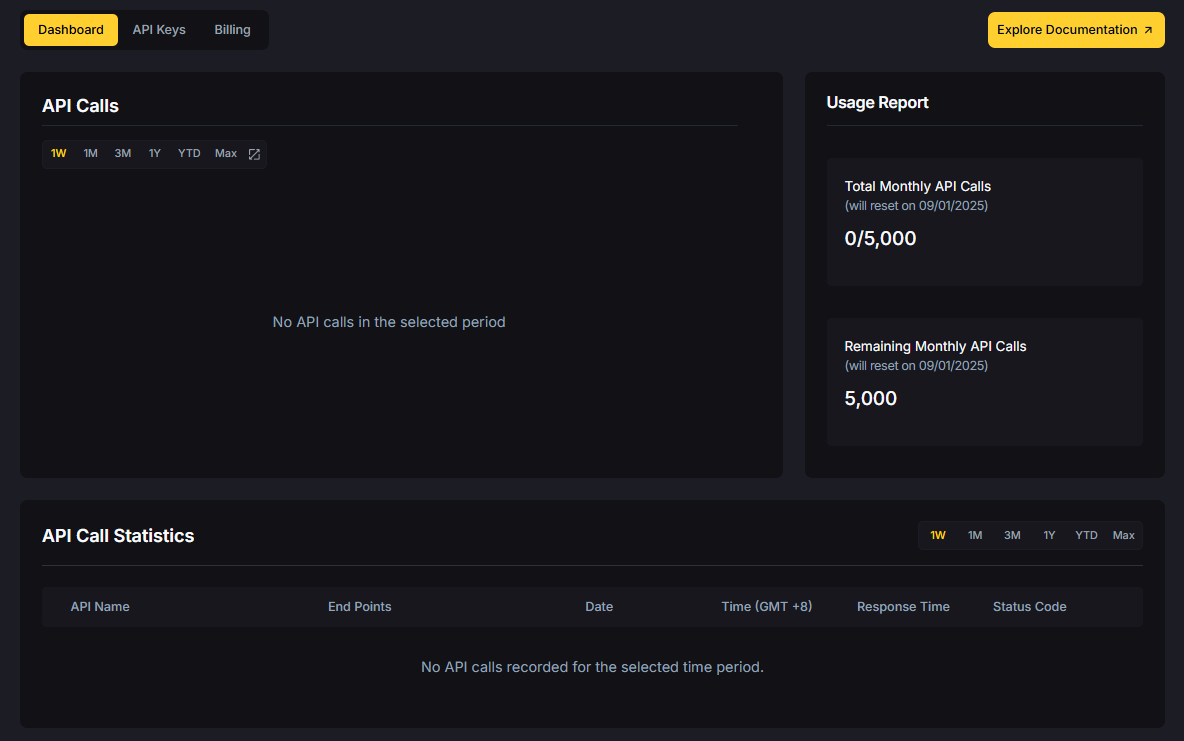
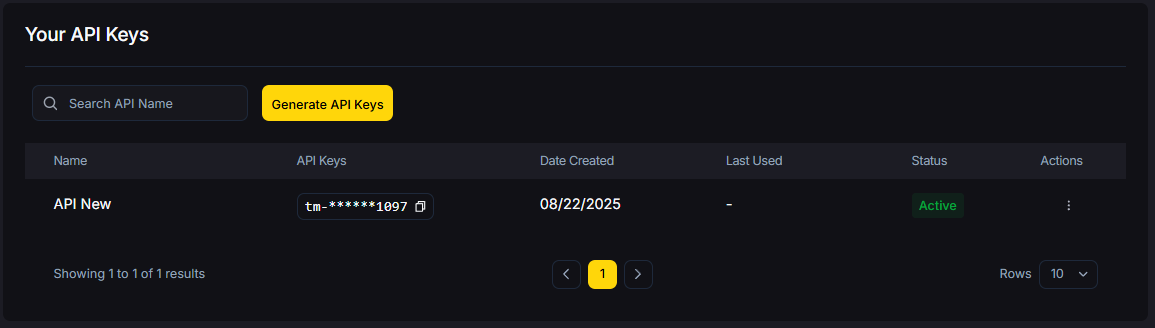
  2. Generate Your API Key – Instantly available in your dashboard.

  3. Choose WebSockets or REST – Based on your use case.

  4. Start Building – Bots, dashboards, or risk models with sub-second data.

👉 Get Your Free Token Metrics API Key

Scaling Fast With Paid Plans & X.402

When free limits aren’t enough, Token Metrics offers:

  • Pay-Per-Call (X.402) – From $0.017 per call, unlimited usage, all endpoints, and 3 months of history.

  • Advanced Plan ($999.99/year) – 20,000 calls/month, indices & indicators, 3 WebSockets.

  • Premium Plan ($1,999.99/year) – 100,000 calls/month, AI agent + reports, 3 years of history.

📌 Why X.402 matters: You can start scaling instantly with no upfront cost—just pay per call as you grow.

Build With the Fastest Insights in Crypto

In crypto, speed without intelligence is noise. With Token Metrics Fast Crypto API, you get sub-second price data + AI-driven insights, giving your trading bots, dashboards, and AI agents the real-time edge they need.

👉 Start Free With Token Metrics API

Token Metrics API

Best Crypto Prices API: Accurate, Real-Time, and AI-Enhanced

Sam Monac
8 min
MIN

Why Price Data Is the Core of Every Crypto App

No matter what kind of crypto app you’re building—a trading bot, a DeFi dashboard, or a research tool—the foundation is always accurate price data. Without it:

  • Traders miss entry and exit points.

  • Bots execute late or incorrectly.

  • Dashboards lose credibility with users.

  • Researchers can’t properly backtest models.

The best crypto prices API ensures:

  • Live, accurate prices across thousands of tokens.

  • Deep historical data (OHLC, tick-level) for research and backtesting.

  • Reliable updates even during volatile market swings.

  • Flexibility to support both real-time trading and long-term analytics.

📌 Example: An arbitrage bot relying on stale or inaccurate data won’t just underperform—it could lose money on every trade.

What Makes the Best Crypto Prices API

Not every API marketed for prices is built for precision. Key factors to consider include:

  • Accuracy – Are prices aggregated across multiple exchanges and validated?

  • Latency – Do you get sub-second updates with WebSocket streaming?

  • Historical Depth – Can you access years of OHLC and tick-level data?

  • Coverage – Spot markets, DeFi tokens, stablecoins, and derivatives.

  • Scalability – Rate limits that grow with your application’s user base.

  • Developer Experience – SDKs, documentation, and active support.

📌 Tip for developers: Start by asking, “Do I need accuracy, speed, or depth the most?” The answer often determines which API fits your project.

Comparing Leading Crypto Price APIs: Strengths & Trade-offs

  • CoinGecko & CoinMarketCap


    • Strengths: Excellent breadth—tens of thousands of tokens covered.

    • Trade-offs: Updates refresh more slowly; historical depth limited. Best for tickers and retail dashboards.

  • CryptoCompare


    • Strengths: Solid historical trade-level datasets for backtesting.

    • Trade-offs: Real-time speed is weaker than competitors.

  • Glassnode


    • Strengths: Advanced on-chain insights.

    • Trade-offs: Pricing data isn’t their main strength; better for researchers than traders.

  • Kaiko / Amberdata


    • Strengths: Enterprise-grade accuracy, broad market coverage.

    • Trade-offs: Expensive, geared toward institutions.

  • Token Metrics API
    • Strengths: Combines real-time accuracy, deep history, and AI-enhanced insights—giving more than raw prices.

    • Trade-offs: Free tier has rate limits (higher throughput unlocked via X.402 or paid plans).

Why Token Metrics API Stands Out

Where many crypto APIs stop at providing raw price feeds, Token Metrics API enriches price data with context and intelligence.

  • Real-Time Prices – Sub-second updates for Bitcoin, Ethereum, and thousands of tokens.

  • Deep Historical Data – Tick-level and OHLC datasets ideal for research.

  • Exchange-Aware Accuracy – Prices aggregated from multiple sources and validated for reliability.

  • AI Trading Signals – Bull/bear indicators layered on top of raw prices.

  • Portfolio Ratings – Token Metrics grades and indices for added context.

📌 Most crypto APIs give you numbers. Token Metrics gives you numbers + insights.

Use Cases: From Crypto Trading Bots to Dashboards

  • Trading Bots – Execute trades with accurate, low-latency feeds.

  • Market Dashboards – Provide users with credible, real-time prices and charts.

  • Backtesting Platforms – Use multi-year OHLCV data for strategy validation.

  • DeFi Trackers – Monitor token values and liquidity with precision.

  • AI Agents – Train ML models using validated, exchange-aware price data.

Best Practices for Working With Crypto Price Data

  1. Cross-Verify Prices – Use multiple APIs in parallel during testing.

  2. Cache Effectively – Cache non-volatile data to reduce API load.

  3. Use WebSockets – REST-only setups can introduce delays.

  4. Monitor Latency – Benchmark APIs during volatility (e.g., CPI announcements, Fed decisions).

  5. Plan for Failover – Integrate a secondary API as a backup if your primary feed fails.

📌 Example: Production apps can combine Token Metrics for intelligence + CoinGecko for breadth to balance reliability with insights.

Beyond Token Metrics: Other Crypto Price Data Resources

Developers often mix and match APIs to cover specialized needs:

  • DefiLlama API – For DeFi protocol yields and TVL.

  • Dune Analytics – Run SQL queries for custom blockchain metrics.

  • TradingView Widgets / Webhooks – For embedding charting into front ends.

  • Santiment – Adds sentiment data to complement price feeds.

Pairing Token Metrics with these resources gives developers a multi-layered data stack—accurate prices, predictive signals, and extra DeFi/social context.

How to Get Started With the Best Prices API

  1. Sign Up Free – Create a Token Metrics account.

  2. Generate Your API Key – Available instantly in your dashboard.

  3. Access Price Endpoints – Fetch real-time and historical datasets via REST or WebSockets.

  4. Start Building – Bots, dashboards, or backtesting frameworks.

  5. Upgrade When Ready – Scale throughput and unlock advanced endpoints.

👉 Get Your Free Token Metrics API Key

FAQs on Crypto Price APIs

Which crypto API has the best price accuracy?
Token Metrics validates data from multiple exchanges, ensuring cleaner and more reliable price feeds.

Can I get historical prices with Token Metrics API?
Yes—OHLC and tick-level datasets are available for multi-year backtesting.

Is the Token Metrics API free?
Yes, there’s a free tier for prototypes. Paid plans unlock higher request rates and advanced data.

How fast are Token Metrics updates?
Sub-second latency with WebSocket support for real-time responsiveness.

Scaling Beyond Free: Paid Plans & X.402

As your project scales, Token Metrics makes upgrading simple:

  • Pay-Per-Call (X.402) – From $0.017 per call, unlimited usage, no commitment.

  • Advanced Plan ($999.99/year) – 20,000 calls/month, indices & indicators, 3 WebSockets.

  • Premium Plan ($1,999.99/year) – 100,000 calls/month, AI agent & reports, 3 years of historical data.

📌 Why X.402 matters: Instead of locking into annual costs, you can pay as you grow—ideal for startups and experimental apps.

Build With the Best Crypto Prices API

In crypto, price accuracy is trust. Whether you’re building a bot, a dashboard, or a research tool, Token Metrics provides more than just numbers. With validated prices, deep history, and AI-enhanced insights, you can build applications that stand out.

👉 Start Free With Token Metrics API

‍

‍

Choose from Platinum, Gold, and Silver packages
Reach with 25–30% open rates and 0.5–1% CTR
Craft your own custom ad—from banners to tailored copy
Perfect for Crypto Exchanges, SaaS Tools, DeFi, and AI Products