





Where to Trade Indices: Complete Platform Guide for 2025
%201.svg)
%201.svg)
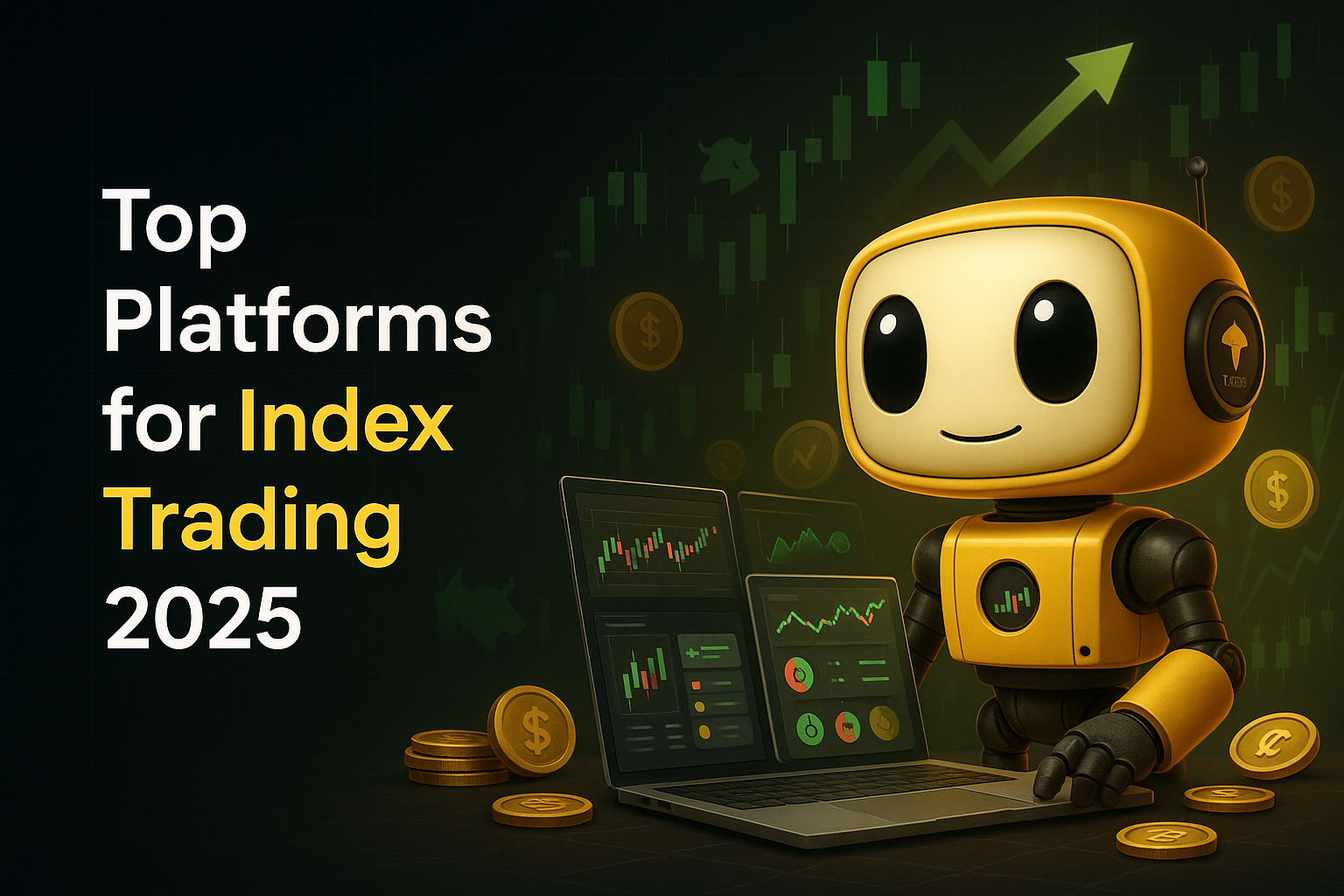

Finding the right platform to trade cryptocurrency indices can dramatically impact your investment experience, costs, and outcomes. With crypto indices gaining popularity as a way to gain diversified market exposure without managing dozens of individual positions, understanding where to trade them—and what makes one platform superior to another—has become essential knowledge for both novice and experienced investors.
Understanding Crypto Index Trading Platforms
Cryptocurrency indices represent baskets of digital assets that track specific market segments or strategies. Unlike traditional stock market indices that you might trade through any brokerage, crypto indices exist across a fragmented landscape of centralized exchanges, decentralized protocols, and specialized platforms. Each option presents distinct tradeoffs in terms of custody, transparency, fees, and ease of use.
The platform you choose determines not just transaction costs, but also whether you maintain control of your assets, how easily you can verify what you actually own, and whether the index operates according to clear, auditable rules. These considerations matter far more in cryptocurrency than in traditional finance, where regulatory oversight provides baseline protections largely absent in the crypto ecosystem.
Token Metrics Indices Hub: The Integrated Solution
Token Metrics has built a dedicated Indices hub at tokenmetrics.com/indices that addresses the key pain points of crypto index investing. This platform combines rules-based index products with embedded wallet technology, creating a seamless experience from research to execution to ongoing management.
The flagship TM Global 100 index exemplifies this approach. It holds the top 100 cryptocurrencies by market cap during bullish conditions and automatically switches to stablecoins when market signals turn bearish. The entire position rebalances weekly, with all holdings, transaction history, and strategy rules visible in the interface.
What distinguishes Token Metrics from alternatives is the integration between research and execution. Users who follow Token Metrics' market analysis can translate those insights directly into positions through one-click purchases, completing transactions in approximately 90 seconds. The embedded, self-custodial smart wallet eliminates the need to navigate multiple platforms or manage complex on-chain interactions manually.
Centralized Exchange Options
Major cryptocurrency exchanges like Binance, Coinbase, and Kraken offer some index-like products, typically structured as baskets or themed portfolios. These platforms provide familiar interfaces and substantial liquidity, making them accessible entry points for newcomers to crypto index investing.
However, centralized exchange index products often lack true automation and transparency. Many require you to manually rebalance positions, defeating the purpose of index investing. The custody model means you're trusting the exchange with your assets rather than maintaining control through self-custody. Additionally, the strategies governing these products may not be clearly documented or consistently executed.
Fee structures on centralized exchanges can be complex and difficult to compare. Trading fees, withdrawal fees, and potential management fees compound in ways that aren't always obvious until you've been using the platform for months. The convenience of centralized platforms comes with meaningful tradeoffs that serious investors should carefully consider.
Decentralized Protocol Approaches
Decentralized finance (DeFi) protocols offer index products through smart contracts on blockchains like Ethereum, Polygon, and others. Projects like Index Coop and PowerPool create tokenized indices that trade like regular cryptocurrencies, maintaining their basket composition through smart contract logic.
The advantage of DeFi indices lies in their permissionless nature and the transparency of on-chain operations. Anyone can verify holdings and rebalancing activity by examining blockchain data. Self-custody is built into the model—you hold index tokens in your own wallet rather than trusting a custodian.
The challenges include higher technical barriers to entry, gas fees that can make small positions uneconomical, and the need to manage private keys and wallet security yourself. Smart contract risk adds another consideration—bugs or exploits in the code governing index composition could result in loss of funds. For users comfortable with DeFi mechanics, these protocols offer powerful options, but they're not ideal for everyone.
Traditional Finance Platforms with Crypto Exposure
Some traditional investment platforms now offer cryptocurrency index products, typically through futures or trusts rather than direct asset holdings. Platforms like Fidelity, Charles Schwab, and others have introduced crypto exposure for their clients, including some index-like products.
These options appeal to investors who prefer the regulatory framework and familiar interfaces of traditional finance. Account protections, tax reporting, and customer support typically exceed what's available in native crypto platforms. However, the products themselves often track crypto market performance indirectly through derivatives rather than holding actual cryptocurrencies, introducing tracking error and counterparty risk.
Fees for crypto exposure through traditional platforms tend to be higher than native crypto solutions, and the available products are limited compared to the broader crypto index ecosystem. These platforms work well for traditional investors dipping their toes into crypto, but serious crypto participants usually seek more direct exposure.
Key Factors When Choosing Where to Trade
Several considerations should guide your platform selection. Custody model determines whether you or the platform controls your assets—self-custody provides security and autonomy but requires technical competence, while custodial solutions offer convenience at the cost of control and potential regulatory risk.
Transparency and verifiability separate quality platforms from opaque ones. Can you see exactly what assets the index holds? Are rebalancing events logged and auditable? Is the strategy governing index composition clearly documented? Platforms that can't answer these questions affirmatively should raise red flags.
Fee structure impacts long-term returns significantly. Look beyond headline trading fees to understand total costs including gas fees, platform fees, slippage, and any management or rebalancing charges. The cheapest-appearing option often proves expensive once all costs are accounted for.
Ease of use matters more than many investors initially realize. Clunky interfaces, complex rebalancing processes, and unclear fee disclosures create friction that either discourages proper portfolio management or leads to costly mistakes. The best platform is one you'll actually use correctly and consistently.
Why Token Metrics Indices Stands Out
Token Metrics Indices addresses the weaknesses common to alternative platforms while preserving their strengths. The self-custodial embedded wallet provides security without requiring users to manage private keys manually or navigate complex DeFi protocols. One-click purchasing and clear fee disclosure at checkout remove friction from the investment process. Weekly automatic rebalancing eliminates the manual effort that makes index investing on exchanges time-consuming, while the regime-switching methodology provides downside protection that pure passive indices lack. Complete transparency through strategy documentation, holdings displays, and transaction logs ensures you always know what you own and why.
The integration with Token Metrics' broader research ecosystem creates unique value—analysis and actionable positions exist on the same platform, reducing the gap between insight and execution. For users already consuming Token Metrics research, the Indices hub represents the natural evolution of that relationship.
Discover Crypto Gems with Token Metrics AI
Token Metrics uses AI-powered analysis to help you uncover profitable opportunities in the crypto market. Get Started For Free
Getting Started with Index Trading
Begin by joining the waitlist at the Token Metrics Indices hub to secure access to new products as they launch. While waiting, familiarize yourself with index concepts, review the strategy documentation for products like TM Global 100, and consider how indices might fit within your broader investment approach.
When access becomes available, start with smaller positions to understand the mechanics before committing significant capital. Review the fee preview carefully at checkout, and track your position's performance through the My Indices dashboard to verify that the index behaves as documented.
Consider indices as a core holding for broad market exposure while potentially using individual positions for tactical opportunities. This barbell approach—rules-based index core with selective satellite positions—combines the discipline of systematic investing with the flexibility to act on high-conviction ideas.
Conclusion
Where you trade indices matters as much as which indices you trade. Platform selection affects custody, transparency, costs, and user experience in ways that compound over time to create dramatically different outcomes. Token Metrics offers a solution purpose-built for crypto index investing, combining the best elements of centralized convenience, DeFi transparency, and systematic strategy execution.
By providing self-custodial security, one-click simplicity, automatic rebalancing, and complete operational transparency, Token Metrics creates the ideal environment for both index investing newcomers and experienced traders seeking a disciplined core holding. Join the waitlist at tokenmetrics.com/indices to experience the next generation of crypto index trading.
AI Agents in Minutes, Not Months

.svg)


%201.svg)


.png)










.svg)
No Credit Card Required


Online Payment


SSL Encrypted
.png)
Token Metrics Media LLC is a regular publication of information, analysis, and commentary focused especially on blockchain technology and business, cryptocurrency, blockchain-based tokens, market trends, and trading strategies.
Token Metrics Media LLC does not provide individually tailored investment advice and does not take a subscriber’s or anyone’s personal circumstances into consideration when discussing investments; nor is Token Metrics Advisers LLC registered as an investment adviser or broker-dealer in any jurisdiction.
Information contained herein is not an offer or solicitation to buy, hold, or sell any security. The Token Metrics team has advised and invested in many blockchain companies. A complete list of their advisory roles and current holdings can be viewed here: https://tokenmetrics.com/disclosures.html/
Token Metrics Media LLC relies on information from various sources believed to be reliable, including clients and third parties, but cannot guarantee the accuracy and completeness of that information. Additionally, Token Metrics Media LLC does not provide tax advice, and investors are encouraged to consult with their personal tax advisors.
All investing involves risk, including the possible loss of money you invest, and past performance does not guarantee future performance. Ratings and price predictions are provided for informational and illustrative purposes, and may not reflect actual future performance.