Crypto Basics

Ethereum Wallets - Top 8 Picks for Secure Crypto Storage

Discover the 8 best Ethereum wallets of 2023. Safely store, manage, and protect your valuable ETH holdings with these secure and user-friendly wallets.
Token Metrics Team
10 Minutes
MIN

As more people invest in Ethereum and engage in decentralized applications (DApps) built on the Ethereum blockchain, the need for secure and reliable Ethereum wallets becomes crucial.

Ethereum wallets serve as digital vaults for storing and managing your Ethereum holdings, allowing you to send, receive, and monitor your transactions securely.

In this article, we will explore some of the best Ethereum wallets available, each offering unique features and benefits to cater to different user requirements.

Ethereum Wallet Overview

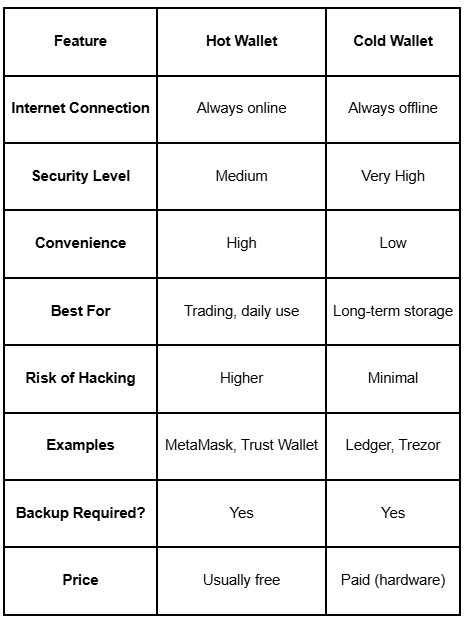
An Ethereum wallet is a software application or physical device that allows users to store, manage, and interact with their Ethereum assets. It consists of a private key that enables access to the funds and a public key for receiving funds. 

Ethereum wallets come in various forms, including hardware wallets, software wallets, and paper wallets, each with its own set of advantages and considerations.

Best Ethereum Wallets

Here is the list of 8 best Ethereum wallets to consider in 2023

1. MetaMask

MetaMask is a popular Ethereum wallet that functions as a browser extension. It allows users to manage their Ethereum funds directly from their web browser. 

MetaMask offers a user-friendly interface, making it an excellent choice for beginners. With MetaMask, you can easily store, send, and receive Ethereum, as well as interact with various DApps seamlessly.

Key features:

  • Browser Extension: MetaMask integrates seamlessly with popular web browsers, allowing users to access their Ethereum wallets directly from their browsers.
  • Token Management: You can easily manage various ERC-20 tokens within the MetaMask wallet.
  • DApp Support: MetaMask provides built-in support for decentralized applications (DApps), enabling seamless interaction with the Ethereum ecosystem.

Pros:

  • Easy-to-use interface.
  • Browser integration for convenient access.
  • Support for ERC-20 tokens and DApps.

Cons:

  • Relies on browser extensions, which can pose security risks if not used cautiously.
  • No desktop application.

2. Ledger Nano S

For those seeking maximum security, a hardware wallet like the Ledger Nano S is an ideal choice. 

The Ledger Nano S is a small device that securely stores your private keys offline, away from potential online threats. 

It offers a high level of protection for your Ethereum assets and supports multiple cryptocurrencies, making it a versatile option for crypto enthusiasts.

Key features:

  • Cold Storage: Private keys are stored offline on the device, providing an extra layer of security against hacking and malware.
  • Multi-Currency Support: In addition to Ethereum, the Ledger Nano S supports a wide range of other cryptocurrencies.
  • Backup and Recovery: The device allows users to create a backup of their wallet, ensuring that funds can be easily restored in case of loss or damage.

Pros:

  • Excellent security with offline storage.
  • Support for multiple cryptocurrencies.
  • Backup and recovery options.

Cons:

  • Requires an initial investment in the hardware device.
  • Not as user-friendly for beginners compared to software crypto wallets.

3. Trezor Model T

Similar to the Ledger Nano S, the Trezor Model T is a hardware wallet designed to keep Ethereum and other cryptocurrencies safe. 

It provides advanced security features, including a touchscreen display for secure transaction verification and a PIN code to access your wallet. The Trezor Model T is an excellent option for those who prioritize top-notch security.

Key features:

  • Touchscreen Display: The Trezor Model T features a color touchscreen display, making it easier to navigate and confirm transactions.
  • Passphrase Support: Users can set up an additional passphrase for enhanced security, protecting against physical theft.
  • Password Manager: The wallet includes a built-in password manager, ensuring secure storage of login credentials.

Pros:

  • Advanced security features.
  • Intuitive touchscreen interface.
  • Password management functionality.

Cons:

  • Higher price point compared to software wallets.
  • Limited storage capacity for certain cryptocurrencies.

4. MyEtherWallet

MyEtherWallet (MEW) is a popular web-based wallet that allows users to create and manage Ethereum wallets easily. 

It offers a simple and intuitive interface, making it accessible to both beginners and experienced users. MEW also provides features like token swaps and integration with hardware wallets for enhanced security.

Key features:

  • Private Key Control: MEW allows users to retain full control over their private keys, enhancing security.
  • Token Compatibility: The wallet supports a wide range of ERC-20 tokens, ensuring compatibility with various Ethereum-based projects.
  • Integration with Hardware Wallets: MEW can be connected to hardware wallets like Ledger and Trezor for an added layer of security.

Pros:

  • Full control over private keys.
  • Wide token compatibility.
  • Integration with hardware wallets.

Cons:

  • Vulnerable to phishing attacks if users access the website through malicious links.
  • Requires careful attention to security practices.

5. Exodus

Exodus is a desktop and mobile wallet that supports various cryptocurrencies, including Ethereum. It offers a visually appealing interface and a user-friendly experience, making it an excellent choice for beginners. 

Exodus provides a backup feature to secure your wallet and a built-in exchange for seamless crypto trading.

Key features:

  • Portfolio Tracker: The wallet includes a built-in portfolio tracker, allowing users to monitor their cryptocurrency holdings.
  • Exchange Integration: Users can exchange cryptocurrencies within the wallet through integrated exchanges, making it convenient for trading.
  • Customer Support: Exodus provides 24/7 customer support to address any issues or concerns.

Pros:

  • User-friendly interface.
  • Portfolio tracking and exchange integration.
  • Responsive customer support.

Cons:

  • Less secure compared to hardware wallets.
  • Limited to supported cryptocurrencies.

6. Trust Wallet

Trust Wallet is a mobile wallet that enables users to manage their Ethereum and interact with DApps directly from their smartphones. 

It offers a decentralized and secure platform for storing and trading Ethereum, with a user-friendly interface. Trust Wallet also supports various other cryptocurrencies, making it a versatile option for multi-asset holders.

Key features:

  • Mobile Accessibility: Trust Wallet is available for both iOS and Android devices, allowing users to access their wallets from anywhere.
  • DApp Browser: The wallet includes a built-in DApp browser, enabling direct interaction with decentralized applications.
  • Biometric Authentication: Users can secure their wallets using biometric .authentication methods, such as fingerprint or face recognition.

Pros:

  • Mobile convenience and accessibility.
  • Built-in DApp browser for easy interaction.
  • Biometric authentication for enhanced security.

Cons:

  • Limited to mobile devices.
  • Potential security risks if the device is compromised.

7. Atomic Wallet

Atomic Wallet is a multi-cryptocurrency wallet that supports Ethereum and many other digital assets. It provides a sleek and user-friendly interface, along with features like staking and decentralized exchanges. 

Atomic Wallet offers enhanced security with private key encryption and local storage, ensuring the safety of your Ethereum holdings.

Key Features:

  • Multi-currency Support.
  • It features a built-in decentralized exchange that enables users to swap cryptocurrencies directly.
  • Atomic Wallet supports atomic swaps, which allows for peer-to-peer cryptocurrency trades without the need for intermediaries.
  • The wallet offers staking capabilities, allowing users to earn passive income.

Pros:

  • Atomic Wallet has an intuitive and user-friendly interface.
  • Cross-Platform Compatibility: It is available for desktop, mobile, and as a web-based wallet, providing flexibility and accessibility.
  • Atomic Wallet is privacy focused and does not collect or store users' personal information, enhancing privacy and anonymity.
  • Atomic Wallet has an active community and provides support through various channels.

Cons:

  • Limited Currency Support.
  • Atomic Wallet relies on the underlying blockchain networks for transactions, so users may encounter varying network fees depending on the cryptocurrency.
  • Although Atomic Wallet emphasizes security, some features, such as the built-in exchange, rely on centralized components, which may introduce some level of centralization and counterparty risk.

8. Guarda Wallet

Guarda serves as a secure and user-friendly non-custodial Ethereum wallet, ensuring the utmost protection for your digital assets. With its intuitive interface, Guarda offers seamless access through desktop, mobile, and web platforms.

When you create a Guarda wallet, you retain exclusive control over your private key. This empowers you to have full authority over your Ethereum holdings and other cryptocurrencies. 

Guarda wallet sets itself apart by not requiring any personal information, establishing it as the preferred choice among leading Ethereum wallets.

Key Features:

  • Guarda Wallet supports a wide range of cryptocurrencies, allowing users to store, send, receive, and manage different digital assets in one place.
  • The wallet provides an integrated exchange service that allows users to swap cryptocurrencies within the wallet interface.
  • Guarda Wallet supports hardware wallet integration, enabling users to enhance the security of their funds.
  • Users can create their own tokens on selected blockchain networks using Guarda Wallet's token generation feature.

Pros:

  • Guarda Wallet offers a high level of security with features such as encryption, private key control, and hardware wallet integration, enhancing the protection of users' funds.
  • The wallet's availability on various platforms ensures that users can access their funds and manage their assets from different devices.
  • Guarda Wallet's support for a wide range of cryptocurrencies allows users to manage all their digital assets in one wallet, reducing the need for multiple wallets.
  • The wallet's intuitive interface and simple navigation make it easy for users to perform various cryptocurrency transactions.

Cons:

  • While Guarda Wallet offers an integrated exchange service, it relies on centralized exchanges for executing trades, which may raise concerns for users who prioritize decentralized trading options.
  • Compared to some other wallets, Guarda Wallet may have a more limited range of integrations with external platforms and services.
  • Guarda Wallet is a custodial wallet, meaning that the user's private keys are stored on Guarda's servers. This introduces a level of reliance on the wallet provider, as they have control over the user's funds.

Also Read - Is Ethereum Dead? - Complete Analysis for ETH Investors

Frequently Asked Questions

Q1. Can I use any Ethereum wallet to store other cryptocurrencies?

While some wallets, like Exodus and Atomic Wallet, support multiple cryptocurrencies, not all Ethereum wallets are designed to store other digital assets.

Make sure to check the wallet's supported cryptocurrencies before using it for anything other than Ethereum.

Q2. Are hardware wallets like Ledger Nano S and Trezor Model T worth the investment?

Hardware wallets provide an extra layer of security by keeping your private keys offline. If you hold a significant amount of Ethereum or other cryptocurrencies, investing in a hardware wallet can offer peace of mind and protect your assets from potential online threats.

Q3. Can I access my Ethereum wallet from multiple devices?

Yes, some wallets like Jaxx Liberty and Atomic Wallet offer cross-platform support, allowing you to access your Ethereum wallet from various devices, including desktop, mobile, and browser extensions. This flexibility enables you to manage your assets conveniently.

Q4. What should I do if I forget my Ethereum wallet's password?

It's crucial to securely store your wallet password or recovery seed phrase. If you forget your password, some wallets provide a recovery process using the seed phrase. 

However, if you lose both your password and seed phrase, it may result in permanent loss of access to your wallet and funds.

Q5. Are mobile wallets secure for storing Ethereum?

Mobile wallets like Trust Wallet provide a secure and convenient way to store Ethereum. They offer features like biometric authentication and encryption to safeguard your funds. 

However, it's essential to practice good mobile security habits, such as keeping your device's operating system and wallet app up to date.

Conclusion

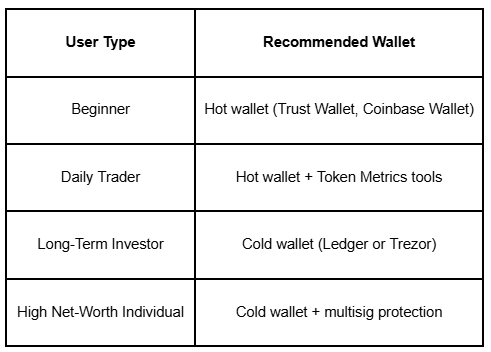
In conclusion, selecting the best Ethereum wallet depends on your specific requirements, preferences, and security concerns. The wallets mentioned in this article offer a range of options, from user-friendly web wallets to advanced hardware wallets.

Assess the features, security measures, and ease of use to find the perfect Ethereum wallet that suits your needs. Safeguard your Ethereum assets and explore the vast possibilities of the Ethereum ecosystem with confidence.

Disclaimer

The information provided on this website does not constitute investment advice, financial advice, trading advice, or any other sort of advice and you should not treat any of the website's content as such.

Token Metrics does not recommend that any cryptocurrency should be bought, sold, or held by you. Do conduct your own due diligence and consult your financial advisor before making any investment decisions.

Build Smarter Crypto Apps &
AI Agents in Minutes, Not Months
Real-time prices, trading signals, and on-chain insights all from one powerful API.
Grab a Free API Key
Token Metrics Team
Token Metrics Team

Recent Posts

Crypto Basics

Ripple (XRP) Price Prediction Analysis - Can it Reach $500 in Future?

Token Metrics Team
7 Minutes
MIN

Ripple (XRP) has been a prominent digital asset in the cryptocurrency space since its inception in 2013. Throughout its history, XRP has experienced significant price fluctuations, reaching an all-time high of $3.84 in early 2018. 

However, regulatory uncertainties and delisting on significant exchanges have caused XRP's price to retract over the years.

In this article, we will delve into the factors that could contribute to XRP's growth, analyze expert opinions on its potential price trajectory, and evaluate whether XRP has a chance of reaching $500.

Ripple (XRP) Overview

Ripple is a cryptocurrency and a digital payment protocol designed for fast and low-cost international money transfers. 

Unlike other cryptocurrencies, Ripple's primary focus is facilitating seamless cross-border transactions for financial institutions. Its native digital asset, XRP, acts as a bridge currency for transferring value between different fiat currencies.

Historical Performance of Ripple (XRP)

XRP has experienced both significant highs and lows throughout its existence. In early 2018, when the cryptocurrency market was in a state of euphoria, XRP reached its all-time high of $3.84. At that time, its market capitalization stood at $139.4 billion, accounting for 20% of the entire crypto market.

However, regulatory challenges and negative sentiment surrounding XRP led to a substantial price retracement. Currently, XRP is trading at around $0.50, a significant drop from its ATH. The current market capitalization of XRP is $26.29 billion, representing around 2.5% of the total crypto market capitalization.

Ripple (XRP) Current Fundamentals

Despite the price volatility, Ripple (XRP) has established strong partnerships and collaborations within the financial industry. It has joined forces with companies like Mastercard, Bank of America, and central banks worldwide. These partnerships demonstrate the potential for XRP to play a significant role in the global financial ecosystem.

Moreover, XRP has a decentralized circulating supply, with the top 10 addresses holding only 10.7% of the total supply. This decentralization sets XRP apart from other cryptocurrencies like Dogecoin and Ethereum, where a small number of addresses control a significant portion of the circulating supply.

Ripple (XRP) Price Prediction - Industry Experts Opinion

When it comes to predicting the future price of XRP, there is a wide range of opinions among industry experts. Let's explore some of the insights shared by analysts and traders.

Technical Analysis Predictions - Technical analysis is a popular method used to forecast price movements based on historical data and chart patterns. While it's important to consider other factors, technical analysis can provide valuable insights into potential price trends.

One technical analyst, known as NeverWishing on TradingView, has predicted that XRP could reach $33 by the end of the year. Their analysis suggests a potential correction in October, followed by a bullish surge in November.‍

Note - Start Your Free Trial Today and Uncover Your Token's Price Prediction and Forecast on Token Metrics.

Is Ripple (XRP) a Good Investment?

Whether Ripple (XRP) is a good investment depends on various factors, including individual risk tolerance, investment goals, and market conditions. 

It's essential to conduct thorough research and seek professional advice before making any investment decisions.

Ripple's solid partnerships and focus on solving real-world cross-border payment challenges have positioned it as a potential disruptor in the financial industry. 

If Ripple continues to expand its network and gain regulatory clarity, it could attract more institutional investors and potentially drive up the price of XRP.

However, it's crucial to note that investing in cryptocurrencies carries inherent risks, including price volatility and regulatory uncertainties. Investors should carefully consider these risks before allocating capital to XRP or any other digital asset.

Also Read - Uniswap Price Prediction

Can XRP Reach 500 Dollars?

No, Considering current market conditions and XRP fundamentals, it's nearly impossible to reach $500, but still, it's a topic of debate among analysts and traders. While it is theoretically possible, several factors make this price target highly unlikely soon.

To reach $500, XRP's price would need to increase by approximately 100,000% from its current price of $0.50. This would result in a market capitalization of over $26 trillion, surpassing the combined value of the four largest public companies in the world - Apple, Microsoft, Saudi Aramco, and Alphabet.

While XRP has demonstrated its potential for growth in the past, achieving such a high price target would require unprecedented market adoption and widespread usage of XRP in global financial transactions.

Risks and Rewards

Investing in XRP, like any other cryptocurrency, comes with risks and potential rewards. It's essential to consider these factors before making any investment decisions.

Risks:

  • Regulatory Uncertainty: XRP's status as a security has been a point of contention, leading to legal challenges and regulatory scrutiny. Any adverse regulatory decisions could negatively impact XRP's price and market sentiment.
  • Market Volatility: Cryptocurrencies, including XRP, are known for their price volatility. Sharp price fluctuations can result in substantial gains or losses, making it a high-risk investment.
  • Competition: XRP faces competition from other cryptocurrencies and digital payment solutions in the cross-border payment space. The success of XRP depends on its ability to differentiate itself and gain market share.

Rewards:

  • Potential for Growth: XRP has demonstrated its growth potential, reaching significant price highs. If Ripple continues to forge partnerships and gain regulatory clarity, XRP could experience further price appreciation.
  • Disruptive Technology: Ripple's technology has the potential to revolutionize cross-border payments by making them faster, more cost-effective, and more accessible. Increased adoption of Ripple's solutions could drive up the demand for XRP.
  • Diversification: Including XRP in an investment portfolio can provide diversification benefits, as cryptocurrencies often have a low correlation with traditional asset classes like stocks and bonds.

Future Potential of Ripple (XRP)

While reaching $500 soon may be highly unlikely, Ripple (XRP) still holds potential for growth and innovation in the long run. The company's partnerships, focus on solving real-world payment challenges, and disruptive technology position it well for future success.

As the global financial industry embraces digitalization and seeks more efficient cross-border payment solutions, Ripple and XRP could play a significant role in shaping the future of finance.

Finding Crypto Moonshots: How Token Metrics Helps You Spot the Next 100x Opportunity

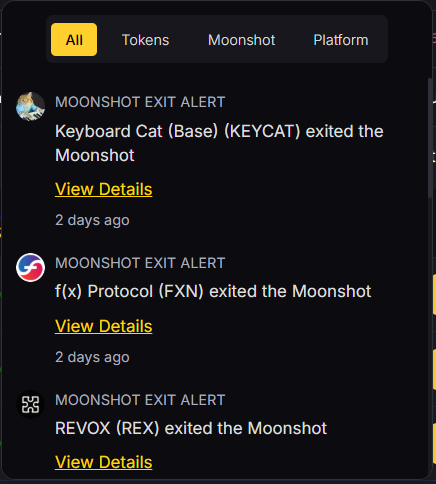
Token Metrics Moonshots

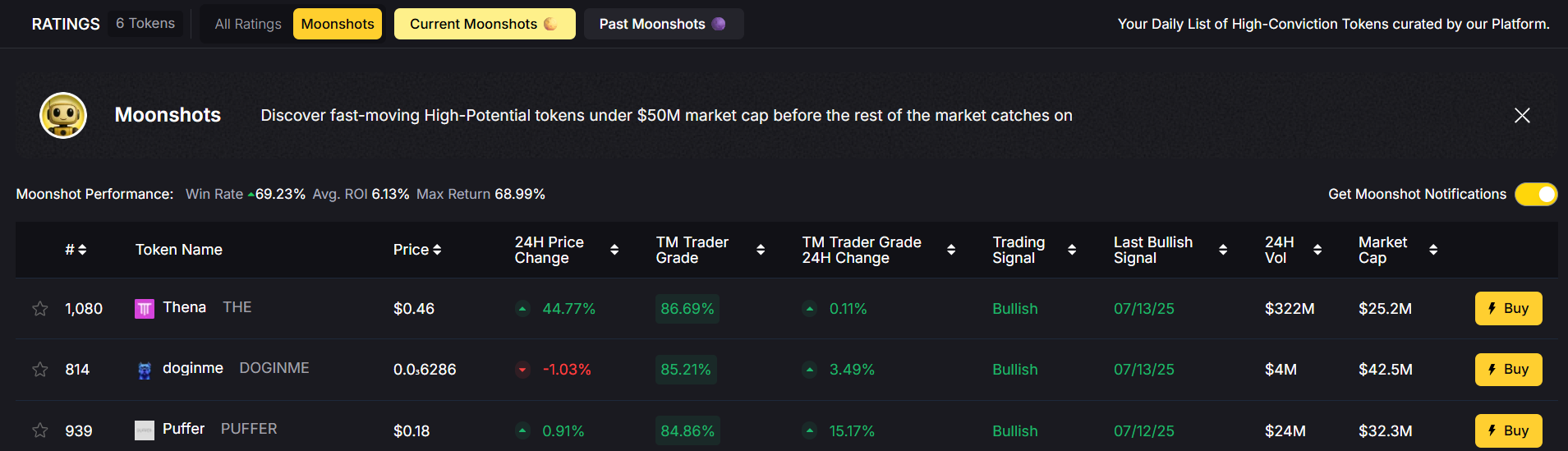
While XRP remains a strong contender in the digital payments space, the biggest gains in every crypto bull market often come from lesser-known, low-cap assets known as moonshots. A moonshot in crypto refers to a high-potential altcoin—typically with a market capitalization under $100 million—that is positioned to deliver outsized returns, often 10x to 100x or more. These tokens tend to fly under the radar until momentum, innovation, or narrative alignment triggers exponential growth. However, identifying the right moonshot before the crowd catches on requires more than luck—it demands deep research, data analysis, and precise timing.

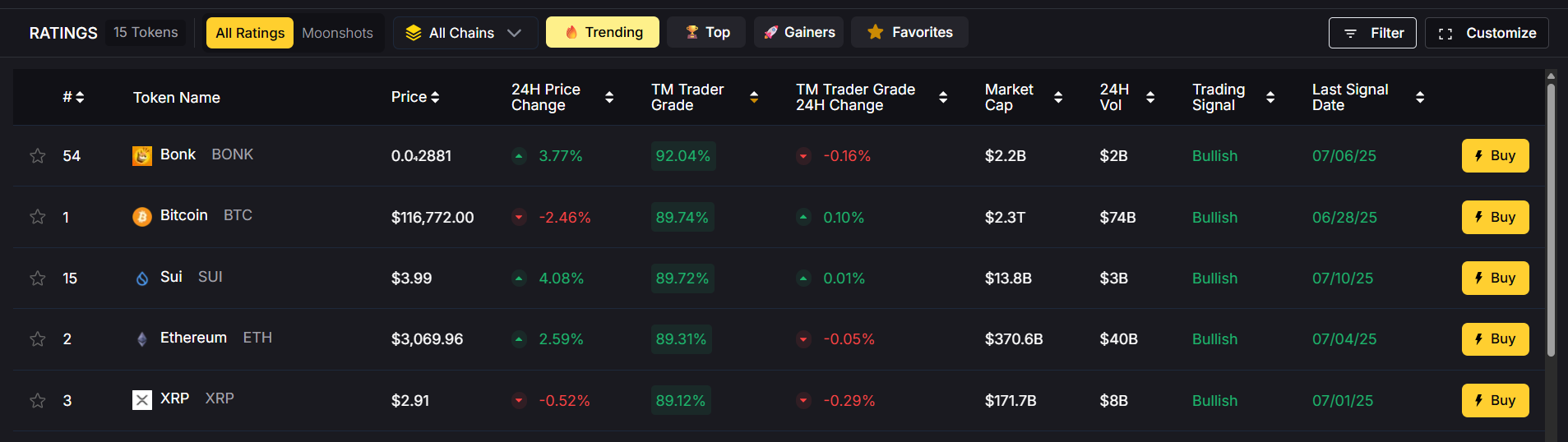
That’s where Token Metrics becomes an essential tool for any crypto investor. Powered by AI, data science, and years of market intelligence, Token Metrics makes it possible to discover altcoin moonshots before they go mainstream. The platform’s Moonshots Ratings Page surfaces under-the-radar crypto projects based on real-time performance data, low market cap, high trader/investor grade, and strong narrative alignment across sectors like AI, DePIN, Real-World Assets (RWAs), and Layer-1 ecosystems.

Finding a moonshot on Token Metrics is simple:

  • Step 1: Visit the Ratings section and click on the Moonshots tab.
  • Step 2: Filter tokens by market cap, volume, and recent ROI to identify breakout candidates.
  • Step 3: Analyze each token’s fundamentals via the Token Details page—including price charts, token holders, on-chain activity, and AI-generated forecasts.
  • Step 4: Compare with historical Past Moonshots to see which types of projects outperformed during previous cycles.
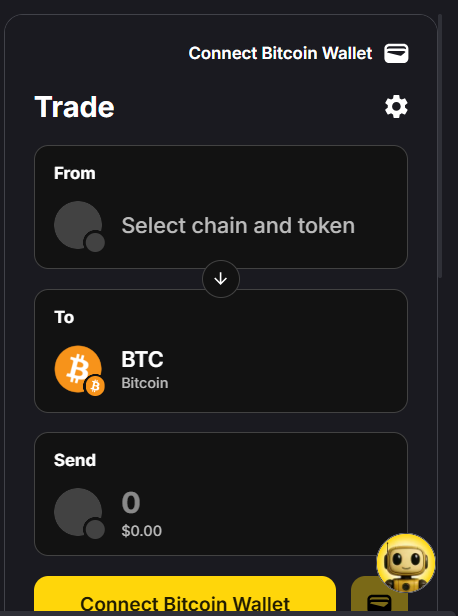
  • Step 5: Take action directly from the Moonshots page using Token Metrics’ integrated swap widget—making it fast and easy to buy when opportunity strikes.

What sets Token Metrics apart is its use of AI to track over 80+ metrics, giving you a data-driven edge to act before the rest of the market. It doesn't just highlight the next promising token—it gives you the context to build conviction. With features like Token Metrics AI Agent, you can ask questions like “What’s the best AI token under $50M?” or “Which moonshots have performed best this quarter?”—and get tailored answers based on real data.

In a volatile market where timing is everything, having a reliable tool to detect moonshots early can mean the difference between a 2x and a 100x. Whether you're diversifying beyond large caps like XRP or looking to deploy capital into asymmetric opportunities, Token Metrics offers the most powerful moonshot discovery engine in crypto. Start your free trial today to uncover the next breakout token before it hits the headlines—and potentially turn small bets into life-changing gains.

Conclusion

In conclusion, the possibility of XRP reaching $500 is a topic of debate. While some technical analysts and traders have made bullish predictions, the consensus among experts suggests that such a price target is highly unlikely soon.

Investors considering XRP should carefully evaluate its fundamentals, market conditions, and individual risk tolerance. While XRP has the potential for growth and innovation, investing in cryptocurrencies carries inherent risks that should not be overlooked.

As with any investment, it is crucial to conduct thorough research, seek professional advice, and make informed decisions based on your financial goals and risk tolerance.

Frequently Asked Questions

Q1. How was Ripple (XRP) first introduced to the cryptocurrency market?

Ripple (XRP) was first introduced to the cryptocurrency market in 2013 and has become a prominent digital asset.

Q2. Why is Ripple's focus primarily on financial institutions?

Ripple aims to revolutionize the traditional financial transaction system by providing fast and low-cost international transfers. Focusing on financial institutions helps them target the root of many cross-border transaction inefficiencies.

Q3. Has XRP ever been the subject of regulatory actions or legal challenges?

Yes, XRP has faced regulatory uncertainties and challenges regarding its status as a security, which has impacted its market sentiment and price.

Q4. How does XRP's decentralization compare to that of Bitcoin?

While XRP prides itself on a decentralized circulating supply, with the top 10 addresses holding only 10.7% of the total supply, Bitcoin is also decentralized but with different distribution metrics.

Q5. Are any major industry players who have expressed optimism or pessimism about XRP's future?

While the article does mention partnerships and collaborations, the sentiment of other major industry players varies, and thorough research is advised before investing.

Q6. How does XRP aim to differentiate itself from other cryptocurrencies in the cross-border payment space?

XRP's main differentiation is its primary focus on solving real-world cross-border payment challenges, its partnerships with major financial institutions, and its potential to provide faster, more cost-effective transactions.

Q7. What factors should be considered when deciding the right time to invest in XRP?

Prospective investors should consider XRP's historical performance, current market conditions, regulatory environment, partnerships, and individual risk tolerance before investing.

Q8. Where can potential investors seek professional advice specifically about XRP investments?

Potential investors should consult financial advisors, cryptocurrency experts, or investment firms familiar with the crypto market to get tailored advice about XRP investments.

Disclaimer

The information provided on this website does not constitute investment advice, financial advice, trading advice, or any other sort of advice, and you should not treat any of the website's content as such.

Token Metrics does not recommend that any cryptocurrency should be bought, sold, or held by you. Conduct your due diligence and consult your financial advisor before making investment decisions.

Crypto Basics

What is a Decentralized Autonomous Organization (DAO)?

Marcus K
7 Minutes
MIN

The world of cryptocurrency is constantly evolving, introducing new and innovative concepts that challenge traditional systems. 

One such revolutionary idea is the Decentralized Autonomous Organization, commonly referred to as a DAO. But what exactly is a DAO, and why is it gaining traction in the crypto community? Let's explore.

A Simplified Definition of a DAO

A DAO, or Decentralized Autonomous Organization, is a cutting-edge model that functions without centralized governance. Championed by blockchain advocates, it embodies collective action towards mutual goals using a grassroots management style. 

DAOs rely on smart contracts — digital protocols on blockchain platforms — which guarantee open, unchangeable operations without the need for a central overseer. This ensures enhanced transparency and security.

History of DAO?

The concept of DAOs (Decentralized Autonomous Organizations) traces its origins to the early ideation of blockchain and the desire to create decentralized governance models. The term "DAO" first gained prominence with the launch of "The DAO" in 2016—a crowdfunded venture capital fund on the Ethereum platform. 

It raised over $150 million in a short span, showcasing the power of decentralized decision-making. However, it also faced security breaches, leading to significant losses and eventually resulting in a hard fork of Ethereum. 

This event highlighted both the potential and challenges of DAOs. Over the years, the crypto community has learned from these early experiences, refining the DAO model and its governance structures, leading to the more secure and efficient DAOs we see today.

Breaking Down the Components of a DAO

Decentralized: Unlike traditional organizations, there's no centralized leadership in a DAO. Decisions are made collectively by its members.

Autonomous: DAOs operate automatically and can function without human intervention once the rules are set in place.

Organization: DAOs, like traditional organizations, aim for a particular mission or goal. However, they achieve these through digital means and blockchain technology.

How Does a DAO Work?

A DAO operates on principles of transparency, trust, and consensus.

Smart Contracts: At the heart of every DAO are smart contracts. These are self-executing contracts with the agreement directly written into lines of code. They execute actions when specific conditions are met.

Voting System: Most DAOs utilize a voting system that empowers its members (often token holders) to make decisions. The greater the stake or investment, the larger the voting power one might have.

Funding: DAOs can raise funds by selling tokens. These tokens can represent voting power or a share of the profits.

The Benefits of DAOs

DAOs, or Decentralized Autonomous Organizations, offer a transformative approach to governance and decision-making. Here's why many entities and groups are gravitating toward this model:

Distributed Power: Instead of decisions anchored to a single CEO or a limited Board of Directors, DAOs distribute authority across a broad spectrum of participants. This prevents concentrated power, promoting more balanced decision-making.

Empowerment: DAO structures promote active participation. Though an individual's voting strength might be limited, the DAO framework motivates members to use their tokens wisely, fostering a sense of belonging and significance.

Open Accountability: Voting within DAOs, facilitated via blockchain, is openly accessible. This public ledger not only ensures credibility but also propels members to act responsibly, knowing that every vote is visible to the entire community.

Inclusive Community: DAOs create global digital communities. Their decentralized nature empowers anyone with an internet connection to join, irrespective of their geographical location.

Unparalleled Transparency: The blockchain foundation of DAOs ensures that each decision is chronologically logged, providing a clear trail of actions and fostering mutual trust.

Borderless Collaboration: DAOs break geographical constraints, enabling global interactions without the hassle of traditional barriers or intermediaries.

Unyielding Freedom: The decentralized essence of DAOs makes them resilient to external censorship or regulation.

Economic Efficiency: By sidelining middlemen, DAOs can significantly curtail operational expenses.

Challenges and Concerns

While DAOs (Decentralized Autonomous Organizations) present a groundbreaking approach to decision-making and governance, they're not devoid of challenges. Here's a closer look at some limitations of the DAO framework:

Decision Delays: In a traditional company led by a CEO, decisions can be swift. However, DAOs offer every member a chance to vote, necessitating extended voting durations. Factor in global time zones and varied individual priorities, and it becomes a significant delay in execution.

Knowledge Disparity: Keeping everyone on the same page in a DAO is no small feat. Unlike a centralized system where a CEO can be easily updated, DAO participants can have varied comprehension levels, diverse educational backgrounds, and uneven access to resources. This heterogeneity can pose a challenge in aligning everyone toward a unified strategy and vision.

Operational Inefficiencies: Echoing the above points, DAOs can sometimes struggle with efficiency. The time and effort required to onboard members, elucidate strategies, and foster effective communication can lead to more discussion and less action. The sheer number of participants can inadvertently make trivial tasks a herculean effort.

Digital Vulnerabilities: Like all digital and blockchain-based systems, security remains paramount in DAOs. Ensuring a DAO's integrity demands profound technical acumen. Absent this, issues could arise, from vote authenticity concerns to misaligned decision-making protocols. 

Users' trust can be eroded if they perceive structural weaknesses. And while measures like multi-signature wallets can bolster security, DAOs aren't impervious. Threats like treasury exploits or vault breaches remain real concerns.

Notable DAOs in the Crypto Space

The DAO: The most famous (or infamous) example that raised over $150 million in 2016 but was later hacked due to a vulnerability in its code.

MakerDAO: A decentralized credit platform that supports DAI, a stablecoin whose value is pegged to the US dollar.

Aragon: A platform that allows users to create and manage their own DAOs.

The Future of DAOs

The potential of DAOs extends beyond the crypto world. Imagine decentralized platforms for content creation, where creators get fair pay without intermediaries. Or community-driven research projects where global experts collaborate seamlessly.

However, for DAOs to truly become mainstream, the crypto community needs to address its challenges, particularly in security and legal domains

Frequently Asked Questions

Q1. What's the difference between DAOs and traditional organizations?

Traditional organizations are centralized and often rely on hierarchical decision-making processes. In contrast, DAOs function on a decentralized model where decisions are made collectively by token holders or members.

Q2. How are disputes resolved in a DAO?

Many DAOs have in-built governance mechanisms or protocols to address disputes. Some also utilize external arbitration services that operate within the blockchain ecosystem.

Q3. How do DAOs get funding?

DAOs often raise funds through token sales, crowdfunding, or membership fees. These funds are usually managed collectively by the community.

Q4. Are DAOs legally recognized entities?

Legal recognition of DAOs varies by jurisdiction. Some countries are exploring regulatory frameworks for DAOs, but it remains a gray area in many parts of the world.

Q5. How does one join a DAO?

Joining processes vary. Some DAOs require purchasing tokens, others might need an invitation or application, while some are open for anyone to join.

Q6. What are the common platforms or blockchains for creating DAOs?

Ethereum is the most popular platform for DAO creation due to its robust smart contract capabilities. However, other blockchains like Binance Smart Chain, Polkadot, and Tezos are also emerging as DAO platforms.

Q7. Can DAOs interact with other digital assets or protocols?

Yes, many DAOs are designed to seamlessly integrate with other digital assets, protocols, and even other DAOs, enhancing the interoperability within the blockchain ecosystem.

Q8. What happens if a DAO's smart contract has a bug or vulnerability?

Smart contract vulnerabilities can pose significant risks. If detected, the DAO community often deliberates on potential fixes or solutions, which might include code updates or even migration to a new contract.

Conclusion

In the ever-evolving landscape of blockchain and crypto, DAOs stand as a testament to the power of decentralized governance and collective decision-making. 

While they usher in a new era of transparency, inclusivity, and global collaboration, it's essential to approach them with a comprehensive understanding of both their potential and challenges. 

From their historical origins to current applications, DAOs are reshaping the way we perceive organizational structures. As we move forward, embracing the lessons from the past and innovating for the future, DAOs could very well be the cornerstone of a new digital age of collaboration and trust.

Disclaimer

The information provided on this website does not constitute investment advice, financial advice, trading advice, or any other sort of advice and you should not treat any of the website's content as such.

Token Metrics does not recommend that any cryptocurrency should be bought, sold, or held by you. Do conduct your own due diligence and consult your financial advisor before making any investment decisions.

Crypto Basics

Uniswap Price Prediction - Investment Insights and Analysis

S. Vishwa
6 Minutes
MIN

Uniswap has carved a niche for itself in the decentralized finance (DeFi) ecosystem. As one of the pioneering platforms introducing an automated market maker (AMM) system, it has significantly impacted how trading is conducted on decentralized exchanges. 

With the cryptocurrency market being notably volatile, potential investors and crypto enthusiasts are constantly on the lookout for opportunities. 

This brings us to the pertinent question, is investing in Uniswap a wise decision or is it better to steer clear? This post delves into a thorough analysis aiming to provide a well-informed answer to this query.

Uniswap Overview

Before diving into predictions, let's understand what Uniswap is. Uniswap is a decentralized exchange protocol built on Ethereum. 

Unlike traditional exchanges, where you trade with an order book, Uniswap uses liquidity pools where users can trade directly from a shared fund, earning providers a fraction of the transaction fees in return.

Historical Data of Uniswap

To predict the future, we need to look at the past. Uniswap's native token, UNI, launched in September 2020, has witnessed significant volatility, much like the broader crypto market.

Despite several ups and downs, Uniswap maintained its position among the top DeFi platforms in terms of total value locked, showcasing its resilience and user trust.

Uniswap Price Chart
Get a free trial today and discover your token's predicted performance on Token Metrics

Uniswap Current Fundamentals

Analyzing the current fundamentals and tokenomics of Uniswap can provide insight into its price direction. 

Recent price data shows that Uniswap (UNI) is trading at $4.07 with a 24-hour trading volume of approximately $50 million. 

Uniswap’s fundamentals remain strong with its innovative automated market maker (AMM) protocol. 

Uniswap Tokenomics

Uniswap Price Prediction for Longterm - Industry Expert Opinion

Changelly, a prominent crypto platform predicted that by the end of 2030, Uniswap price can reach around $104 to $124.

Coincodex predicts a decline in Uniswap's price by -7.28% in 2023, with current sentiment leaning bearish. Their projections also suggest a possible range of $3.60 to $9.52 for Uniswap in 2024-2025. 

On the other hand, DigitalCoinPrice has a bullish stance, forecasting that UNI might surpass $9.94 in 2024, potentially peaking at $78.53 by 2032. 

Meanwhile, CryptoPredictions.com anticipates Uniswap to start November 2023 at $3.359, peaking at $4.939 and settling at $3.383 by month's end.

Is Uniswap Good to Invest?

Uniswap, as one of the pioneering decentralized exchanges in the DeFi sector, has demonstrated consistent growth and innovation, particularly with the introduction of its V3 protocol. Its native token, UNI, reflects the platform's vision and the overall sentiment towards decentralized finance. 

The platform's consistent user adoption, resilience to market fluctuations, and increasing total value locked (TVL) signify a positive trajectory. However, like any investment, it carries inherent risks. Regulatory changes, market volatility, and growing competition from other DEXs can impact its value. 

Thus, while Uniswap presents promising potential, investors need to conduct thorough research and consider their risk tolerance before committing funds.

Risks and Challenges

Uniswap, despite its revolutionary stance in decentralized finance, is not without its challenges. One prominent concern is impermanent loss, a scenario where liquidity providers can potentially face losses when the price of tokens within the pool diverges significantly. 

Additionally, smart contract vulnerabilities, although rare, can be exploited, leading to significant financial setbacks for users. Regulatory uncertainties also loom large, as global authorities grapple with defining and regulating DeFi platforms. 

Finally, with the rapid evolution of the crypto landscape, Uniswap faces stiff competition from newer DEX platforms, which continually push the boundaries of innovation and user offerings.

Future Potential of Uniswap

Uniswap's future is brimming with possibilities, rooted in its commitment to enhancing decentralized trading. The recent introduction of Uniswap V3, with features like concentrated liquidity and multiple fee tiers, showcases its drive for innovation. 

As the broader DeFi sector witnesses exponential growth, Uniswap is well-positioned to capitalize on this trend, given its solid reputation and vast user base. Furthermore, the increasing interest of institutional investors in DeFi signals a wider acceptance and potential capital inflow. 

However, while Uniswap's trajectory appears promising, its continued growth hinges on its adaptability, user-centric innovations, and the evolving regulatory landscape of the crypto space.

Frequently Asked Questions

Q1. What differentiates Uniswap from other decentralized exchanges?

Uniswap employs an automated market maker (AMM) model, which means it uses liquidity pools rather than traditional order books. This allows for instant trades, irrespective of the order size or existing trade volume.

Q2. How does Uniswap's liquidity pool work?

Liquidity providers deposit an equal value of two tokens in a pool to form a market. In return, they get liquidity tokens representing their share and earn a portion of the trading fees.

Q3. What are the fees associated with trading on Uniswap?

As of the last update, Uniswap has introduced a 0.15% fee on its most popular trading pairs for the very first time.

Q4. How secure is Uniswap?

While Uniswap employs rigorous security protocols, like any platform, it's not immune to risks. Past incidents, mainly due to smart contract vulnerabilities, have occurred, but Uniswap continually works to improve its security.

Q5. Can I list my token on Uniswap?

Yes, one of Uniswap's features is its permissionless nature. Anyone can list their token without a centralized approval process. However, due diligence is advised for traders, as this also means potentially risky or scam tokens can be listed.

Q6. What is the role of the UNI token in the Uniswap ecosystem?

UNI is Uniswap's governance token. Holders can vote on proposals or even submit their proposals regarding protocol upgrades, fee structures, and other platform-related decisions.

Q7. Are there any alternatives to Uniswap?

Several other DEX platforms exist, such as Sushiswap, Balancer, and Curve, each with its unique features. It's recommended to research and compare based on fees, supported tokens, and user experience before choosing a platform.

Q8. How does Uniswap handle failed transactions?

Failed transactions on Uniswap usually return the gas fees to the user. However, it's crucial to ensure you're using an adequate gas price and gas limit to prevent transaction failures.

Conclusion

Uniswap, with its innovative approach to decentralized exchange, certainly holds promise. While the potential for returns exists, it's essential to approach it with knowledge and caution. Whether you decide to invest or avoid, always make informed decisions based on comprehensive research.

Note: Always consult with financial advisors before making investment decisions. The information provided here is for educational purposes and should not be considered financial advice.

Disclaimer

The information provided on this website does not constitute investment advice, financial advice, trading advice, or any other sort of advice and you should not treat any of the website's content as such.

Token Metrics does not recommend that any cryptocurrency should be bought, sold, or held by you. Do conduct your due diligence and consult your financial advisor before making any investment decisions.

Choose from Platinum, Gold, and Silver packages
Reach with 25–30% open rates and 0.5–1% CTR
Craft your own custom ad—from banners to tailored copy
Perfect for Crypto Exchanges, SaaS Tools, DeFi, and AI Products