

Crypto Basics

Day Trading Crypto: A Comprehensive Guide to Navigating Volatility for Profits

Discover key tips and strategies to enhance your day trading skills. Learn practical approaches for consistent success in the markets. Read more now!
Token Metrics Team
8 min
MIN

Day trading crypto has surged in popularity as investors seek to capitalize on the volatile nature of digital assets. Many traders are attracted to crypto day trading due to its volatility and the potential for quick profits. The global cryptocurrency market operates 24/7 and features rapid price swings, presenting unique trading opportunities and risks for those aiming to make profits within short time frames. However, most day traders lose money, highlighting the importance of understanding the risks involved and recognizing that being a risk taker is often necessary for success in day trading crypto. Day trading requires knowledge of both securities markets and individual brokerage firm’s practices. This comprehensive guide provides a deep dive into the world of crypto day trading, covering essential strategies, tools, platforms, and risk management techniques to help both beginner day traders and experienced retail traders navigate this fast-paced financial market effectively.

What Is Day Trading Crypto?

Day trading crypto involves buying and selling cryptocurrencies within a single trading day, often multiple times, to profit from short-term price movements. A 'day trade' is defined as the act of buying and selling the same security within the same day. Unlike long term investing—where investors hold assets for extended periods—day traders focus on exploiting market inefficiencies, momentum shifts, or news events that cause rapid fluctuations in stock price or token value within minutes or hours. Day trading requires a sound and rehearsed method to provide a statistical edge on each trade.

A key characteristic of day trading is that all positions are typically closed by the end of the trading day to avoid overnight risk. In a day trade, this means opening and closing the same position in the same security on the same day. All positions in day trading are closed before the market closes for the trading day to avoid risks associated with overnight positions. However, since the cryptocurrency market never closes, “day” in crypto trading is more a conceptual timeframe based on session activity rather than fixed stock market hours. This constant market availability offers day traders continuous trading opportunities but also demands a disciplined approach to managing trades and risk. Traders need to be prepared for the risk of losing all their funds.

Why Is Crypto Ideal for Day Trading?

Cryptocurrencies are uniquely suited for day trading for several reasons:

  • High Volatility: Major cryptocurrencies like Bitcoin and Ethereum frequently experience daily price swings of 5–10%, while smaller altcoins can exhibit even more dramatic fluctuations. This volatility creates numerous trading opportunities to capitalize on quick profits.
  • 24/7 Market: Unlike traditional stock markets that operate during business days, crypto markets run nonstop, providing active traders with the ability to engage in buying and selling securities at any time.
  • Liquidity: Top cryptocurrency exchanges offer high liquidity, allowing day traders to enter and exit positions quickly without significantly impacting the stock price. Monitoring order flow in these highly liquid markets can help traders make more informed buy and sell decisions.
  • Wide Selection of Assets: Thousands of tokens exist, each with unique price movements and trading ranges, enabling traders to diversify and find the best trading opportunities.

Having more money in your trading account can provide a greater cushion to capitalize on the volatility and trading opportunities in crypto.

These factors combine to make crypto an attractive asset class for day traders seeking fast-paced trading strategies and the potential for quick profits.

Trading Accounts for Crypto Day Trading

Opening the right trading account is the first step for anyone looking to become a successful crypto day trader. A trading account with a reputable brokerage firm or cryptocurrency exchange is essential for executing your investment strategy and managing your buying and selling activities efficiently. When selecting a trading account, look for features such as low transaction fees, high liquidity, and advanced trading tools that support real-time analysis and fast order execution.

As a pattern day trader, it’s important to understand the requirements of a margin account, which can increase your buying power and allow you to take advantage of more trading opportunities. However, be aware of the pattern day trader rule, which may impose certain restrictions or minimum equity requirements on your trading activities, especially if you engage in frequent day trades. Always compare the types of cryptocurrencies offered, the security protocols in place, and the overall user experience before committing to a trading account. By choosing the right account, you can maximize your profit potential and ensure your trading aligns with your overall investment strategy.

Minimum Account Requirements

Before you start day trading crypto, it’s crucial to understand the minimum account requirements set by different brokerage firms and cryptocurrency exchanges. These requirements can include a minimum deposit to open your trading account or a minimum balance that must be maintained to keep your account active. For example, some platforms may require as little as $10 to get started, while others may have higher thresholds depending on the account type.

If you plan to use a margin account, be aware that there are often stricter minimum equity requirements compared to a standard cash account. Margin accounts can provide greater buying power, but they also come with increased risk and the possibility of a margin call if your account falls below the required minimum equity. As a day trader, it’s essential to review and understand these requirements to avoid any interruptions in your trading and to ensure you can meet the obligations of your chosen trading account. Knowing the minimum account requirements helps you plan your trading activities and manage your capital more effectively.

Best Cryptocurrencies for Day Trading

While technically any token can be day traded, some cryptocurrencies are better suited due to their liquidity, volatility, and spread. Popular choices among day traders include:

  • Bitcoin (BTC): Known for its high volume and liquidity, Bitcoin offers relatively stable price movements compared to smaller coins, making it a staple for many day traders.
  • Ethereum (ETH): Slightly more volatile than Bitcoin but with similar liquidity, Ethereum provides ample trading opportunities for momentum and breakout strategies.
  • Solana (SOL), Cardano (ADA), Polygon (MATIC): These popular altcoins often experience frequent price swings, attracting traders looking for dynamic day trading stocks.
  • Meme Coins and Low-Cap Altcoins: These can offer huge volatility and rapid price changes but come with higher risks and lower liquidity, requiring careful risk management. When a stock hits a new high or key technical level, it can trigger trading opportunities for day traders, similar to how breakouts in meme coins and low-cap altcoins can signal potential entry points.

Choosing the right cryptocurrency depends on your trading strategy, risk tolerance, and market conditions.

Day Trading Strategies for Crypto

Successful day traders employ a variety of strategies tailored to the fast-moving crypto markets. Here are some of the most common day trading strategies. Day trading strategies should be flexible to adjust techniques that match changing market conditions.

1. Scalping

Scalping is the quickest form of day trading, involving hundreds of trades per day to capture small profits from minimal price changes. Scalping is a trading style that exploits small price gaps created by the bid-ask spread, usually involving quick trades. This approach is also known as spread trading, as it involves profiting from the bid-ask spread by taking advantage of price gaps and market inefficiencies over very short timeframes. This strategy demands high-speed execution, low trading fees, and a deep understanding of market depth and order book dynamics. Scalpers rely heavily on technical analysis and direct access to market data.

2. Momentum Trading

Momentum traders focus on identifying strong news events, pump signals, or technical breakouts to ride a trend until signs of reversal appear. Momentum trading is a strategy used by day traders that assumes financial instruments which have been rising steadily will continue to rise. Key tools include volume indicators and the Relative Strength Index (RSI). This approach requires quick decision-making to position quickly and lock in gains before momentum fades.

3. Range Trading

Range trading involves identifying horizontal support and resistance levels within a trading range and buying low while selling high. This strategy works best in sideways markets where the stock price oscillates between established levels, allowing traders to capitalize on predictable price movements.

4. Breakout Trading

Breakout traders look for key resistance or support levels and open positions when the price breaks through these levels, often accompanied by increased volume and volatility. This strategy aims to capture significant price moves following the breakout.

5. Using Technical Indicators

Day traders commonly use a combination of technical indicators to confirm trading signals and reduce false entries. Popular indicators include:

  • Moving Averages (SMA/EMA)
  • Bollinger Bands
  • MACD (Moving Average Convergence Divergence)
  • Relative Strength Index (RSI)
  • Volume Oscillators

By combining these tools, traders improve their statistical edge and increase the success rate of their trades.

Market Analysis for Crypto Day Traders

Market analysis is a cornerstone of success for any crypto day trader. To make informed trading decisions and manage the risks involved, day traders rely on both technical analysis and fundamental analysis. Technical analysis involves studying price charts, trading volumes, and historical patterns to predict future price movements. This approach helps day traders identify entry and exit points for their trades and develop a statistical edge in the market.

On the other hand, fundamental analysis focuses on the underlying factors that influence a cryptocurrency’s value, such as news events, regulatory developments, and overall market sentiment. By combining these two types of analysis, successful day traders gain a deep understanding of the market and can adapt their trading strategies to changing conditions. Utilizing market analysis tools and staying updated with the latest data allows day traders to spot trading opportunities and manage the risks involved in each trade.

Best Platforms for Day Trading Crypto

Selecting the right platform is crucial for effective day trading. Important factors include low trading fees, advanced charting tools, high liquidity, and reliable execution. Some of the top platforms for crypto day trading are:

  • Binance: Known for low fees, a wide range of assets, and advanced trading tools suitable for both beginner day traders and professionals.
  • Coinbase Advanced: Popular among U.S. traders, offering a user-friendly interface though with somewhat higher fees.
  • Kraken Pro: Offers reliable performance and API integration for experienced traders.
  • Bybit and Bitget: Favored by futures and margin traders looking to leverage their positions. These platforms offer features to increase day trading buying power, allowing traders to maximize the amount they can buy or sell within their margin accounts during active trading days.
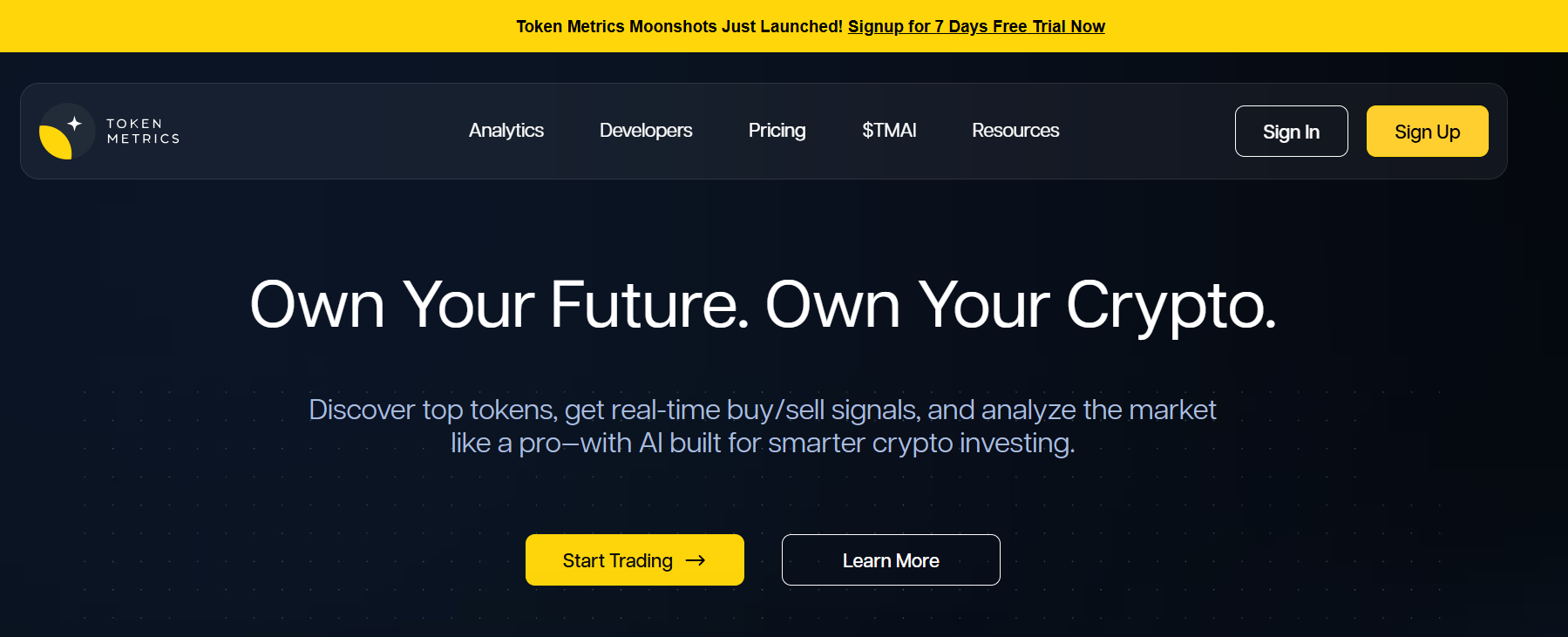
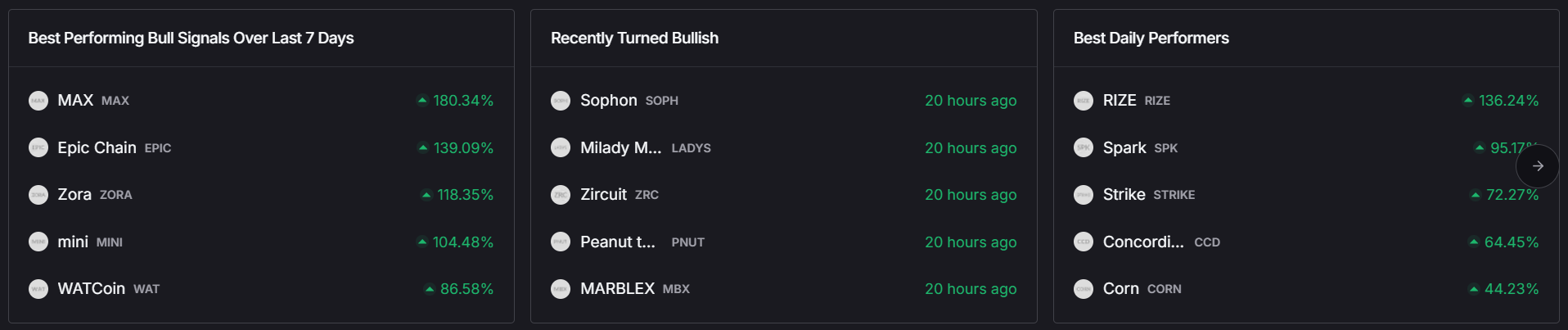
  • Token Metrics: Provides AI-driven analytics and trading signals, including Trader Grades, Investor Grades, and Bullish/Bearish Signals, to help traders time their buying and selling activities more effectively.
Choosing a platform that aligns with your trading style and risk tolerance is essential for success.

Long Term vs Short Term Trading in Crypto

When it comes to trading cryptocurrencies, understanding the difference between long-term and short-term trading is essential for developing a good strategy. Long-term trading involves holding onto a cryptocurrency for months or even years, aiming to profit from its overall growth and adoption in the market. This approach is often favored by investors with limited resources or those who prefer a more hands-off investment strategy.

Short-term trading, by contrast, focuses on buying and selling cryptocurrencies within a much shorter time frame—sometimes within the same trading day. Crypto day trading is a prime example of short-term trading, where active traders seek to capitalize on rapid price movements and volatility. As a day trader, you need to be able to monitor the markets closely and react quickly to changes in stock prices. Choosing between long-term and short-term trading depends on your risk tolerance, available time, and investment goals. Both strategies can be profitable, but it’s important to select the one that best fits your resources and trading style.
Skills Required to be a Successful Crypto Day Trader

Becoming a successful crypto day trader requires more than just a willingness to take risks—it demands a specific set of skills and a deep understanding of the market. Mastery of technical analysis is essential for identifying trading opportunities and making quick, informed decisions. Equally important is strong risk management, which helps you protect your trading account and overall profits from unexpected market swings.

A successful day trader must also possess discipline, patience, and emotional control, as the fast-paced nature of crypto trading can be both stressful and unpredictable. Critical thinking and the ability to adapt your trading strategy on the fly are vital, especially when market conditions change rapidly. As a pattern day trader, having a statistical edge and knowing when to hold overnight positions can further enhance your profit potential. Ultimately, the combination of these skills, along with a commitment to continuous learning and self-improvement, is what sets apart the most successful day traders in the crypto market.

Risk Management in Crypto Day Trading

Risk management is a cornerstone of successful day trading, especially in the highly volatile crypto markets. Protecting your trading account and overall portfolio requires disciplined approaches such as:

  • Using Stop-Loss Orders: Always set stop-loss levels to limit potential losses on any position.
  • Position Sizing: Avoid risking more than 1-2% of your account value on a single trade to preserve capital.
  • Take-Profit Targets: Establish clear profit-taking points to lock in gains before market reversals occur.
  • Cautious Use of Leverage: While margin accounts can increase buying power and potential profits, leverage also amplifies losses and can trigger margin calls if the account falls below minimum equity requirements. Traders must be aware of margin requirements to avoid forced liquidation or margin calls.
  • Short Positions: Taking a short position in crypto can be profitable if prices decline, but it also increases risk and requires strict risk management to avoid significant losses.
  • Ensuring Full Payment: Ensuring full payment for securities purchased is essential, especially when using cash accounts, to comply with regulations and manage risk.
  • Staying Informed: Monitor market data, news, and on-chain activity to anticipate trading opportunities and risks involved.

By implementing these risk management techniques, day traders can navigate the financial markets more safely and improve their chances of becoming successful day traders.

Common Mistakes to Avoid

Many beginner day traders fall into pitfalls that can lead to losing money quickly. Day traders may practice in a simulator before risking real money in the market. Avoid these common mistakes:

  1. Overtrading: Making too many trades does not guarantee profits and often results in excessive fees and poor decision-making. Overtrading also increases your total trades, which can have regulatory implications for active traders, such as triggering pattern day trader rules.
  2. Ignoring the Trend: Trading against the prevailing market trend reduces the statistical edge and success rate.
  3. FOMO Trading: Entering trades based on hype or fear of missing out without a solid day trading strategy often leads to losses.
  4. Not Using a Trading Journal: Tracking all trades helps identify what works and what doesn’t, improving future performance.
  5. Lack of Strategy: Random or impulsive trades without a clear plan increase financial risk and reduce consistency.

Avoiding these errors is crucial for building discipline and achieving long-term success in day trading activities.

Tools to Enhance Your Day Trading Game

Utilizing the right tools can significantly improve trading efficiency and decision-making:

  • TradingView: Offers advanced charting, technical analysis, and backtesting capabilities.
  • CoinMarketCap and CoinGecko: Provide real-time price data, volume, and market capitalization insights.
  • Crypto News Aggregators: Help traders stay updated on market-moving headlines and events.
  • Token Metrics Platform: An AI-powered platform delivering trading signals, trader and investor grades, and custom alerts to optimize trade timing.

These tools assist traders in analyzing market conditions, spotting trading opportunities, and managing risks more effectively.

Tax Implications

Day trading crypto generates frequent taxable events as each trade counts as buying and selling securities. Regulatory authorities often use a five business day period or business day period to determine if a trader qualifies as a pattern day trader, which can affect tax classification. Day trading can result in business classification for tax purposes, making profits fully taxable at the nominal tax rate. Traders should keep detailed records of:

  • Every trade, which is considered a capital gain or loss.
  • Holding periods, to distinguish between short-term and long-term capital gains.

Using tax software like Koinly, TokenTax, or CoinTracker can automate calculations and reporting. Since crypto tax laws can be complex, consulting a crypto-savvy tax professional is highly recommended to ensure compliance.

Final Thoughts: Is Day Trading Crypto Right for You?

Day trading crypto can be highly profitable but involves significant financial risk and requires a deep understanding of market behavior, technical analysis, and risk management. Success demands discipline, emotional control, and a well-defined trading strategy.

If you are a beginner day trader, start with small capital and consider paper trading or demo accounts to build confidence without risking real money. Day trading should not be funded with retirement savings, student loans, or funds required to meet living expenses. As your skills develop, leveraging platforms like Token Metrics can provide AI-driven insights and predictive analytics to gain a statistical edge.

For most investors, combining short-term day trading strategies with long term investing creates a balanced investment strategy that supports wealth building in the dynamic world of cryptocurrencies. Whether you aim to be a pattern day trader or prefer swing trading, understanding the risks involved and maintaining sound risk management practices are essential to achieving consistent profits in the fast-moving crypto markets.

Build Smarter Crypto Apps &
AI Agents in Minutes, Not Months
Real-time prices, trading signals, and on-chain insights all from one powerful API.
Grab a Free API Key
Token Metrics Team
Token Metrics Team

Recent Posts

Crypto Basics

Ethereum Wallets - Top 8 Picks for Secure Crypto Storage

Token Metrics Team
10 Minutes
MIN

As more people invest in Ethereum and engage in decentralized applications (DApps) built on the Ethereum blockchain, the need for secure and reliable Ethereum wallets becomes crucial.

Ethereum wallets serve as digital vaults for storing and managing your Ethereum holdings, allowing you to send, receive, and monitor your transactions securely.

In this article, we will explore some of the best Ethereum wallets available, each offering unique features and benefits to cater to different user requirements.

Ethereum Wallet Overview

An Ethereum wallet is a software application or physical device that allows users to store, manage, and interact with their Ethereum assets. It consists of a private key that enables access to the funds and a public key for receiving funds. 

Ethereum wallets come in various forms, including hardware wallets, software wallets, and paper wallets, each with its own set of advantages and considerations.

Best Ethereum Wallets

Here is the list of 8 best Ethereum wallets to consider in 2023

1. MetaMask

MetaMask is a popular Ethereum wallet that functions as a browser extension. It allows users to manage their Ethereum funds directly from their web browser. 

MetaMask offers a user-friendly interface, making it an excellent choice for beginners. With MetaMask, you can easily store, send, and receive Ethereum, as well as interact with various DApps seamlessly.

Key features:

  • Browser Extension: MetaMask integrates seamlessly with popular web browsers, allowing users to access their Ethereum wallets directly from their browsers.
  • Token Management: You can easily manage various ERC-20 tokens within the MetaMask wallet.
  • DApp Support: MetaMask provides built-in support for decentralized applications (DApps), enabling seamless interaction with the Ethereum ecosystem.

Pros:

  • Easy-to-use interface.
  • Browser integration for convenient access.
  • Support for ERC-20 tokens and DApps.

Cons:

  • Relies on browser extensions, which can pose security risks if not used cautiously.
  • No desktop application.

2. Ledger Nano S

For those seeking maximum security, a hardware wallet like the Ledger Nano S is an ideal choice. 

The Ledger Nano S is a small device that securely stores your private keys offline, away from potential online threats. 

It offers a high level of protection for your Ethereum assets and supports multiple cryptocurrencies, making it a versatile option for crypto enthusiasts.

Key features:

  • Cold Storage: Private keys are stored offline on the device, providing an extra layer of security against hacking and malware.
  • Multi-Currency Support: In addition to Ethereum, the Ledger Nano S supports a wide range of other cryptocurrencies.
  • Backup and Recovery: The device allows users to create a backup of their wallet, ensuring that funds can be easily restored in case of loss or damage.

Pros:

  • Excellent security with offline storage.
  • Support for multiple cryptocurrencies.
  • Backup and recovery options.

Cons:

  • Requires an initial investment in the hardware device.
  • Not as user-friendly for beginners compared to software crypto wallets.

3. Trezor Model T

Similar to the Ledger Nano S, the Trezor Model T is a hardware wallet designed to keep Ethereum and other cryptocurrencies safe. 

It provides advanced security features, including a touchscreen display for secure transaction verification and a PIN code to access your wallet. The Trezor Model T is an excellent option for those who prioritize top-notch security.

Key features:

  • Touchscreen Display: The Trezor Model T features a color touchscreen display, making it easier to navigate and confirm transactions.
  • Passphrase Support: Users can set up an additional passphrase for enhanced security, protecting against physical theft.
  • Password Manager: The wallet includes a built-in password manager, ensuring secure storage of login credentials.

Pros:

  • Advanced security features.
  • Intuitive touchscreen interface.
  • Password management functionality.

Cons:

  • Higher price point compared to software wallets.
  • Limited storage capacity for certain cryptocurrencies.

4. MyEtherWallet

MyEtherWallet (MEW) is a popular web-based wallet that allows users to create and manage Ethereum wallets easily. 

It offers a simple and intuitive interface, making it accessible to both beginners and experienced users. MEW also provides features like token swaps and integration with hardware wallets for enhanced security.

Key features:

  • Private Key Control: MEW allows users to retain full control over their private keys, enhancing security.
  • Token Compatibility: The wallet supports a wide range of ERC-20 tokens, ensuring compatibility with various Ethereum-based projects.
  • Integration with Hardware Wallets: MEW can be connected to hardware wallets like Ledger and Trezor for an added layer of security.

Pros:

  • Full control over private keys.
  • Wide token compatibility.
  • Integration with hardware wallets.

Cons:

  • Vulnerable to phishing attacks if users access the website through malicious links.
  • Requires careful attention to security practices.

5. Exodus

Exodus is a desktop and mobile wallet that supports various cryptocurrencies, including Ethereum. It offers a visually appealing interface and a user-friendly experience, making it an excellent choice for beginners. 

Exodus provides a backup feature to secure your wallet and a built-in exchange for seamless crypto trading.

Key features:

  • Portfolio Tracker: The wallet includes a built-in portfolio tracker, allowing users to monitor their cryptocurrency holdings.
  • Exchange Integration: Users can exchange cryptocurrencies within the wallet through integrated exchanges, making it convenient for trading.
  • Customer Support: Exodus provides 24/7 customer support to address any issues or concerns.

Pros:

  • User-friendly interface.
  • Portfolio tracking and exchange integration.
  • Responsive customer support.

Cons:

  • Less secure compared to hardware wallets.
  • Limited to supported cryptocurrencies.

6. Trust Wallet

Trust Wallet is a mobile wallet that enables users to manage their Ethereum and interact with DApps directly from their smartphones. 

It offers a decentralized and secure platform for storing and trading Ethereum, with a user-friendly interface. Trust Wallet also supports various other cryptocurrencies, making it a versatile option for multi-asset holders.

Key features:

  • Mobile Accessibility: Trust Wallet is available for both iOS and Android devices, allowing users to access their wallets from anywhere.
  • DApp Browser: The wallet includes a built-in DApp browser, enabling direct interaction with decentralized applications.
  • Biometric Authentication: Users can secure their wallets using biometric .authentication methods, such as fingerprint or face recognition.

Pros:

  • Mobile convenience and accessibility.
  • Built-in DApp browser for easy interaction.
  • Biometric authentication for enhanced security.

Cons:

  • Limited to mobile devices.
  • Potential security risks if the device is compromised.

7. Atomic Wallet

Atomic Wallet is a multi-cryptocurrency wallet that supports Ethereum and many other digital assets. It provides a sleek and user-friendly interface, along with features like staking and decentralized exchanges. 

Atomic Wallet offers enhanced security with private key encryption and local storage, ensuring the safety of your Ethereum holdings.

Key Features:

  • Multi-currency Support.
  • It features a built-in decentralized exchange that enables users to swap cryptocurrencies directly.
  • Atomic Wallet supports atomic swaps, which allows for peer-to-peer cryptocurrency trades without the need for intermediaries.
  • The wallet offers staking capabilities, allowing users to earn passive income.

Pros:

  • Atomic Wallet has an intuitive and user-friendly interface.
  • Cross-Platform Compatibility: It is available for desktop, mobile, and as a web-based wallet, providing flexibility and accessibility.
  • Atomic Wallet is privacy focused and does not collect or store users' personal information, enhancing privacy and anonymity.
  • Atomic Wallet has an active community and provides support through various channels.

Cons:

  • Limited Currency Support.
  • Atomic Wallet relies on the underlying blockchain networks for transactions, so users may encounter varying network fees depending on the cryptocurrency.
  • Although Atomic Wallet emphasizes security, some features, such as the built-in exchange, rely on centralized components, which may introduce some level of centralization and counterparty risk.

8. Guarda Wallet

Guarda serves as a secure and user-friendly non-custodial Ethereum wallet, ensuring the utmost protection for your digital assets. With its intuitive interface, Guarda offers seamless access through desktop, mobile, and web platforms.

When you create a Guarda wallet, you retain exclusive control over your private key. This empowers you to have full authority over your Ethereum holdings and other cryptocurrencies. 

Guarda wallet sets itself apart by not requiring any personal information, establishing it as the preferred choice among leading Ethereum wallets.

Key Features:

  • Guarda Wallet supports a wide range of cryptocurrencies, allowing users to store, send, receive, and manage different digital assets in one place.
  • The wallet provides an integrated exchange service that allows users to swap cryptocurrencies within the wallet interface.
  • Guarda Wallet supports hardware wallet integration, enabling users to enhance the security of their funds.
  • Users can create their own tokens on selected blockchain networks using Guarda Wallet's token generation feature.

Pros:

  • Guarda Wallet offers a high level of security with features such as encryption, private key control, and hardware wallet integration, enhancing the protection of users' funds.
  • The wallet's availability on various platforms ensures that users can access their funds and manage their assets from different devices.
  • Guarda Wallet's support for a wide range of cryptocurrencies allows users to manage all their digital assets in one wallet, reducing the need for multiple wallets.
  • The wallet's intuitive interface and simple navigation make it easy for users to perform various cryptocurrency transactions.

Cons:

  • While Guarda Wallet offers an integrated exchange service, it relies on centralized exchanges for executing trades, which may raise concerns for users who prioritize decentralized trading options.
  • Compared to some other wallets, Guarda Wallet may have a more limited range of integrations with external platforms and services.
  • Guarda Wallet is a custodial wallet, meaning that the user's private keys are stored on Guarda's servers. This introduces a level of reliance on the wallet provider, as they have control over the user's funds.

Also Read - Is Ethereum Dead? - Complete Analysis for ETH Investors

Frequently Asked Questions

Q1. Can I use any Ethereum wallet to store other cryptocurrencies?

While some wallets, like Exodus and Atomic Wallet, support multiple cryptocurrencies, not all Ethereum wallets are designed to store other digital assets.

Make sure to check the wallet's supported cryptocurrencies before using it for anything other than Ethereum.

Q2. Are hardware wallets like Ledger Nano S and Trezor Model T worth the investment?

Hardware wallets provide an extra layer of security by keeping your private keys offline. If you hold a significant amount of Ethereum or other cryptocurrencies, investing in a hardware wallet can offer peace of mind and protect your assets from potential online threats.

Q3. Can I access my Ethereum wallet from multiple devices?

Yes, some wallets like Jaxx Liberty and Atomic Wallet offer cross-platform support, allowing you to access your Ethereum wallet from various devices, including desktop, mobile, and browser extensions. This flexibility enables you to manage your assets conveniently.

Q4. What should I do if I forget my Ethereum wallet's password?

It's crucial to securely store your wallet password or recovery seed phrase. If you forget your password, some wallets provide a recovery process using the seed phrase. 

However, if you lose both your password and seed phrase, it may result in permanent loss of access to your wallet and funds.

Q5. Are mobile wallets secure for storing Ethereum?

Mobile wallets like Trust Wallet provide a secure and convenient way to store Ethereum. They offer features like biometric authentication and encryption to safeguard your funds. 

However, it's essential to practice good mobile security habits, such as keeping your device's operating system and wallet app up to date.

Conclusion

In conclusion, selecting the best Ethereum wallet depends on your specific requirements, preferences, and security concerns. The wallets mentioned in this article offer a range of options, from user-friendly web wallets to advanced hardware wallets.

Assess the features, security measures, and ease of use to find the perfect Ethereum wallet that suits your needs. Safeguard your Ethereum assets and explore the vast possibilities of the Ethereum ecosystem with confidence.

Disclaimer

The information provided on this website does not constitute investment advice, financial advice, trading advice, or any other sort of advice and you should not treat any of the website's content as such.

Token Metrics does not recommend that any cryptocurrency should be bought, sold, or held by you. Do conduct your own due diligence and consult your financial advisor before making any investment decisions.

Crypto Basics

What is Ethereum Staking and How to Stake ETH?

Token Metrics Team
8 Minutes
MIN

As the blockchain landscape progresses, Ethereum remains at the forefront, providing individuals with a distinctive opportunity to actively participate in securing the network and earning rewards.

Among the various methods available, Ethereum staking holds particular significance. But what does Ethereum staking means, and how can one stake their ETH?

In this captivating blog post, we will explore everything about Ethereum staking, unravel its complexities, and provide a step-by-step guide on how to stake your valuable ETH.

What is Ethereum Staking?

Ethereum staking is the process of participating in the Ethereum network by locking up your ETH (Ethereum's native cryptocurrency) in a wallet to support the blockchain's security and consensus mechanism. When you stake ETH, you contribute to the network's operations and help validate transactions.

Ethereum is transitioning from a proof-of-work (PoW) to a proof-of-stake (PoS) consensus algorithm through the implementation of Ethereum 2.0. 

PoS relies on validators who hold a certain amount of staked ETH to secure the network and create new blocks. In return for their participation, validators receive rewards in the form of additional ETH.

Why Stake Ethereum?

There are several reasons why individuals choose to stake Ethereum. Firstly, staking allows participants to earn passive income in the form of staking rewards. 

By staking their ETH, individuals can receive additional tokens as an incentive for supporting the network. Additionally, staking helps to decentralize the network and improve its security, making it more resistant to attacks.

Requirements for Ethereum Staking

Before you can start staking ETH, you need to meet certain requirements:

Sufficient ETH Balance: You must possess a minimum amount of ETH to be eligible for staking. The exact amount may vary depending on the staking provider and Ethereum's network requirements.

Compatible Wallet: You need a wallet that supports Ethereum staking. Ensure that the wallet you choose is compatible with the staking process and allows you to delegate your ETH or stake it directly.

How to Stake Ethereum?

Here is the step by step process to start Ethereum staking -

1. Acquiring ETH - To stake ETH, the first step is to acquire Ethereum. You can obtain ETH through various cryptocurrency exchanges or platforms that support Ethereum transactions. Ensure that you choose a reputable and secure exchange to protect your funds.

2. Setting up an Ethereum Wallet - Before staking, you need to set up an Ethereum wallet to store your ETH securely. There are different types of wallets available, including hardware wallets, software wallets, and online wallets. 

Hardware wallets, such as Ledger or Trezor, offer enhanced security by storing your private keys offline. Software wallets like MetaMask provide a convenient way to access your funds through a browser extension. Choose a wallet that aligns with your security needs and preferences.

3. Choosing a Staking Provider - Once you have acquired ETH and set up a wallet, the next step is to choose a staking provider. Staking providers are platforms or services that facilitate the staking process on your behalf. 

They handle the technical aspects and ensure your staked ETH earns rewards. When selecting a staking provider, consider factors such as their reputation, fees, user interface, and customer support.

4. Deposit and Staking - After selecting a staking provider, you will need to deposit your ETH into their staking pool or contract. 

The provider will guide you through the deposit process, which typically involves sending your ETH from your wallet to a specified address or smart contract. 

Once your ETH is successfully deposited, it will be locked up for a specific period, during which you will earn staking rewards.

5. Monitoring and Managing Staked ETH -While your ETH is staked, it's important to monitor and manage your staking activities. 

Stay updated with the performance of your staked ETH, including the rewards earned and any changes in the staking conditions. 

Some staking providers offer detailed dashboards or notifications to keep you informed. Additionally, ensure you keep your wallet and staking software up to date with the latest security patches.

Ethereum 2.0 and Staking

Ethereum 2.0, also known as Eth2 or Serenity, is a major upgrade to the Ethereum network that aims to enhance scalability, security, and sustainability. 

The transition to Ethereum 2.0 involves the implementation of the Proof-of-Stake consensus mechanism. 

With this upgrade, staking will play a crucial role in securing the network and maintaining its operations. Ethereum 2.0 is expected to bring significant improvements to the Ethereum ecosystem.

Benefits and Risks of Staking ETH

Benefits of Staking ETH

There are several benefits to staking Ethereum:

  • Earn Passive Income: By staking ETH, you can earn rewards for securing the network without actively participating in mining operations. Staking provides a passive income stream for your cryptocurrency holdings.
  • Support the Network: Staking contributes to the security and decentralization of the Ethereum network. By staking ETH, you actively participate in the consensus mechanism and help maintain the integrity of the blockchain.
  • Participate in Governance: Staking can also grant you voting rights in the Ethereum network. As a staker, you may have the opportunity to participate in on-chain governance decisions and shape the future of the platform.

Risks of Staking ETH

While Ethereum staking offers numerous benefits, it's important to be aware of the associated risks and considerations:

  • Locked Funds: When you stake ETH, your funds are typically locked up for a specified period. Ensure that you are comfortable with this illiquid state and consider your liquidity needs before staking.
  • Network Risks: Although Ethereum is a well-established blockchain, there are still inherent risks associated with network attacks, technical vulnerabilities, and protocol changes. Stay informed about potential risks and developments in the Ethereum ecosystem.
  • Third-Party Risks: If you choose to stake through a staking pool or third-party provider, there may be additional risks involved. Research and select trustworthy providers with a strong reputation to mitigate these risks.

Future of Ethereum Staking

As Ethereum continues to grow and evolve, staking is likely to become even more prominent. With the full rollout of Ethereum 2.0, more users will have the opportunity to stake their ETH and contribute to the network's security.

The integration of staking services into various platforms and wallets will make it more accessible to a wider audience. Ethereum staking is poised to become an integral part of the cryptocurrency landscape.

Frequently Asked Questions

Q1. What are the benefits of Ethereum staking?

Ethereum staking offers several benefits. Firstly, stakers can earn passive income in the form of additional ETH rewards. 

Secondly, by participating in staking, individuals contribute to the security and decentralization of the Ethereum network. Lastly, staking allows ETH holders to actively participate in network governance decisions.

Q2. Can I unstake my ETH at any time?

In most cases, staking ETH involves a lock-up period during which your funds are inaccessible. The lock-up period can vary depending on the staking provider or the specific staking contract you use. 

However, many staking providers offer flexible staking options that allow you to unstake your ETH before the lock-up period ends, although this may incur penalties or reduced rewards.

Q3. Is staking ETH risky?

Staking ETH carries certain risks, as with any investment. The main risk is the potential loss of funds in case of network vulnerabilities or attacks. 

However, Ethereum's robust and extensively tested ecosystem mitigates most of these risks. It's important to conduct thorough research, choose reputable staking providers, and follow best security practices to minimize any potential risks.

Q4. Can I stake any amount of ETH?

The minimum staking requirement may vary depending on the staking provider or the specific staking contract you choose. 

Some providers have a minimum threshold, while others allow users to stake any amount of ETH. Be sure to check the requirements of your chosen staking provider before initiating the staking process.

Q5. Are there alternatives to staking for earning passive income with Ethereum?

Yes, there are alternatives to staking for earning passive income with Ethereum. One popular alternative is yield farming, which involves providing liquidity to decentralized finance (DeFi) protocols in exchange for interest or rewards. 

However, yield farming typically carries higher risks and complexities compared to staking, so thorough research and understanding are essential.

Q6. How can I keep track of my staking rewards?

Most staking providers offer detailed dashboards or interfaces that allow users to track their staking rewards. 

These interfaces display important information such as the amount of rewards earned, historical data, and any changes to staking conditions. 

Additionally, some providers may send email notifications or updates directly to your registered email address.

Q7. How are staking rewards calculated?

Staking rewards are typically calculated based on factors like the amount of ETH staked, the duration of the staking period, and the overall network participation. Rewards can vary and are subject to change.

Q8. Can I stake a partial amount of Ethereum?

Yes, it is possible to stake a partial amount of Ethereum, provided it meets the minimum requirement set by the Ethereum network or the staking service.

Conclusion

Ethereum staking provides a means for individuals to actively participate in securing the Ethereum network while earning rewards. 

The transition to the Proof-of-Stake mechanism with Ethereum 2.0 opens up new possibilities for stakers and investors. As the Ethereum ecosystem continues to thrive, staking is expected to play a vital role in its growth and decentralization.

Remember to stay informed about the risks and best practices associated with Ethereum staking to make informed decisions and maximize your rewards.

Disclaimer

The information provided on this website does not constitute investment advice, financial advice, trading advice, or any other sort of advice and you should not treat any of the website's content as such.

Token Metrics does not recommend that any cryptocurrency should be bought, sold, or held by you. Do conduct your own due diligence and consult your financial advisor before making any investment decisions.

Crypto Basics

What are Altcoins? - The Ultimate Guide for Beginners

Token Metrics Team
10 Minutes
MIN

In the world of cryptocurrencies, altcoins have emerged as a popular alternative to Bitcoin. While Bitcoin remains the most well-known cryptocurrency, altcoins offer a diverse range of digital assets with unique features and functionalities. 

This comprehensive beginner's guide aims to provide you with a clear understanding of what altcoins are, their purpose, and how they differ from Bitcoin.

What are Altcoins?

Altcoins, short for "alternative coins," refer to all cryptocurrencies other than Bitcoin. While Bitcoin paved the way for the development of digital currencies, altcoins have gained momentum in recent years.

Altcoins are built on various blockchain technologies and aim to address different use cases, ranging from decentralized finance (DeFi) to smart contracts and privacy features.

Types of Altcoins

Here is the list of different types of altcoins, their features, and their impact on the crypto ecosystem.

Stablecoins - Stablecoins are a type of altcoin that aim to maintain a stable value by pegging their price to an external asset such as fiat currency or commodities. 

These cryptocurrencies provide stability in the volatile crypto market, making them suitable for various purposes such as remittances, decentralized finance (DeFi) transactions, and as a hedge against market volatility.

Privacy Coins - Privacy coins prioritize user anonymity and transaction privacy. They utilize advanced cryptographic techniques to conceal transaction details and protect the identities of the participants involved.

Privacy coins offer enhanced privacy features compared to other cryptocurrencies, allowing users to have greater control over their financial information.

Utility Tokens - Utility tokens are a type of altcoin that serve a specific purpose within a blockchain ecosystem. They are typically used to access or pay for services within a decentralized platform. 

Utility tokens can represent ownership rights, access rights, or provide discounts and incentives to users within the network.

Security Tokens - Security tokens are digital assets that represent ownership or investment in a real-world asset, such as shares in a company, real estate, or commodities.

These tokens are subject to regulatory compliance and offer investors the benefits of traditional securities while leveraging blockchain technology for enhanced transparency, liquidity, and efficiency.

Exchange Tokens - Exchange tokens, also known as native tokens, are the primary currency within a particular blockchain or decentralized exchange.

They facilitate transactions, pay for transaction fees, and serve as a means of value transfer within the ecosystem. Exchange tokens often have additional functionalities within the platform, such as voting rights or governance participation.

Governance Tokens - Governance tokens grant holders the right to participate in the decision-making processes of a decentralized platform or protocol.

These tokens enable holders to vote on proposals, make suggestions, or influence the development and direction of the project. Governance tokens play a vital role in decentralized governance models, ensuring community-driven decision-making.

Gaming Tokens - Gaming tokens are designed specifically for the gaming industry. These tokens enable in-game purchases, rewards, and other interactions within gaming ecosystems.

By utilizing blockchain technology, gaming tokens provide players with true ownership of in-game assets and enable peer-to-peer trading of virtual items.

NFT-Backed Tokens - NFT-backed tokens represent non-fungible tokens that are backed by another cryptocurrency or token. 

These tokens combine the unique properties of NFTs with the benefits of other cryptocurrencies, allowing for increased liquidity and tradability of non-fungible assets.

Energy-Efficient Coins - Energy-efficient coins address the environmental concerns associated with traditional proof-of-work (PoW) cryptocurrencies like Bitcoin

These altcoins utilize alternative consensus mechanisms, such as proof-of-stake (PoS) or delegated proof-of-stake (DPoS), which require significantly less energy consumption while maintaining the security and integrity of the blockchain.

Proof-of-Stake Coins - Proof-of-stake coins rely on the concept of staking to secure the network and validate transactions. Validators are chosen based on the number of coins they hold and are willing to "stake" as collateral.

This consensus mechanism offers energy efficiency, scalability, and reduced centralization concerns compared to proof-of-work systems.

Proof-of-Work Coins - Proof-of-work coins, like Bitcoin, secure their networks through miners who solve complex mathematical puzzles to validate transactions.

This mechanism requires substantial computational power and energy consumption. Proof-of-work coins have been the foundation of the crypto industry and have demonstrated the potential of decentralized systems.

Forked Coins - Forked coins are altcoins that have emerged from a fork in the blockchain network. Forks occur when there is a fundamental disagreement within the community or development team, resulting in a split into two separate chains. 

Forked coins can retain the existing features of the parent blockchain or introduce new functionalities.

Cross-Chain Tokens - Cross-chain tokens, or interoperable tokens, enable value transfer between different blockchain networks. These tokens facilitate cross-chain communication, allowing assets to be transferred seamlessly across multiple platforms. 

Cross-chain tokens play a crucial role in bridging the gap between various blockchain ecosystems, enhancing interoperability and expanding the possibilities of decentralized applications.

List of Top Altcoins

The cryptocurrency market boasts a wide array of altcoins, each with its unique features and value propositions. Here are some of the most popular altcoins:

1 Ethereum (ETH) - Ethereum is a decentralized platform that enables the creation of smart contracts and DApps. It introduced the concept of programmable blockchain, allowing developers to build applications on its network.

2 Ripple (XRP) - Ripple is both a digital payment protocol and a cryptocurrency. It aims to facilitate fast, low-cost international money transfers and has gained significant traction among financial institutions.

3 Litecoin (LTC) - Litecoin, often referred to as the silver to Bitcoin's gold, was created to provide faster transaction confirmations and a more efficient mining process. It shares many similarities with Bitcoin but with a few notable differences.

4 Cardano (ADA) - Cardano is a blockchain platform that focuses on security, sustainability, and scalability. It aims to provide a framework for the development of decentralized applications and smart contracts.

These are just a few examples of the vast number of altcoins available in the market. Each altcoin has its unique features, community, and use case, making the cryptocurrency landscape diverse and dynamic.

Advantages and Disadvantages

Here are the advantages and disadvantages of altcoins:

Advantages of Altcoins

Diversification Opportunities

Altcoins provide investors with the chance to diversify their cryptocurrency portfolio. By investing in different projects, technologies, and use cases, one can mitigate risks and capitalize on emerging trends.

Technological Progress:

Altcoins often introduce groundbreaking technological advancements in the realm of digital currencies. Ethereum, for example, pioneered smart contracts, revolutionizing industries like finance and supply chain management.

Potential for Lucrative Returns:

Early investment in altcoins offers the potential for substantial returns over time. However, it is important to conduct thorough research and exercise caution due to the associated risks and potential for fraudulent projects.

Enhanced Privacy and Security:

Certain altcoins prioritize privacy and security through advanced cryptographic techniques. Users can enjoy increased anonymity and confidentiality during transactions, providing an alternative to traditional financial systems.

Disadvantages of Altcoins

Volatility and Market Uncertainty:

Altcoins are known for their inherent volatility, resulting in significant price fluctuations within short periods. While this volatility presents opportunities for gains, it also carries higher risks of losses.

Limited Acceptance and Adoption:

Altcoins generally face lower levels of acceptance and adoption compared to Bitcoin. Bitcoin's widespread recognition and dominance make it the preferred cryptocurrency for most users and businesses.

Potential for Scams and Fraud:

The proliferation of altcoins has led to numerous scams and fraudulent projects. Caution and thorough research are necessary to avoid falling victim to scams, such as pump-and-dump schemes or fake ICOs.

Regulatory and Legal Uncertainty:

Altcoins often operate in a regulatory gray area, with undefined legal statuses. Changes in regulations or crackdowns on cryptocurrency-related activities can significantly impact the value and viability of altcoins.

Bitcoin vs Altcoin

Although altcoins share similarities with Bitcoin, they have distinct characteristics that set them apart. Bitcoin was the first decentralized digital currency, introduced by an anonymous individual or group known as Satoshi Nakamoto. 

It operates on the Bitcoin blockchain and focuses primarily on peer-to-peer transactions and the store of value.

On the other hand, altcoins have diverse features and functionalities. Some altcoins, like Ethereum, enable the creation of decentralized applications (DApps) and smart contracts.

Others, such as Litecoin and Bitcoin Cash, prioritize faster transaction speeds and lower fees. Altcoins often aim to improve upon Bitcoin's limitations and explore new possibilities in the crypto space.

Should you consider investing in Altcoins?

Investing in altcoins can be an exciting opportunity for individuals looking to diversify their investment portfolios. However, it's essential to approach altcoin investments with caution and conduct thorough research. Here are a few key points to consider before investing in altcoins:

Conduct research: Understand the altcoin's technology, team, roadmap, and potential use cases. Look for reputable sources of information and evaluate the project's viability.

Risk assessment: Assess the risks associated with the altcoin investment. Consider factors such as market volatility, regulatory challenges, and potential security vulnerabilities.

Diversification: Spread your investments across different altcoins to minimize risk. Investing in a diverse range of projects can increase your chances of finding successful investments.

Set a budget: Determine the amount of money you are willing to invest in altcoins. Set a budget that you can afford to lose without affecting your financial stability.

Choose a reliable exchange: Select a reputable cryptocurrency exchange to buy and trade altcoins. Ensure that the exchange has a good track record, strong security measures, and a user-friendly interface.

Risks and Challenges of Altcoin Investments

While altcoin investments offer opportunities, they also come with risks and challenges. Some of the risks include:

Volatility: Altcoin prices can experience significant fluctuations, leading to potential losses if not managed properly.

Regulatory uncertainty: The regulatory landscape for cryptocurrencies is still evolving, and changes in regulations can impact the value and viability of altcoins.

Security vulnerabilities: Altcoins may be susceptible to hacking, scams, or technical vulnerabilities, which can result in the loss of funds.

It's essential to stay informed, exercise caution, and conduct due diligence before investing in altcoins.

Future of Altcoin Development

The world of altcoins continues to evolve rapidly, with ongoing developments and innovations. Here are some future trends to watch out for:

Interoperability: Projects focusing on interoperability aim to enhance communication and compatibility between different blockchains, enabling seamless transfer of assets and data.

Privacy-focused altcoins: With growing concerns about privacy, there is an increasing demand for altcoins that prioritize anonymity and data protection.

Decentralized Finance (DeFi): Altcoins supporting decentralized financial applications, such as lending, borrowing, and automated market-making, are gaining popularity as they offer alternatives to traditional financial systems.

As technology advances and new challenges arise, the altcoin landscape is expected to witness further growth and diversification.

Frequently Asked Questions

Q1. Are altcoins as secure as Bitcoin?

The security of altcoins varies depending on the specific project and its underlying technology. It's crucial to research and understand the security measures implemented by each altcoin.

Q2. How can I choose the right altcoin to invest in?

Choosing the right altcoin requires thorough research and analysis. Consider factors such as the project's team, technology, use case, and market demand.

Q3. What is the future outlook for altcoins?

The future of altcoins is promising, with ongoing developments in areas such as interoperability, privacy, and decentralized finance. However, it's important to approach investments with caution and stay informed about market trends.

Q4. Can I use altcoins for everyday transactions?

Some altcoins are designed for use as digital currencies and can be used for everyday transactions. However, acceptance and adoption may vary depending on the altcoin and the merchants or platforms that support it.

Conclusion

Altcoins provide a diverse and dynamic ecosystem within the cryptocurrency market. They offer unique features and functionalities that differentiate them from Bitcoin. 

However, investing in altcoins requires thorough research, risk assessment, and cautious decision-making. Stay informed, diversify your portfolio, and set realistic expectations for returns. 

Remember to choose reputable wallets and exchanges to ensure the security of your altcoin investments. As the altcoin market continues to evolve, it is essential to stay updated with the latest trends and developments.

Disclaimer

The information provided on this website does not constitute investment advice, financial advice, trading advice, or any other sort of advice and you should not treat any of the website's content as such.

Token Metrics does not recommend that any cryptocurrency should be bought, sold, or held by you. Do conduct your own due diligence and consult your financial advisor before making any investment decisions.

Choose from Platinum, Gold, and Silver packages
Reach with 25–30% open rates and 0.5–1% CTR
Craft your own custom ad—from banners to tailored copy
Perfect for Crypto Exchanges, SaaS Tools, DeFi, and AI Products

